
PremiumBespokeArtisanLuxuryBoxes with Window
Tell us about your boxes
Popular Boxes with Window
our brands keep reordering.
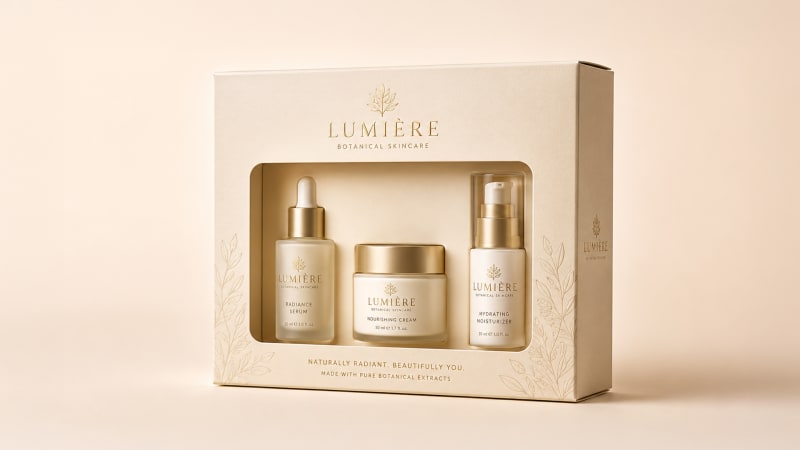
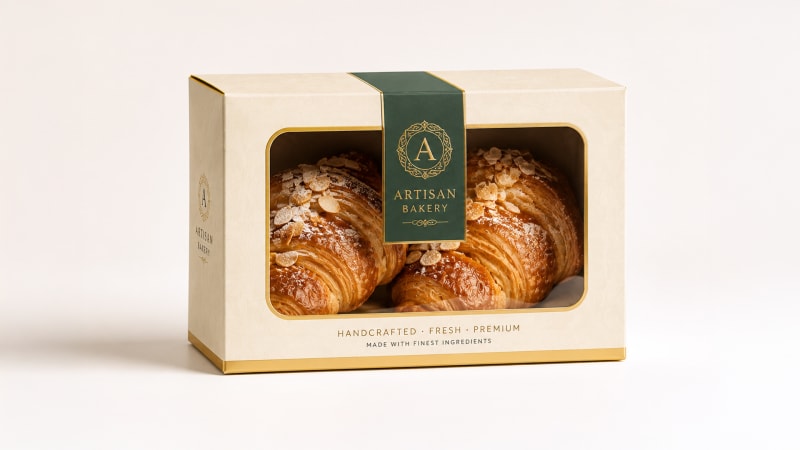
Hand-picked from our boxes with window range. 2 styles, each built for a different job.
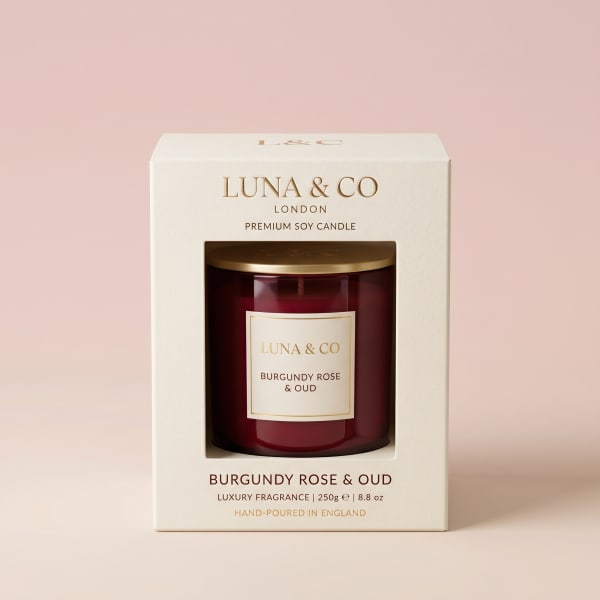
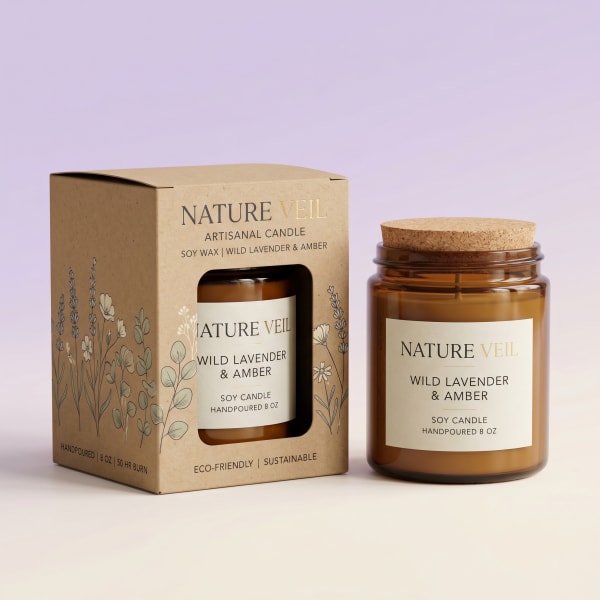
The box is the building.
Inserts are everything else.
Furniture. Bodyguards. Stage crew. The unseen architecture that makes your product feel like it lives somewhere, not like it was just dropped in a box.
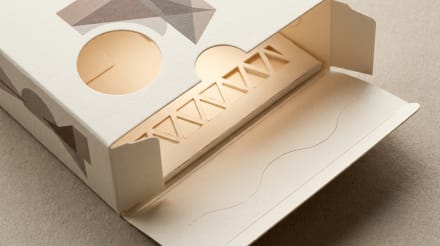
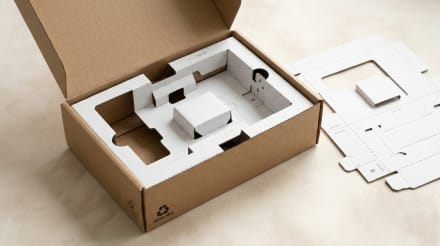
Paperboard Inserts
“Engineered paper architecture. Folds, locks, and reveals.”
Foam Inserts
“Soft armor that fits like a glove. Protection without weight.”
Molded Pulp Inserts
“Custom-shaped cradles for products of any silhouette.”
Velvet & Luxury Inserts
“Touch is the unsung sense. Make every reach into the box feel chosen.”
Bottle & Jar Inserts
“Hold the unholdable. Round things, fragile things, things that mustn't spill.”
Eco Inserts
“Plant-based, plastic-free, planet-positive. Compost-ready protection.”
Flexible Protection Inserts
“The unsung heroes of shipping. Soft cushioning that travels well.”
Marketing & Welcome Inserts
“The story slid in beside the product. Printed conversation starters.”
Every finish we offer on Boxes with Window.
Materials, finishes and add-ons available for this range. Order any of them as a free sample before you commit to a run.
Materials
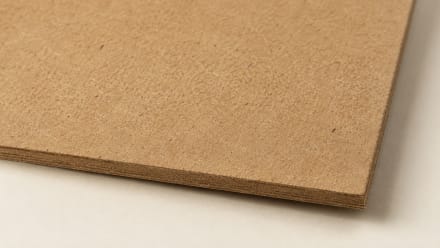
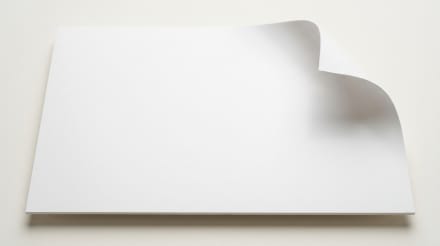
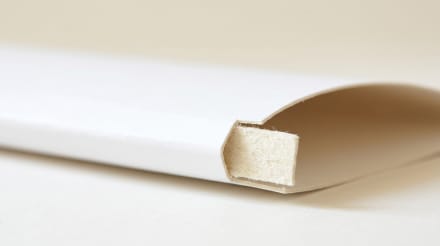
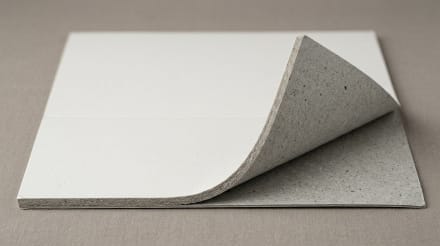
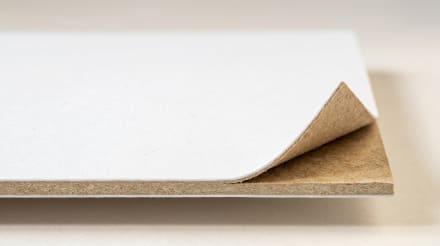
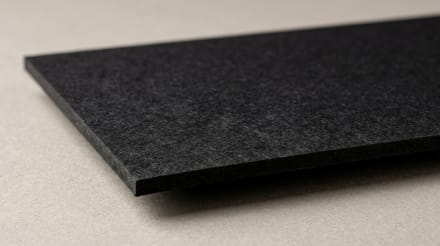
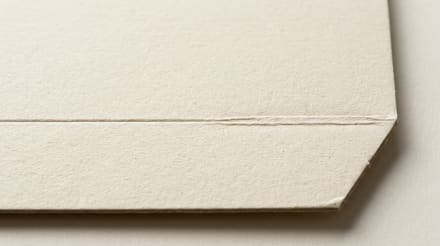
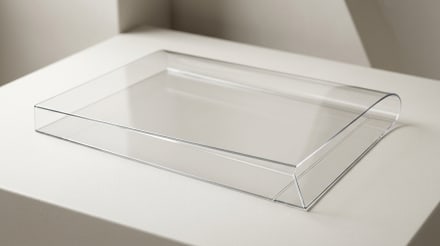
The board and film we build on
 ◷ ECO
◷ ECO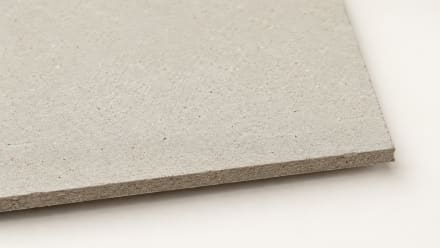
Finishes
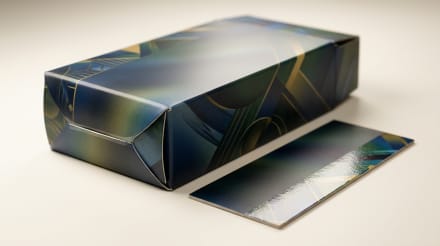
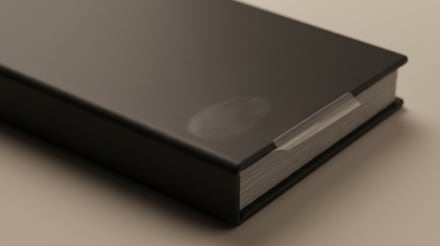
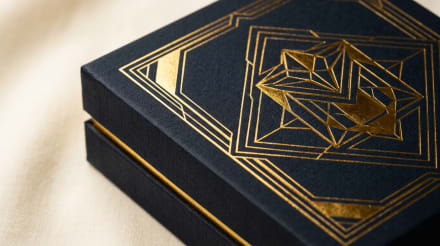
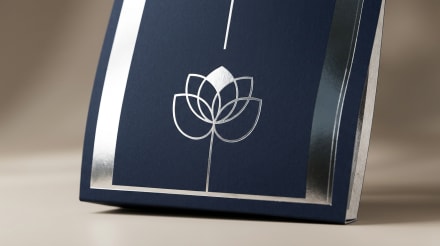
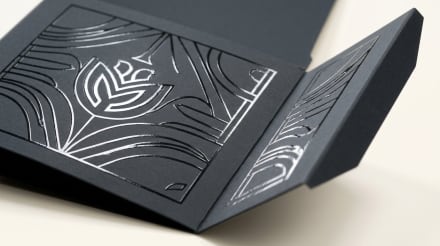
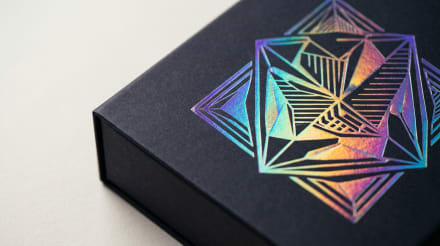
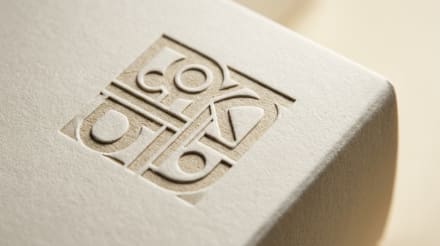
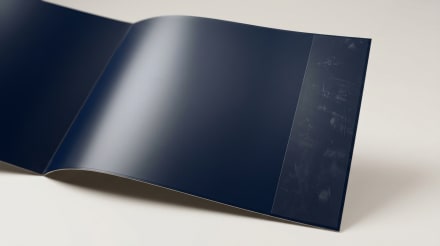
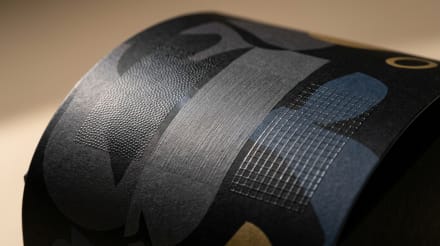
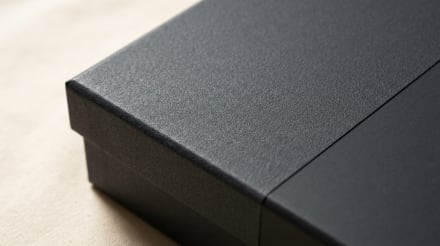
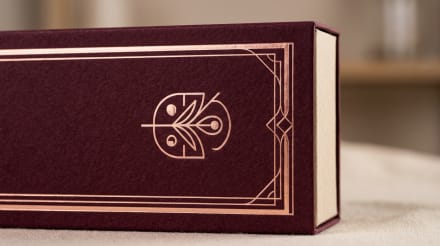
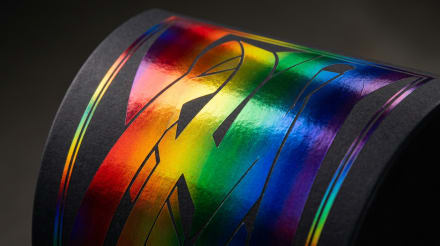
What the surface does in the light


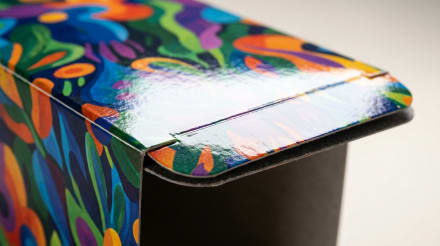
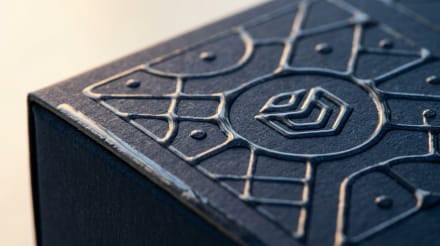
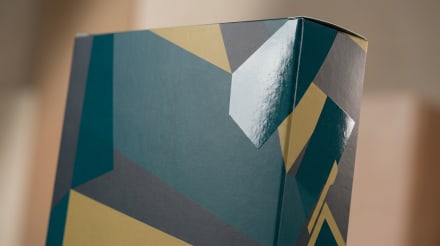
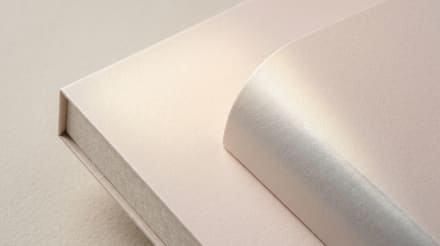
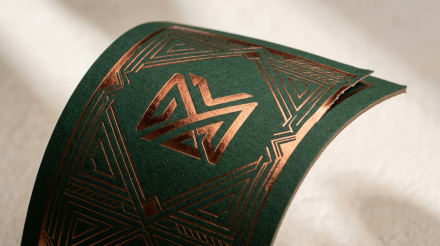
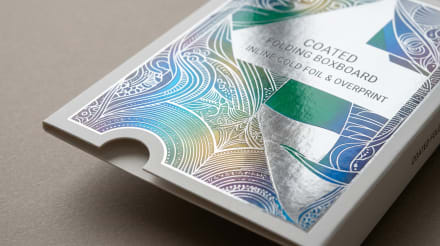

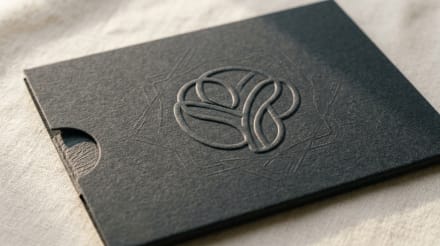
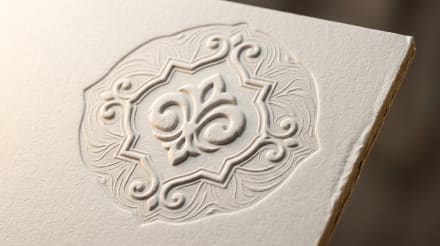


Add-ons
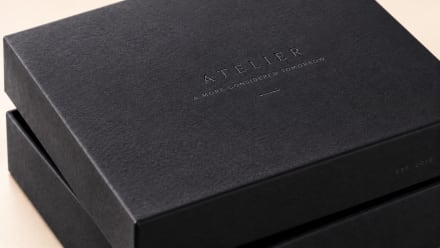
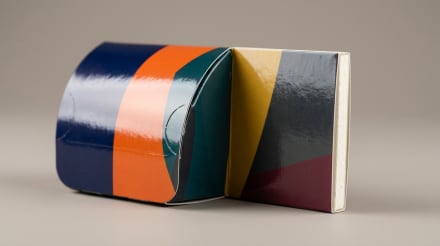
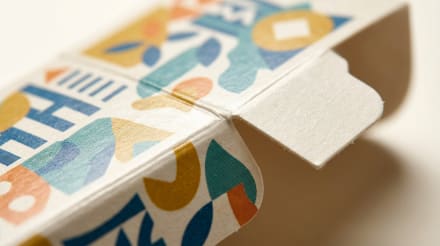
Closures, linings and the extra touches
For products that argue their own case.
Bakery & Confectionery Packaging
Grease-resistant board with food-safe PET or open windows for cupcakes, cookies, macarons and chocolate assortments. The category where a window is close to mandatory.
Let the product sell itself.
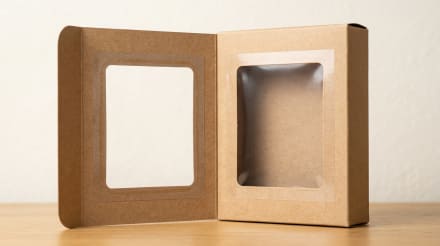
Custom boxes with window, a die-cut aperture and a film patch that turn packaging into a display case.
Why cut a hole in a perfectly good box?
Because the strongest sales argument is usually the product itself.
Shoppers buy what they can see
A window removes the last piece of doubt before purchase. Confectionery, bath products, toys, baked goods and anything with visual appeal sell better when the shopper can see the actual item rather than a photograph of it. It is the cheapest way to say “this is exactly what you get.”
It replaces a photograph you would have paid for
A window is a die-cut and a film patch. Product photography, retouching and the printing of it are not free either, and the window never misrepresents colour, size or count, which is where photography gets brands into trouble with returns.
The trade-off is real, though
Every window costs you barrier and it costs you print area. Light gets in, which fades pigments and degrades some foods; oxygen gets in around a poorly patched aperture. If your product is light-sensitive or oily, a window is the wrong instinct and we will say so.
The board, and the film across the gap.
Two material decisions, and the second one is the one people forget.
The carton board
Folding boxboard from around 300gsm upward, or E-flute corrugated where the pack needs to carry weight. An aperture weakens a panel, so windowed cartons are often specified a grade heavier than the same box without one, particularly when the window is large or sits near a fold.
PET window film
The default, and the right default. Clear, food-safe, recyclable in more streams than the alternatives, and it holds its clarity rather than yellowing with age. Standard gauges are thin enough to fold flat for shipping and stiff enough not to wrinkle in the patch.
PVC, acetate and PLA
PVC is cheaper and glass-clear but harder to recycle and increasingly refused by retailers. Acetate has a premium optical quality used in cosmetics and gifting. PLA is the compostable option, paired with a compostable board where the whole pack has to break down together.
Shape, placement, and whether to glaze it at all.
The window is a design decision long before it is a production one.
Any aperture shape
Circles, arches, keyholes, brand marks, letterforms, or an outline that follows the product silhouette. Tooling is a one-off cost, so an interesting shape is far cheaper at volume than most brands assume. Keep the aperture clear of folds and glue tabs and almost anything is achievable.
Open windows
No film at all. Common on bakery and produce cartons where the product needs to breathe, and on kraft gift packaging where the raw opening suits the aesthetic. Cheaper, more sustainable, and useless as a barrier, which for a loaf of bread is exactly right.
Multi-panel and wrap-around windows
A window that crosses a fold, or apertures on two faces so the product reads from more than one angle on shelf. Both are buildable, and both need the dieline planned around the fold so the film patch does not crease.
Where a window earns its cost.
Categories where seeing the product is most of the sale.
Bakery and confectionery
The category that built the format. Cupcakes, cookies, macarons and chocolate assortments all sell on appearance, and all of them benefit from an open or PET-glazed window. Food-safe films and grease-resistant board are the two specifications that matter.
Toys, models and collectables
Parents and collectors both want to see the actual piece. Window boxes here tend to be large-aperture with a printed backing panel behind the product, so the toy sits against brand colour rather than bare board.
Cosmetics, soap and bath
Handmade soap, bath bombs and bar products where colour and surface texture are the product. Acetate windows and kraft board are the common pairing, because the raw materials are part of the story.
How a windowed carton gets made.
One extra stage compared with a plain box, and it is the stage that decides quality.
01. Dieline with the aperture planned in
The window is cut at the same time as the carton outline, so it has to be positioned clear of folds, glue tabs and the crease lines. This is the stage where a window either works or causes trouble later.
02. Print, laminate, die-cut
The carton is printed and finished flat, then die-cut, which removes the window panel along with the outline in a single pass.
03. Patching
The film is applied over the aperture from the inside on a patching machine. Registration and adhesive coverage are what separate a clean window from one that lifts at a corner after a month in a warehouse.
04. Glue, fold, quality check
Side seams glued, cartons folded flat, and every batch checked for patch adhesion and film clarity before packing.
Questions, answered.
Yes. Every aperture removes material that was contributing to the box's rigidity, and the effect compounds on small boxes.
The working rules are to keep a generous frame all round, avoid placing windows across fold lines or near corners, and step up caliper where a large window has taken out a lot of material. A windowed box in the same board as its solid equivalent will feel flimsier, and customers read flimsy as cheap.
PET is the clear standard with food-approved grades readily available. RPET adds recycled content at near-identical clarity, and cellulose film is genuinely compostable.
There is also the option of no film at all. An open aperture is the right answer more often than people assume. For bakery, soap and anything where airflow or scent helps the sale, it beats a sealed window and keeps the pack single-material.
A film-patched carton is a mixed-material item, which reduces the recyclability of the whole even where municipal systems accept it.
The honest ways to address it are keeping windows modest so the paper ratio stays high, specifying cellulose film, or leaving the aperture open. Stating the film type on the pack rather than making a vague recyclable claim is the approach that survives scrutiny.
Where it shows the product's most characteristic face, clear of fold lines and with a solid frame around it.
Gable boxes add a constraint of their own. The handle is already an aperture, and the load path runs up the side panels to it, so windows should sit low and well clear of that path. On tall narrow cartons, a vertical window suits the proportion better than a square one.
Yes, with food-approved film and attention to condensation.
Warm or moist contents fog a sealed window, which ruins the view and often the product too. Perforated film or an open aperture solves it. For chilled foods, anti-fog film grades exist and are worth specifying, because a misted window on a refrigerated shelf works against the very sale it was cut for.
Yes. Arches, ovals, letterforms and brand outlines can all be cut within the same dieline as the box.
The constraint is the folding-carton rule that internal corners tighter than about 3mm radius crack the fibre. Shaped windows also affect nesting efficiency less than shaped box outlines do, since the aperture is cut from material that would otherwise be waste inside the blank.
For products worth seeing, consistently yes. Showing converts better than describing.
The evidence holds across food, cosmetics, toys and craft goods, and the window's cost is small against that difference. Where it does not help is products that photograph better than they look in person, or where the contents settle unattractively. A window that looks half empty does more harm than no window at all.
500 units, with 7–10 business days production.
Window patching adds a step after die-cutting, so lead times run at the longer end of that range. The film patch itself carries no separate tooling charge beyond the carton die, which already includes the aperture.
Your brand deserves
better packaging.
Work one to one with a dedicated packaging manager, from first sketch to delivery.