OVERVIEW
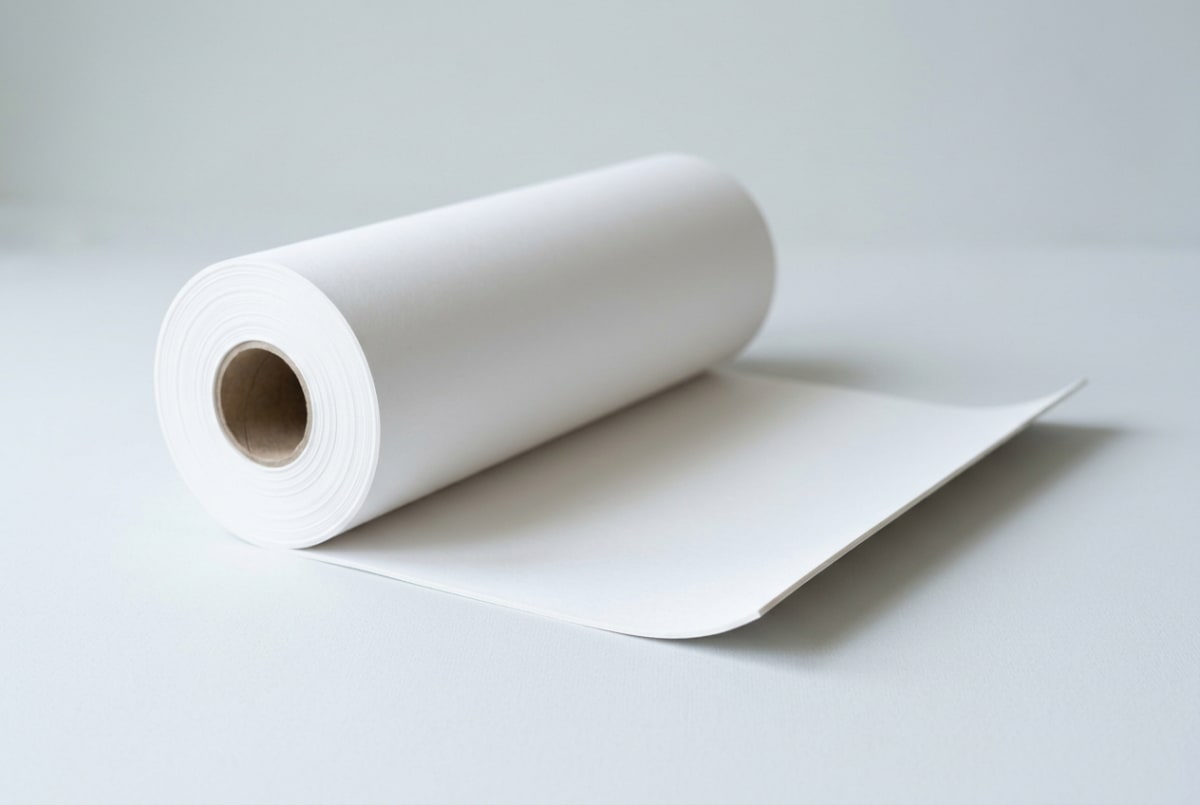
What is Cardboard?
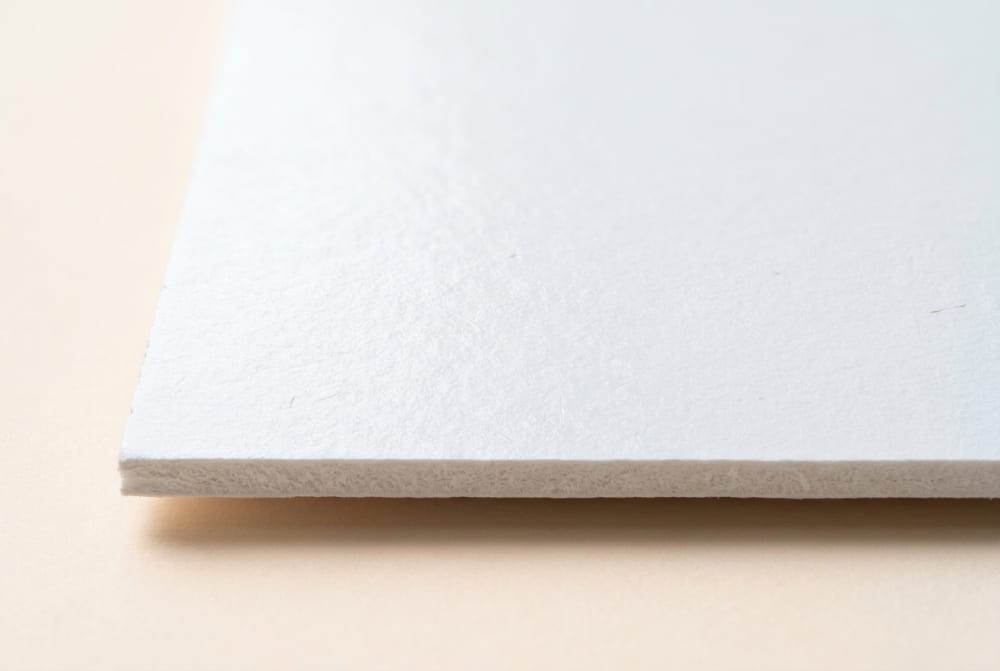
Cardboard folding carton stock is produced through the SBS (solid bleached sulfate) process, in which bleached wood pulp is pressed into a multi-ply sheet and coated on the top face for bright, even ink holdout.
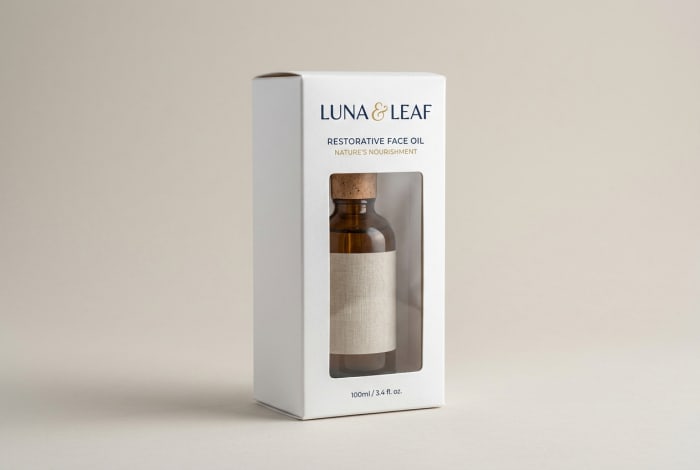
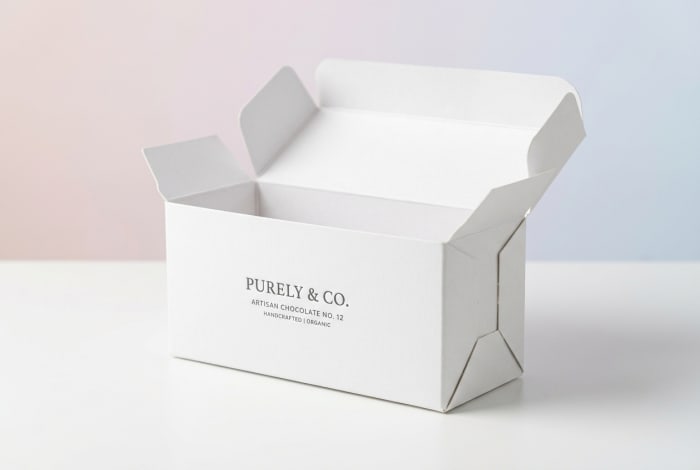
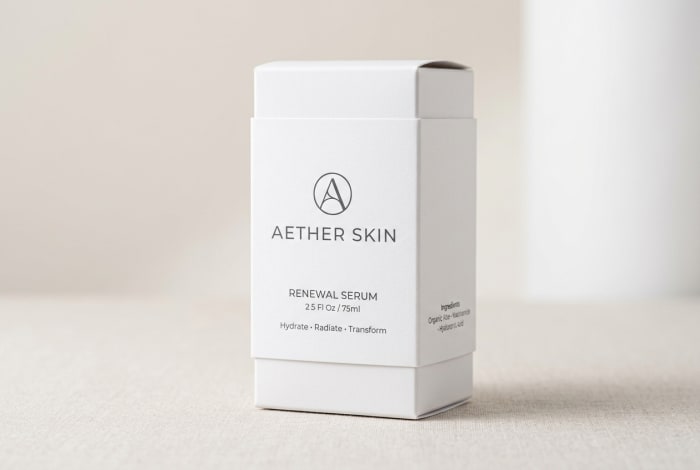
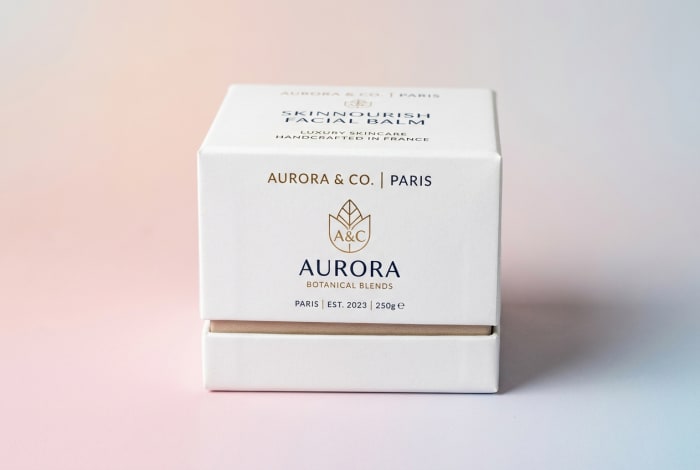
Because the coating accepts litho, digital and foil work so cleanly, cardboard is the default substrate for retail folding cartons across cosmetics, food, electronics and pharma, and anywhere else shelf presence matters.
SPECIFICATIONS
Technical at a glance
Common GSM
250, 300, 350, 400, 450
Finish options
Matte, gloss, soft-touch, spot UV
Print methods
Litho, digital, foil, emboss
Food contact
Available (FDA-compliant grades)
Recyclability
Curbside recyclable
Best for
Retail cartons, cosmetic boxes, food packaging
IN PRODUCTION
Products made with Cardboard

Toy Blister Packaging with Header Card
The header card is the shelf presence here, die-cut, printed and hung where children will see it.
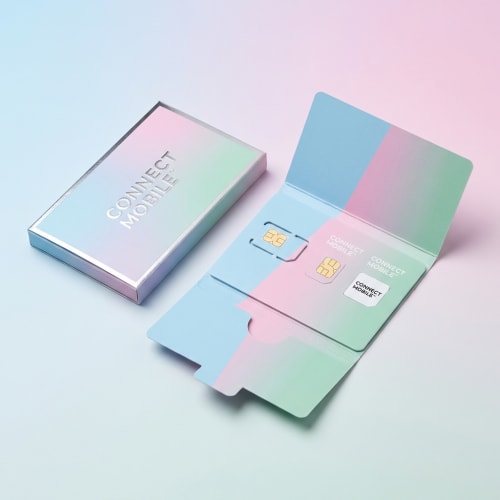
Sim Card Packaging
A tiny chip, a printed carrier and a number that has to stay readable and secure.
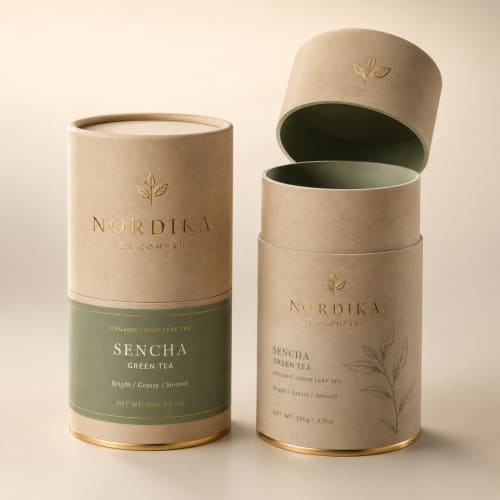
Cardboard Tube Packaging
The umbrella format. One wound-cylinder construction sits behind tea caddies, posters and spirits alike.
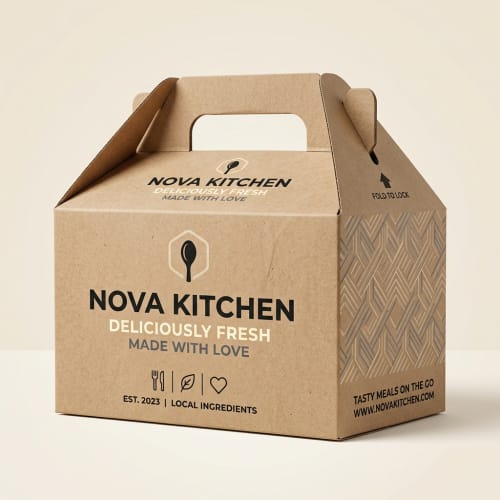
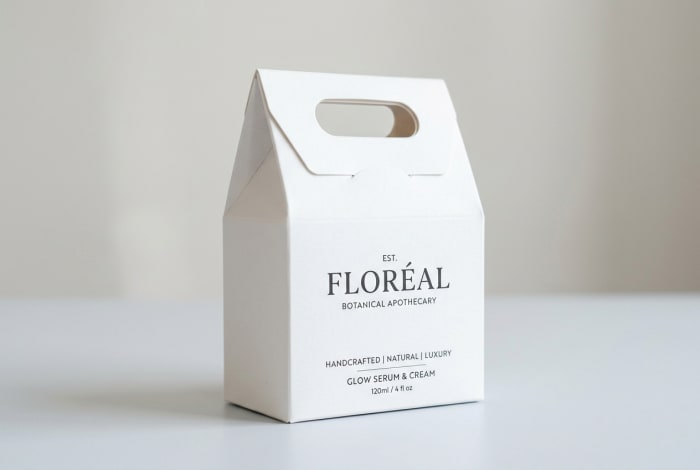
Cardboard Gable Boxes
The white-board version, chosen where brand colour has to reproduce accurately.
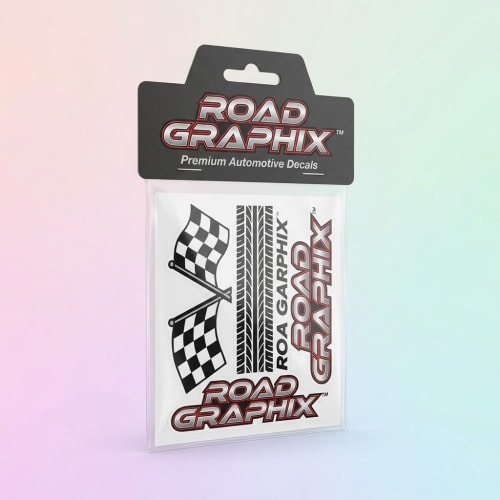
Car Stickers Header Cards
A loose decal cannot be merchandised, so the card supplies the face, the barcode and the pitch.
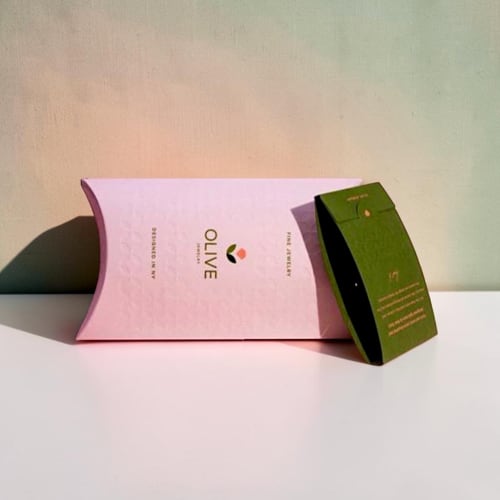
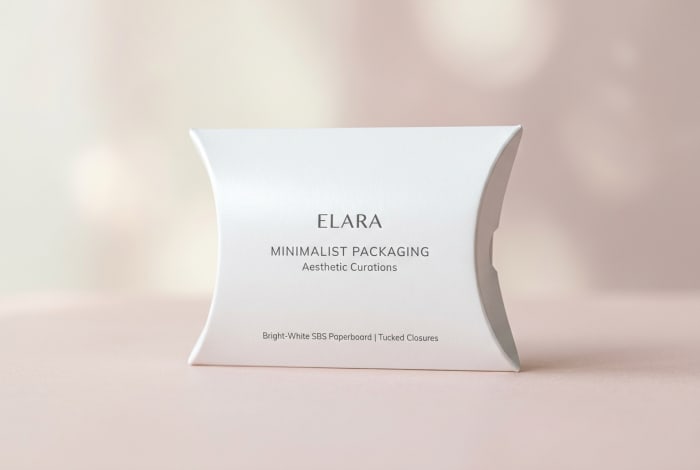
Cardboard Pillow Boxes
Curved ends and no glue, the shape a flat sheet makes when you fold it right.
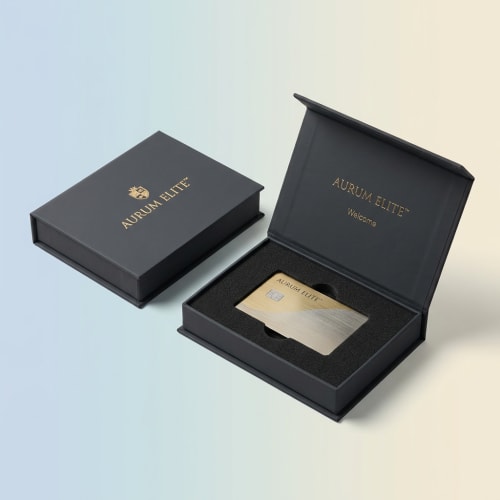
Credit Card Boxes
A card, a carrier and a mailing piece, which makes it financial print with security expectations attached.
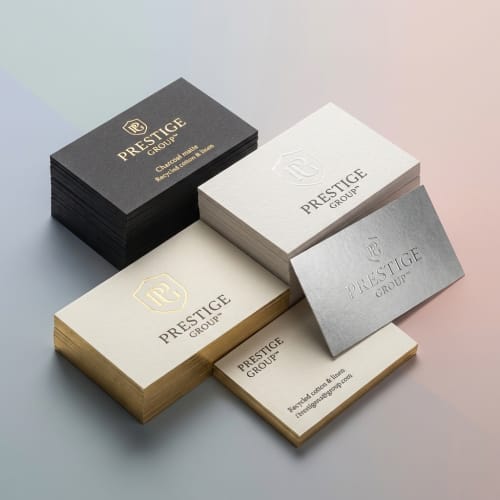
Custom Business Cards
The smallest print job with the highest scrutiny, since every edge gets inspected.
WHO USES IT
Industries that rely on Cardboard
C
Cosmetics & Beauty
Branded retail packaging
F
Food & Beverage
Shelf-stable food cartons
P
Pharma & Health
Compliant carton packaging
E
Electronics
Lightweight retail boxes
R
Retail & Gifting
Shelf-ready presentation
S
Subscription Boxes
Branded unboxing cartons
T
Toys & Games
Colorful retail packaging
C
Confectionery
Food-safe treat boxes
THE PROCESS
How Cardboard is made
01
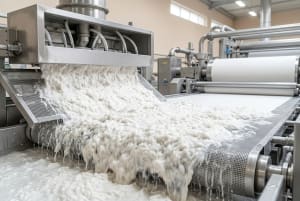
Pulping & bleaching
Wood fibers are pulped and bleached to create a bright white base sheet.
02
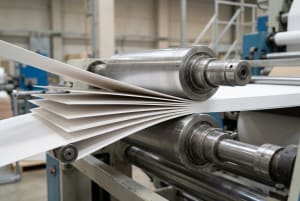
Multi-ply forming
Several thin layers are pressed together to build the final board caliper.
03
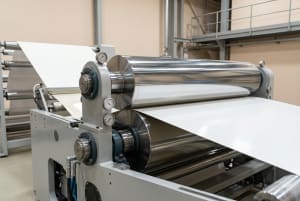
Coating & calendering
A clay or polymer coating is applied and smoothed for sharp, vivid printing.
04
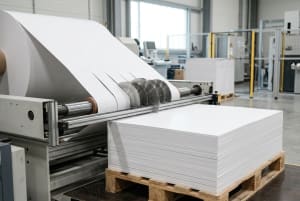
Cutting & sheeting
The finished board is slit and cut to sheet size ready for printing and die-cutting.
+
Advantages
✓
Bright print canvas. the coated face holds vivid, sharp full-color print.
✓
Lightweight & cost-effective. efficient for high-volume retail runs.
✓
Versatile finishes. takes foil, emboss, soft-touch and spot UV well.
✓
Food-safe options. FDA-compliant grades available for direct food contact.
✓
Easy to die-cut. forms clean creases for tuck-end and lock-bottom styles.
!
Considerations
–
Less rigid than board stocks. not suited to heavy or bulky products.
–
Not water-resistant uncoated. needs a liner or coating for moisture exposure.
–
Bleaching footprint. the bleaching process is less eco-friendly than unbleached kraft.
–
Limited structural strength. not designed for shipping without an outer case.
SUSTAINABILITY
Eco-friendly level
Cardboard is widely recyclable, though the bleaching process gives it a slightly higher footprint than unbleached kraft.
✓Curbside recyclable✓Recycled options available✓Lower carbon than plastic✓Biodegradable
ECO RATINGGood · 4 / 5
LowModerateExcellent
COST COMPARISON
Relative cost per unit
Indexed against Cardboard = 1.2×. Actual pricing depends on size, finish and volume.
Cardboard
1.2×
Kraft
1.0×
Recycled White
1.2×
Corrugated
1.5×
Paper Tubes
1.4×
Mylar
2.3×
Rigid
3.0×
IF NOT CARDBOARD
Alternative materials
GALLERY




Ready to package in Cardboard?
We'll send a free dieline, a physical sample and a quote tailored to your product within 24 hours.