PremiumBespokeArtisanLuxuryCustom Gift Packaging Boxes
Tell us about your boxes
Popular Custom Gift Packaging Boxes
our brands keep reordering.
Hand-picked from our custom gift packaging boxes range. 12 styles, each built for a different job.
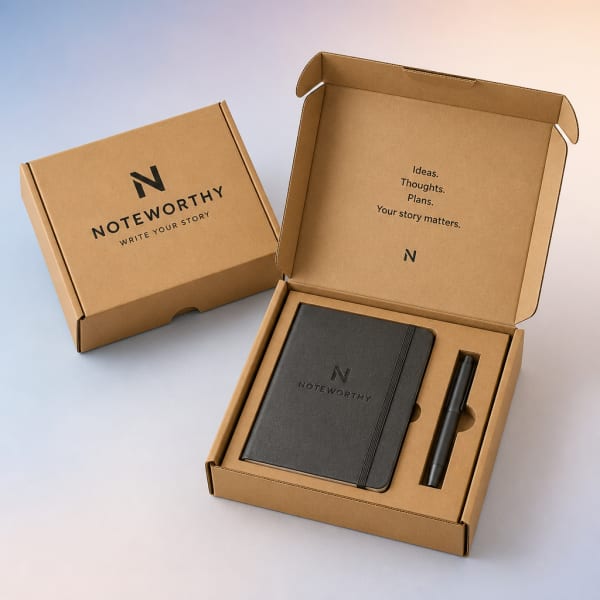
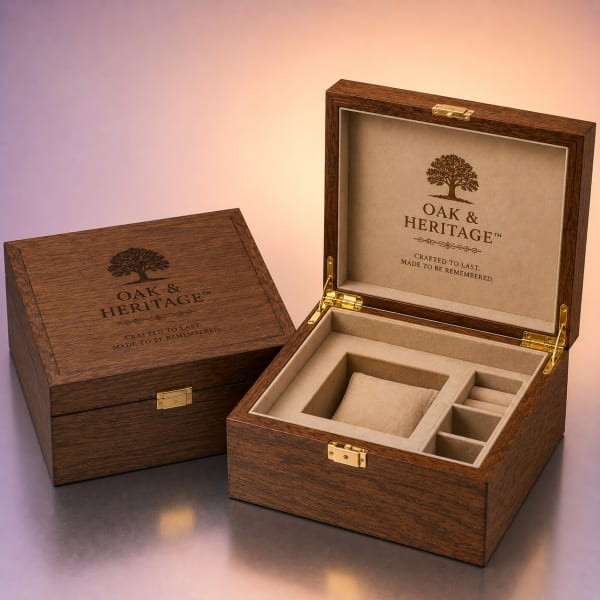
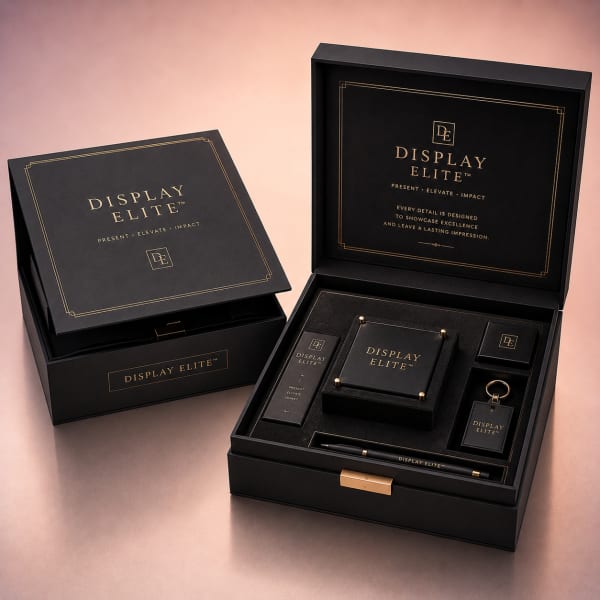
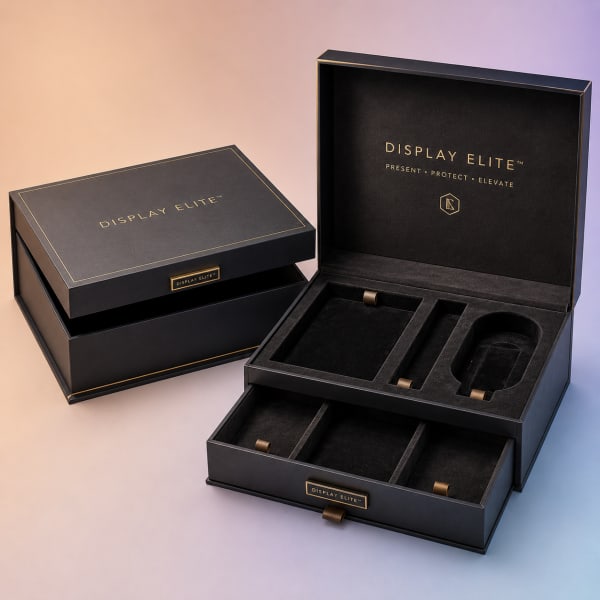
The box is the building.
Inserts are everything else.
Furniture. Bodyguards. Stage crew. The unseen architecture that makes your product feel like it lives somewhere, not like it was just dropped in a box.
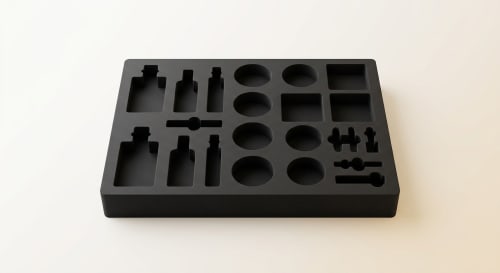
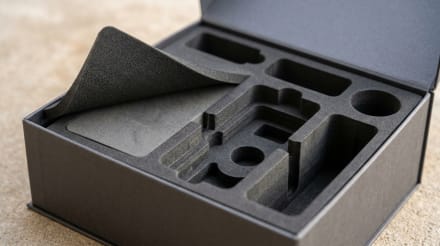
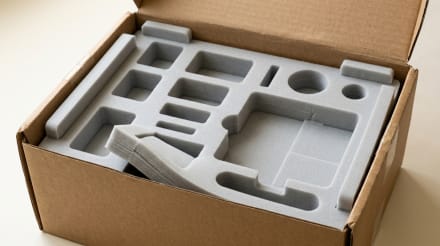
EVA Form Inserts
“Premium foam inserts for”

Every finish we offer on Gift Packaging Boxes.
Materials, finishes and add-ons available for this range. Order any of them as a free sample before you commit to a run.
Materials
The board and film we build on




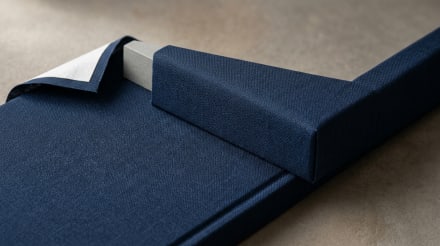
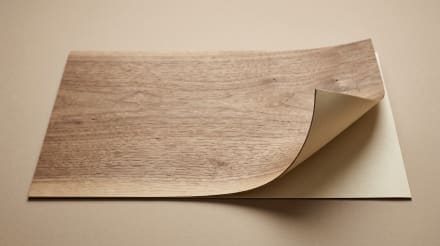
Finishes
What the surface does in the light

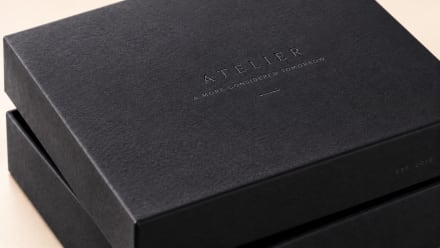
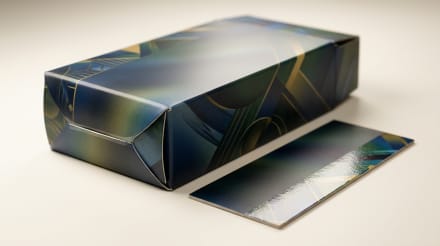
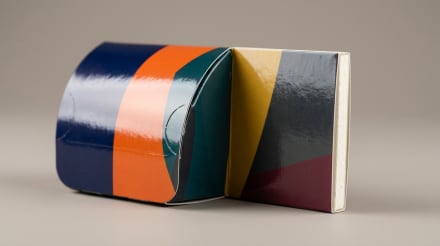

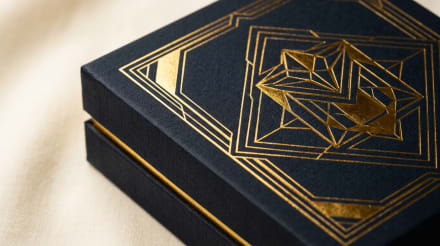

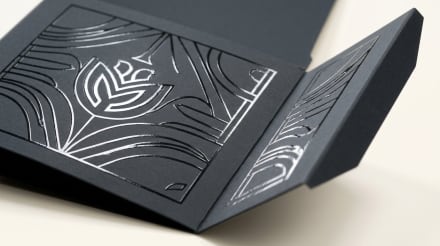
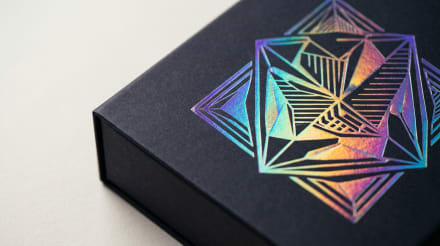
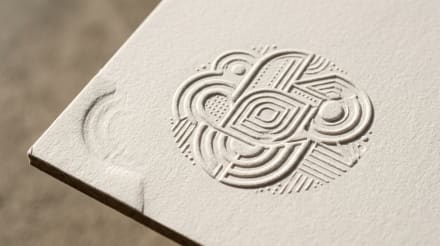
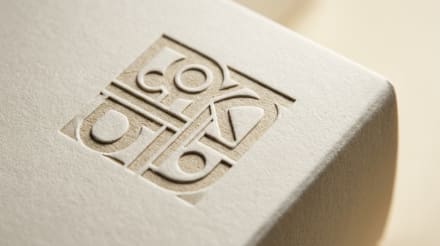
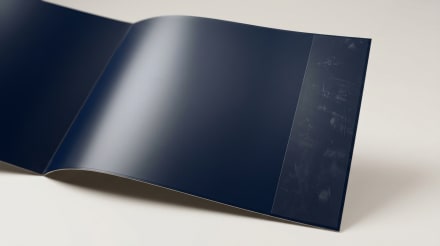
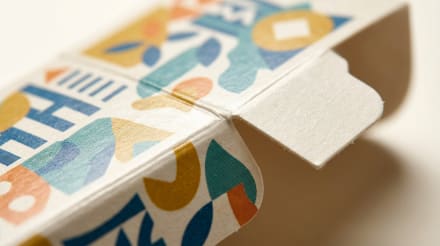
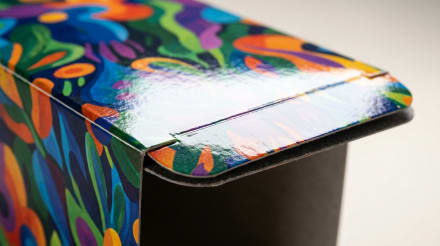

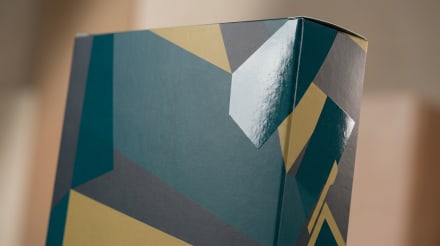
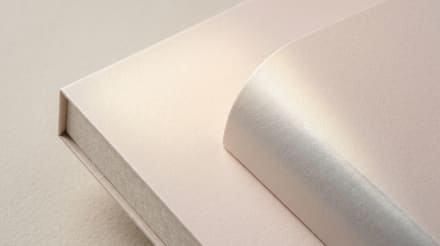
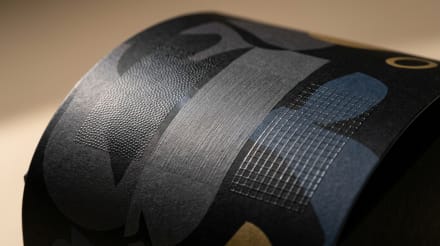
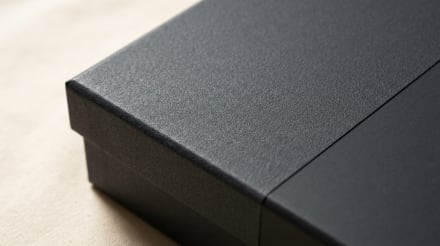
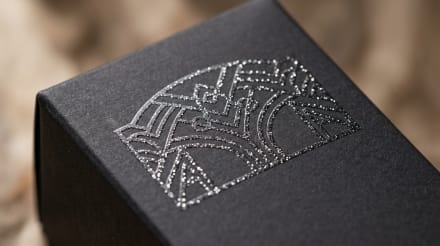
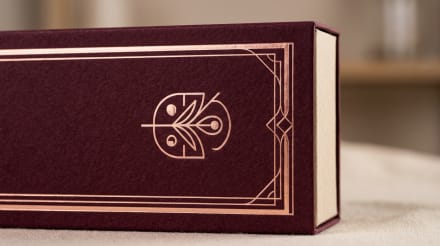
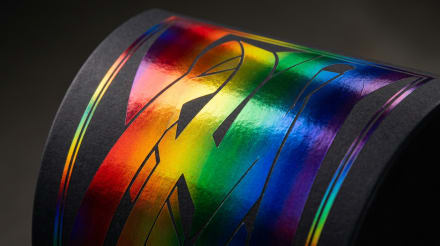
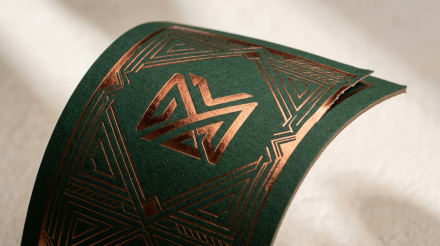

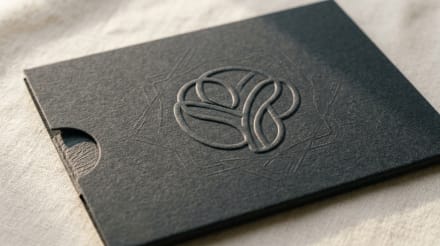
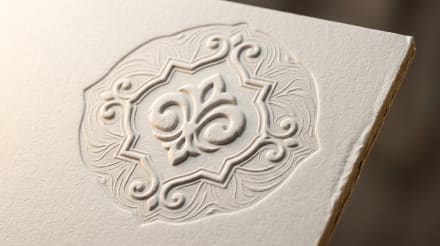
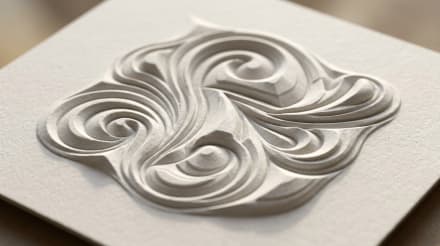
Add-ons
Closures, linings and the extra touches

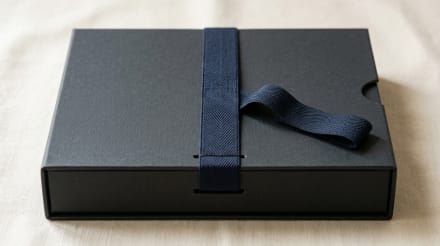
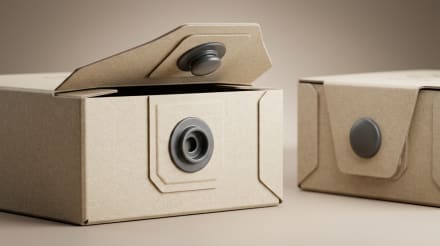
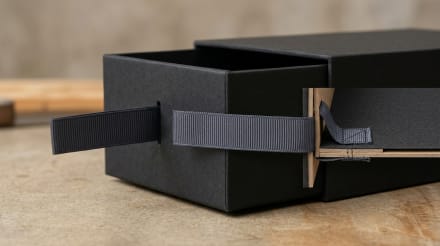
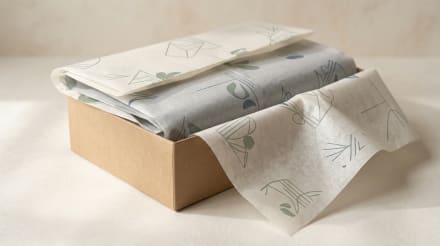
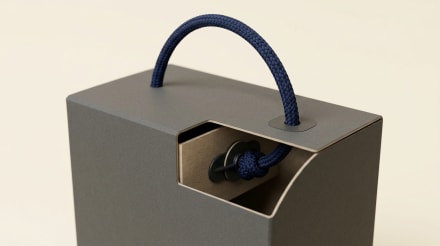
Every gifting occasion, beautifully packaged.
Corporate Gifting Packaging
Branded gift boxes for employee gifts, client presents, and event favours. Consistent quality from 50 to 5,000 units.
The art of giving, packaged.
Gift packaging structures, finishes, and the thoughtful details that make a box the gift within the gift.
Why the box is the gift
In gifting, the presentation is half the present.
The ceremony of opening
Gift packaging is theatre. The ribbon, the tissue and the weight of the lid as it lifts are all acts of care the recipient can see. Premium gift packaging shows that the giver thought about the moment as well as the object.
The unboxing is the memory
Recipients remember exceptional packaging. The box that gets kept, repurposed, and shown to others is the brand ambassador long after the contents are used.
Corporate gifting is brand communication
Every corporate gift is a brand impression. A well-packaged gift communicates the quality of the company giving it. A plain brown box with a logo sticker says nothing worth saying.
Materials worthy of the moment
The surfaces and linings that make gifts feel considered.
Rigid chipboard
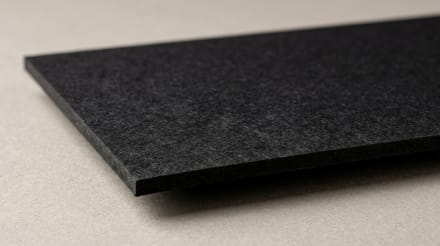
2.0–2.5mm greyboard for premium gift boxes. The weight and solidity communicate quality before the box is even opened. Wrapped in art paper, velvet, satin, or leatherette.
Exterior wraps
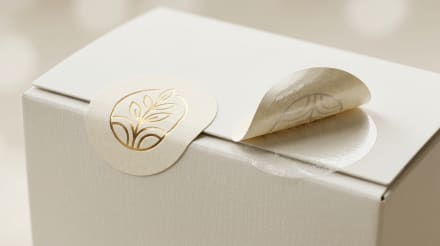
Litho-printed art paper for full-bleed brand graphics. Textured wraps for tactile interest. Foil-blocked logos on solid colour wraps for the minimal, elegant approach.
Interior lining
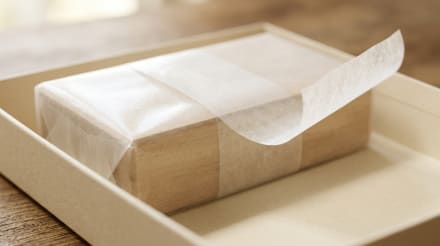
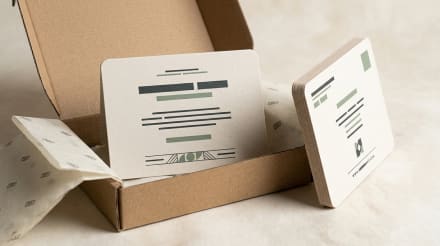
Tissue paper, satin, velvet, printed kraft. Custom interior print that reveals itself as the lid lifts. The inside is a canvas as much as the outside.
Every gift box structure
From single-product boxes to hamper cases.
Two-piece lid & base
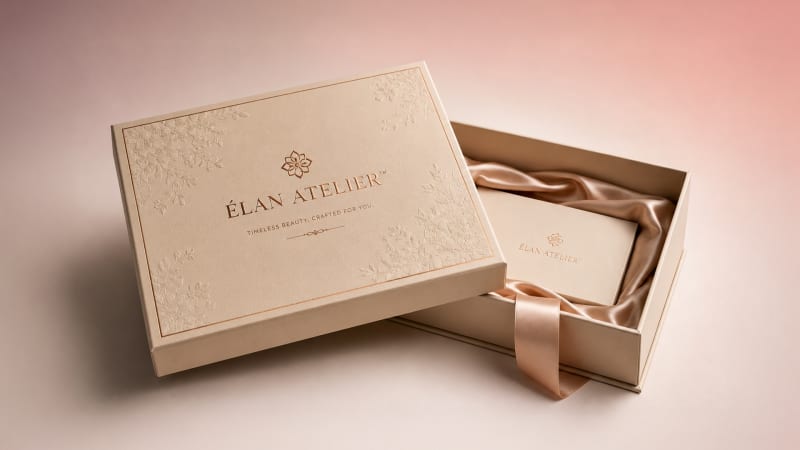
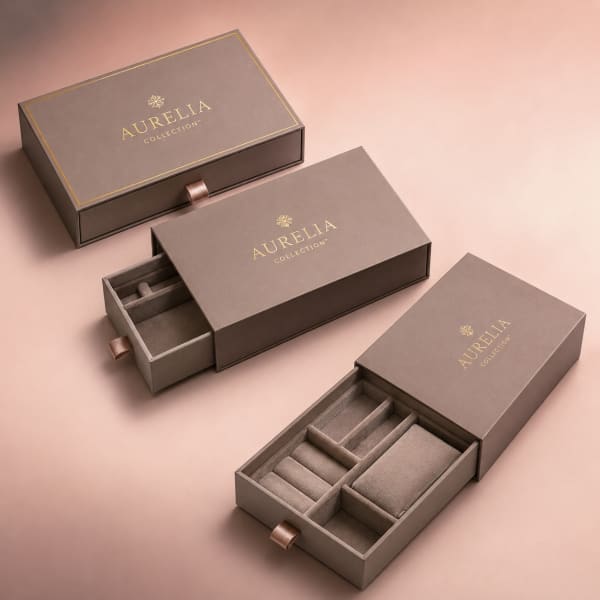
The classic gift box. Weighted lid lifts cleanly. Interior lined with tissue, satin, or printed paper. Universally recognised as 'premium gift'.
Magnetic close box
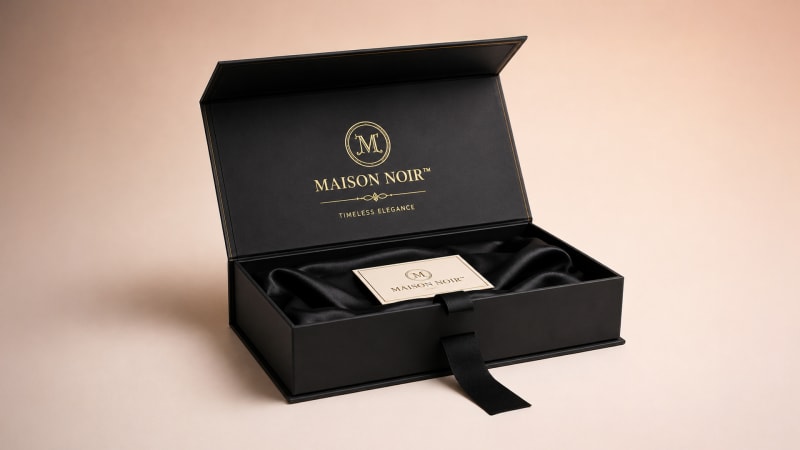
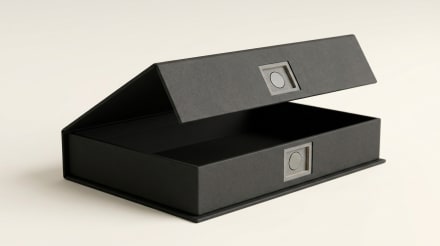
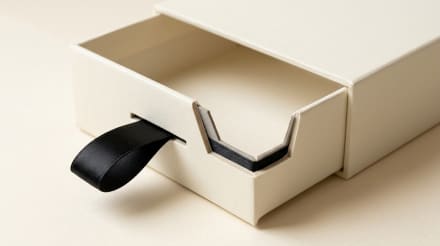
Lid closes with a satisfying magnetic click. Front-opening or top-opening. Interior print on the inside lid panel. Custom ribbon pull optional.
Hamper & set cases
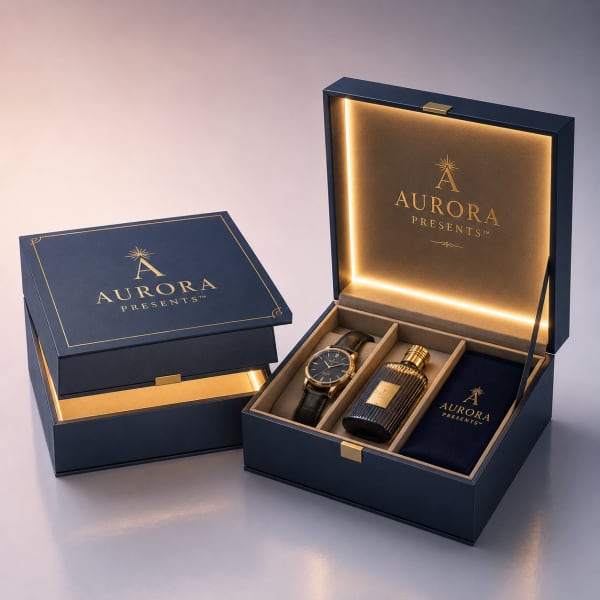
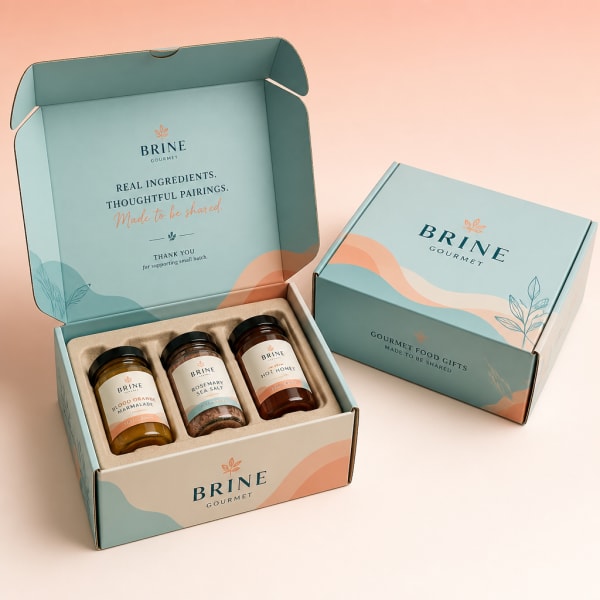
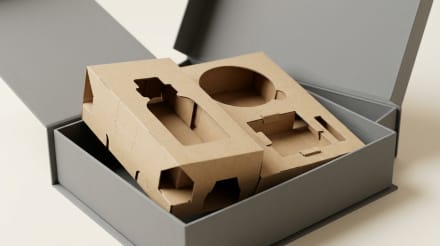
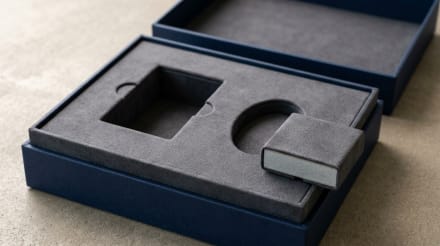
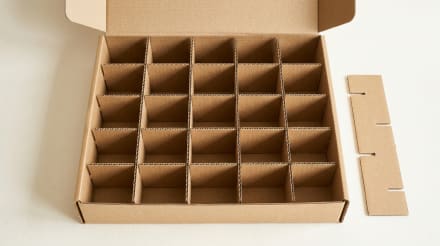
Large presentation cases with compartmented inserts for multi-product gifts. Custom foam, card, or tissue divisions hold every item precisely.
Every gifting occasion, covered
Corporate to personal, seasonal to bespoke.
Corporate gifting
Branded gift boxes for employee gifts, client presents, and event favours. Consistent quality at any volume from 50 to 5,000 units.
Retail gifting
Gift-ready packaging that eliminates the need for gift-wrapping at point of sale. Premium presentation from the shelf.
Seasonal & occasions
Christmas, Valentine's, Mother's Day, Eid, Diwali. Seasonal colourways, occasion-specific copy, limited edition finishes. All on standard lead times.
Luxury brands
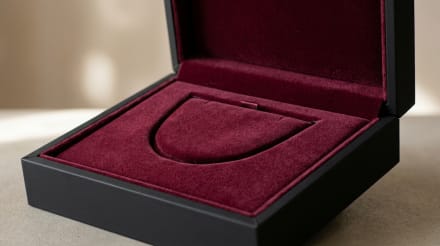
Rigid magnetic boxes, foil-stamped logos, velvet interiors. The packaging a luxury product demands, and the packaging customers expect at that price point.
From occasion to recipient
The gift packaging supply chain.
01. Occasion brief
We start with the occasion, the recipient, and the brand. Those three inputs settle every structural and finish decision before we discuss dimensions.
02. Finish spec
Physical swatch samples of foil colours, interior liners, and wrap finishes available on request.
03. Production & assembly
Boxes produced flat, assembled at your facility, or assembled, filled, and shipped to recipients by our fulfilment partners. All three options available.
Questions, answered.
Weight, a considered opening, and an interior that presents rather than contains.
Recipients read heft as value before they read anything printed, which is why rigid construction dominates the tier. The opening gesture matters too. A magnetic snap or a lift-off lid creates a moment that a tuck flap does not. And the interior is what separates a gift box from a product box: it opens onto an arrangement, with tissue, a fitted platform or compartments staging what is inside.
Rigid boxes are built from greyboard, arrive assembled and cannot be flattened. Folding boxes ship flat and are erected at the point of use.
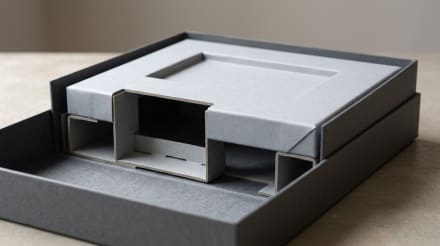
Rigid costs several times more and delivers the weight and squareness the luxury tier is buying. The middle option is the collapsible rigid box, which uses magnets to lock creased greyboard panels square. It ships flat, cutting freight substantially, and presents as rigid on the doorstep. For most brands shipping volume, that is the practical answer.
Order in the third quarter for fourth-quarter delivery, because print capacity books early and rigid construction is slow.
The seasonal supply chain runs a full season ahead: made over the summer, delivered to brands in early autumn, on shelf by November. The trade's cautionary tales are all about holiday runs arriving in January. Working backwards from a shelf date rather than forwards from an order date is the discipline that prevents it.
Where budget allows, yes. Reuse is the strongest commercial argument for spending on a gift box.
Luxury gift boxes are kept at the highest rates in packaging, holding photographs and letters for decades. A box that survives on a shelf keeps a brand present far longer than any advertising of comparable cost. Design for it: sturdy hinges, a lid that still closes properly after a hundred openings, and no printed date that makes it feel expired.
Neodymium discs, usually 10–15mm, embedded under the wrap at the flap and body, with matched polarity so the lid snaps shut.
The specification that matters is pull force against the lid's weight. Under-specify it and the box gapes at the corner, which is the visual tell of a cheap build. Placement matters too: magnets set too far from the flap's edge let the lid lift. In collapsible boxes those same magnets also lock the walls square, so they are doing two jobs.
A rigid or heavy folding box with a fitted insert holding each item in position.
The insert is what turns a collection into a set. Items arranged in a designed layout read as chosen, while the same items loose read as inventory. It also controls what the recipient sees first, which for anything opened on camera is a marketing decision made physical. Compartments or a die-cut platform both work, and the choice follows the contents' geometry.
Only if they are specified for it. A standard rigid box dents permanently on a corner drop and greyboard absorbs moisture readily.
Rigid mailers exist for exactly this: heavier board, reinforced corners and moisture-resistant wraps. Otherwise the convention is a presentation box inside a plain shipper, which costs a second box but guarantees the gift arrives pristine. For anything premium shipping direct, that second box is usually the cheaper option overall.
500 units for folding gift boxes. Rigid constructions start much lower, from 30 units, because they are hand-assembled.
That difference surprises people. Rigid boxes have little economy of scale, since the assembly labour does not disappear at volume, so a rigid box at 10,000 units costs not much less per box than at 1,000. Folding boxes are the opposite, with high setup and steeply falling unit costs.
Your brand deserves
better packaging.
Work one to one with a dedicated packaging manager, from first sketch to delivery.