WoundWrappedCappedKeptPaper Tubes
Your tube, quoted.
Design it before you ask for it.
Set the diameter and height, shuffle through curated colourways, then see exactly what each finish does to the surface. No account, no artwork needed.
YOUR TUBE, EXACTLY AS YOU SPEC ITPACKTIST ATELIER
80 × 110 mm
Velvet-matte and unmistakably premium under the hand.
Popular Custom Paper Tubes
our brands keep reordering.
Hand-picked from our custom paper tubes range. 14 styles, each built for a different job.
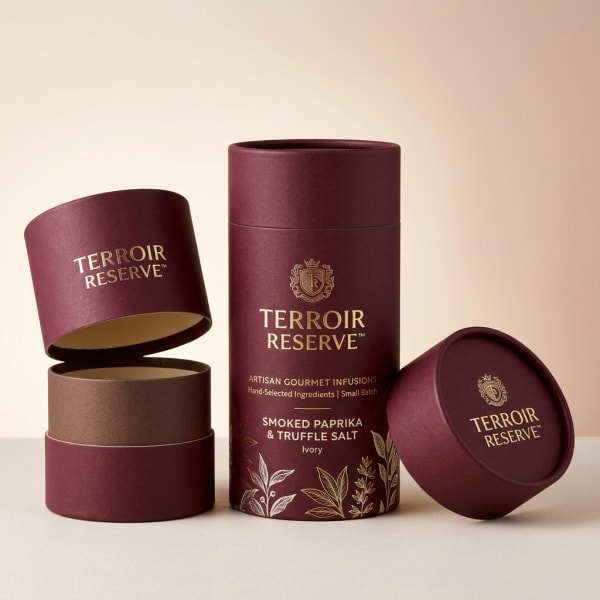
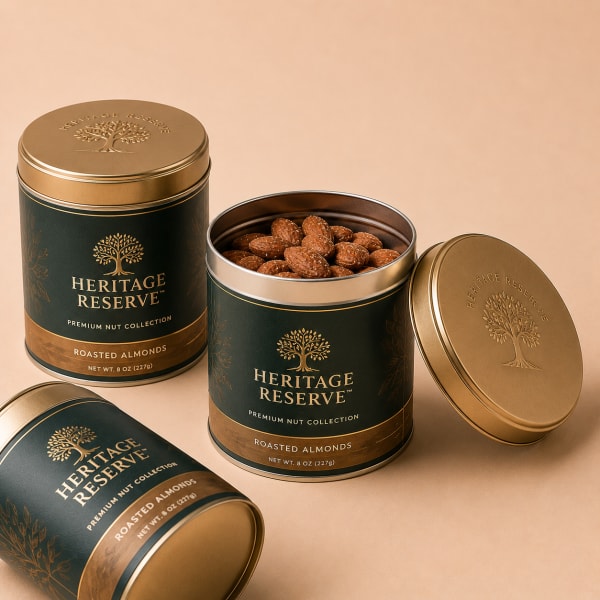
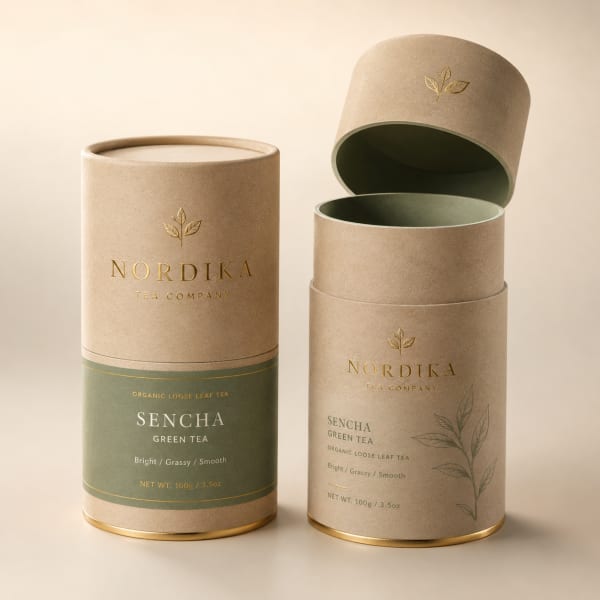
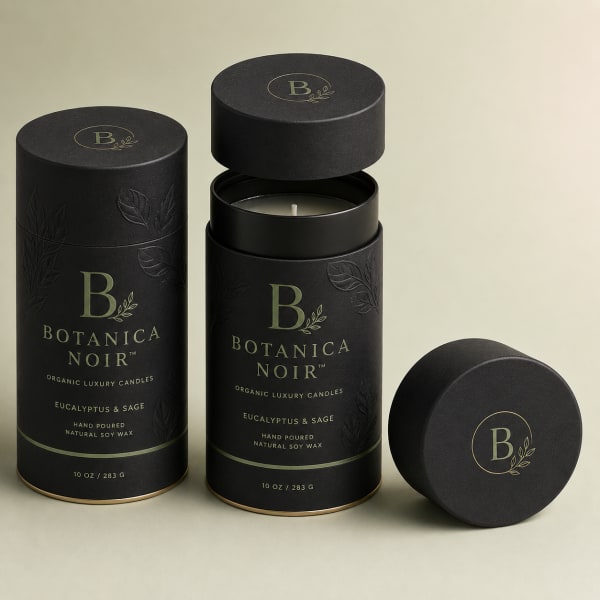
The box is the building.
Inserts are everything else.
Furniture. Bodyguards. Stage crew. The unseen architecture that makes your product feel like it lives somewhere, not like it was just dropped in a box.
Paperboard Inserts
“Engineered paper architecture. Folds, locks, and reveals.”
Foam Inserts
“Soft armor that fits like a glove. Protection without weight.”
Molded Pulp Inserts
“Custom-shaped cradles for products of any silhouette.”
Velvet & Luxury Inserts
“Touch is the unsung sense. Make every reach into the box feel chosen.”
Bottle & Jar Inserts
“Hold the unholdable. Round things, fragile things, things that mustn't spill.”
Eco Inserts
“Plant-based, plastic-free, planet-positive. Compost-ready protection.”
Flexible Protection Inserts
“The unsung heroes of shipping. Soft cushioning that travels well.”
Marketing & Welcome Inserts
“The story slid in beside the product. Printed conversation starters.”
Every finish we offer on Paper Tubes.
Materials, finishes and add-ons available for this range. Order any of them as a free sample before you commit to a run.
Materials
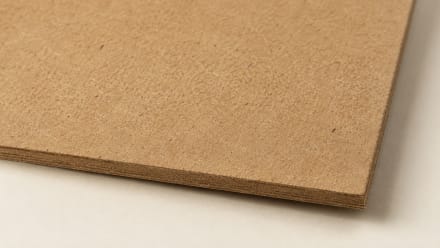
The board and film we build on
 ◷ ECO
◷ ECO

Finishes
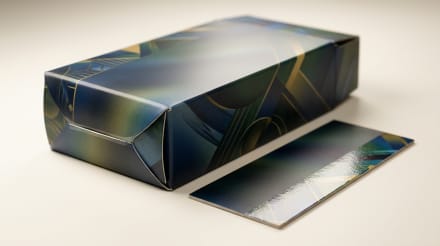
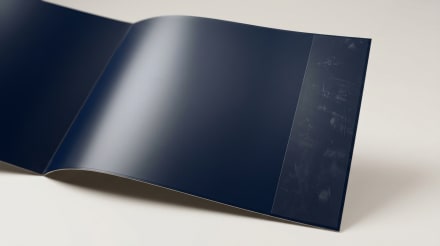
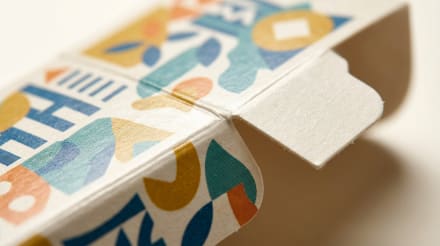
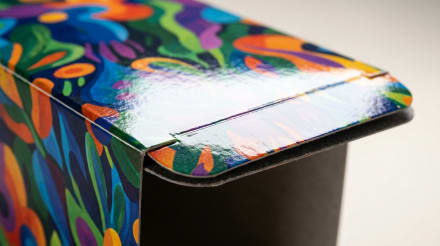
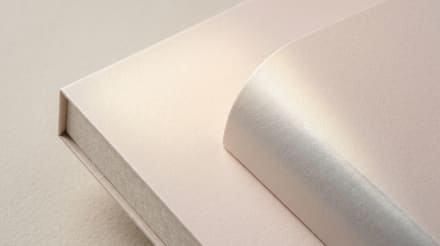
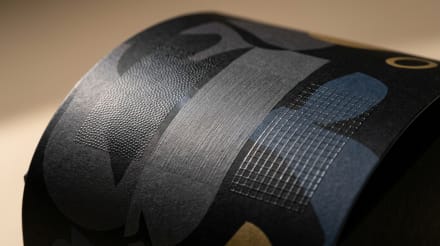
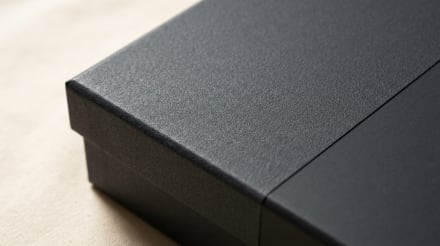
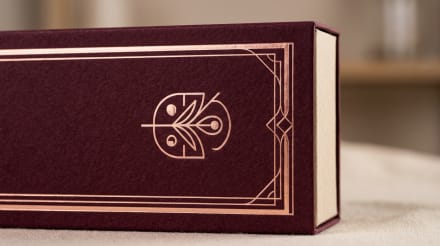
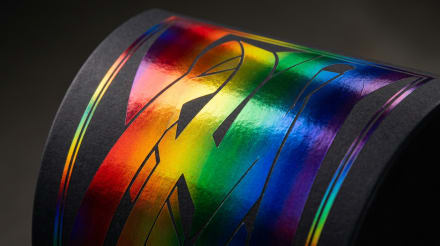
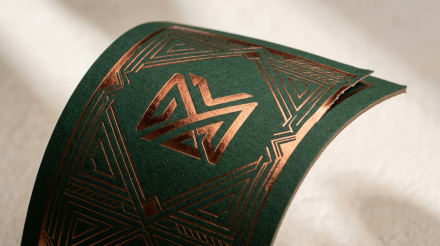
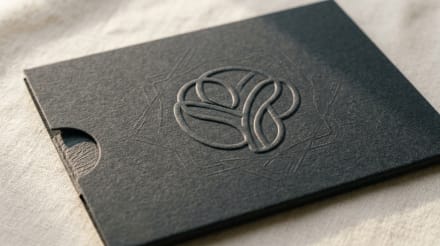
What the surface does in the light



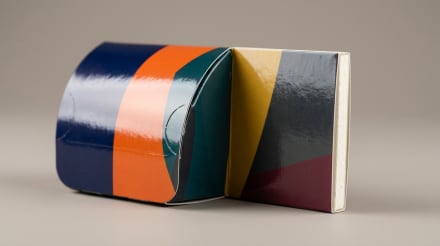

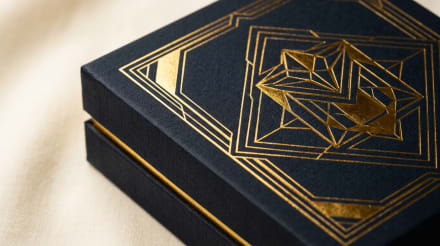

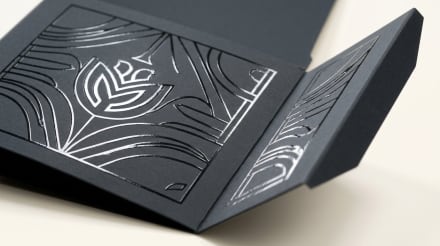
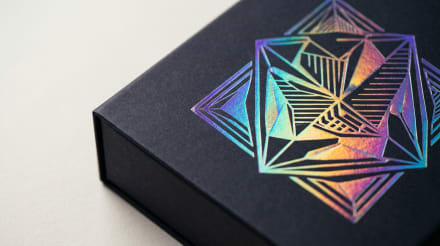








Add-ons
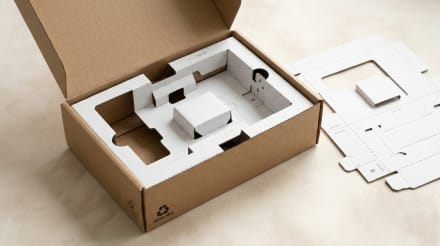
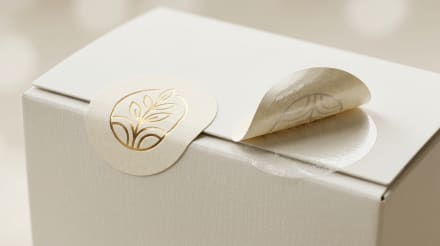
Closures, linings and the extra touches

Every premium product deserves a tube that keeps it.
Cosmetics & Fragrance Packaging
Perfume tubes, skincare serums, and prestige beauty packaging. Full foil exterior, velvet interior and metal cap, in the tube format European luxury has used for a century.
Packaging that holds its shape, and the brand.
Custom paper tubes are cylindrical packaging engineered for cosmetics, spirits, food, and gifts that want to be kept.
Why cylinders win on shelf.
A tube stands where boxes sit. That geometry alone changes everything.
The geometry advantage
A cylindrical package stands vertically on a shelf or counter. It occupies a smaller footprint than a box of equivalent volume, and its 360° label surface means there is no 'dead angle', so every approach to the product is a brand impression. In dense retail environments, this is a structural advantage.
Perceived premium at a fraction of rigid box cost
Paper tubes communicate quality. The thickness of the tube wall, the weight of the cap and the resistance of the friction close each contribute to a premium perception that often exceeds the material cost. Spirits brands, cosmetics houses, and artisan food producers default to tubes for exactly this reason.
The keeper format
Paper tubes get repurposed. Pencil holders, jewellery containers, kitchen storage, display objects. A tube that stays in a customer's home stays in the customer's eye-line, which means indefinite brand presence from a single purchase.
What makes a tube feel expensive.
Wall thickness, end cap material, and outer wrap all carry signals.
Tube wall construction
Spiral-wound or convolute kraft core at 2mm–6mm wall thickness. Heavier walls signal premium through the resistance of the friction cap and the resonance when tapped. Core board is fully recyclable. Interior lining available in PE, foil, or food-safe kraft for products that require moisture protection.
Outer wrap options
Matte or gloss litho-printed wrap paper bonded to the tube body. Full-colour CMYK or Pantone with hot foil stamping, soft-touch lamination, spot UV, and embossed text. The wrap can cover the full tube height or stop short for a raw-core band reveal, a detail that reads as considered craftsmanship.
End cap engineering
Push-fit paper cap · metal end cap (aluminium or tin, most premium) · wood veneer cap · moulded pulp disc · clear PET lid for product visibility. The cap material anchors the perceived quality of the tube. An aluminium cap on a foil-wrapped tube signals the spirits and fragrance categories immediately.
Diameter, height, finish. All custom.
Every dimension engineered to the product inside.
Size range
Diameters from 1" (lip balm, sample tube) to 6" (candle, wine, poster, umbrella). Heights from 2" to 36". Custom dies for exact product fit, with no dead space, no product rattle and no over-spec.
Interior engineering
Custom insert tray · velvet flock liner · foam insert · divider partition for multi-product packs. The interior holds the product securely and adds a reveal layer to the opening ritual. Lift the cap and see something designed, not empty cardboard.
Closure mechanisms
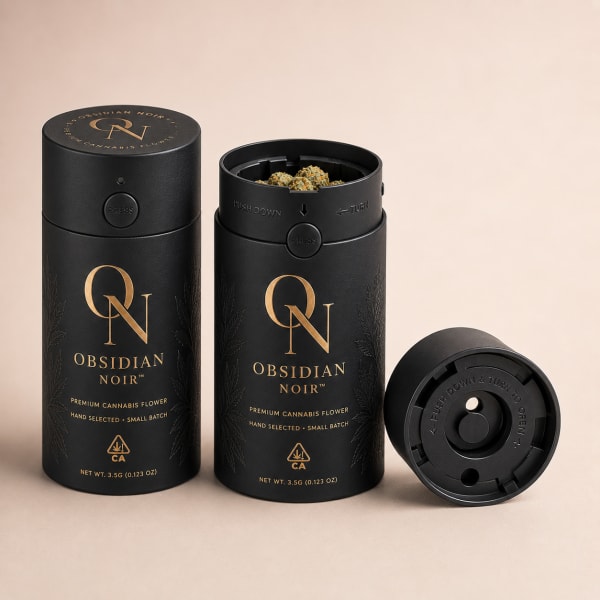
Friction cap (standard) · telescoping lid with resistance-tuned fit · magnetic disc closure for the premium end · child-resistant push-and-turn cap for regulated products (cannabis, pharma). Each closure changes the handling ritual of the tube.
The categories where tubes do their best work.
From fragrance to food to spirits.
Cosmetics & fragrance
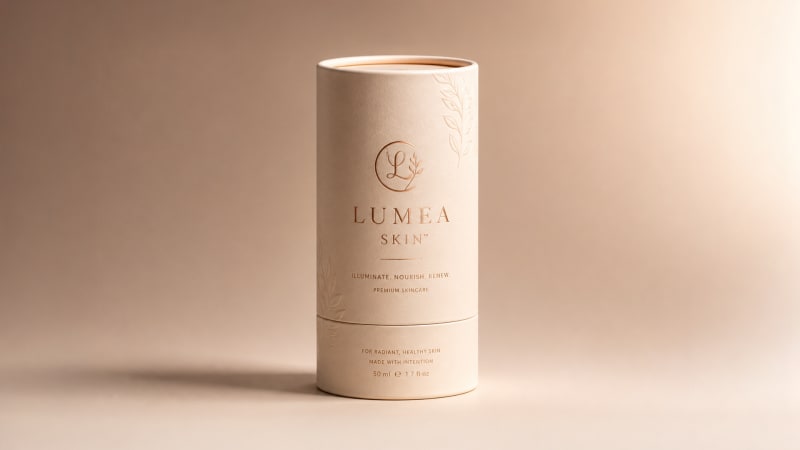
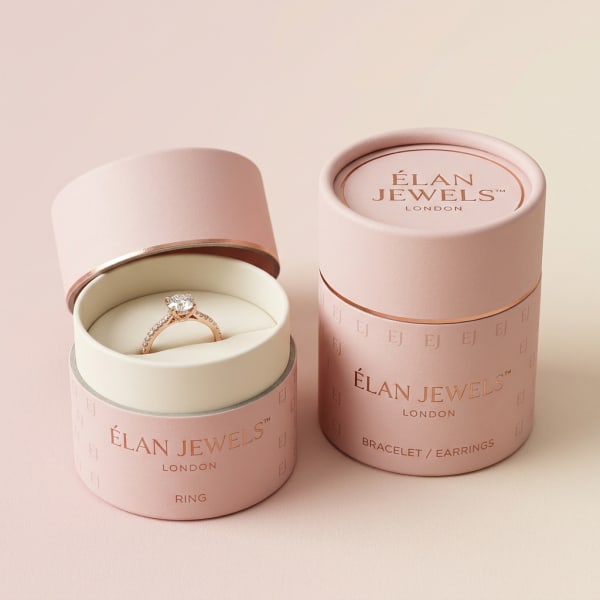
Perfume tubes, skincare serums, facial roller packaging. The tube signals European luxury. It is the format Paris perfumeries and prestige skincare brands have used for a century. Full foil exterior, velvet liner, metal cap.
Spirits & whiskey
Single malt tubes, gin gift packaging, rum limited editions. Retailers allocate more shelf space to tube-packaged spirits because the format stands vertically. The tube becomes a fixture in the customer's home bar, a display object kept alongside the empty bottle.
Artisan food & confection
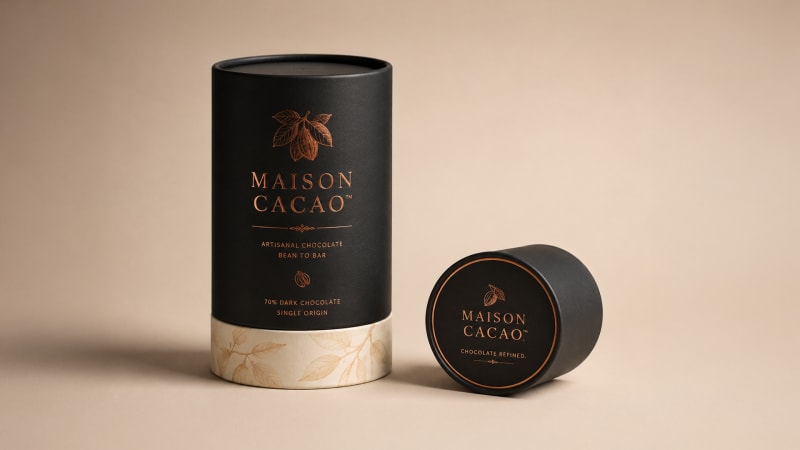
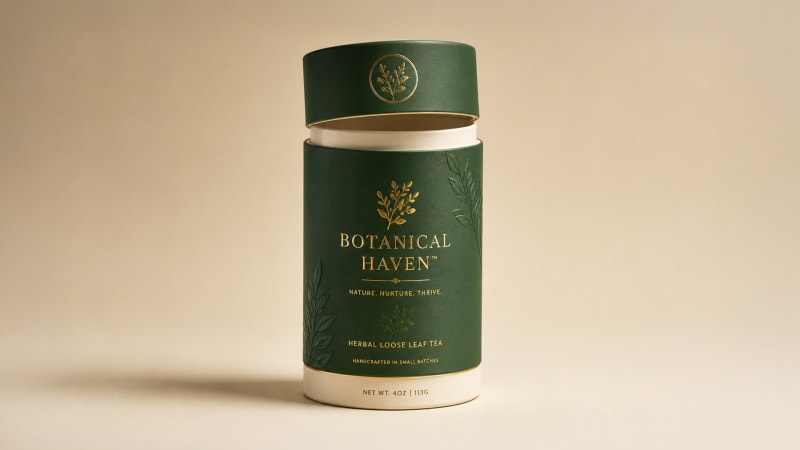
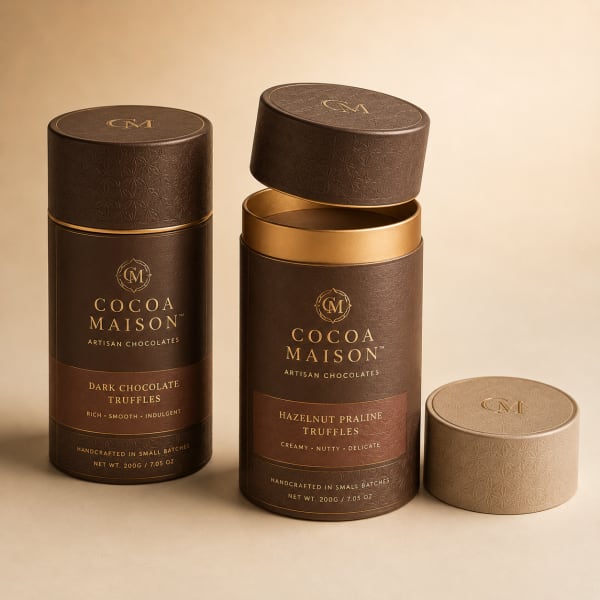
Luxury chocolate tubes, premium tea packaging, gourmet salt and spice sets. The tube format communicates artisan and premium for food products that need to justify a higher price point. Food-safe inner lining, clean-open end cap.
Corporate gifts & sets
Branded pen sets, candle gift tubes, premium stationery packaging. The tube format is inherently gift-ready, with no additional gift wrap required. A ribbon across the cap, hot foil logo, and the gift is complete.
Questions, answered.
A tube is specified by two figures, diameter and height, rather than the three a box needs. Measure your product at its widest point, then allow roughly 2–3 mm on the diameter so it drops in without binding.
Typical starting points by application:
- Lip balm and slim cosmetics: around 20–25 mm diameter
- Candles (8 oz jar): the jar is usually about 76 mm, so the tube runs about 80 mm
- Tea and coffee (250 g): around 75–90 mm
- Single-bottle wine or spirits: around 90–100 mm, depending on the bottle shoulder
- Protein and drink powders: around 90–110 mm
- Posters, prints and rolled goods: 50–100 mm internal diameter, with length set by the roll
These are common industry sizes, not a fixed range. PackTist builds any diameter and height, so send your product dimensions and we will return a measured spec.
Wall thickness is what a customer registers as quality before they consciously assess anything, and it is the main lever on protection.
Lighter walls suit low-weight retail contents such as cosmetics, confectionery and dry goods, where the tube only has to hold shape on a shelf. Heavier walls are specified when the tube carries glass, ships without an outer carton, or is sold as a gift item where weight in the hand is part of the product.
Shipping tubes are a separate case: their wall is specified against bending across an unsupported span rather than against stacking, because that is how a long tube actually fails.
Tell us what goes inside and how it ships, and we will specify the wall rather than asking you to guess.
An all-fibre build is kerbside recyclable as a single item: a wound paper body, a printed paper wrap and paperboard caps all go into the same stream.
Two choices break that. Metal end caps mean the caps should be separated from the body before recycling. They are worth it when you want the firmer seat and added weight, but the pack is no longer single-stream. Barrier liners for food contact add a laminate layer that can affect how the pack is processed locally.
If kerbside recyclability is the priority, specify paperboard caps and skip the liner. If the product needs a moisture or oxygen barrier, that protection has a recyclability cost worth making deliberately rather than by accident.
Yes, with a food-grade interior liner. The wound fibre body is not suitable for direct contact on its own. The liner is what makes the pack food-safe, and it is what protects the contents from moisture and oxygen ingress through the wall.
Tea, coffee, spices, confectionery, nuts and powders are all standard applications. Where a genuine freshness seal is needed rather than just a container, a paper can is the better format. That is a wound body with a heat-sealed membrane end and a resealable overcap.
Low-migration food-safe ink systems are used on the printed wrap for direct-contact applications. Confirm your requirement at quote so the right liner and ink system are specified.
They are different products that look similar.
A spiral-wound tube is formed by winding a continuous ply at an angle around a mandrel, so there is no vertical seam to split. It is closed with caps that sit on or in the ends. This is the efficient, lower-cost construction and covers most of the category.
A rigid cylinder box has a formed rigid wall wrapped in printed paper, with a telescoping lid that fits over a base. It is the round equivalent of a two-piece rigid box. The lid lifts with slow, controlled resistance rather than popping off, which is why it is chosen for gifting.
The trade-off is cost and freight: a rigid cylinder uses more board and ships assembled rather than flat. Choose it when the unboxing is part of what the customer is paying for.
MOQ starts at 300 units for most tube formats. Lower quantities can be quoted on request, though unit cost rises sharply below that because setup and tooling spread across fewer pieces.
Quantity is the single biggest lever on unit price. The same specification quoted at 300, 2,000 and 10,000 units produces very different numbers, so if your volume is flexible it is worth asking for tiered pricing rather than a single figure.
Standard production is 7–10 business days after artwork approval, with rush available at 5–7 business days for most formats.
Those timelines start from approval, not from order, so the clock does not begin until artwork is signed off. Larger runs extend the timeline; very large volumes are quoted individually.
A physical sample before bulk adds time at the front but is strongly recommended on tubes, because cap fit is a tolerance that is far easier to correct before a full run than after one.
Yes. A die-cut aperture is backed with clear or frosted film and mounted behind the wrap, so the outer surface stays flush.
It is a structural trade-off worth understanding. A tube gets its strength from a continuous wall, so every aperture removes load-bearing material. A tall narrow window costs less strength than a wide band, and a window near an end cap weakens the area that takes the most handling force. Windows running the full body height are not recommended.
Clear PET gives the sharpest, glossiest view; frosted film diffuses it for a softer, more premium partial reveal.
It is a trade between feel and recyclability.
Metal caps seat more firmly, open with a crisper action and add weight. Those are the details that read as premium. They are the default on spirits, fragrance and gift tubes. The cost is that the finished pack is no longer single-stream recyclable.
Paperboard caps keep the whole tube kerbside recyclable as one fibre item, which matters for brands whose positioning rests on the material story. They are lighter and less rigid.
Caps are specified per end, so a metal top with a paperboard base is a legitimate way to get the opening feel without doubling the metal content.
Not on a spiral-wound tube. The interior surface is the wound ply or the barrier liner, neither of which takes print the way a flat sheet does. If you have seen inside-printed cylindrical packaging, it was almost certainly a rigid cylinder box rather than a wound tube.
The outside prints fully. CMYK plus Pantone runs across the whole wrap from seam to seam, with hot foil, spot UV, embossing and debossing all available.
If interior print matters to your design, specify a rigid cylinder box instead, where the wall takes print inside and out.
Your brand deserves
better packaging.
Work one to one with a dedicated packaging manager, from first sketch to delivery.