PremiumBespokeArtisanLuxuryCustom Rigid Boxes
Tell us about your boxes
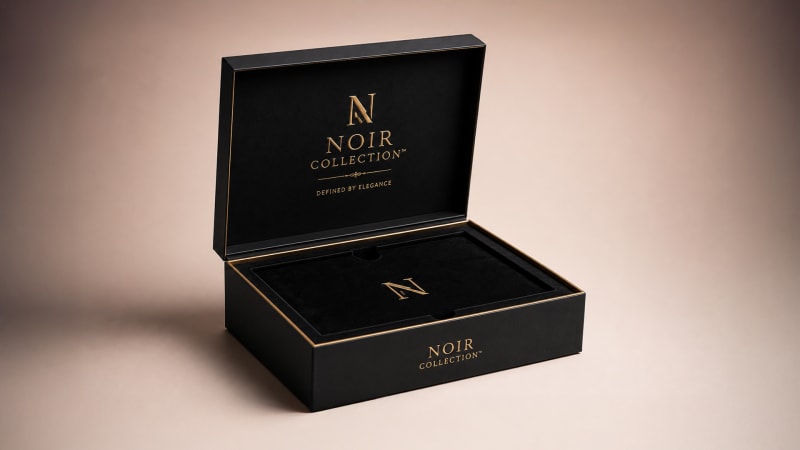
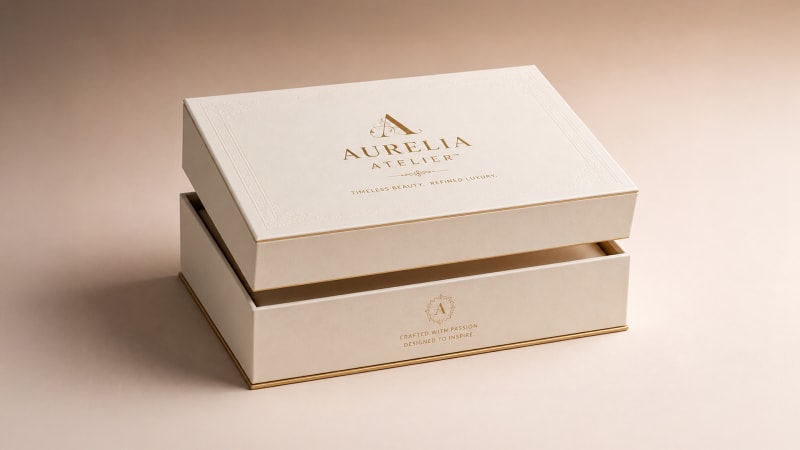
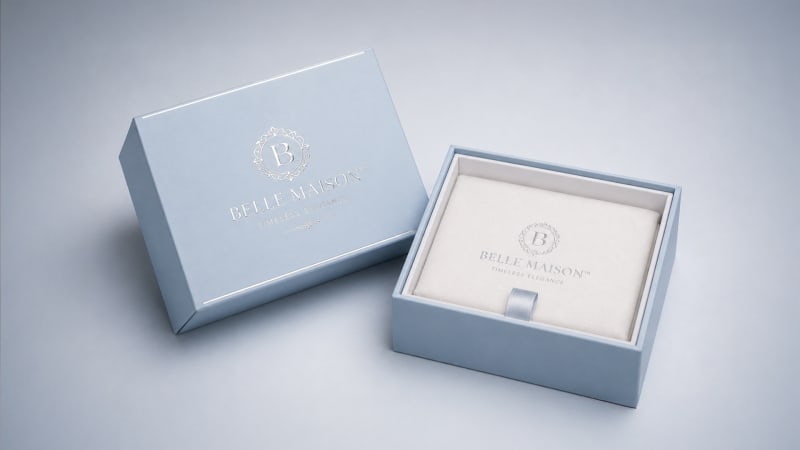
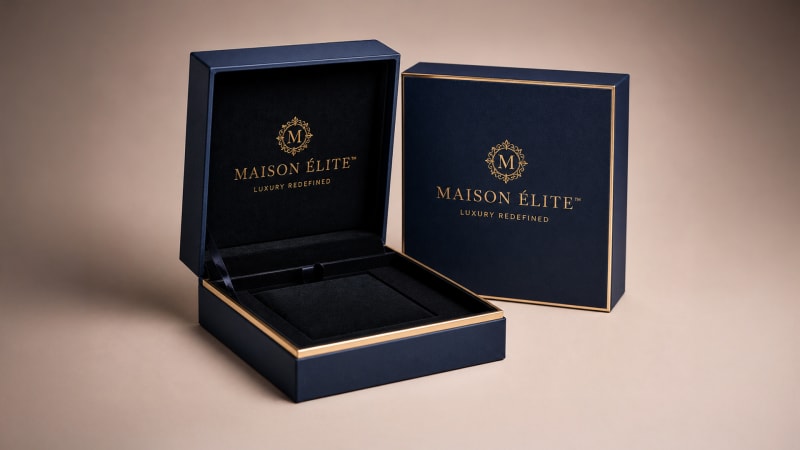
Popular Custom Rigid Boxes
our brands keep reordering.
Hand-picked from our custom rigid boxes range. 18 styles, each built for a different job.
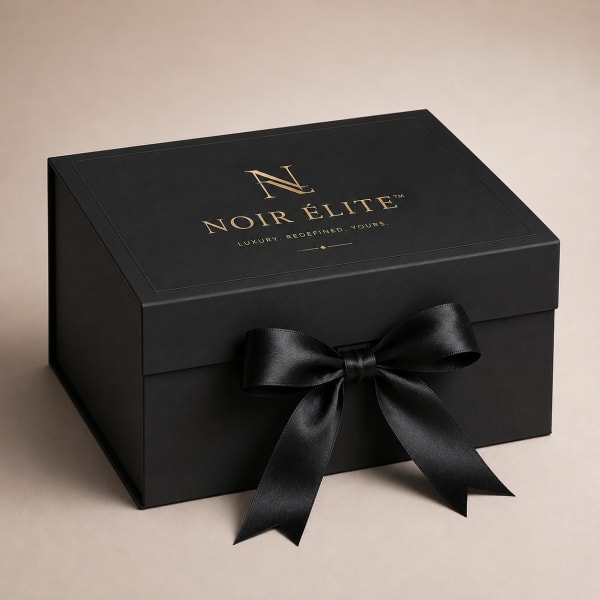
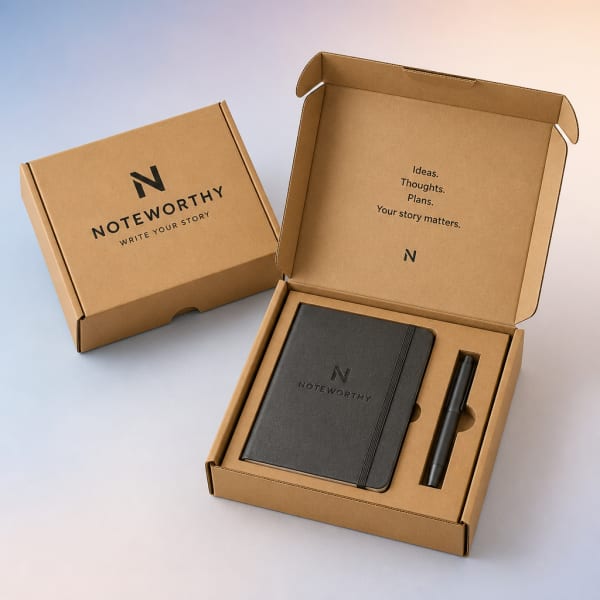

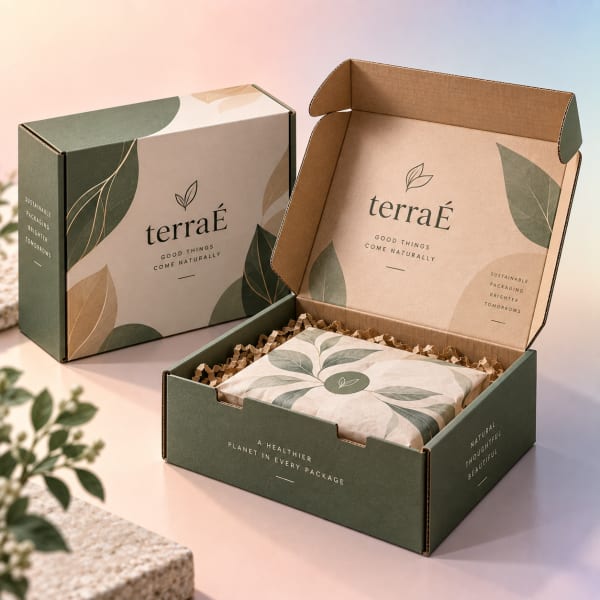

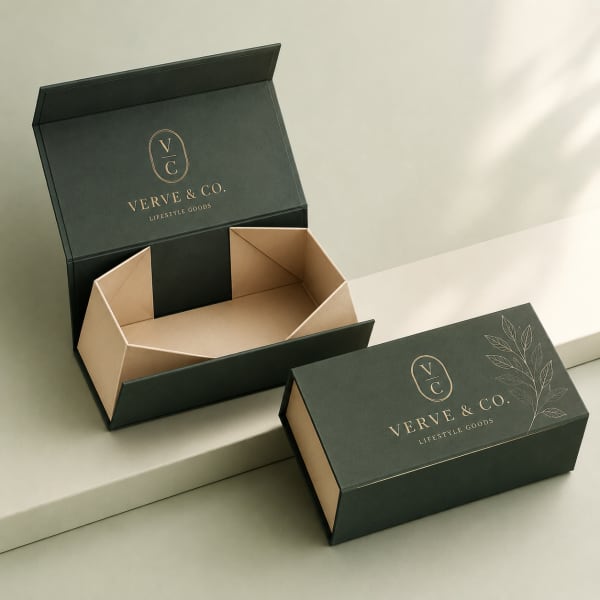

The box is the building.
Inserts are everything else.
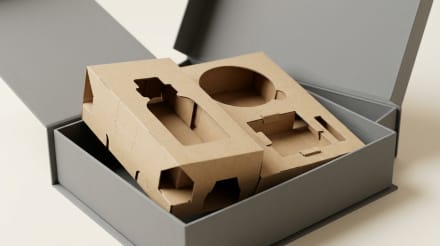
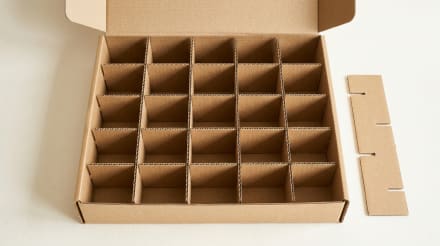
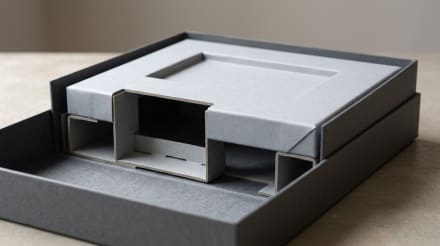
Furniture. Bodyguards. Stage crew. The unseen architecture that makes your product feel like it lives somewhere, not like it was just dropped in a box.
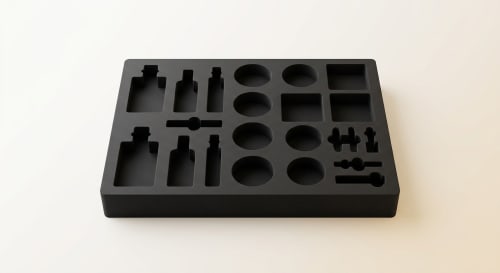
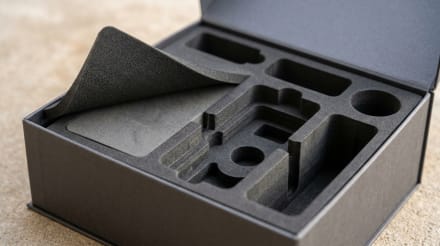
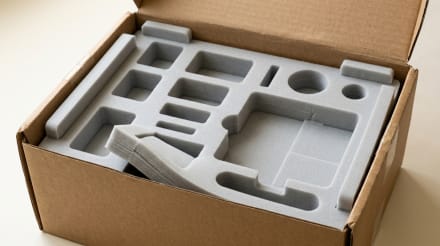
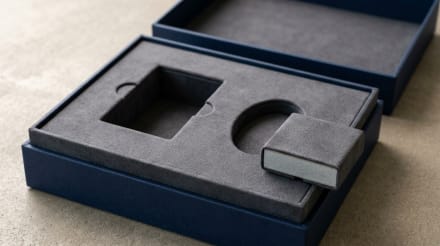
EVA Form Inserts
“Premium foam inserts for”
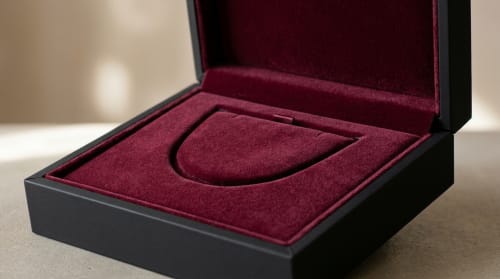

Every finish we offer on Rigid Boxes.
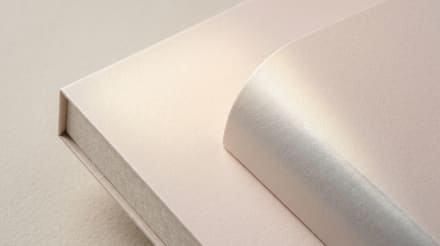
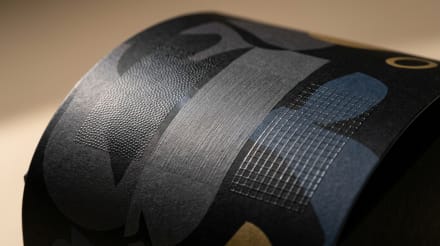
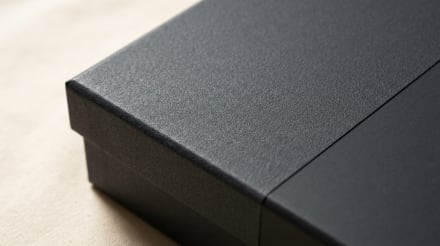
Materials, finishes and add-ons available for this range. Order any of them as a free sample before you commit to a run.
Materials
The board and film we build on


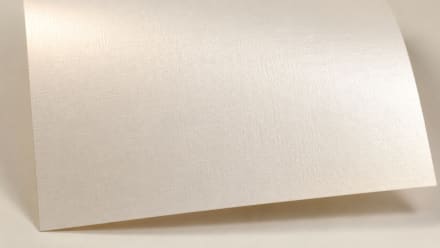
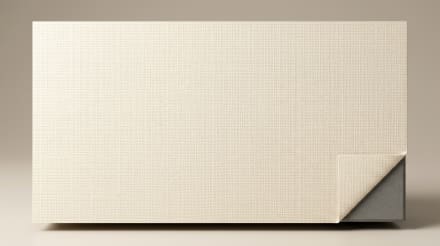
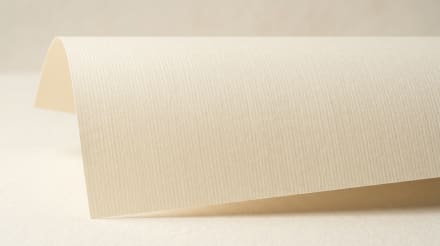
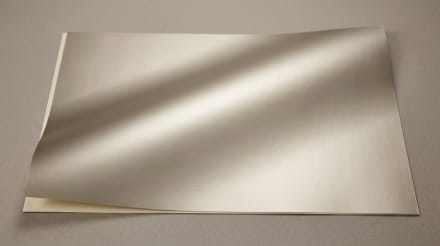
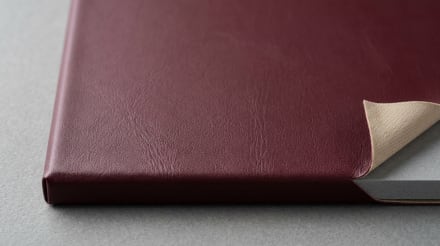
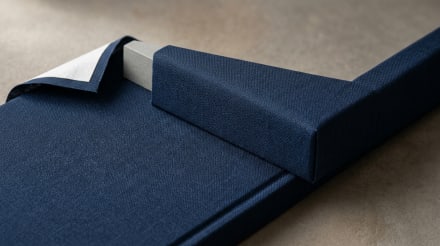
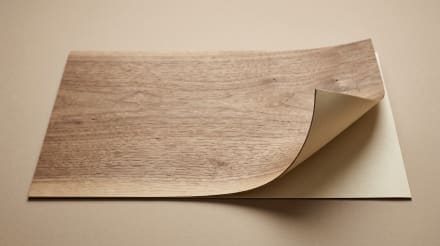
Finishes
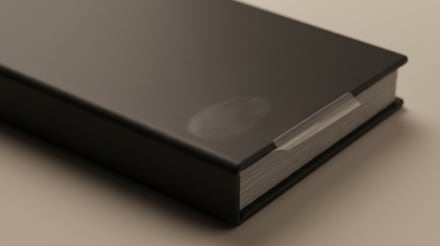
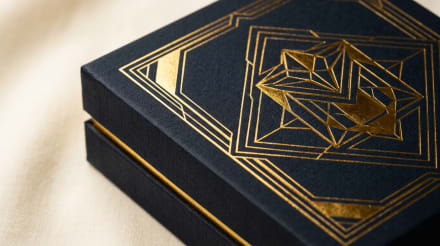
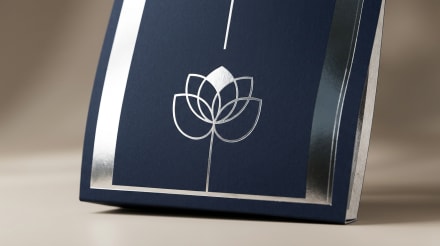
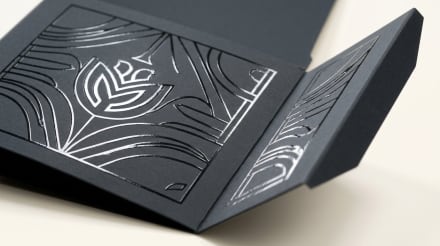
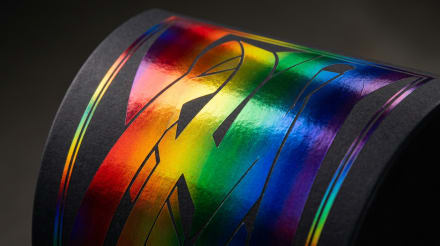
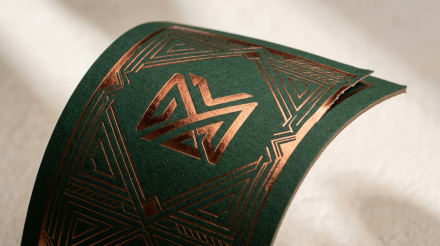
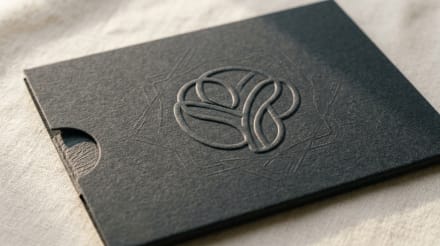
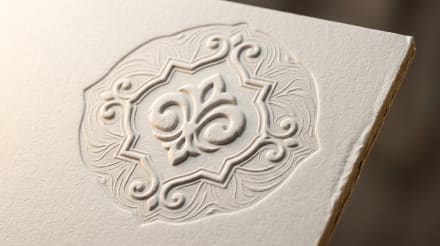
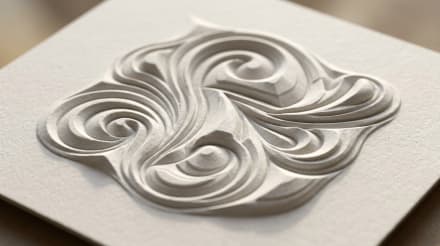
What the surface does in the light

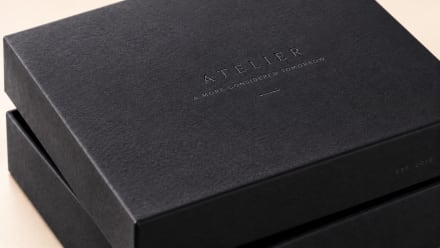
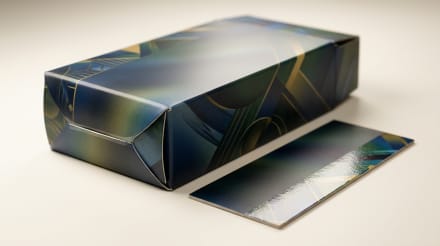
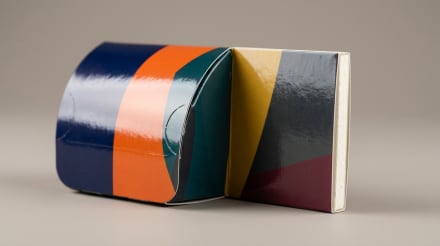
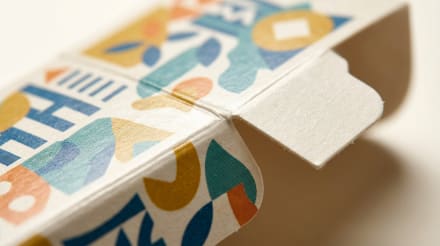
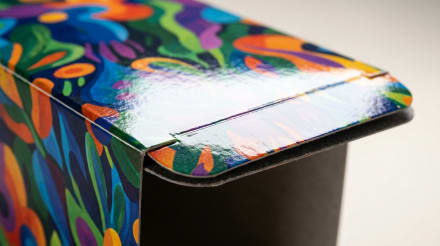
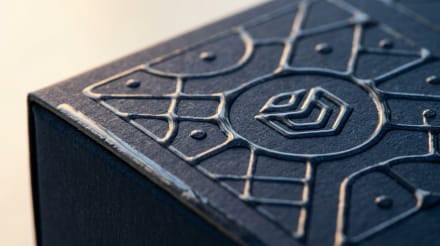
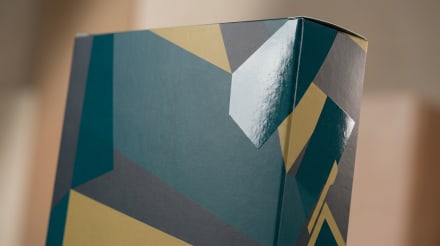
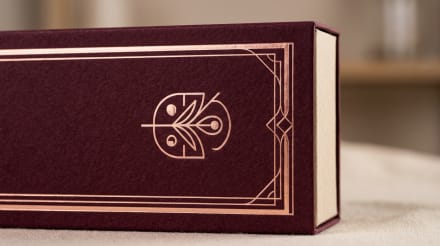

Add-ons
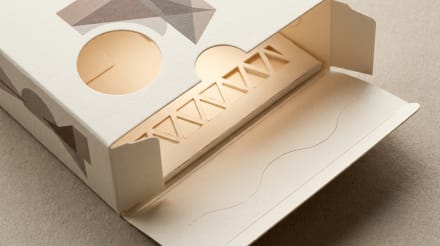
Closures, linings and the extra touches



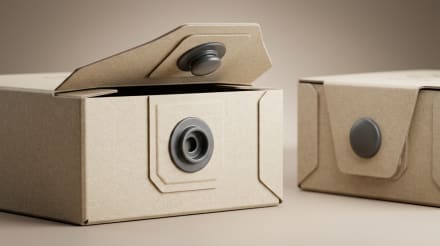
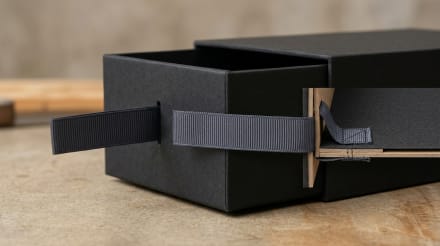
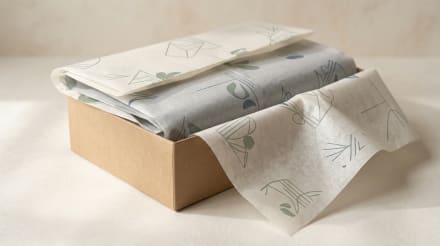
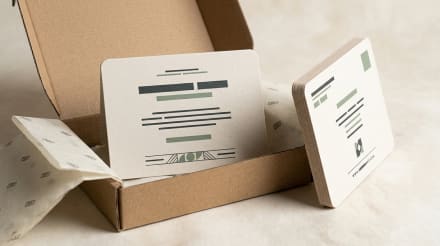


Built for your world.
E-commerce Packaging
Custom mailer boxes and rigid boxes that turn every delivery into a brand moment. Reduce returns with packaging people keep.
Read it like a notebook.
The premium tier of packaging, with every spec, material and decision explained.
Why a rigid box?
The single highest-ROI packaging decision a brand can make.
The premium tier of unboxing
Rigid boxes, sometimes called "set-up" or "telescoping" boxes, are constructed from a thick, non-collapsible chipboard core wrapped in printed paper. They feel architectural in the hand. They don't fold. They don't crush.
Built for ceremony
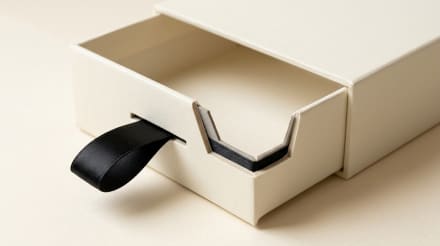
The magnetic close. The drawer that slides. The lid that lifts with deliberate weight. Every rigid box has a small moment of theatre engineered into how it opens, and that's the moment your customer reaches for their phone.
The post-purchase keeper
Unlike mailers that get recycled, rigid boxes get repurposed. Trinket boxes. Memory keepers. Display objects. Your brand sits on a customer's shelf for years.
Materials & finishes
Every surface, every fibre, hand-selected.
The structural board
2.0mm or 2.5mm greyboard. Density of 700 to 800 gsm, heavy enough to feel architectural and light enough to ship without surcharges.
Print substrates
Art paper (woodfree coated 128–157gsm), Kraft (uncoated 120gsm), textured pearl (240gsm). Litho-printed CMYK or Pantone, with optional spot colours for brand-specific inks.
The finishing layer
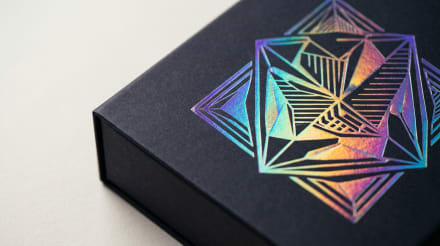
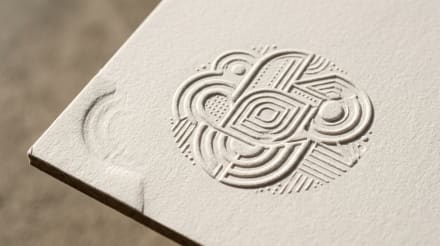
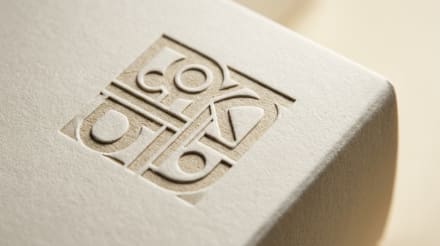
Matt lamination · gloss lamination · soft-touch · spot UV · hot foil (gold, silver, copper, rose gold, holographic) · emboss · deboss.
What we can make
Structures, closures, and inserts engineered to spec.
Closures
Magnetic flap (most popular), ribbon pull, two-piece lid & base (telescoping), hinged lid with snap-shut, drawer pull-out, book-style with magnetic spine.
Sizes
From sub-5" mini boxes (jewellery, fragrance samples) up to 30" gift sets. Custom dies cut to your exact product dimensions, with no off-the-shelf compromises.
Inside print
Print the inside of the lid. Print the inside walls. Print the floor. The unboxing reveal is engineered as much as the outside.
Where rigid lives
The categories where rigid boxes do their best work.
Cosmetics & beauty
Soft-touch lamination + hot foil + magnetic close = the standard for "this product feels expensive." The packaging that earns its place on a vanity.
Jewellery & watches
Velvet inserts, satin pillows, suede-lined drawers. The box is part of the product, and sometimes it's more memorable than the piece inside.
Cannabis & spirits
Premium pricing demands premium packaging. Rigid boxes signal quality in shelf-restricted, high-margin categories.
Tech & lifestyle
Apple set the template, and moulded inserts in rigid boxes now signal premium consumer electronics. The category has only expanded since.
From sketch to shelf
How a rigid box gets made.
01. Brief
You tell us product dimensions, brand vibe, deadline. We propose 2–3 structural directions with rough mockups within 48 hours.
02. Dieline & artwork
Our studio builds a precision dieline. You provide artwork or work with our designers at no charge.
03. Proof
Digital proof for approval. Optional physical pre-production sample recommended for first orders. Then: litho print, laminate, wrap, QC.
Questions, answered.
A box built from thick greyboard wrapped in printed paper, assembled at the factory and shipped erected rather than flat.
The trade also calls them set-up boxes, because they are set up before shipping, which is the opposite of how a folding carton travels. That construction is what gives them their weight and squareness, and it lets them take surfaces a folding carton cannot: cloth, handmade papers, leatherette and dyed-through stocks whose scuffs never flash white.
Higher tooling, hand assembly, and freight on an assembled box rather than a flat blank.
The economics run opposite to folding cartons at every point, including scale: a rigid box at 10,000 units costs not much less per box than at 1,000, because the assembly labour does not disappear. What you buy for it is weight, precision and surface options. Increasingly you can also buy collapsible construction, which recovers most of the freight cost.
A rigid box with creased greyboard panels held square by magnets, so it ships flat and erects in one motion at the packing bench.
It solves rigid packaging's oldest problem, which is that assembled boxes ship as air. The freight difference between a container of assembled boxes and a container of collapsed ones typically runs several times over, which is why subscription and direct-to-consumer brands adopted the format almost universally. The trade-off is visible crease lines at the corners where fixed rigid boxes have solid mitres.
Typically 1.5mm to 3mm greyboard, chosen by span and contents weight.
Two millimetres is the general standard. Below 1.5mm the box flexes and the impression of solidity collapses. Above 2mm the wrap paper starts showing tension at the corners unless it is chosen for it. For magnetic closures, 2mm is effectively the floor, because a magnet in thinner board pulls a visible dimple into the lid over time.
A two-piece box has a base and a lift-off lid. A shoulder box adds a third component, a raised inner collar that the lid slides down over.
The shoulder's exposed strip between lid and base is the visual point, usually in a contrasting material. The lid rides on the neck rather than the base's outer wall, which gives the smoothest close of any rigid format. It is also the most expensive of the standard constructions, because three components mean three wrapping operations and exact alignment.
Look at the corners, the turn-ins and the lid's descent.
Mitred corners should meet without overlap or gap. Turn-ins should be even width on every edge. The wrap should show no telegraphing of the board's edge underneath. Foil should have a crisp edge with no halo on fine serifs. And the lid should settle rather than drop, because at about 1.5mm clearance per side the trapped air cushions the descent. Consistency across a batch is the hardest thing to buy and the clearest sign of a good maker.
Because standard greyboard is grey inside, so black paper wrapped over it flashes pale at every cut edge and corner.
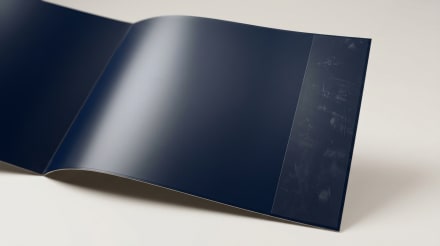
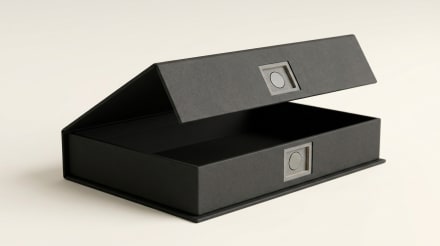
The fix is black-core board, dyed through its full thickness, so cut edges are black and scuffs stay black as the box ages. Black-lined board is the intermediate option, and edge painting is the retrofit. For any brand where black is the identity, black-core is worth insisting on in the specification.
Most rigid formats start at just 30 units, because they are hand-assembled rather than machine-run.
That is far below folding cartons, which typically start at 500, and it surprises brands who assume premium construction means higher minimums. The trade-off is that the unit price stays relatively flat as quantity rises, so rigid suits low-volume premium products better than it suits scaling ones.
Your brand deserves
better packaging.
Work one to one with a dedicated packaging manager, from first sketch to delivery.