PremiumBespokeArtisanLuxuryCustom Tuck Boxes
Tell us about your boxes
Popular Custom Tuck Boxes
our brands keep reordering.
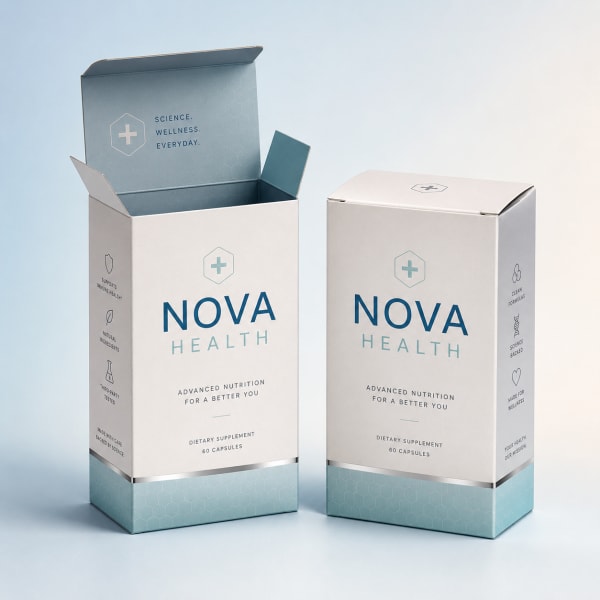
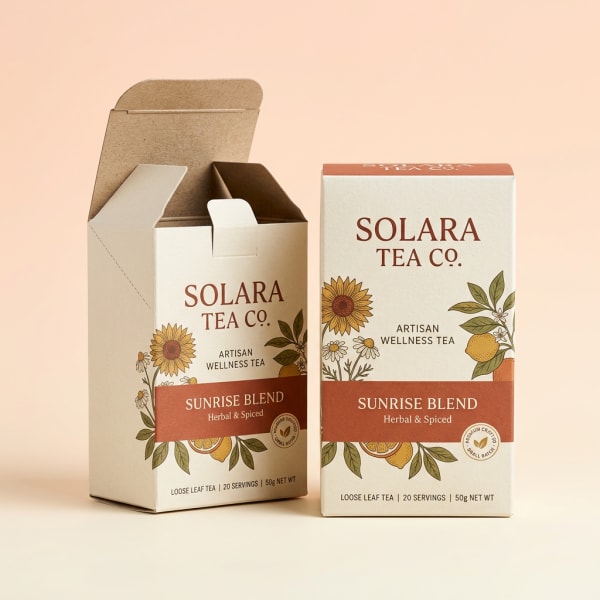
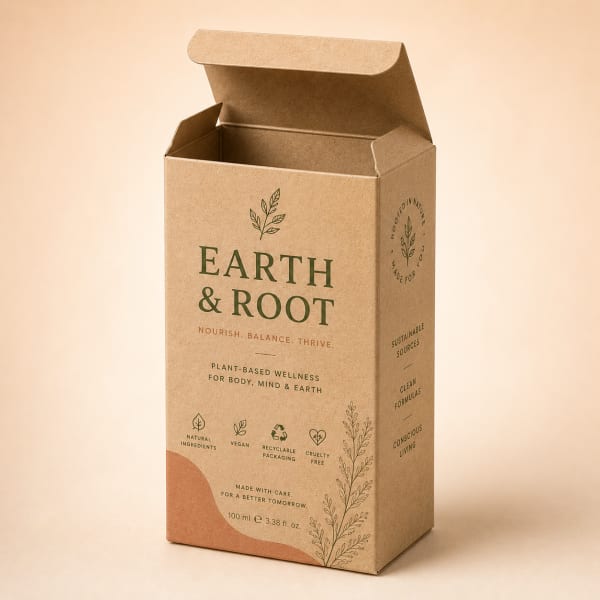
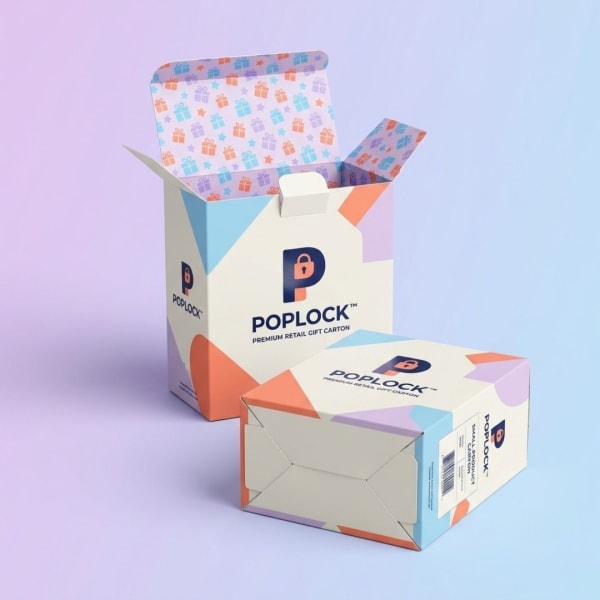
Hand-picked from our custom tuck boxes range. 8 styles, each built for a different job.
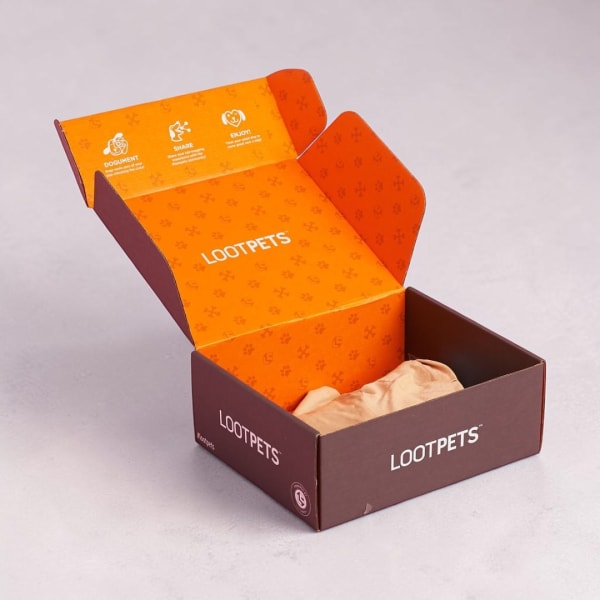
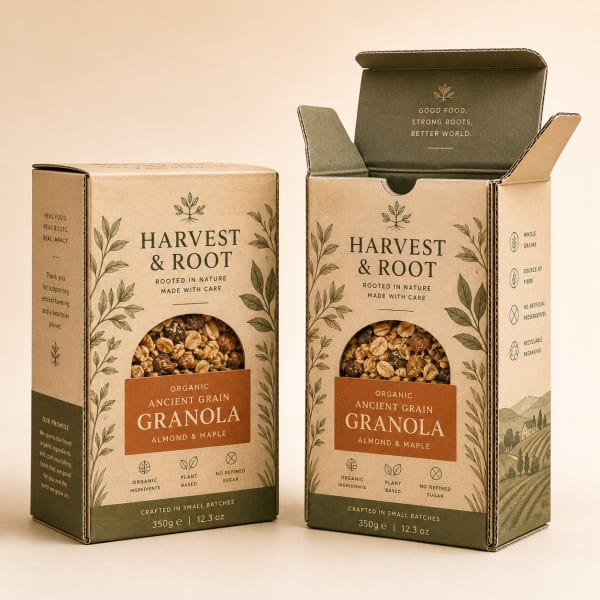
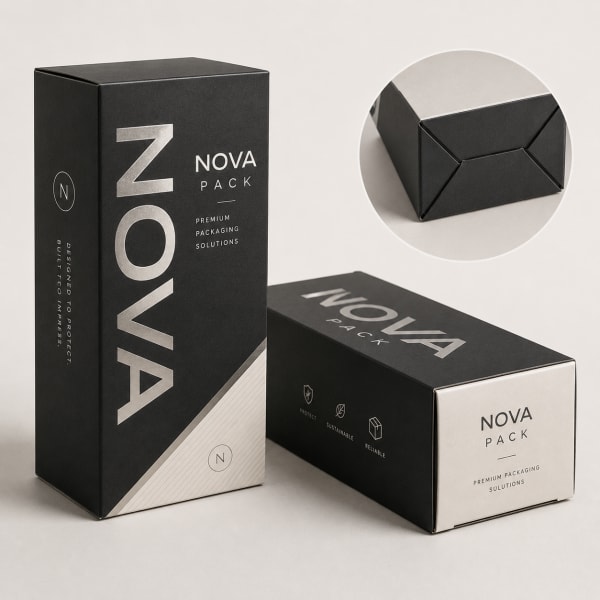
The box is the building.
Inserts are everything else.
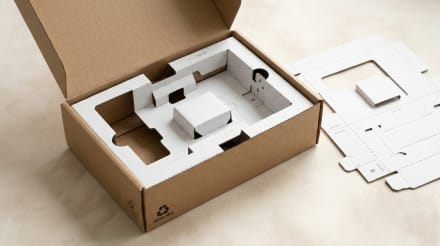
Furniture. Bodyguards. Stage crew. The unseen architecture that makes your product feel like it lives somewhere, not like it was just dropped in a box.
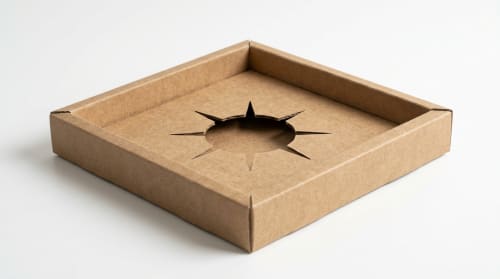
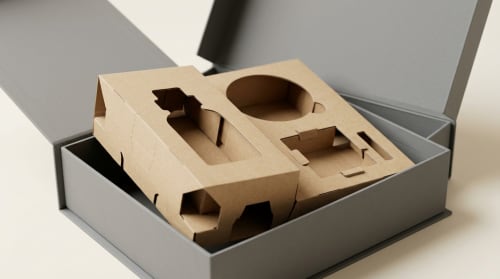
Paperboard Inserts
“Clean recyclable inserts for”
Paperboard Inserts Inserts
“Engineered paper architecture that folds, locks and reveals.”
Explore Paperboard Inserts InsertsEvery finish we offer on Tuck Boxes.
Materials, finishes and add-ons available for this range. Order any of them as a free sample before you commit to a run.
Materials
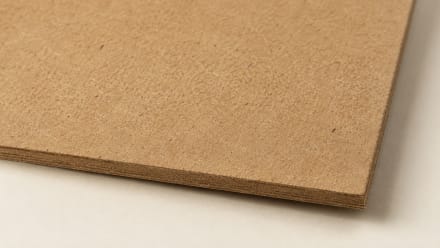
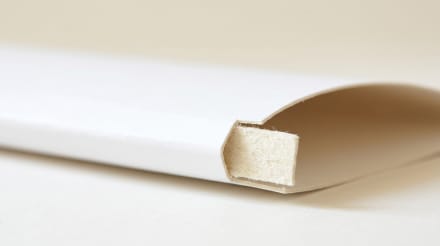
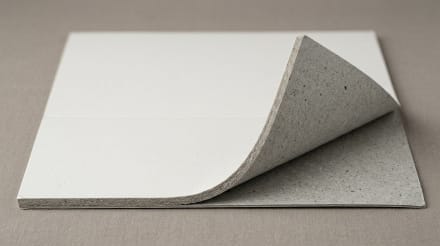
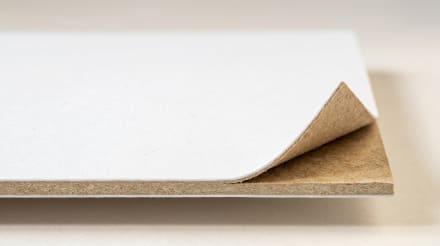
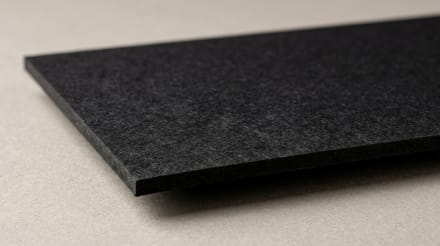
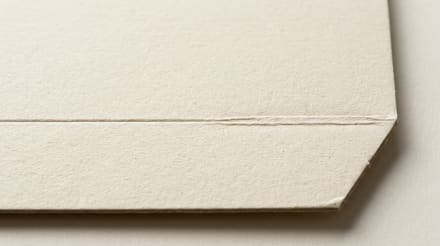
The board and film we build on
 ◷ ECO
◷ ECO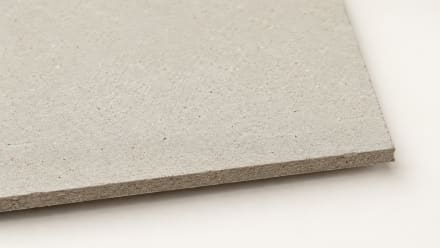
Finishes
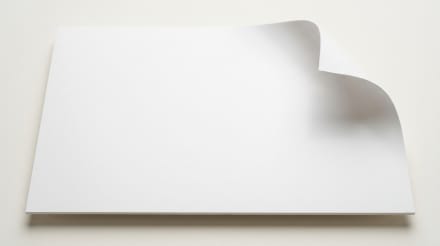
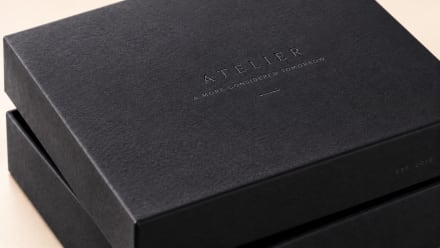
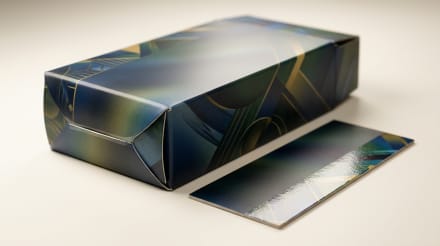
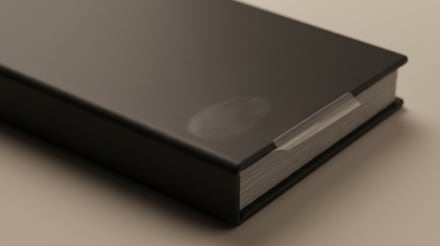
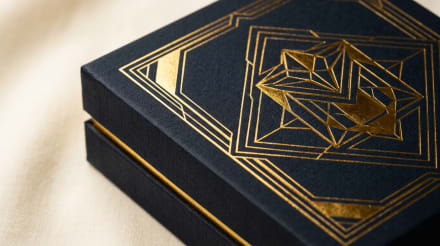
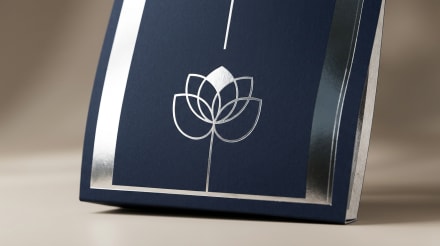
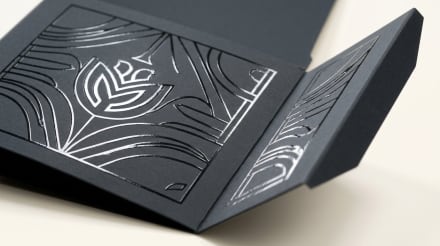
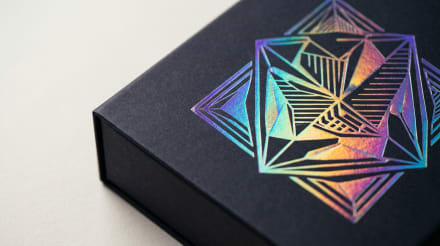
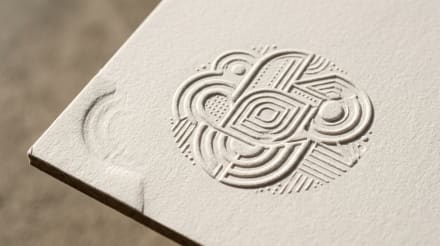
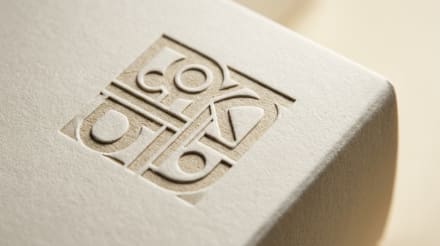
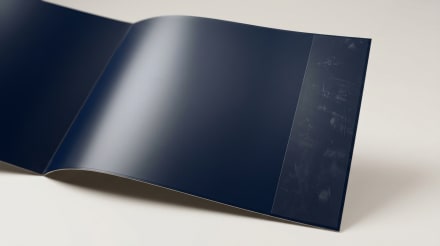
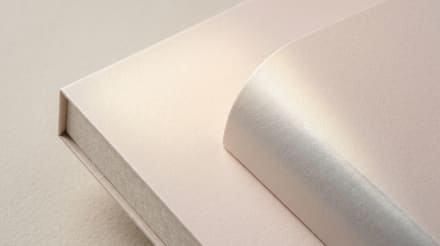
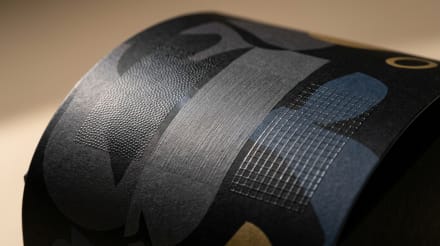
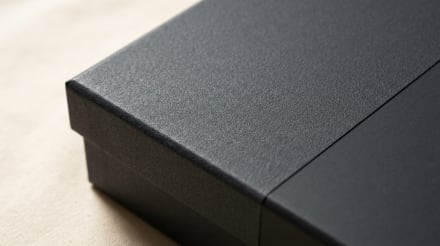
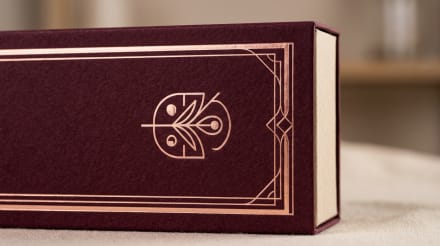
What the surface does in the light

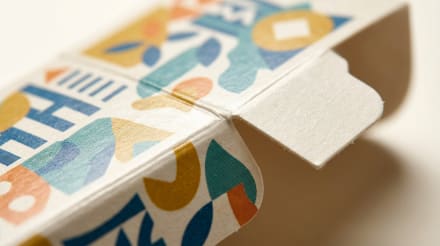
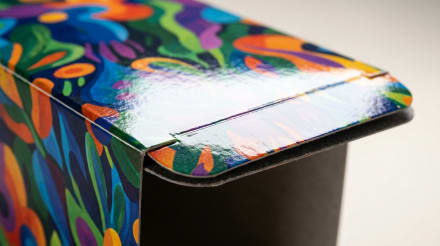
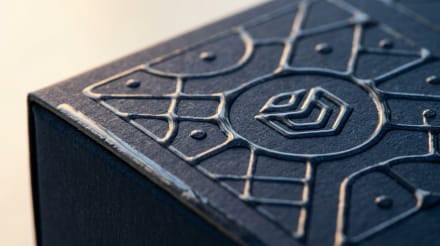
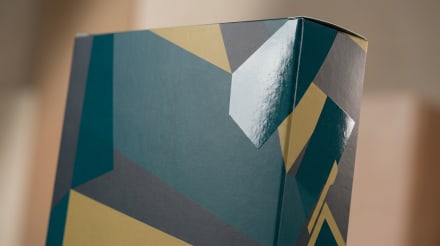
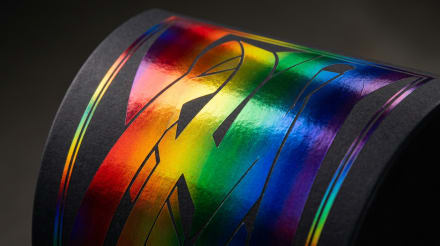
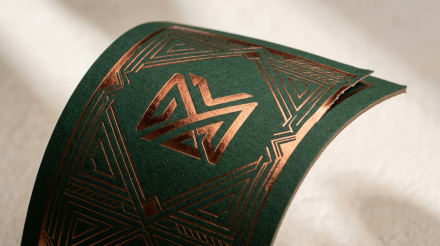
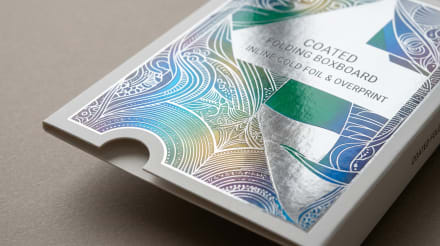
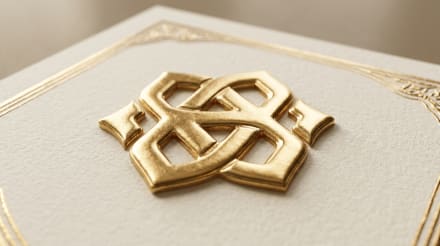
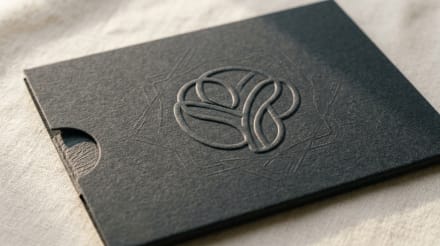
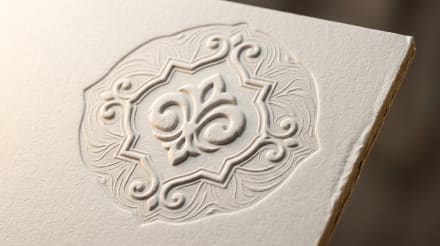
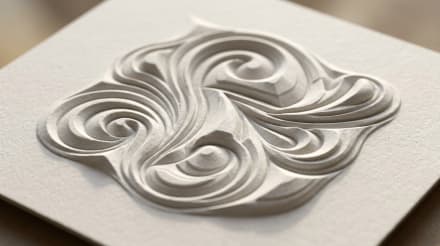
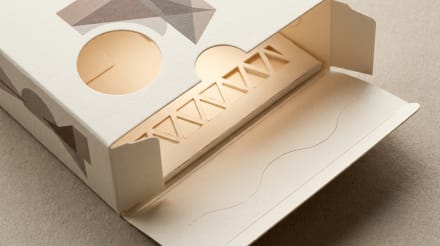

Add-ons
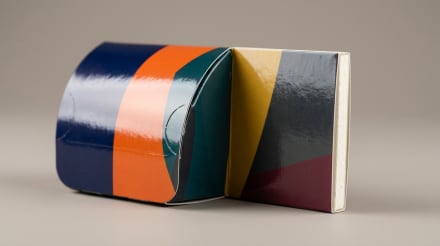
Closures, linings and the extra touches
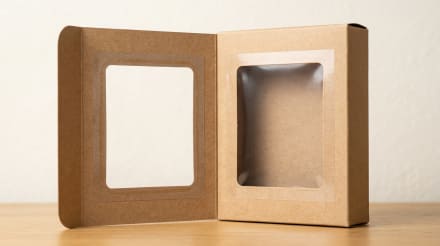
One box for every shelf.
Cosmetics Packaging
Soft-touch lamination, spot UV logos, bold colour. The tuck carton is the global standard for skincare and beauty packaging.
The workhorse of retail.
Simple. Stackable. Supremely printable. The tuck box, with every spec explained.
Why tuck boxes are the default
The most versatile packaging structure ever made.
Five thousand uses, one template
Straight tuck, reverse tuck, snap-lock base, auto-bottom. The tuck box family covers everything from pharmaceutical blister cards to luxury cosmetic cartons. One structural logic, infinite applications.
Built for high-volume printing
Tuck cartons are litho or digital-printed flat and then glued into shape, which makes them the most cost-efficient format for branded packaging at scale. Colour fidelity is exceptional because the entire surface is printed in one pass.
Retail-ready out of the box
Flat-pack shipping, easy assembly at the fulfilment centre, shelf-stable structure. Tuck boxes go from pallet to shelf to customer hand without an extra step.
Board, print, finish
Every variable selected for the application.
Board grades
SBS (solid bleached sulphate) for bright white print base. Kraft for natural/eco positioning. Coated duplex for dual-surface print. Weights from 300gsm to 450gsm depending on product weight.
Offset lithography for runs above 1,000 units gives colour consistency that is hard to beat. Digital for short runs and variable data. Both processes support full-bleed, edge-to-edge print on all six faces.
Finishes
Matt or gloss OPP lamination · soft-touch lamination · spot UV · hot foil · emboss · deboss. Finishes can be combined, and a spot UV logo on a matt lam background is the most requested pairing.
Every tuck configuration
Pick the right structure for your product.
Straight tuck end (STE)
Both tucks fold in the same direction. Standard for most retail applications such as cosmetics, supplements and electronics accessories. Clean, flat front panel for branding.
Reverse tuck end (RTE)
Tucks fold in opposite directions. More secure closure for heavier products. Preferred for food cartons where one end needs to resist gravity.
Auto-bottom & snap-lock
Auto-bottom assembles instantly, which suits fulfilment centres packing at speed. Snap-lock provides a reinforced base for products that need extra base support.
Where tuck boxes thrive
The categories that rely on tuck cartons.
Cosmetics & skincare
The standard format for serums, creams, and palettes. Matt soft-touch with spot UV logo is the signature cosmetic carton aesthetic.
Food & supplements
FDA-compliant inks, food-safe coatings, tamper-evident options. Tuck cartons meet grocery shelf requirements worldwide.
Electronics & tech accessories
Printed inserts, product windows, and cable management slots. The tuck box holds everything in place and sells from the front.
Pharmaceuticals
Reverse tuck with perforated tamper strip. Meets GMP packaging standards. Can include Braille and QR code print.
From flat sheet to filled shelf
The tuck box production chain.
01. Dieline
A precision flat cutting template built around your product dimensions. We add bleed, safe zones and fold allowances, and you supply artwork to the file.
02. Print & finish
Litho or digital print, then lamination and finishing in sequence. Spot UV is applied last, over laminate, for maximum contrast.
03. Die-cut, glue, flat-pack
Die-cut from printed sheet, glued on the side seam, flat-packed for shipping. Ready to erect and fill at your facility or our fulfilment partners.
Questions, answered.
Straight tuck has both flaps folding toward the back panel. Reverse tuck has them folding in opposite directions, top to the back and bottom to the front.
Straight tuck gives a clean front face with no visible slot, which is why cosmetics and pharmaceutical cartons favour it. Reverse tuck erects more readily on automated lines, which is why it is the most-produced carton structure in the world. The trade-off is a tuck slot visible on the front panel.
Reverse tuck, almost always, because machine erectors are commonly configured for it.
Alternating tuck directions mean the carton squares up more predictably from flat, which matters at hundreds of cartons a minute. Specifying straight tuck on a line built for reverse can mean jams and downtime. The filling operation rather than the designer should have the final say, and the cheapest structure is usually the one the existing line already runs.
A carton with pre-glued base flaps that fold and lock automatically as the box is erected, spreading load across the whole base panel.
It exists because tuck bottoms fail under weight, usually in a warehouse stack rather than on a shelf, and usually onto the floor. Anything above roughly a pound, and anything in glass, should use an auto-bottom or a lock-bottom. The auto version also erects in one motion, which is meaningfully faster on a hand-packing bench.
A hand-erected base where three flaps interlock in sequence. Fold one, fold two, fold three, and the base locks.
The trade also calls it a snap-lock or lock-bottom. It gives most of an auto-bottom's load performance without the gluing step, so the carton costs less but takes a few seconds longer to assemble. Volume decides which is cheaper overall: low volumes favour the cheaper carton, high volumes favour the faster one.
14pt to 24pt SBS covers most retail work, with caliper chosen by contents weight and panel span.
Eighteen point is the general retail standard. Tall narrow cartons for mascara, pencils and slim bottles need 20pt or more because the board is doing structural work a wider box would not ask of it. Anything over about a foot in span wants heavier board or a flute upgrade against bowing.
Yes, and if the product is used over weeks it is worth specifying tuck locks.
Slit locks or friction locks on the tuck flap hold the carton closed through repeated opening, where a plain tuck gradually loosens. It is a small die detail with a real effect on how a product feels through its life. A bandage box or a tea carton that gapes open after a week reads as cheap regardless of how it looked on the shelf.
SBS is bleached white board with a bright coated print surface. Kraft is unbleached brown board, stronger per caliper but limited in colour reproduction.
SBS reproduces brand colours accurately and supports photography. Kraft shifts every colour, cannot produce whites without an underprint, and works best with one or two colours and bold marks. Kraft's longer virgin fibres also make it stiffer than bleached board at the same caliper, which is a genuine structural advantage.
500 units, with 7–10 business days production.
Tuck cartons are the most economical custom packaging format available, because the structures are standard and the dies are simple. Below 500, digital printing can produce short runs at a higher unit price, which suits products testing demand before committing to a full offset run.
Your brand deserves
better packaging.
Work one to one with a dedicated packaging manager, from first sketch to delivery.