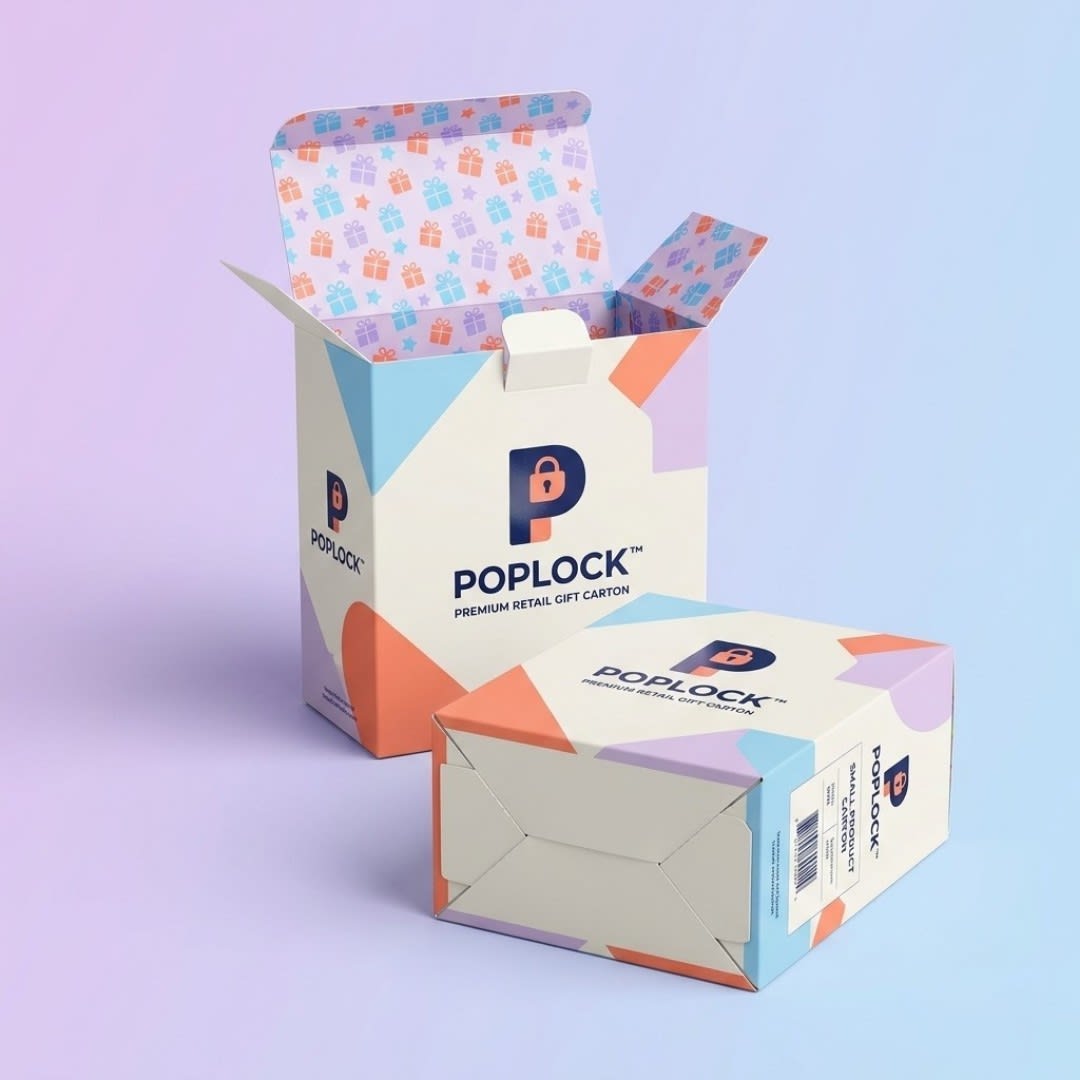
1-2-3 Bottom Boxes.
Final price depends on size, material, finish and quantity. Your packaging manager confirms it before production.
Your custom box, quoted.
The full specification book.
Six chapters. Six colours. Click a tab to turn the page.
1-2-3 Bottom Boxes
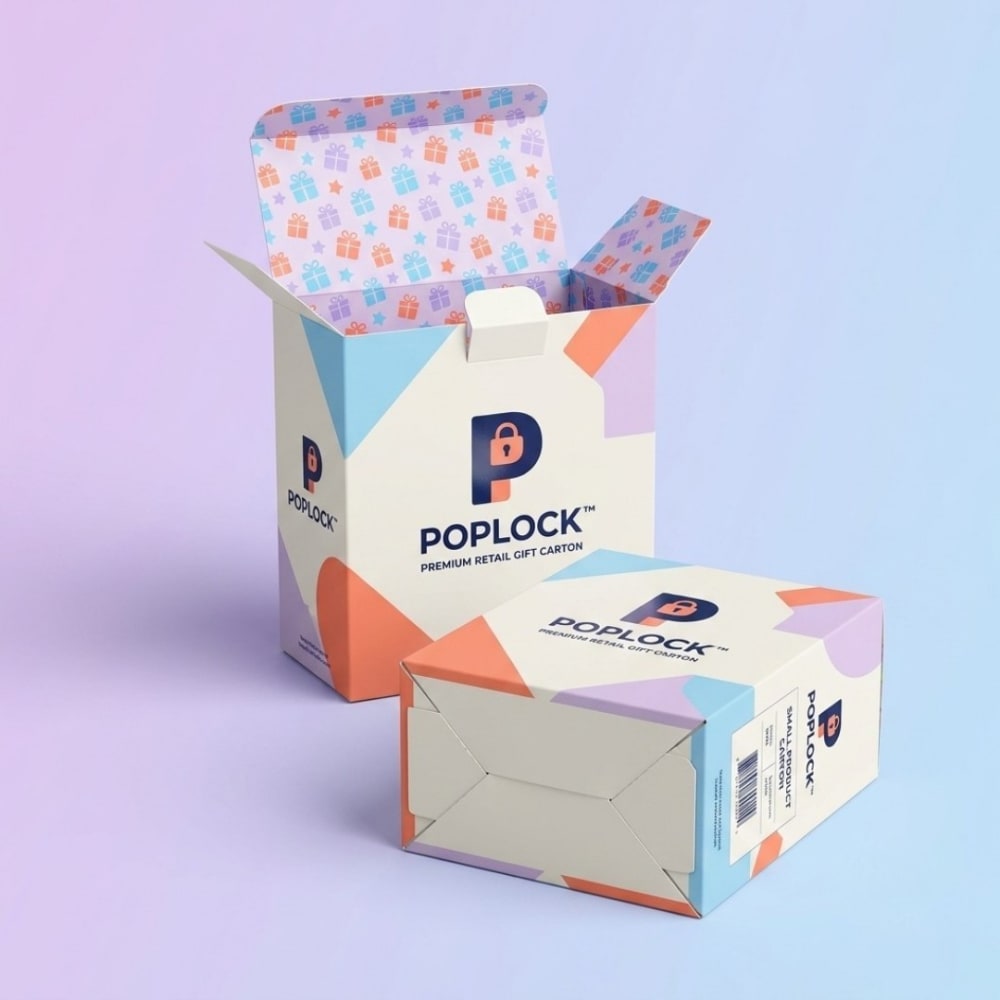
It takes its name from the three folds that lock the base, and that is all the assembly there is.
The same structure the trade calls a snap lock or lock bottom. The numbered name persists because it describes the operator's experience, which is exactly how it gets taught at a bench.
Every detail. Intentional.
An interlock, not a glue joint
Each flap holds the next, the last tucks under.
Assembly speed is die quality
A poor blank fights the operator on every unit.
Approve by hand-folding
Not from a dieline drawing.
Good tooling pays back fast
Labour costs more than the die saved.
Craft and small-batch fit
Where the labour is already manual.
Board holds at the lock
Which is what the filled drop test proves.
Built like architecture.
Every order of 1-2-3 Bottom Boxes is an engineered build, measured, dieline-cut and hand-wrapped to spec. Below is the standard build sheet.
✦ Need a custom spec? Talk to our atelier. Every detail is negotiable.
Every surface, hand-selected.
What this product is built from, and the surfaces it takes. Below the build sheet sits the full swatch library. Every option applies across our range, and a physical swatch set is available on request.
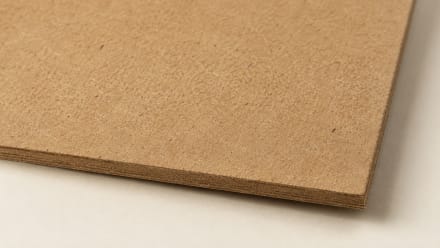
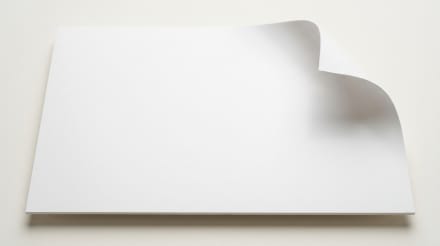
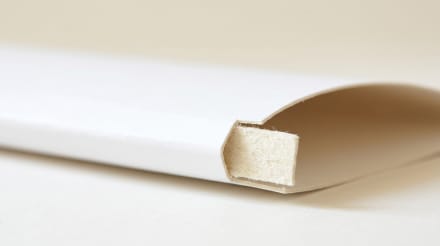
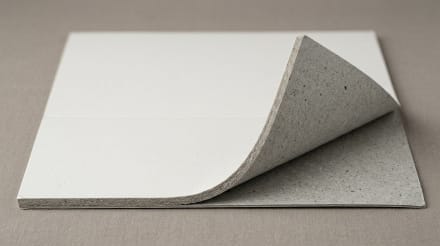
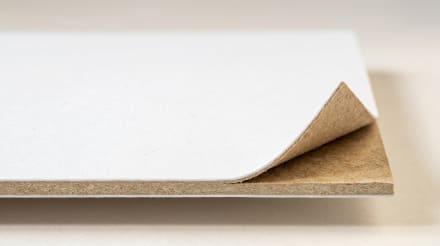
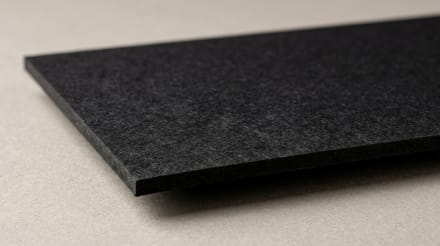
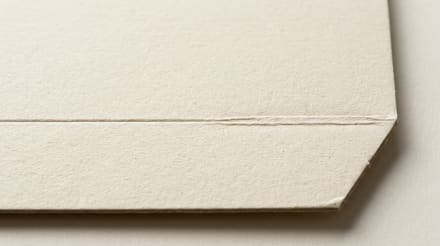
Material
The board and paper your box is built from.
 ◷ ECO
◷ ECO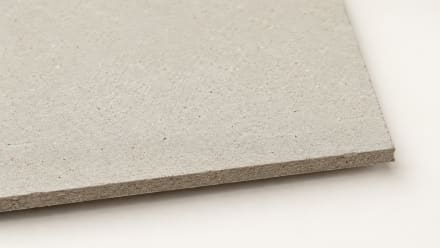 ◷ FINISH
 ◷ FINISH
 ◷ FINISH
 ◷ FINISH
 ◷ FINISH
 ◷ FINISH
 ◷ FINISH
 ◷ FINISH
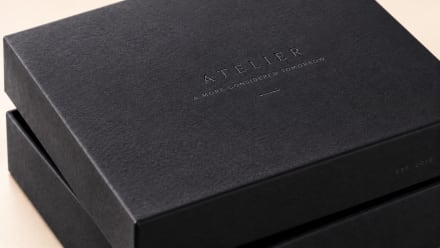
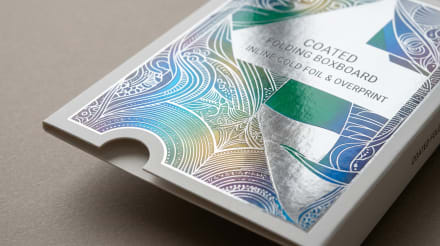
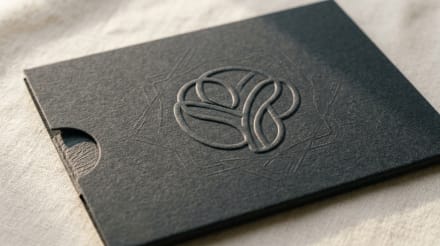
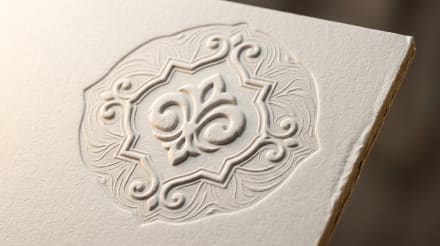
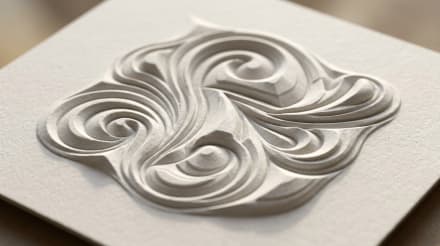
Finishes
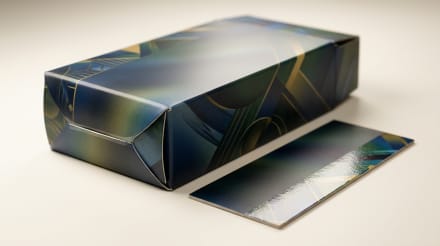
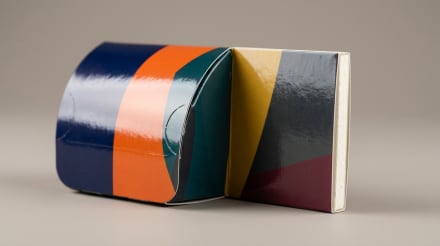
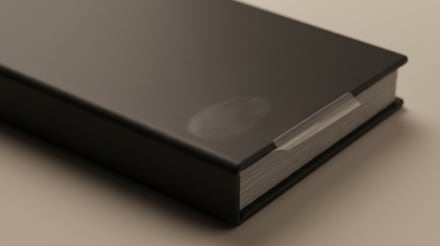
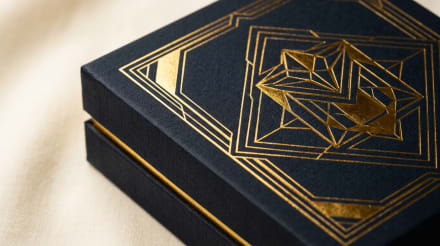
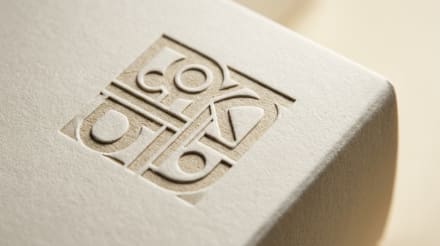
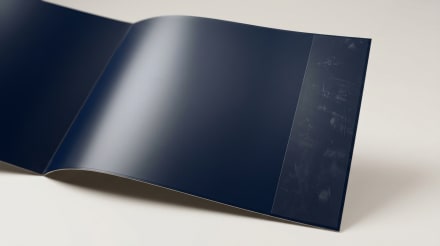
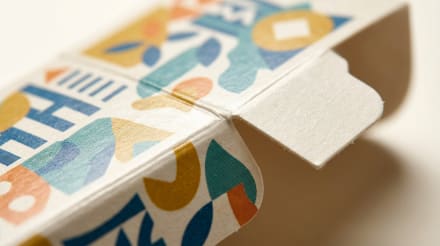
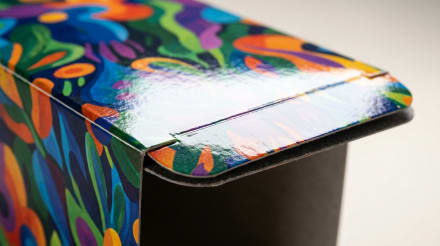
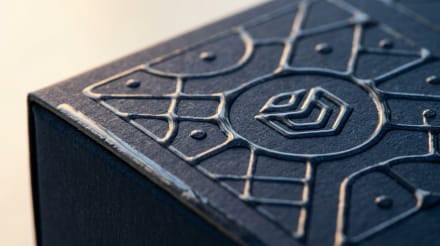
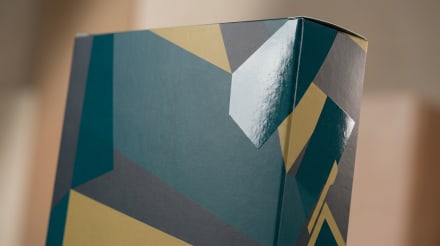
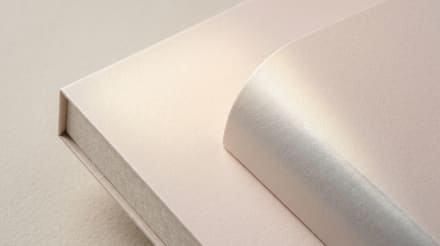
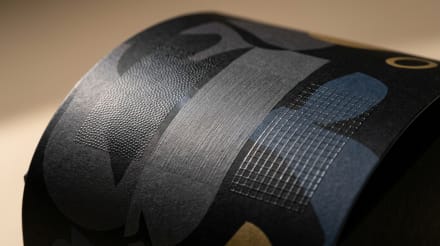
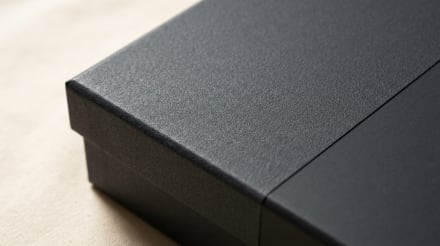
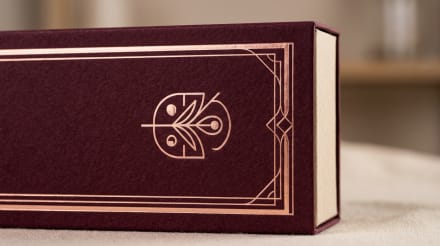
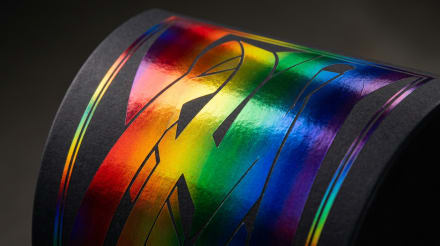
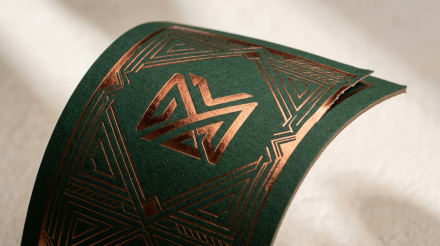
How the outer surface looks, feels, and catches light.
 ◷ FINISH
 ◷ FINISH
 ◷ FINISH
 ◷ FINISH
 ◷ FINISH
 ◷ FINISH
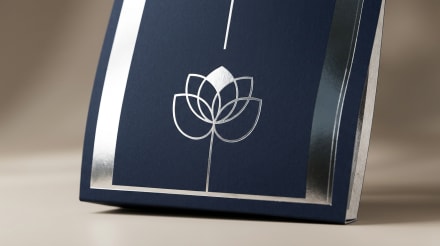 ◷ FINISH
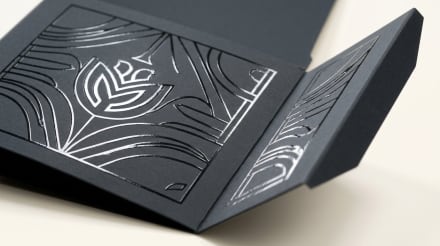 ◷ FINISH
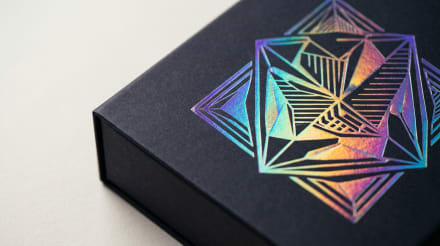 ◷ FINISH
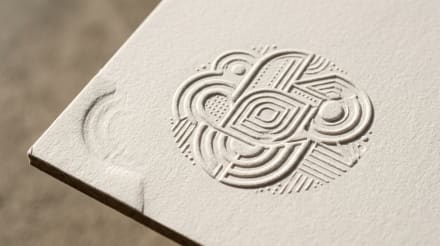 ◷ FINISH
 ◷ FINISH
 ◷ FINISH
 ◷ FINISH
 ◷ FINISH
 ◷ FINISH
 ◷ FINISH
 ◷ FINISH
 ◷ FINISH
 ◷ FINISH
 ◷ FINISH
 ◷ FINISH
 ◷ FINISH
 ◷ FINISH
 ◷ FINISH
 ◷ FINISH
 ◷ FINISH
 ◷ FINISH
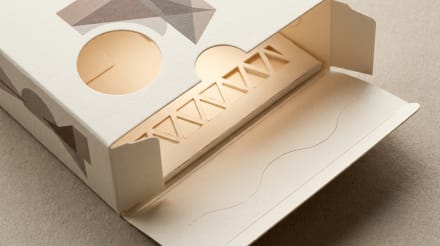 ◷ FINISH
 ◷ FINISH
Add-ons
Closures, linings, and hardware that complete the build.
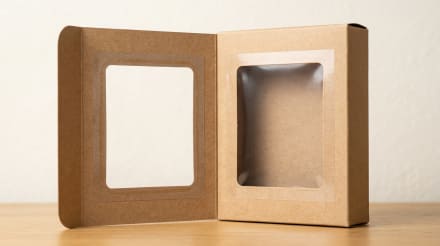 ◷ FINISH
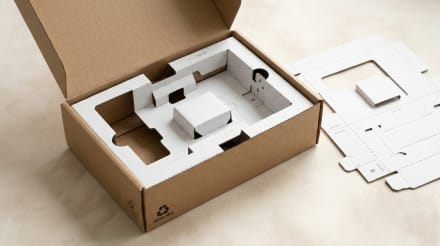 ◷ FINISH
✦ Mix and match across all three and we'll build your exact combination.
The full kit of capabilities.
Sizing & dieline.
We cut 1-2-3 Bottom Boxes to a dieline built around your product instead of pulling a stock size off the shelf. Send us the length, width and height of the item (or the item itself) and we return a measured dieline, free, before you commit to anything.
Length, width and height of the item itself, at its widest points. Measure the product, not the box you happen to use today.
Allow 2–4 mm on each axis for a snug fit, and more if you are adding foam, a pillow insert or tissue.
We quote as Length × Width × Height. Tell us whether you are working in millimetres or inches and we match it.
✦ Not sure of your size? Send us the product and we measure it and build the dieline.
Pricing & minimums.
We price 1-2-3 Bottom Boxes per specification rather than from a fixed list, because the same build in two different finishes can land at very different numbers. Below is what actually moves the price, so you can shape the spec before you request a quote.
The single biggest lever. Unit cost falls sharply as volume rises, because setup and tooling spread across more pieces.
Board weight and stock choice change both the raw material cost and the shipping weight of the finished run.
Foil, spot UV, embossing and soft-touch each add a pass on press. One or two lift the box; five compound the cost.
Full-bleed print inside and out costs more than a one-sided design on natural stock.
Foam, moulded pulp, velvet pillows, magnets and ribbon are priced per piece on top of the box itself.
Standard production is the base rate. Rush moves you up the production queue and carries a surcharge.
✦ Quotes returned within 24 hours.
Questions, answered.
Everything you need to know about 1-2-3 Bottom Boxes.
It describes the assembly: fold the first flap, then the second, then the third, and the base is locked. The trade also calls it a snap lock or a lock bottom, and the structure is identical under all three names.
The numbered name has stuck because that's how the fold gets taught at a packing bench. A new operator usually has it after a handful of boxes.
No, the base holds by interlock alone. Each flap holds the next and the last one tucks under, so the floor supports itself without a glue joint. Weight pressing down on the base pushes the flaps into tighter engagement.
A plain tuck bottom behaves the opposite way under load, which is why this style carries moderate weights that a tucked base would eventually drop.
Assembly speed on this box is decided by the die and the sharpness of its creases. A blank with crisp creases folds almost by itself, and a poorly cut one fights the operator on every unit. Over a few thousand boxes, that extra labour costs more than a cheaper die ever saved.
We cut these on precision dies and check how the folds fall on the sample before the run is booked.
SBS between 18 and 24pt is our standard, chosen to match the weight going in. Folding boxboard is the alternative when you want bulk and stiffness at a lower cost, and kraft grades suit a craft or natural brand.
Recycled board with post-consumer content is available too. For heavier contents we move up the caliper range, because the board has to stay firm right at the lock where the flaps meet.
The full carton finishing menu applies. CMYK and Pantone print, hot foil, embossing and debossing, spot UV, and matte, gloss or soft-touch lamination all run on this structure.
On kraft grades we'd keep to one or two bold colours with a foil or deboss mark, which suits the small-batch brands this box tends to serve. Keep fine text away from the base, where the three flaps break up the artwork.
Every one is built to your product, starting from the internal length, width and depth. There is no stock size list for this style. Measure the item or its inner pack at the widest points and tell us the weight, since weight also decides the caliper.
We quote sizes as inside dimensions, length by width by depth, where the first two figures describe the opening under the top tuck.
This style starts at 300 boxes, which is lower than most of our tuck range. It suits craft and small-batch producers who fold by hand anyway and don't need the volume an auto-bottom line is built around.
When the business grows, the same die carries on. Reorders can go as high as 100,000 without any change to the structure.
A hand-foldable sample reaches you in 5 to 7 business days. Fold it several times, fill it with the real contents and drop it onto its base, because a dieline drawing tells you nothing about how the lock assembles. Once you approve, production takes 7 to 10 business days.
Rush runs take 5 to 7 business days. Whatever you paid for the sample is credited against the order.
Other products you might love.

Ready to start your 1-2-3 Bottom Boxes project?
Get a free quote in 24 hours. Our atelier is here to help.