
Reverse Tuck End Boxes.
Final price depends on size, material, finish and quantity. Your packaging manager confirms it before production.
Your custom box, quoted.
The full specification book.
Six chapters. Six colours. Click a tab to turn the page.
Reverse Tuck End Boxes
Flaps that alternate direction, which is the structure automated lines are actually built for.
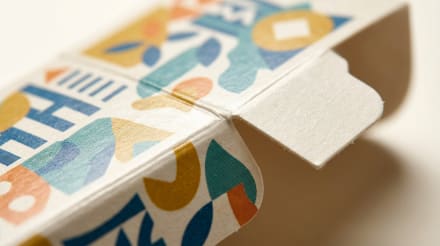
Top tucks to the back and bottom to the front. That alternation squares the carton predictably from flat, which is why it is the most-produced folding carton in the world.

Every detail. Intentional.
Erects predictably from flat
Which matters at hundreds per minute.
Machines are configured for it
Specifying straight tuck can mean jams.
A slot on the front
The bottom flap's slit crosses the face.
Design around the slot
Placed low or integrated, it disappears.
Cheapest is what the line runs
Ask the filler before finalising the dieline.
Full finishing menu
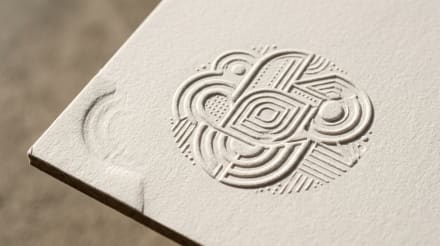
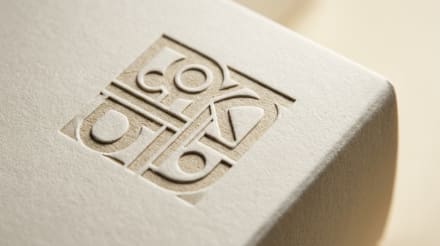
Soft-touch, foil, spot UV and deboss all apply.
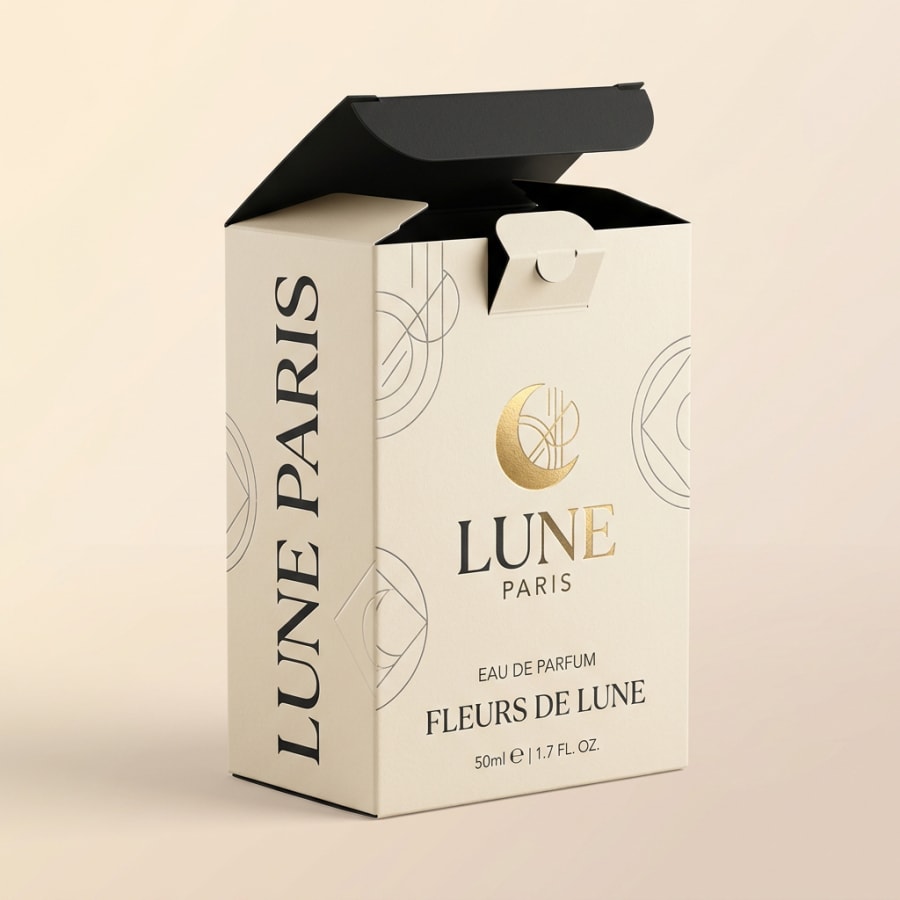
Built like architecture.
Every order of Reverse Tuck End Boxes is an engineered build, measured, dieline-cut and hand-wrapped to spec. Below is the standard build sheet.
✦ Need a custom spec? Talk to our atelier. Every detail is negotiable.
Every surface, hand-selected.
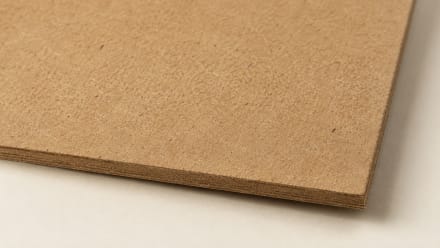
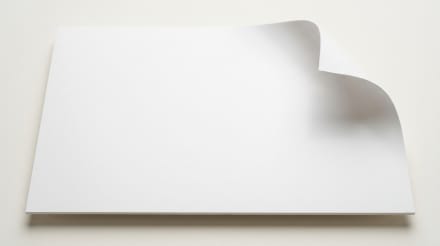
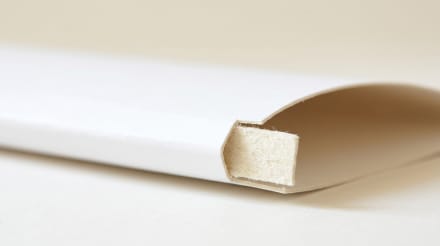
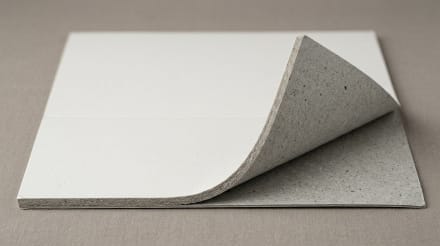
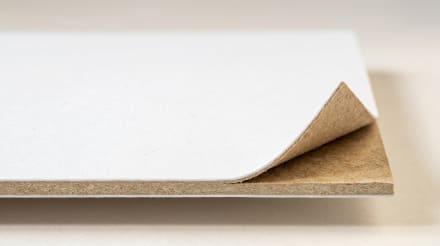
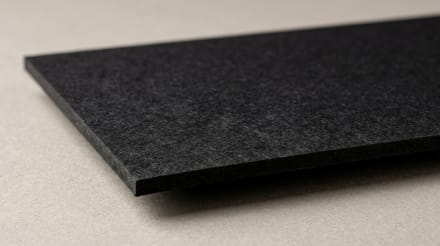
What this product is built from, and the surfaces it takes. Below the build sheet sits the full swatch library. Every option applies across our range, and a physical swatch set is available on request.
Material
The board and paper your box is built from.
 ◷ ECO
◷ ECO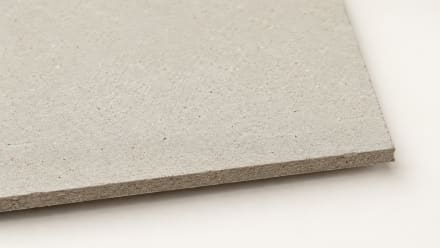 ◷ FINISH
 ◷ FINISH
 ◷ FINISH
 ◷ FINISH
 ◷ FINISH
 ◷ FINISH
 ◷ FINISH
 ◷ FINISH
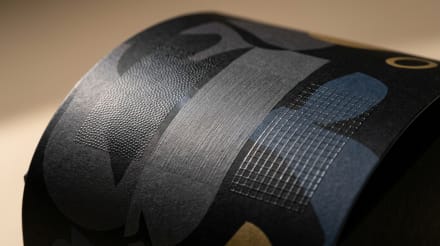
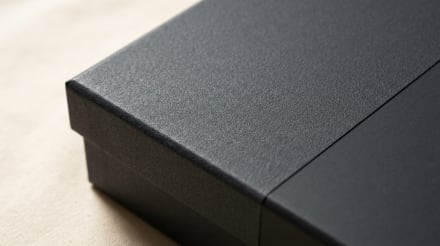
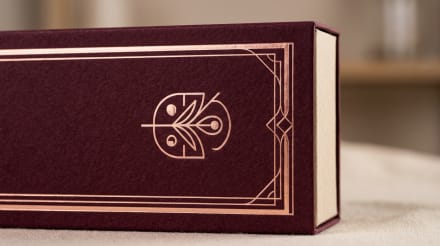
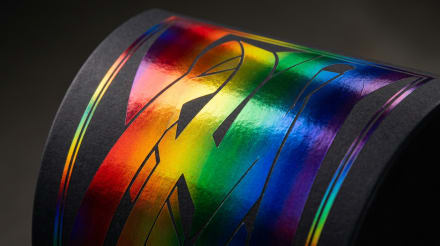
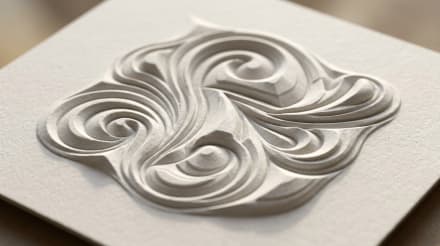
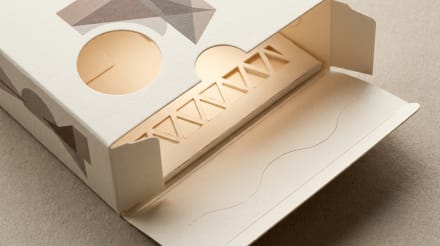
Finishes
How the outer surface looks, feels, and catches light.
 ◷ FINISH
 ◷ FINISH
 ◷ FINISH
 ◷ FINISH
 ◷ FINISH
 ◷ FINISH
 ◷ FINISH
 ◷ FINISH
 ◷ FINISH
 ◷ FINISH
 ◷ FINISH
 ◷ FINISH
 ◷ FINISH
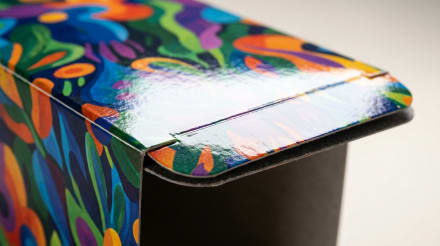 ◷ FINISH
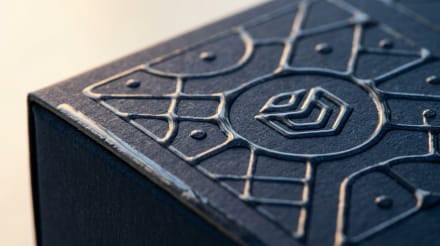 ◷ FINISH
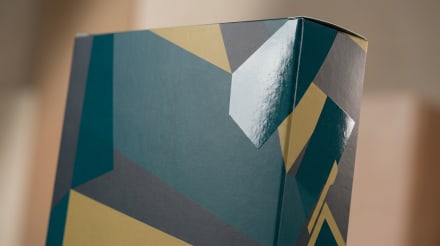 ◷ FINISH
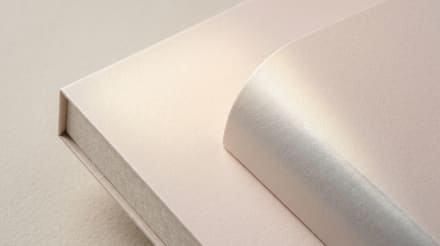 ◷ FINISH
 ◷ FINISH
 ◷ FINISH
 ◷ FINISH
 ◷ FINISH
 ◷ FINISH
 ◷ FINISH
 ◷ FINISH
 ◷ FINISH
 ◷ FINISH
 ◷ FINISH
 ◷ FINISH
 ◷ FINISH
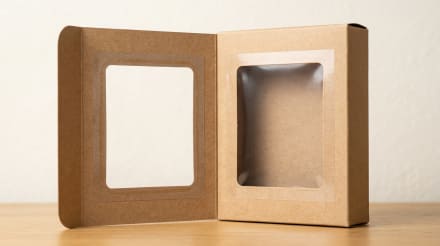
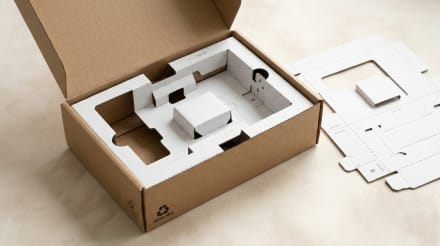
Add-ons
Closures, linings, and hardware that complete the build.
 ◷ FINISH
 ◷ FINISH
✦ Mix and match across all three and we'll build your exact combination.
The full kit of capabilities.
Sizing & dieline.
We cut Reverse Tuck End Boxes to a dieline built around your product instead of pulling a stock size off the shelf. Send us the length, width and height of the item (or the item itself) and we return a measured dieline, free, before you commit to anything.
Length, width and height of the item itself, at its widest points. Measure the product, not the box you happen to use today.
Allow 2–4 mm on each axis for a snug fit, and more if you are adding foam, a pillow insert or tissue.
We quote as Length × Width × Height. Tell us whether you are working in millimetres or inches and we match it.
✦ Not sure of your size? Send us the product and we measure it and build the dieline.
Pricing & minimums.
We price Reverse Tuck End Boxes per specification rather than from a fixed list, because the same build in two different finishes can land at very different numbers. Below is what actually moves the price, so you can shape the spec before you request a quote.
The single biggest lever. Unit cost falls sharply as volume rises, because setup and tooling spread across more pieces.
Board weight and stock choice change both the raw material cost and the shipping weight of the finished run.
Foil, spot UV, embossing and soft-touch each add a pass on press. One or two lift the box; five compound the cost.
Full-bleed print inside and out costs more than a one-sided design on natural stock.
Foam, moulded pulp, velvet pillows, magnets and ribbon are priced per piece on top of the box itself.
Standard production is the base rate. Rush moves you up the production queue and carries a surcharge.
✦ Quotes returned within 24 hours.
Questions, answered.
Everything you need to know about Reverse Tuck End Boxes.
The top tuck folds toward the back and the bottom tuck folds toward the front. Because the two ends close in opposite directions, the carton squares up predictably from flat, and that's why it is the most-produced folding carton in the world.
High-speed erectors are mostly configured for this geometry. At hundreds of cartons a minute, predictable squaring is what keeps a line from jamming.
Yes, the bottom flap's slit crosses the front panel near the base. That's the visual cost of the structure, and in most designs nobody notices it once the artwork is planned around it.
Keep type and key imagery clear of the bottom edge, or work the slot into the design as a line or band. If the front is a single clean image with nothing to hide the slot, a straight tuck end is the better choice.
The filling operation often decides the structure, and reverse tuck is usually what it already runs. Erectors configured for this carton can jam on a straight tuck, and changing a line's setup costs far more than anything saved on the box.
Ask them which tuck direction and flap locks their equipment expects. We'll build the dieline to match before the artwork is finished.
Every standard carton finish runs on this structure. Gloss lamination suits bright, colour-forward categories. Matte suits a quieter premium look, and spot UV over matte adds contrast at a modest cost. Soft-touch is the choice when the box should feel good in the hand.
Hot foil, embossing and debossing are available too. We keep foil and embossing off the score lines so the tucks still fold cleanly.
SBS from 14 to 24pt covers most retail work, picked by weight and panel size. Folding boxboard gives good stiffness for its weight at a lower cost. Kraft grades carry a natural look, and recycled board with post-consumer content suits brands that print a recycled claim.
Where the contents need a barrier, we can move to a coated barrier stock. The plain SBS, FBB and kraft grades all recycle with household paper.
We quote them by inside length, width and depth, measured from your actual product. The format scales from small bottles and tubes up to boxed accessories and food packs, and every carton here is built to order.
The panel layout leaves room on the back and sides for directions and the required marks. Tell us if customers will reclose the box, and we'll add tuck lock slits so it stays shut on the shelf.
The minimum is 500 cartons, which covers a first placement across a modest number of stores. At six to eight units a store, 500 fills about 50 shops with some left over for damaged stock.
Orders go up to 100,000 as distribution grows. For a product with seasonal turns, order enough to cover a few months, since the die is already cut and reorders only need print.
Standard production is 7 to 10 business days from approved art, or 5 to 7 on rush. Samples take 5 to 7 business days, and we'd send a few to your filler so they can run them through the erector before bulk.
A machine trial catches a flap or crease problem while it is still cheap to fix. We deduct the sample charge when the bulk order is placed.
Other products you might love.


Ready to start your Reverse Tuck End Boxes project?
Get a free quote in 24 hours. Our atelier is here to help.