PremiumBespokeArtisanLuxuryMailer Boxes
Tell us about your boxes
Popular Custom Mailer Boxes
our brands keep reordering.
Hand-picked from our custom mailer boxes range. 12 styles, each built for a different job.
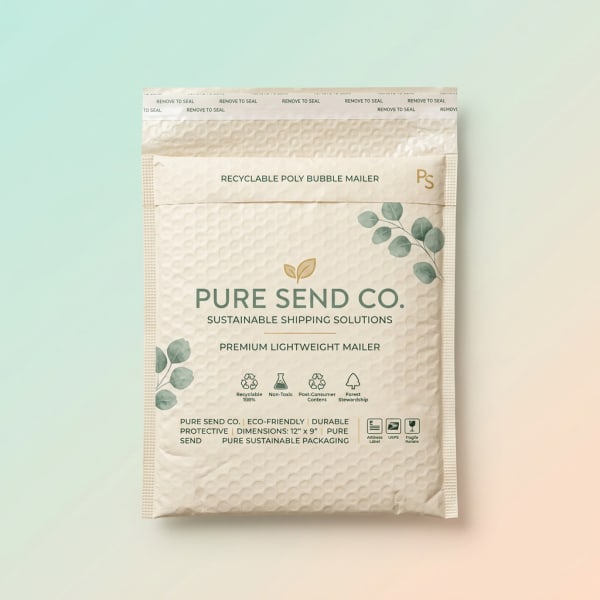

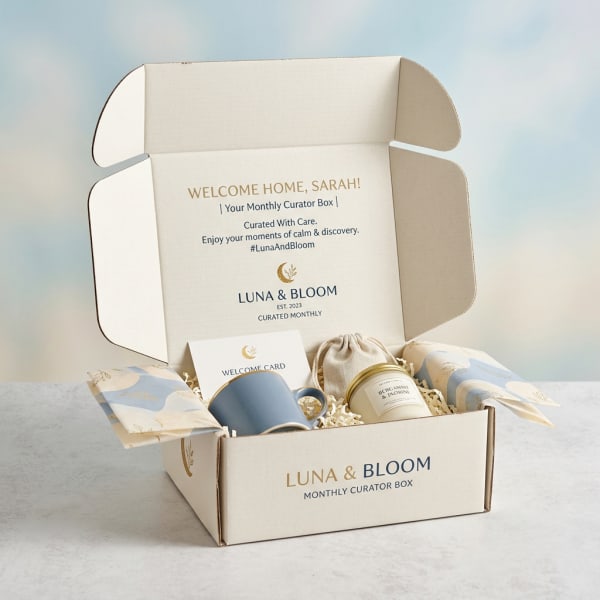
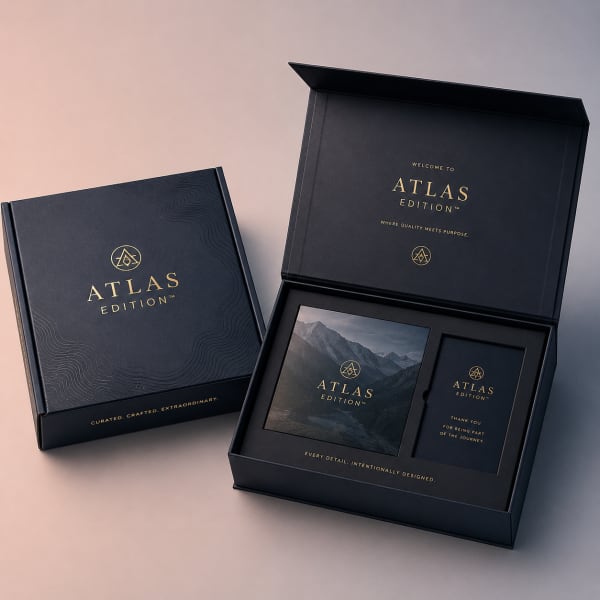
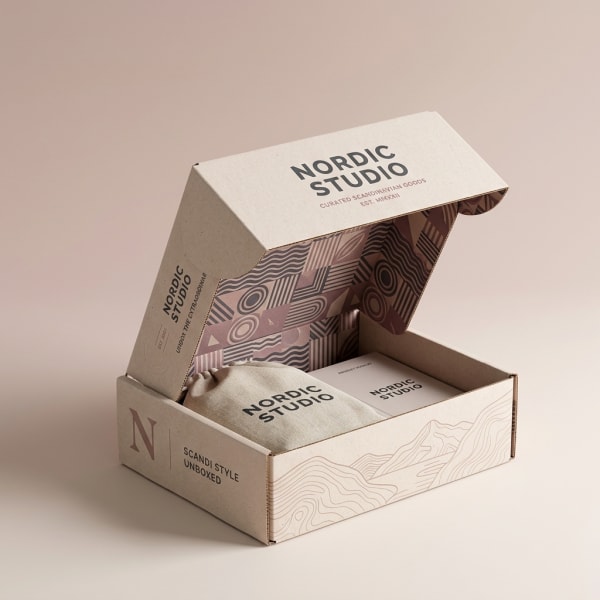
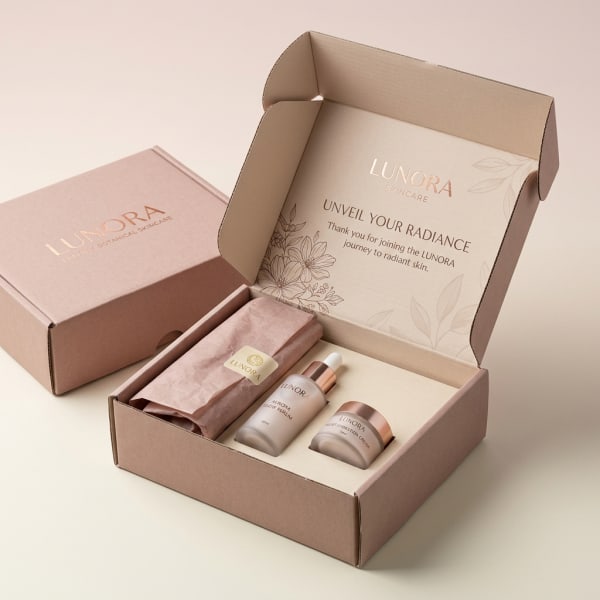
The box is the building.
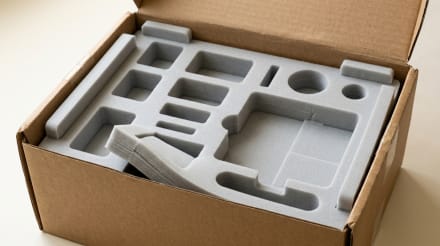
Inserts are everything else.
Furniture. Bodyguards. Stage crew. The unseen architecture that makes your product feel like it lives somewhere, not like it was just dropped in a box.
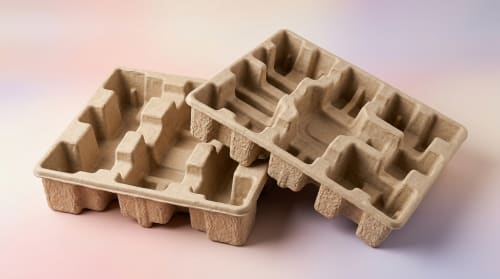
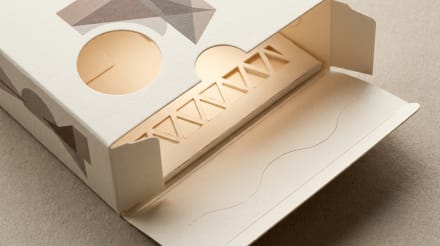
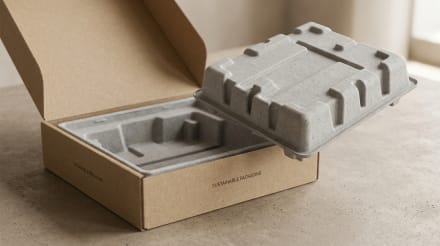
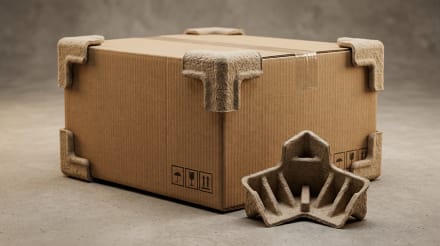
Molded Pulp Inserts
“Eco-friendly molded inserts for ”
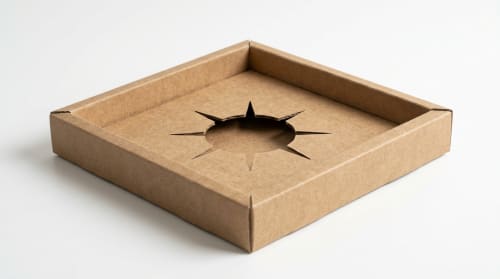
Paperboard Inserts
“Clean recyclable inserts for”
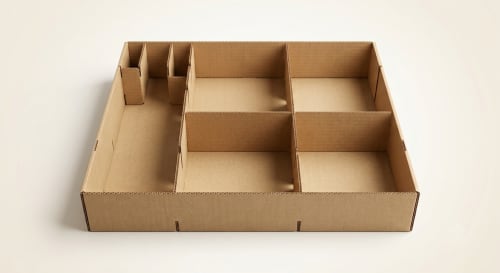
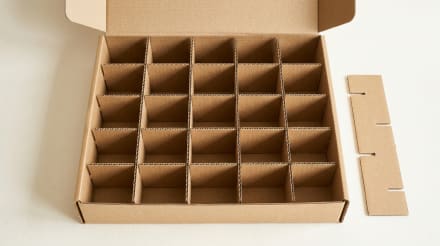
Corrugated Inserts
“Strong inserts for”
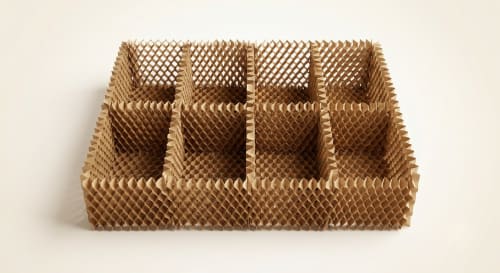
Honeycomb Paper Inserts
“Eco-friendly cushioning inserts for”
Every finish we offer on Mailer Boxes.
Materials, finishes and add-ons available for this range. Order any of them as a free sample before you commit to a run.
Materials
The board and film we build on
 ◷ ECO
◷ ECO
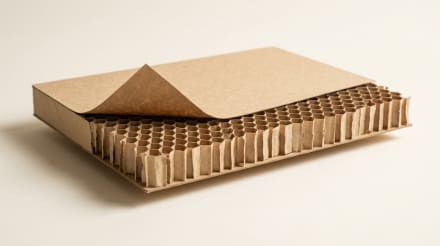
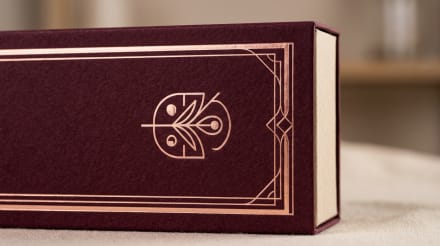
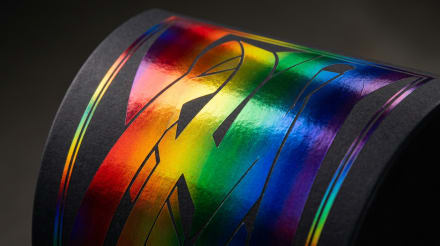
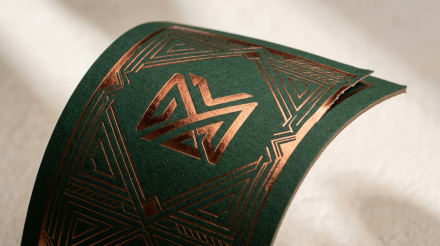
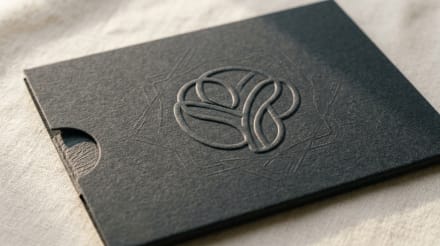
Finishes
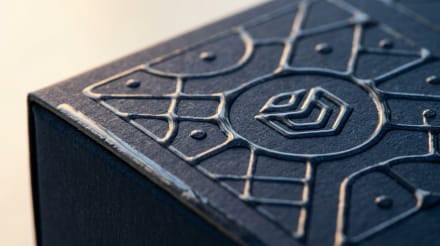
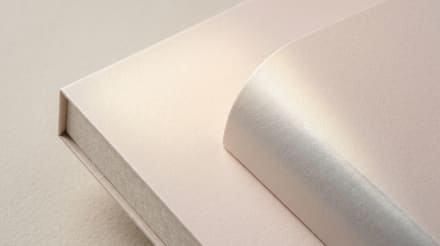
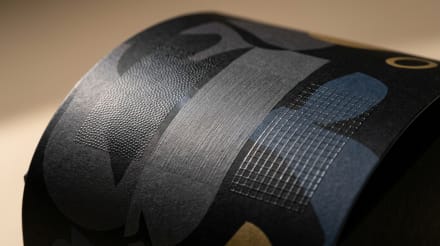
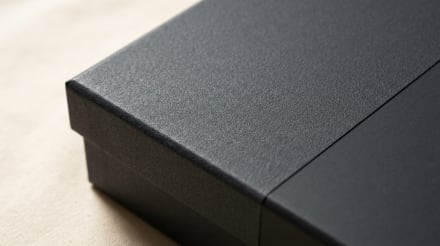
What the surface does in the light

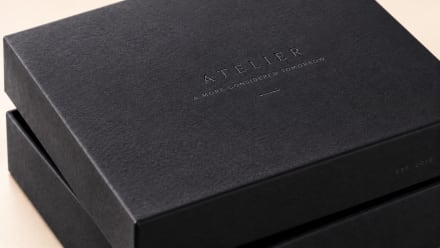

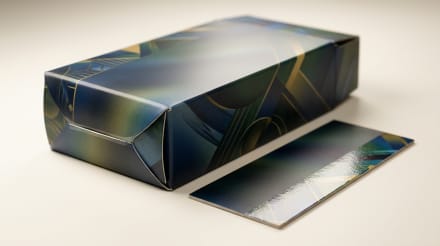
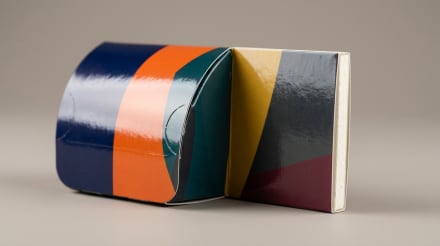

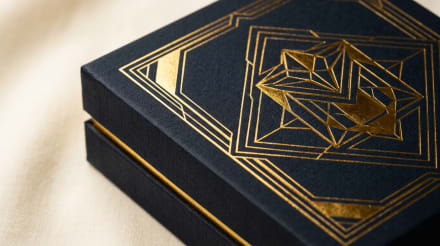

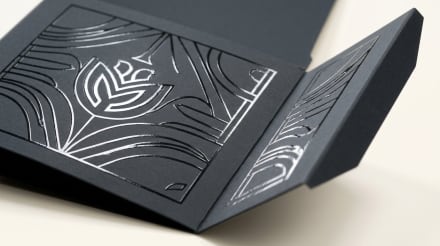
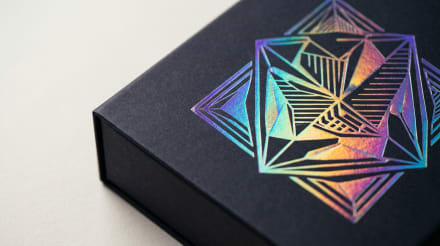

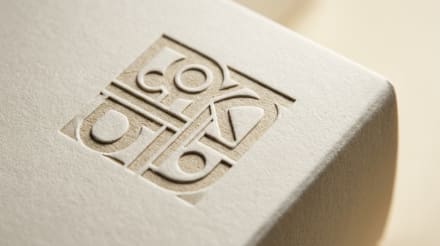
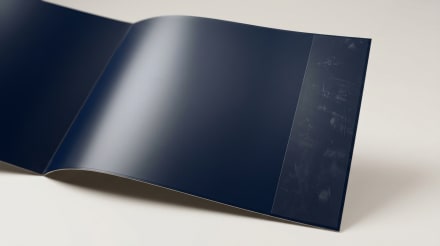
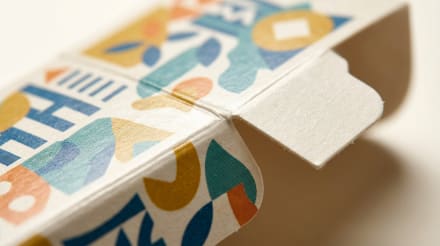
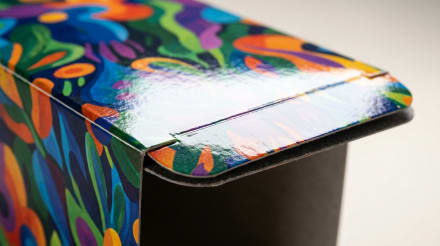




Add-ons
Closures, linings and the extra touches


Every delivery, a brand moment.
Subscription Packaging
Monthly unboxing rituals that customers film and share. Interior print, custom inserts, brand reveal at every step.
The delivery that gets shared.
Custom mailer boxes, with every dimension, print spec and unboxing detail covered.
Why the mailer box won DTC
The outside of the box is the first brand touchpoint.
A billboard on your customer's doorstep
The mailer box arrives in a person's home, which is a private and receptive moment. A well-designed exterior turns a brown parcel into a brand event before it's even opened.
The inside print is the reveal
Printing the interior of a mailer box costs almost nothing extra but creates the moment customers photograph and share. It's the single highest-ROI print decision in DTC.
Structural integrity that ships
Corrugated E-flute or B-flute construction. Two-piece lock design with no tape required. Passes ISTA-2A drop testing without an outer carton, so everything ships in one box.
The board that ships the world
Corrugated construction, litho print quality.
Flute options
E-flute (1.5mm) for compact, smooth-print mailers. B-flute (3mm) for heavier products requiring extra protection. EB-double-wall for fragile or high-value items.
Print method
Litho-laminate: offset-printed flat sheets laminated onto corrugated board. Produces magazine-quality graphics on a structural shipping box. Alternatively, digital direct-print for shorter runs.
Outer finishes
Matt lamination (most popular) · gloss lamination · soft-touch · spot UV · foil on litho-lam boxes. Kraft uncoated for sustainable, earthy brand positioning.
Every configuration
Two-piece, single-piece, magnetic.
Standard two-piece lock mailer
Top and base interlock with no tape. The standard for DTC subscription boxes. Interior print on the base panel is what gets photographed.
Full-overlap and RSC styles
Full-overlap for added strength on heavy product dispatches. Regular slotted carton (RSC) for pure fulfilment efficiency where aesthetics are secondary.
Custom die shapes
Angled openings, branded tab pulls, window die-cuts. The mailer box structure can be engineered around your product's specific hold requirements and unboxing ritual.
DTC categories that depend on mailers
Where the mailer box earns its keep.
Subscription boxes
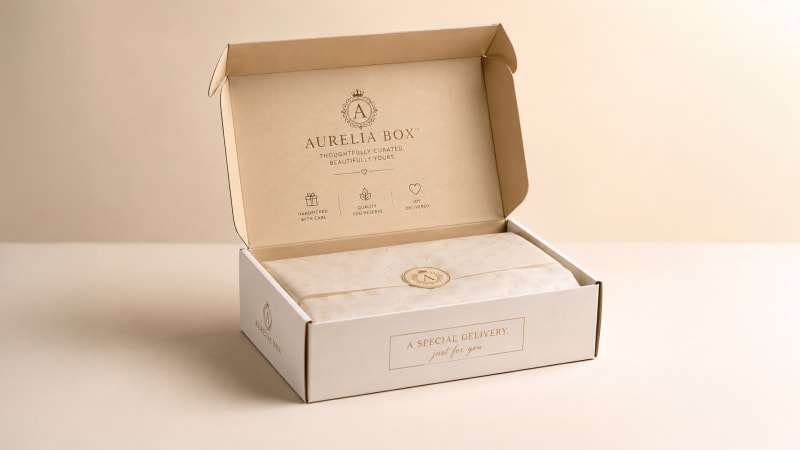
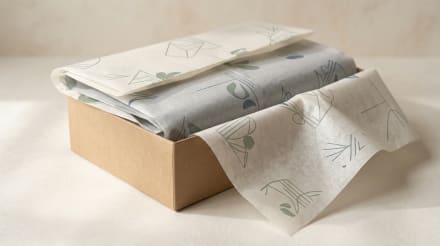
Monthly unboxing rituals demand a box worthy of the moment. Branded interior, custom tissue and a printed inside lid give the full reveal experience.
Apparel & fashion
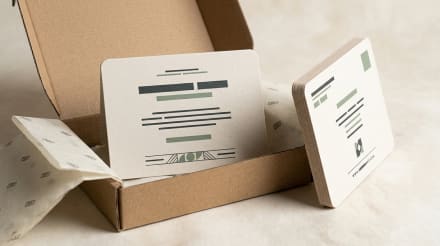
Folded garments need a flat, clean interior. Soft-touch exterior, minimal interior print, maybe a thank-you card holder die-cut into the flap.
Cosmetics & skincare
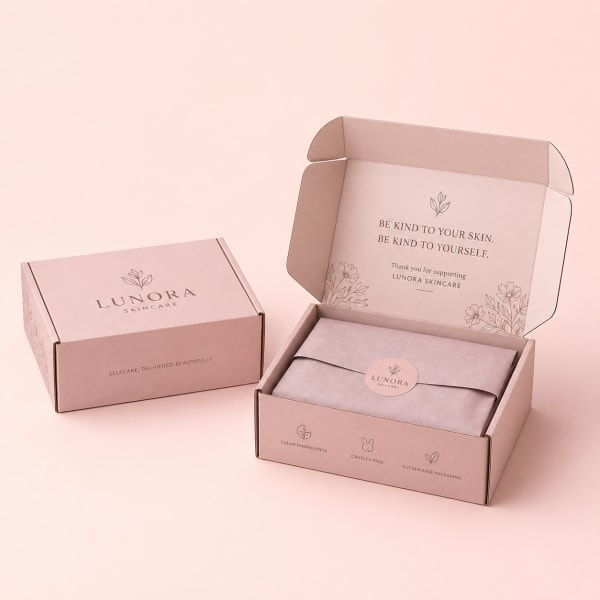
Custom foam or card inserts hold glass bottles. Interior print frames the product dramatically. Outer box in brand colours with spot UV logo.
Food & gifting
Grease-resistant inner coating options. Compartmented inserts. Magnetic closure upgrades for premium gift dispatches.
From roll of board to your warehouse
The mailer box supply chain.
01. Structural spec
We confirm flute, dimensions, weight capacity, and closure type. For fragile products, we run a transit simulation before production.
02. Print & laminate
Offset print, then laminate-to-board. Finishing applied in the same pass. Every sheet checked for colour register against brand standards.
03. Die-cut & flat-pack
Cut and scored flat. Ships efficiently, since 50 flat mailers stack to less than 200mm. Easy to store, and each one erects in under 10 seconds.
Questions, answered.
A mailer box is a one-piece die-cut corrugated blank that folds into a tray with a hinged lid and locking tabs, with no tape and no assembly beyond folding.
A standard shipping carton is a glued tube that needs tape on both ends. The mailer's advantages are that it ships flat, erects in one motion, and opens cleanly without a knife, which matters enormously when the customer is the one opening it. That last point is why e-commerce standardised on the format.
They describe how the lid secures, from least to most.
A tuck-top simply tucks into the front wall. It is the cheapest and fastest to close, and the least secure. A tab-lock adds tabs pushing into slots for a positive mechanical closure. An ear-lock adds side tabs that lock into the walls as well, holding the lid down along its whole length and resisting opening from any direction. Heavier or more valuable contents justify moving up the scale.
Measure the product, add minimal clearance, and resist rounding up.
Dimensional weight pricing charges on the box's volume, so every unnecessary inch is paid for on every parcel, permanently. A box needing lots of void fill is a box that is too big, and the void fill is the visible symptom of an over-sized specification. Right-sizing typically pays back a die charge within weeks at any real volume.
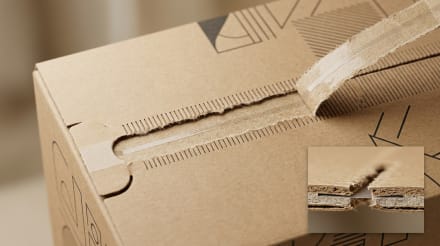
A tear strip is a perforated pull-tab that opens the box in one motion. The double-strip version adds a second adhesive strip that reseals it for returns.
For any business with meaningful return rates, that second strip is a conversion factor, because a package that is easy to send back reduces the friction that stops people ordering. The engineering to get right is perforation tension: strong enough to survive transit, weak enough to tear cleanly. A strip that snaps mid-tear is worse than no strip.
Yes, and it is the highest-return decision in e-commerce packaging.
Interior print costs little on a box already being printed, and it lands at the moment of peak customer attention, as the lid comes up. The doubled walls of a roll-end mailer also give an unusually clean interior surface to print on. For brands whose customers photograph deliveries, it is the difference between a shipment and an unboxing.
Yes for most goods. E-flute mailers routinely survive parcel networks, and heavy or fragile items should step up to B-flute or double wall.
The strength comes from the rolled side walls, which double the material as the box is erected. What mailers do not do is protect against crushing under heavy stacking, so anything travelling as palletised freight rather than as a parcel needs a heavier specification or an outer case.
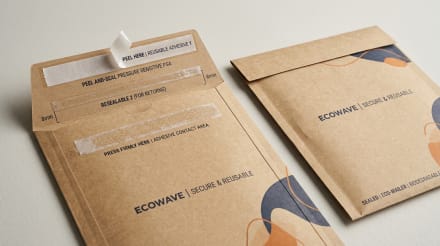
A poly mailer is a plain film bag. A bubble mailer has a bubble-wrap lining for cushioning.
Poly suits soft goods that cannot be crushed, apparel above all, and is the lightest shipping option available. Bubble adds protection for books, cosmetics and small hard goods. Neither protects against crushing or corner drops, so genuinely fragile items need a box with proper void fill regardless of how much cushioning the envelope claims.
500 units for custom printed mailers, with 7–10 business days production.
Below that, stock mailers with printed sleeves or stickers are the practical route and let a brand test a size before committing to a die. Once the format settles, custom sizing usually pays for itself in freight savings faster than the unit-price difference suggests.
Your brand deserves
better packaging.
Work one to one with a dedicated packaging manager, from first sketch to delivery.