
Subscription Boxes.
Final price depends on size, material, finish and quantity. Your packaging manager confirms it before production.
Your custom box, quoted.
The full specification book.
Six chapters. Six colours. Click a tab to turn the page.
Subscription Boxes
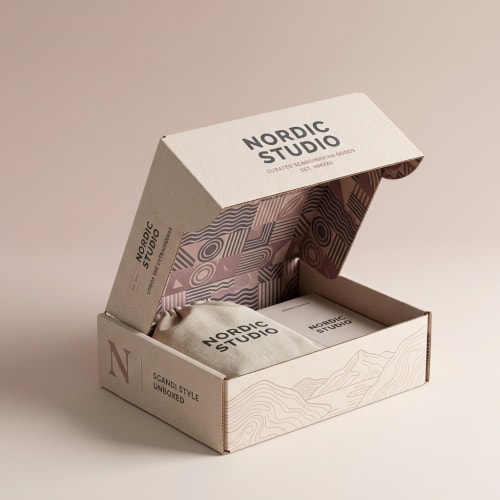
A shipper that has to survive sortation and then perform on camera.
There is no outer case protecting it, so the box takes drops and compression alone and still opens as the month's reveal. Every subscription box negotiates between those two jobs.

Every detail. Intentional.
The box is the shipper
It faces the network with nothing around it.
Tested before month one
ISTA 6 or comparable, on a filled box.
Interior print amortises
Paid once and working every month a subscriber stays.
Sleeves carry the variety
A constant box under rotating print keeps change cheap.
Insert sets the reveal order
What the subscriber sees first is a decision, not an accident.
An inch is a monthly cost
Right-sizing compounds across every renewal.
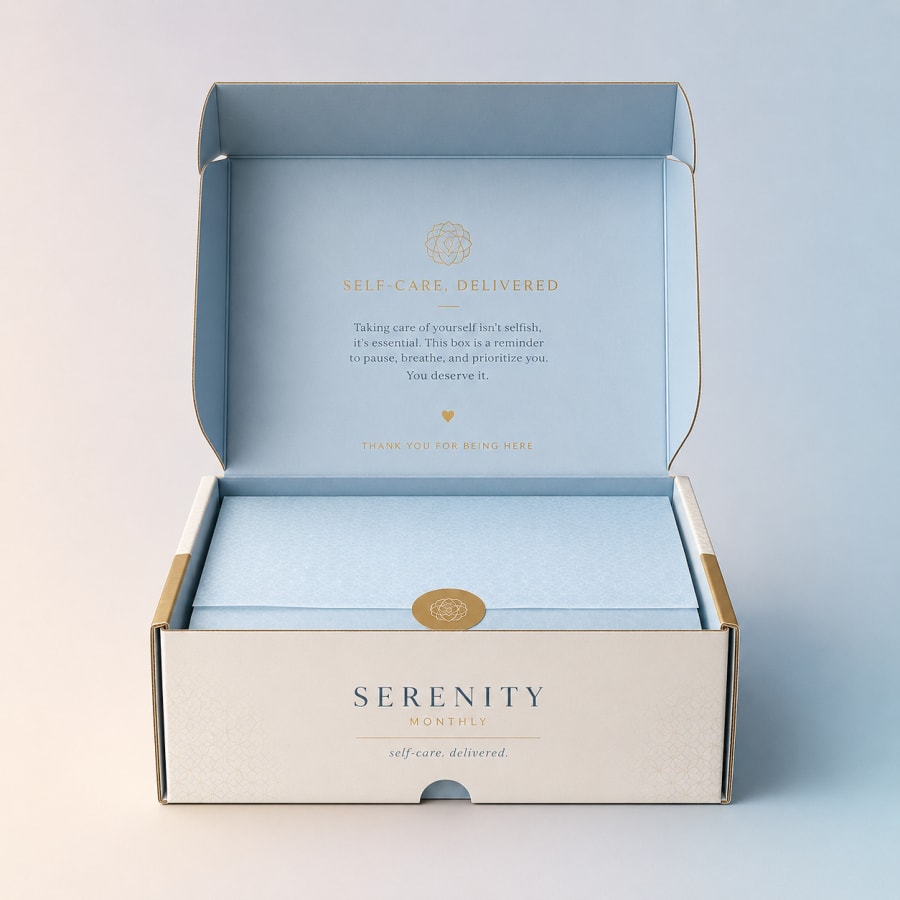
Built like architecture.
Every order of Subscription Boxes is an engineered build, measured, dieline-cut and hand-wrapped to spec. Below is the standard build sheet.
✦ Need a custom spec? Talk to our atelier. Every detail is negotiable.
Every surface, hand-selected.
What this product is built from, and the surfaces it takes. Below the build sheet sits the full swatch library. Every option applies across our range, and a physical swatch set is available on request.
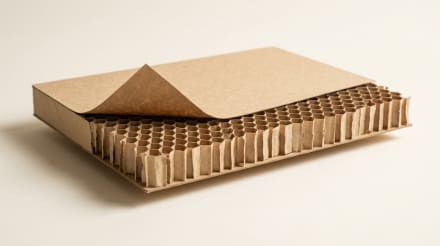
Material
The board and paper your box is built from.
 ◷ ECO
◷ ECO ◷ FINISH
 ◷ FINISH
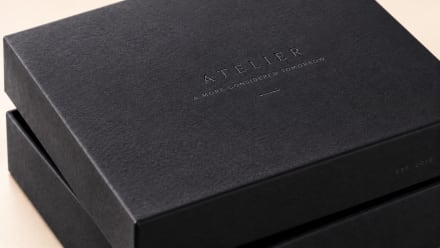
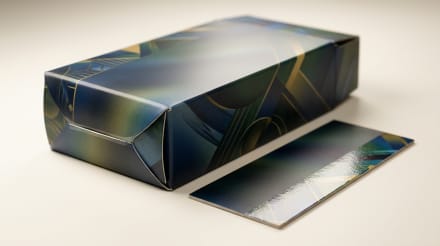
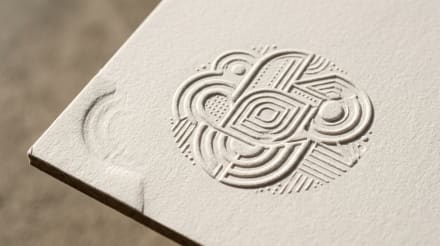
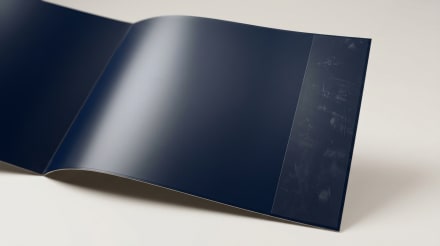
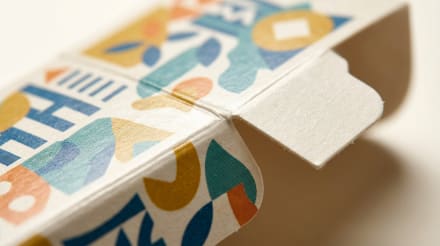
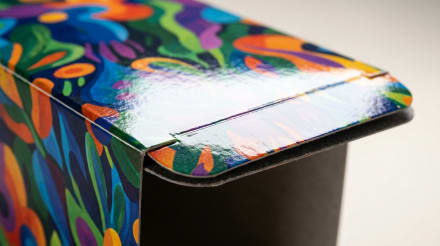
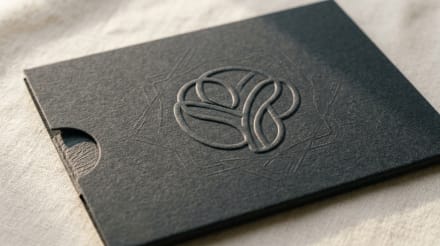
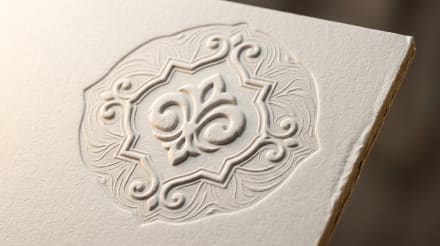
Finishes
How the outer surface looks, feels, and catches light.
 ◷ FINISH
 ◷ FINISH
 ◷ FINISH
 ◷ FINISH
 ◷ FINISH
 ◷ FINISH
 ◷ FINISH
 ◷ FINISH
 ◷ FINISH
 ◷ FINISH
 ◷ FINISH
 ◷ FINISH
 ◷ FINISH
 ◷ FINISH
 ◷ FINISH
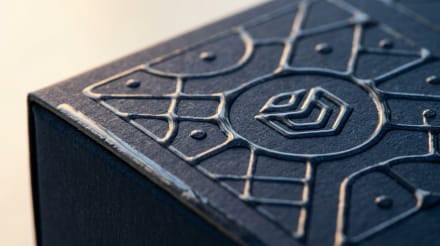 ◷ FINISH
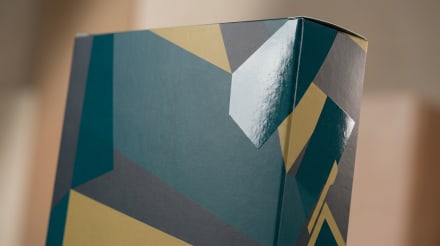 ◷ FINISH
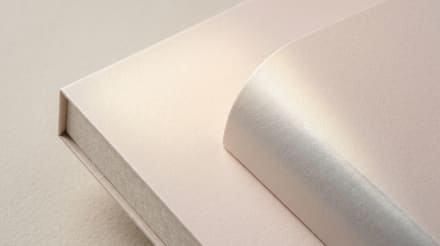 ◷ FINISH
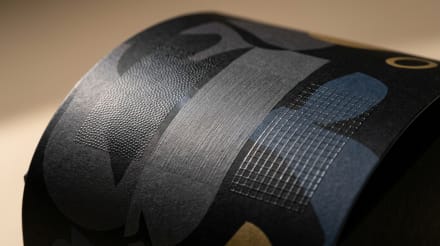 ◷ FINISH
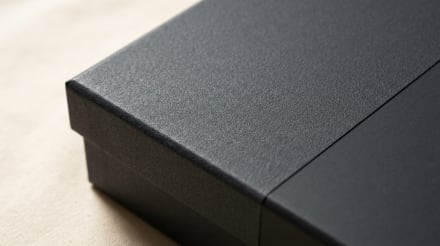 ◷ FINISH
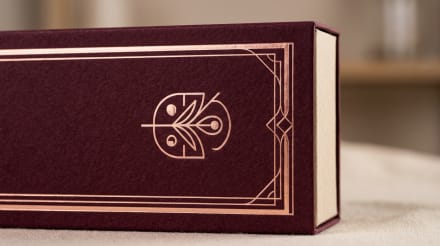 ◷ FINISH
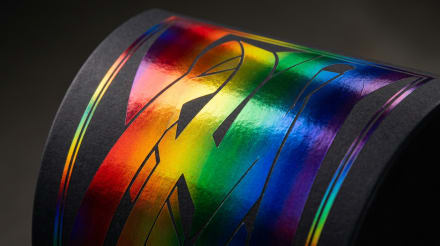 ◷ FINISH
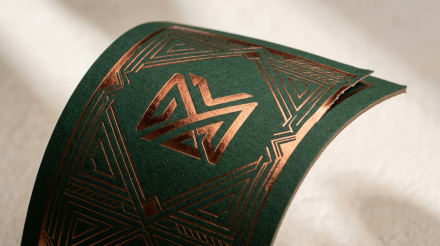 ◷ FINISH
 ◷ FINISH
 ◷ FINISH
 ◷ FINISH
 ◷ FINISH
 ◷ FINISH
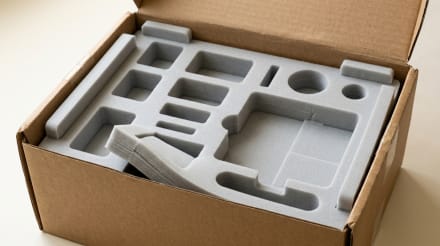
Add-ons
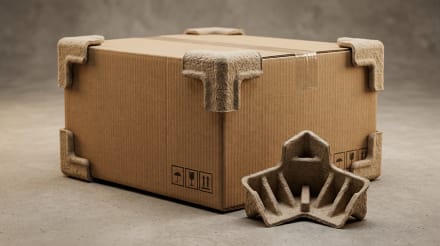
Closures, linings, and hardware that complete the build.
 ◷ FINISH
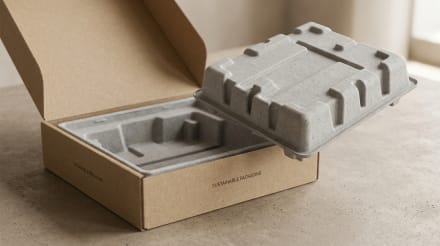 ◷ FINISH
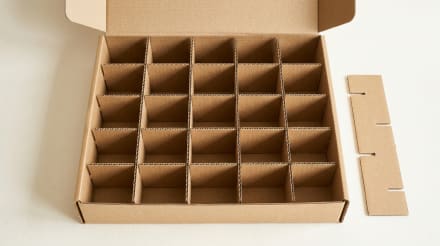 ◷ FINISH
 ◷ FINISH
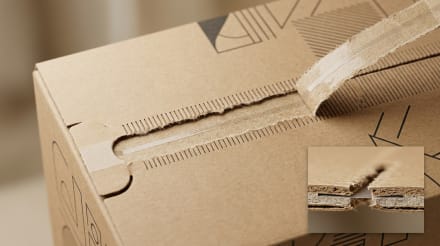 ◷ FINISH
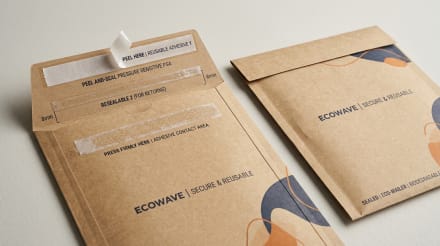 ◷ FINISH
 ◷ FINISH
 ◷ FINISH
 ◷ FINISH
 ◷ FINISH
 ◷ FINISH
 ◷ FINISH
✦ Mix and match across all three and we'll build your exact combination.
The full kit of capabilities.
Sizing & dieline.
We cut Subscription Boxes to a dieline built around your product instead of pulling a stock size off the shelf. Send us the length, width and height of the item (or the item itself) and we return a measured dieline, free, before you commit to anything.
Length, width and height of the item itself, at its widest points. Measure the product, not the box you happen to use today.
Allow 2–4 mm on each axis for a snug fit, and more if you are adding foam, a pillow insert or tissue.
We quote as Length × Width × Height. Tell us whether you are working in millimetres or inches and we match it.
✦ Not sure of your size? Send us the product and we measure it and build the dieline.
Pricing & minimums.
We price Subscription Boxes per specification rather than from a fixed list, because the same build in two different finishes can land at very different numbers. Below is what actually moves the price, so you can shape the spec before you request a quote.
The single biggest lever. Unit cost falls sharply as volume rises, because setup and tooling spread across more pieces.
Board weight and stock choice change both the raw material cost and the shipping weight of the finished run.
Foil, spot UV, embossing and soft-touch each add a pass on press. One or two lift the box; five compound the cost.
Full-bleed print inside and out costs more than a one-sided design on natural stock.
Foam, moulded pulp, velvet pillows, magnets and ribbon are priced per piece on top of the box itself.
Standard production is the base rate. Rush moves you up the production queue and carries a surcharge.
✦ Quotes returned within 24 hours.
Questions, answered.
Everything you need to know about Subscription Boxes.
Design one fixed exterior around your largest likely month, then take up the slack inside with an insert or fill. Our common formats are 9 × 6 × 3 in and 12 × 9 × 4 in, and most programmes settle on two or three sizes and pick one per month's mix. That keeps the die, the print and the packing routine stable.
Don't oversize by habit. Every spare inch is paid for in freight on every renewal, so right-sizing pays back far more here than on a one-off order.
Keep the box constant and let a printed sleeve carry the monthly or seasonal change. A new sleeve costs a fraction of a full redesign, and the structure, die and interior print stay the same run after run. Subscribers still get something new to photograph.
Brands that reprint the whole box every month usually end up with short runs of each design and a warehouse holding leftovers from months gone by.
Test a filled box to ISTA 6 or a comparable protocol before month one ships. A subscription box travels without an outer case, so it takes every drop and every stack load on its own. Designs that fail have usually been optimised for the unboxing photo and not for the sort.
Run the test with the heaviest month's contents and your actual carrier. Damaged deliveries early on are hard to win back from with a new subscriber.
E-flute is our standard, and we step up to B-flute when the monthly contents include glass or run heavy. E-flute prints cleanly and keeps the box slim for the mail. B-flute has taller flutes, so it cushions better and resists crushing under stacked parcels.
If only a few months carry heavy items, it can still pay to build the whole programme in B-flute so you aren't holding two box specs. The fluting we use carries high recycled content either way.
On a subscription box it earns its cost faster than on almost any other mailer, because the same interior print works every month a subscriber stays. You pay for it once in the artwork setup, and it shows up at every reveal. A flood colour inside with one short line of copy is plenty.
For the outside, matte lamination keeps glare down under the ring lights most unboxing videos are filmed with.
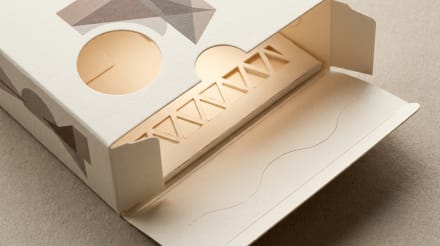
The insert holds each item in a set position, so the first thing seen when the lid opens is decided in advance. A die-cut paperboard insert can put the hero item in the middle with smaller pieces around it. It also stops everything sliding into one corner in transit.
If the mix changes monthly, a modular insert with a few standard cavities is more practical than cutting a new tool each month.
The floor is 500 boxes per design, and a programme can scale to 100,000 in a single order. Because the box itself stays constant, many programmes order one larger run and switch the monthly look with sleeves. That keeps the unit cost of the box down.
Hold a couple of months of boxes in stock, since a referral push or a press mention can bring a sudden jump in sign-ups.
Leave room for a sample and a transit test before bulk, then allow 7 to 10 business days for the production run. A launch sample lands with you 5 to 7 business days after it is ordered. If a launch date gets tight, rush production cuts the run to 5 to 7 business days.
Treat the sample as part of the launch plan. The fee is credited against the production order, and the box you test is the one you'll ship.
Other products you might love.


Ready to start your Subscription Boxes project?
Get a free quote in 24 hours. Our atelier is here to help.