PremiumBespokeArtisanLuxuryCustom Display Boxes
Tell us about your boxes
Popular Custom Display Boxes
our brands keep reordering.
Hand-picked from our custom display boxes range. 20 styles, each built for a different job.
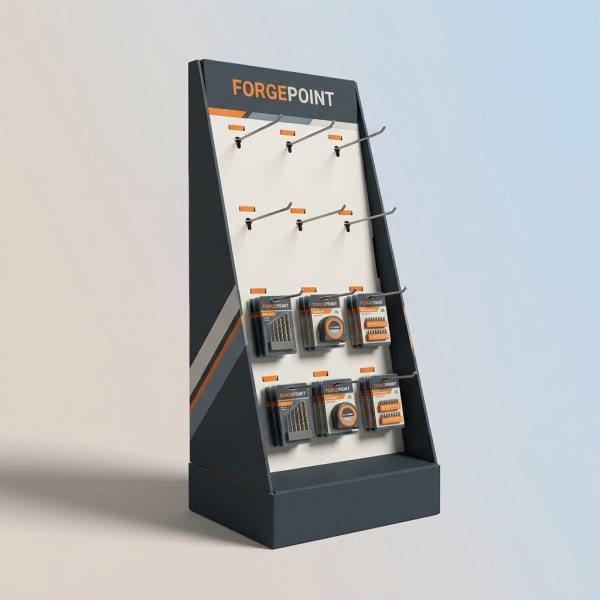

The box is the building.
Inserts are everything else.
Furniture. Bodyguards. Stage crew. The unseen architecture that makes your product feel like it lives somewhere, not like it was just dropped in a box.
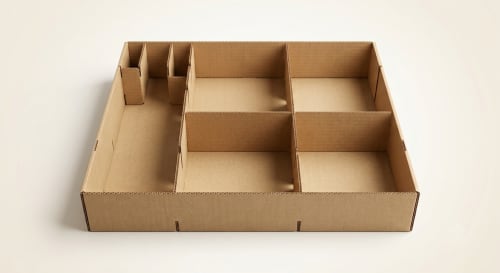
Corrugated Inserts
“Strong inserts for”
Every finish we offer on Display Boxes.
Materials, finishes and add-ons available for this range. Order any of them as a free sample before you commit to a run.
Materials
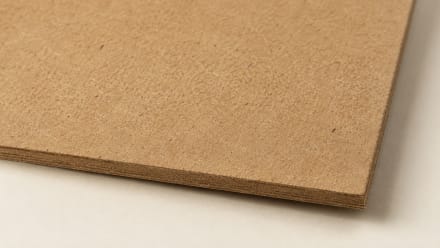
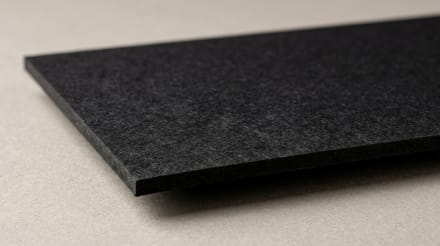
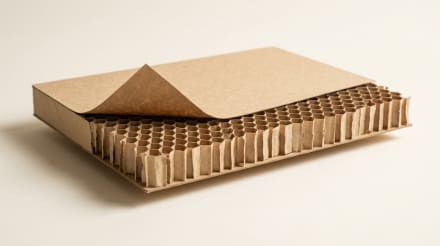
The board and film we build on
 ◷ ECO
◷ ECO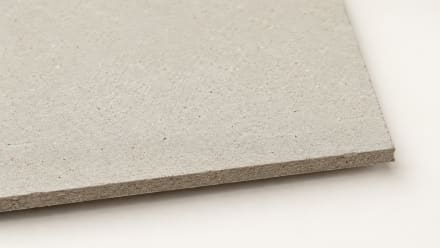


Finishes
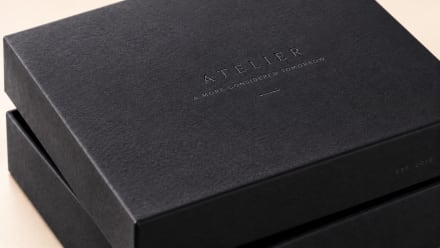
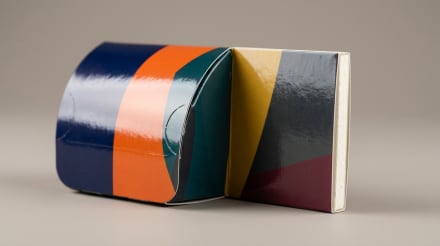
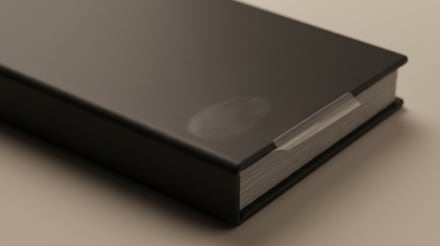
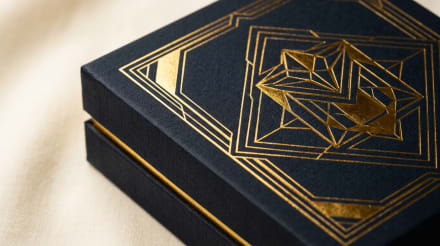
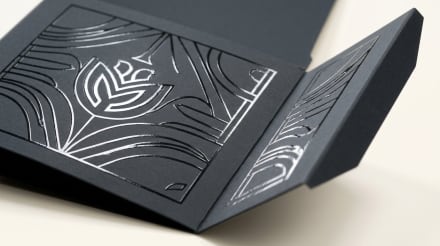
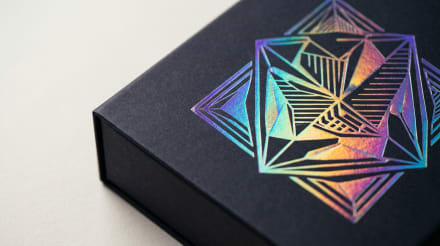
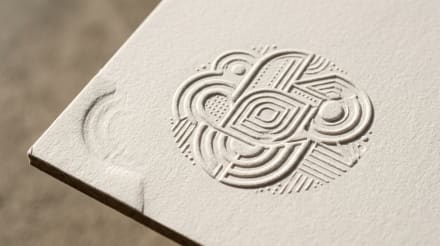
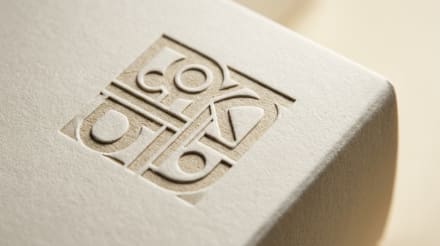
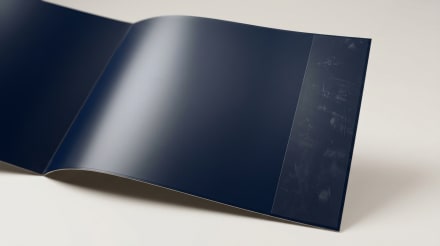
What the surface does in the light


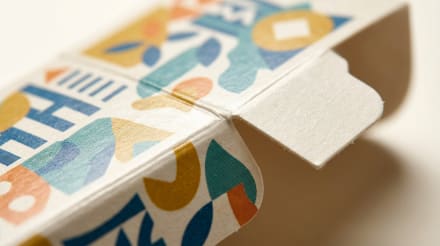
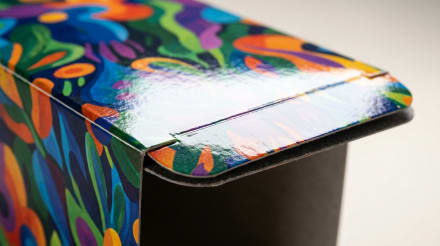

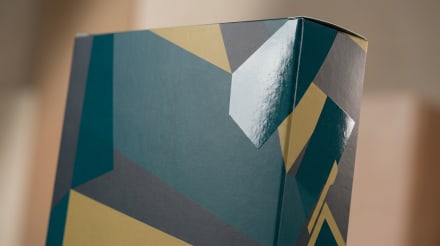
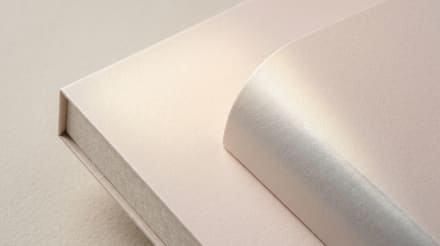
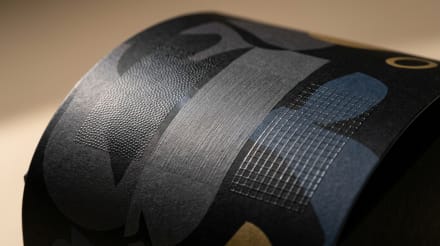
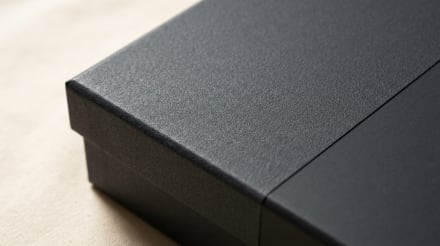
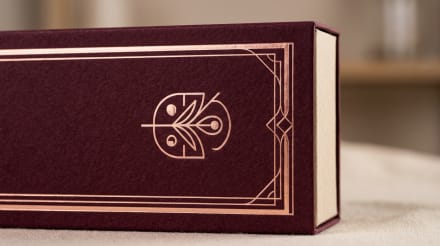
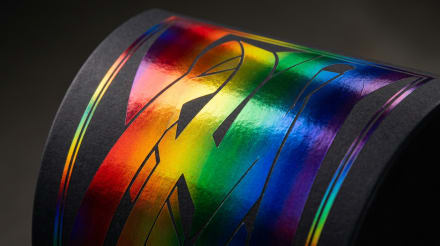
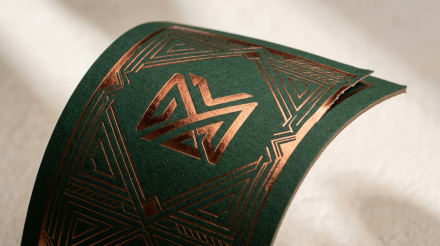
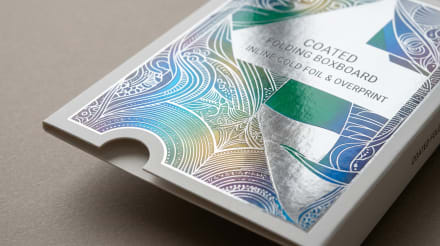

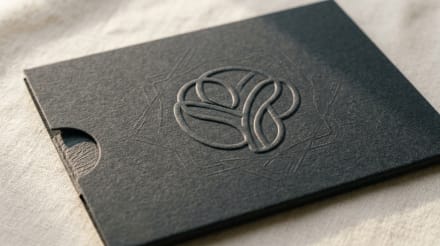
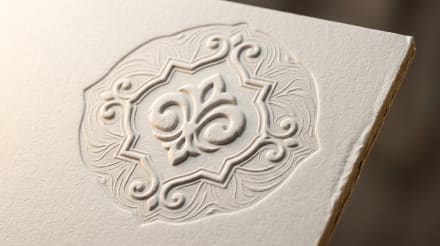


Add-ons
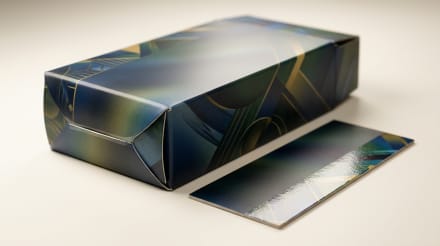
Closures, linings and the extra touches

Every retailer, every category, one supplier.
Health & Beauty Packaging
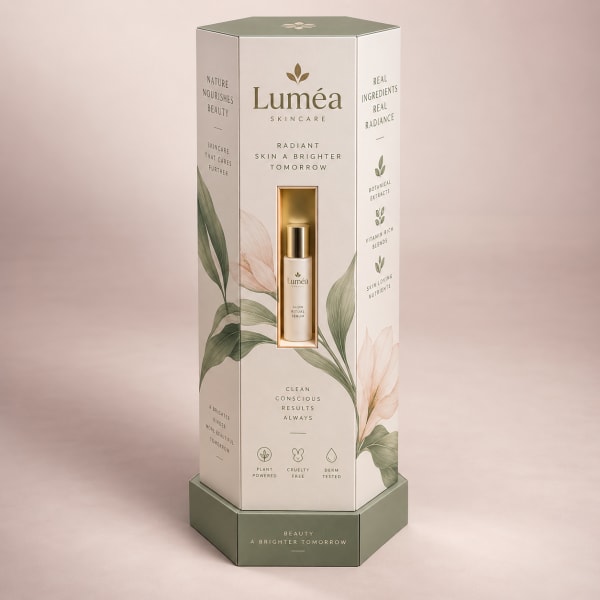
Counter CDUs for skincare and cosmetics. Shelf-ready trays for supplements. Fully printed, brand-consistent across every store.
Built to stop people.
Display packaging and the structures, print specs, and shelf mechanics that turn browsers into buyers.
Display packaging is the silent salesperson
The packaging that sells without a staff member.
Three seconds on the shelf
Research shows that purchase decisions at the shelf happen in under three seconds. Display packaging must communicate brand, product, and value proposition in a glance. Structure, colour, and hierarchy all serve that three-second window.
The unit that ships and sells
Retail-ready display packaging ships as a closed box and opens to become the point-of-sale unit. No repacking step, no assembly required. The product is display-ready from the pallet.
Shoppers touch before they buy
Display packaging gets handled, picked up, turned over and put back. Every surface must perform: print clarity, tactile finish, structural integrity. The box that survives the first week on shelf is the box that gets reordered.
Board and print for the floor
Display packaging must perform under retail conditions.
Corrugated E or B-flute
E-flute for compact, high-quality print display units. B-flute for floor-standing and heavy-product displays. Both provide the rigidity needed to hold product weight through a retail cycle.
Litho-laminate print
Magazine-quality graphics on a structural display box. Litho-laminate brings full-colour, photographic print quality to corrugated board, so you give up nothing in visual impact to get the structural strength.
Finishes
Spot UV for logo call-out on a matt base. Gloss lamination for food and beverage POS. Soft-touch for luxury and cosmetic floor displays. Every finish is selected to perform under retail lighting.
Every display format
Counter to floor, FSDU to PDQ.
Counter display units (CDU)
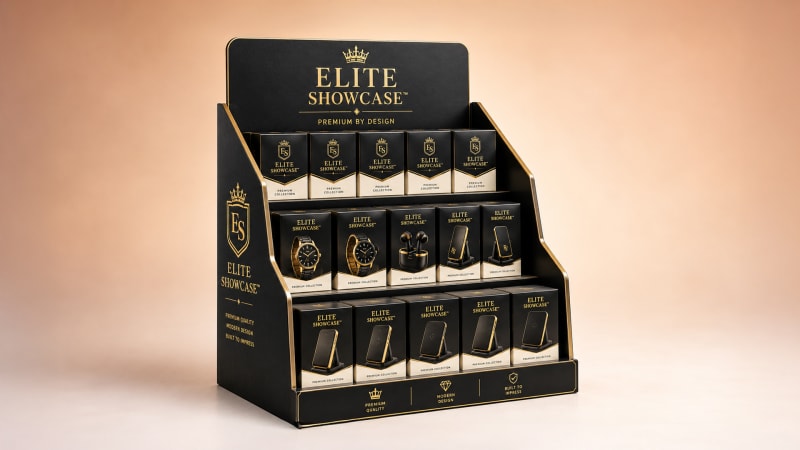
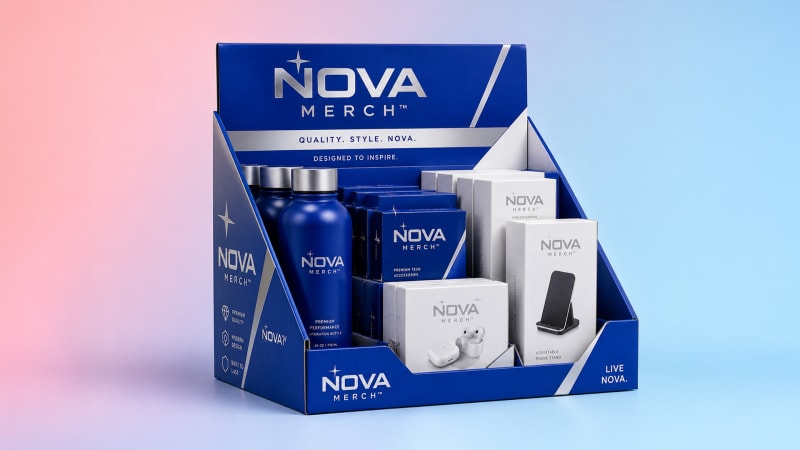
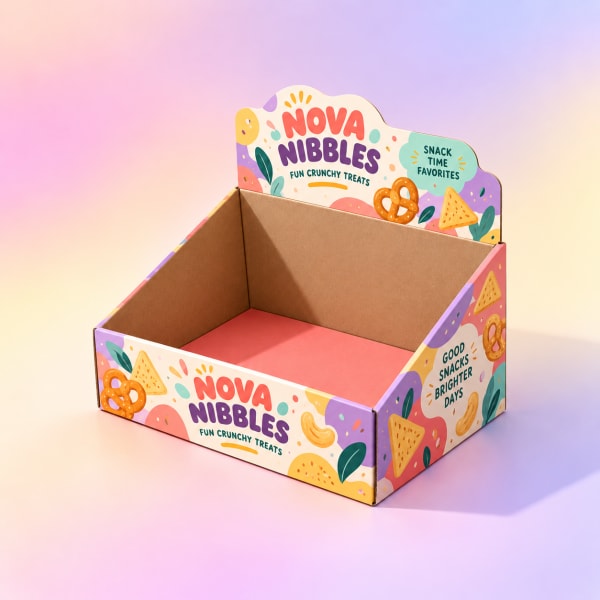
Compact tabletop units for impulse purchase zones. Holds 6–24 units. Fully printed header card, branded side panels, easy product access.
Floor-standing display units (FSDU)
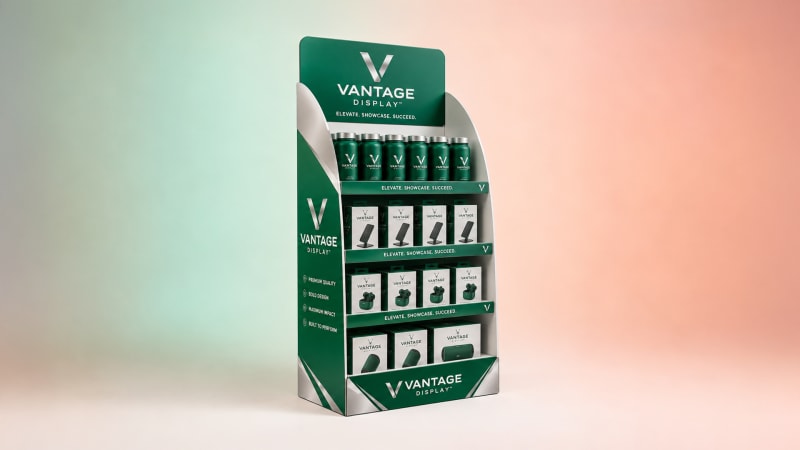
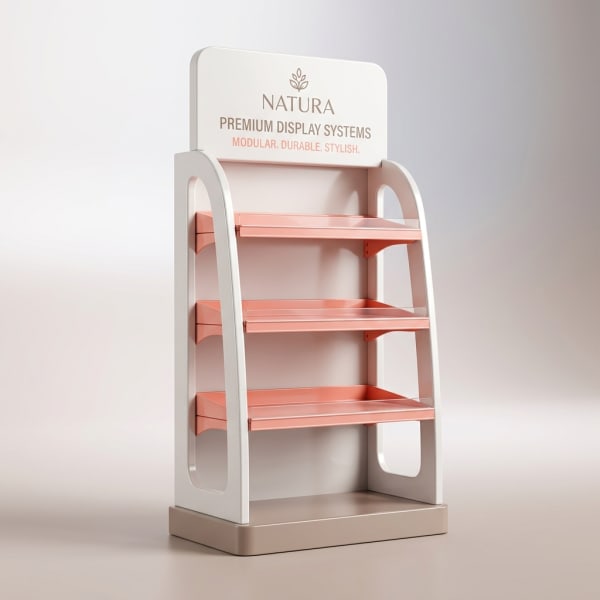
Multi-shelf floor towers. Custom height, custom shelf configuration, branded header and base. The in-store billboard that holds its own product.
Retail-ready / PDQ
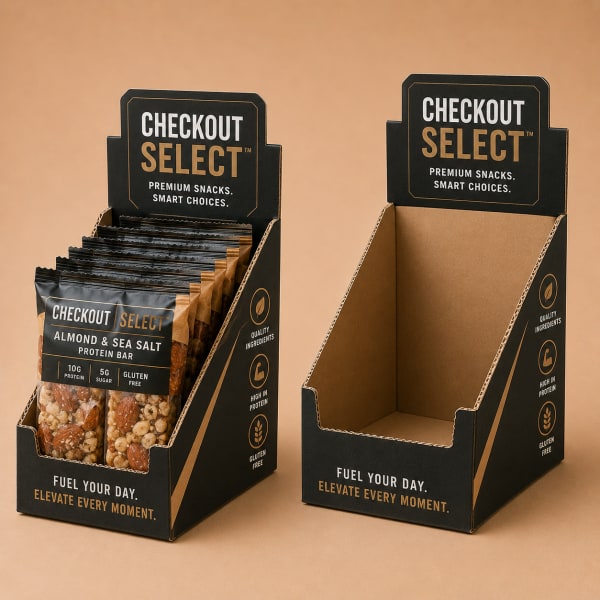
Shelf-ready corrugated that ships closed and opens to become the display tray. Products visible and accessible, brand prominent. Reduces retail stocking labour by eliminating repacking.
Every retail category, one supplier
From pharmacy to fashion.
Health & beauty
Counter CDUs for skincare and cosmetics. Shelf-ready trays for supplement blister packs. Fully printed, brand-consistent across every store.
Food & confectionery
Floor-standing seasonal displays, counter impulse trays, POS shippers for confectionery. Food-safe inks, full compliance.
Electronics & accessories
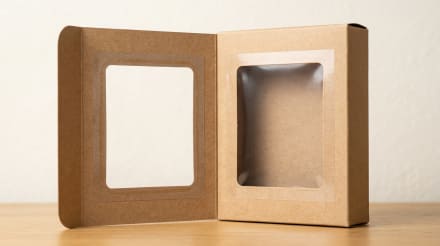
Corrugated display boxes with window cutouts, cable management die-cuts, and product specs on every panel. Products visible, spec legible.
Fashion & lifestyle
Folded garment CDUs, accessory trays, gifting display stands. The retail presence that turns a side-of-counter product into a hero category.
From brief to retail floor
The display packaging supply chain.
01. Retail brief
We need to know: retailer, shelf location (counter / floor / end-cap), product weight and count, and any retailer packaging requirements. These determine structure before design starts.
02. Structural design
3D mockup produced before print. We test load capacity and stability virtually before committing to tooling. Physical mockup on request.
03. Print & deliver
Litho-laminate print, lamination, die-cut. Ships flat or erected to your warehouse. Standard production is 7 to 10 business days after proof approval.
Questions, answered.
POP is point of purchase, anywhere in the store. POS is point of sale, specifically the checkout or till area.
The distinction matters because the checkout is a different selling environment: the customer is captive, the wallet is already out, and the products that work are small, self-explanatory and priced for an immediate yes. POP covers the wider family including aisle displays, endcaps and floor stands, where the shopper is still browsing.
Shelf-ready packaging is a shipping case designed so staff cut or tear one feature and place the whole tray directly onto the fixture.
It exists to cut shelf-stocking labour, and major grocery chains now specify it as a listing condition. The trade's shorthand is the five-second rule: identify in five seconds, open in five, shelf in five. The engineering tension is real, because perforations weak enough to tear easily reduce stacking strength, and that balance is designed case by case.
A well-engineered floor stand carries 30 pounds or more, but the number depends entirely on construction rather than material alone.
The load paths matter more than the board grade: weight should run down through walls and laminated columns rather than across unsupported spans. B and C-flute do the structural work, E-flute litho-laminated faces carry the graphics, and the base needs a footprint wide enough that a shopping-cart knock does not topple the campaign.
Corrugated displays are designed for a six to twelve week campaign, then recycled.
That lifecycle is a design decision rather than a limitation. It lets a full-colour retail fixture be produced at a price that amortises over one promotion. Where months of service are needed, the semi-permanent tier adds plastic or hybrid construction. A permanent-feel display failing in week two is a brand event, so match the build to the actual campaign length.
A case that ships product to the store and converts into a counter or floor display on arrival.
The lid folds back into a header card, or the top tears away to leave a tray. It removes a decision and an assembly step from a busy store owner's day, which is why it works particularly well in independent retail where there is no category manager enforcing a planogram. Every wholesale customer gets a display whether they asked for one or not.
Under a minute, with no tools. Anything longer and displays get left in the stockroom.
Auto-lock bases and pre-glued panels earn their cost here purely by reducing the steps between the shipper and the shop floor. The realistic test is handing an unassembled unit to someone who has never seen it and timing them, because a mechanism obvious to its designer is not necessarily obvious to a store clerk mid-shift.
Cardboard is temporary advertising and acrylic is permanent furniture.
Corrugated displays run a campaign and recycle. Acrylic, which is cast PMMA, transmits light at about 92%, comparable to glass, at half the weight and with far better impact resistance, and it lasts years. It costs substantially more and is fabricated to order. The choice is really about service life: a promotion wants corrugated, a counter fixture wants acrylic.
Typically 500 units for corrugated displays, with 7–10 business days production.
Displays also carry an approval step that packaging does not: major retailers publish specifications for footprint, height and safety factors and audit against them, so the target chain's manual should be the first document consulted rather than the die library. Acrylic fixtures are fabricated to order and have much lower minimums at a higher unit cost.
Your brand deserves
better packaging.
Work one to one with a dedicated packaging manager, from first sketch to delivery.