
Display Lid Boxes.
Final price depends on size, material, finish and quantity. Your packaging manager confirms it before production.
Your custom box, quoted.
The full specification book.
Six chapters. Six colours. Click a tab to turn the page.
Display Lid Boxes
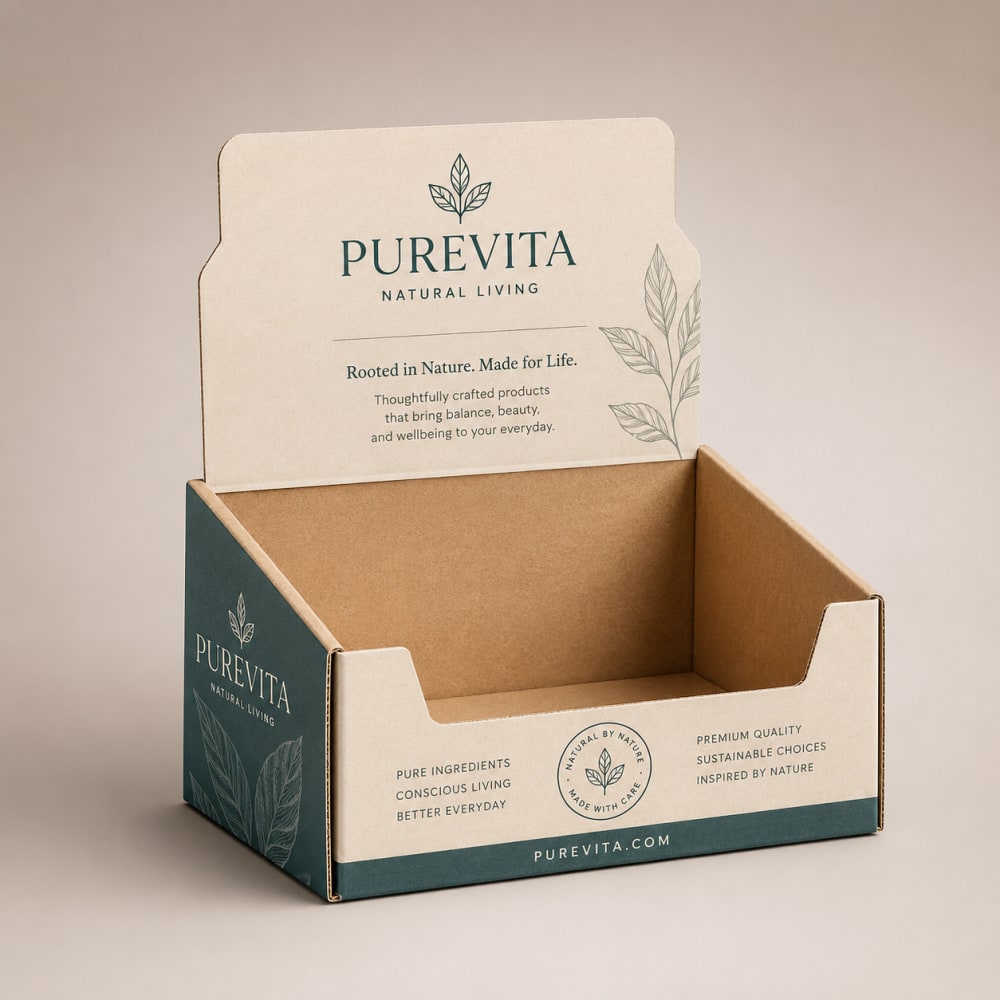
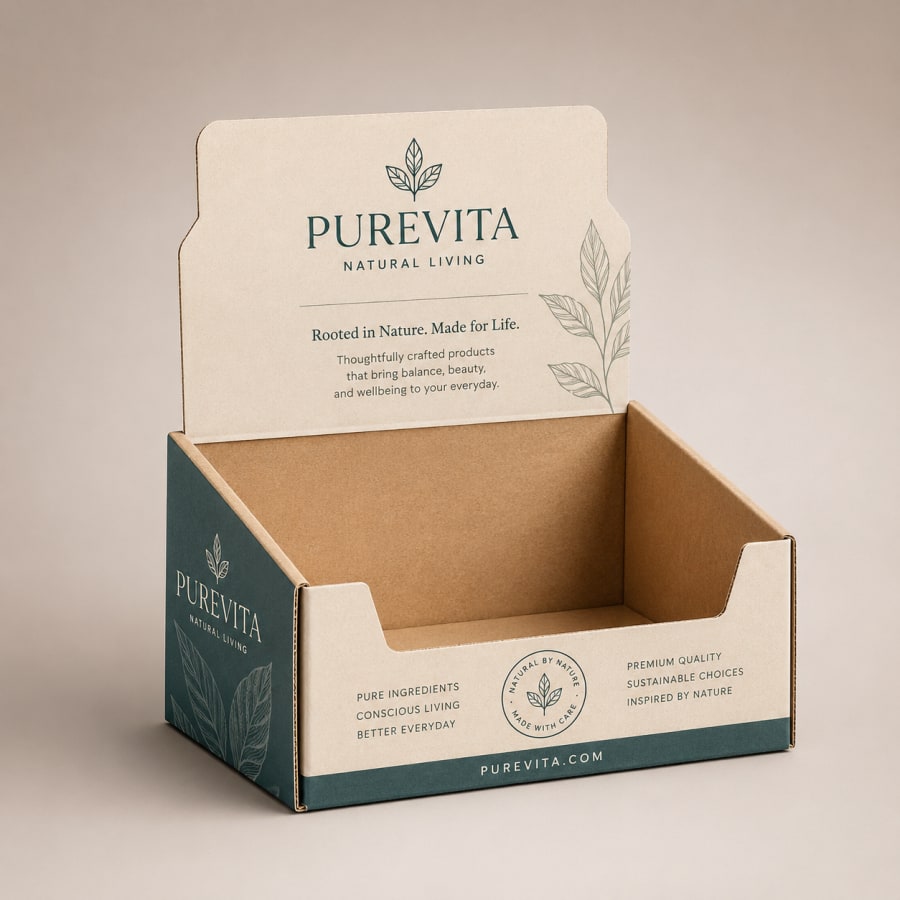
The lid folds back and becomes the sign, giving one box two lives.
A shipping carton whose lid hinges up to form a printed backboard. It arrives as a case and converts to a display without a second SKU.
Every detail. Intentional.
The lid becomes the sign
Printed on its inside face.
One SKU, two jobs
Case and display.
Hinge takes repeated flexing
Score quality matters.
Inverted print inside
Which artwork has to plan.
Locks upright when open
Or it folds back down.
Sells from the case
No unpacking at all.
Built like architecture.
Every order of Display Lid Boxes is an engineered build, measured, dieline-cut and hand-wrapped to spec. Below is the standard build sheet.
✦ Need a custom spec? Talk to our atelier. Every detail is negotiable.
Every surface, hand-selected.
What this product is built from, and the surfaces it takes. Below the build sheet sits the full swatch library. Every option applies across our range, and a physical swatch set is available on request.
Material
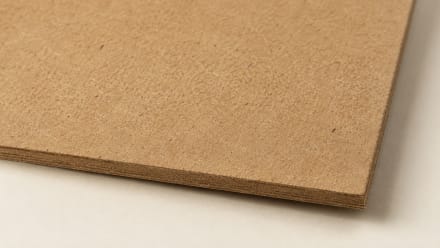
The board and paper your box is built from.
 ◷ ECO
◷ ECO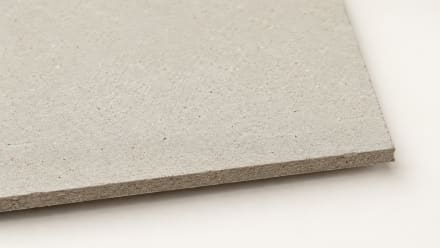 ◷ FINISH
 ◷ FINISH
 ◷ FINISH
 ◷ FINISH
 ◷ FINISH
 ◷ FINISH
 ◷ FINISH
 ◷ FINISH
 ◷ FINISH
 ◷ FINISH
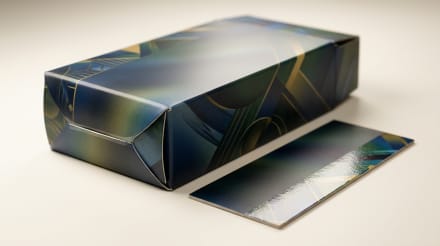
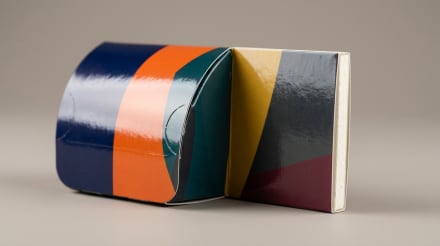
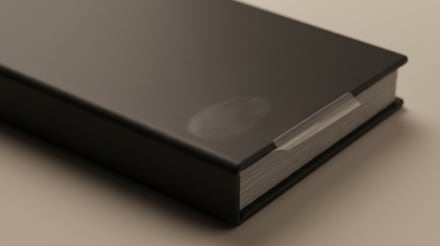
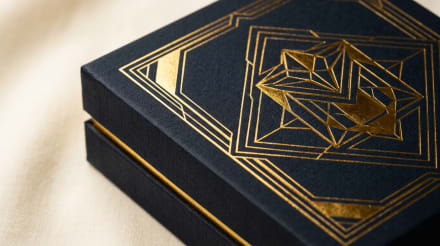
Finishes
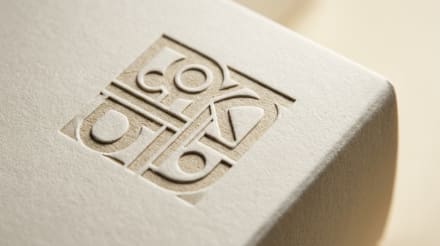
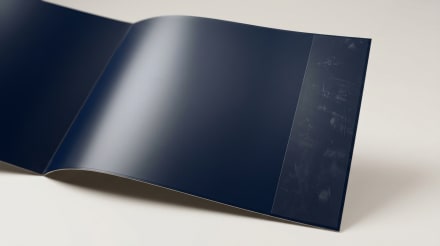
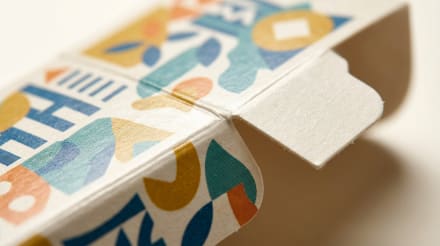
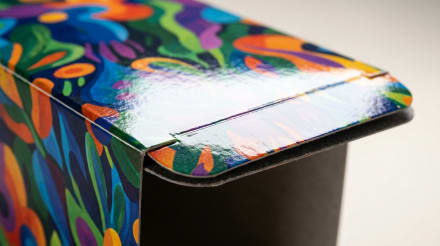
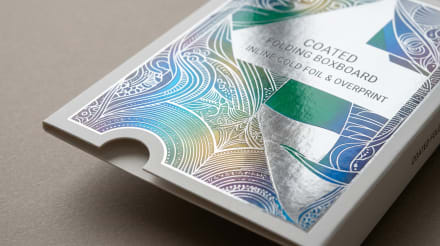
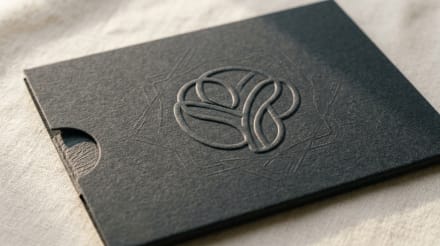
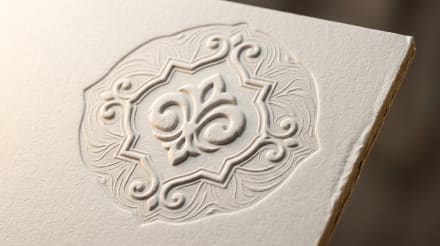
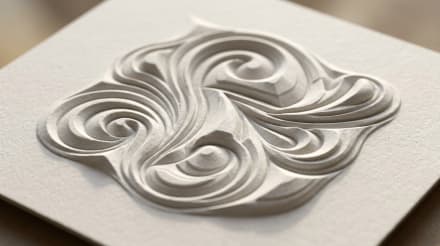
How the outer surface looks, feels, and catches light.
 ◷ FINISH
 ◷ FINISH
 ◷ FINISH
 ◷ FINISH
 ◷ FINISH
 ◷ FINISH
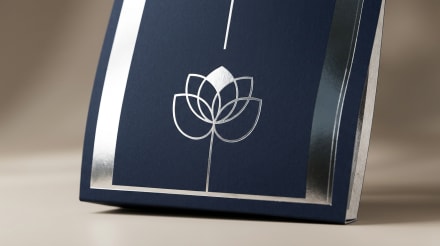 ◷ FINISH
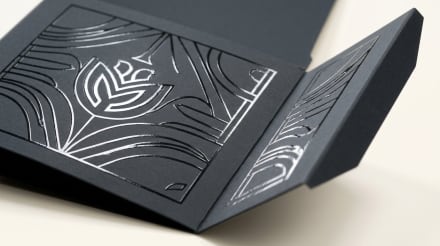 ◷ FINISH
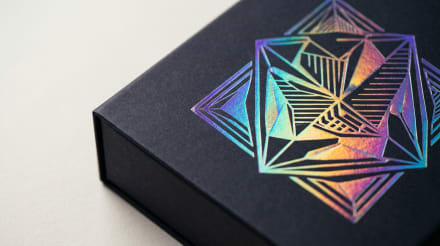 ◷ FINISH
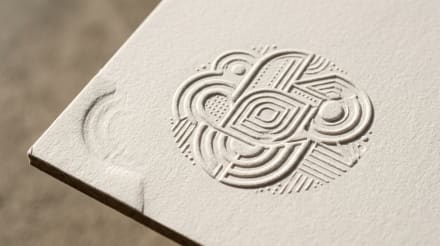 ◷ FINISH
 ◷ FINISH
 ◷ FINISH
 ◷ FINISH
 ◷ FINISH
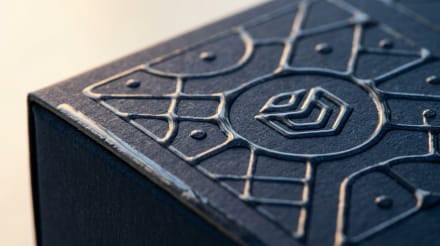 ◷ FINISH
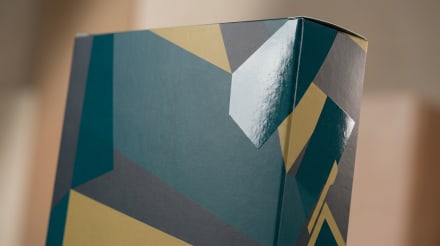 ◷ FINISH
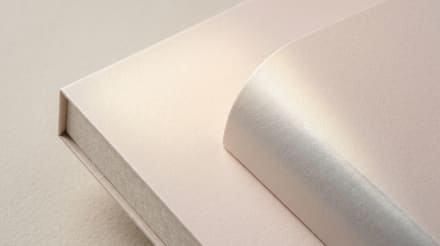 ◷ FINISH
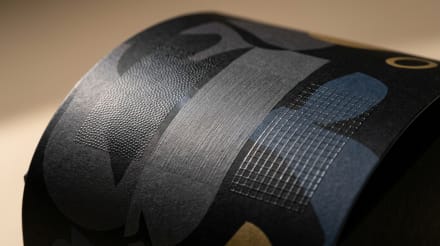 ◷ FINISH
 ◷ FINISH
 ◷ FINISH
 ◷ FINISH
 ◷ FINISH
 ◷ FINISH
 ◷ FINISH
 ◷ FINISH
 ◷ FINISH
 ◷ FINISH
 ◷ FINISH
 ◷ FINISH
Add-ons
Closures, linings, and hardware that complete the build.
 ◷ FINISH
 ◷ FINISH
 ◷ FINISH
 ◷ FINISH
✦ Mix and match across all three and we'll build your exact combination.
The full kit of capabilities.
Sizing & dieline.
We cut Display Lid Boxes to a dieline built around your product instead of pulling a stock size off the shelf. Send us the length, width and height of the item (or the item itself) and we return a measured dieline, free, before you commit to anything.
Length, width and height of the item itself, at its widest points. Measure the product, not the box you happen to use today.
Allow 2–4 mm on each axis for a snug fit, and more if you are adding foam, a pillow insert or tissue.
We quote as Length × Width × Height. Tell us whether you are working in millimetres or inches and we match it.
✦ Not sure of your size? Send us the product and we measure it and build the dieline.
Pricing & minimums.
We price Display Lid Boxes per specification rather than from a fixed list, because the same build in two different finishes can land at very different numbers. Below is what actually moves the price, so you can shape the spec before you request a quote.
The single biggest lever. Unit cost falls sharply as volume rises, because setup and tooling spread across more pieces.
Board weight and stock choice change both the raw material cost and the shipping weight of the finished run.
Foil, spot UV, embossing and soft-touch each add a pass on press. One or two lift the box; five compound the cost.
Full-bleed print inside and out costs more than a one-sided design on natural stock.
Foam, moulded pulp, velvet pillows, magnets and ribbon are priced per piece on top of the box itself.
Standard production is the base rate. Rush moves you up the production queue and carries a surcharge.
✦ Quotes returned within 24 hours.
Questions, answered.
Everything you need to know about Display Lid Boxes.
The lid is hinged along its back edge, so it lifts up and stands behind the tray as a printed backboard. On the way to the store it closes flat over the product like any carton lid. Once it is open, a tab-and-slot lock holds it upright on the counter for weeks.
We build three versions of the mechanism: a fold-back lid, an easel lid that sets the header at a slight tilt, and a lift-off lid for shops that would sooner remove it entirely.
That fold gets opened, closed and leaned on far more than a normal carton score, so it has to flex without cracking the liner. We cut it as a deliberate hinge line and reinforce it on heavier builds. A weak score shows up as a header that sags forward after a week beside the till.
If the shop is likely to close the lid every night, tell us at the quote stage. We would add a reinforcing strip along the hinge in that case.
The inside face of the lid only reads the right way up once the lid has swung back, so on the flat sheet it has to sit inverted. First-time buyers often send artwork the other way round and end up with an upside-down sign.
Our prepress team checks orientation on every dieline before a proof goes out. The digital proof also shows the header in its open position, so you can see exactly how a shopper will read it.
E-flute corrugated is our standard build, because it protects the product in transit and still takes a clean printed face. For boutique runs with light contents, an 18 to 24pt paperboard tier keeps the unit slimmer.
Where the header needs photographic print, we mount a litho-printed sheet onto the flute, which gives a much sharper image than printing straight onto corrugated. The tray walls are sized so filled cases stack on a stockroom shelf without crushing the goods inside.
CMYK with PMS spot colours covers most headers, and foil, embossing, spot UV or soft-touch lamination can go on top. The header is the part people see from across the shop, so we would put most of the finish budget there and keep the outer case simpler.
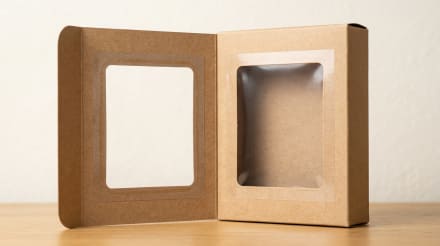
The tray interior can carry print as well, which keeps the base looking finished as stock sells down. A die-cut window with clear film is an option if you want the goods visible while the lid is still closed.
Two common builds are 9 × 6 × 3 in and 12 × 9 × 4 in, measured inside the tray as length by width by depth. Most customers size the tray to a round wholesale case count, such as a dozen, so a store orders one case and gets one display.
Send us a filled sample or the unit dimensions and we will work the tray around them, then add the height the header needs once it is standing open.
We start at 500 units for this style. That quantity lets a maker supply a first wave of counters and boutiques with one display per case, without funding a separate display programme alongside the shipping cartons.
Dieline and artwork help come free with the order, so the first run does not carry a separate design bill.
Standard production runs 7 to 10 business days after proof approval, and a rush slot brings that down to 5 to 7. A physical sample takes 5 to 7 business days and is well spent on this format, because you can open and close the hinge yourself and check the lock holds the header upright.
The sample fee comes off the production invoice once you go ahead, and we ship anywhere in the USA.
Other products you might love.


Ready to start your Display Lid Boxes project?
Get a free quote in 24 hours. Our atelier is here to help.