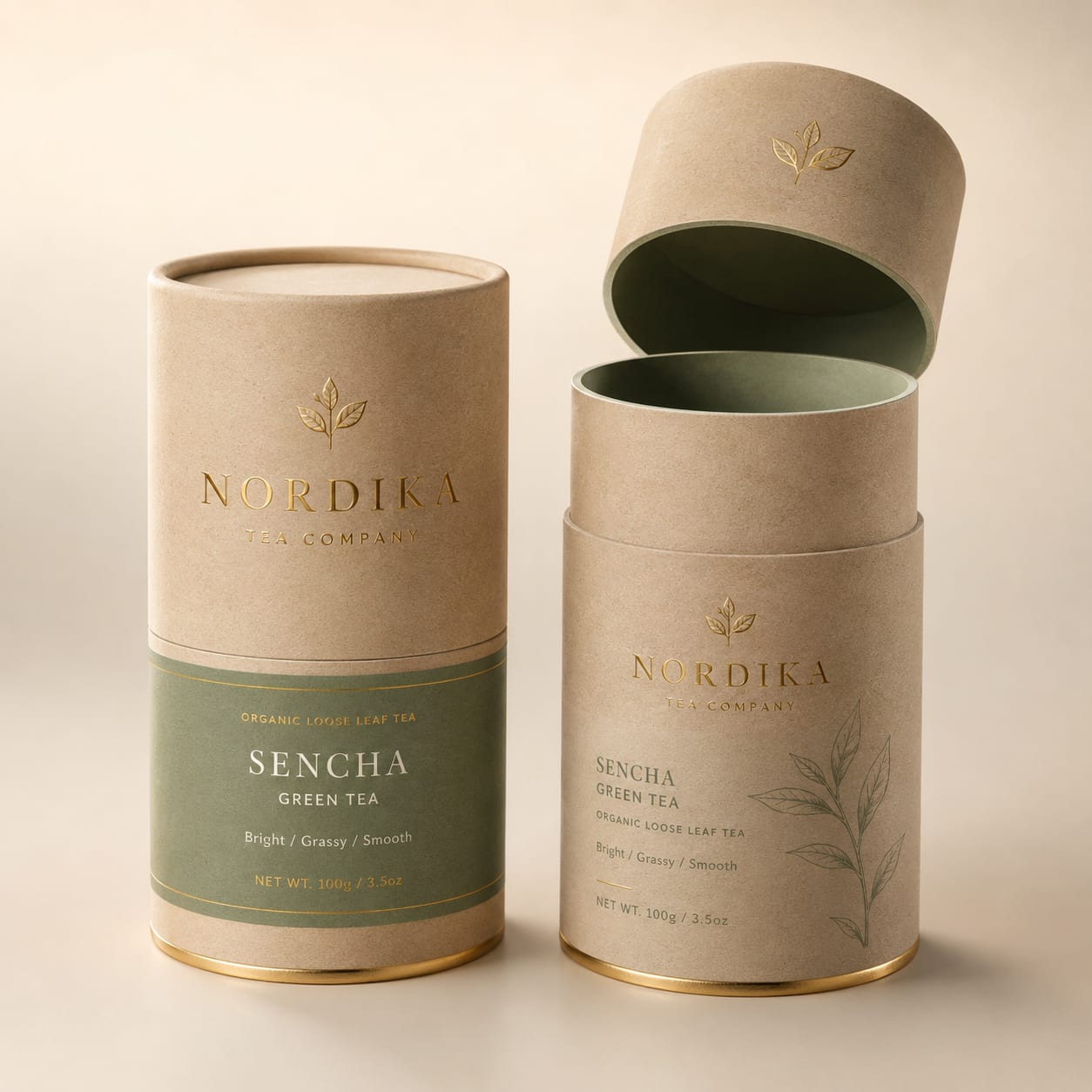
Cardboard Tube Packaging.
Final price depends on size, material, finish and quantity. Your packaging manager confirms it before production.
Your custom tube, quoted.
Design it before you ask for it.
Set the diameter and height, shuffle through curated colourways, then see exactly what each finish does to the surface. No account, no artwork needed.
YOUR TUBE, EXACTLY AS YOU SPEC ITPACKTIST ATELIER
80 × 180 mm
Raw fibre left visible. Honest, tactile, recyclable.
The full specification book.
Six chapters. Six colours. Click a tab to turn the page.
Cardboard Tube Packaging
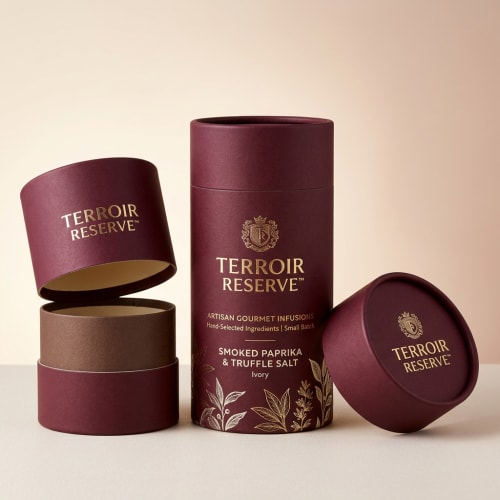
The umbrella format. One wound-cylinder construction sits behind tea caddies, posters and spirits alike.
Paper plies spiral around a mandrel and are glued layer on layer, with ends and wrap deciding what the tube becomes. Wall thickness is the specification that everything else follows.
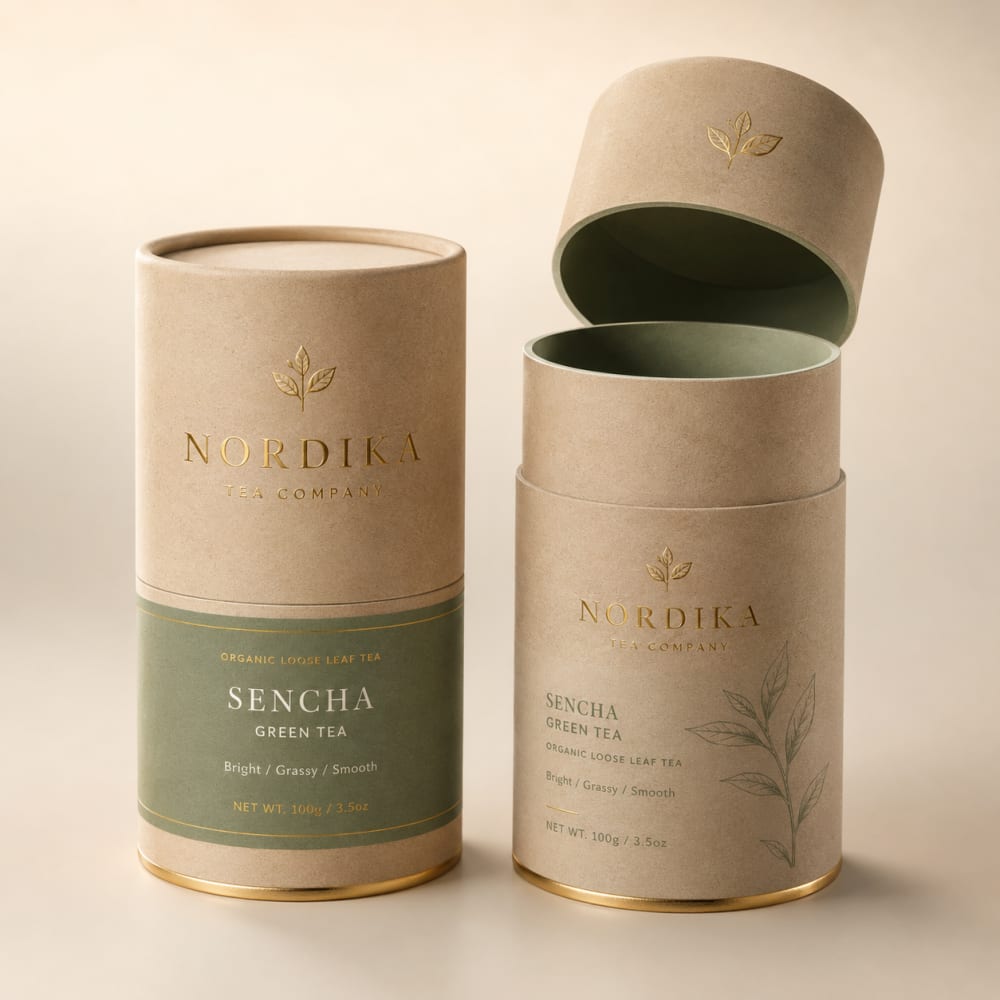
Every detail. Intentional.
One construction, many products
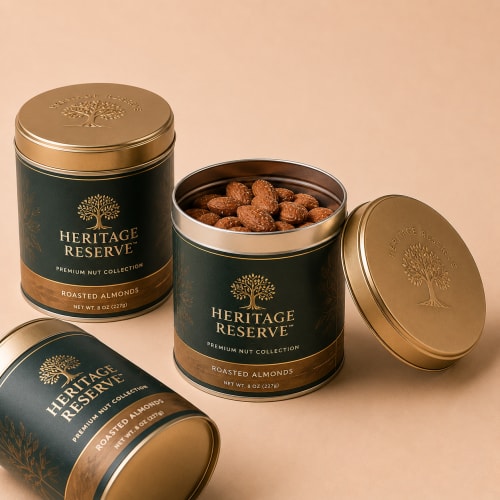
Caddy, poster tube and spirits canister alike.
Ply count sets crush strength
The single most important number.
Ends define the family
Metal, board plug, telescope or push-up.
Print is a wrap, not a carton
Applied after winding, so design for rotation.
Liners where contact matters
Food and cosmetic grades specified separately.
All-fibre recycles kerbside
Metal ends make it mixed-material.

Built like architecture.
Every order of Cardboard Tube Packaging is an engineered build, measured, dieline-cut and hand-wrapped to spec. Below is the standard build sheet.
✦ Need a custom spec? Talk to our atelier. Every detail is negotiable.
Every surface, hand-selected.
What this product is built from, and the surfaces it takes. Below the build sheet sits the full swatch library. Every option applies across our range, and a physical swatch set is available on request.
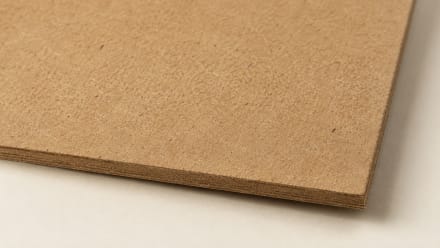
Material
The board and paper your box is built from.
 ◷ ECO
◷ ECO ◷ FINISH
 ◷ FINISH
 ◷ FINISH
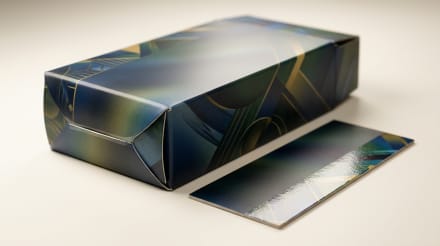
Finishes
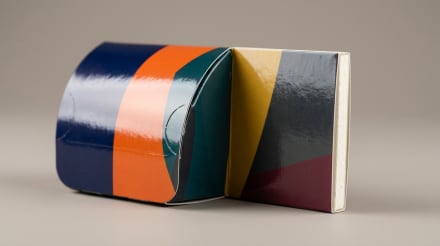
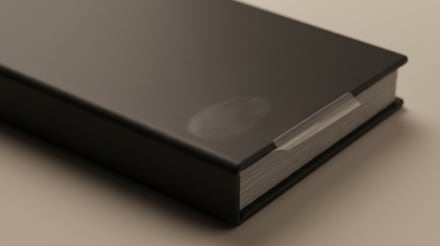
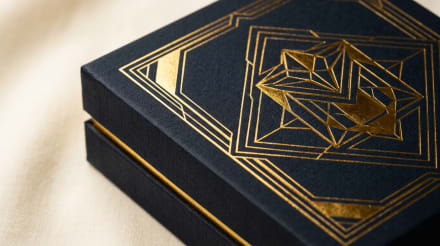
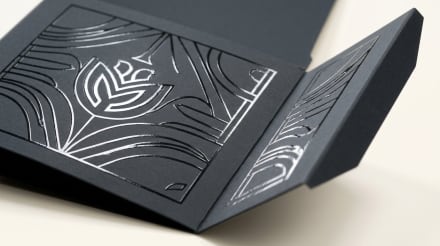
How the outer surface looks, feels, and catches light.
 ◷ FINISH
 ◷ FINISH
 ◷ FINISH
 ◷ FINISH
 ◷ FINISH
 ◷ FINISH
 ◷ FINISH
 ◷ FINISH
 ◷ FINISH
 ◷ FINISH
 ◷ FINISH
 ◷ FINISH
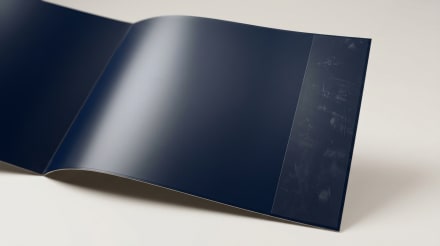 ◷ FINISH
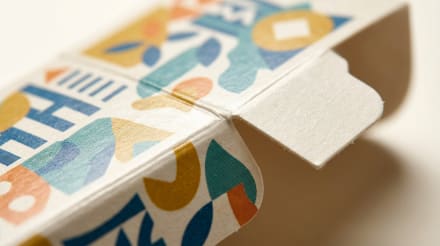 ◷ FINISH
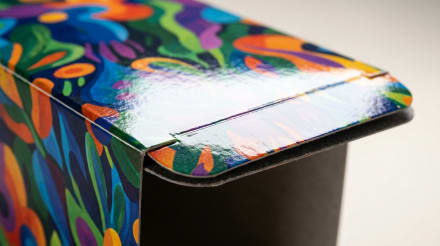 ◷ FINISH
 ◷ FINISH
 ◷ FINISH
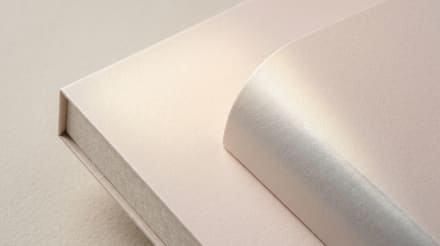 ◷ FINISH
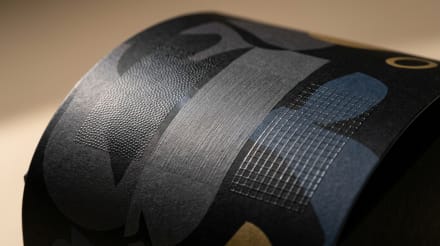 ◷ FINISH
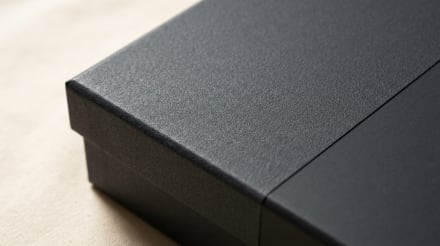 ◷ FINISH
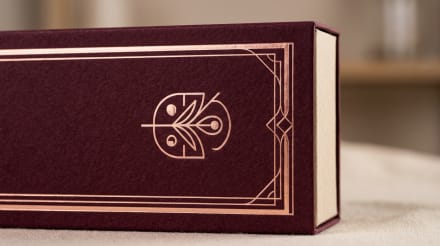 ◷ FINISH
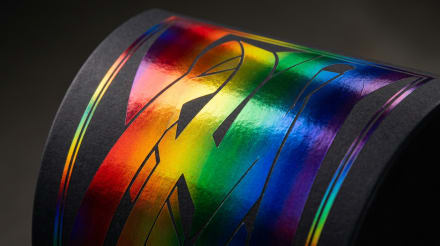 ◷ FINISH
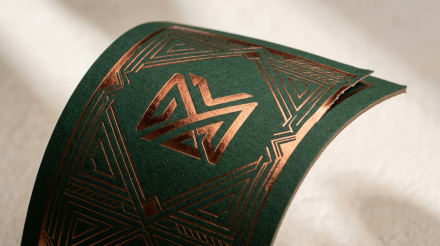 ◷ FINISH
 ◷ FINISH
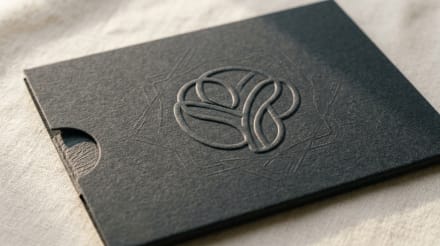 ◷ FINISH
 ◷ FINISH
 ◷ FINISH
 ◷ FINISH
Add-ons
Closures, linings, and hardware that complete the build.
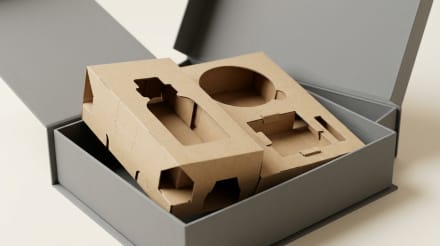 ◷ FINISH
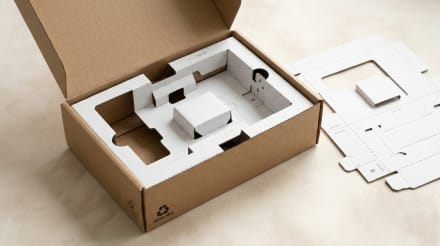 ◷ FINISH
 ◷ FINISH
 ◷ FINISH
✦ Mix and match across all three and we'll build your exact combination.
The full kit of capabilities.
Sizing & dieline.
We wind and cut Cardboard Tube Packaging to your product instead of pulling a stock size off the shelf. Send us the diameter and height of the item (or the item itself) and we return a measured spec, free, before you commit to anything.
A cylinder needs two figures, not three: the diameter across its widest point, and the height. Measure the item itself, not the pack you happen to use today.
Allow 2–3 mm on the diameter so the product drops in without binding, and a few millimetres of headroom if a lid, pillow or tissue sits on top.
We quote round formats as Diameter × Height. Tell us whether you are working in millimetres or inches and we match it.
✦ Not sure of your size? Send us the product and we measure it and build the dieline.
Pricing & minimums.
We price Cardboard Tube Packaging per specification rather than from a fixed list, because the same build in two different finishes can land at very different numbers. Below is what actually moves the price, so you can shape the spec before you request a quote.
The single biggest lever. Unit cost falls sharply as volume rises, because setup and tooling spread across more pieces.
Board weight and stock choice change both the raw material cost and the shipping weight of the finished run.
Foil, spot UV, embossing and soft-touch each add a pass on press. One or two lift the box; five compound the cost.
Full-bleed print inside and out costs more than a one-sided design on natural stock.
Foam, moulded pulp, velvet pillows, magnets and ribbon are priced per piece on top of the box itself.
Standard production is the base rate. Rush moves you up the production queue and carries a surcharge.
✦ Quotes returned within 24 hours.
Questions, answered.
Everything you need to know about Cardboard Tube Packaging.
Wall thickness follows what goes inside and how it ships, so we specify it per order rather than from a chart. Lighter walls suit dry goods and cosmetics that only need to hold shape on a shelf. Heavier walls suit glass, gifting and anything shipped without an outer carton.
Tell us the contents and the route to the customer and we set the ply count. Wall thickness is the one specification everything else on the tube follows.
The plies are wound at an angle around a mandrel, so the joins run diagonally and overlap rather than meeting in one straight line. A straight seam is where a tube would split. A spiral overlap spreads that load along the whole body.
It is also why a wound tube stays round under a friction cap. The wall is continuous, so the cap has a consistent surface to grip all the way around.
Yes. The wrap is printed flat, then bonded around the body with a controlled overlap on the seam. Artwork is laid out for the circumference, so a pattern or colour field continues cleanly across the join.
The one thing to plan is where the overlap falls. We place it away from the logo or any fine type, so the seam lands in a quiet area of the design.
Yes, with a food-grade liner on the inside of the wound body. The liner is what makes the tube suitable for contact and what slows moisture moving through the wall.
Tea, coffee, spices, confectionery and dry mixes are all standard applications. Where you need a true freshness seal rather than a container, our paper can format adds a membrane end and a resealable overcap.
An all-fibre build is, as a single item. A wound body, a paper wrap and paperboard caps all go in the same stream, with nothing to separate.
Metal caps and barrier liners change that. Metal caps should be removed before recycling, and a laminated liner can affect how the pack is processed locally. If kerbside recyclability is the priority, specify paperboard caps and skip the liner.
Any diameter and height, wound to the product rather than picked from stock. The common starting points are 2 by 6 inches, 3 by 9 inches and 4 by 12 inches.
Send the product or its measurements and we return a measured spec. A cylinder needs two figures, diameter and height, plus a few millimetres of clearance on the diameter.
300 units per size and design. Two diameters in one order are two lines, each at the 300 minimum.
Runs scale to 100,000 units and beyond, and unit price falls quickly past the first thousand because the wrap print and the winding set-up are shared across the run.
Standard production is 7 to 10 business days from artwork approval, rush is 5 to 7, and a physical sample takes 5 to 7 business days. The clock starts at approval, not at order.
A sample is worth the extra week on a first order because cap fit is far easier to adjust before a run than after one. The sample fee is credited when the production order is placed.
Other products you might love.
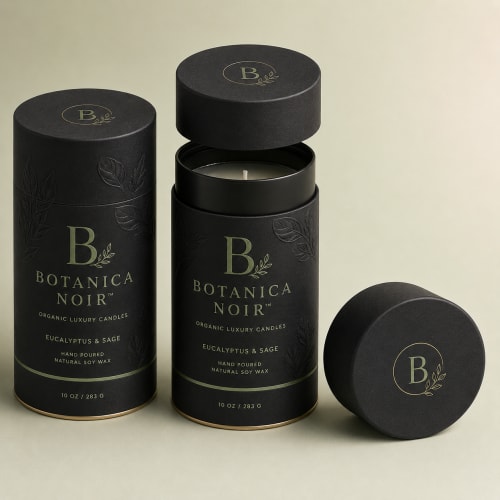
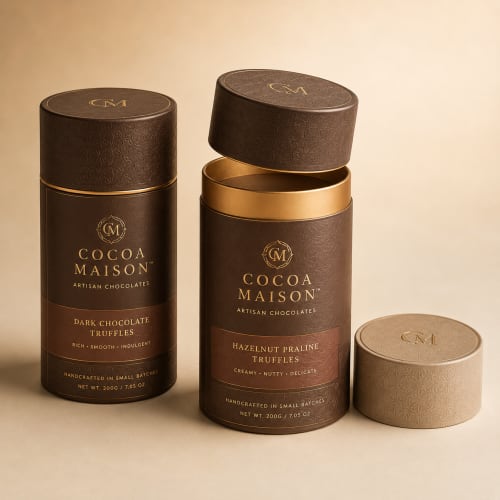
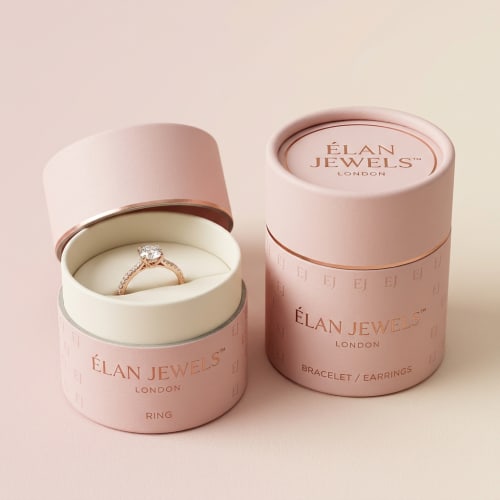

Ready to start your Cardboard Tube Packaging project?
Get a free quote in 24 hours. Our atelier is here to help.