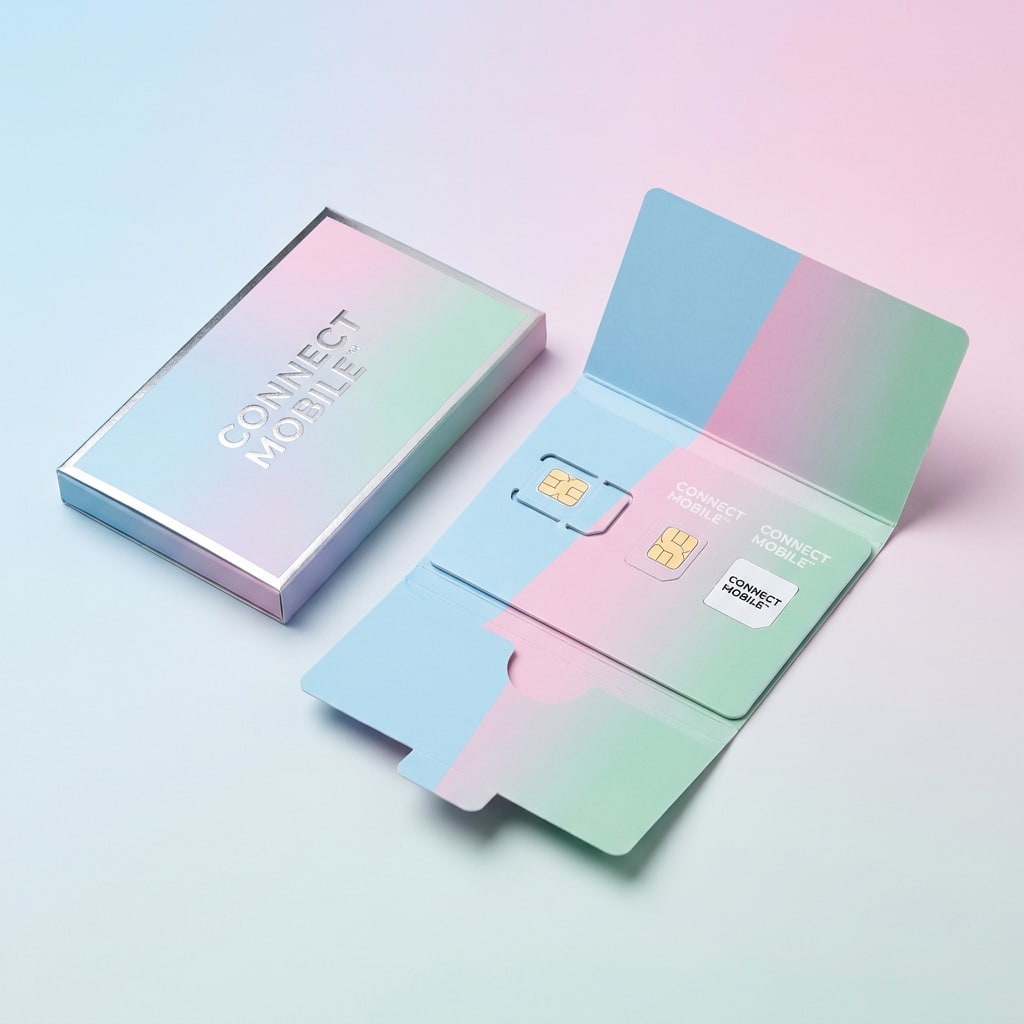
Sim Card Packaging.
Final price depends on size, material, finish and quantity. Your packaging manager confirms it before production.
Your custom box, quoted.
The full specification book.
Six chapters. Six colours. Click a tab to turn the page.
Sim Card Packaging
A tiny chip, a printed carrier and a number that has to stay readable and secure.
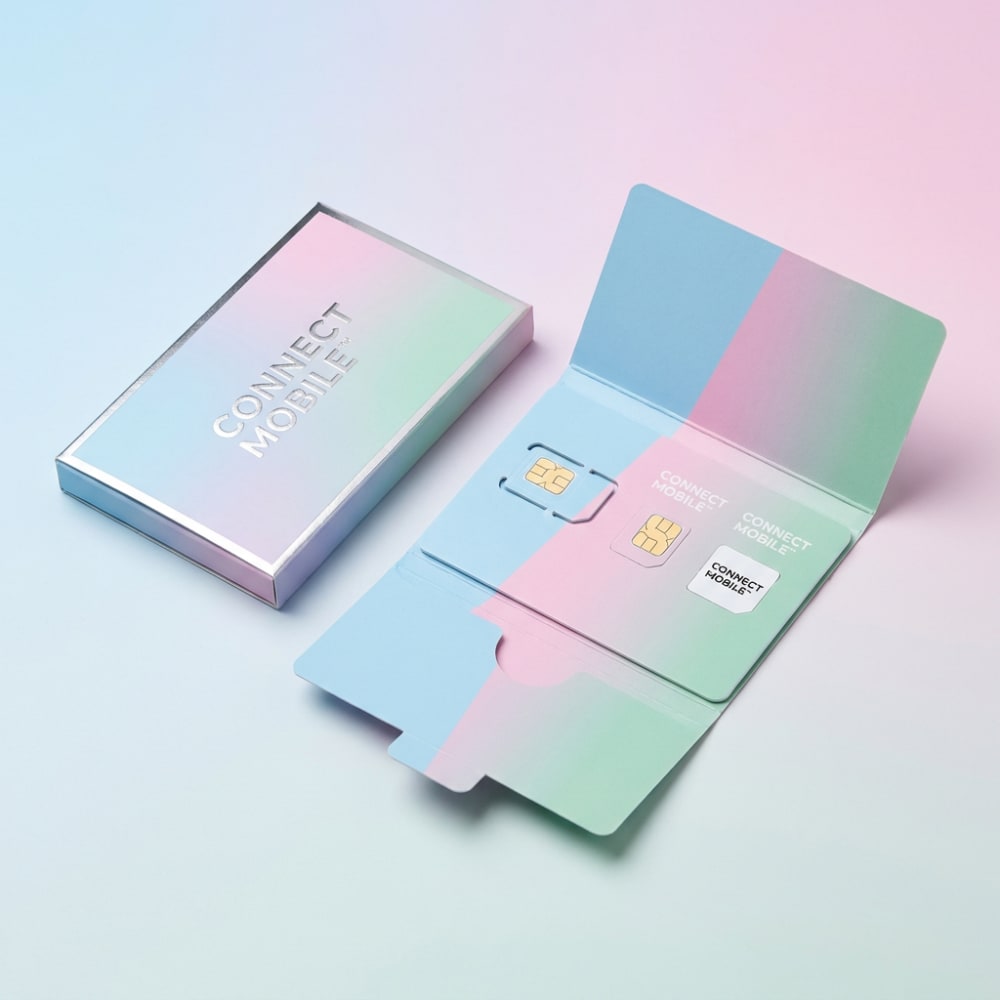
SIM carriers hold a punch-out card, carry activation data, and often need scratch-off concealment for the PIN. All on a card-sized footprint.
Every detail. Intentional.
Punch-out must break clean
Or the chip is damaged.
Scratch panel conceals the PIN
Applied, not printed.
Variable data on every unit
Each carrier is unique.
Activation steps read first
The one required action.
Card-sized footprint
Which limits everything.
Security seal is conventional
Security convention.
Built like architecture.
Every order of Sim Card Packaging is an engineered build, measured, dieline-cut and hand-wrapped to spec. Below is the standard build sheet.
✦ Need a custom spec? Talk to our atelier. Every detail is negotiable.
Every surface, hand-selected.
What this product is built from, and the surfaces it takes. Below the build sheet sits the full swatch library. Every option applies across our range, and a physical swatch set is available on request.
Material
The board and paper your box is built from.
 ◷ FINISH
 ◷ FINISH
 ◷ FINISH
 ◷ FINISH
 ◷ FINISH
 ◷ FINISH
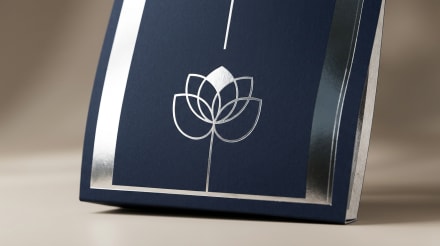
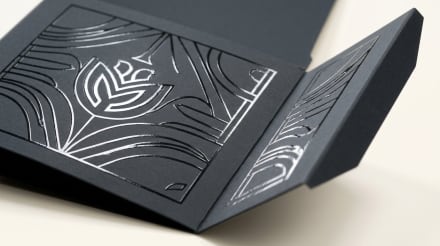
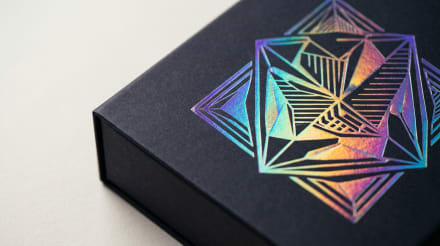
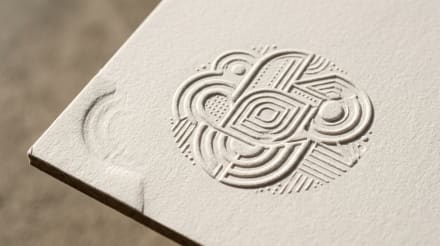
Finishes
How the outer surface looks, feels, and catches light.
 ◷ FINISH
 ◷ FINISH
 ◷ FINISH
 ◷ FINISH
 ◷ FINISH
 ◷ FINISH
 ◷ FINISH
 ◷ FINISH
 ◷ FINISH
 ◷ FINISH
 ◷ FINISH
 ◷ FINISH
 ◷ FINISH
 ◷ FINISH
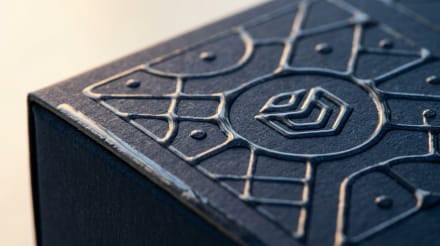 ◷ FINISH
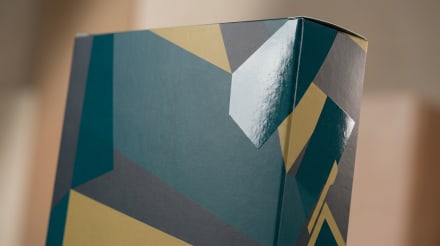 ◷ FINISH
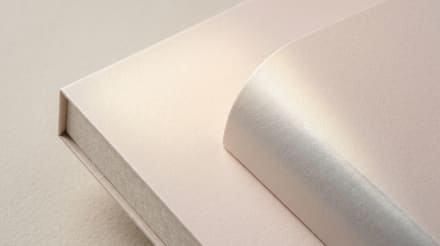 ◷ FINISH
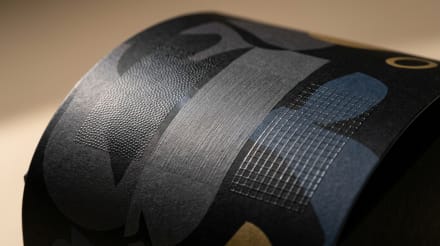 ◷ FINISH
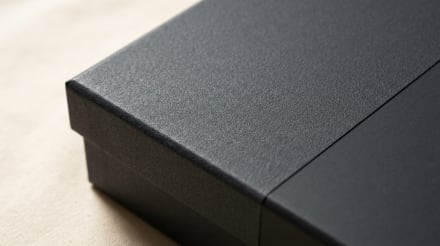 ◷ FINISH
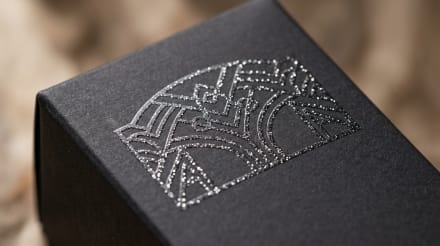 ◷ FINISH
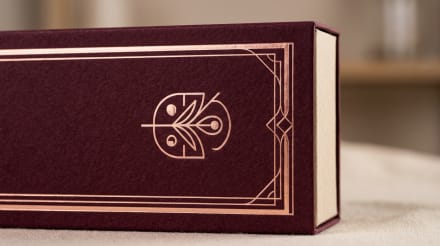 ◷ FINISH
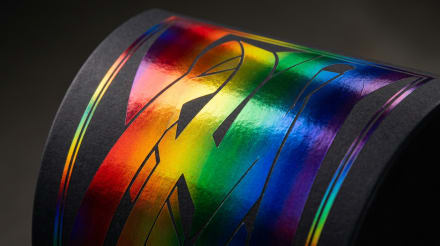 ◷ FINISH
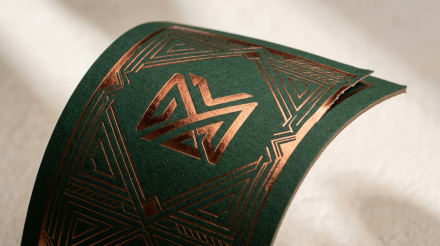 ◷ FINISH
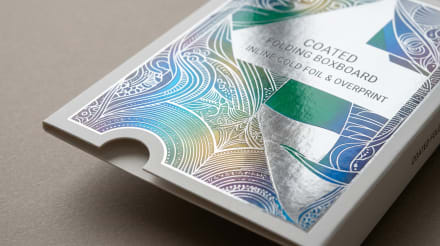 ◷ FINISH
 ◷ FINISH
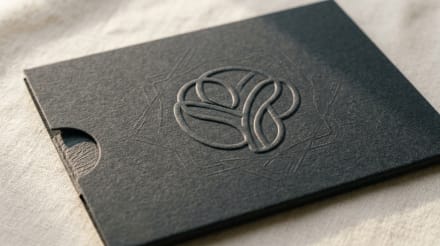 ◷ FINISH
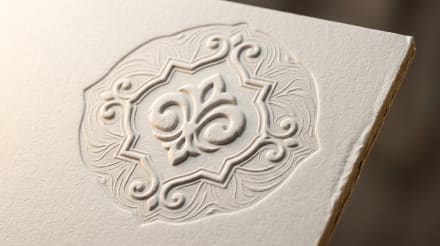 ◷ FINISH
 ◷ FINISH
 ◷ FINISH
 ◷ FINISH
 ◷ FINISH
 ◷ FINISH
 ◷ FINISH
Add-ons
Closures, linings, and hardware that complete the build.
 ◷ FINISH
 ◷ FINISH
✦ Mix and match across all three and we'll build your exact combination.
The full kit of capabilities.
Sizing & dieline.
We cut Sim Card Packaging to a dieline built around your product instead of pulling a stock size off the shelf. Send us the length, width and height of the item (or the item itself) and we return a measured dieline, free, before you commit to anything.
Length, width and height of the item itself, at its widest points. Measure the product, not the box you happen to use today.
Allow 2–4 mm on each axis for a snug fit, and more if you are adding foam, a pillow insert or tissue.
We quote as Length × Width × Height. Tell us whether you are working in millimetres or inches and we match it.
✦ Not sure of your size? Send us the product and we measure it and build the dieline.
Pricing & minimums.
We price Sim Card Packaging per specification rather than from a fixed list, because the same build in two different finishes can land at very different numbers. Below is what actually moves the price, so you can shape the spec before you request a quote.
The single biggest lever. Unit cost falls sharply as volume rises, because setup and tooling spread across more pieces.
Board weight and stock choice change both the raw material cost and the shipping weight of the finished run.
Foil, spot UV, embossing and soft-touch each add a pass on press. One or two lift the box; five compound the cost.
Full-bleed print inside and out costs more than a one-sided design on natural stock.
Foam, moulded pulp, velvet pillows, magnets and ribbon are priced per piece on top of the box itself.
Standard production is the base rate. Rush moves you up the production queue and carries a surcharge.
✦ Quotes returned within 24 hours.
Questions, answered.
Everything you need to know about Sim Card Packaging.
The carrier holds one chip with three nested die cuts, so the customer punches out standard, micro or nano size depending on the handset. One SKU covers every phone, which is why the format replaced separate SIM types.
The nested cuts are the hard part of the job. The bridges holding each ring have to survive transit and retail handling, then break clean under a thumb without stressing the chip.
Too tight and customers crack the SIM trying to free it; too loose and the chip works free inside the pack before it is sold. Both are common failures on carriers cut without enough care.
We set the bridge widths on the dieline and check them on a physical proof, because the right tension depends on the board and the exact cut geometry rather than on a number on a drawing.
A scratch-off panel is applied over the PIN and PUK after the variable data is printed. It is a separate layer rather than printed ink, and it shows visible damage if anyone lifts it, which gives tamper evidence as well as concealment.
The carrier stock itself is opaque, so the codes can't be read through the card under bright shop lighting. A printed PIN without concealment is something we don't produce.
Yes, each carrier is printed with its own number, barcode and codes on a variable data pass over the fixed CMYK branding. The network artwork, plan information and activation steps print once on the litho run, and the unique data is added per unit.
Layout matters here. The activation steps should read first and the plan detail should sit where customers compare, with the variable data kept clear of folds and the scratch panel.
The punch-out card itself is credit-card size at 3.4 x 2.1 inches, and the printed carrier around it is usually about 4 x 3 inches. The larger footprint gives room for activation instructions, the scratch panel and a hang tab without crowding the chip.
Retail packs sometimes add a clear blister over the carrier for peg display. Send us the chip supplier's specification and we'll match the nested cut positions to it.
500 carriers. Variable data printing and precision die cutting are both set up once per job, so the minimum keeps that setup sensible against the unit count, with tiered pricing above 1,000.
Most networks order in far larger quantities, but the 500 floor works for a regional operator, a travel SIM or a trial batch before a national rollout.
A production run takes 7 to 10 business days from approved artwork and data files, with rush at 5 to 7 business days. We recommend a sample first, which takes 5 to 7 business days, because punch-out tension is something you test with your thumb rather than approve on screen.
The sample fee is credited when the bulk order is placed.
On a peg, through a reinforced hang tab or a Euro slot cut into a strengthened patch on the carrier. The reinforcement stops the tab tearing out when the pack is pulled off the hook repeatedly by browsing customers.
Where the retailer wants the carrier visible and sealed, a clear blister over the card is the alternative. Matt lamination is usually reserved for higher-tier network products where the pack needs to feel like a premium item.
Other products you might love.




Ready to start your Sim Card Packaging project?
Get a free quote in 24 hours. Our atelier is here to help.