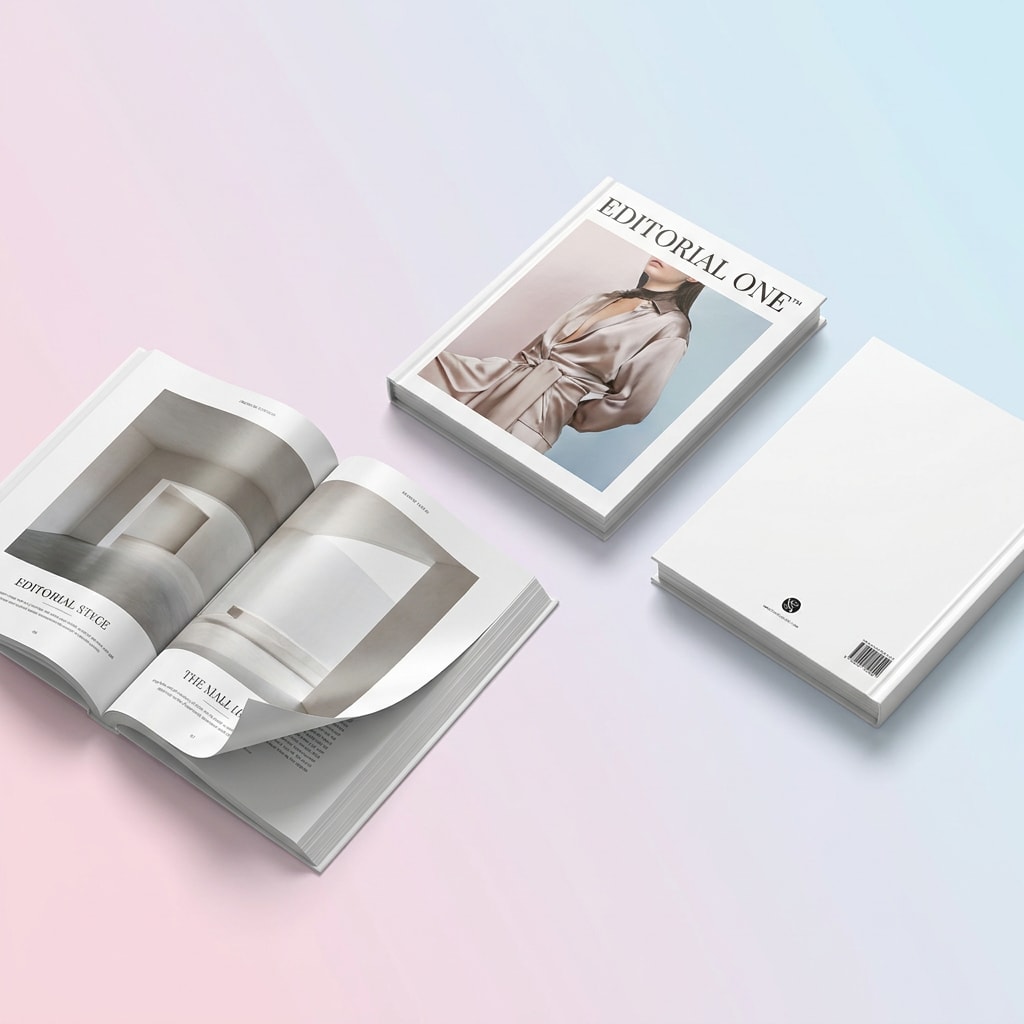
Custom Printed Magazine.
Final price depends on size, material, finish and quantity. Your packaging manager confirms it before production.
Your custom box, quoted.
The full specification book.
Six chapters. Six colours. Click a tab to turn the page.
Printed Magazine
Periodical print, a format where paper cost, postage and reading experience are one calculation.
Magazines are produced repeatedly to a fixed schedule. Paper weight balances feel against postage, and binding is set by the page count.
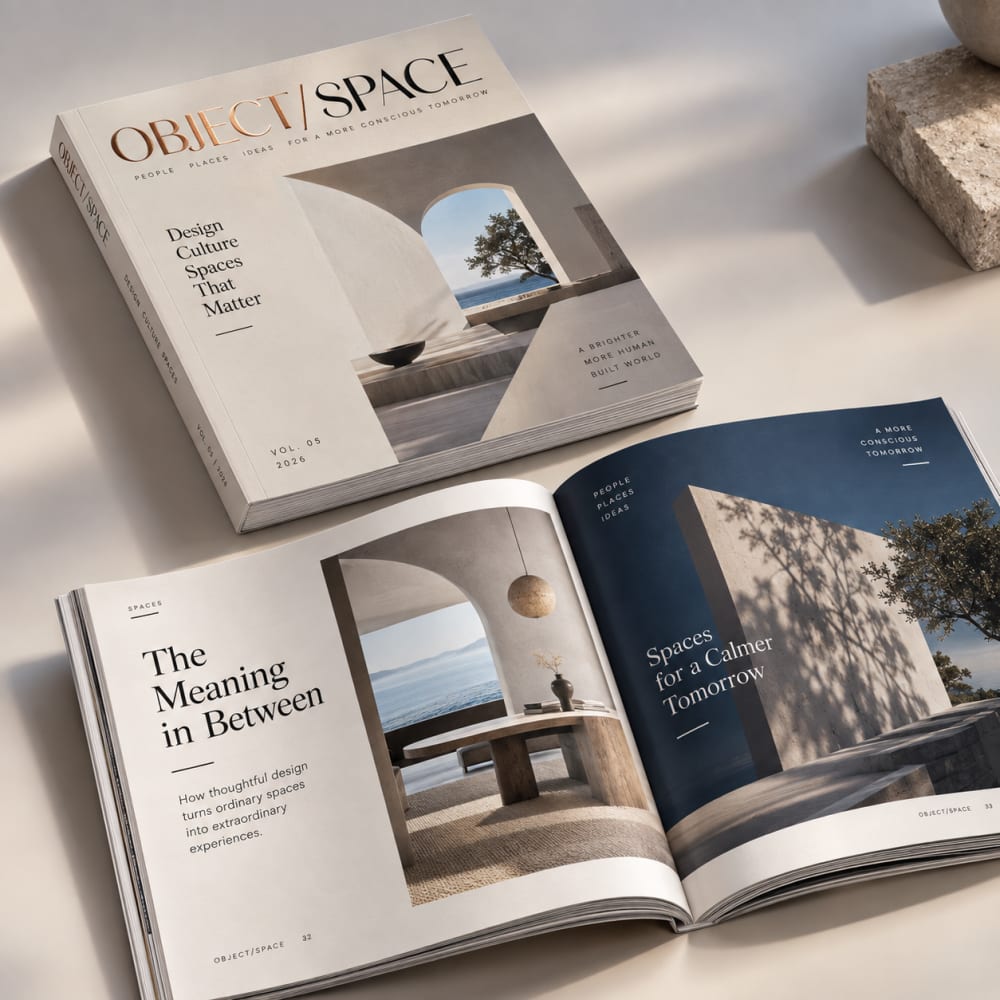
Every detail. Intentional.
Weight against postage
One calculation, every issue.
Saddle stitch below 64 pages
Perfect bound above.
Colour must match issue to issue
Targets are recorded.
Cover stock heavier than text
Standard practice.
Bleed and trim planned tightly
Repeat production demands it.
Fixed schedule, no slippage
Which drives everything.
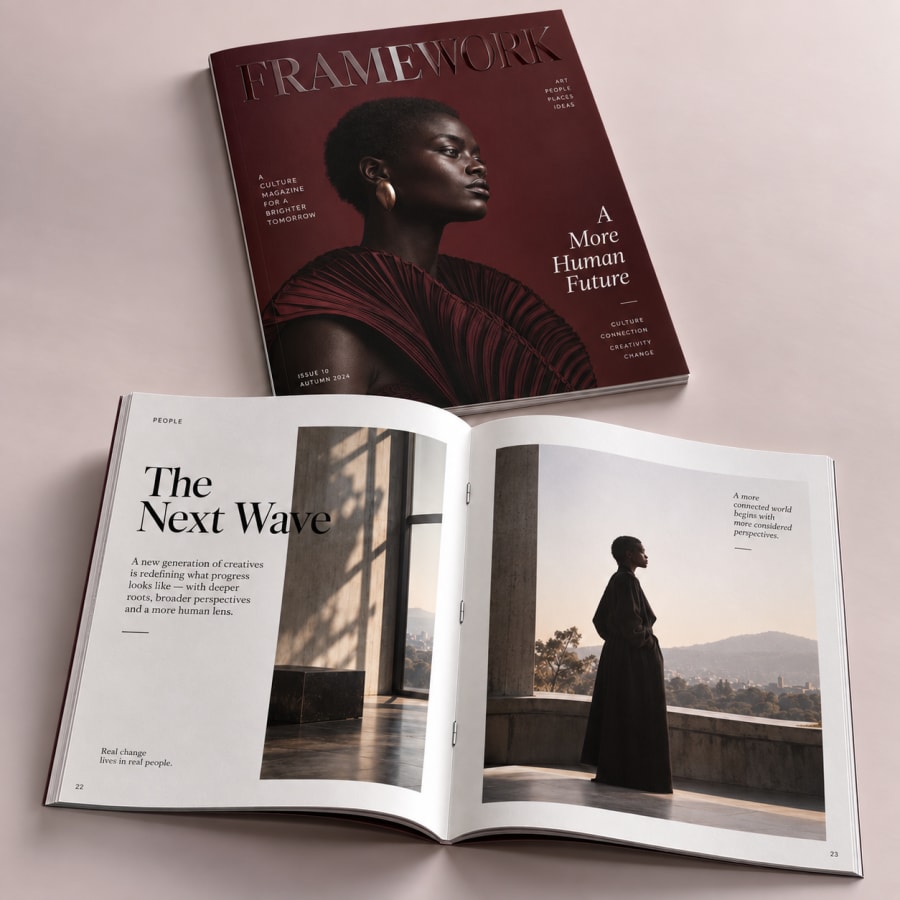
Built like architecture.
Every order of Custom Printed Magazine is an engineered build, measured, dieline-cut and hand-wrapped to spec. Below is the standard build sheet.
✦ Need a custom spec? Talk to our atelier. Every detail is negotiable.
Every surface, hand-selected.
What this product is built from, and the surfaces it takes. Below the build sheet sits the full swatch library. Every option applies across our range, and a physical swatch set is available on request.
Material
The board and paper your box is built from.
 ◷ FINISH
 ◷ FINISH
 ◷ FINISH
 ◷ FINISH
 ◷ FINISH
 ◷ FINISH
Finishes
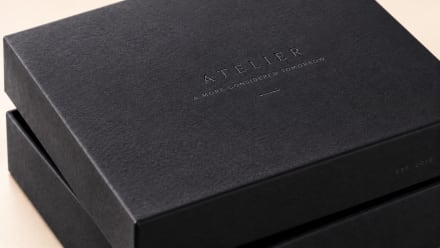
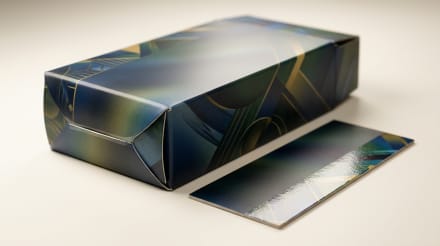
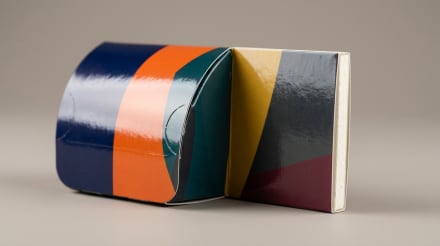
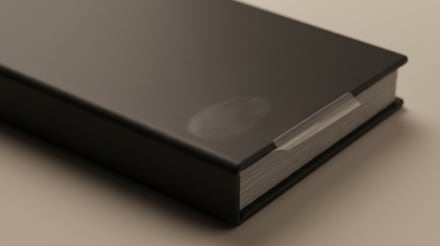
How the outer surface looks, feels, and catches light.
 ◷ FINISH
 ◷ FINISH
 ◷ FINISH
 ◷ FINISH
 ◷ FINISH
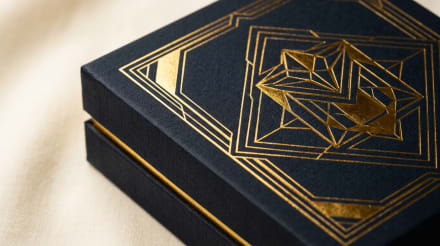 ◷ FINISH
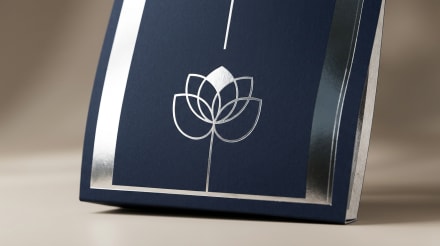 ◷ FINISH
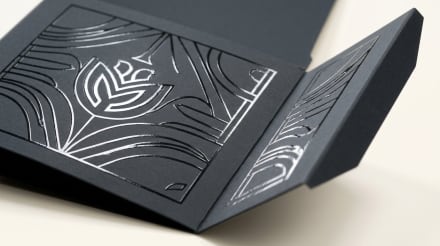 ◷ FINISH
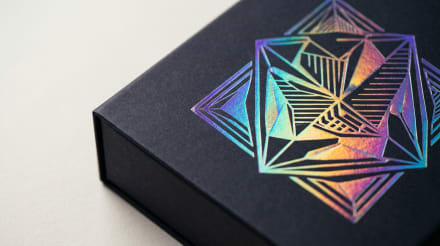 ◷ FINISH
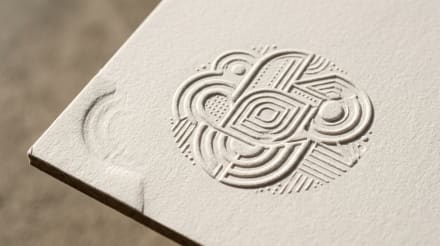 ◷ FINISH
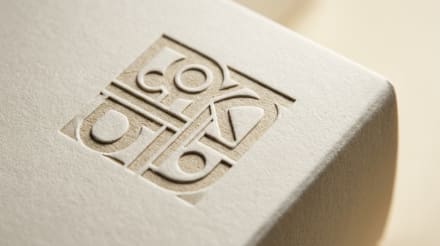 ◷ FINISH
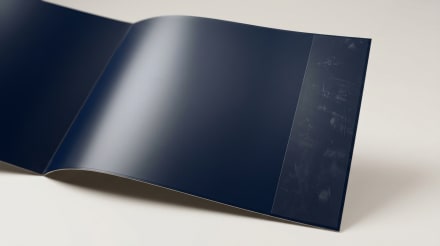 ◷ FINISH
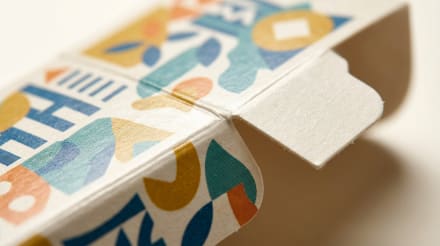 ◷ FINISH
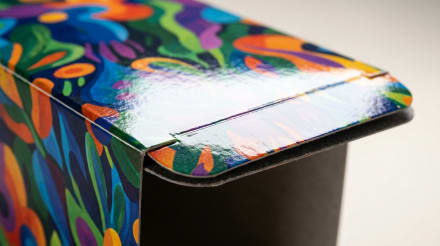 ◷ FINISH
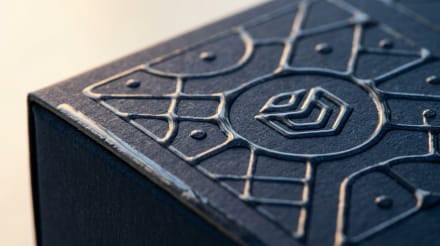 ◷ FINISH
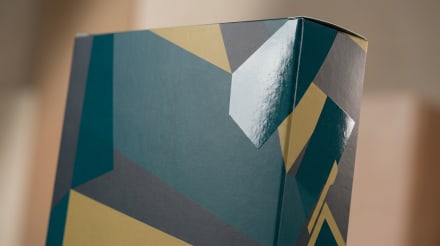 ◷ FINISH
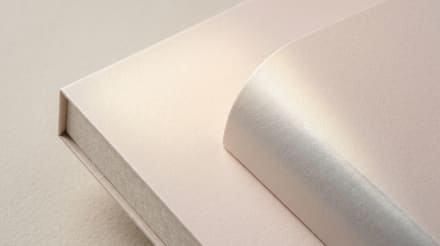 ◷ FINISH
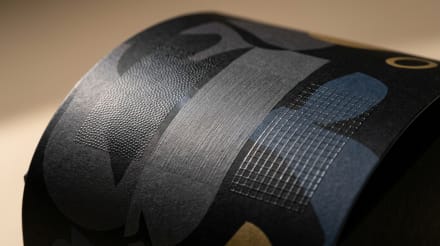 ◷ FINISH
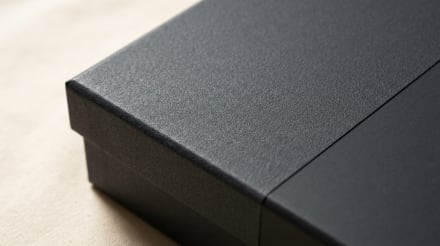 ◷ FINISH
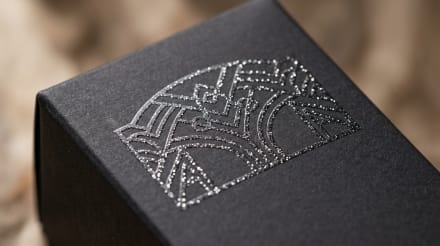 ◷ FINISH
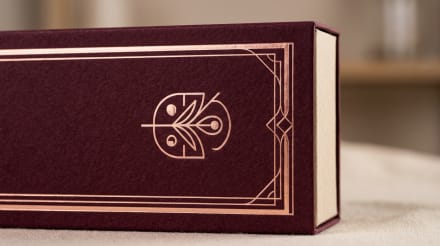 ◷ FINISH
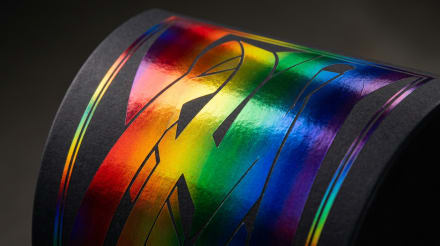 ◷ FINISH
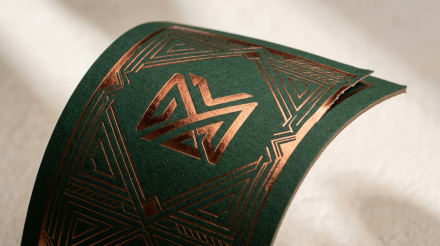 ◷ FINISH
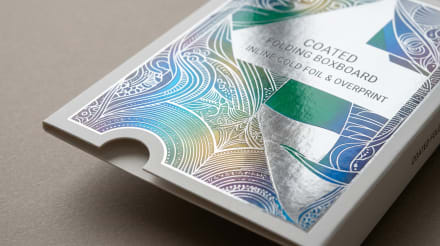 ◷ FINISH
 ◷ FINISH
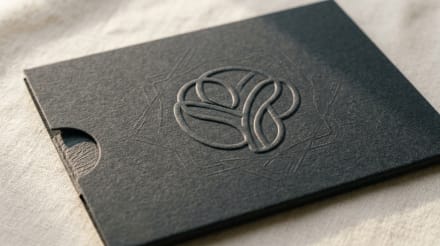 ◷ FINISH
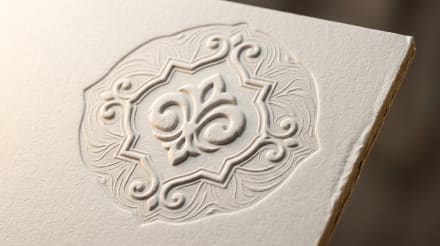 ◷ FINISH
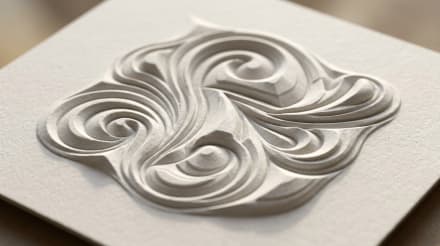 ◷ FINISH
 ◷ FINISH
 ◷ FINISH
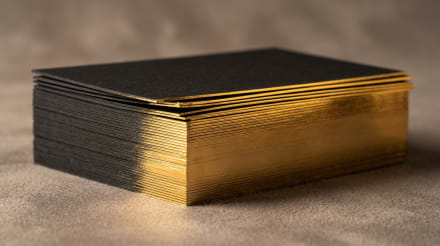 ◷ FINISH
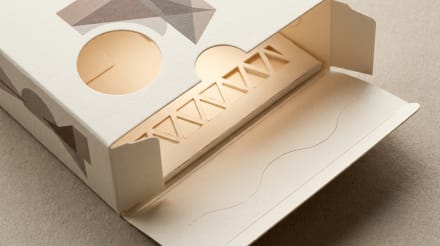 ◷ FINISH
 ◷ FINISH
Add-ons
Closures, linings, and hardware that complete the build.
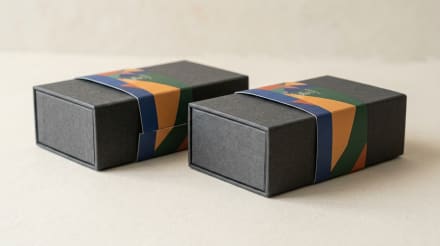 ◷ FINISH
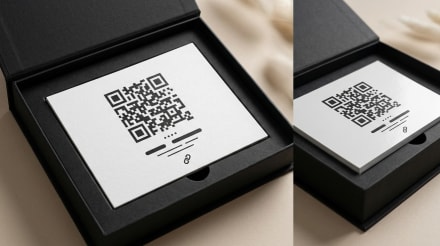 ◷ FINISH
✦ Mix and match across all three and we'll build your exact combination.
The full kit of capabilities.
Sizing & dieline.
We cut Custom Printed Magazine to a dieline built around your product instead of pulling a stock size off the shelf. Send us the length, width and height of the item (or the item itself) and we return a measured dieline, free, before you commit to anything.
Length, width and height of the item itself, at its widest points. Measure the product, not the box you happen to use today.
Allow 2–4 mm on each axis for a snug fit, and more if you are adding foam, a pillow insert or tissue.
We quote as Length × Width × Height. Tell us whether you are working in millimetres or inches and we match it.
✦ Not sure of your size? Send us the product and we measure it and build the dieline.
Pricing & minimums.
We price Custom Printed Magazine per specification rather than from a fixed list, because the same build in two different finishes can land at very different numbers. Below is what actually moves the price, so you can shape the spec before you request a quote.
The single biggest lever. Unit cost falls sharply as volume rises, because setup and tooling spread across more pieces.
Board weight and stock choice change both the raw material cost and the shipping weight of the finished run.
Foil, spot UV, embossing and soft-touch each add a pass on press. One or two lift the box; five compound the cost.
Full-bleed print inside and out costs more than a one-sided design on natural stock.
Foam, moulded pulp, velvet pillows, magnets and ribbon are priced per piece on top of the box itself.
Standard production is the base rate. Rush moves you up the production queue and carries a surcharge.
✦ Quotes returned within 24 hours.
Questions, answered.
Everything you need to know about Custom Printed Magazine.
Because each printed sheet folds to give four pages, two on each side of the fold. A saddle-stitched issue is built from those folded sheets nested together, so 44 pages works and 46 doesn't.
Perfect-bound issues are a little more forgiving because they're built from sections, but the same arithmetic applies within each section. We plan the page count with you on the first issue so the ad and editorial split lands on a workable number.
We record the colour targets on the first issue and hold the press to them on every issue after. Brand colours are specified as Pantone references rather than CMYK builds, because a four-colour mix can drift by a noticeable amount between runs.
A maintained profile for the text stock does the same job for photography. Readers will not describe a drift, but they notice when a masthead looks different from last month's.
Weight is the recurring cost, so we work out the postal band first and choose the text stock to fit inside it. A 90gsm text sheet keeps a subscriber copy light. Moving to 115gsm improves image reproduction but can tip an issue into the next band, and that difference is paid on every copy, every month.
Bring us the page count and mailing volume and we'll model both stocks against the postal thresholds before you commit.
Matt lamination on a heavier cover board is the most requested option, because it survives mailing and handling without glare. Gloss suits newsstand titles competing on saturated cover imagery, and an uncoated cover fits independent or design-led publications.
Spot UV on the masthead is a common cover detail. On perfect-bound issues, a printed spine is a small cost that makes back issues findable on a shelf.
A4 at 8.27 x 11.69 inches or US Letter at 8.5 x 11 inches, with A5 for digest-style titles. Custom trims are possible, though a non-standard size can affect which postal envelope or polywrap you can use.
Size is quoted on the trimmed page. Bleed and trim are planned tightly on a magazine because the same layout runs every issue, so any slack in the setup repeats twelve times a year.
500 copies per issue. Beyond 1,000 the pricing tiers down, which is why many small titles find that a slightly larger print run costs little more than a minimal one.
The minimum applies per issue, not per year. A fixed production calendar across the year, with the same stock and page-count range each time, is what keeps a repeat title routine and affordable.
Each issue takes 7 to 10 business days on the press from approved files, and 5 to 7 business days if an issue needs the rush schedule. A sample issue before your first run takes 5 to 7 business days and is the right moment to settle stock and binding.
The fee for that sample issue is credited to your first production run. Once the first issue is signed off, the following issues slot into a fixed calendar so the deadline never moves.
Yes, and on a title printed repeatedly at volume the recycled choice adds up to a meaningful saving in virgin fibre. Recycled text stocks are available in weights comparable to the 90gsm and 115gsm options, with a slightly warmer white.
The cover can stay on a standard board if you want the brightest colour there. Both parts recycle with paper, and an unlaminated cover keeps the whole issue in one stream.
Other products you might love.


Ready to start your Custom Printed Magazine project?
Get a free quote in 24 hours. Our atelier is here to help.