PremiumBespokeArtisanLuxuryCorporate Printing

Tell us about your boxes
Popular Corporate Printing
our brands keep reordering.
Hand-picked from our corporate printing range. 31 styles, each built for a different job.



The box is the building.
Inserts are everything else.
Furniture. Bodyguards. Stage crew. The unseen architecture that makes your product feel like it lives somewhere, not like it was just dropped in a box.
Paperboard Inserts
“Engineered paper architecture. Folds, locks, and reveals.”
Foam Inserts
“Soft armor that fits like a glove. Protection without weight.”
Molded Pulp Inserts
“Custom-shaped cradles for products of any silhouette.”
Velvet & Luxury Inserts
“Touch is the unsung sense. Make every reach into the box feel chosen.”
Bottle & Jar Inserts
“Hold the unholdable. Round things, fragile things, things that mustn't spill.”
Eco Inserts
“Plant-based, plastic-free, planet-positive. Compost-ready protection.”
Flexible Protection Inserts
“The unsung heroes of shipping. Soft cushioning that travels well.”
Marketing & Welcome Inserts
“The story slid in beside the product. Printed conversation starters.”
Every finish we offer on Corporate Printing.
Materials, finishes and add-ons available for this range. Order any of them as a free sample before you commit to a run.
Materials
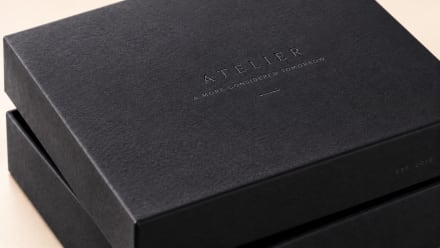
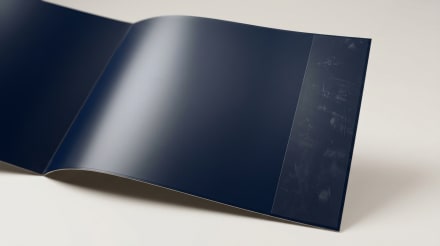
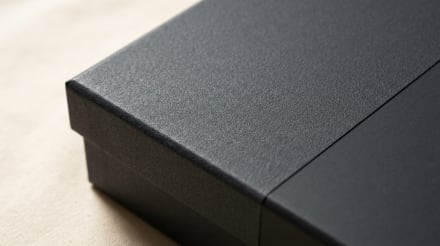
The board and film we build on




Finishes
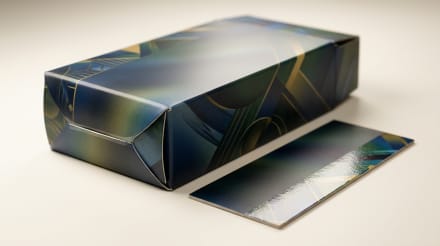
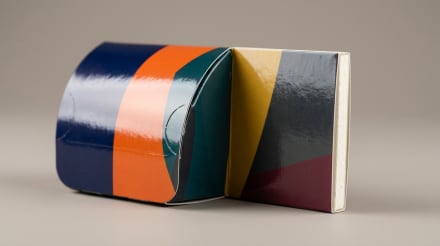
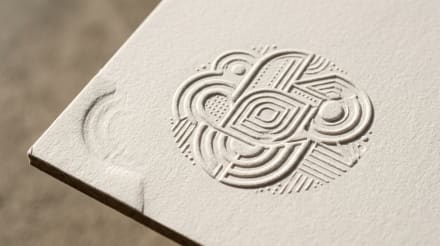
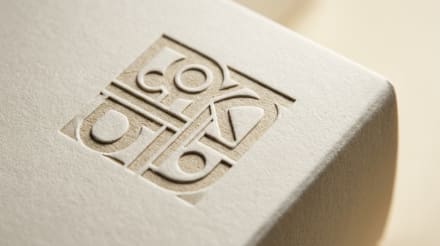
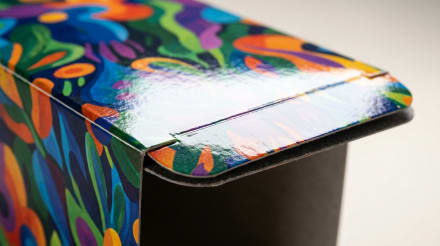
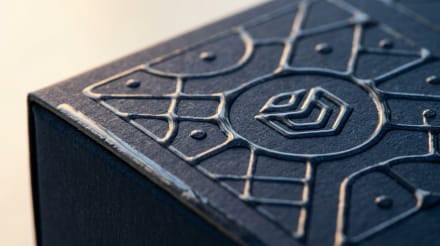
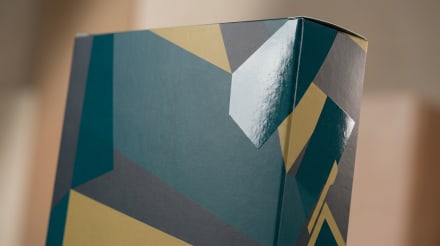
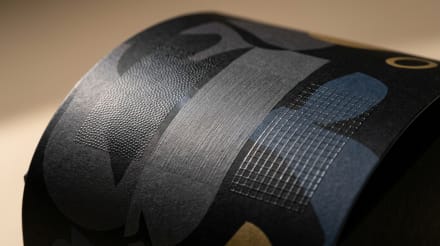
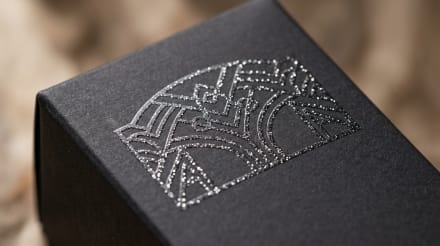
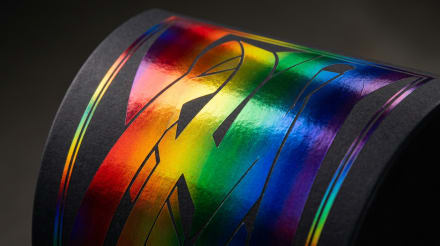
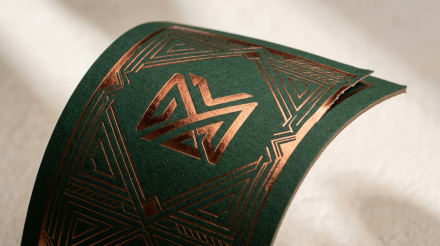
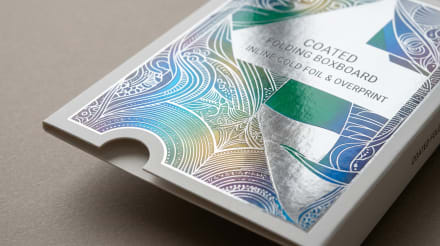
What the surface does in the light

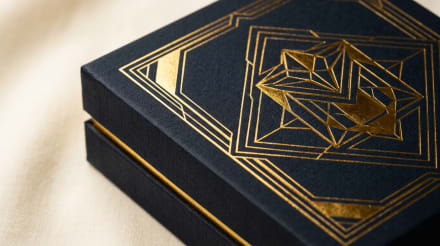
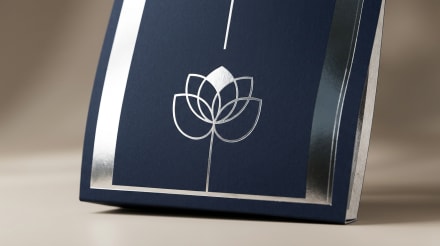
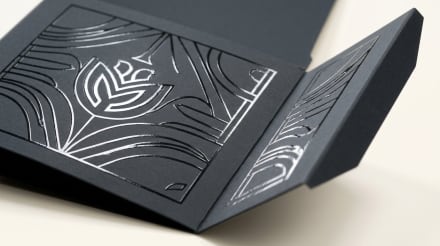
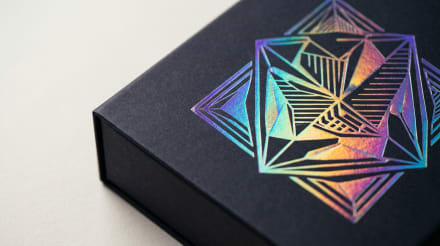
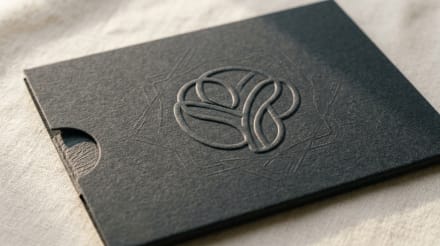
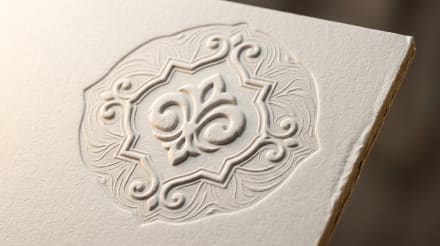



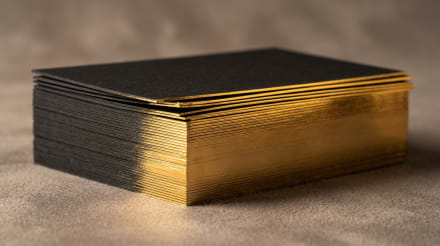
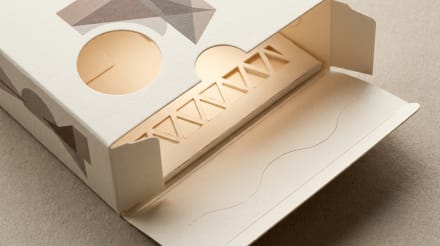

Add-ons
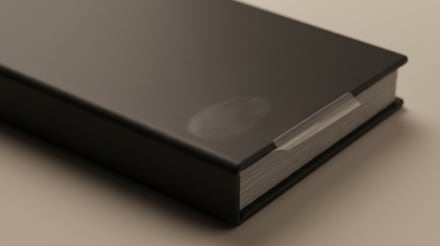
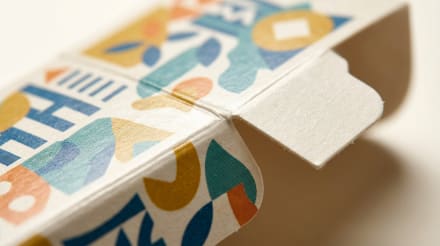
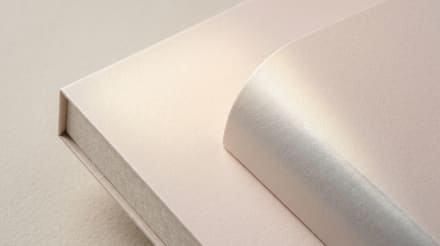
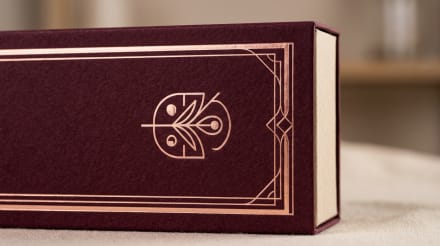
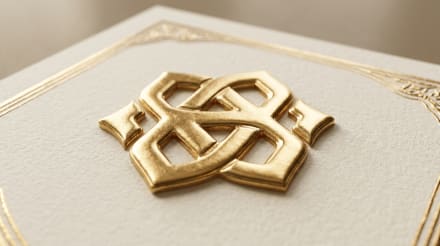
Closures, linings and the extra touches
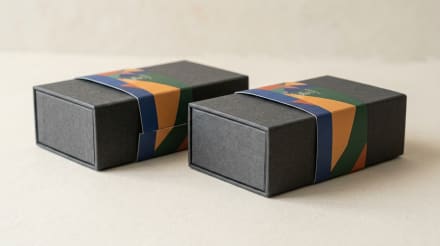
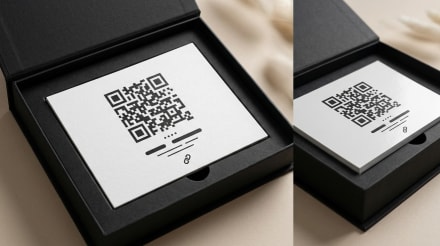
For every organisation that understands brand consistency is a business decision.
Enterprise & Fortune 500 Packaging
Large-volume corporate packaging programmes with Pantone-matched colour management, multi-location delivery, and programme pricing. The packaging partner for brands where consistency is non-negotiable.
Brand consistency, delivered at scale.
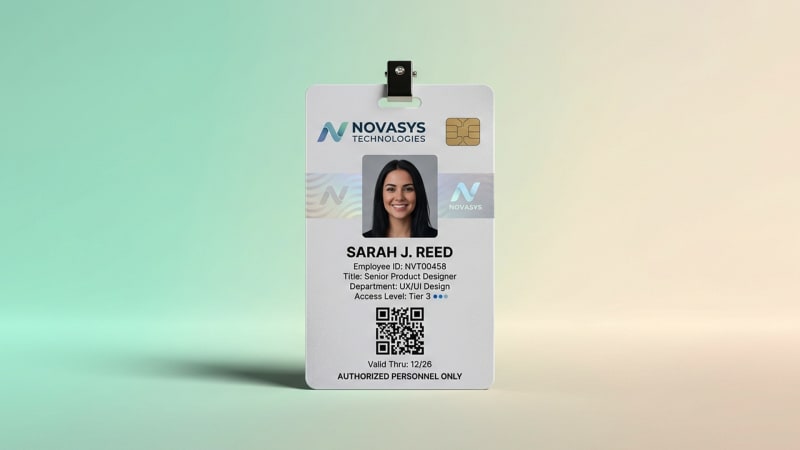
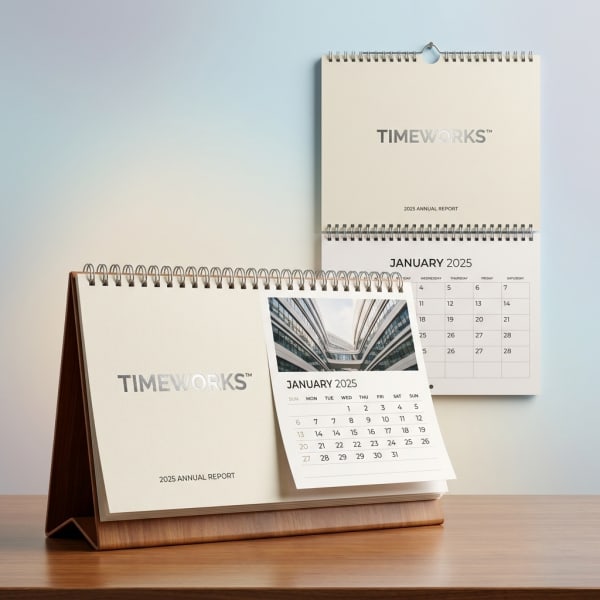
Custom corporate printing across branded packaging, stationery, and print collateral that presents a unified brand identity at every touchpoint.
Why corporate print is a brand infrastructure decision.
Every printed surface your client touches is a brand statement. It should be deliberate.
Brand consistency at every touchpoint
A corporate brand lives across hundreds of printed surfaces, including packaging, stationery, mailers, inserts, envelopes, and certificates. When these surfaces are sourced from multiple suppliers, colour consistency and quality consistency cannot be guaranteed. A single supplier with brand standards and Pantone-matched colour management delivers consistency that fragmented sourcing cannot.
The volume efficiency argument
Corporate print is volume-driven, and the cost-per-unit economics of branded packaging and print collateral improve dramatically with consolidated volume. A client who orders 50,000 branded mailer boxes, 200,000 branded tissue sheets, and 100,000 branded sticker sheets through a single supplier achieves pricing, consistency, and logistics efficiency that distributed sourcing eliminates.
Branded packaging as internal culture
Corporate packaging is not only customer-facing. Employee onboarding kits, internal recognition packaging, and corporate gifting boxes are brand statements to the people who deliver the brand. Companies that invest in branded internal packaging report measurably higher employee engagement scores, because the brand experience starts before the customer is ever reached.
From corrugated shippers to premium rigid boxes, all in corporate brand.
Every format, every substrate, in one brand standard.
Branded packaging formats
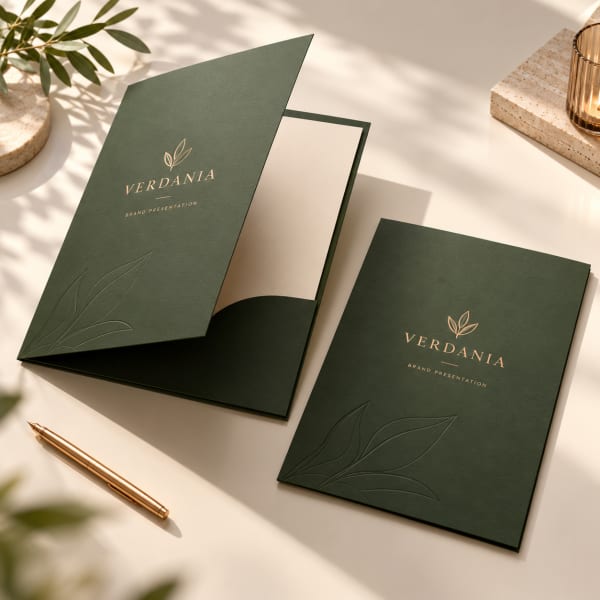
Custom mailer boxes in corrugated E-flute · rigid gift boxes in greyboard · tissue paper in brand colour · stickers and labels · branded bags and carriers · presentation boxes with foil logo. Every format is produced to a consistent Pantone-matched colour specification, so the same brand red appears across every surface, every order, every year.
Corporate stationery and collateral
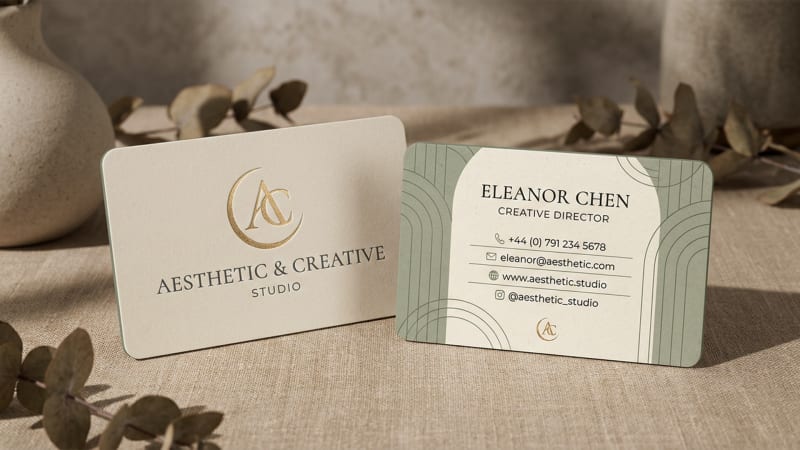
Letterhead, envelopes, business cards, branded notecards, certificate prints. Corporate stationery is the print touchpoint that longest precedes the digital era and remains irreplaceable for formal correspondence, legal documentation, and brand-critical communications. The weight of the letterhead and the sharpness of the print communicate corporate quality.
Branded inserts and packaging collateral
Thank-you cards, brand story inserts, certificate of authenticity cards, instruction booklets, care guides. Every piece of paper inside the box is a brand surface, and too often it is treated as an afterthought. Corporate print done well integrates inserts into the unboxing or delivery experience as deliberate brand moments.
Pantone matching, variable data, and programme management.
The capabilities that make corporate print work at scale.
Pantone and brand colour management
Dedicated Pantone library matching for all corporate brand colours. Colour proofing before each production run. Spectrophotometer measurement at QC to verify colour accuracy. For brands where the specific shade of the brand red is non-negotiable, we make sure it never drifts.
Variable data and personalisation
Digital overprint for recipient name, order number, or personalised message on any format, including tissue sheets, labels, inserts, or box exteriors. Variable data capability from 100-unit personalised gift runs to 100,000-unit personalised customer programmes. API integration available for automated order personalisation from e-commerce and CRM platforms.
Programme management and warehousing
Managed inventory programme for regular-volume corporate clients, with stock held at our facility, released on purchase order, and despatched within 24 hours. For brands with seasonal peaks, event programmes, or franchise networks that need guaranteed stock availability without carrying their own inventory.
Enterprise, franchise, hospitality, and agency.
Every organisation that needs brand consistency in print.
Enterprise and Fortune 500
Large-volume corporate packaging and print programmes for enterprises with multiple facilities, franchise networks, or complex supply chains. Centralised brand management, multi-location delivery, programme pricing, and a dedicated Packaging Manager. The corporate print partner for brands that cannot afford brand inconsistency.
Hospitality and hotel groups
Branded amenity packaging, welcome gift boxes, guest stationery, and F&B packaging for hotel groups and hospitality brands. Consistent brand presentation across properties, so every guest interaction is a brand-managed touchpoint. Discreet, white-label, or fully branded production to specification.
Agency and design studio
White-label production for agencies managing packaging programmes on behalf of brand clients. Confidential supply relationship available. Litho, digital, and flexo print capabilities across formats. The production partner for agencies that need quality assurance without in-house manufacturing.
Franchise networks
Centralised packaging production for franchise networks, giving consistent brand standards across all franchisees without individual location sourcing. Brand-approved templates, controlled colour management, and centralised ordering portal for franchisee reorder.
Questions, answered.
350gsm is the standard, and 400–600gsm reads as premium.
Weight is the first thing a recipient registers, because a business card is held between finger and thumb where thickness is unusually easy to feel. Below 300gsm a card feels flimsy and bends in a wallet. The premium tier goes further with duplexed cards, two sheets bonded together and sometimes with a coloured core showing at the edge, reaching 600gsm and beyond, where the card becomes an object rather than a piece of paper.
Digital has no printing plates, so short runs and variable data cost nothing extra. Offset uses plates, so setup is expensive but the per-unit cost at volume is far lower.
The crossover point is usually somewhere between 500 and 2,000 units depending on the piece, the colour count and how many versions you need. Versioning shifts it substantially: a job with twelve variants pays twelve plate setups on offset but nothing extra on digital. Ask for both numbers rather than accepting a supplier's default press.
Tri-fold, gate fold, Z-fold and roll fold are the four most common.
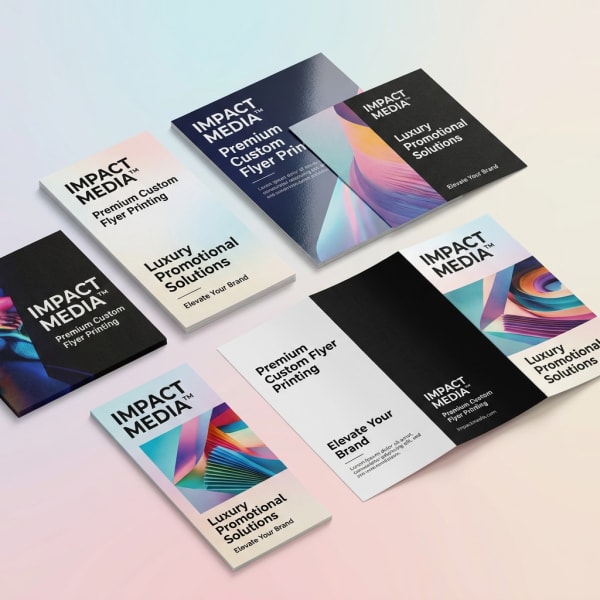
Tri-fold folds into three panels with a cover, a reveal and a full spread inside. Z-fold concertinas so both sides are usable as continuous surfaces. Gate fold has two flaps opening from the centre like doors. Roll fold tucks panels inside each other, which means the inner panels have to be cut progressively narrower. That detail catches designers out, because equal-width panels will not fold flat.
Bleed is extra artwork extending beyond the trim line, usually 3mm or 0.125 inches, so that colour reaches the edge after cutting.
Cutting has a small mechanical tolerance, and without bleed even a fraction of a millimetre of drift leaves a white sliver along the edge. The companion rule is the safe zone: keep text and important elements at least 3–5mm inside the trim line, because the same tolerance can cut into content that sits too close to the edge.
Saddle stitching staples through the spine fold and works up to roughly 64–80 pages. Perfect binding glues a flat spine and suits thicker documents.
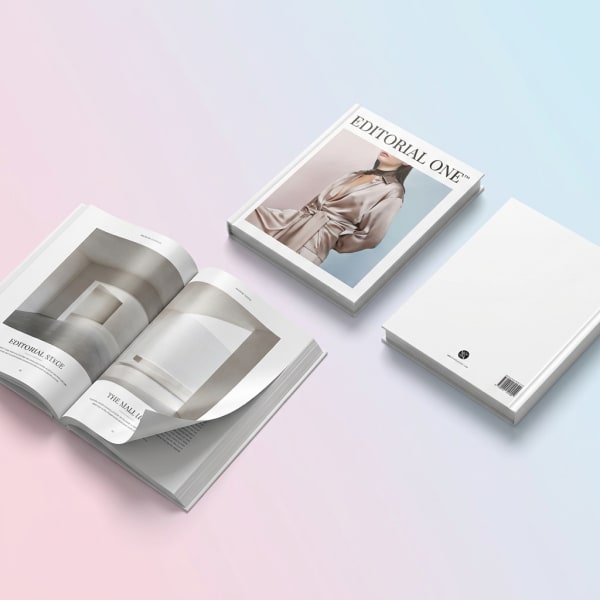
Saddle-stitched page counts must be multiples of four, because each folded sheet produces four pages. Beyond about 80 pages the fold becomes bulky and the inner pages creep outward, requiring shingling compensation. Perfect binding has no page-count multiple requirement, gives a printable flat spine, and is the standard for catalogues, annual reports and anything over about 60 pages.
CMYK is the four-ink process printing uses. Screens display in RGB, which can produce colours that CMYK physically cannot reproduce.
Bright saturated blues, vivid oranges and neon greens are the usual casualties. They exist as light on a screen and cannot be built as ink on paper. For brand colours that must match exactly, specify a Pantone spot colour, which is a pre-mixed ink rather than a four-colour build. Asking for a printed proof rather than approving from a screen is the reliable way to avoid surprises.
It varies widely by product. Business cards start in the dozens, while catalogues and folded work typically start around 500.
The difference is setup. A digitally printed business card has almost none, so a run of 50 is viable. A folded brochure needs a cutting and creasing die plus folding setup, which pushes the sensible minimum higher. Across most corporate print, lead time runs 7 to 10 business days.
Gloss for photographic reproduction, matte for readability, uncoated for a tactile and writable surface.
Gloss coating holds ink on the surface, producing the sharpest images and deepest blacks, but it reflects and can be hard to read under bright light. Matte scatters light, which makes body text more comfortable to read. Uncoated absorbs ink, so images look softer and colours slightly muted, but it takes a pen and has a warmth that coated stocks cannot match, which is why letterheads and stationery favour it.
Your brand deserves
better packaging.
Work one to one with a dedicated packaging manager, from first sketch to delivery.