PremiumBespokeArtisanLuxuryCustom Corrugated Boxes
Tell us about your boxes
Popular Custom Corrugated Boxes
our brands keep reordering.
Hand-picked from our custom corrugated boxes range. 1 style, each built for a different job.
The box is the building.
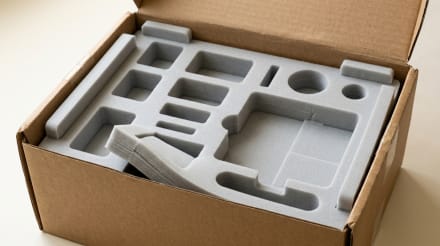
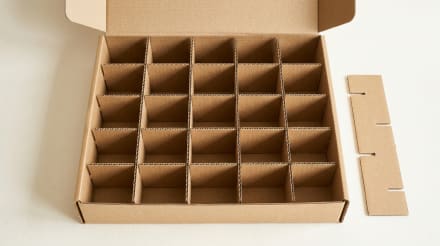
Inserts are everything else.
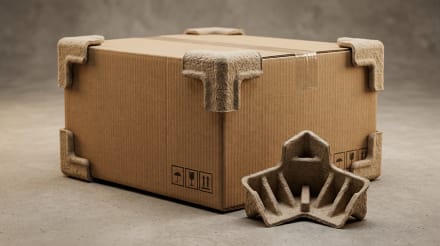
Furniture. Bodyguards. Stage crew. The unseen architecture that makes your product feel like it lives somewhere, not like it was just dropped in a box.
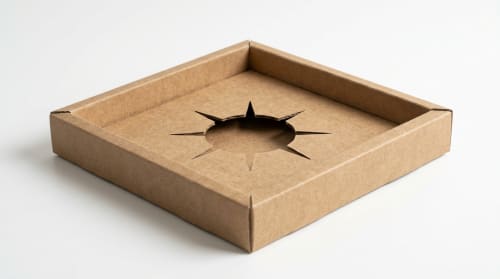
Paperboard Inserts
“Clean recyclable inserts for”
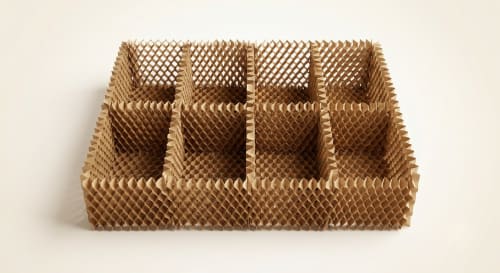
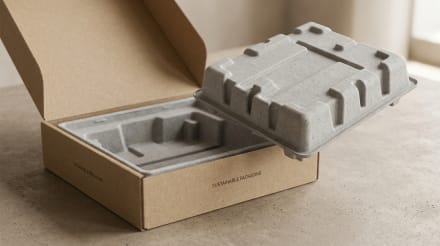
Honeycomb Paper Inserts
“Eco-friendly cushioning inserts for”
Every finish we offer on Corrugated Boxes.
Materials, finishes and add-ons available for this range. Order any of them as a free sample before you commit to a run.
Materials
The board and film we build on
 ◷ ECO
◷ ECO
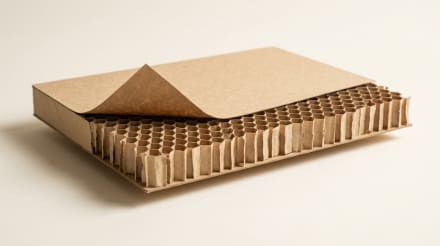
Finishes
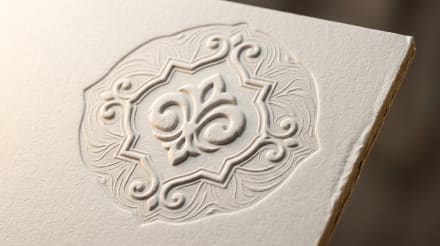
What the surface does in the light

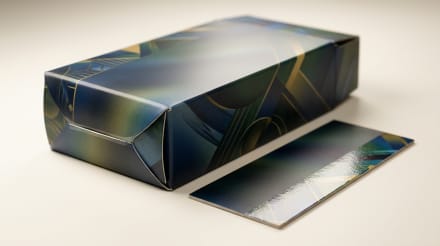
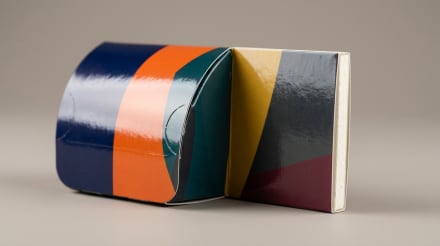
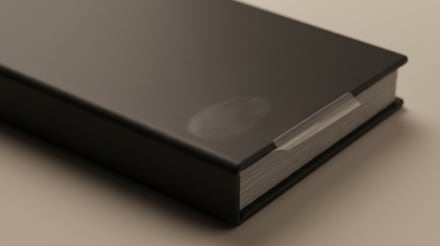
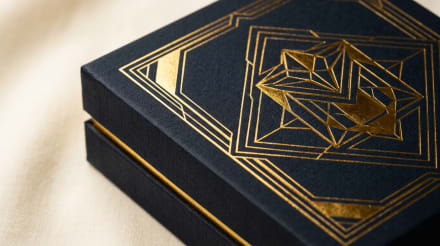
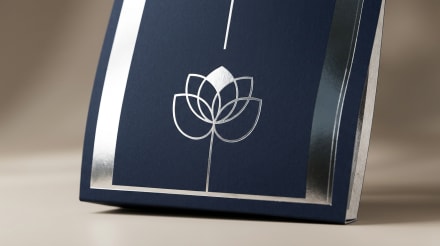
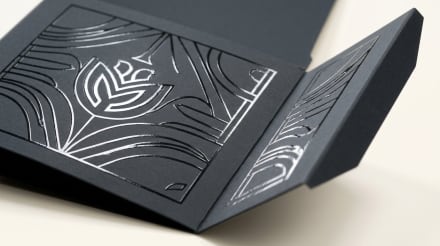
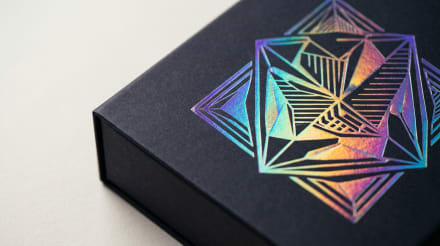

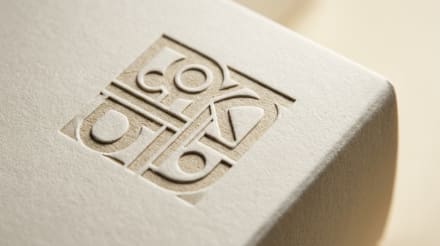
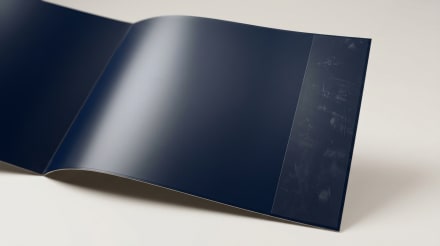
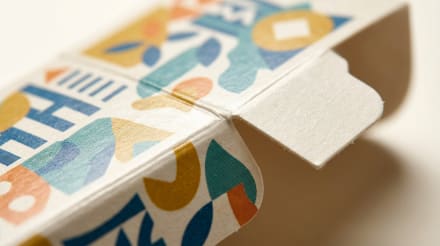
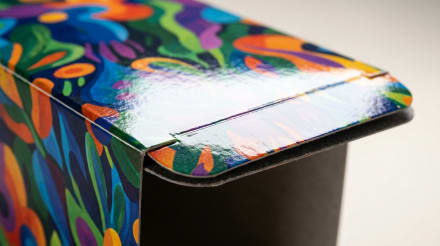
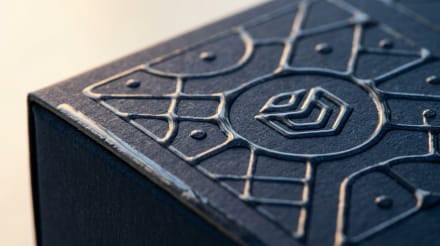
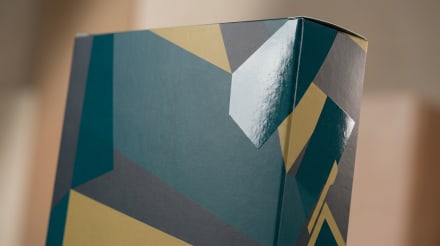
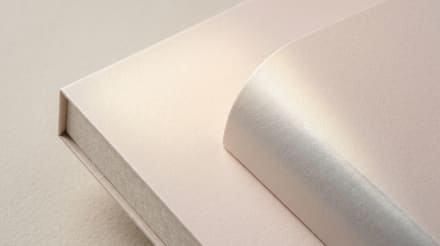
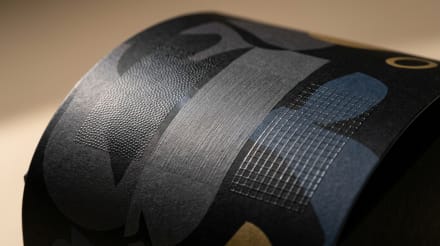
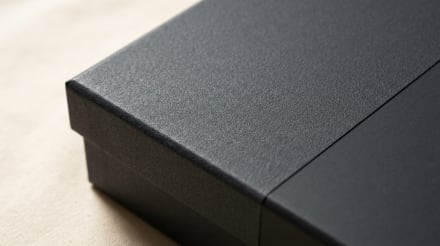
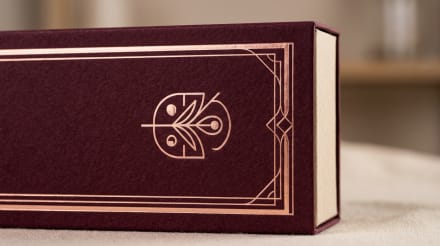
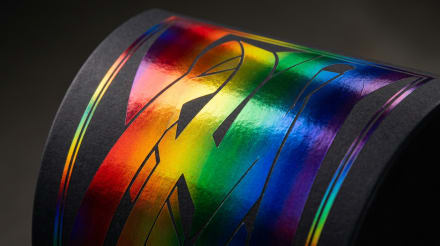
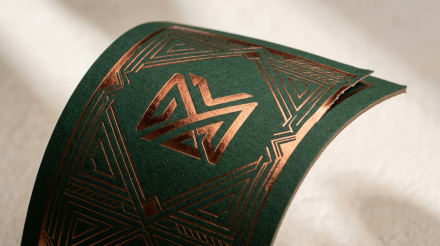

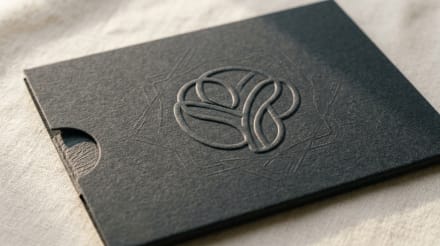


Add-ons
Closures, linings and the extra touches

Every industry that ships, covered.
E-commerce Packaging
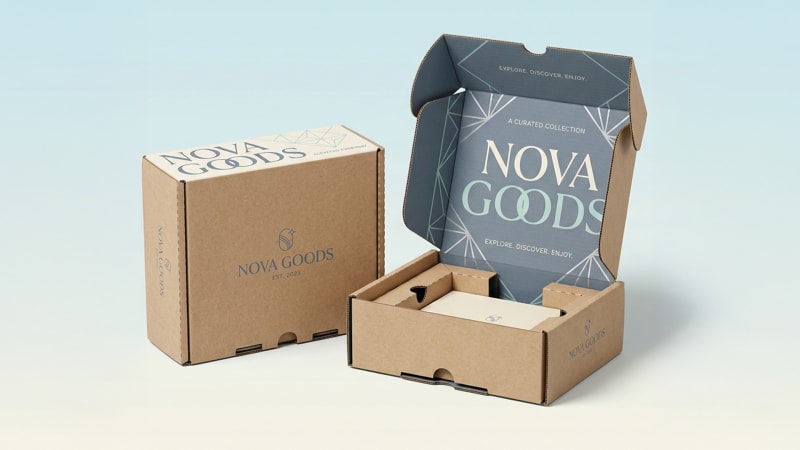
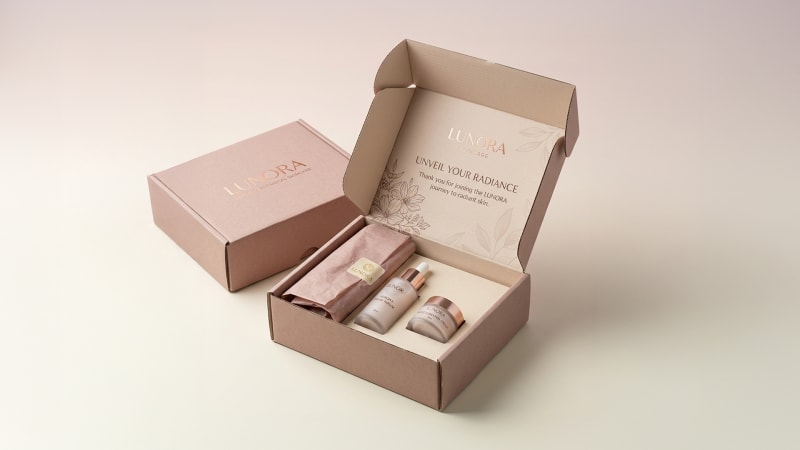
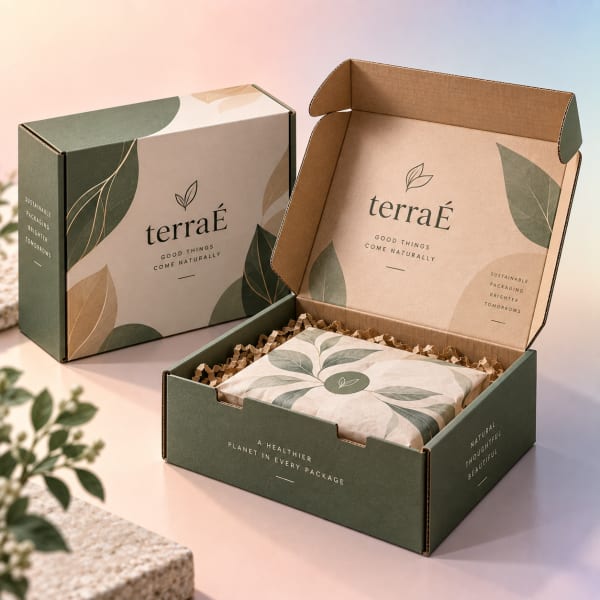
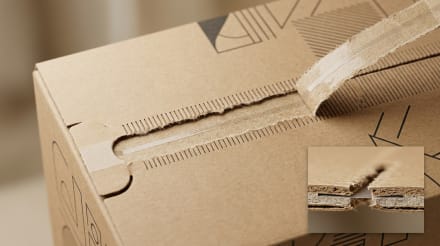
Branded shipping boxes with interior print. The plain brown box is a choice, and we make the other choice available at any volume.
Strong enough to ship the world.
Custom corrugated across every flute, print spec and structural detail.
Why corrugated is the backbone of commerce
90% of all shipped goods travel in corrugated board.
The engineering inside the wall
Corrugated board is an engineering marvel: two flat liner sheets bonded to a fluted medium. The flutes provide the crush resistance, working on the same principle as an arched bridge at millimetre scale.
Print quality has caught up
Litho-laminate printing brings magazine-quality graphics to corrugated boxes. E-flute and B-flute surfaces print with near-offset precision, so the 'plain brown box' is a choice rather than a limit of the material.
The brand that ships
Every branded corrugated box that leaves your warehouse is a brand impression on a doorstep, in a mail room, on a loading dock. The box is always the first thing a customer touches.
Flutes, liners, and print
The variables that determine performance.
Flute grades
E-flute (1.5mm): slim, smooth surface, excellent print quality. B-flute (3mm): standard for shipping boxes, good stacking strength. C-flute (4mm): heavy product protection. EB double-wall: maximum crush resistance.
Liner grades
Kraft liner for standard shipping. White-top Kraft for direct print. Mottled white for litho-laminate. Test liner (recycled) for plain brown boxes where aesthetics are secondary.
Print methods
Litho-laminate for premium print quality. Flexo direct-print for large runs where brand colour consistency is maintained. Digital for short runs and variable data.
Every corrugated format
RSC to display-ready pallet units.
Regular Slotted Carton (RSC)
The workhorse of shipping. Efficient material use, fast erect, tape or glue close. Custom printed to brand spec in any volume.
Die-cut custom shapes
Angled lids, handle cutouts, display fronts, auto-bottoms. Die-cutting takes corrugated beyond the plain box into brand packaging that performs at retail.
Retail-ready / PDQ
Shelf-ready corrugated that ships as a closed box and opens to become the display. Products visible, brand prominent. The pallet that becomes the shelf.
Every industry that ships
From DTC to distribution.
E-commerce & DTC
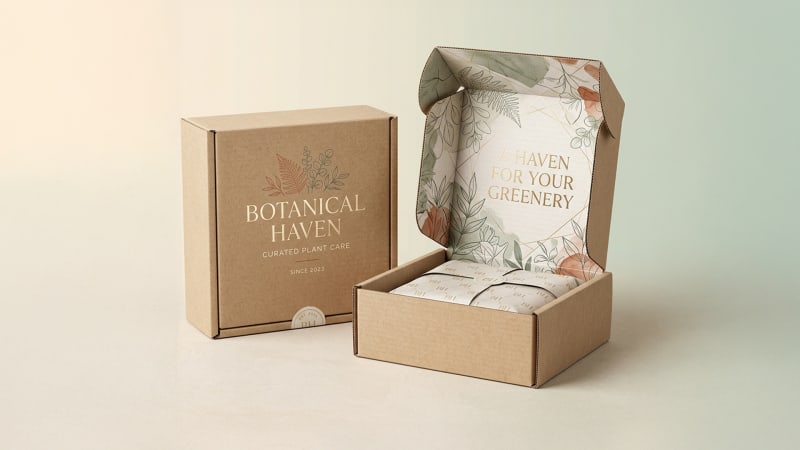
Custom printed mailer and shipping boxes. The exterior is brand space, so don't waste it on plain brown. Interior print for the unboxing moment.
Retail & wholesale
Retail-ready PDQ units. Display-front boxes. The corrugated format that takes a product from truck to shelf without a repacking step.
Food & beverage
Food-safe liners, moisture-resistant board options, custom inserts for bottles and jars. Heavy products need B or C-flute, and we spec that correctly first time.
Industrial & B2B
Plain brown RSCs at scale. Consistent dimensions, consistent strength, on-time. The packaging that keeps a supply chain running.
From roll of board to your warehouse
The corrugated supply chain.
01. Load spec
Product weight and fragility determine flute grade. We run a load calculation before speccing board so the box is neither over-engineered nor under-protected.
02. Print & laminate
For litho-lam: offset print flat sheets, laminate to corrugated. For flexo: direct print onto liners before board conversion.
03. Die-cut & flat-pack
Scored and cut flat, shipped to your facility. Erect-on-demand reduces warehouse space by 80% versus pre-assembled.
Questions, answered.
A fluted layer of paper sandwiched between flat liners, forming air columns that give the material its strength.
That structure is what separates it from solid paperboard. The flutes act as tiny arches, resisting compression far better than a solid sheet of the same weight. It is why shipping boxes are corrugated and cereal boxes are not. One needs strength, the other needs a smooth print surface.
They describe flute thickness and profile: E-flute is roughly 1.5mm, B-flute about 3mm, C-flute about 4mm, and A-flute about 5mm.
Counter-intuitively the letters do not run in size order, because they were assigned in the order the flutes were invented. E-flute is the retail and e-commerce standard, B and C are shipping grades, and double-wall combinations like BC pair two layers for heavy or export use.
ECT measures how much compression a board's edge withstands, and it predicts stacking strength, which is where most shipping damage actually comes from.
Boxes at the bottom of a pallet carry the column above them for days. Impact resistance matters less than most people assume, and sustained compression matters more. ECT has largely replaced the older Mullen burst test as the specification that reflects real distribution conditions.
E-flute for light retail goods, B-flute for heavier or fragile items, and double wall for heavy, export-bound or palletised loads.
Specifying up out of caution has a real cost: thicker board means a larger external box for the same contents, and dimensional weight pricing charges for that on every parcel. Testing to an ISTA protocol with the actual product is the way to find the right level rather than guessing.
Yes. Old corrugated containers are among the most successfully recovered materials in the waste stream.
What breaks it is contamination and lamination. Grease-soaked board is rejected because oil cannot be separated from fibre during repulping, and plastic-laminated board is a mixed-material item many streams will not take. Keeping board unlaminated and using water-based inks preserves recyclability.
An offset-printed paper sheet bonded to corrugated board, giving photographic print quality on a structural substrate.
Direct flexographic printing on corrugated is cheaper but coarser, suiting simpler graphics on kraft. Litho lamination is what makes full-colour retail-quality e-commerce boxes possible, and it is the standard for anything where the box is part of the brand experience rather than just protection.
Yes, and tape-free locking designs reuse far better than taped cartons.
A box that opens without a knife and closes without tape survives multiple cycles, which is why mailer-style constructions are used for returns and subscription round trips. Each reuse cycle does reduce strength somewhat, so boxes rated for repeated cycles should be specified for that duty explicitly.
Custom printed corrugated starts at 500 units, and production runs 7–10 business days.
Stock sizes are available in smaller quantities without printing. Custom dies carry a one-time charge that amortises across reorders, and at any real shipping volume the freight saving from right-sizing typically exceeds that charge within weeks.
Your brand deserves
better packaging.
Work one to one with a dedicated packaging manager, from first sketch to delivery.