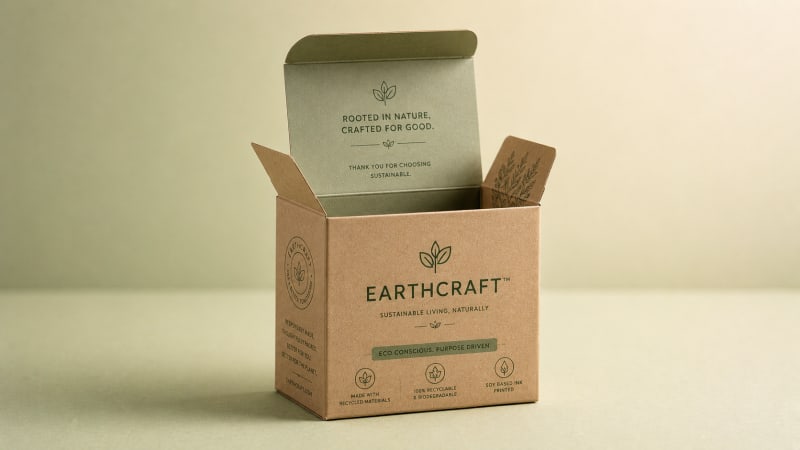
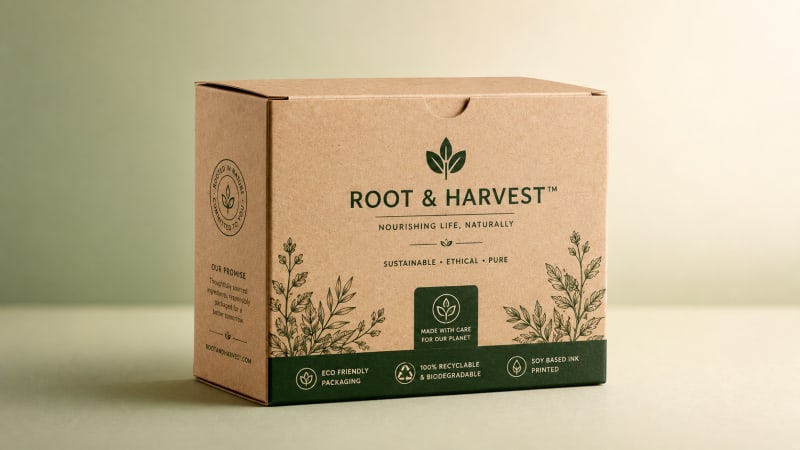
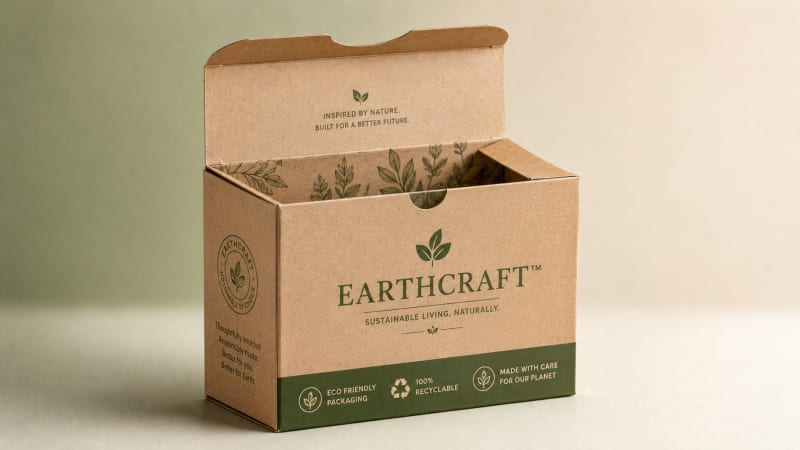
PremiumBespokeArtisanLuxuryCustom Kraft Boxes
Tell us about your boxes
Popular Custom Kraft Boxes
our brands keep reordering.
Hand-picked from our custom kraft boxes range. 2 styles, each built for a different job.

The box is the building.
Inserts are everything else.
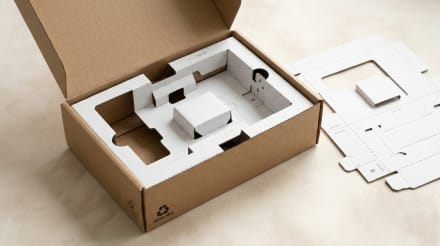
Furniture. Bodyguards. Stage crew. The unseen architecture that makes your product feel like it lives somewhere, not like it was just dropped in a box.
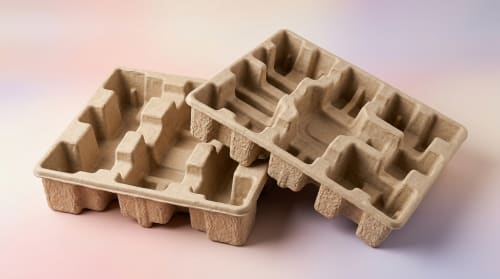
Molded Pulp Inserts
“Eco-friendly molded inserts for ”
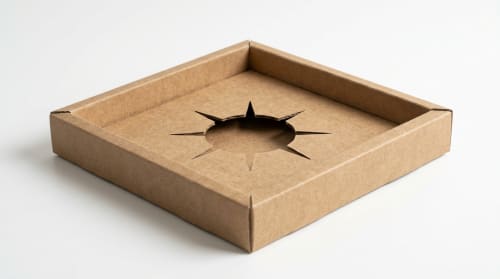
Paperboard Inserts
“Clean recyclable inserts for”
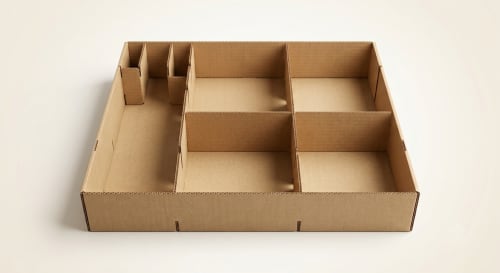
Corrugated Inserts
“Strong inserts for”
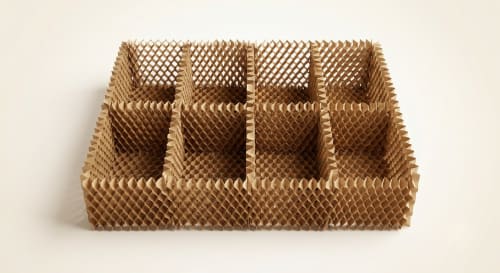
Honeycomb Paper Inserts
“Eco-friendly cushioning inserts for”
Every finish we offer on Kraft Boxes.
Materials, finishes and add-ons available for this range. Order any of them as a free sample before you commit to a run.
Materials
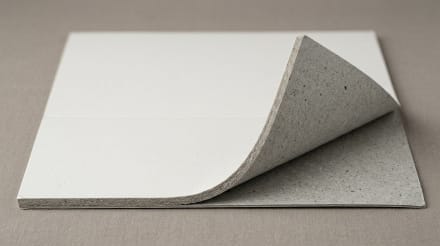
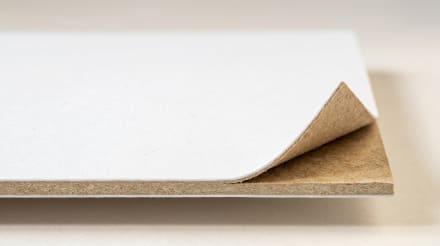
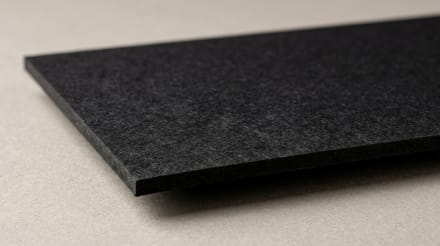
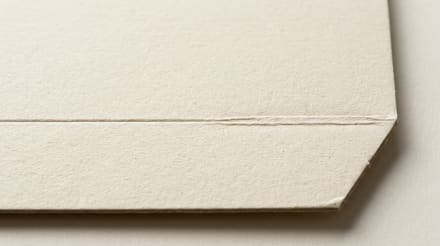
The board and film we build on
 ◷ ECO
◷ ECO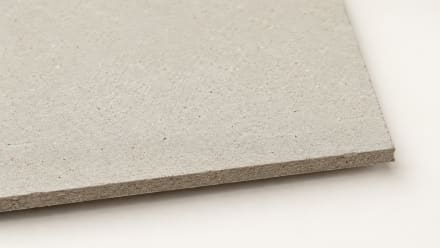
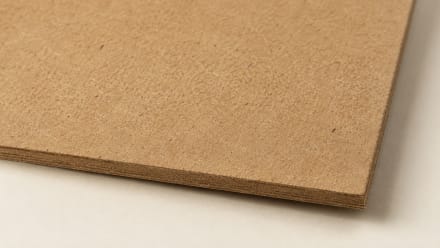
Finishes
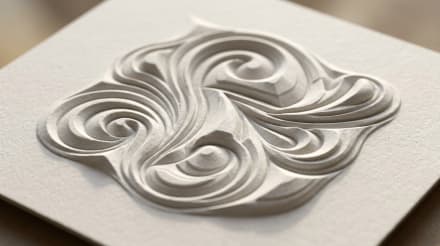
What the surface does in the light

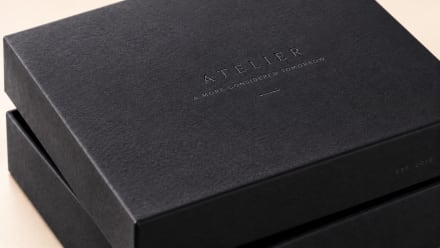

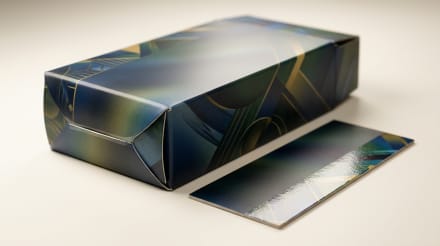
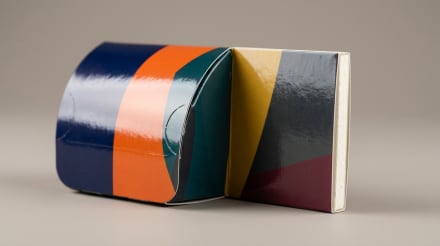
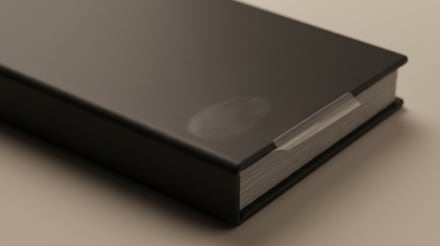
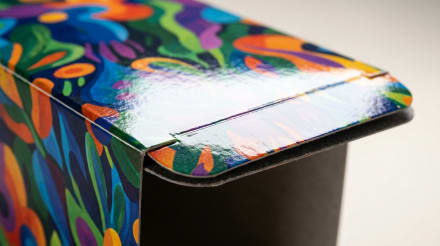
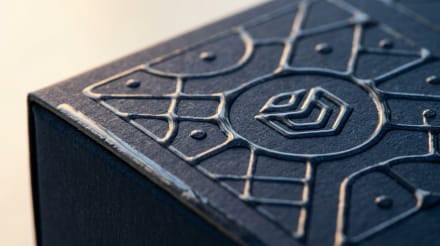
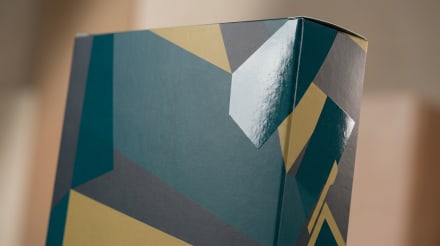
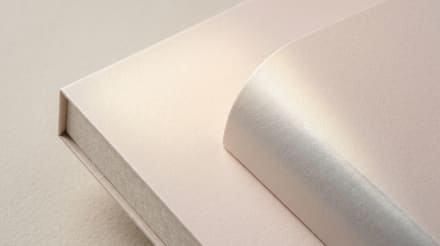
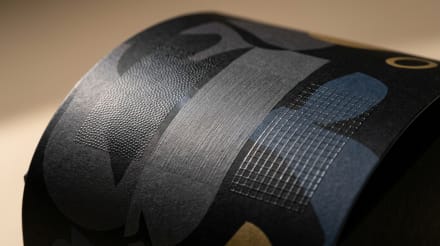
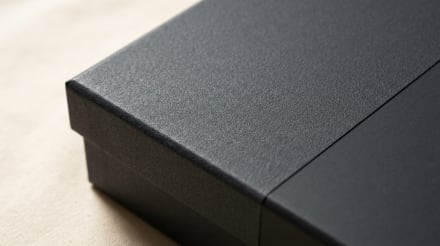
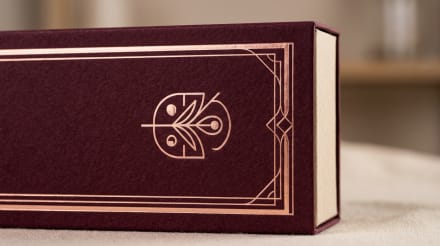
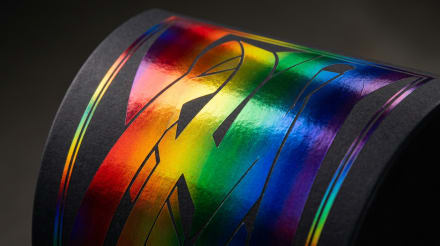
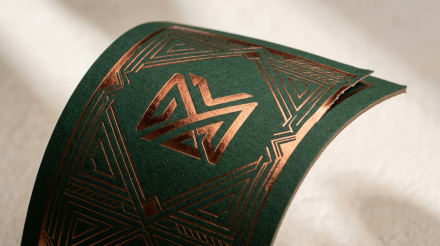
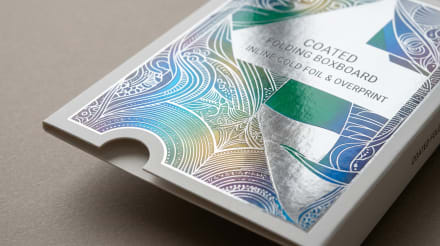

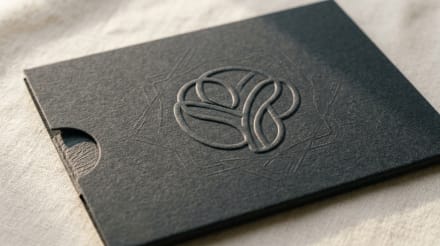
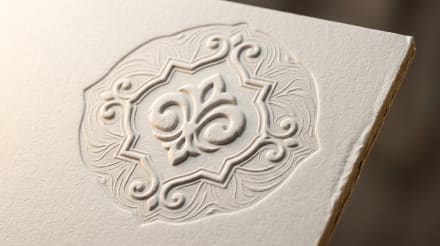

Add-ons
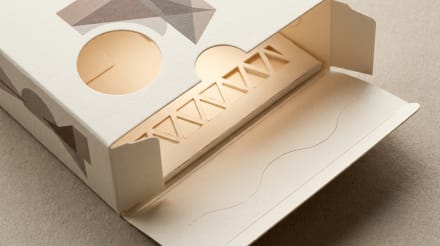
Closures, linings and the extra touches
The honest packaging for every honest brand.
Artisan Food Packaging
Bakery boxes, patisserie wrappers, farm-direct subscription cartons. The visual vocabulary of the made-with-care food brand.
Natural. Honest. Unforgettable.
Kraft packaging and the materials, finishes, and positioning behind the world's most recognisable sustainable brand aesthetic.
Why Kraft became the sustainability signal
One brown board. An entire brand language.
The uncoated surface tells the truth
Kraft board is the inverse of the glossy finished box, because it makes no attempt to hide what it's made of. That honesty resonates with consumers who've learned to distrust the veneer.
Letterpress on Kraft is art
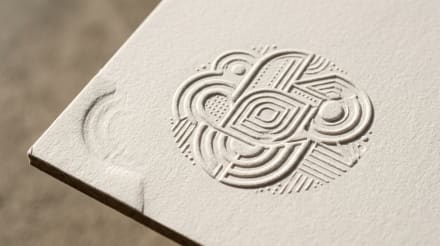
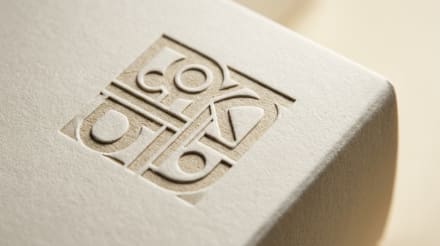
Deboss or letterpress on uncoated Kraft creates a print quality that feels entirely different from litho on gloss. The impression it leaves in the board, and on the customer, is permanent.
The sustainability story writes itself
Recycled options, soy ink, 100% recyclable, no plastic liners. Kraft packaging is the supply chain story that a growing segment of consumers actively seeks out and rewards.
Kraft grades and treatments
Not all Kraft is the same.
Virgin Kraft vs. recycled
Virgin Kraft (natural brown, consistent colour, high tear-resistance) for premium positioning. Recycled Kraft (flecked, varied tone) for a more artisanal, reclaimed aesthetic. Both fully recyclable.
Coated Kraft
A white clay coat on one side of Kraft board allows full-colour litho print on the printed face while retaining the natural Kraft look on the reverse. The best of both worlds.
Weight range
Kraft board from 250gsm (light folding carton) to 450gsm (heavy shipping box). Corrugated Kraft is available for transit applications in E, B, or C-flute.
Every Kraft structure
From label wrap to rigid case.
Tuck cartons
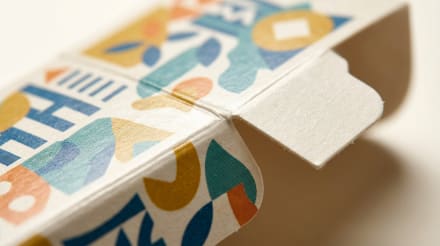
Standard Kraft tuck-end cartons for soap, candles, food, and supplements. Flexo-printed in up to 4 colours, or letterpress/debossed for premium brand expression.
Mailer boxes
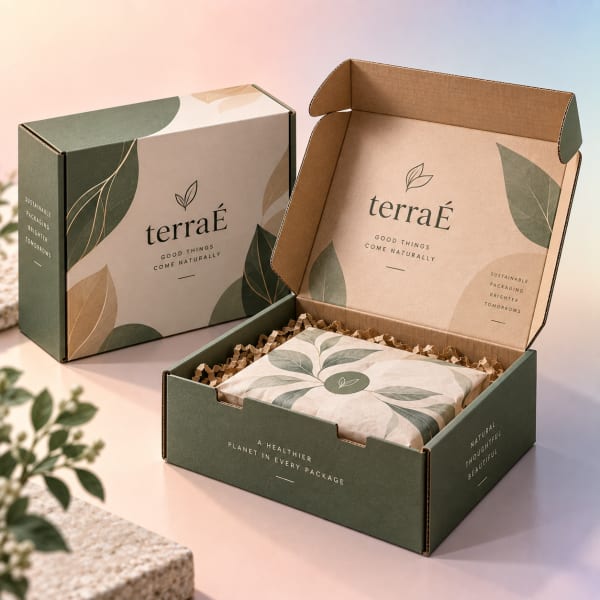
Corrugated Kraft mailers, supplied unprinted or custom-printed. The unboxing experience that says 'sustainable DTC' before the product is seen.
Rigid Kraft boxes
Kraft-wrapped rigid boxes for premium gifting. The visual contradiction of a structured, heavy box in natural brown Kraft is exactly the sophisticated aesthetic many premium brands seek.
The brands that choose Kraft
Every category where honesty is the strategy.
Artisan food & bakery
The patisserie box, the artisan chocolate wrapper, the farm-direct subscription. Kraft is the visual vocabulary of the made-with-care food brand.
Natural beauty & soap
Skincare and soap brands that lead with ingredients lead with Kraft. The board makes the 'nothing artificial' claim before the label is read.
Sustainable e-commerce
DTC brands whose supply chain story is the marketing. Kraft mailers, Kraft tissue and kraft tape build a fully committed sustainable unboxing experience.
Premium gifting
The sophistication of Kraft at rigid-box weight. A debossed logo, satin ribbon and foil block on natural brown read as minimal luxury.
From mill to market
The Kraft packaging supply chain.
01. Grade selection
We choose between virgin and recycled, coated and uncoated, based on the print requirement and brand aesthetic as much as the sustainability spec.
02. Print method
Letterpress, deboss, or flexo print for the uncoated Kraft aesthetic. Litho for full-colour on coated-one-side Kraft. We recommend based on your artwork.
03. Deliver & reorder
Flat-pack to your facility. Kraft reorders are the most consistent in our portfolio, with the same board lot, the same colour batch and the same result every time.
Questions, answered.
Unbleached paperboard made by the kraft pulping process, which keeps the fibres long and strong rather than bleaching them white.
Skipping the bleaching stage means less processing and gives kraft a genuine structural advantage: at the same caliper it is typically stiffer than bleached board. The brown colour is simply the natural fibre showing rather than a dye or coating.
It has real advantages, with no bleaching stage, high recyclability and composting in uncoated form, but brown does not automatically mean green.
A laminated kraft box is no more recyclable than a laminated white one. The claims that hold up are specific: recycled content percentage and unlaminated construction. Vague natural or eco language on a laminated box is exactly the pattern that draws greenwashing complaints.
You can print, but brown board shifts every colour and whites need a white underprint to exist at all.
Photographic reproduction is not viable. What kraft does well is one or two colours, bold marks, line work and typography. The style that grew out of that limitation now reads as intentional rather than economical, which is the format's commercial advantage.
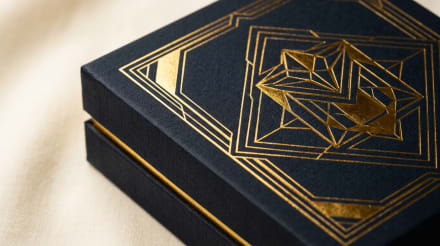
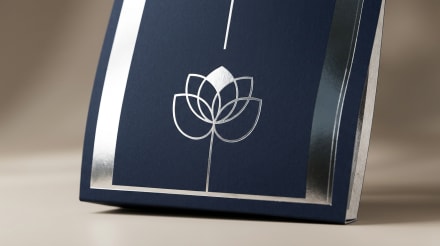
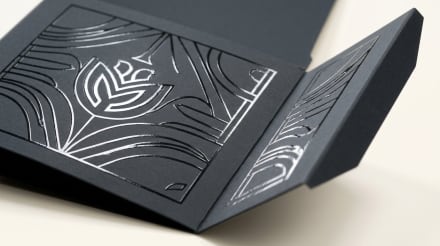
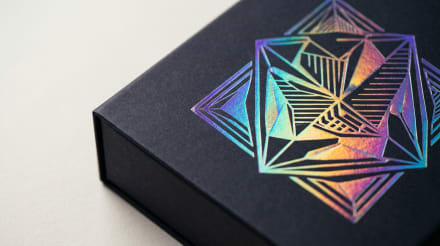
Foil stamping looks exceptional on brown board, and deboss works beautifully in uncoated fibre.
Aqueous coating protects without breaking a recyclability claim, which laminates do. Soft-touch and gloss laminates are available but sit awkwardly against the natural positioning most kraft buyers are after. Choose consistently rather than mixing a sustainability message with a plastic-laminated surface.
Slightly less. Each repulping cycle shortens the fibres, so recycled kraft is marginally less stiff at the same caliper.
The practical fix is stepping up one caliper grade, which usually costs less than the strength difference implies. Most kraft grades blend recycled and virgin fibre for exactly this reason. 100% recycled is available, and it gets specified where the claim matters more than the last increment of stiffness.
Only in grades specifically certified for food contact. Kraft is not automatically food-safe.
Food-contact kraft grades exist and are widely used for bags, boxes and wraps. Where grease is involved, the barrier method matters and should be PFAS-free given the growing list of state restrictions. Recycled content in direct food contact needs particular attention, since recovered fibre can carry contaminants.
Because natural fibre varies. Kraft board shade shifts between mills, batches and recycled content levels.
That variation is part of the material's character, but it matters if you reorder and expect an exact match. For brands where consistency is important, specifying a mill and grade rather than just kraft, and ordering enough for a season, avoids visible drift between production runs.
Custom printed kraft boxes start at 500 units, and production runs 7 to 10 business days.
Because one-colour printing and stamping work so well on kraft, many small brands start with stock kraft boxes plus a rubber stamp or a printed sticker. That gives them branded packaging at almost no commitment, and they move into printed stock as volume grows.
Your brand deserves
better packaging.
Work one to one with a dedicated packaging manager, from first sketch to delivery.