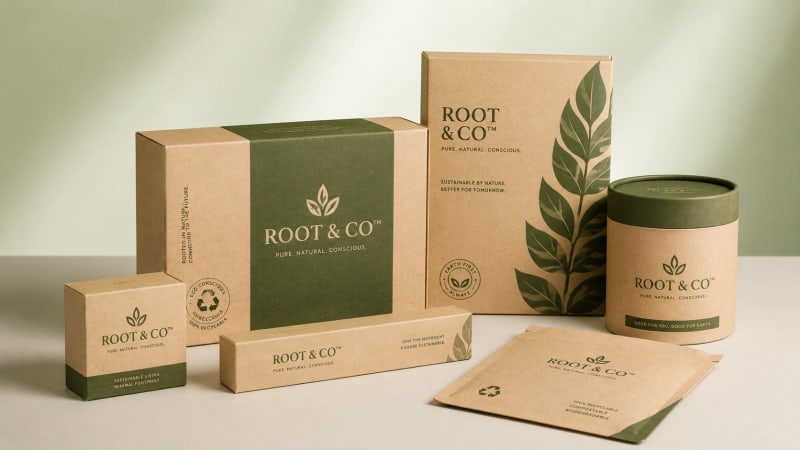
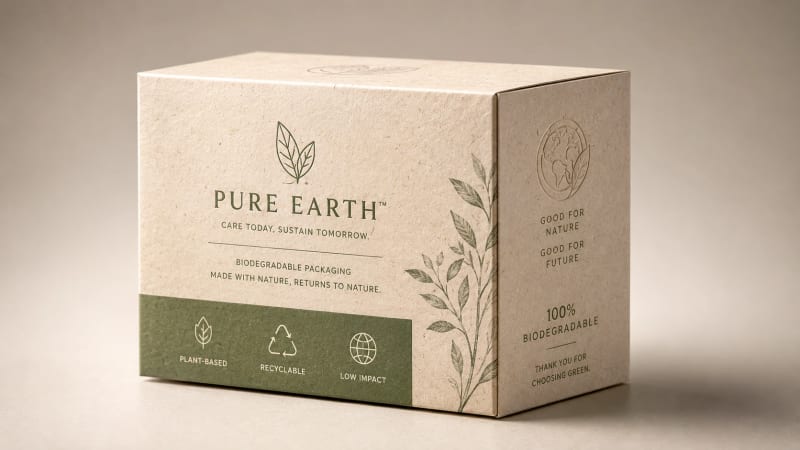
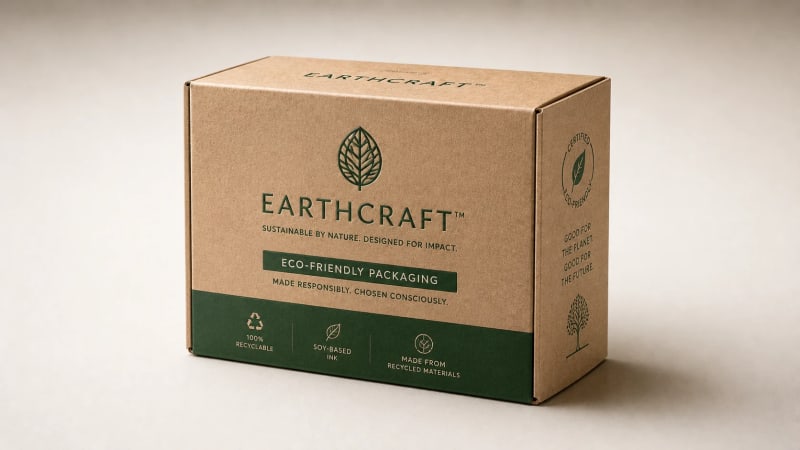
PremiumBespokeArtisanLuxurySustainable packaging
Tell us about your boxes
Popular Sustainable Packaging
our brands keep reordering.
Hand-picked from our sustainable packaging range. 1 style, each built for a different job.
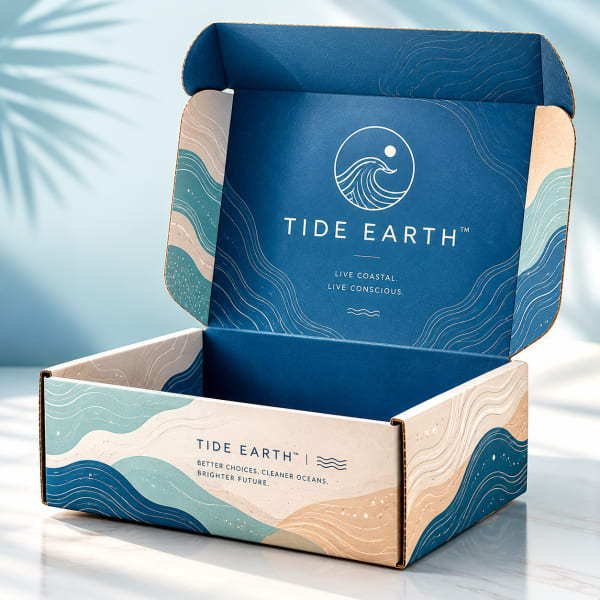
The box is the building.
Inserts are everything else.
Furniture. Bodyguards. Stage crew. The unseen architecture that makes your product feel like it lives somewhere, not like it was just dropped in a box.

Paperboard Inserts
“Clean recyclable inserts for”

Corrugated Inserts
“Strong inserts for”

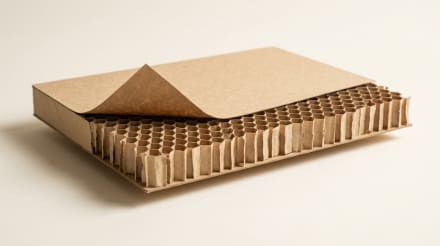
Honeycomb Paper Inserts
“Eco-friendly cushioning inserts for”
Every finish we offer on Sustainable Packaging.
Materials, finishes and add-ons available for this range. Order any of them as a free sample before you commit to a run.
Materials
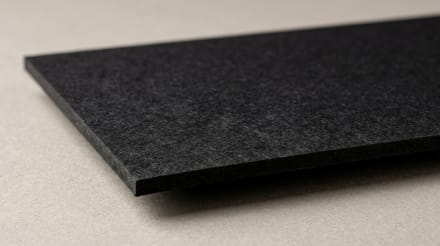
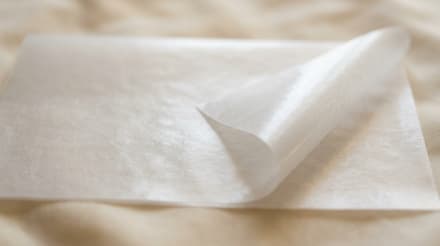
The board and film we build on
 ◷ ECO
◷ ECO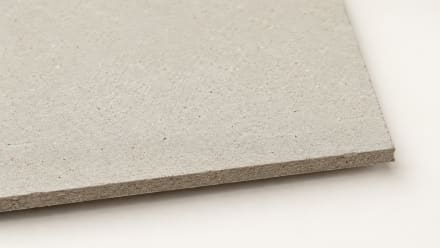





Finishes
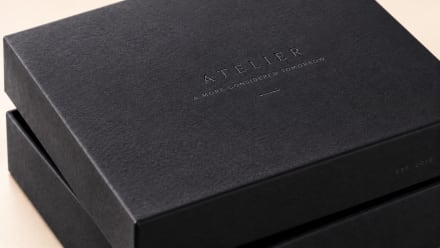
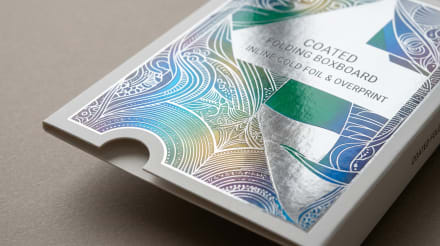
What the surface does in the light












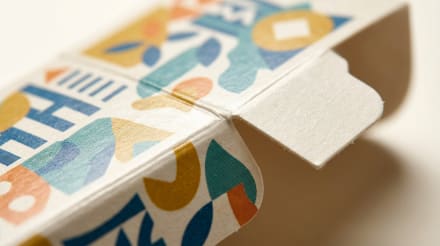
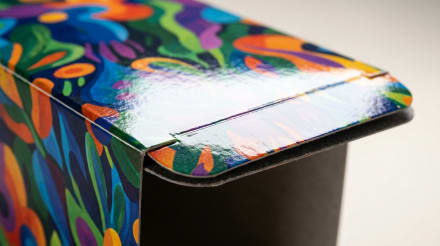



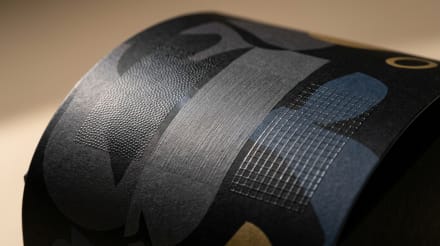


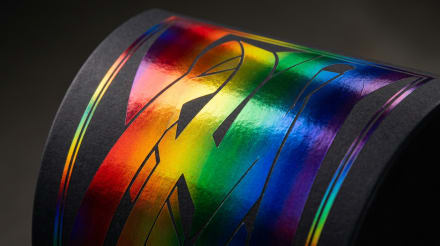







Add-ons
Closures, linings and the extra touches


For every brand whose values are non-negotiable.
Organic & Natural Brands Packaging
Recycled and recyclable packaging with soy inks, seed paper inserts, and recycled content stated as a percentage, so sustainability claims stay specific. The full system, not just the label.
Packaging that earns the sustainability claim.
Eco-friendly custom packaging in recycled, compostable, and plastic-free formats for brands whose values are non-negotiable.
Why sustainable packaging is now table stakes.
73% of US consumers prefer sustainable packaging. The question is no longer whether to switch but how.
Consumer demand is measurable and growing
A 2023 NielsenIQ study found that 73% of US consumers say they would definitely or probably change their purchasing habits to reduce environmental impact. Sustainable packaging is no longer a premium signal. It's a purchase requirement for a significant and growing share of the US consumer base.
The greenwashing trap
Brands that make sustainability claims without materials to back them up face increasing regulatory and consumer scrutiny. The FTC Green Guides require that environmental claims be specific, substantiated, and not misleading. We state recycled content as a percentage and supply the compostability details our materials carry, so the claims on your pack stay specific and accurate.
Performance is non-negotiable
Sustainable packaging must protect the product. A box made from recycled board that arrives crushed is a failed brief, both for sustainability and for the customer experience. Our structural engineers test sustainable materials to the same performance standards as conventional packaging. The sustainability is in the material and the certification, not in a compromise on function.
The material spectrum runs from virgin fibre to recycled and compostable.
Every sustainable option, with honest trade-offs.
Virgin fibre board
Standard paperboard made from new fibre gives the brightest print surface and the most consistent fold. It recycles in the paper stream like any other board, and it is the right choice when colour accuracy matters more than recycled content.
Recycled and post-consumer waste (PCW) board
Corrugated from 70–100% recycled content. Solid board with 30–60% PCW content. Greyboard (the core of rigid boxes) from 100% recycled wastepaper. These materials close the recycling loop, because your packaging is itself made from packaging that was previously recycled. The limitation: recycled board can have surface variation that affects print quality; we guide clients on design approaches that work with rather than against this.
Compostable and biodegradable alternatives
Compostable mailer bags from PBAT and PLA blends, certified to ASTM D6400 (US industrial compost standard). Seed paper for inserts and cards is embedded with wildflower seeds, so the card becomes a garden when planted. Soy and water-based inks across all formats. These are the certifiable sustainability claims that withstand regulatory scrutiny.
Every packaging format in sustainable materials.
The same formats in different materials, with no compromise.
Rigid boxes in recycled board
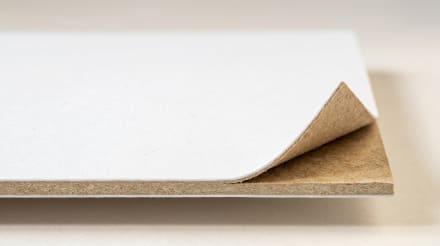
Two-piece lid-and-base and magnetic-close rigid boxes constructed from recycled greyboard wrapped in recyclable art paper. Soft-touch water-based lamination instead of solvent-based. The box performs identically to conventional rigid, with the same structural strength and print quality plus verifiable recycled content.
Corrugated and mailer in recycled E-flute
Custom mailer boxes and corrugated shippers from 70–100% recycled E-flute. Full-colour water-based ink print. Auto-bottom lock, no additional tape required. The mailer that survives carrier transit and arrives with a sustainability credential the customer can verify.
Paper bags and carriers in kraft
Natural and white kraft bags. Cotton or paper rope handles rather than plastic. Soy ink print in up to four colours. The format that 68% of US consumers recycle without additional instruction, because it looks and feels like the recyclable paper it is.
The brands leading sustainable packaging adoption.
Organic, DTC, beauty, and food.
Organic and natural brands
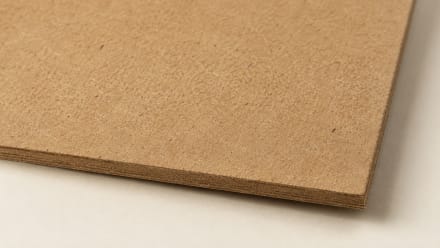
The packaging must match the product's values claim. An organic skincare brand in a conventional plastic-laminated box creates cognitive dissonance at the moment of purchase. Kraft board, water-based inks, seed paper inserts, and a QR code linking to supply chain documentation make up the full system that substantiates the organic claim.
DTC and e-commerce
The DTC channel is the highest-impact sustainable packaging opportunity, because every box is seen by exactly one customer in exactly one unboxing moment. A recycled mailer box with a sustainability message inside costs the same as a conventional box but creates a brand story. Customers share it. It becomes content.
Cosmetics and beauty
The beauty industry generates 120 billion units of packaging annually, the majority non-recyclable. Brands that transition to recycled, plastic-free, water-based finishes have a genuine differentiation story in a crowded market. Certifications become marketing assets.
Food and beverage
The food channel has the fastest adoption of sustainable packaging in the US market, across compostable food packaging, seed paper inserts and recycled corrugated shippers. Consumer expectation and retailer mandates (Target, Whole Foods, and others have packaging sustainability requirements for suppliers) are accelerating the transition.
Questions, answered.
Nothing specific on its own, which is why the useful conversation is about precise claims rather than the general term.
Recyclable, recycled content, compostable, biodegradable and plastic-free all mean different things, and using them interchangeably is how brands end up facing greenwashing complaints. A defensible claim is specific: 100% recycled corrugated, unlaminated, recyclable in standard kerbside collection.
Recyclable describes where the packaging can go afterwards. Recycled content describes what went into making it.
A package can be one without the other. For recycled content, post-consumer waste is the meaningful figure, as distinct from pre-consumer mill scrap, and you should state the percentage rather than claim recycled in general.
Not automatically. Recyclable paper has established infrastructure, and compostable packaging often does not.
Industrially compostable materials require commercial facilities reaching sustained high temperatures, which most consumers cannot access, so in practice much of it goes to landfill. Home compostable is a stricter and more useful certification. Where paper recycling works well, keeping packaging in that stream is usually the more reliable outcome.
Right-sizing, removing laminates, and increasing post-consumer recycled content. All three are unglamorous and all three are reliable.
Right-sizing cuts material and freight at the same time. Removing plastic lamination keeps paper recyclable. Higher recycled content reduces virgin fibre demand. These deliver more measurable improvement than novel bio-materials, and they usually cost less rather than more.
As a stated percentage of post-consumer content.
A specific figure, such as 70% post-consumer fibre, is a claim a buyer or a retailer can check, where loose words like eco-friendly are not. We state the recycled content of the board we quote, so the claim printed on your pack matches the material inside it.
Often yes, with honest trade-offs on barrier performance.
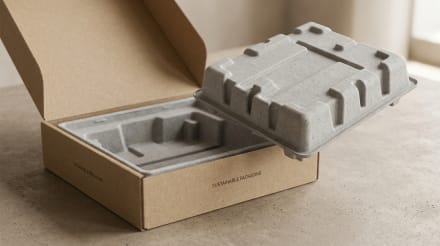
Moulded pulp replaces foam inserts effectively. Paper-padded mailers replace bubble mailers with some loss of cushioning. Where plastic is genuinely hard to replace is high-barrier work, such as extended shelf life for food or moisture-sensitive products, because fibre-based barriers do not yet match film performance. Measure rather than assume.
Make specific, verifiable claims and match the specification to them.
Say what the material is, what percentage is recycled, which certification applies, and how to dispose of it in the customer's actual waste system. Avoid vague terms like eco-friendly and green with nothing behind them. Where a claim only holds under certain conditions, industrial composting for example, say so plainly.
Sometimes, but the most effective measures usually cost less.
Right-sizing reduces both material and freight. Removing lamination removes a process step. Recycled content is often price-competitive with virgin. The options that genuinely cost more are certified compostable films and novel bio-materials, which is why starting with the plain measures gives the best return on both cost and impact.
Your brand deserves
better packaging.
Work one to one with a dedicated packaging manager, from first sketch to delivery.