PremiumBespokeArtisanLuxuryBeverage, Wine, Liquor Packaging
Tell us about your boxes
Popular Beverage, Wine, Liquor Packaging
our brands keep reordering.
Hand-picked from our beverage, wine, liquor packaging range. 2 styles, each built for a different job.
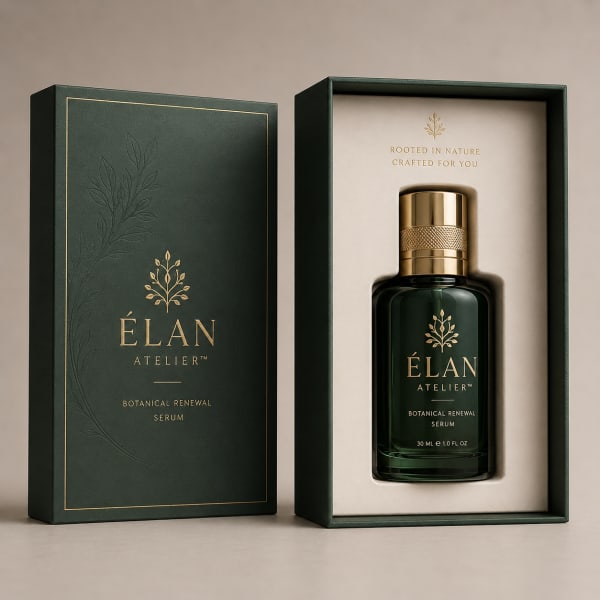
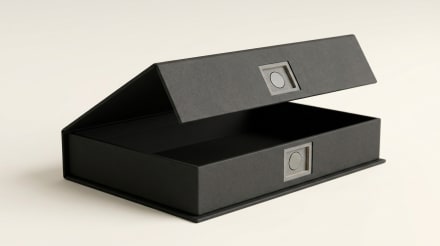
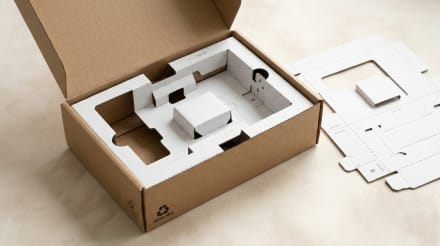
The box is the building.
Inserts are everything else.
Furniture. Bodyguards. Stage crew. The unseen architecture that makes your product feel like it lives somewhere, not like it was just dropped in a box.

Every finish we offer on Beverage, Wine, Liquor Packaging.
Materials, finishes and add-ons available for this range. Order any of them as a free sample before you commit to a run.
Materials
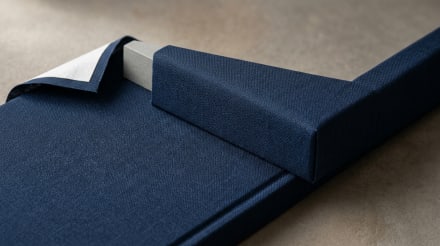
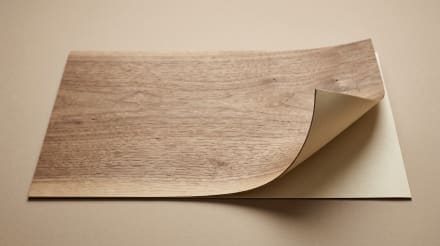
The board and film we build on



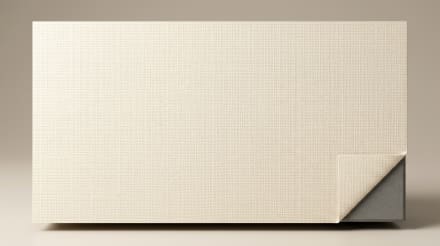
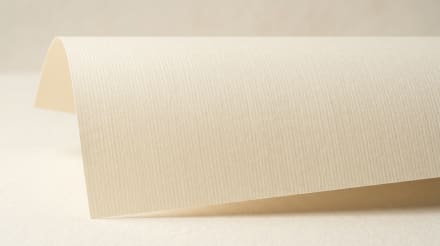

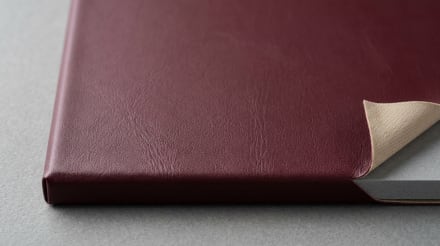
Finishes
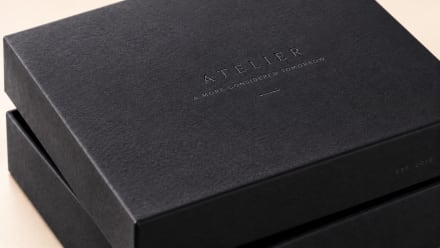
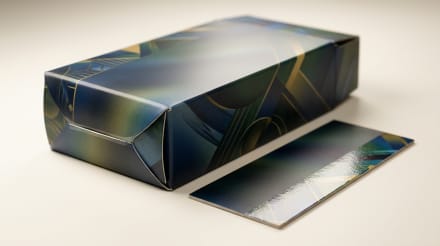
What the surface does in the light

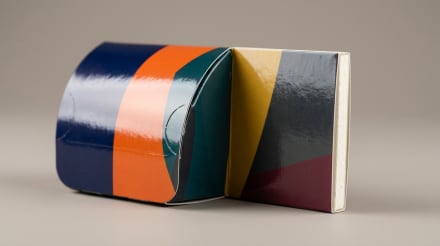

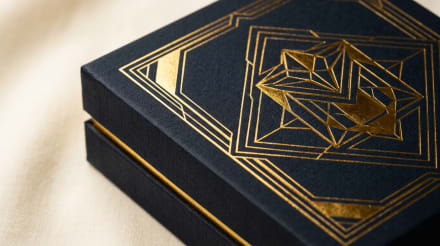
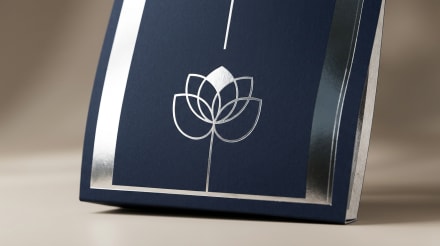
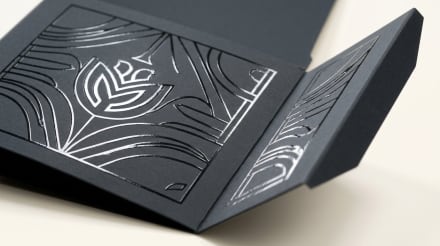
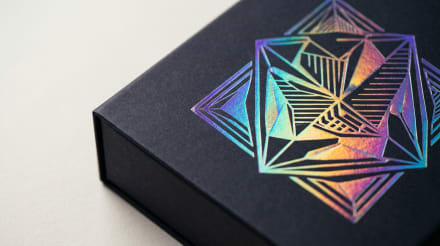


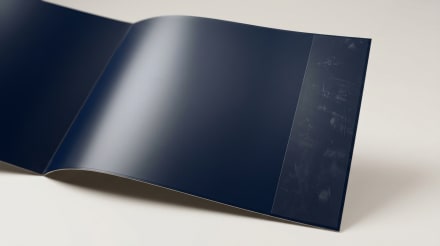
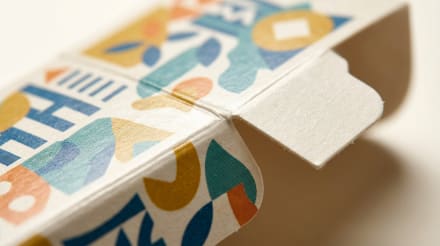
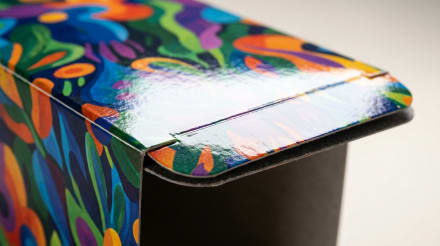

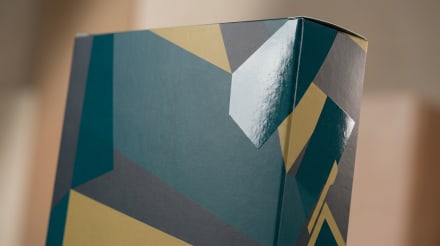
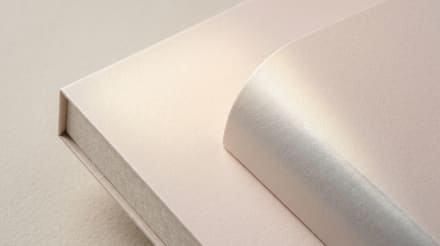
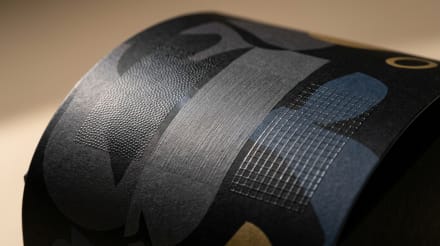
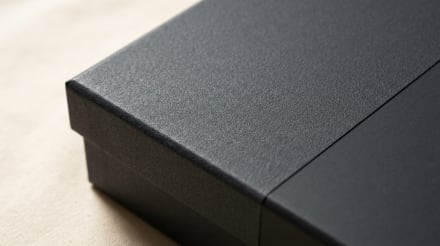
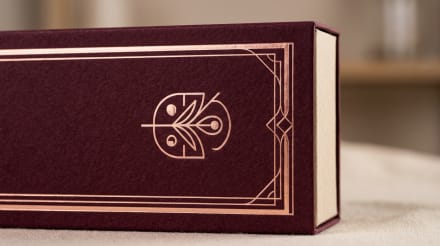
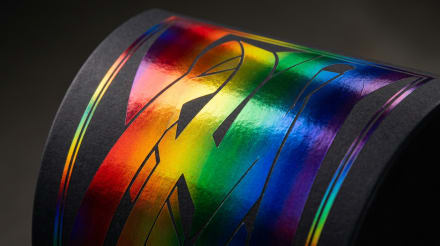
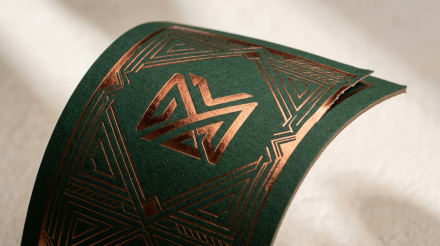





Add-ons
Closures, linings and the extra touches


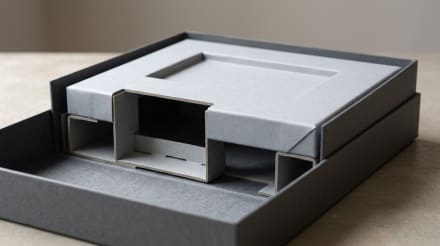
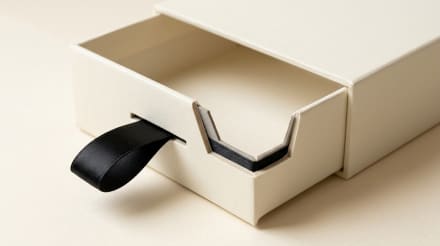
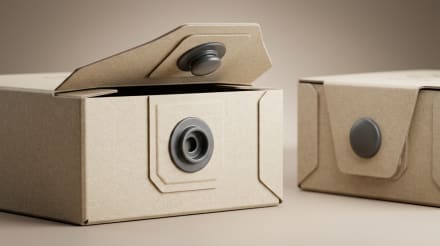
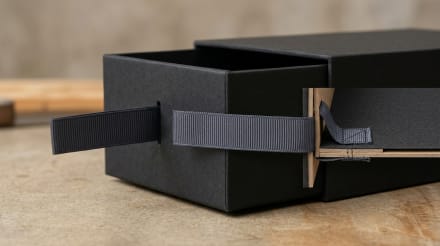
Every bottle that deserves a box.
Wine & Champagne Packaging
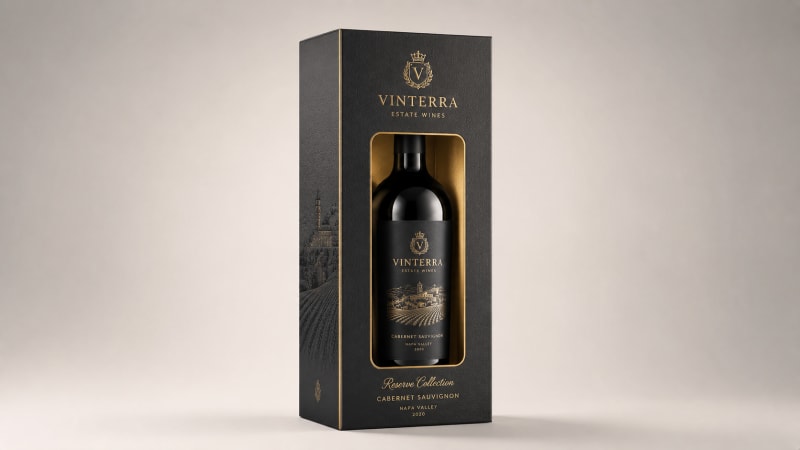
Single and double-bottle rigid gift boxes with magnetic closure, ribbon pull, and custom interior cradle. Tissue-lined, with a hot foil logo and full exterior CMYK, it turns a wine purchase into a gifting moment.
The bottle is the product. The box is the brand.
Custom beverage, wine, and liquor packaging, from the carrier and gift box to the retail structure that sells the bottle.
Why premium spirits live or die by their packaging.
55% of gifted spirits are purchased because of the packaging. Not the spirit inside.
The shelf decision is made in 3 seconds
In a spirits aisle with hundreds of bottles, the packaging is the product. A rigid gift box, a foil-stamped tube or a two-bottle carrier creates a visual hierarchy on the shelf that moves product before a label is read. The bottle inside sells the second time; the packaging sells the first.
Gifting is the spirits category engine
The spirits, wine, and craft beverage category is gifting-driven. Deloitte research shows that 55% of premium spirits purchases are gifting occasions. The package needs to be ready to give, with no additional wrapping and no assembly. This is why single-bottle rigid gift boxes with magnetic closure are the fastest-growing format in the spirits gifting segment.
Craft beverage differentiation
The craft beer, cider, and non-alcoholic beverage category has no legacy brand equity, so the brand is built entirely through label and packaging design. A distinctive carrier format, a bold label, or a limited-edition gift pack can move a craft product from specialty store to mainstream shelf in a single season.
Rigid board, corrugated, and velvet-lined interiors.
Every material in spirits packaging communicates a price point.
Rigid board gift boxes
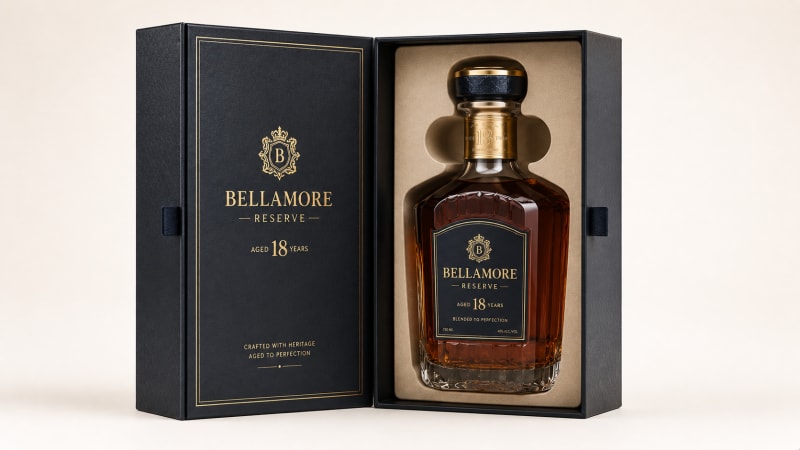
2mm greyboard wrapped in printed art paper is the format for single-bottle luxury spirits gift packaging. Magnetic close, ribbon pull, custom foam or cardboard insert that cradles the bottle at the base and suspends it centered in the box. Soft-touch lamination, hot foil logo, and embossed brand name are the standard finish for this category.
Corrugated shipper and retail box
E-flute corrugated for spirits that ship direct-to-consumer, structurally engineered to survive carrier handling with a bottle inside. Full-colour print exterior for retail presence, functional internal insert that holds the bottle and prevents breakage. The format that serves both retail display and e-commerce fulfilment.
Velvet and foam interior engineering
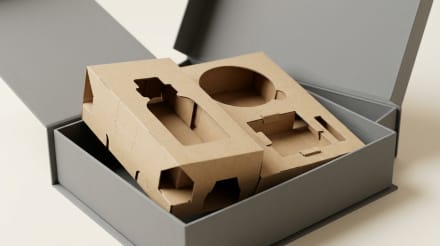
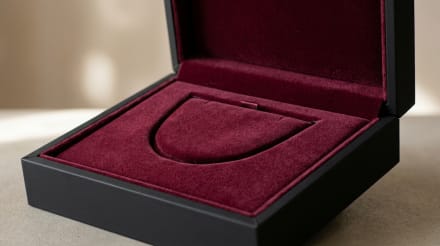
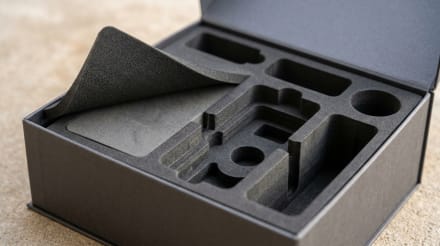
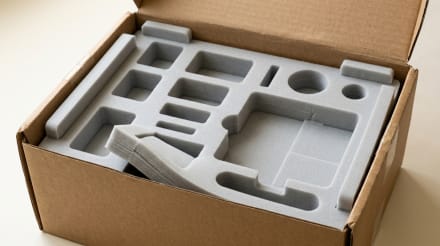
The interior of a spirits gift box is the second impression. A bottle cradle in matching velvet, a foam insert die-cut to the bottle silhouette and a printed interior panel visible when the box opens are the details that make the gift feel expensive. Custom insert engineering for any bottle dimension.
Single bottle, multi-pack, and gift sets.
Every configuration the beverage category ships.
Single-bottle gift box
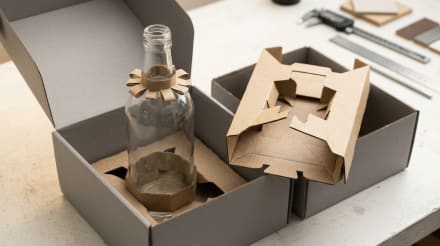
The most ordered format, built from rigid board with a magnetic close, foam or card insert and full exterior print. Available for standard 750ml wine, 700ml spirits, 330ml craft beer, and custom dimensions. Insert engineering accommodates bottle shoulder height, cap type, and label position to avoid contact damage.
Multi-bottle and gift set formats
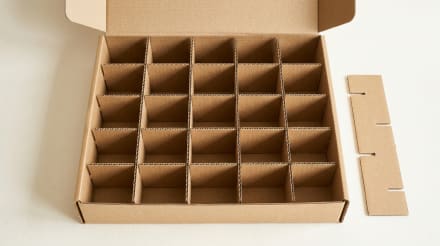
Two-bottle wine carriers with central divider. Three-bottle whiskey gift sets with velvet insert and removable tray. Six-pack craft beer gift carriers. The multi-bottle format needs to balance structural integrity (the bottles cannot move or contact each other) with premium presentation.
Tube packaging for spirits
Single malt tubes, gin tubes, and limited-edition spirit tubes. Spiral-wound kraft core with printed outer wrap, metal end cap (standard for premium spirits), friction-fit base. The format stands vertically on retail shelves and in home bars, so the brand stays on display long after purchase.
Wine, spirits, craft beer, and non-alcoholic.
Every beverage format, one packaging partner.
Wine & champagne
Single and double-bottle rigid gift boxes, corrugated retail cases, tissue-lined carriers. The wine gifting category lives on premium presentation. A magnetic-close gift box with a ribbon pull and hot foil label turns a $30 bottle into a $60 gifting moment.
Spirits & whiskey
Single-malt tubes, gift rigid boxes, limited-edition seasonal formats. The spirits category has the highest packaging premium in beverage. Consumers expect, and willingly pay for, packaging that communicates quality before the cap is opened.
Craft beer & cider
Six-pack gift carriers, four-can gift tins, single-can premium packaging, seasonal gift packs. Craft beverage brands build their entire identity through packaging, since a distinctive format and bold print are the main brand-building tools available without legacy awareness.
Non-alcoholic & premium soft drinks
Premium mixers, artisan sodas, and wellness beverages packaged for gifting and retail premium positioning. The category is growing at 18% annually. Packaging that signals premium and health-conscious at the same time, through clean design, sustainable board and minimal structure.
Questions, answered.
A standard 750ml Bordeaux bottle is about 3 inches in diameter and 12 inches tall, and most wine packaging is sized from that.
The variations matter: Burgundy bottles are wider at the shoulder and will not fit a Bordeaux-sized box, and sparkling wine bottles are heavier with thicker walls. Confirm the bottle shape before sizing, because this is the most common cause of a wine carton that does not close.
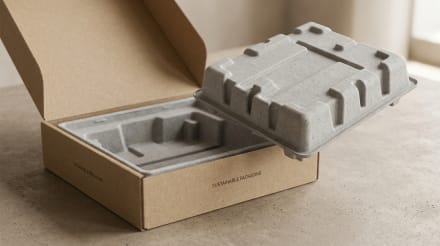
With a suspension insert in moulded pulp or corrugated that holds the bottle at the neck and base so its body touches nothing.
The shoulder and body are the vulnerable areas, and any contact point transfers impact. Multi-bottle shippers use cell dividers for the same reason. Breakage is expensive beyond the bottle itself, because a broken bottle ruins everything shipped alongside it.
In the US, a TTB Certificate of Label Approval is required for most wines, covering brand name, class or type, alcohol content, net contents, bottler details, the government warning and sulfite declaration where applicable.
Vintage, varietal and appellation claims each carry their own percentage thresholds. The COLA process takes time, so label artwork needs finalising well ahead of bottling. That timing is the detail that catches new producers out.
Because bottles are filled cold, stored in humid cellars and served from ice buckets, and all three make ordinary label paper bubble and peel.
Wet-strength facestock and moisture-resistant adhesive are essential rather than optional for anything destined for chilled service. Textured and felt-finish papers give the tactile quality the category expects, and specifying them in wet-strength grades gets both.
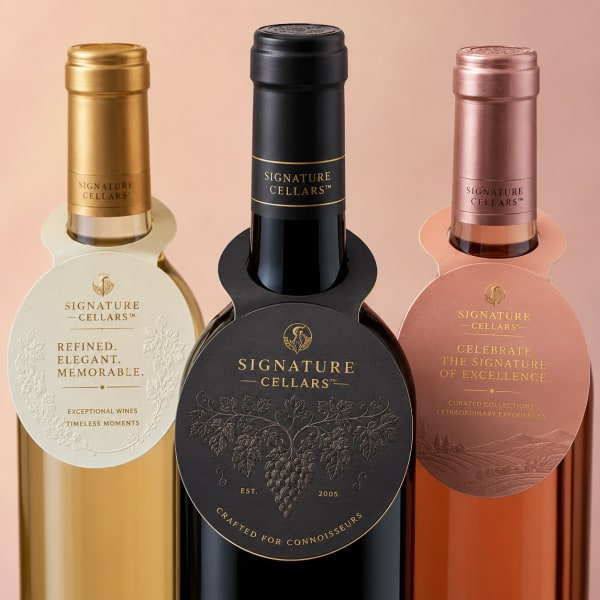
A die-cut card that slips over a bottle's neck carrying a recipe, an award, a promotion or a cross-sell. It works because it sits at the point of decision.
The aperture geometry is what makes or breaks it: it must clear the closure and then grip the narrower neck without sliding down over the label. Keyhole and slotted apertures handle wide spirits caps. Always fit a sample to the real bottle before ordering.
Yes, but wood packaging crossing borders requires ISPM 15 heat treatment and marking.
That is a phytosanitary requirement aimed at preventing pest transfer, and untreated wood packaging can be refused at the border. It catches exporters out regularly, because the requirement attaches to the packaging rather than the product, and a compliant wine can still be turned back for its crate.
Rigid presentation boxes with a fitted platform, or the shoulder-box construction fragrance uses.
Premium spirits packaging borrows heavily from fragrance because both sell a heavy glass object at a price where the presentation carries real weight. The platform should hold the bottle centred with no load on the cap, and the box needs sizing to the actual bottle including its closure rather than to a nominal volume.
500 units for printed cartons and 1,000 for labels on flexographic runs, with 7–10 business days production.
Digital label printing has much lower minimums, which suits small-batch producers and single-vintage runs. For shippers and gift boxes, tooling charges apply on first orders and amortise across reorders, so the effective cost falls considerably for repeat production.
Your brand deserves
better packaging.
Work one to one with a dedicated packaging manager, from first sketch to delivery.