PremiumBespokeArtisanLuxuryPrinted Paper Packaging
Tell us about your boxes
Popular Printed Paper Packaging
our brands keep reordering.
Hand-picked from our printed paper packaging range. 3 styles, each built for a different job.
The box is the building.
Inserts are everything else.
Furniture. Bodyguards. Stage crew. The unseen architecture that makes your product feel like it lives somewhere, not like it was just dropped in a box.
Paperboard Inserts
“Engineered paper architecture. Folds, locks, and reveals.”
Foam Inserts
“Soft armor that fits like a glove. Protection without weight.”
Molded Pulp Inserts
“Custom-shaped cradles for products of any silhouette.”
Velvet & Luxury Inserts
“Touch is the unsung sense. Make every reach into the box feel chosen.”
Bottle & Jar Inserts
“Hold the unholdable. Round things, fragile things, things that mustn't spill.”
Eco Inserts
“Plant-based, plastic-free, planet-positive. Compost-ready protection.”
Flexible Protection Inserts
“The unsung heroes of shipping. Soft cushioning that travels well.”
Marketing & Welcome Inserts
“The story slid in beside the product. Printed conversation starters.”
Every finish we offer on Printed Paper Packaging.
Materials, finishes and add-ons available for this range. Order any of them as a free sample before you commit to a run.
Materials
The board and film we build on
 ◷ ECO
◷ ECO

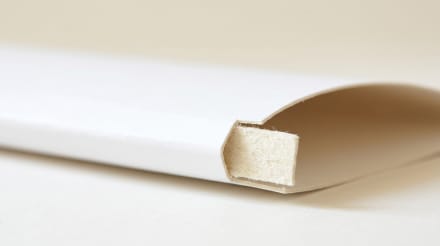
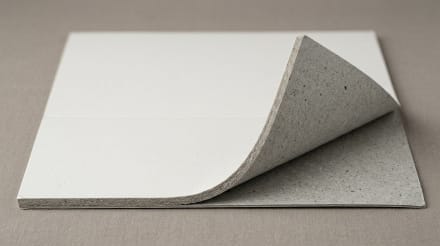
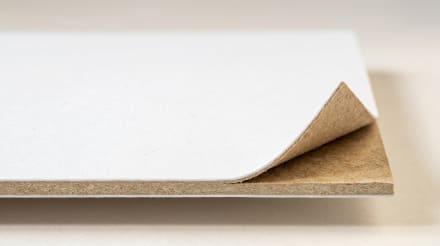
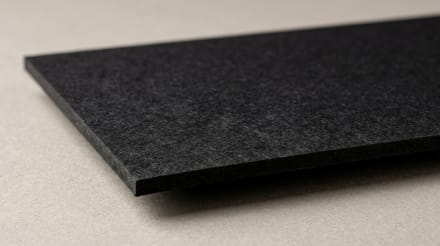

Finishes
What the surface does in the light

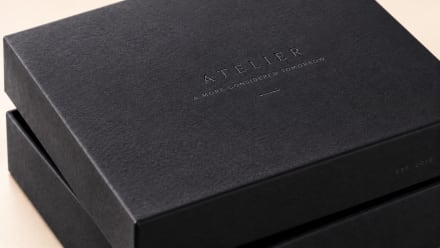

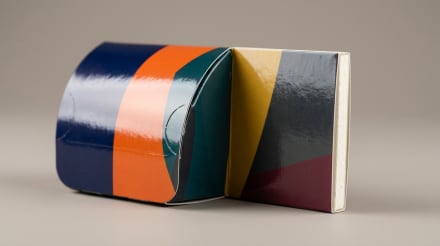

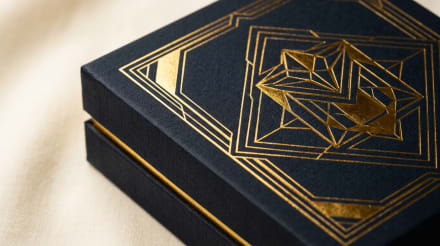

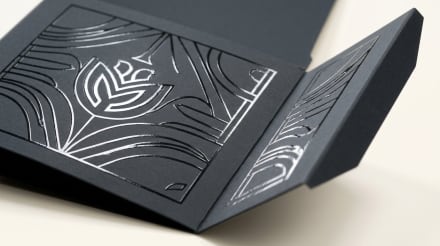
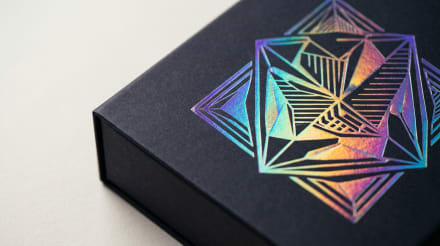

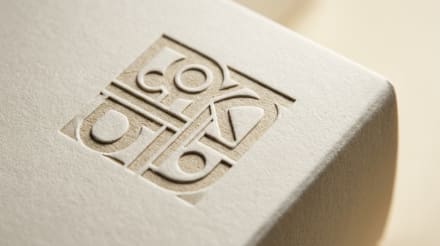
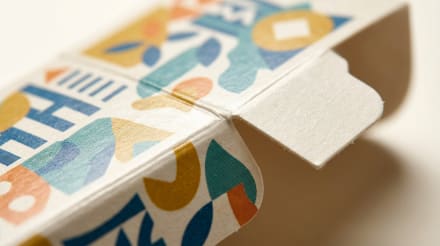
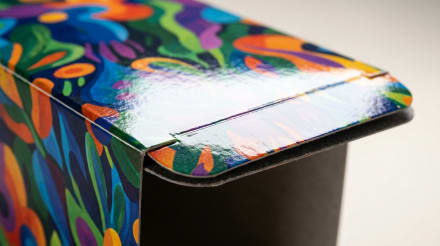


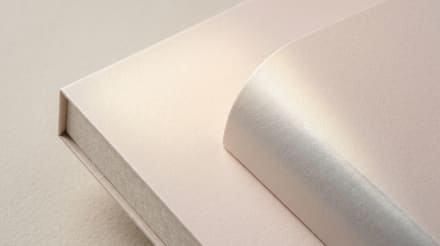
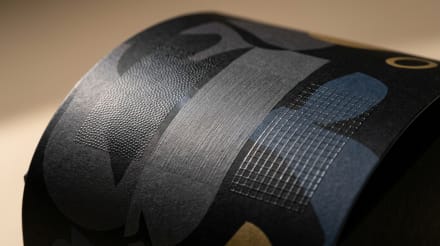
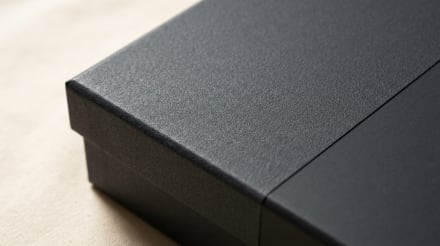
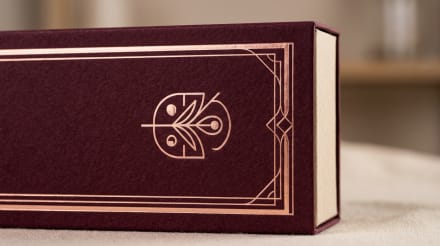
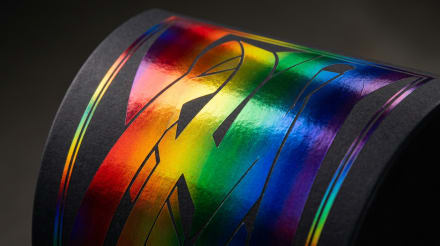
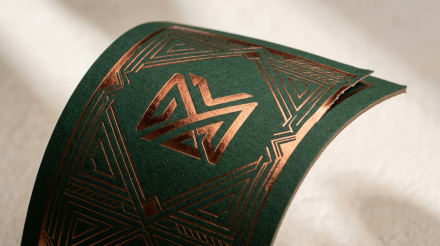
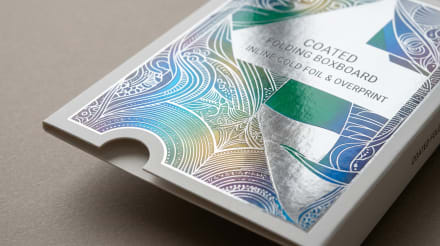





Add-ons
Closures, linings and the extra touches
For every brand that considers what's inside the box.
E-commerce & DTC Packaging
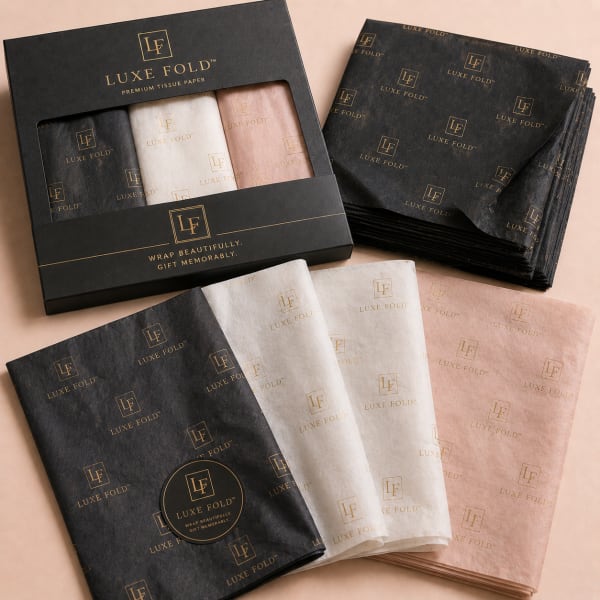
Custom tissue paper in brand colour for product wrap inside mailer boxes. The organic reach driver, since it is the surface that appears in every unboxing photograph without a media budget.
The layer between product and customer.
Custom printed paper packaging, from tissue paper and kraft sheets to wrapping paper and paper fill, that brands every unwrapping moment.
Why printed paper is the highest-ROI brand layer.
The unwrapping moment is the brand moment, and paper is the medium.
The reveal layer
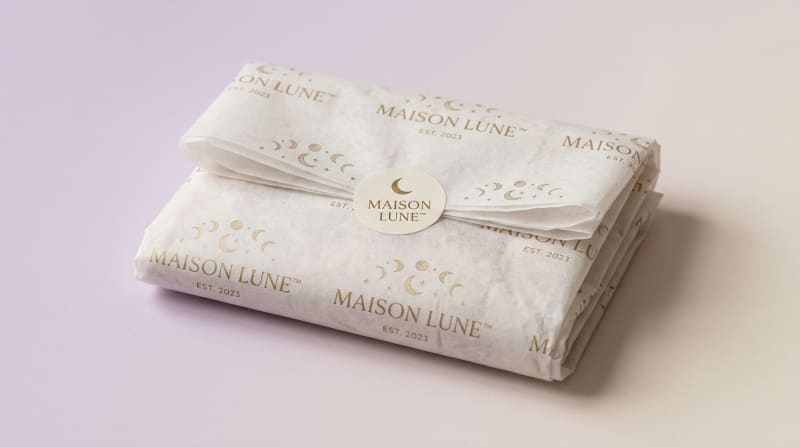
Before the product is seen, the tissue is moved. Before the product is touched, the wrapping is unfolded. Custom-printed paper, as tissue wrap inside a box, a kraft sheet on a retail counter, or full wrapping paper on a gift, is the transitional brand moment between packaging exterior and product contact. This layer is often white or generic; it should never be.
The photography surface
Unboxing content is the dominant format in e-commerce brand marketing. The tissue paper, the kraft wrap, and the printed paper fill are the surfaces that appear in unboxing photographs. A brand's signature colour on tissue paper appears in more organic social content than any paid placement. This is measurable, free reach.
Sustainable paper packaging leads recycling rates
Paper packaging achieves the highest consumer recycling rate of any packaging material, at 68% in the US compared to 29% for plastics. Custom-printed paper packaging made from recyclable fibres with soy-based inks is among the most sustainable packaging investments a brand can make.
Tissue, kraft, and specialty wrapping stocks.
Each paper type serves a different brand moment.
Tissue paper
17–25gsm acid-free tissue in any Pantone colour, with custom print in up to four spot colours or full CMYK. The lightest paper packaging, used as interior box wrap, product liner, and reveal layer. Custom tissue is the most-ordered printed paper format in the US e-commerce packaging market. It weighs almost nothing and adds significant brand value.
Kraft and MG paper
40–90gsm natural or white kraft sheets. Counter wrap for food service and butcher, retail product wrap, and interior boxing liner. MG (machine-glazed) kraft has a smooth glossy side for print and a raw natural side for contact, which makes it the format for wrapping products that need both brand presentation and product protection.
Specialty wrapping stocks
Pearlescent, metallic, and textured wrapping paper for retail gifting. Two-sided print options. Rolls for counter wrapping stations; sheets pre-cut for specific product sizes; fan-fold for automated wrapping lines. Custom sizing from 20"×30" sheets to continuous roll at any width.
Custom print, custom size, custom colour.
Every paper format to brand specification.
Print options
Flexo print in one to six spot colours for high-volume tissue and kraft runs. Litho print for premium tissue and wrapping paper with photography-quality reproduction. Digital print for short-run personalised tissue, where a customer's name or order number is achievable from 100 sheets.
Size and format
Standard tissue sheet (20"×30") · custom cut to any dimension · continuous roll for wrapping machines · fan-fold for automated line integration · pre-scored fold for manual wrapping stations. Kraft and wrapping paper in standard retail sizes or custom-specified for specific product dimensions.
Colour matching and brand consistency
Pantone colour matching for brand-critical colours. Colour proofing before production run for client approval. Consistent colour across tissue, kraft, wrapping paper, and box interior print gives a unified brand environment across every surface the customer touches during the unboxing.
Every brand that puts paper inside the box.
E-commerce, retail, food service, and gifting.
E-commerce and DTC
Custom tissue paper in brand colour for product wrap inside mailer and rigid boxes. The surface that appears in every unboxing photograph, and the organic reach driver that costs fractions of a cent per sheet. Minimum 500 sheets with full custom print.
Retail and boutique
Counter wrapping paper for boutique retail, printed kraft for artisan and food retail, and premium wrapping paper for gift departments. The brand surface at the point of handover, the moment the sale is complete and the customer takes the product home.
Food service and bakery
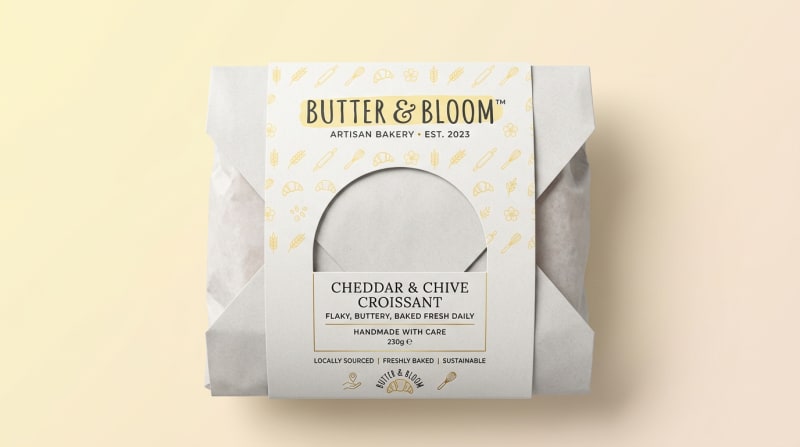
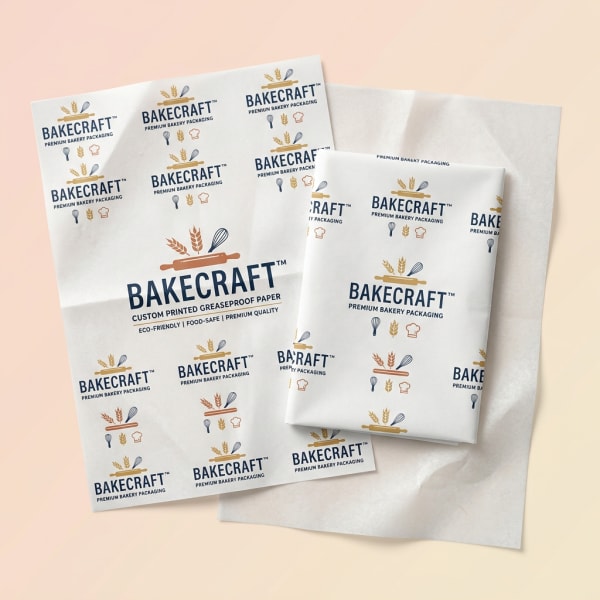
Food-safe tissue for pastry wrap, deli paper for sandwich and counter service, greaseproof sheets for bakery product lining. Functional food-safe paper with brand print, the surface that's used every day in every service interaction.
Gift and seasonal retail
Premium wrapping paper for gift departments, seasonal wrapping for Christmas, Valentine's, and Mother's Day. Two-sided print for maximum flexibility. Pearlescent and metallic stocks for seasonal premium presentation.
Questions, answered.
Weight. Paper is generally under 250gsm, and above that it is usually called paperboard or card.
The distinction is practical rather than absolute, since it reflects what the material can do. Paper wraps, lines and bags, while paperboard holds a fold and forms a box. Tissue, greaseproof and wrapping papers sit at the light end, and carton and rigid board sit well above it.
Paper made resistant to oil either mechanically, through dense fibre refining, or chemically, through a coating.
The mechanical route beats the fibres until the sheet is dense enough that oil cannot pass through, and that is genuine greaseproof paper. Coated versions use silicone or clay. The chemistry matters now because PFAS-based treatments, long the default, are restricted or banned in food packaging across a growing list of states.
Yes. At a few cents a sheet it is the cheapest meaningful upgrade in packaging.
A wrapped product has to be unwrapped, which turns a glance into a small event, and the tissue is doing real work at the same time by preventing crease-set and print transfer between folded items. Standard weight is 17gsm, and 22–28gsm feels more substantial. Repeating patterns and logo repeats print best, since tissue is crumpled and only partly seen.
Three-ply and four-ply straws hold up for a normal drinking duration. Two-ply straws are what gave the category its reputation.
Ply count and adhesive quality determine whether a straw survives or delaminates. For cold drinks, three-ply should be the minimum specification, with wider diameters needing more plies because a larger tube has less inherent stiffness. The honest test is leaving one in a cold drink for twenty minutes.
Uncoated paper and board almost always. Laminated, waxed or heavily coated papers frequently are not.
Plastic lamination creates a mixed-material item most streams reject. Grease contamination also disqualifies paper, because oil cannot be separated from fibre during repulping. Aqueous coatings and mechanically refined barriers keep paper in the recycling stream where plastic laminates do not.
Recyclable means it can be repulped into new paper. Compostable means it breaks down into organic matter under specified conditions.
They are different end-of-life routes, and a product can be one without the other. Compostable requires certification to a standard such as ASTM D6400 or EN 13432, and industrially compostable is not the same as home compostable. That distinction matters because most consumers cannot access industrial facilities.
17gsm for tissue, 40–60gsm for standard wrapping paper, and 80–120gsm for kraft wraps and bags.
Heavier is not automatically better. Tissue's value is partly in its delicacy, and a wrap that is too stiff will not fold cleanly around a product. Match the weight to the job: interleaving wants light, exterior wrapping wants enough body to hold a crease.
500 sheets for custom printed tissue, with other paper formats varying by product.
Because printed paper is a continuous-run product, minimums reflect press setup rather than material cost. Lead time is 7–10 business days. Stock coloured tissue with a printed sticker is the common low-commitment route for small brands before moving to custom printing.
Your brand deserves
better packaging.
Work one to one with a dedicated packaging manager, from first sketch to delivery.