PremiumBespokeArtisanLuxuryCustom Chocolate Boxes
Tell us about your boxes
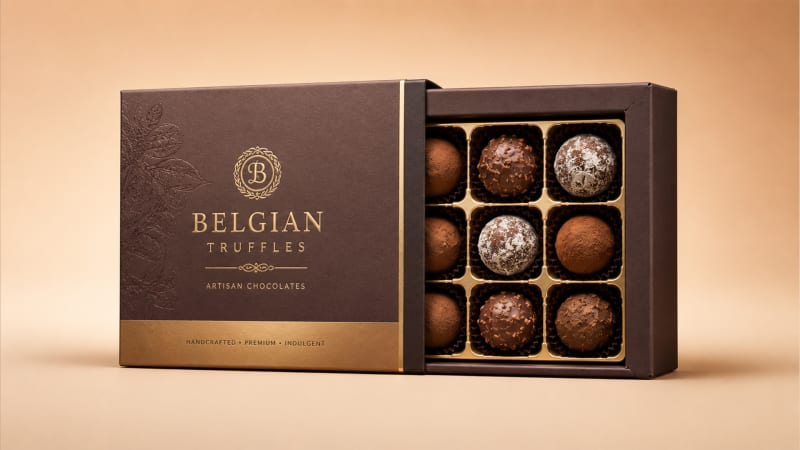
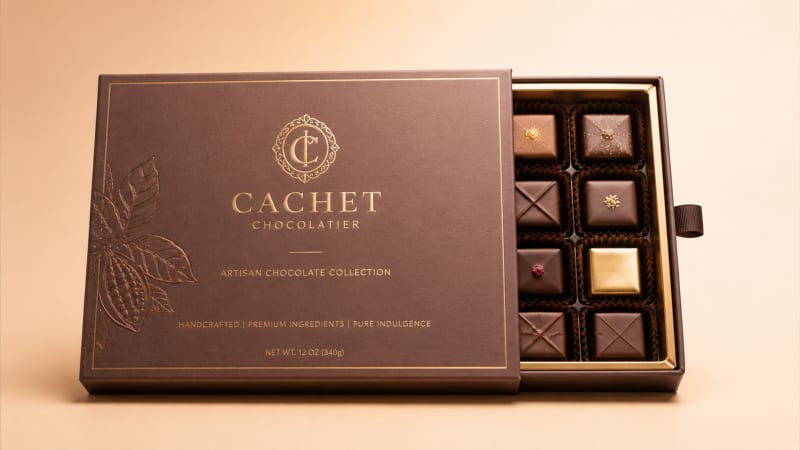
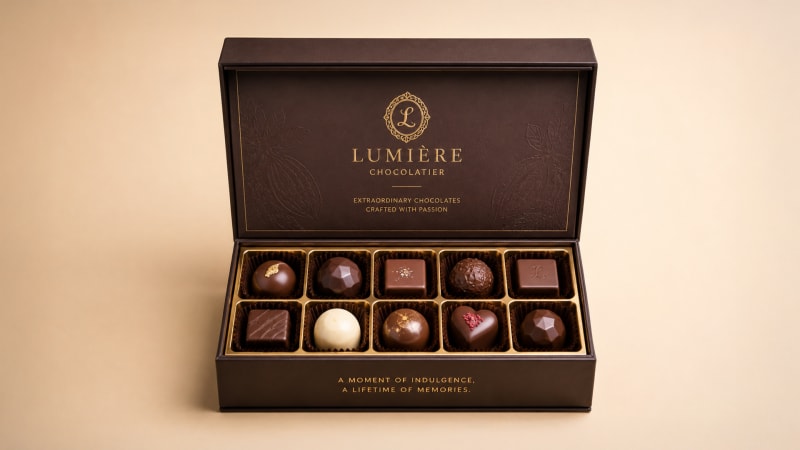
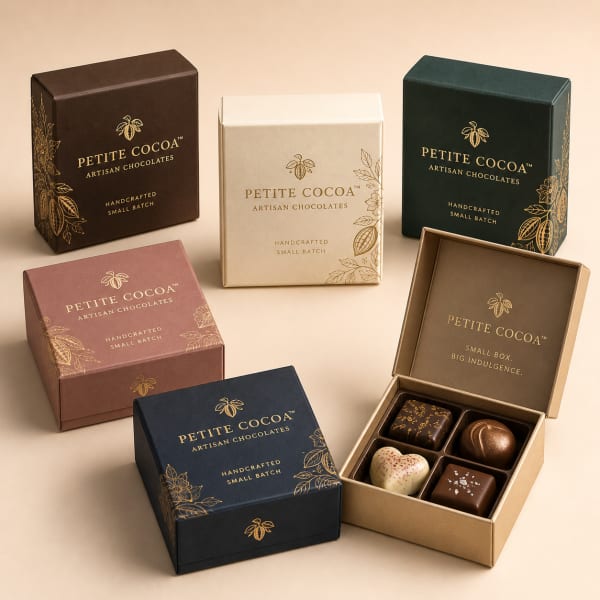
Popular Custom Chocolate Boxes
our brands keep reordering.
Hand-picked from our custom chocolate boxes range. 5 styles, each built for a different job.
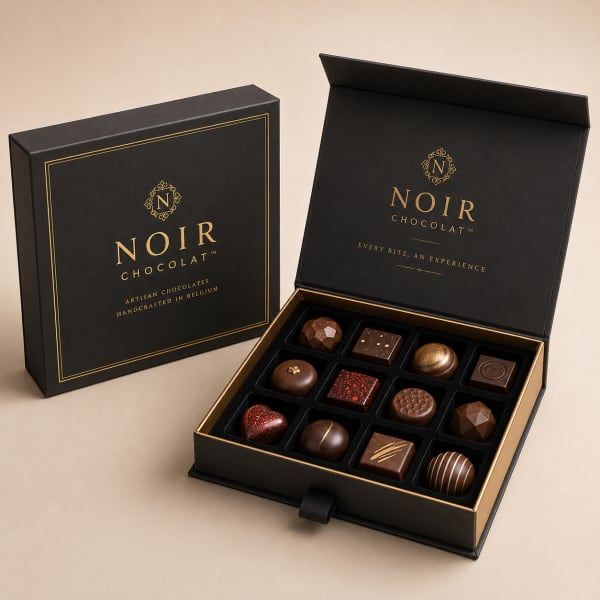
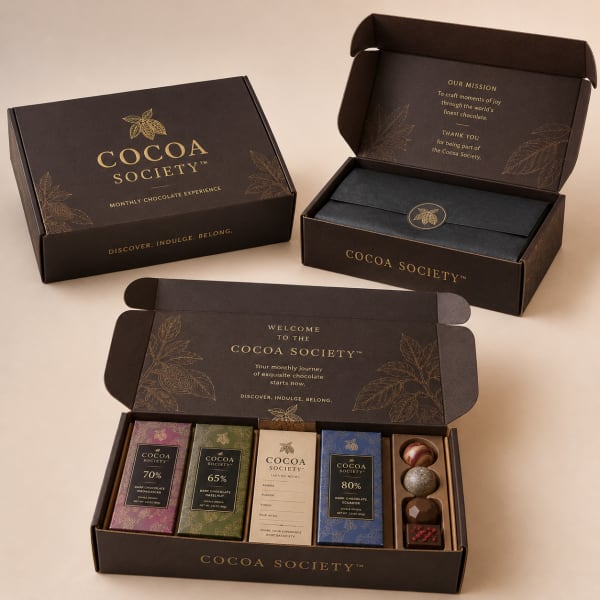
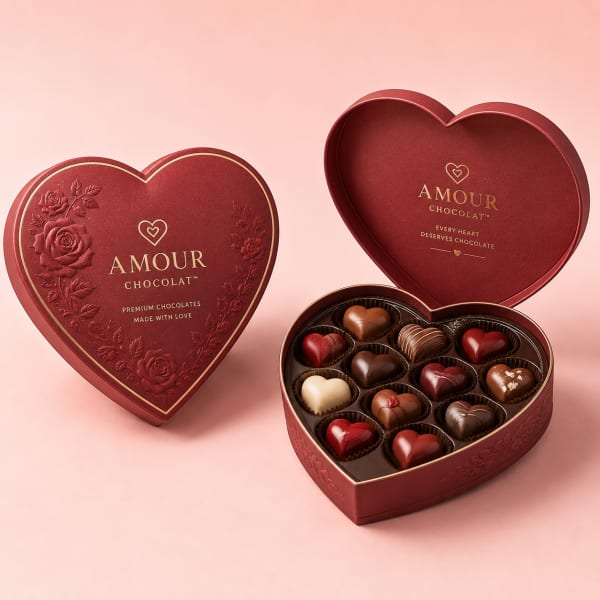
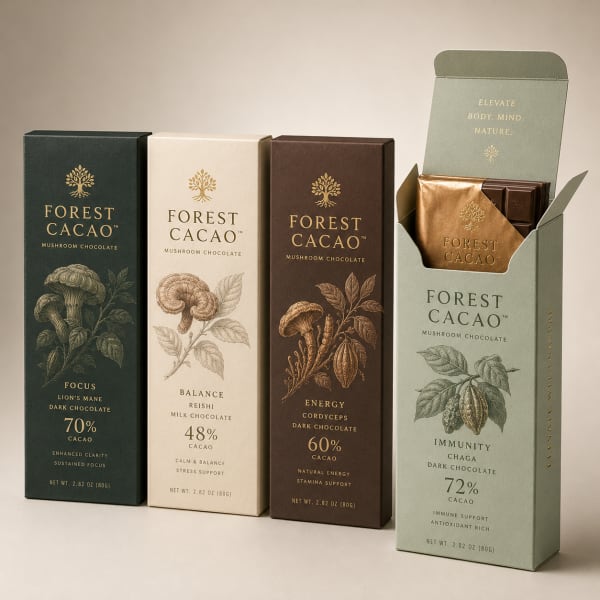
The box is the building.
Inserts are everything else.
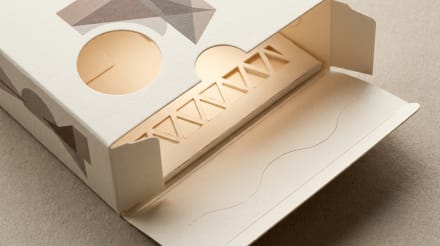
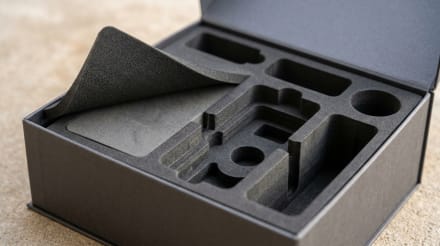
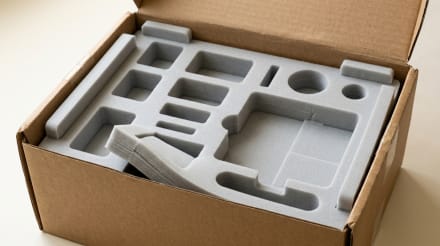
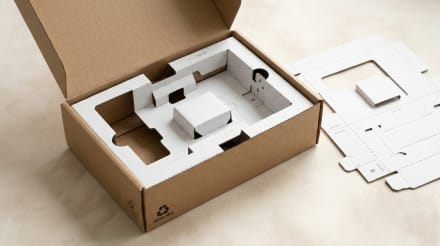
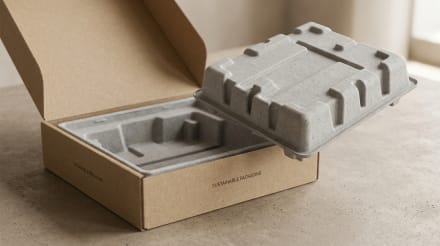
Furniture. Bodyguards. Stage crew. The unseen architecture that makes your product feel like it lives somewhere, not like it was just dropped in a box.
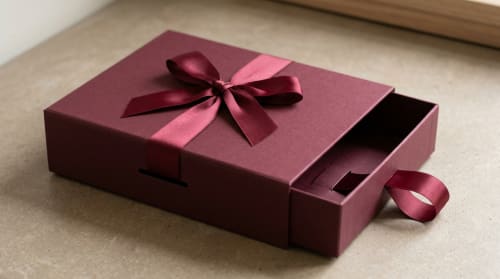
Every finish we offer on Chocolate Boxes.
Materials, finishes and add-ons available for this range. Order any of them as a free sample before you commit to a run.
Materials
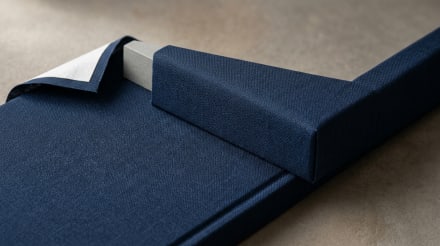
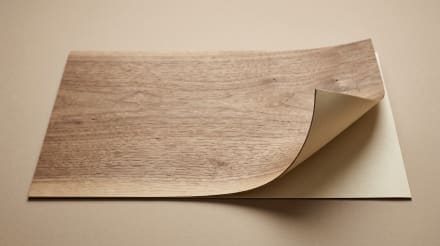
The board and film we build on
 ◷ ECO
◷ ECO
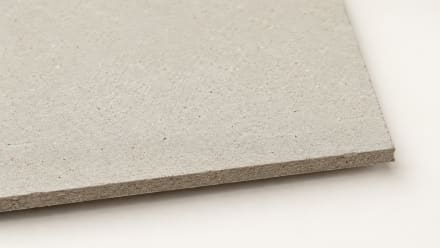

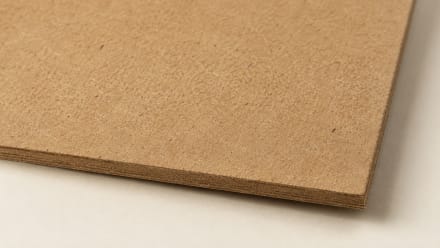
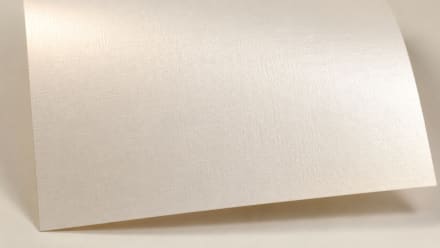


Finishes
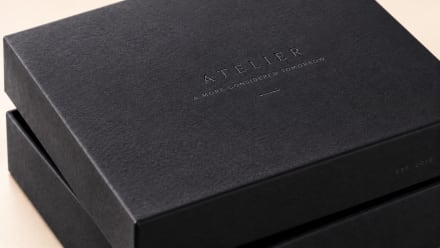
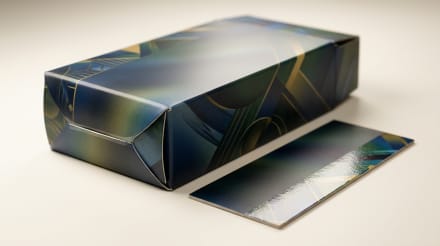
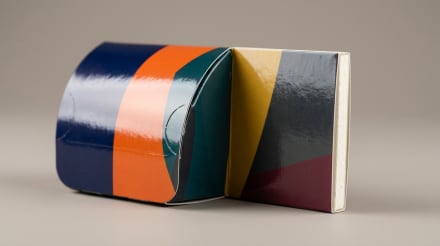
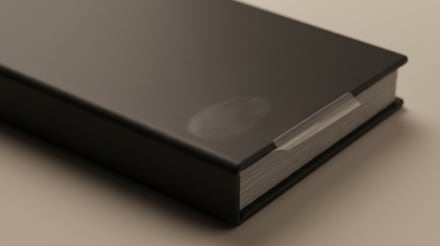
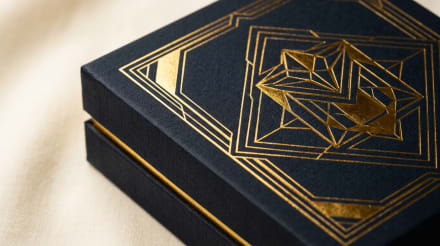
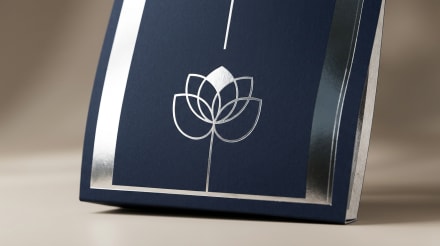
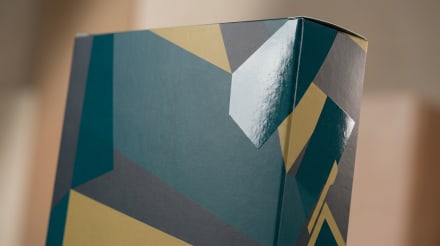
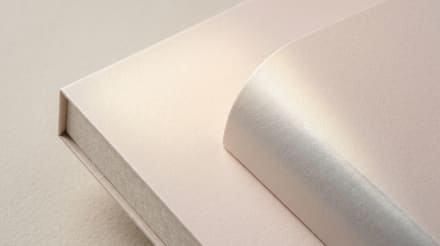
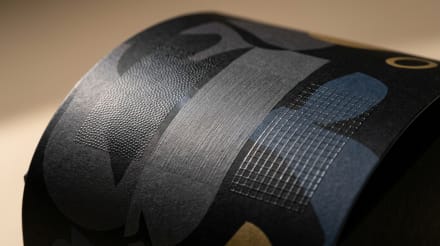
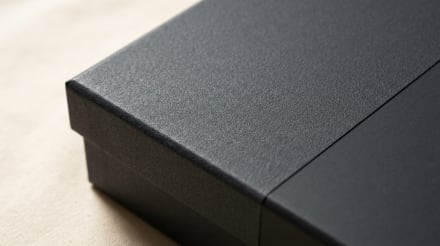
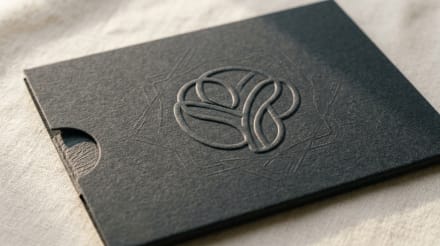
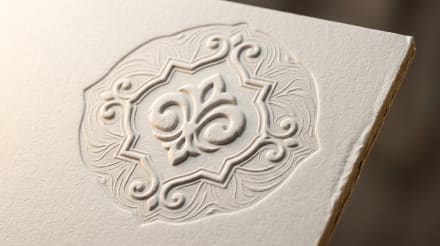
What the surface does in the light

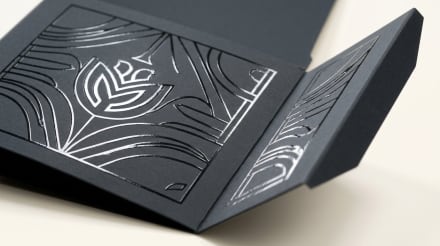
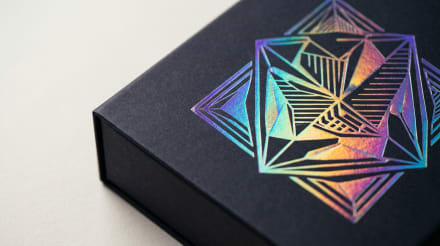
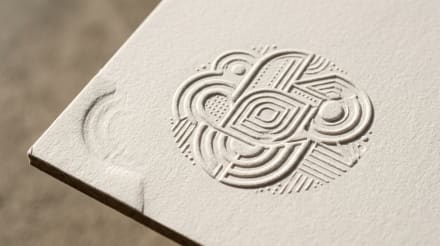
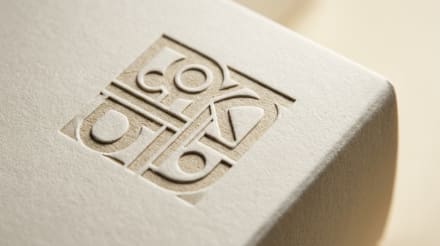
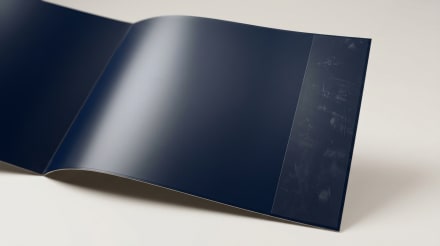
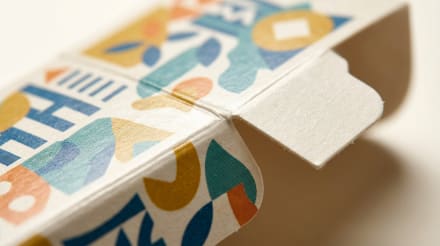
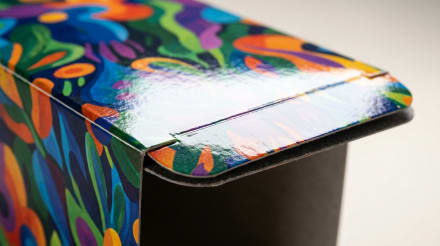
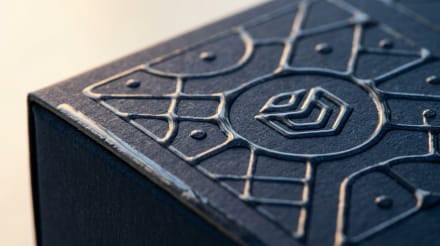
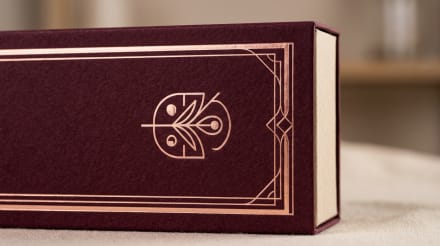
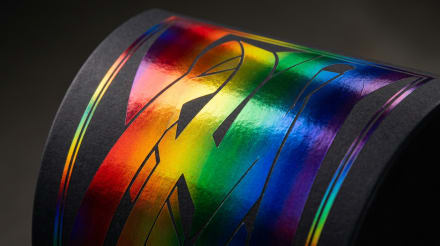
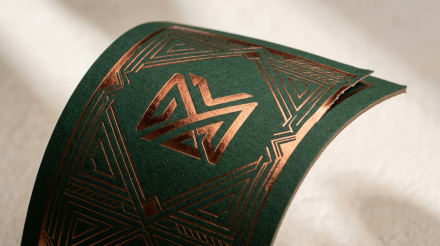
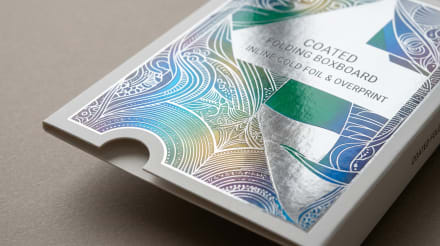



Add-ons
Closures, linings and the extra touches
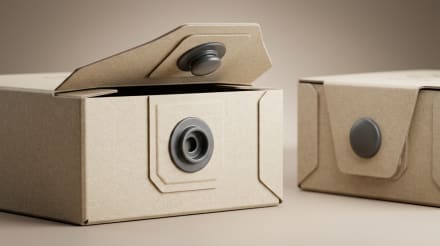
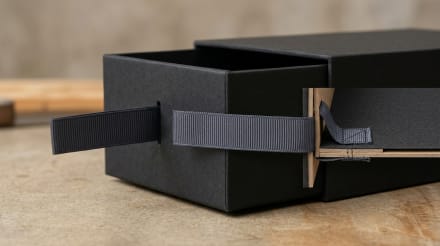
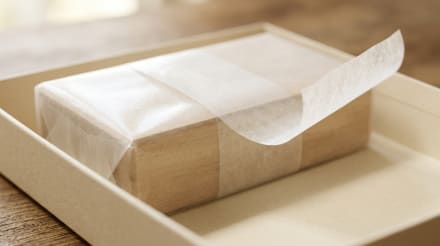
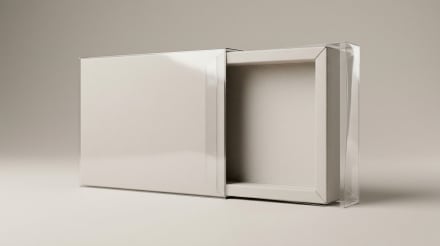
For every chocolatier who takes their packaging as seriously as the temper.
Artisan Chocolatiers Packaging
Bespoke rigid boxes with velvet tray insert, soft-touch lamination, and hot foil logo. The packaging that earns and justifies an artisan price point before a single chocolate is tasted.
The box that makes chocolate a gift.
Custom chocolate boxes in rigid, windowed, and insert-engineered formats for artisan chocolatiers, corporate gifting, and retail confection.
Why the chocolate box is the purchase decision.
80% of premium chocolate is purchased as a gift. The box sells the gift.
Premium chocolate is gifting chocolate
NCA (National Confectioners Association) data shows that 80% of premium and artisan chocolate volume is purchased as a gift. The chocolate is the occasion; the box is the decision-maker. A buyer comparing two artisan chocolate brands at the same price point makes the final decision on packaging quality, meaning the feel of the box, the finish on the surface, and the weight in the hand.
The insert is the experience
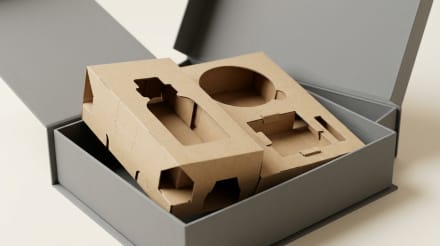
Chocolate packaging is almost unique in requiring structural interior engineering as part of the brand experience. Each chocolate piece needs its own cavity, where it sits positioned, separated, and presented. A truffle resting in a velvet-lined tray is a different product experience than the same truffle in a flat box. The insert engineering is the hospitality.
Seasonal velocity and custom runs
The chocolate category has the most pronounced seasonal packaging demand in US retail. Valentine's Day, Easter, Mother's Day, Halloween, and Christmas each require specific packaging formats. The ability to produce short seasonal runs without setup penalties, and to maintain consistent quality across seasonal reformats, is a category requirement we build into every client relationship.
Rigid board, satin paper, and velvet inserts.
Every material in chocolate packaging communicates the quality of the chocolate inside.
Rigid box construction
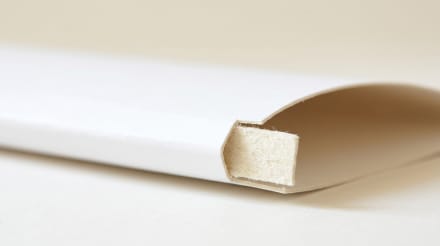
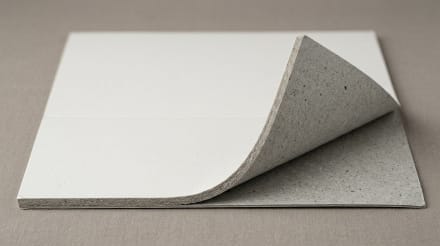
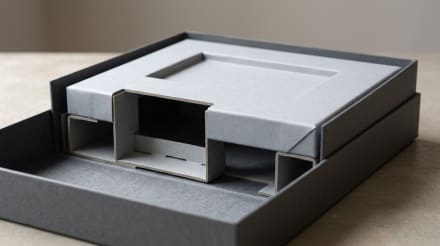
2mm greyboard wrapped in 128gsm art paper. The rigid format communicates premium through the weight of the lid, the resistance of the close, and the structural integrity when lifted. Litho-printed CMYK with soft-touch lamination and hot foil logo stamp. For artisan chocolatiers and premium gifting, the rigid box is the only format that matches the quality positioning.
Interior insert materials
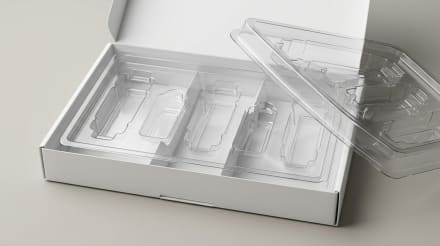
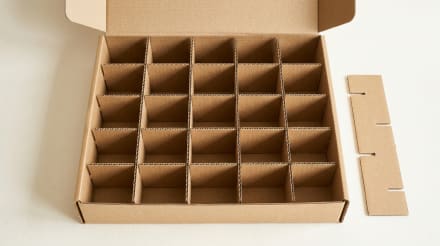
Ballotin-style cardboard divider (the traditional Belgian chocolate box insert) · vacuum-formed PET tray in cavity dimensions exactly matching each chocolate type · velvet-flock lined tray for truffles and high-end confection · food-safe satin paper base for printed interior presentation. The insert material and its precision fit determine the first impression when the lid is lifted.
Window and visual access
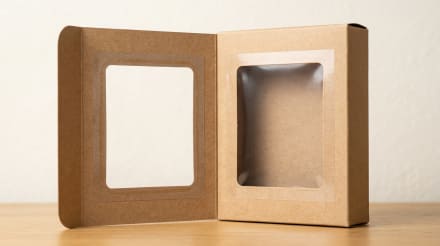
Full-front PET window on a lid-and-base box for retail display, where the chocolate does the marketing. Die-cut oval or rectangular window on the box top for a framed preview. Clear lid with opaque base for a viewing-box presentation format. The window engineering must place the chocolate at the correct depth to be fully visible without the insert being exposed.
4-piece to 64-piece, custom to every confection.
Every chocolate box configuration engineered to the product.
Piece count configurations
4-piece (gift minimum) · 8-piece · 12-piece (gifting standard) · 16-piece · 24-piece · 36-piece · 48-piece · 64-piece (corporate gifting and luxury retail). Each configuration requires a custom-engineered interior insert with cavity dimensions matched to the specific chocolate format being packaged.
Closure mechanisms
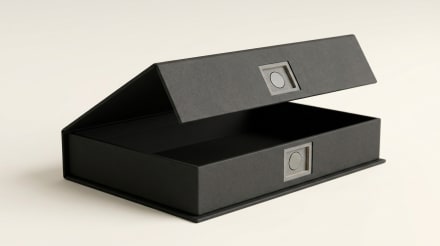
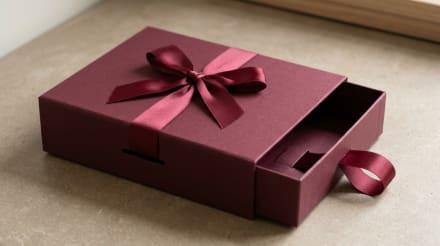
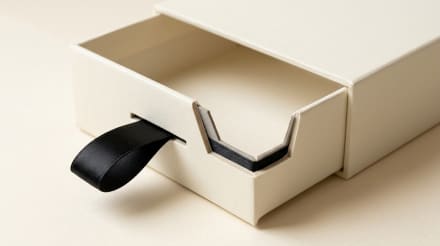
Magnetic lid close (most premium, cleanest exterior line) · ribbon pull on lid-and-base · satin bow with pre-tied attachment points · hinged lid with integrated magnetic snap · clear lid with ribbon wrap closure. The closure is the final ceremony in the chocolate box unboxing, so it should feel deliberate and satisfying.
Personalisation and seasonal formats
Custom insert for mixed chocolate types in a single box. Printed card slot for gift message. Name personalisation on the lid. Seasonal exterior artwork with year-round stock insert. Holiday-specific shapes such as a heart for Valentine's, an egg format for Easter, or a star box for Christmas. Short-run seasonal minimum of 500 units.
Artisan, corporate, retail, and seasonal.
Every context where chocolate is given.
Artisan chocolatiers
Bespoke rigid boxes with custom interior insert for the specific truffle and ganache catalogue. Soft-touch lamination, hot foil logo, velvet tray lining. The packaging that justifies the $6 per truffle price point visually, tactually, and structurally.
Corporate gifting
Branded corporate chocolate boxes for client gifts, employee rewards, and event welcome gifts. Company logo on the lid, interior card slot for personalised message, insert configured for the chocolate selection. Minimum runs from 500 units for small team gifts to 10,000 units for enterprise programmes.
Retail and department stores
Retail chocolate packaging with product visibility (window or clear lid), barcode and nutritional compliance, and shelf-optimised exterior design. For specialty food retailers, Whole Foods, gift shops, and department store confection counters.
Seasonal and limited editions
Valentine's Day hearts, Easter egg formats, Christmas stars, Mother's Day special edition. Seasonal exterior artwork with consistent interior insert. Short-run seasonal minimums. Fast turnaround for seasonal windows that close quickly.
Questions, answered.
Chocolate stores best between roughly 65 and 70°F, and temperature cycling causes bloom, the pale streaking that looks like spoilage.
Bloom is cocoa butter migrating to the surface. It is harmless but unsellable. Delivery vehicles and doorsteps exceed that window across much of the year in much of the country, which is why summer shipping needs insulated liners with coolants, controlled dispatch timing, or an honest seasonal pause.
Because chocolate absorbs ambient odours readily, and packaging materials are a source.
Foil wraps, metallised films and glassine cups keep the box's own materials from flavouring the contents. This is why quality chocolate almost always has an inner layer between the product and the printed carton. The carton carries the branding, and the inner wrap protects the flavour.
A fitted tray with one recess per piece, holding each chocolate so it neither rolls nor marks its neighbours.
Fit follows the ganache: snug enough to stop movement, loose enough that fingers extract without gouging. Counts standardised around 4, 9, 16 and 24 pieces. Thermoformed trays serve the volume tier, folded board grids the plastic-free tier, and flocked or gold-card cavities the luxury one.
A card naming each piece and its position, and yes, customers now expect it in any assortment.
Half the pleasure of a boxed assortment is knowing which one is the champagne truffle. The card also has to register accurately with the tray layout, which means the map and the cavity positions need designing together rather than the card being added afterwards.
A foil or metallised inner wrap inside a printed outer carton or sleeve.
The inner layer handles moisture and odour, and the outer carries branding and the regulatory panel. For segmented bars, the scoring should match the stated serving size. A bar scored into twelve but dosed as ten segments is a genuine source of confusion, particularly for functional and cannabinoid products where dose accuracy matters.
Typically months rather than years, and it should be stated honestly on the pack.
Fresh chocolate with cream ganache fillings is shorter-lived than solid chocolate, sometimes only weeks. Packaging cannot extend shelf life much beyond what the formulation allows. Barrier layers slow moisture and odour transfer but do not stop the product ageing. This is fresh confectionery wearing luxury packaging.
Largely yes. Folded board cavity grids replace thermoformed trays, and paper-based inner wraps replace plastic films.
The honest limitation is barrier performance: a fibre-based inner layer resists odour and moisture less effectively than foil or metallised film, which may shorten stated shelf life. For short-cycle artisan chocolate that is usually acceptable. For long-shelf retail products it is a real trade-off, and one to measure rather than assume.
Printed chocolate cartons start at 500 units, produced in 7–10 business days.
Cavity trays carry their own tooling charge if a custom form is needed, which is amortised across reorders. Many chocolatiers use stock tray formats with custom outer boxes, which keeps tooling costs down while still giving a fully branded presentation.
Your brand deserves
better packaging.
Work one to one with a dedicated packaging manager, from first sketch to delivery.