PremiumBespokeArtisanLuxuryCustom Cosmetic Boxes
Tell us about your boxes
Popular Custom Cosmetic Boxes
our brands keep reordering.
Hand-picked from our custom cosmetic boxes range. 24 styles, each built for a different job.
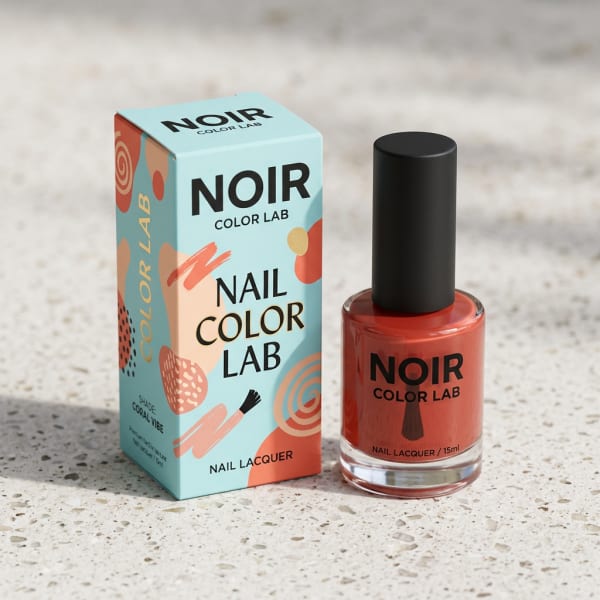
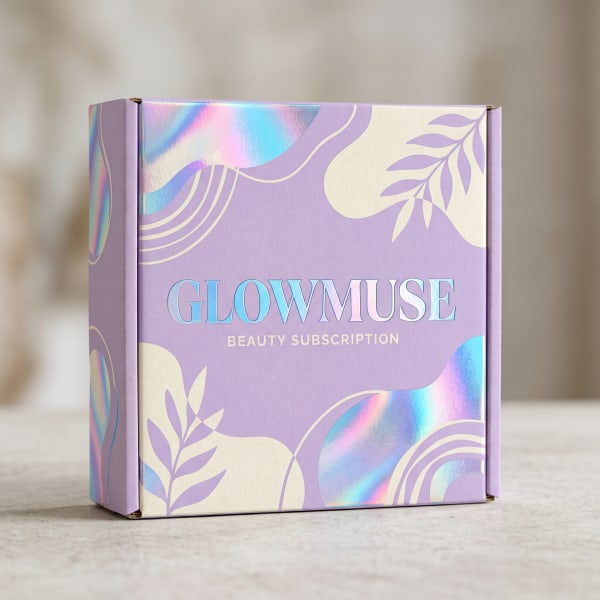
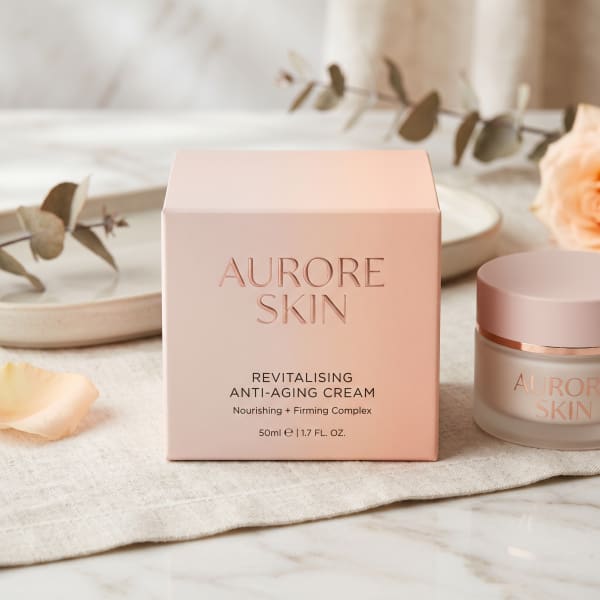
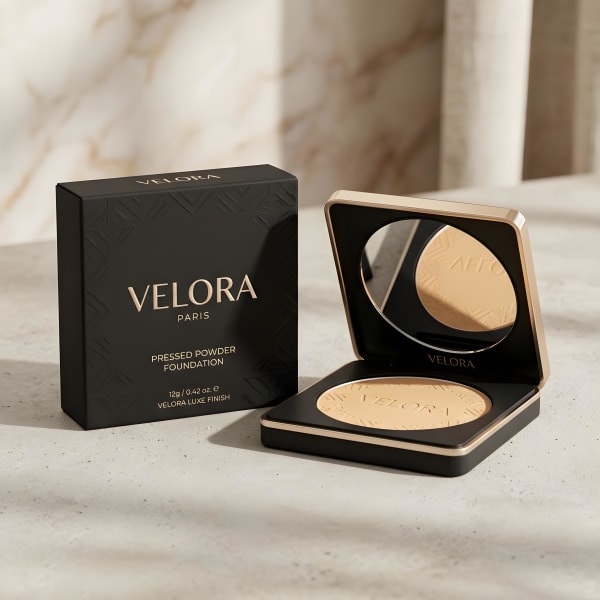
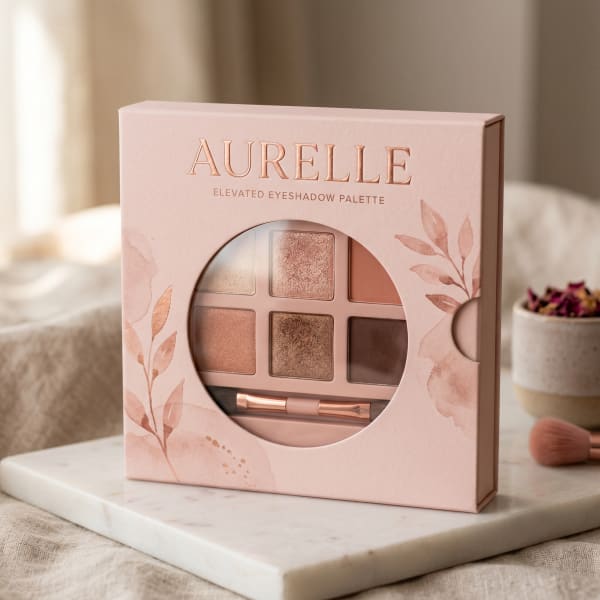
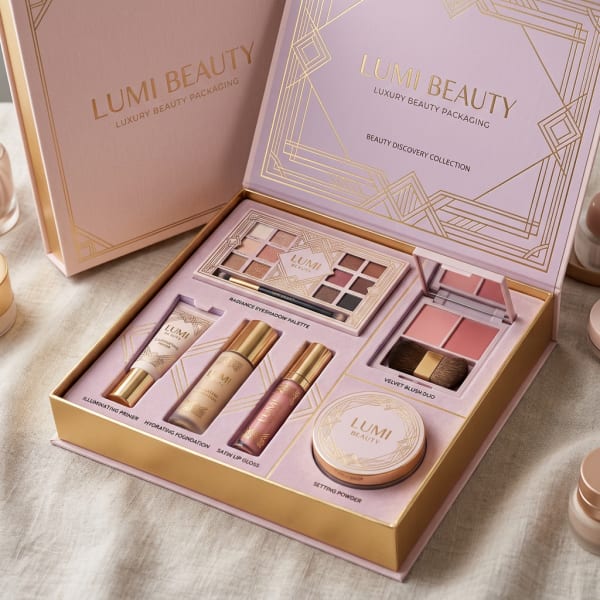
The box is the building.
Inserts are everything else.
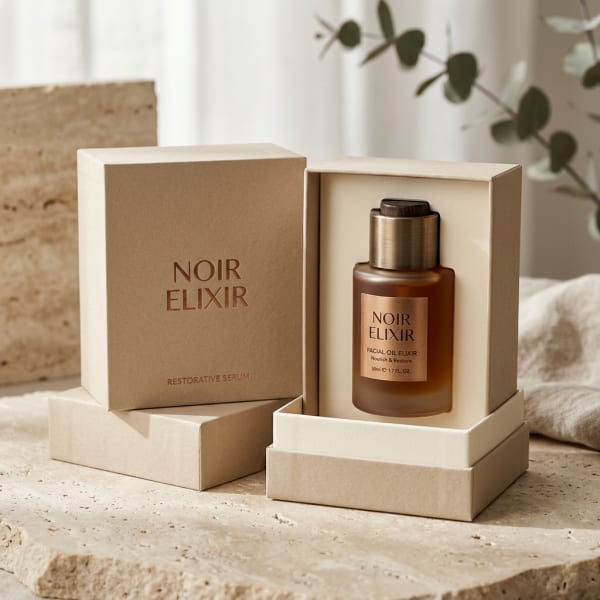
Furniture. Bodyguards. Stage crew. The unseen architecture that makes your product feel like it lives somewhere, not like it was just dropped in a box.
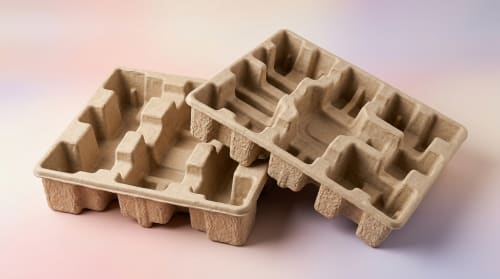
Molded Pulp Inserts
“Eco-friendly molded inserts for ”
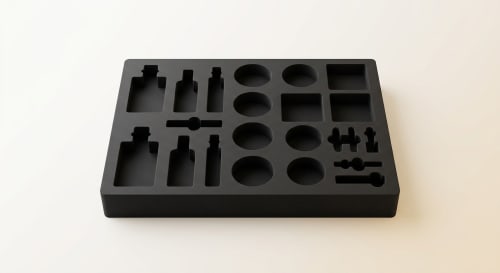
EVA Form Inserts
“Premium foam inserts for”
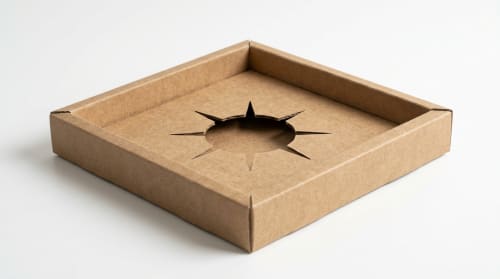
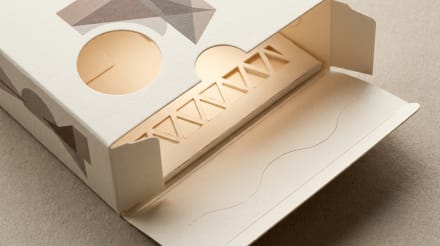
Paperboard Inserts
“Clean recyclable inserts for”

Every finish we offer on Cosmetic Boxes.
Materials, finishes and add-ons available for this range. Order any of them as a free sample before you commit to a run.
Materials
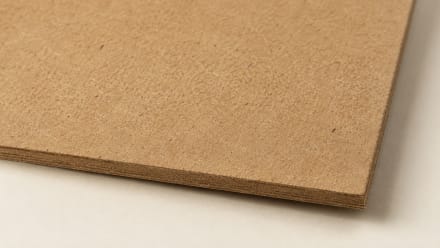
The board and film we build on
 ◷ ECO
◷ ECO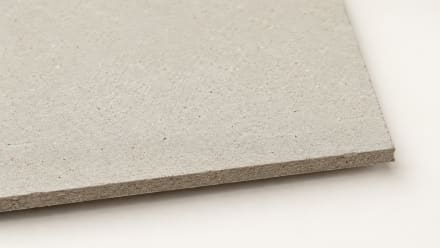
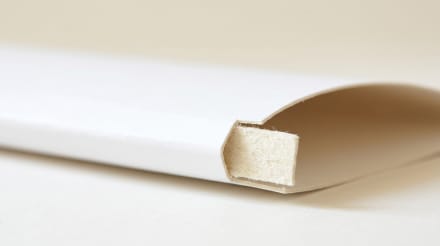
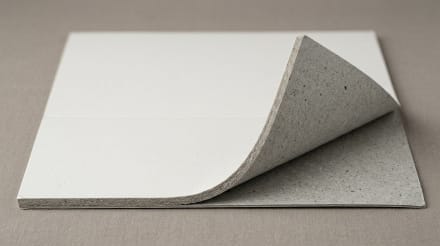
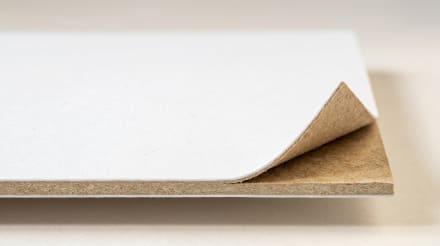
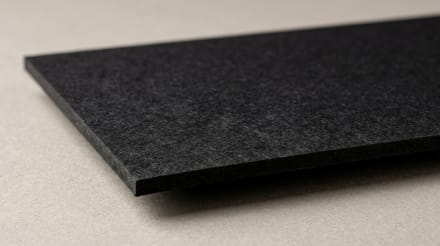

Finishes
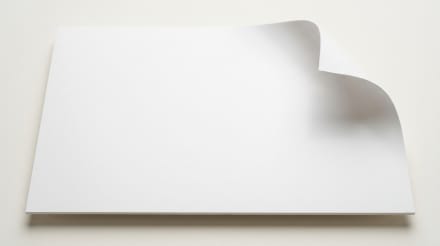
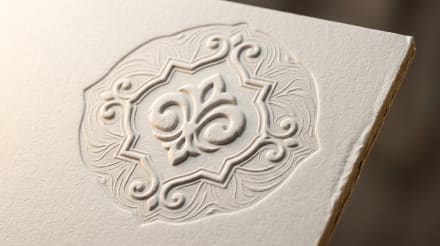
What the surface does in the light

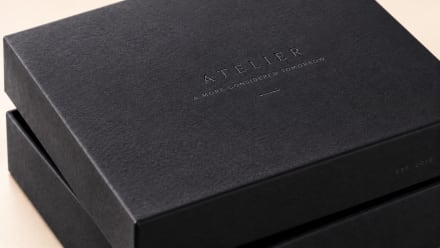
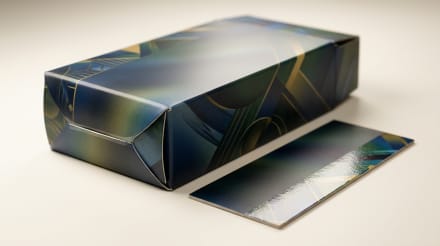
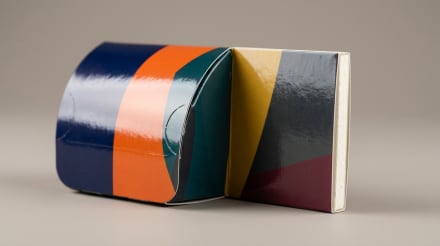
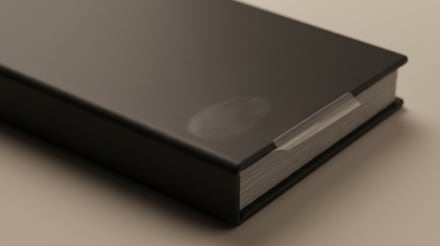
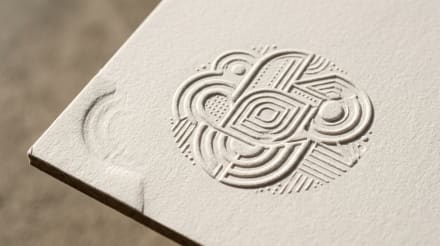
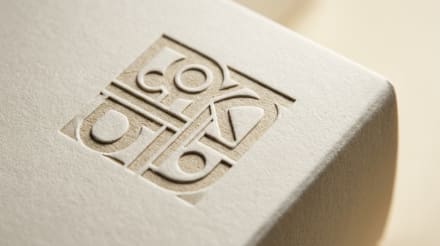
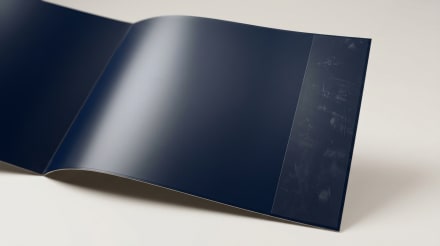
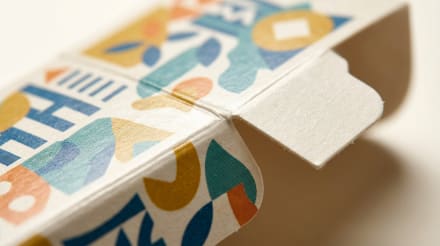
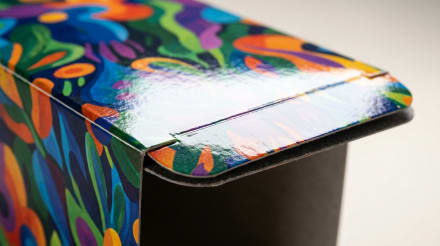
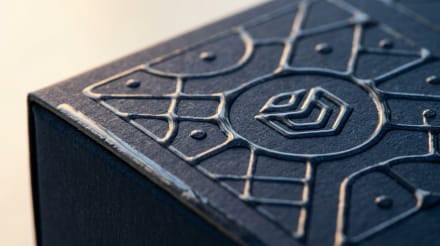
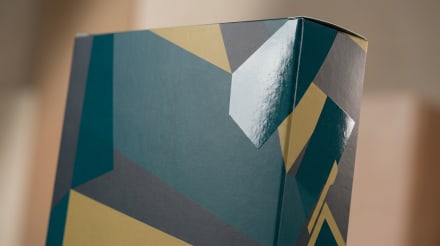
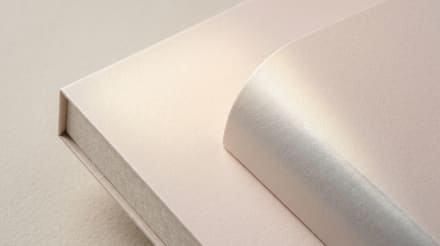
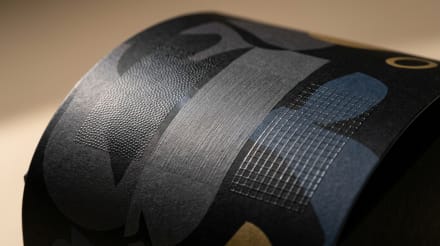
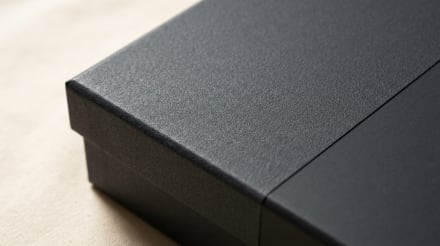
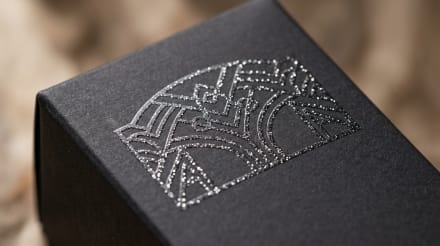
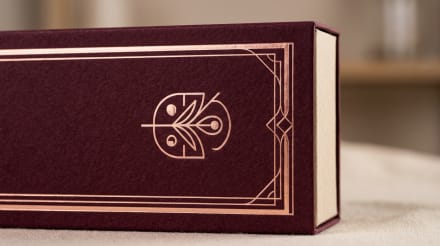



Add-ons
Closures, linings and the extra touches

From formulation to shelf.
Skincare Packaging
Tuck cartons with soft-touch lamination and foil-stamped logos. The format the prestige skincare world standardised on.
Packaging as beautiful as the product.
Cosmetic packaging, from materials and finishes to the details that stop people at the shelf.
The cosmetic carton is the product
Before a serum is felt, it's seen. The box sells first.
Perceived value starts at the shelf
Research consistently shows that cosmetics customers make purchase decisions based on packaging before they read a single ingredient. Soft-touch lamination and foil stamping signal premium before the lid is lifted.
The counter and the vanity
Cosmetic packaging lives in a second location after purchase, on a bathroom counter or vanity shelf where it's seen and handled daily. Every finish must hold up to repeated touch.
Instagram designed this category
The flat lay, the shelfie, the unboxing reel. Cosmetics packaging is made to be photographed. Every structural and finish decision is evaluated against how it reads on camera.
Finishes that define beauty brands
The surface is the brand signature.
Soft-touch lamination
The velvet feel that's become the signature of prestige beauty. A matte, tactile surface that photographs cleanly and holds fingerprints away. Applied over litho print for maximum colour depth.
Hot foil stamping
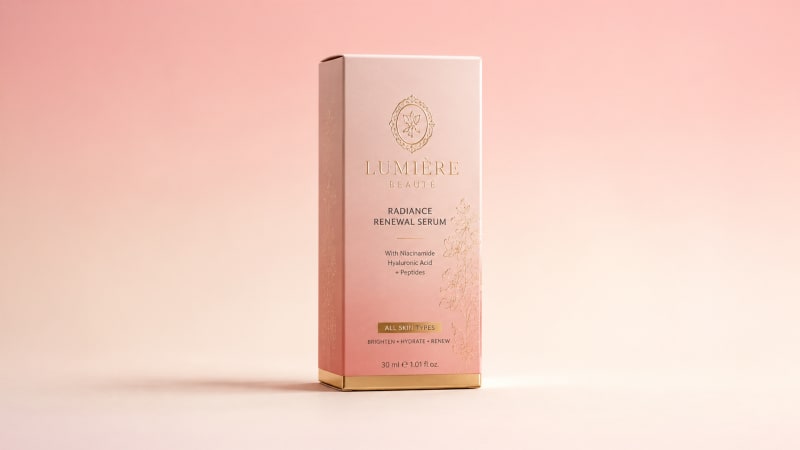
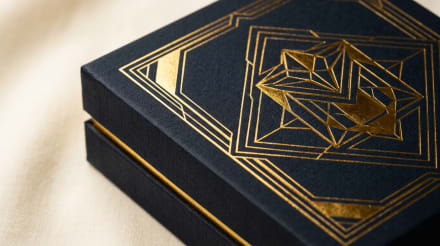
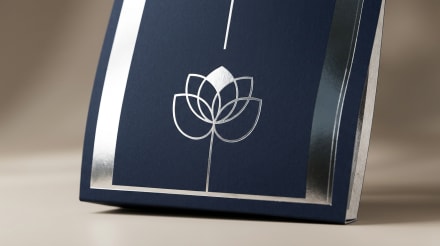
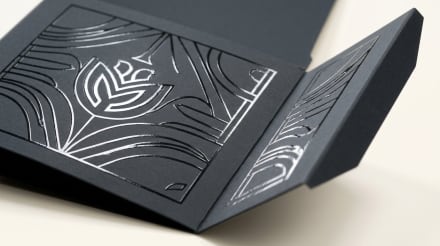
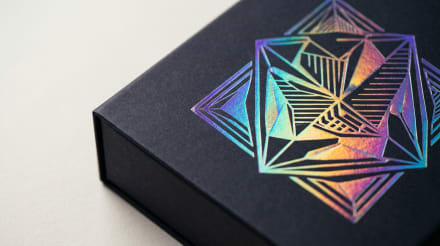
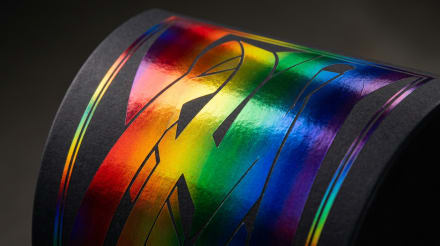
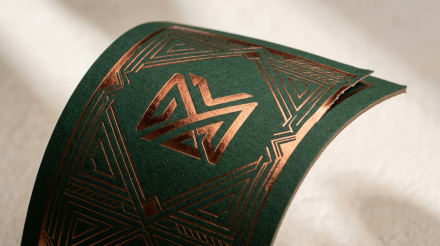
Gold, silver, rose gold, copper, holographic. Foil-stamped logos on a soft-touch background is the single most-requested cosmetic carton treatment. The contrast is impossible to replicate digitally.
Spot UV & emboss
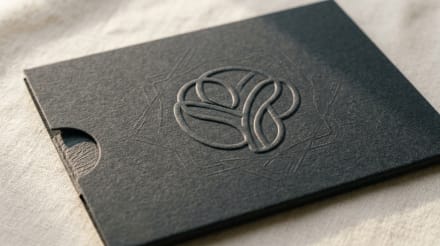
Spot UV raises a gloss layer over a matt base for a logo, pattern or texture detail. Emboss adds physical dimension. Combined, they create packaging you feel before you read the brand name.
Formats for every cosmetic product
From mascara to moisturiser, we have a structure.
Tuck cartons
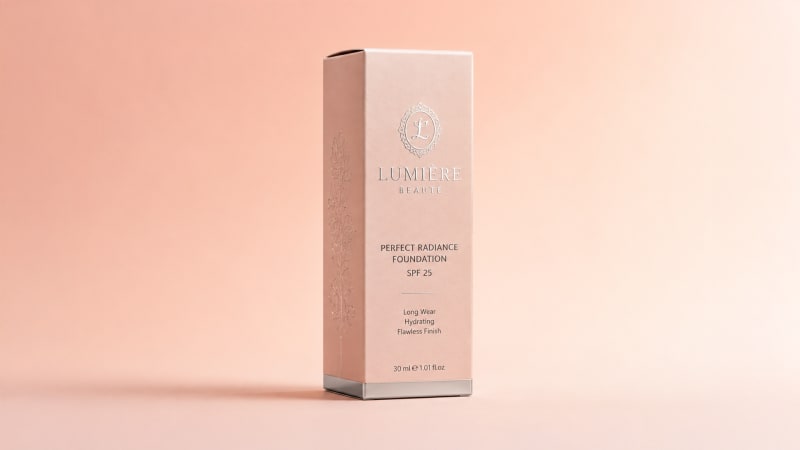
The standard format for serums, moisturisers, eye creams, foundations. Straight or reverse tuck with full four-colour print and finish on all panels.
Rigid set-up boxes
For prestige launches, gift sets, and collector editions. Magnetic close, velvet or satin interior and a hot foil exterior set a price point before anything else does.
Drawer & sleeve boxes
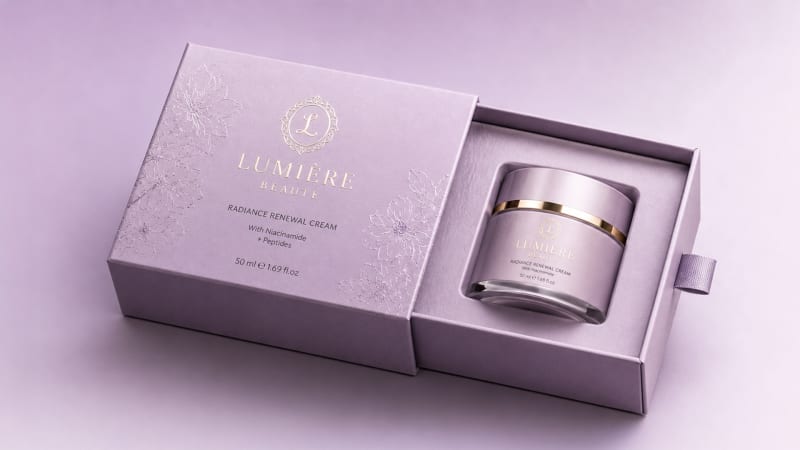
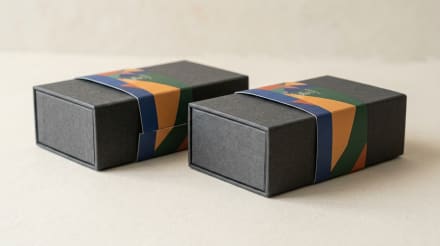
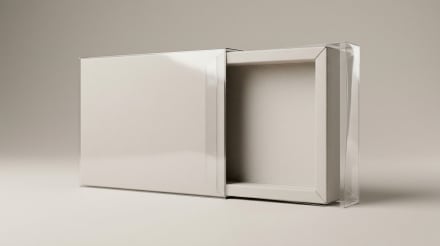
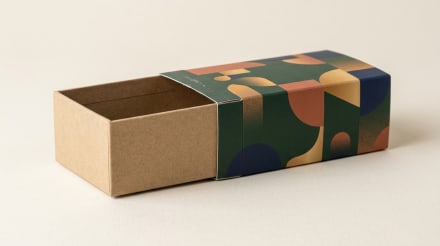
Slide-out drawer configurations for premium skincare and fragrance. The reveal motion adds ceremony, because the product appears slowly and deliberately.
Every beauty category, one supplier
Skincare to fragrance to nail.
Skincare
Serums, moisturisers, SPF. Tuck cartons with soft-touch and foil. Product information panels on four sides. Recycled board on request.
Colour cosmetics
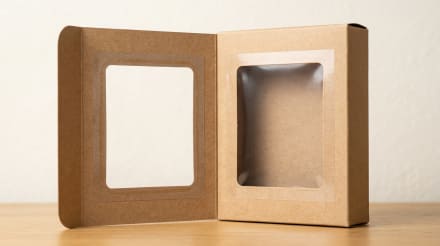
Foundation, lipstick, eyeshadow. Compact tuck cartons, rigid cases for palettes, window cutouts for product preview.
Fragrance
Rigid set-up boxes with satin interior. The fragrance carton is a display object that lives on the dresser. Premium board, foil, emboss.
Gifting & sets
Custom multi-product rigid cases. Compartmented foam or card inserts. Gift-ready straight from production, with no overwrap needed.
From formulation to shelf
The cosmetic packaging supply chain.
01. Product spec
You send the filled product dimensions (including any inner bottle or primary packaging). We engineer the carton around the actual contents, not a generic size.
02. Finish selection
We provide a finish specification sheet covering soft-touch, foil colour and emboss depth. Physical swatches on request. All finishes approved before production begins.
03. Production & QC
Every carton is inspected for print register, finish consistency, and structural integrity. Cosmetic packaging leaves our facility print-perfect, shelf-ready.
Questions, answered.
18pt to 20pt SBS for most cosmetic cartons, and 24pt where a premium feel is wanted. SBS is solid bleached sulphate, a bright white paperboard with a coated print side, and 18pt works out to roughly 450gsm.
The choice is mostly about geometry rather than luxury. A short, wide carton like a compact holds its shape easily at 18pt. A tall, narrow carton for a mascara, an eyeliner pencil or a lip gloss wand tube carries real structural load in a stack, and 20pt is the sensible specification there. Below 18pt, tall formats bow before they reach the shelf.
Usually yes, but the type size is set by law rather than by your designer. Under 21 CFR 701.3, cosmetic ingredient declarations must be at least 1/16 inch in height. That can drop to 1/32 inch only if the total labeling surface of the package is under 12 square inches.
Most cosmetic cartons sit above that threshold. A lip gloss carton is around 15 square inches and a mascara carton around 17, so the smaller type size is not open to them. The practical consequence is that a long INCI list has to be laid out first and the design built around it. Finding out at proof stage that the list does not fit legibly is the most common and most expensive reason for a cosmetic carton redraw.
Folding carton unless the box is part of the product experience. A folding carton ships flat, is erected on the filling line, and costs a fraction of the alternative. A rigid box is built from greyboard wrapped in printed paper, arrives assembled, cannot be flattened, and typically costs several times more.
Rigid earns its cost for gifting, prestige launches and anything the customer is expected to keep. For everyday retail it rarely does. A 24pt folding carton with soft-touch lamination and a deboss closes most of the perceived gap in hand-feel at a fraction of the invoice, and we regularly recommend it over rigid.
With a spot colour, yes. With four-colour process printing, often not. CMYK cannot reliably reproduce metallics, pearlescents, glitter or the deep saturated reds that colour cosmetics live in.
There are three honest routes. Specify a spot colour matched to the product for each shade family. Accept that a printed swatch is indicative and say so on the pack. Or use a die-cut window and show the actual product, which removes the problem instead of trying to solve it, and is increasingly the standard approach in nail polish and lash packaging.
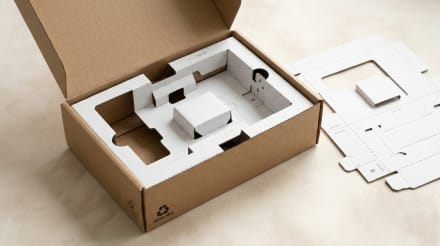
With a fitted insert and a tight tolerance rather than a thicker outer carton. Glass fails from movement and from impact carried through a loose fit, so the fix is stopping it moving.
We size cosmetic cartons for glass to roughly 1mm of clearance per face. Beyond that, a folded paperboard collar handles most dropper and serum bottles and keeps the whole pack recyclable as a single material. A vacuum-formed PET tray or a moulded pulp cavity does more for heavier jars. Moulded pulp is the choice where a recyclability claim has to survive scrutiny.
Yes. Digital printing removes the per-version plate cost that makes short shade runs expensive. If you learn one thing about beauty print economics, make it this one.
With offset litho, every shade version carries its own plate charge, so a forty-shade foundation range means forty sets of plates. Digital has no plates, so version count stops mattering and only total quantity does. Below roughly a thousand units per shade, digital almost always wins. Above that, offset with a common plate set and a changing shade block usually takes over. The crossover moves with shade count, so calculate it rather than assume.
The shipper does. The retail carton does not. Solvent-based nail lacquer transports as UN1263, Paint or Paint Related Material, a Class 3 flammable liquid.
That classification applies to the outer shipping case, which needs the Class 3 diamond, the UN number and a Limited Quantity mark where the shipment qualifies under 49 CFR. Your printed retail carton is unaffected and stays purely a branding surface. What it does affect is fulfilment. Air freight needs a Shipper's Declaration and an SDS, and several e-commerce platforms will not handle polish without a hazmat agreement. Confirm that before you commit to a print run.
Soft-touch lamination, hot foil stamping, spot UV and deboss, usually in combination. Cosmetic packaging is one of the few categories customers physically pick up before buying, and finish is what that moment is paying for.
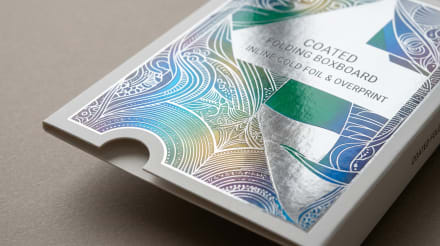
Soft-touch gives a velvet hand and makes foil and spot UV read more sharply against it, which is why the pairing is so common. Cold foil deserves a specific mention: it prints inline and accepts CMYK on top, so it produces metallic gradients and coloured metallics that hot foil cannot match at anything like the cost. For sustainability-led ranges, aqueous coating keeps the carton recyclable where a plastic laminate would not.
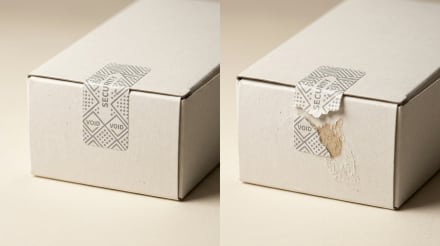
Not by federal law for most cosmetics, but retailers increasingly require it. There is no blanket FDA tamper-evidence mandate for cosmetics equivalent to the one covering over-the-counter drugs.
In practice it is expected for anything applied near the eye or mouth, such as mascara, liners and lip products, because a returned-and-restocked unit is a genuine contamination concern. A tear strip or a glued tuck flap that visibly destroys on opening handles it cheaply. Since some retailers make it a condition of listing, confirm the requirement before the dieline is finalised rather than after.
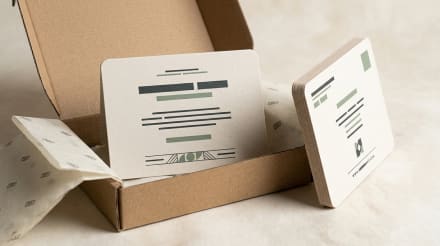
Product identity, net contents, ingredient declaration, and the responsible person's contact details. The ingredient list runs in descending order of predominance down to 1%, after which order is free, using INCI names.
Since 29 December 2024, MoCRA also requires a US address, phone number or electronic contact through which adverse event reports can be received. A PAO symbol, the open-jar mark with a figure such as 12M, is used where a product has a shelf life over 30 months. FDA fragrance allergen disclosure is still in rulemaking rather than in force, with a proposed rule expected during 2026, so at present 'fragrance' may still be declared without listing individual components.
Your brand deserves
better packaging.
Work one to one with a dedicated packaging manager, from first sketch to delivery.