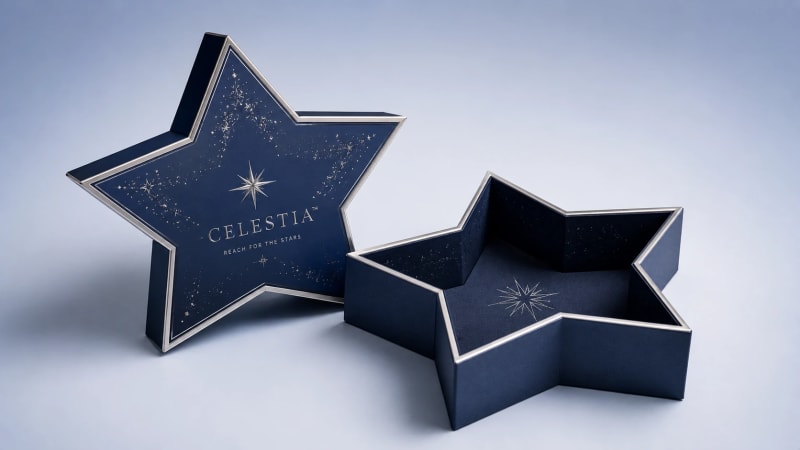
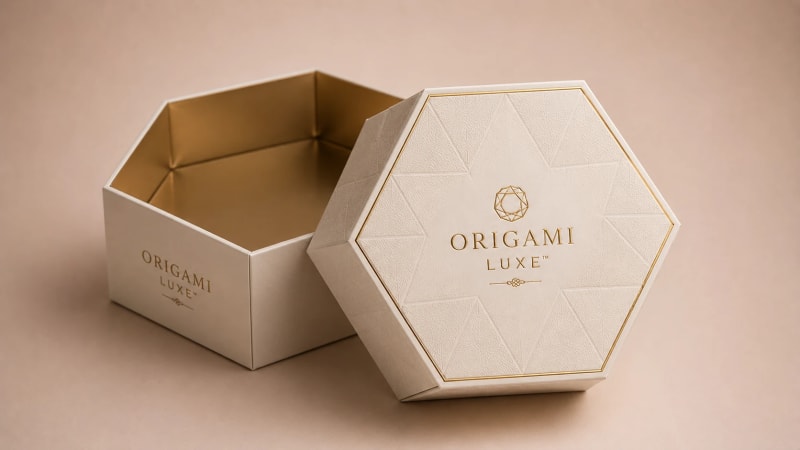
PremiumBespokeArtisanLuxuryCustom Shaped Boxes
Tell us about your boxes
Popular Custom Shaped Boxes
our brands keep reordering.
Hand-picked from our custom shaped boxes range. 13 styles, each built for a different job.
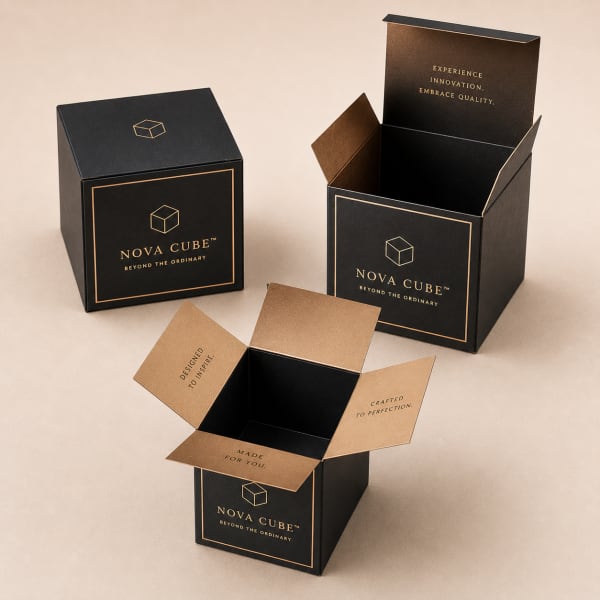
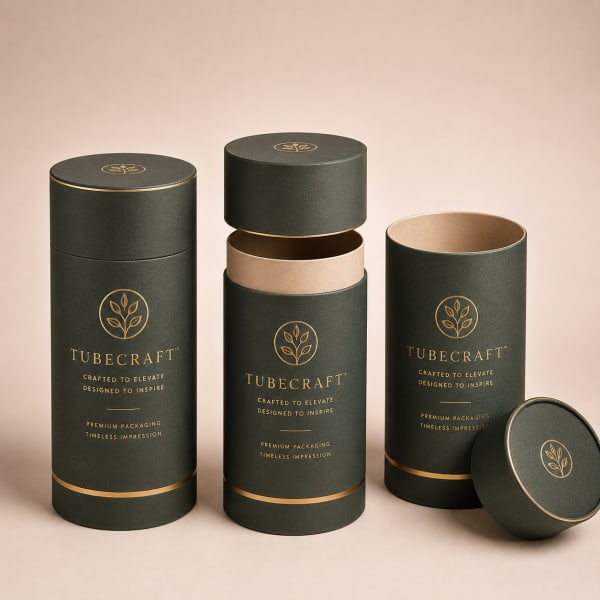
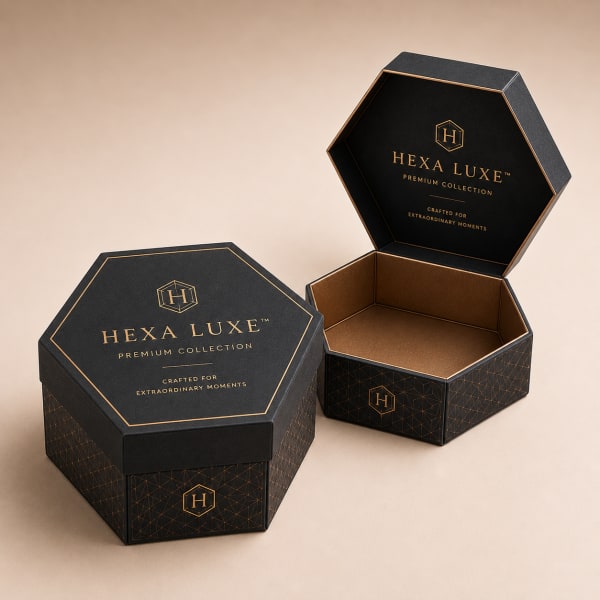
The box is the building.
Inserts are everything else.
Furniture. Bodyguards. Stage crew. The unseen architecture that makes your product feel like it lives somewhere, not like it was just dropped in a box.
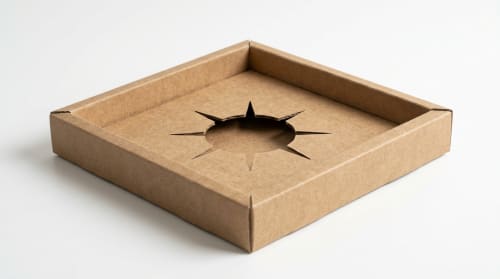
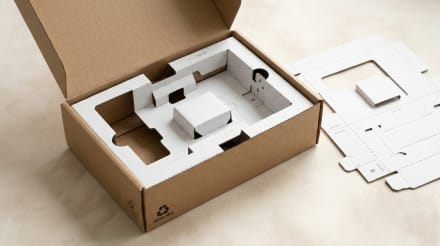
Paperboard Inserts
“Clean recyclable inserts for”
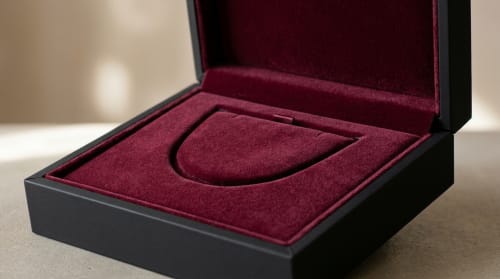
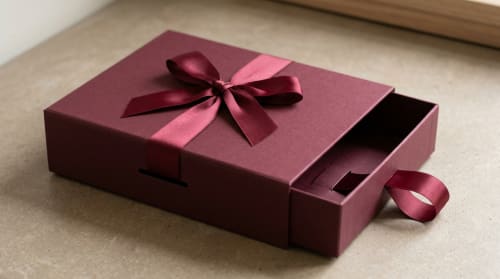
Every finish we offer on Shaped Boxes.
Materials, finishes and add-ons available for this range. Order any of them as a free sample before you commit to a run.
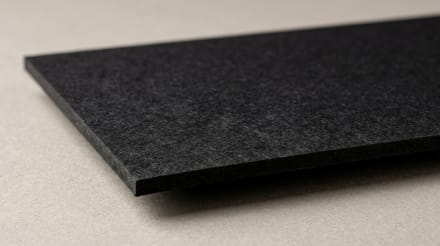
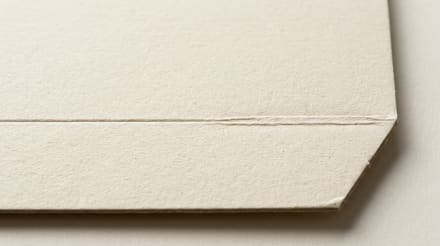
Materials
The board and film we build on
 ◷ ECO
◷ ECO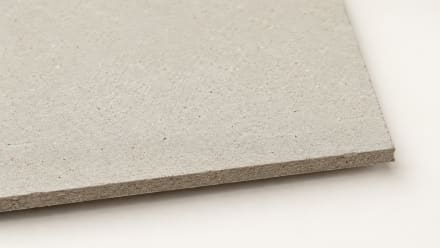
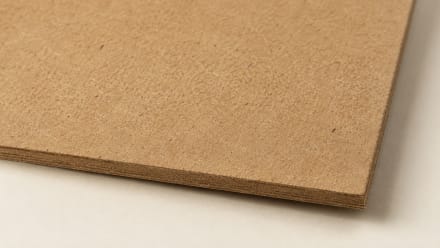
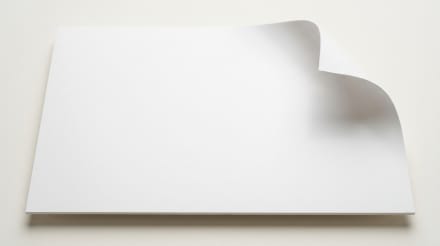
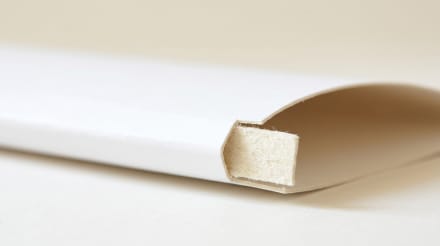
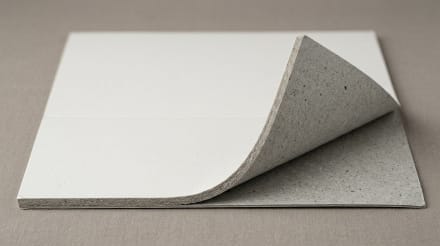
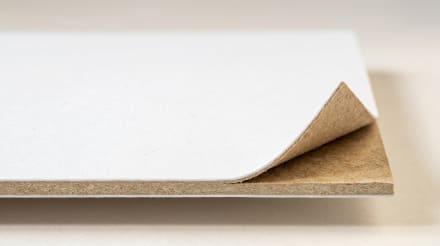
Finishes
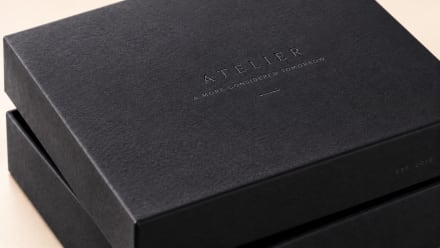
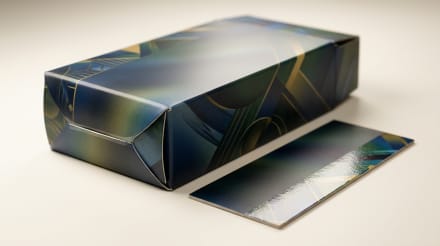
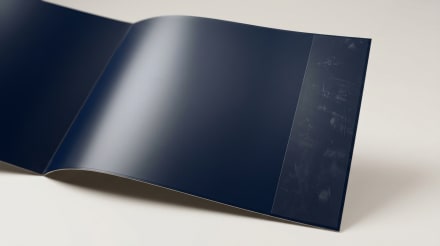
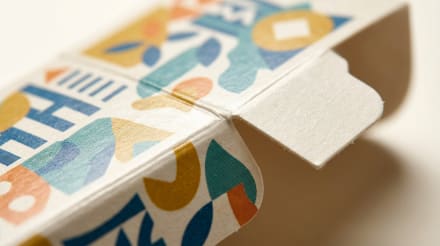
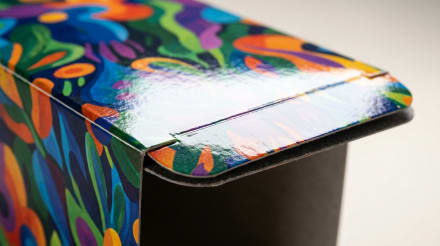
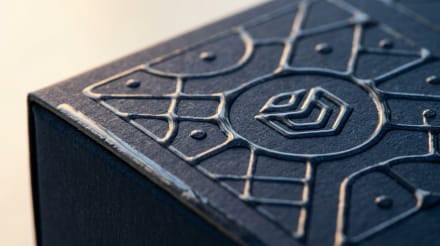
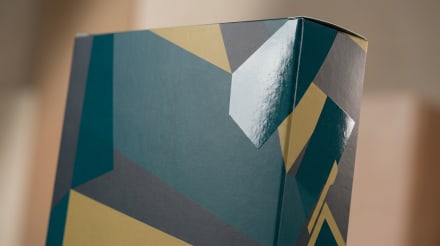
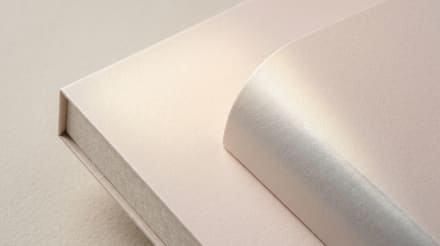
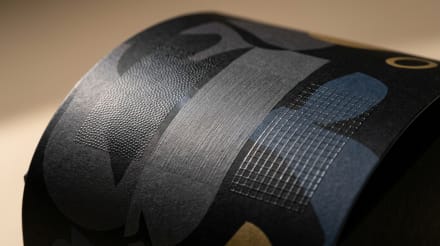
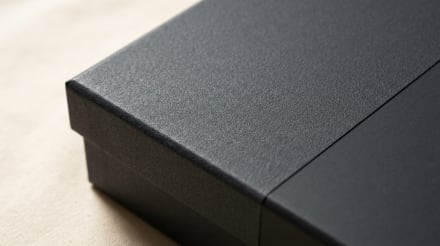
What the surface does in the light

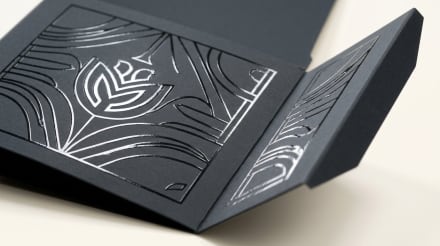
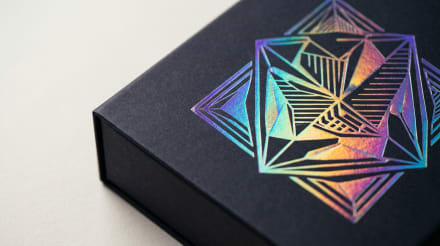
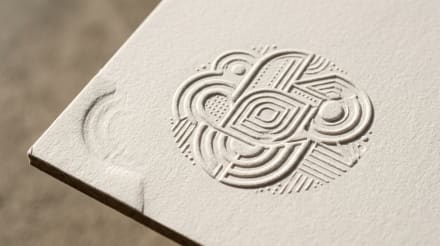
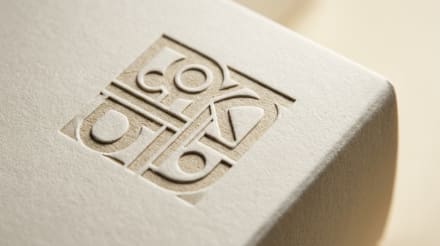
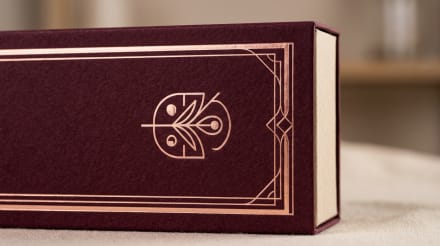
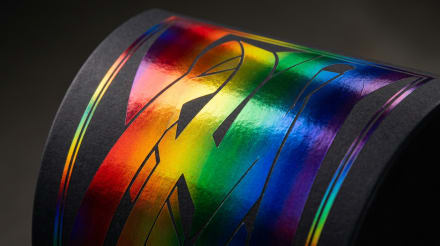
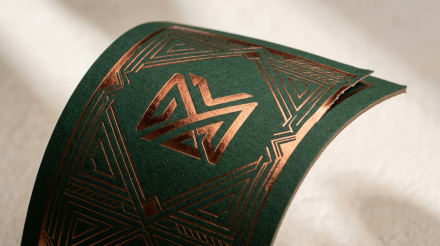
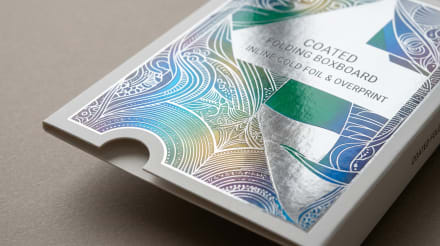
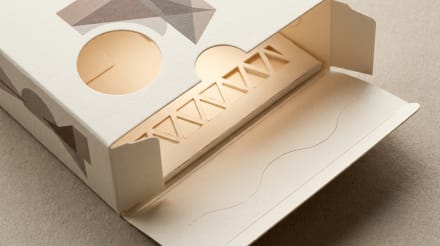

Add-ons
Closures, linings and the extra touches
For brands that would rather not look like the shelf.
Children's Products & Toys Packaging
Playful die-cut outlines on folding boxboard, with structural review so the shape survives handling by the people least likely to be careful with it.
When a rectangle will not do.
Custom shaped boxes, die-cut to an outline of your own, with an honest account of what that costs.
Shape is the differentiation competitors cannot copy quickly.
Print can be imitated in a fortnight. Tooling takes longer.
It is recognised before it is read
A distinctive silhouette registers at distance, in peripheral vision, and at thumbnail size in an online listing. None of those are true of a printed detail, which is why shape outperforms artwork as a differentiator in crowded categories.
Tooling is a one-off, not a per-unit cost
A custom die is paid for once. Spread across a production run of any size the per-unit difference between a shaped box and a rectangular one is much smaller than brands expect. The cost is a threshold to cross rather than a permanent premium.
But a rectangle is efficient for good reasons
Rectangles nest on the sheet with almost no waste, stack on a pallet without gaps, and fill a shipping case cleanly. A shape gives up some of each. If the shape is not doing real work for the brand, those efficiencies are worth more than the novelty.
Material choice narrows when the shape gets ambitious.
Some boards take a curve. Others crack.
Folding boxboard
The most versatile for shaped work. Creases and curves cleanly at the grades used for retail cartons, and takes full-colour print without compromise. The right default for most shaped packaging.
E-flute corrugated
Where a shaped box needs structural strength. The flute limits how tight a curve can be before it crushes, so shapes on corrugated are generally more angular than those on carton board.
Rigid board
For premium shaped presentation boxes. Non-folding, hand-wrapped, and capable of holding shapes that folding formats cannot. Expect a considerably higher unit cost and a longer lead time, because the wrapping is manual.
What shapes actually work.
The constraints are structural, and they are worth knowing before you design.
Glue tabs need flat land
Every shaped box still has to be assembled. The tabs that hold it together need reasonably straight, parallel surfaces, so the shape lives on the visible faces while the joining areas stay conventional.
Soften internal corners
Sharp internal angles concentrate stress and are where a shaped box begins to tear. A radius solves it without changing how the shape reads at arm's length.
Check how it will be assembled
Complex shapes often cannot be erected on an automated line, which means hand assembly and a different cost model. If you are filling at volume, confirm the shape feeds your equipment before committing to tooling.
Where shape justifies its cost.
Categories where standing out is worth giving up efficiency.
Children's products and toys
Where the pack is part of the appeal and a shaped box reads as playful before a word is read. One of the few categories where shape is close to an expectation.
Premium gifting and spirits
Presentation boxes where the structure signals occasion. Rigid shaped formats with foil and emboss, produced in lower volumes where the tooling is easily justified.
Promotional and limited editions
A shape signals a limited drop without any new artwork, which is exactly what a limited edition needs to communicate. Short runs, high impact, no permanent commitment.
From sketch to die.
Send a rough drawing. Most of the feasibility answer takes ten minutes.
01. Send the idea, however rough
A sketch on paper is enough. What we need to see is the outline and where the product sits inside it.
02. Structural review
We check glue tabs, internal corners, nesting efficiency and assembly, and come back with what works and what needs adjusting. This is free and it happens before any tooling.
03. Dieline and physical mock-up
A cut mock-up in the real board, unprinted. For a shaped box this matters far more than a digital proof, because you need it in your hands.
04. Tooling and print
The die is cut once, then printing, finishing and die-cutting run as normal.
05. Delivery
Flat-packed where the shape allows, assembled where it does not, shipped nationwide across the USA.
Questions, answered.
A custom steel rule die is a one-time charge, and it is reused on every reorder afterwards.
That makes it significant on a single run and negligible on a repeating one. Digital cutting has lowered the entry point considerably, since prototypes and very short runs can now be cut without any tooling at all. The sensible workflow is to prove the structure digitally, approve it, and only then commit to a steel die for production.
Nesting. Rectangles tile across a press sheet with almost no waste; irregular shapes do not.
Sheet utilisation on a curved or irregular outline can drop to 60–70%, and that waste sits in the price whether or not it appears as a line item. Rotating the shape or interlocking two mirrored outlines usually recovers some of it, which is worth asking about at dieline stage rather than after the quote.
Almost anything, with one hard constraint: internal corners tighter than about 3mm radius crack the fibre when folded.
So shaped dielines soften sharp points slightly, just enough to survive folding and never enough for anyone to notice the outline changed. Curves, apertures, integrated handles and unusual closures are all achievable. True compound curves need rigid construction rather than folding board, which is a different process at a different price.
A die-cut box is cut to a custom dieline sized to your product; a stock box is an existing size pulled from a catalogue.
Stock is cheaper per box and available immediately. Custom fits the product, which eliminates void fill, reduces dimensional weight and stops contents shifting in transit. At any real volume the freight saving from right-sizing usually exceeds the die charge quickly, which is why custom dominates above a few thousand units.
They fold cleanly, but their stiffness lives in the base rather than the walls.
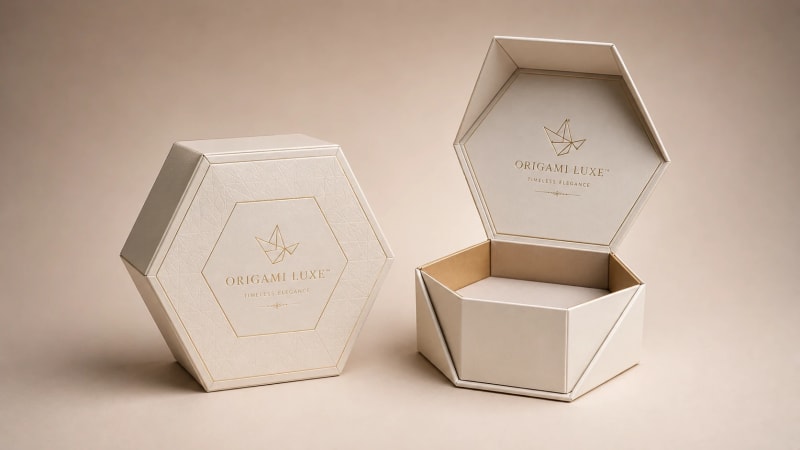
Hexagonal walls meet at 120 degrees and octagonal at 135, both gentler angles than a square's 90, so they fold more easily but lock less rigidly. Folding versions need their base geometry taken seriously. Inside, round contents fit these shapes naturally while rectangular contents waste the corners, so the shape suits products chosen with it in mind.
Usually yes, subject to the 3mm internal radius rule and whether the outline can fold flat.
The practical test is whether the shape has a foldable geometry. Some outlines work as die-cut flat pieces or as rigid constructions but cannot be folded from a single blank. A digital prototype before you commit is the way to find out, and it costs very little compared with finding out after tooling.
A two-piece box where the lid slides down over the base, either partially or to the full depth.
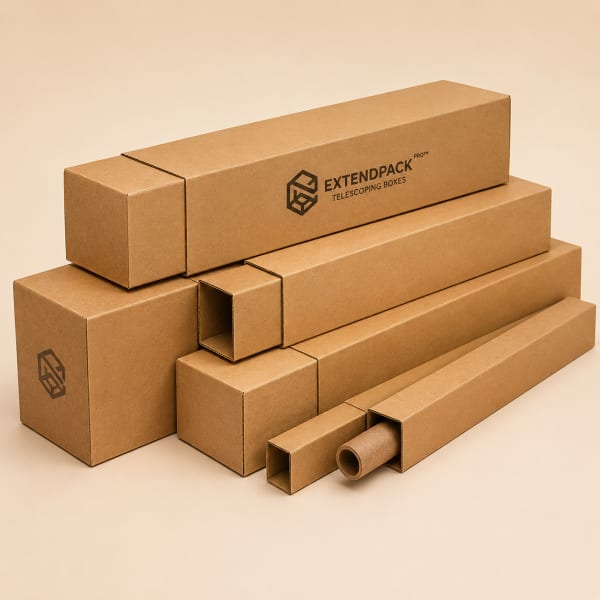
A full telescope doubles the wall along the whole height, which is why garment boxes and board games use it. They ship without an outer carton and survive years of reopening. The lid also traps air as it descends, giving the slow cushioned close the format is known for. Tolerance is critical: too tight and it binds at half travel.
500 units for most shapes, with 7 to 10 business days plus 5 to 7 days for tooling on a first order.
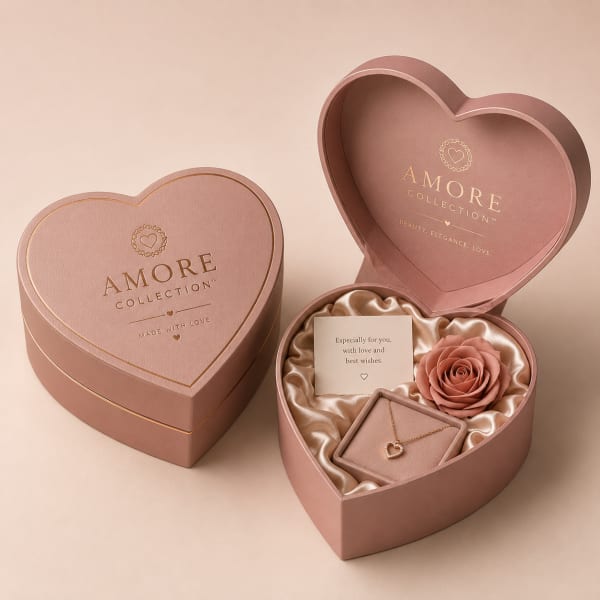
The tooling time applies only to the first run, and reorders skip it entirely. For seasonal shapes especially, that lead time matters. A heart-shaped box for February needs its die made months earlier, because shaped work cannot be rushed through a die house in January.
Your brand deserves
better packaging.
Work one to one with a dedicated packaging manager, from first sketch to delivery.