
PremiumBespokeArtisanLuxuryHoliday Boxes
Tell us about your boxes
Popular Holiday Boxes
our brands keep reordering.
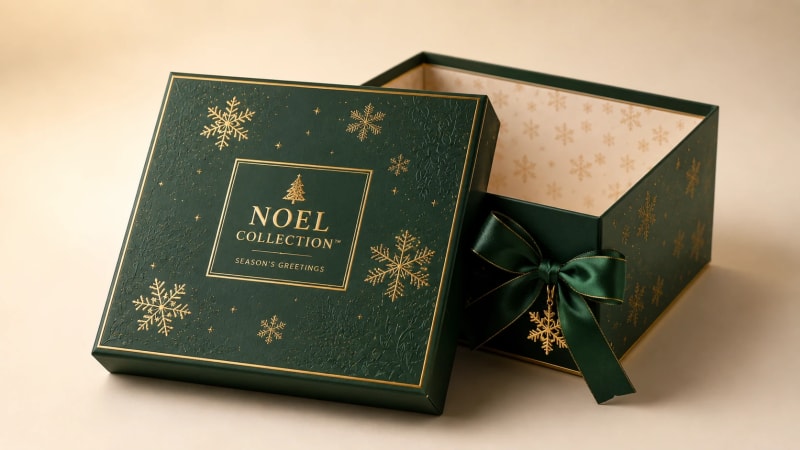
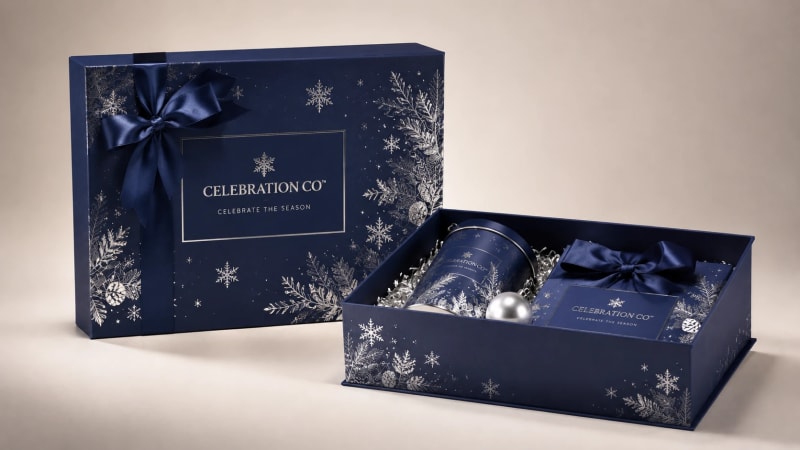
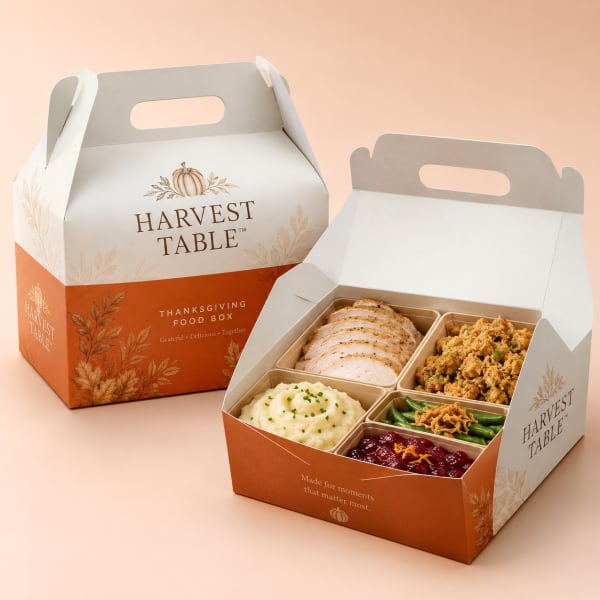
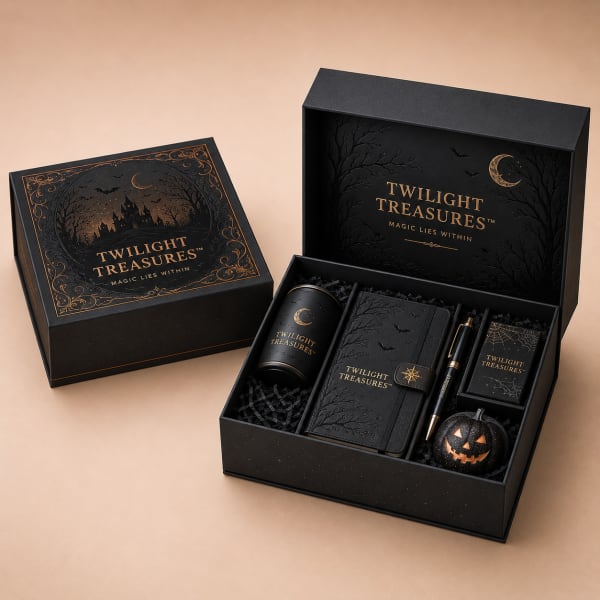
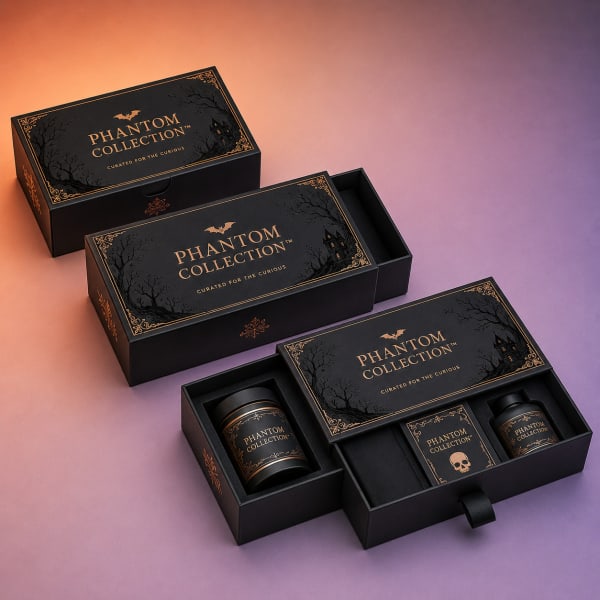
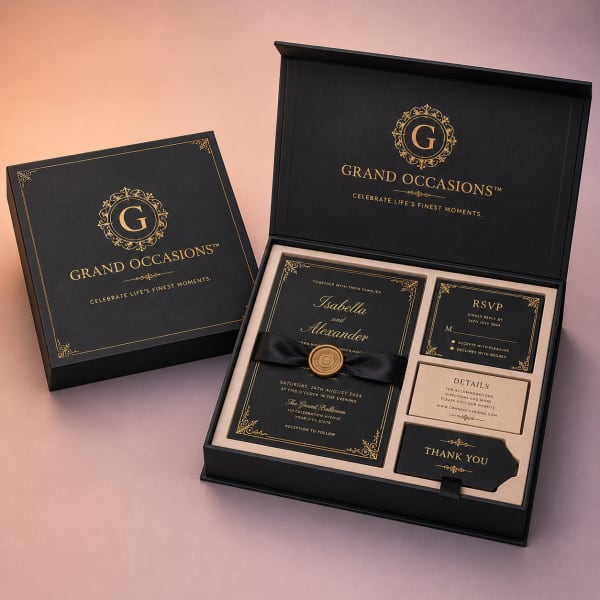
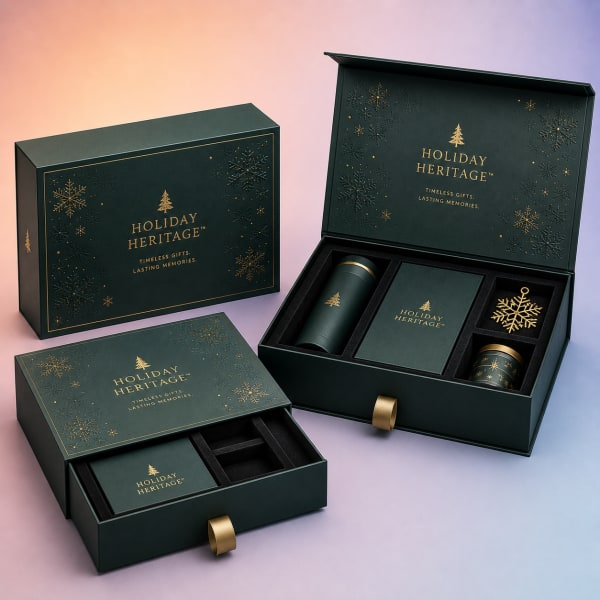
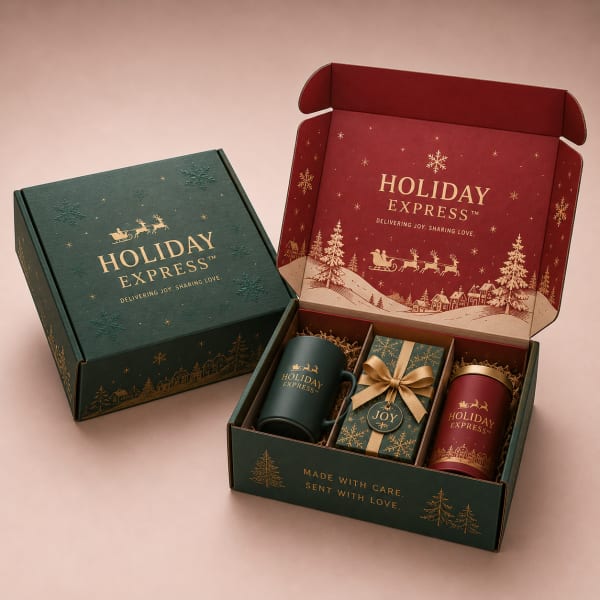
Hand-picked from our holiday boxes range. 8 styles, each built for a different job.
The box is the building.
Inserts are everything else.
Furniture. Bodyguards. Stage crew. The unseen architecture that makes your product feel like it lives somewhere, not like it was just dropped in a box.
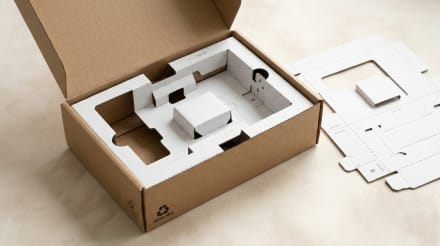
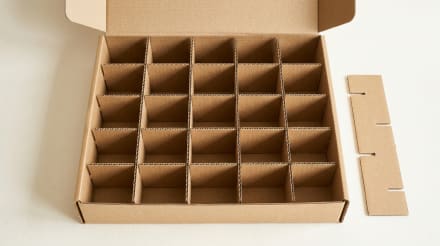
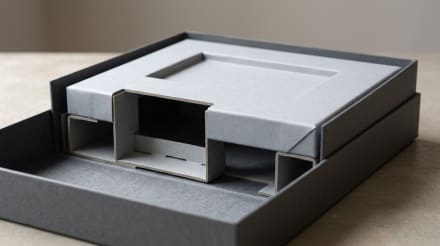
Paperboard Inserts
“Engineered paper architecture. Folds, locks, and reveals.”
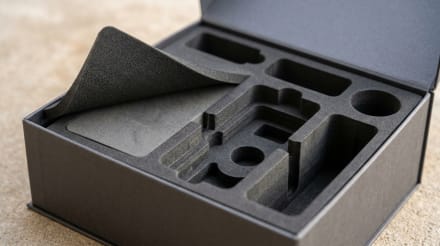
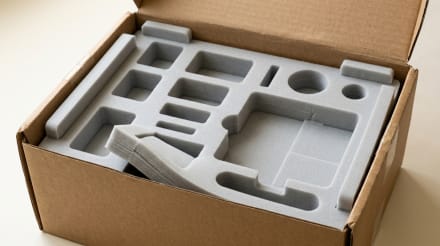
Foam Inserts
“Soft armor that fits like a glove. Protection without weight.”
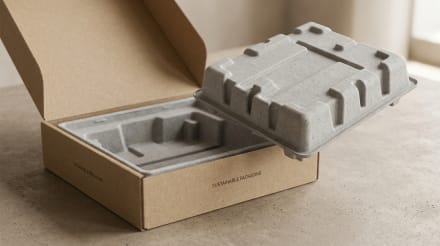
Molded Pulp Inserts
“Custom-shaped cradles for products of any silhouette.”
Velvet & Luxury Inserts
“Touch is the unsung sense. Make every reach into the box feel chosen.”
Bottle & Jar Inserts
“Hold the unholdable. Round things, fragile things, things that mustn't spill.”
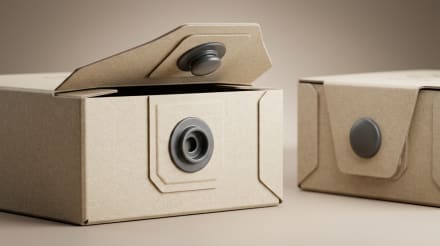
Eco Inserts
“Plant-based, plastic-free, planet-positive. Compost-ready protection.”
Flexible Protection Inserts
“The unsung heroes of shipping. Soft cushioning that travels well.”
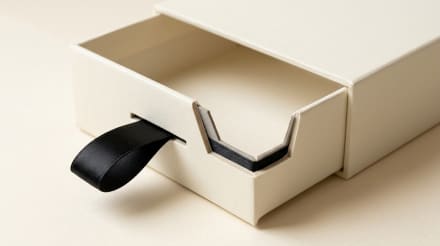
Marketing & Welcome Inserts
“The story slid in beside the product. Printed conversation starters.”
Every finish we offer on Holiday Boxes.
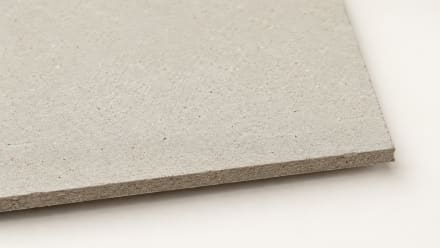
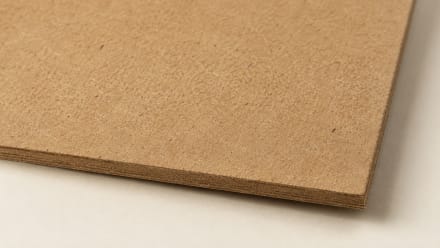
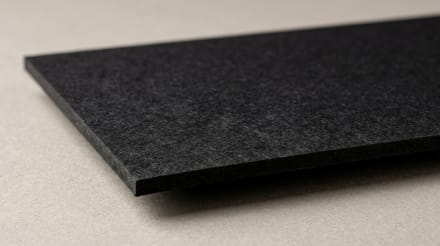
Materials, finishes and add-ons available for this range. Order any of them as a free sample before you commit to a run.
Materials
The board and film we build on
 ◷ ECO
◷ ECO







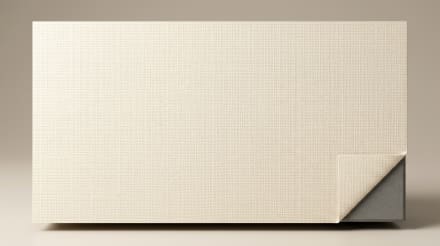


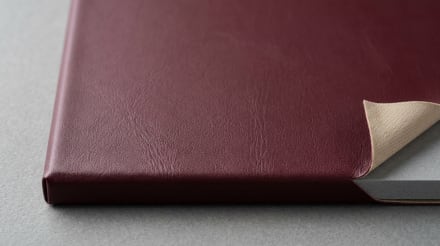
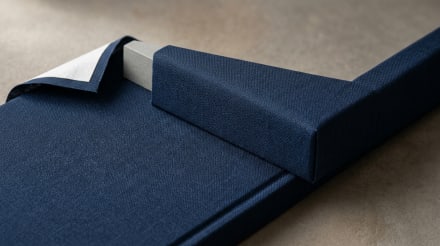

Finishes
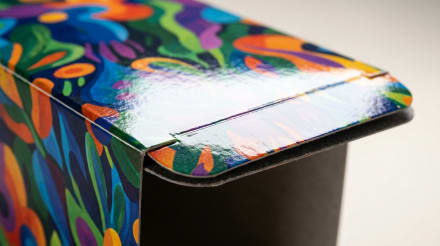
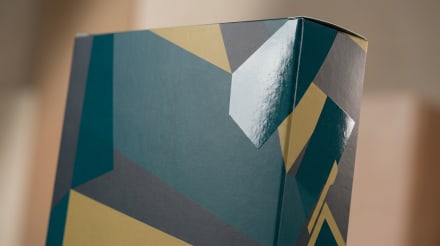
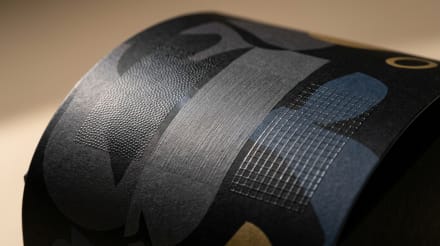
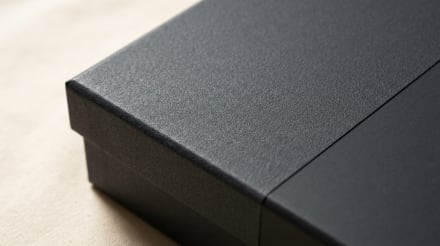
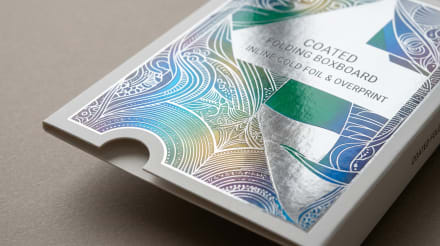
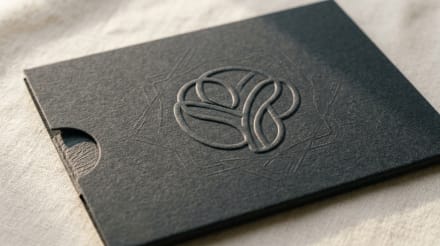
What the surface does in the light

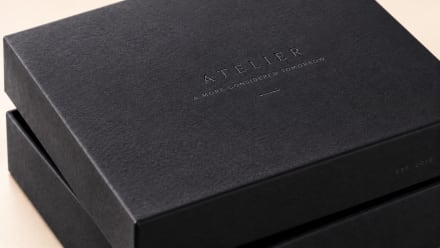
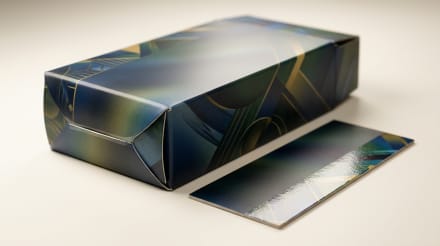
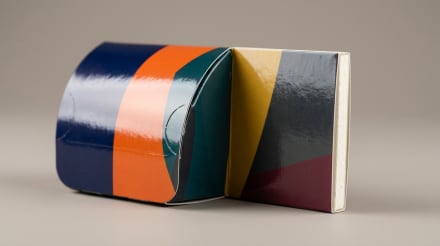

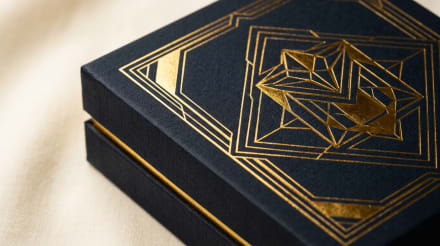

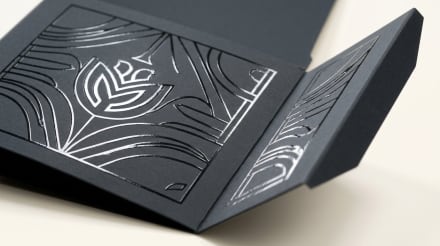








Add-ons
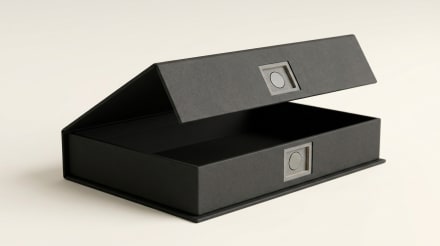
Closures, linings and the extra touches


For the weeks that carry the year.
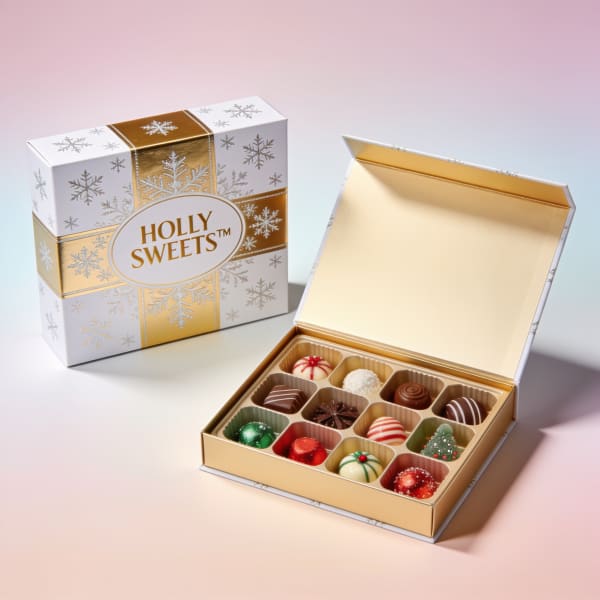
Confectionery & Chocolate Packaging
Gift boxes, advent formats and seasonal multi-packs with food-safe board and fitted inserts. Planned a year ahead because the category demands it.
The season does not move for anyone.
Custom holiday boxes for seasonal and limited-edition runs, planned backwards from a date that will not shift.
Seasonal packaging is a deadline problem first.
Everything else about it is ordinary packaging. The date is what makes it hard.
The date is fixed and everyone shares it
Christmas does not slip, and neither does anyone else's Christmas. Every printer in the country is running holiday work in the same eight weeks, so capacity tightens exactly when you need it. Ordering early is not caution here, it is the whole strategy.
Work backwards, not forwards
Start from the on-shelf date, subtract distribution, subtract your own fill and pack time, subtract production, subtract proofing and artwork. The order date that falls out is usually earlier than brands expect, often by months rather than weeks.
Unsold seasonal stock is worth very little
A dated pack has no value on 26 December. That risk cuts both ways: over-order and you write it off, under-order and you cannot reprint in time. It is the one packaging decision where the forecast matters more than the specification.
Finishes that read as occasion.
Seasonal packaging is where finish budgets are best spent.
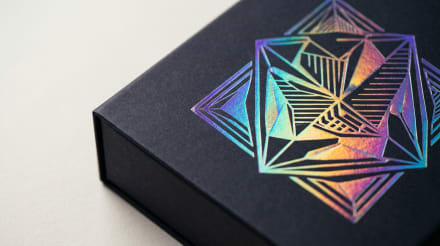
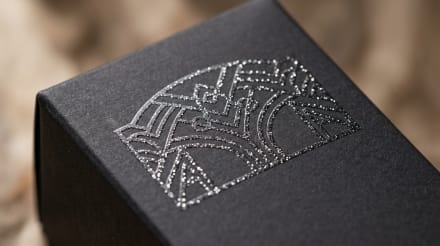
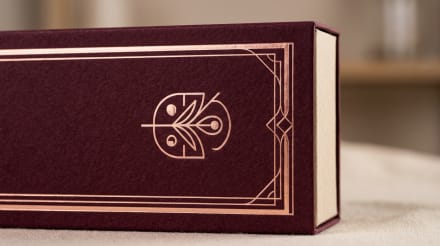
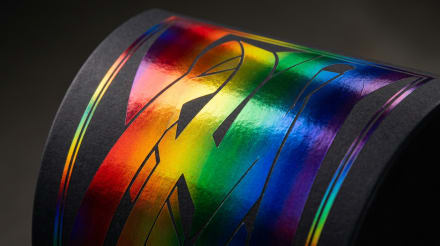
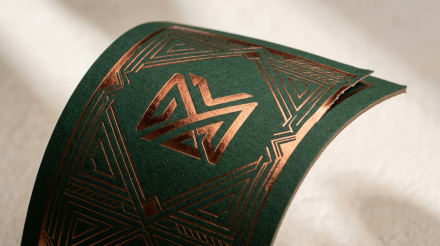
Foil and metallics
Hot foil in gold, silver, copper and rose gold is the defining seasonal finish, and it photographs well, which matters when customers are posting gifts. Metallic board and metallised laminates give the same effect across a whole panel rather than in detail.
Texture over decoration
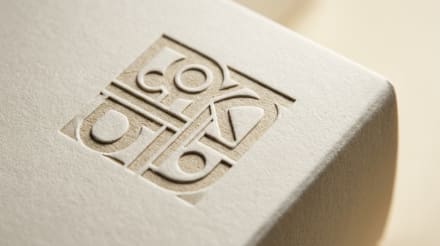
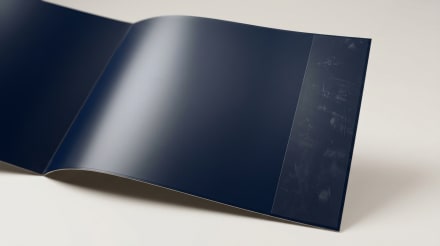
Emboss, deboss, soft-touch and textured stocks read as premium in the hand in a way printed ornament does not. For gifting, how the pack feels when it is handed over is doing as much work as how it looks.
Undated design, dated sleeve
A practical trick worth knowing: keep the box itself undated and put the year or occasion on a printed sleeve or label. Unsold boxes carry over to next season instead of being written off, and only the cheap component is wasted.
Gift sets, advent formats and limited runs.
Seasonal structures tend to be more ambitious than everyday ones.
Multi-compartment gift sets
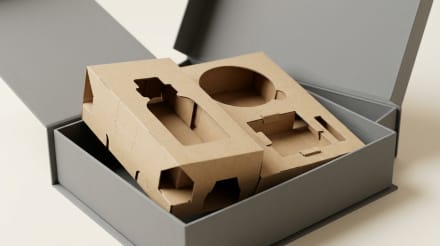
Rigid or corrugated bases with fitted inserts holding several products in a considered arrangement. The insert is what makes a gift set feel designed rather than assembled, and it is where most of the structural work goes.
Advent and countdown formats
Multi-cell structures with individually opening doors or drawers. Genuinely complex to build and expensive to tool, which is why they need the longest lead time of anything in this category. Start these in spring, not autumn.
Short runs and limited editions
Seasonal work is often lower volume than core lines, which changes the economics. Digital print becomes viable at these quantities and removes plate and cylinder costs, which is usually the right call for a run that will never repeat.
Who lives on the seasonal calendar.
Categories where a large share of annual revenue lands in a few weeks.
Confectionery and chocolate
The most seasonal category in retail, with Christmas and Easter dominating the year. Gift formats, advent calendars and multi-packs are planned a full year ahead as a matter of routine.
Beauty and fragrance
Gift sets are a substantial share of annual beauty sales. Rigid boxes with fitted inserts, foil and soft-touch carry the highest finish spend of any seasonal category.
Spirits and beverages
Presentation cartons and tubes for gifting, frequently with a limited-edition design that never repeats. Short runs, high finish, and an immovable date.
Planning a season that cannot slip.
The order of operations matters more here than anywhere else.
01. Fix the on-shelf date
Everything is calculated back from this. Tell us the date before you tell us the specification.
02. Lock the forecast early
Seasonal reprints are usually impossible inside the window. It is better to decide the quantity once, carefully, than to plan on topping up.
03. Structure, dieline and proofing
Complex seasonal structures need more proofing than everyday cartons. Build the time in rather than compressing it later.
04. Production ahead of the rush
Booked capacity before the seasonal peak, not during it. This is the single biggest thing that protects the date.
05. Early delivery, deliberately
Delivered ahead of your fill window so a transit delay does not become a missed season.
Questions, answered.
In the third quarter for fourth-quarter delivery, because print capacity books early and seasonal work cannot be rushed.
Seasonal packaging manufactures in summer, ships to brands in early autumn and reaches shelves by November. Curved rigid constructions like heart-shaped boxes need even longer. The trade's cautionary tales are all about holiday runs arriving in January, so work backwards from a shelf date rather than forwards from an order date.
Generally no. Undated seasonal design sells through clearance and can be carried over.
Snowflakes and winter motifs still sell on 26 December. A dated box does not. The same logic applies across seasons. Where a dated edition genuinely adds collector value, that is a deliberate choice. Otherwise it turns unsold inventory into a write-off rather than carryover stock.
A constant box structure with printed sleeves or bands carrying the seasonal artwork.
The box tooling amortises across every season, while each holiday becomes a short sleeve run. That is how experienced brands handle Christmas, Valentine's, Halloween and Easter from one carton die, and it means a design change late in planning costs a sleeve reprint rather than a whole production run.
It is the most calendar-locked format in packaging, with an entire year's sales made in about six selling weeks for one day.
Heart-shaped boxes are curved-wall rigid construction, which is hand-assembled and slow, so production runs months ahead. The interior surprise is that hearts waste cavity space. A heart tray holds noticeably fewer pieces than its footprint suggests, which should be established at specification stage.
It is the one season where packaging is supposed to be strange, which licenses shaped dies and effects other seasons do not.
Coffins, pumpkins and bats are native geometry, and glow-in-the-dark inks earn their cost in a season sold after dark. The adult-Halloween segment has grown fastest, bringing matte black and gold registers alongside the traditional orange. Specialty inks book capacity, so ask early.
A twenty-four-door structure with individually die-cut and scored doors, plus a fitted interior grid for the contents.
It is the most complex build in seasonal packaging, because the door dies, the sequencing and the fill process all have to line up. Lead times run longer than standard cartons, and because the format is dated by its very structure, production planning has no carryover option.
At unusually high rates. Christmas boxes in particular become decoration storage and get reused for years.
Design for that. Nested set boxes with sturdy construction and undated artwork keep working season after season, and a box that survives in a household attic keeps a brand present far longer than the original purchase suggests.
500 units for printed cartons, with 7–10 business days production plus seasonal capacity considerations.
Lead times stretch as the fourth quarter approaches because print capacity fills, which is the practical reason for ordering in the third quarter. Rigid and shaped seasonal constructions need longer again.
Your brand deserves
better packaging.
Work one to one with a dedicated packaging manager, from first sketch to delivery.