PremiumBespokeArtisanLuxuryPharma Packaging
Tell us about your boxes
Popular Pharma Packaging
our brands keep reordering.
Hand-picked from our pharma packaging range. 17 styles, each built for a different job.
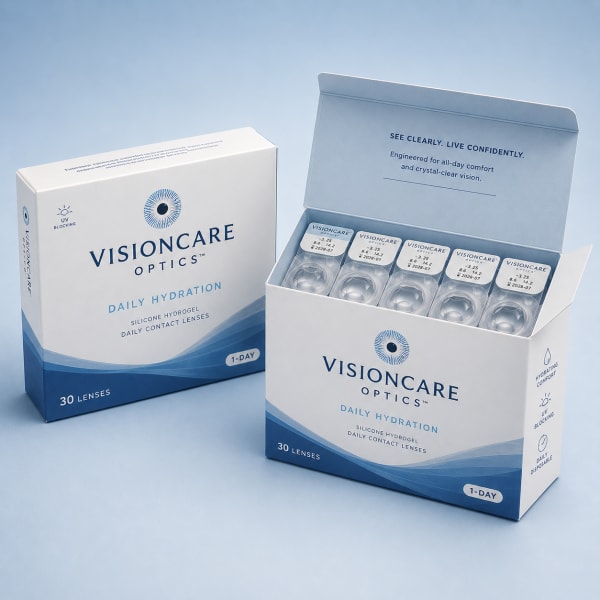
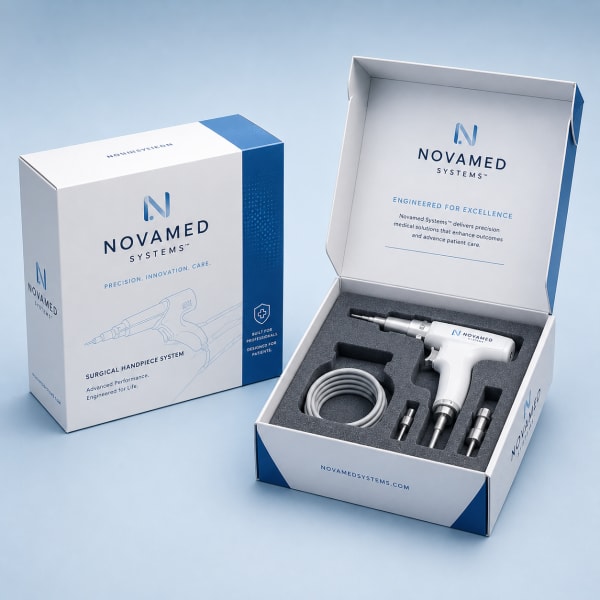
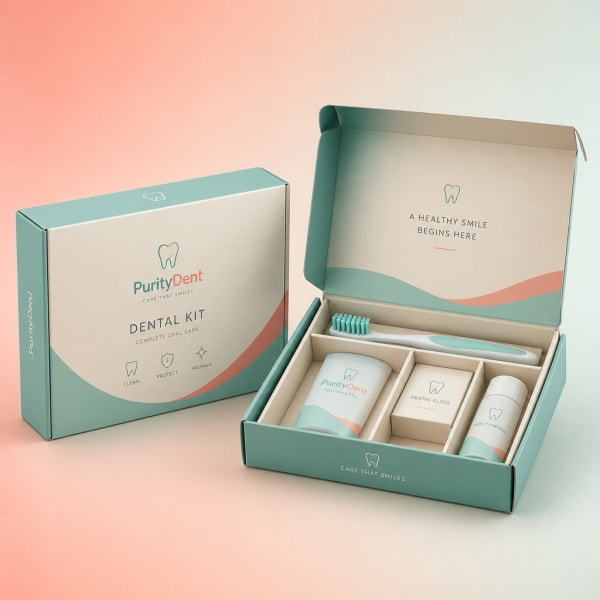
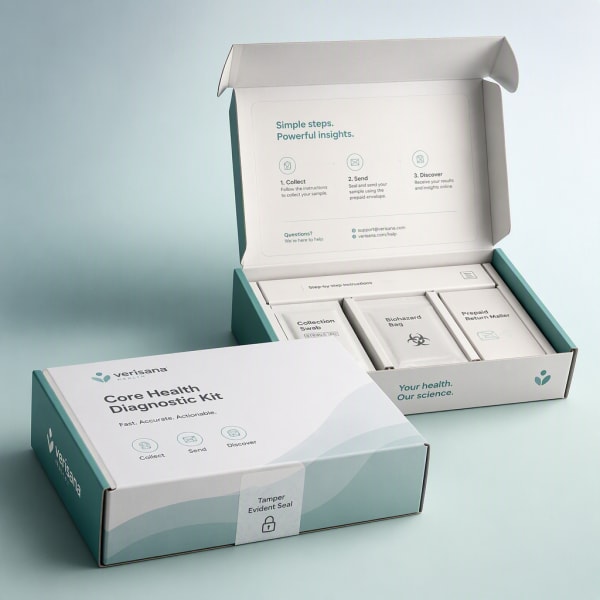
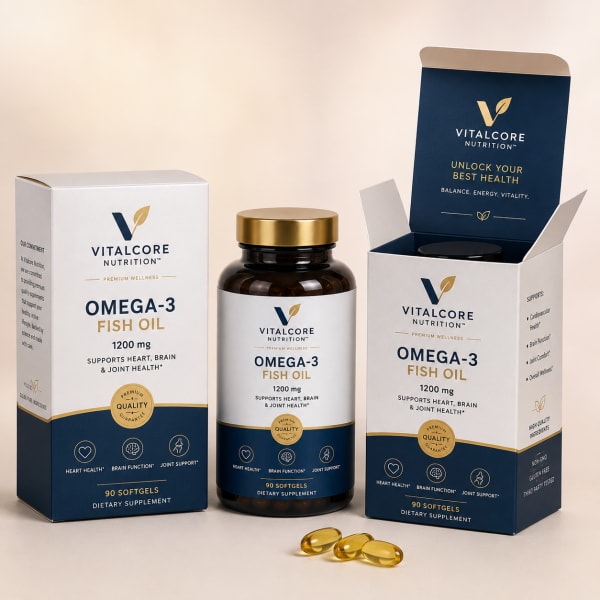
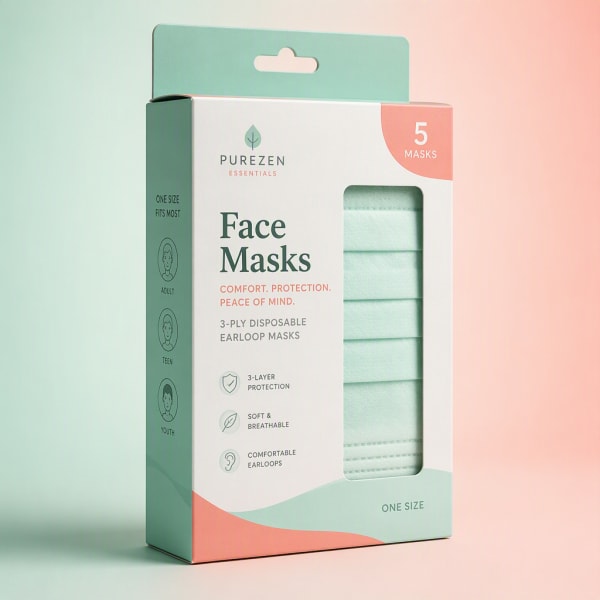
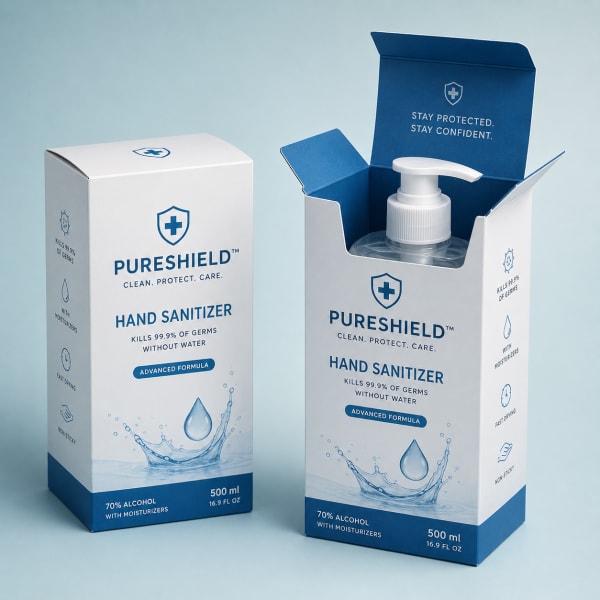
The box is the building.
Inserts are everything else.
Furniture. Bodyguards. Stage crew. The unseen architecture that makes your product feel like it lives somewhere, not like it was just dropped in a box.

Paperboard Inserts
“Clean recyclable inserts for”
Every finish we offer on Pharma Packaging.
Materials, finishes and add-ons available for this range. Order any of them as a free sample before you commit to a run.
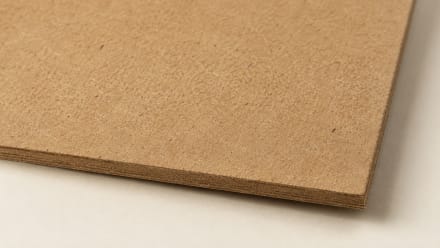
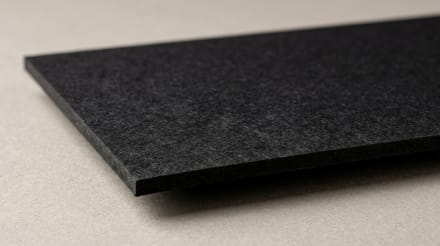
Materials
The board and film we build on
 ◷ ECO
◷ ECO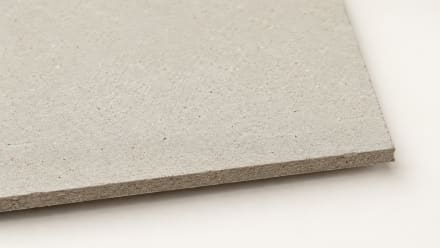





Finishes
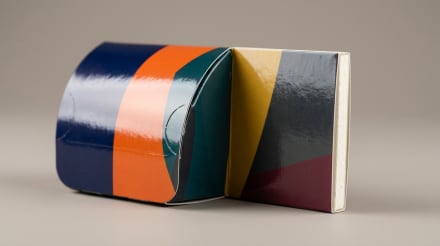
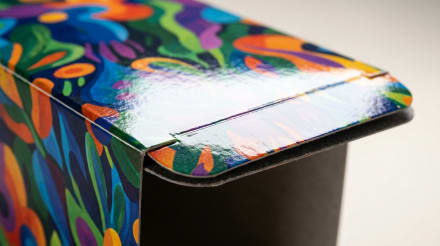
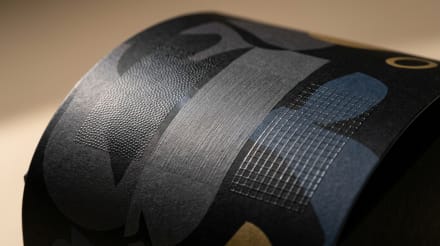
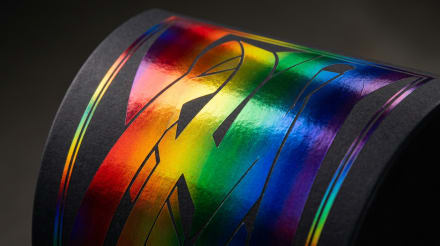
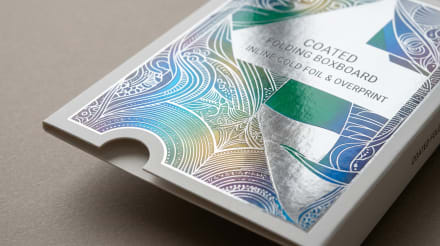
What the surface does in the light
























Add-ons
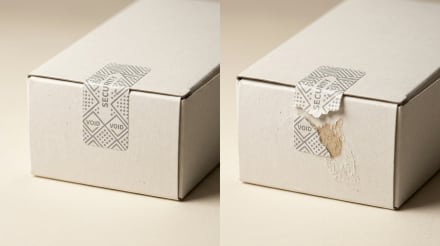
Closures, linings and the extra touches




Every pharmaceutical category, GMP-compliant.
OTC Medications Packaging
Over-the-counter cartons meeting all mandatory labelling requirements. CR and non-CR options at volume.
Where precision is the only standard.
Pharmaceutical packaging built around compliance frameworks, structural precision, and print quality that puts information first.
Packaging that protects patients
Pharmaceutical packaging has zero tolerance for error.
Compliance is mandatory, not optional
Pharmaceutical packaging must meet GMP (Good Manufacturing Practice) standards, FDA 21 CFR (US), EU Directive 2001/83/EC (Europe), or equivalent market authority requirements. We produce to these standards as standard.
Information hierarchy is design
Between drug facts panels, dosage instructions, active ingredient disclosure, batch numbers, expiry dates and manufacturing codes, the design of a pharmaceutical carton is an information layout problem as much as a brand problem.
Serialisation and track-and-trace
EU Falsified Medicines Directive (FMD) and US DSCSA require unique identifiers on pharmaceutical packaging. Our dielines include dedicated 2D barcode areas, and our print process produces serialisation-ready barcodes at production speed.
Board and print for pharma
The materials that meet the standard.
Board grades
Pharmaceutical cartons are typically 280–350gsm SBS or GC2 white-lined chipboard. All board meets relevant pharmacopoeia and GMP material requirements. Moisture-resistant coating available for high-humidity markets.
Offset litho with pharmaceutical-grade ink. All inks comply with EuPIA (European Printing Ink Association) guidelines and FDA ink regulations for pharmaceutical packaging. Pantone matching to brand and regulatory colour standards.
Child-resistant options
CR (child-resistant) cartons available for OTC products requiring CR certification. Squeeze-and-pull mechanism certified to ASTM D3475 and EN 862. Braille emboss on outer carton standard for EU market.
Every pharma packaging format
Blister carton to unit-dose sachet.
Blister cartons
The primary format for solid oral dosage forms (tablets, capsules). Reverse tuck carton sized to the blister dimensions with insert leaflet slot engineered in. Drug facts panel on every external face.
Bottle cartons
Outer cartons for liquid medications, eye drops, nasal sprays, and topical products. Tamper-evident inner seal area. Product visible through window die-cut if required.
Unit-dose and sachet packaging
Single-dose sachets and stick packs for powder medications and OTC supplements. Heat-sealed foil laminates, full print on both faces, lot and expiry coding on each unit.
Every pharmaceutical category
OTC to prescription, generics to branded.
OTC medications
Over-the-counter cartons meeting all mandatory labelling requirements. CR and non-CR options. High volume, consistent quality, on-time delivery.
Generic pharmaceuticals
Standardised carton formats produced at volume. Consistent Pantone matching across batches. Serialisation and track-and-trace printing at production speed.
Branded prescription products
Premium print quality with all regulatory requirements met. Braille, tamper evidence, serialisation, and brand graphics working together without compromise.
Veterinary products
Pharmaceutical-grade cartons and pouches for veterinary medications. Same GMP production standards as human pharma, because the compliance requirement is the same.
From regulatory dossier to pharmacy shelf
The pharmaceutical packaging supply chain.
01. Regulatory brief
We collect the full regulatory requirement set, covering market authority, CR status, serialisation requirement, Braille, and mandatory panel content. Every element is documented before artwork is placed.
02. GMP production
Production in a GMP-compliant environment. Certificate of conformance supplied with every order. Batch records retained to our standard retention policy.
03. Quality release & deliver
Every batch undergoes print register, colour density, and dimensional inspection before release. GMP documentation pack supplied with shipment.
Questions, answered.
Serialisation means each package carries a unique identifier, and under the Drug Supply Chain Security Act it is required for prescription drug packages in the US supply chain.
The identifier combines a GTIN, a serial number, the lot and the expiry date, encoded in a 2D DataMatrix barcode. That code needs designed space with an adequate quiet zone and print quality good enough to scan reliably. On a small carton that is a real constraint, and the space should be allocated at layout stage rather than squeezed in at the end.
It is a legal requirement on medicine cartons in the EU and increasingly expected elsewhere.
The product name must appear in raised braille dots on the carton. That has practical consequences for the board specification, because the material must take and hold an embossed dot without cracking or flattening in a stack, and for the layout, because the braille area cannot overlap critical printed content.
The active ingredient's stability data decides it rather than preference.
PVC is the baseline with a modest moisture barrier. PVC/PVDC coated films step up substantially. Aclar laminates serve genuinely moisture-sensitive actives. Cold-form aluminium gives a near-absolute barrier at the cost of opacity and a larger footprint. Start with the degradation profile, meaning what the film has to keep out, and specify backwards from that.
By requiring a cognitive or two-action sequence rather than physical strength.
The 16 CFR 1700.20 protocol tests both populations: children must mostly fail, and adults aged 50–70 must mostly succeed at opening and reclosing. Strength-based closures fail the adult panel. Peel-push blisters dominate in medicines precisely because peeling is a manipulation older adults perform reliably while young children do not.
Look-alike, sound-alike confusion between products in the same family, most often strengths that differ only in a number set identically.
The accepted mitigations are Tall Man lettering, which capitalises the distinguishing letters of confusable drug names, and differentiating strengths by colour and typographic weight rather than by the numeral alone. That is packaging design as error prevention, and it is why pharmaceutical cartons look the way they do.
It is the standard governing packaging for terminally sterilised medical devices, in two parts: materials and system design, and validation of forming and sealing processes.
Where it applies, the package is part of the device. It is the sterile barrier system, and its performance is validated and documented under the same quality system as the product. That has a consequence buyers often miss. Packaging changes can be regulatory events requiring notification, so it is not something to value-engineer casually after approval.
Because it is porous enough to admit sterilant gas or steam and then filters microorganisms out afterwards, while being extremely difficult to tear in a way that creates particulate.
That combination is what a sterile barrier needs: permeable during sterilisation, impermeable to microbes afterwards, and clean-tearing at the point of use. Chevron-sealed Tyvek pouches with a peel corner give clinical staff the aseptic presentation they are trained on. They peel back and present to the sterile field without contact.
A Supplement Facts panel in the prescribed format, ingredient list, net quantity, manufacturer or distributor contact, and the DSHEA disclaimer alongside any structure-function claim.
Supplements are not FDA pre-approved. Under DSHEA the manufacturer is responsible for safety and labelling accuracy and the agency acts afterwards. The most common compliance failure is leaving out the disclaimer, which must be present, legible and adjacent to the claim it qualifies.
Your brand deserves
better packaging.
Work one to one with a dedicated packaging manager, from first sketch to delivery.