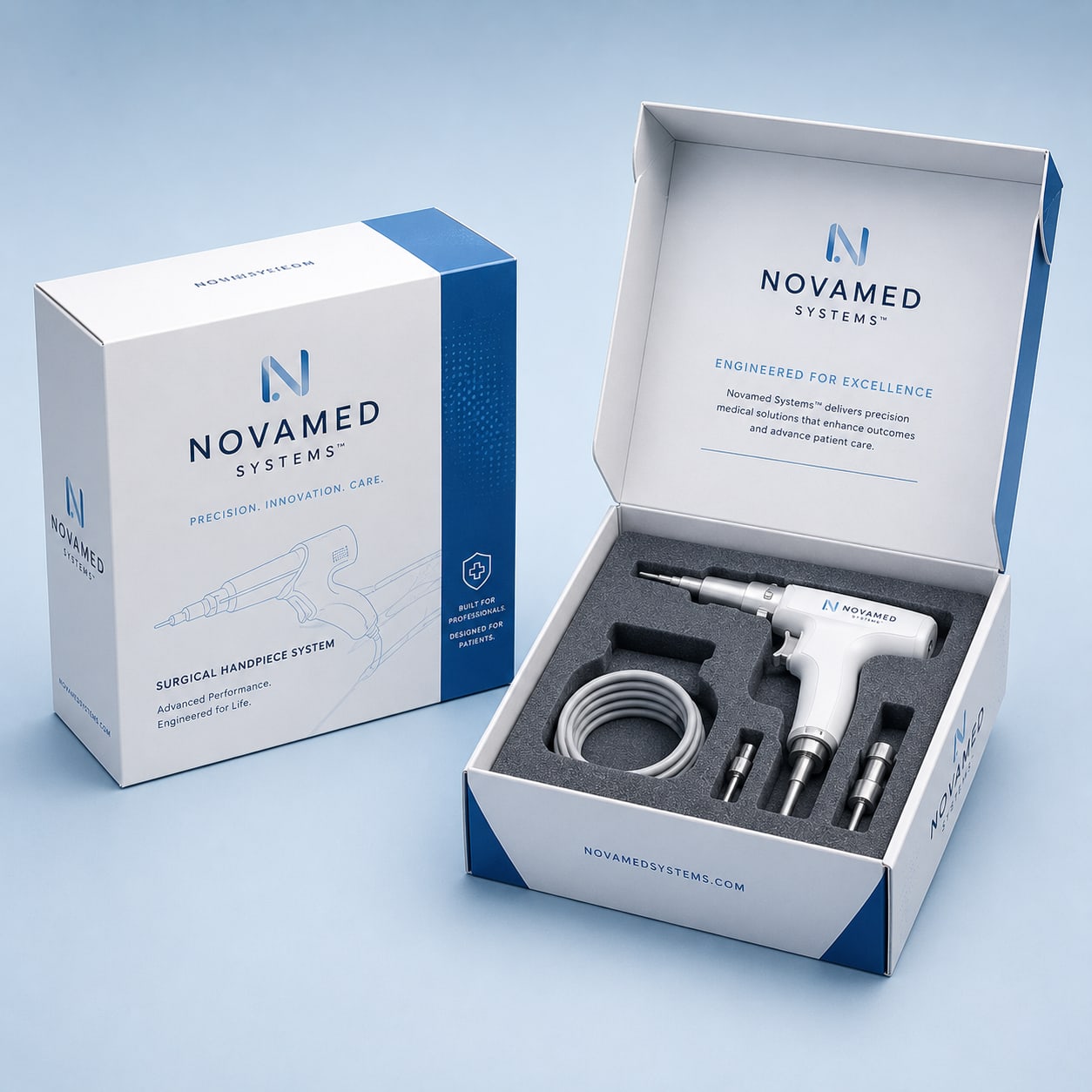
Medical Device Packaging.
Final price depends on size, material, finish and quantity. Your packaging manager confirms it before production.
Your custom box, quoted.
The full specification book.
Six chapters. Six colours. Click a tab to turn the page.
Medical Device Packaging
The package is part of the device, and packaging changes can be regulatory events.
For sterile devices the pack is the sterile barrier system, validated and documented under the same quality system as the product. ISO 11607 governs both materials and process validation.
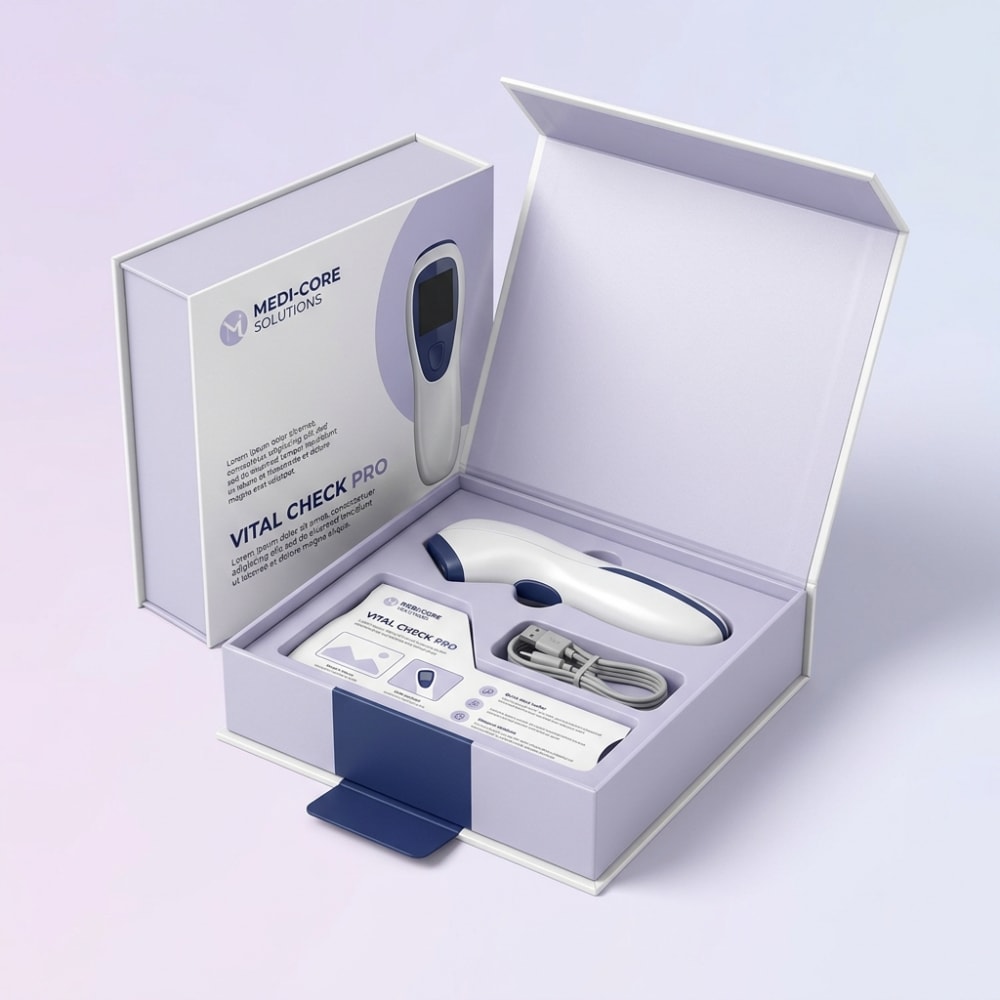
Every detail. Intentional.
The sterile barrier system
Part of the device rather than packaging around it.
ISO 11607 in two parts
Materials and design, then process validation.
Evidence, not assertion
Seals, barrier and ageing data on file.
Tyvek admits sterilant
Then filters microorganisms out afterwards.
Chevron peel presentation
What clinical staff are trained to open.
Change control applies
Revisions are regulatory, not cosmetic.
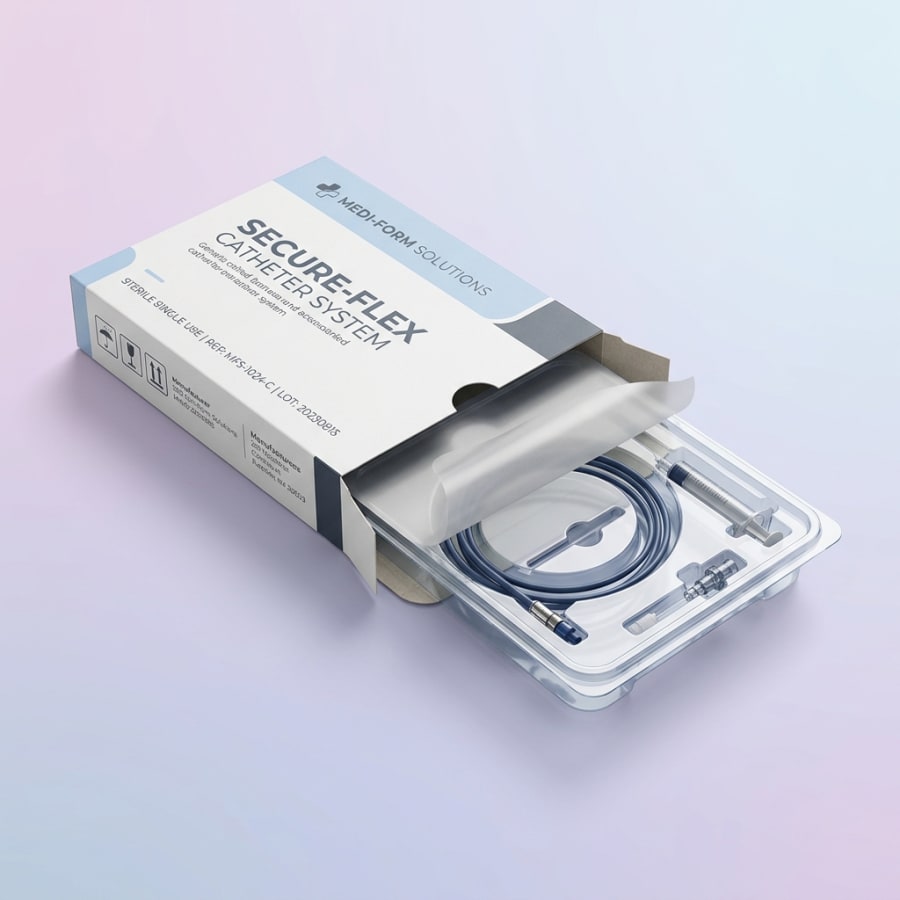
Built like architecture.
Every order of Medical Device Packaging is an engineered build, measured, dieline-cut and hand-wrapped to spec. Below is the standard build sheet.
✦ Need a custom spec? Talk to our atelier. Every detail is negotiable.
Every surface, hand-selected.
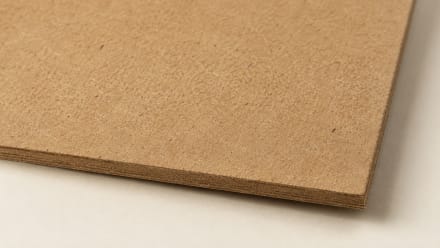
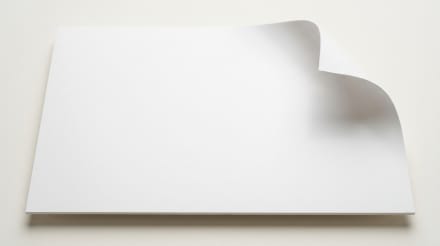
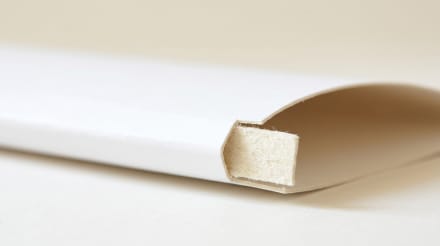
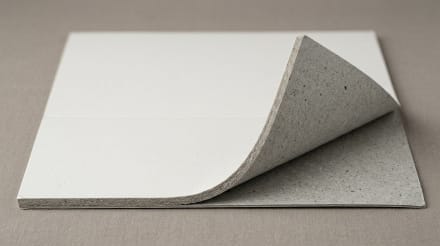
What this product is built from, and the surfaces it takes. Below the build sheet sits the full swatch library. Every option applies across our range, and a physical swatch set is available on request.
Material
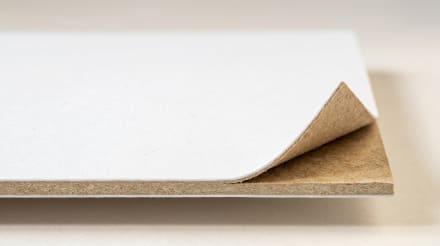
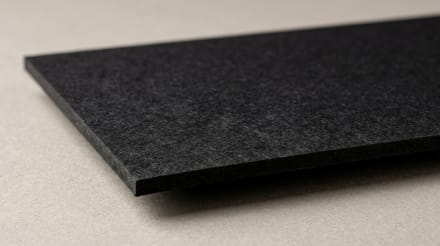
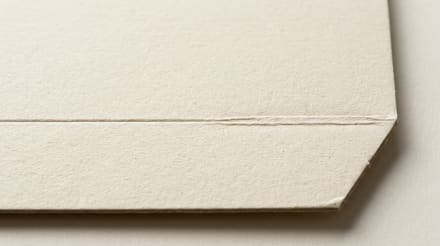
The board and paper your box is built from.
 ◷ ECO
◷ ECO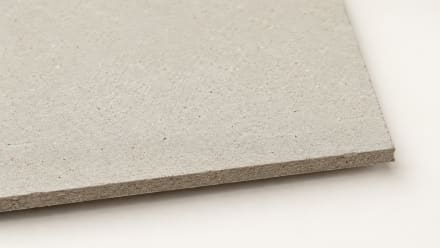 ◷ FINISH
 ◷ FINISH
 ◷ FINISH
 ◷ FINISH
 ◷ FINISH
 ◷ FINISH
 ◷ FINISH
 ◷ FINISH
Finishes
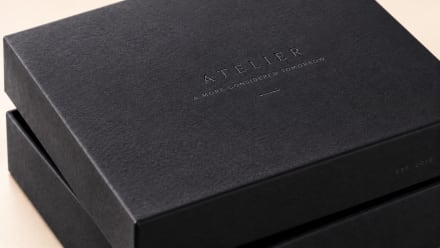
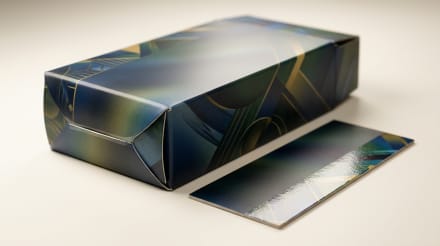
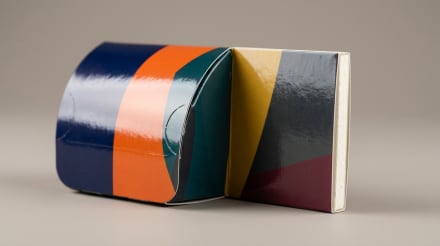
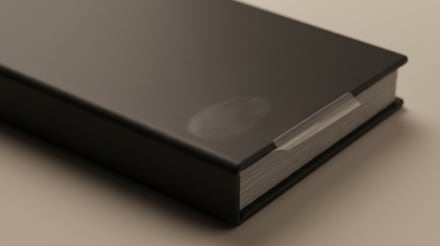
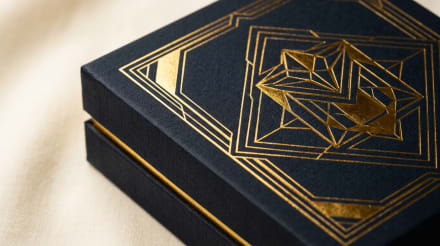
How the outer surface looks, feels, and catches light.
 ◷ FINISH
 ◷ FINISH
 ◷ FINISH
 ◷ FINISH
 ◷ FINISH
 ◷ FINISH
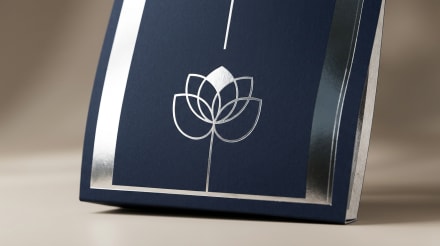 ◷ FINISH
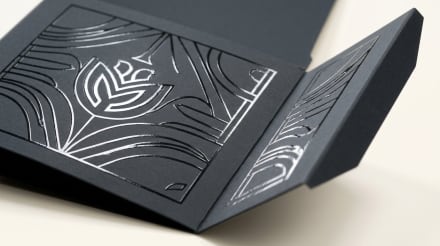 ◷ FINISH
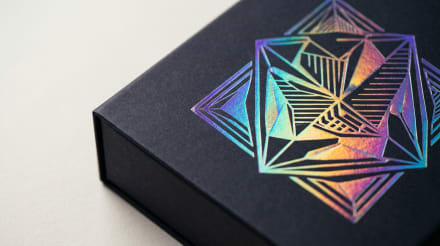 ◷ FINISH
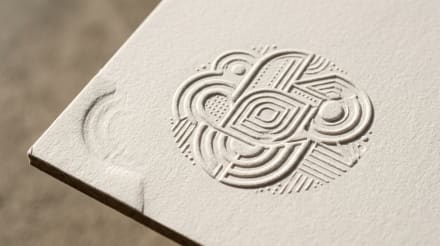 ◷ FINISH
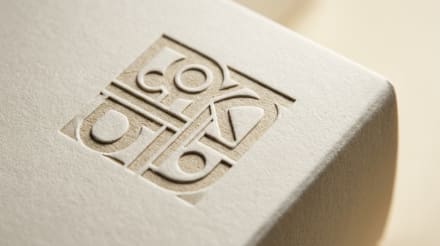 ◷ FINISH
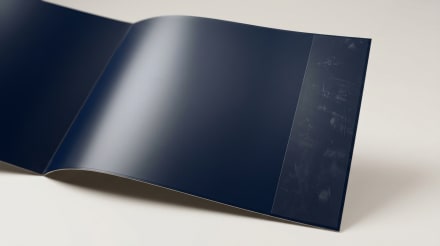 ◷ FINISH
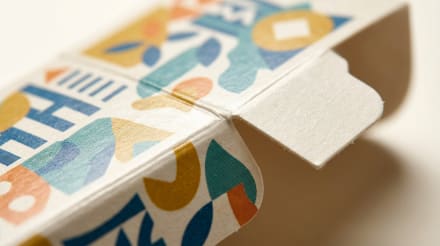 ◷ FINISH
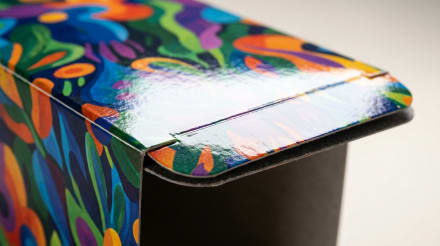 ◷ FINISH
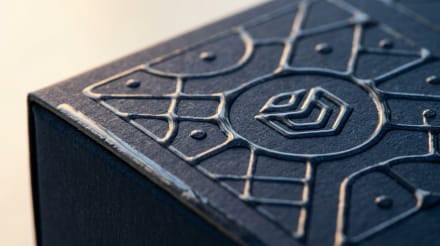 ◷ FINISH
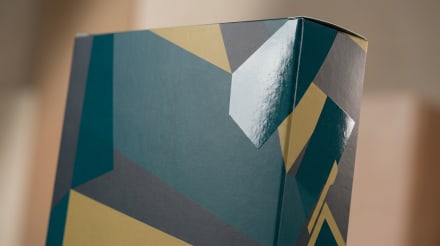 ◷ FINISH
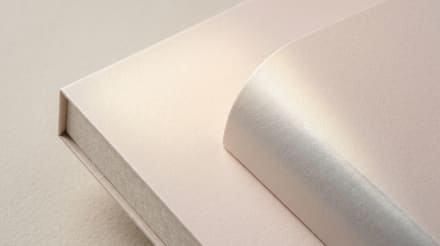 ◷ FINISH
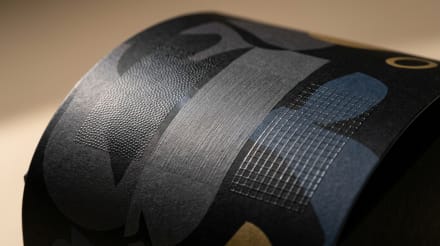 ◷ FINISH
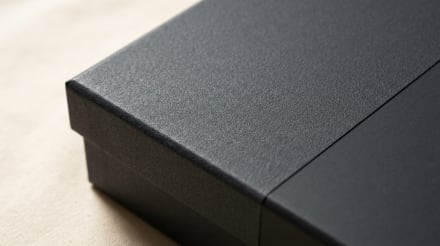 ◷ FINISH
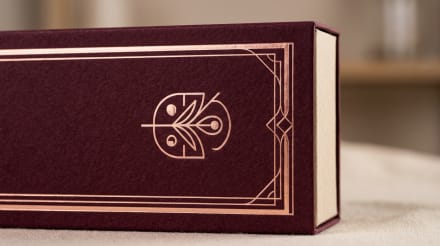 ◷ FINISH
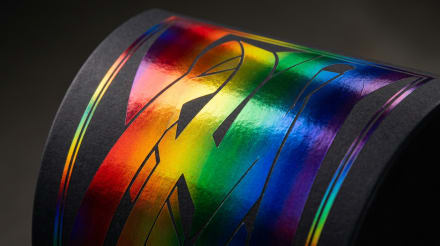 ◷ FINISH
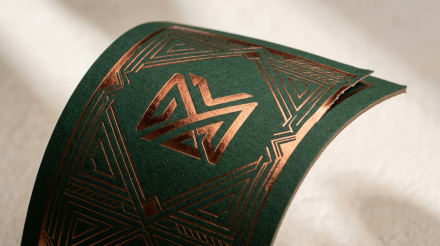 ◷ FINISH
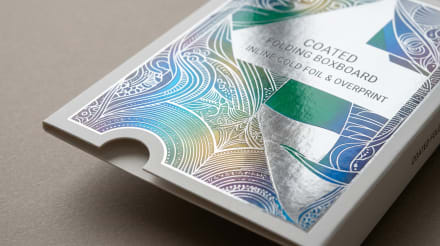 ◷ FINISH
 ◷ FINISH
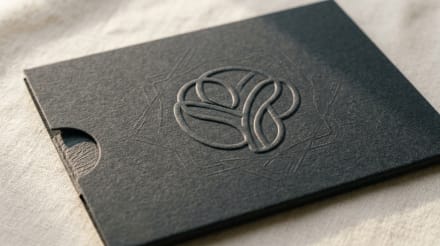 ◷ FINISH
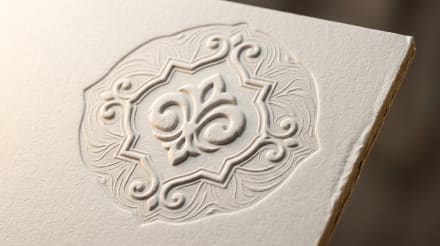 ◷ FINISH
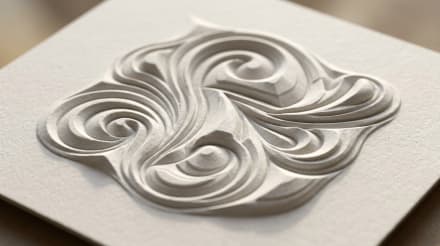 ◷ FINISH
 ◷ FINISH
 ◷ FINISH
Add-ons
Closures, linings, and hardware that complete the build.
 ◷ FINISH
 ◷ FINISH
 ◷ FINISH
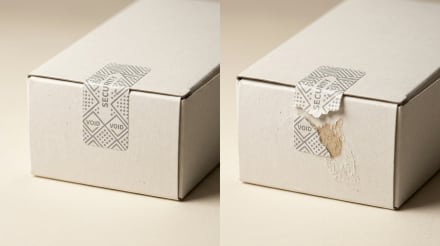 ◷ FINISH
 ◷ FINISH
✦ Mix and match across all three and we'll build your exact combination.
The full kit of capabilities.
Sizing & dieline.
We cut Medical Device Packaging to a dieline built around your product instead of pulling a stock size off the shelf. Send us the length, width and height of the item (or the item itself) and we return a measured dieline, free, before you commit to anything.
Length, width and height of the item itself, at its widest points. Measure the product, not the box you happen to use today.
Allow 2–4 mm on each axis for a snug fit, and more if you are adding foam, a pillow insert or tissue.
We quote as Length × Width × Height. Tell us whether you are working in millimetres or inches and we match it.
✦ Not sure of your size? Send us the product and we measure it and build the dieline.
Pricing & minimums.
We price Medical Device Packaging per specification rather than from a fixed list, because the same build in two different finishes can land at very different numbers. Below is what actually moves the price, so you can shape the spec before you request a quote.
The single biggest lever. Unit cost falls sharply as volume rises, because setup and tooling spread across more pieces.
Board weight and stock choice change both the raw material cost and the shipping weight of the finished run.
Foil, spot UV, embossing and soft-touch each add a pass on press. One or two lift the box; five compound the cost.
Full-bleed print inside and out costs more than a one-sided design on natural stock.
Foam, moulded pulp, velvet pillows, magnets and ribbon are priced per piece on top of the box itself.
Standard production is the base rate. Rush moves you up the production queue and carries a surcharge.
✦ Quotes returned within 24 hours.
Questions, answered.
Everything you need to know about Medical Device Packaging.
The common sterile barrier formats are Tyvek or film pouches, formed trays sealed with a lid, and header bags, usually inside a printed carton. Rigid trays hold the device still within the barrier so it can't wear through the seal in transit. Medical paper is a lower-cost barrier that works with some sterilisation methods.
Your device, its sterilisation method and how it's handled at the point of care decide the format. Samples of two candidate builds are a sensible way to compare them.
A chevron seal gives clinical staff a peel corner to open the pack aseptically, the way they've been trained to. The seal separates cleanly from the point, so the device can be presented to a sterile field without touching the outside of the pouch.
Opening direction graphics matter more than they seem. A pouch opened the wrong way can contaminate the device, so the arrows and the peel instruction belong at the corner itself.
We hold a dedicated coding zone on the carton and the pouch for the UDI, lot number and expiry, sized for a barcode with its quiet zone and the human-readable text beside it. Those codes follow the device to the point of use, so they need a flat, uncluttered panel.
The outer carton prints in CMYK plus Pantone with matte lamination, and a spot UV logo if you want one. Sterilisation indicators can be printed on the pack to confirm the process ran.
Every build is sized to the device, whether it's a pouch, a formed tray or a rigid carton. We work from the device itself or a CAD file, add clearance for the tray walls, and size the pouch so the seal width isn't squeezed.
Electronic devices can have an anti-static lining added to the tray or carton. Tell us the dimensions and whether the device ships assembled or in parts, and we'll draw the dieline free of charge.
It can, but for a sterile device a packaging revision is a regulatory event, so changes go through your change control process. Swapping a film or a seal usually means new evidence on file. We ask clients to tell us before any structural or material change, so the build we quote matches the one you've documented.
Startups should settle the pack before the submission build. The packaging used for clearance generally has to match what goes to market.
The outer carton, labels and inserts can be recyclable board even when the sterile barrier itself isn't. Barrier materials are chosen for performance first, so that's where the flexibility runs out. Secondary packaging is where a switch to recycled or recyclable stock is straightforward.
We'd suggest starting with the shipper carton and any printed inserts. Neither sits inside the barrier, so the change stays outside the sterile system.
Our minimum for medical device packaging is 500 units. That suits a startup running its first commercial lots as well as an established maker adding a new SKU. Orders scale up to 100,000 units on the same build.
Because the pack is part of the device, reordering on an unchanged spec matters. We keep the approved build details so repeat runs match the first.
Samples are ready in 5 to 7 business days, and full production follows in 7 to 10 business days once you approve them. If a launch date is fixed, a rush schedule brings production down to 5 to 7 business days.
For a validated pack, allow time on your side for testing between sample and bulk. The sample fee is credited to the production order when it's placed.
Other products you might love.
Ready to start your Medical Device Packaging project?
Get a free quote in 24 hours. Our atelier is here to help.