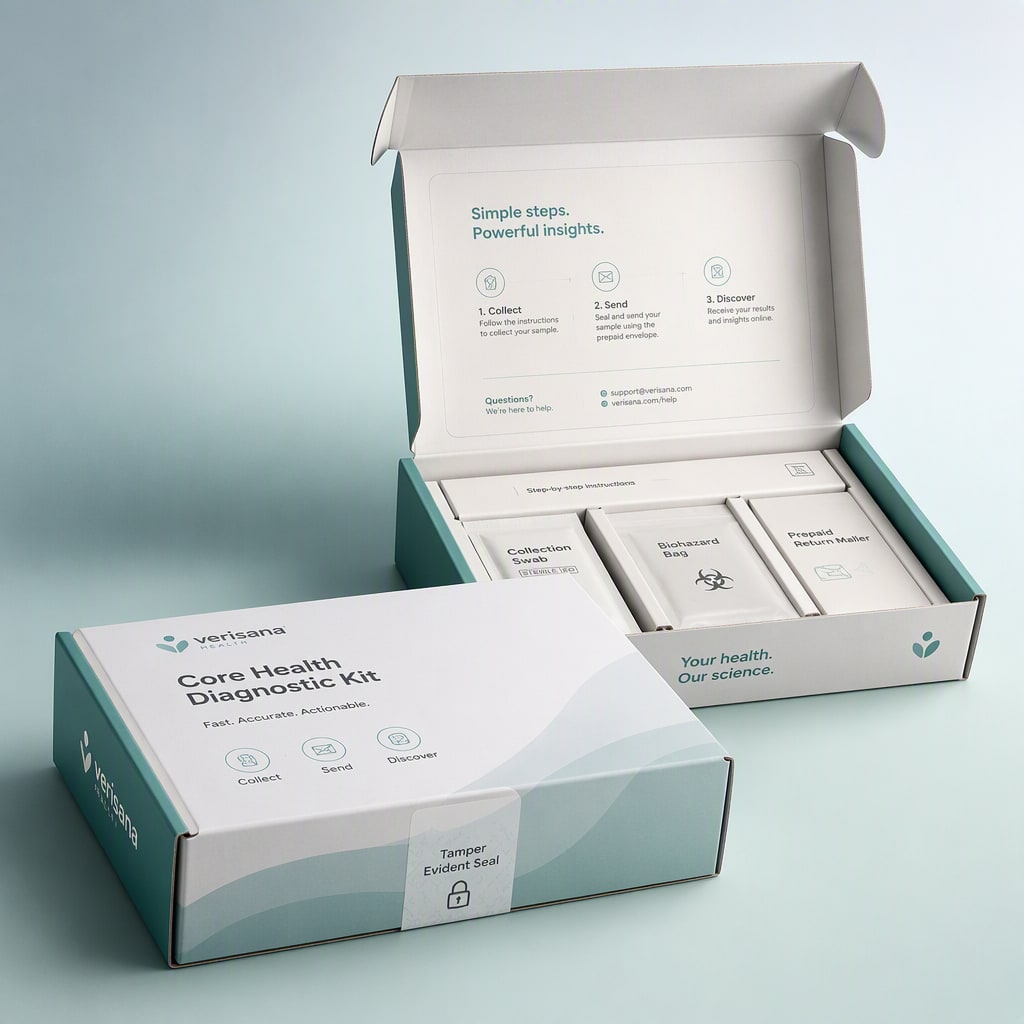
Diagnostic Kit Boxes.
Final price depends on size, material, finish and quantity. Your packaging manager confirms it before production.
Your custom box, quoted.
The full specification book.
Six chapters. Six colours. Click a tab to turn the page.
Diagnostic Kit Boxes
A test, a lancet, a buffer and instructions, sequenced so nothing gets used out of order.
Home test packaging has to guide an untrained user. Cavity order, printed sequencing and clear instruction placement carry as much weight as protection.
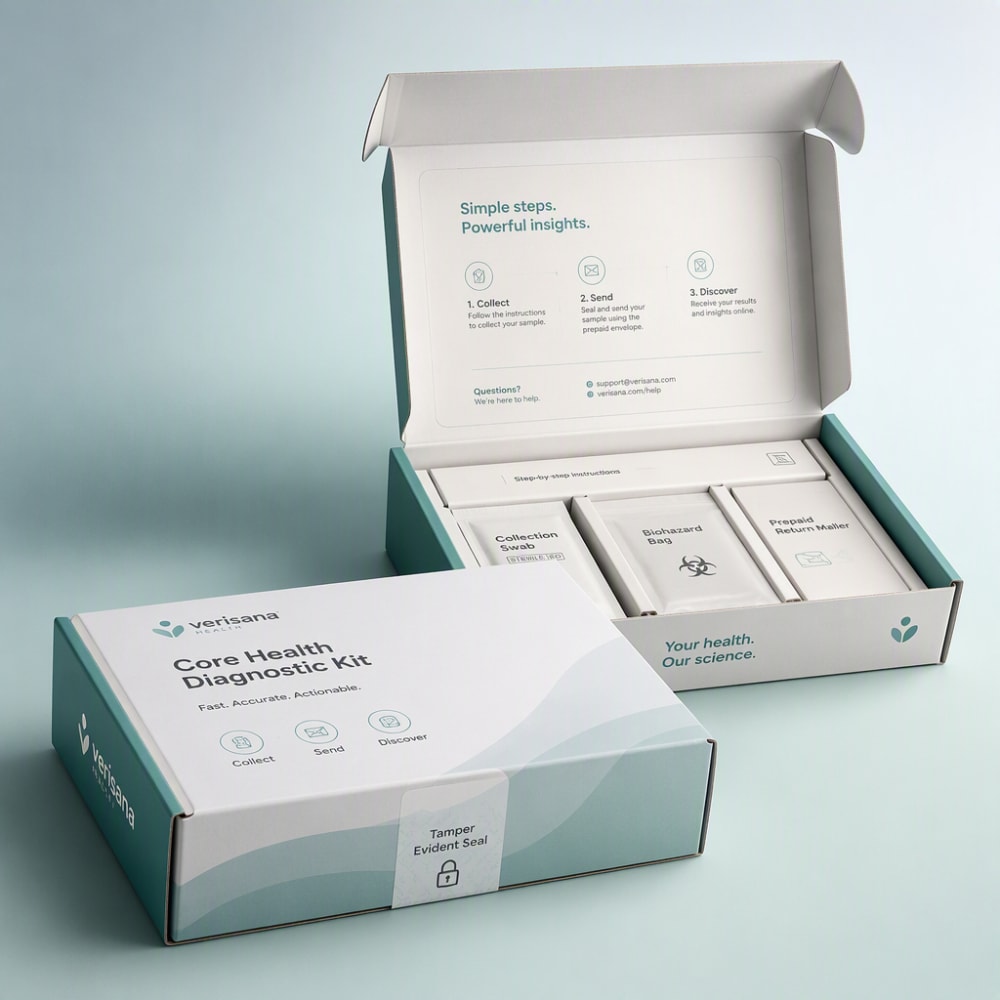
Every detail. Intentional.
Sequence guides the user
Cavity order is instruction.
Untrained hands, first time
Which sets the clarity bar.
Lot and expiry required
Diagnostic device rules.
Buffer vials held upright
Leakage voids the test.
Instructions sized to fit
Legibility over economy.
A seal protects the test
Trust in the result.
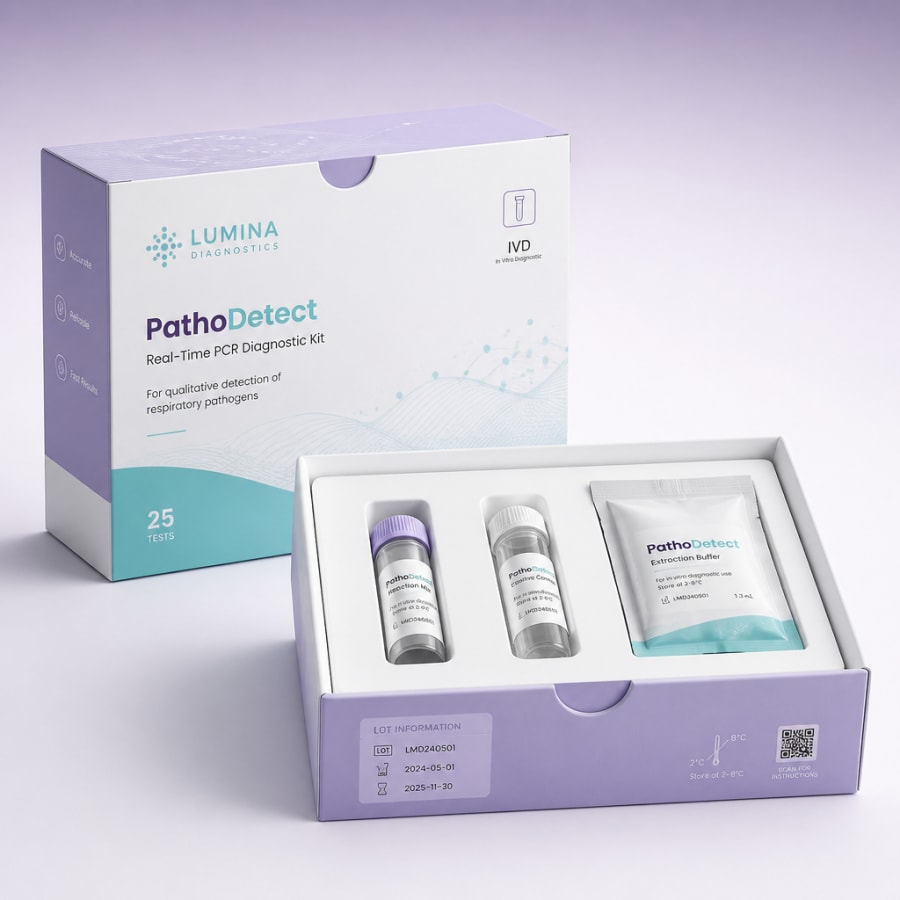
Built like architecture.
Every order of Diagnostic Kit Boxes is an engineered build, measured, dieline-cut and hand-wrapped to spec. Below is the standard build sheet.
✦ Need a custom spec? Talk to our atelier. Every detail is negotiable.
Every surface, hand-selected.
What this product is built from, and the surfaces it takes. Below the build sheet sits the full swatch library. Every option applies across our range, and a physical swatch set is available on request.
Material
The board and paper your box is built from.
 ◷ ECO
◷ ECO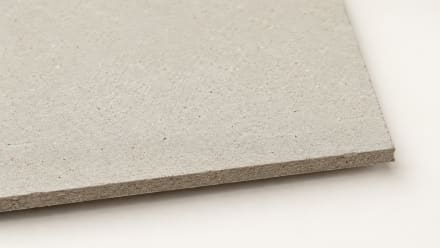 ◷ FINISH
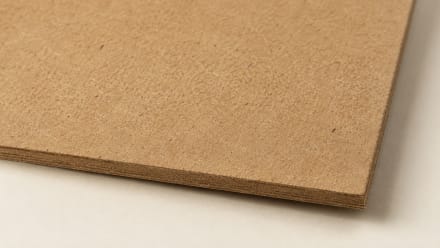 ◷ FINISH
 ◷ FINISH
 ◷ FINISH
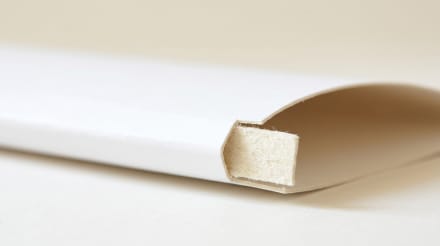 ◷ FINISH
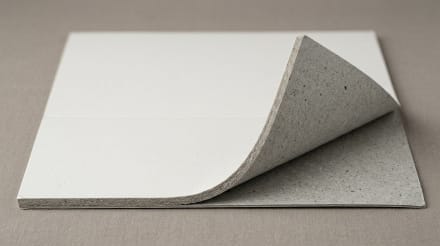 ◷ FINISH
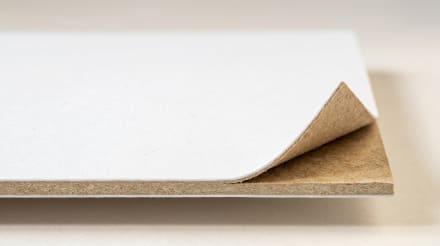 ◷ FINISH
 ◷ FINISH
 ◷ FINISH
 ◷ FINISH
Finishes
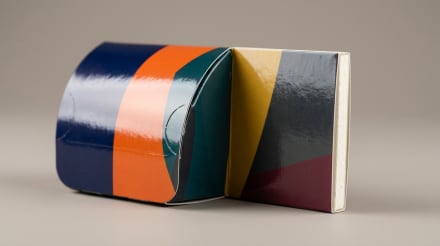
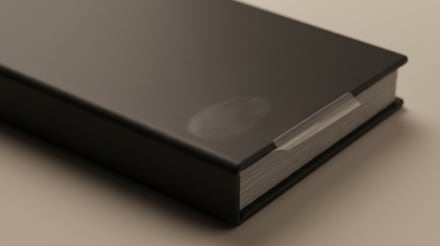
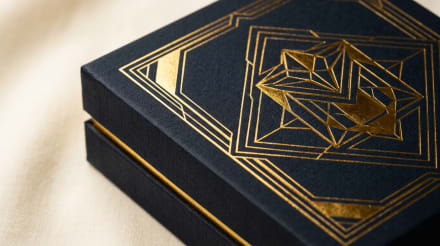
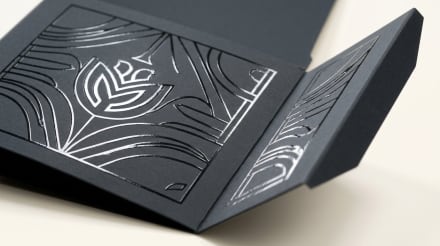
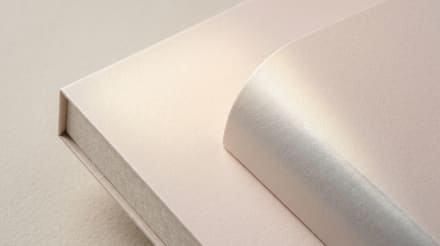
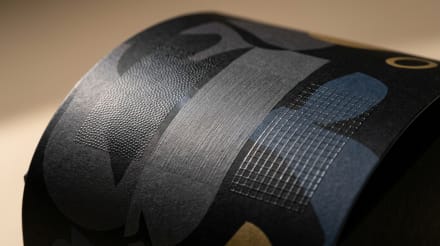
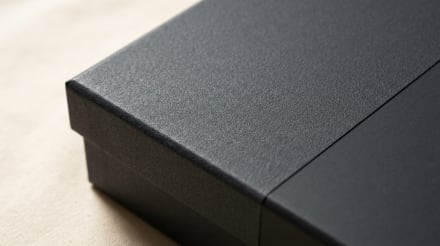
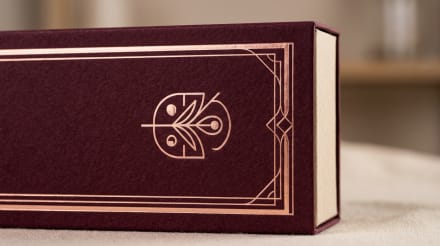
How the outer surface looks, feels, and catches light.
 ◷ FINISH
 ◷ FINISH
 ◷ FINISH
 ◷ FINISH
 ◷ FINISH
 ◷ FINISH
 ◷ FINISH
 ◷ FINISH
 ◷ FINISH
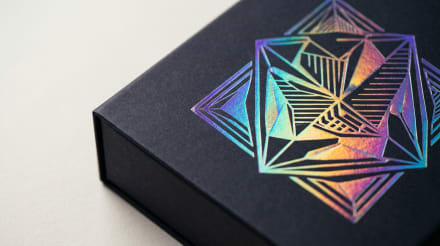 ◷ FINISH
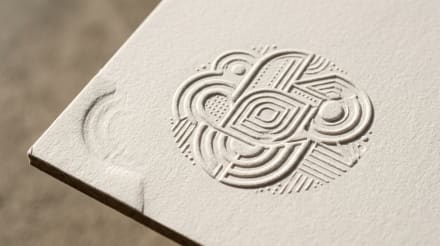 ◷ FINISH
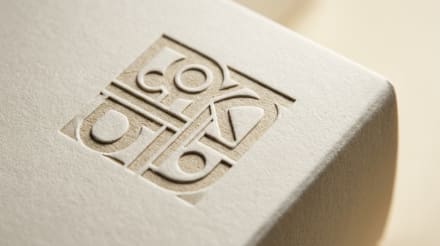 ◷ FINISH
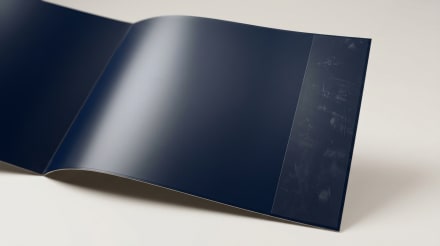 ◷ FINISH
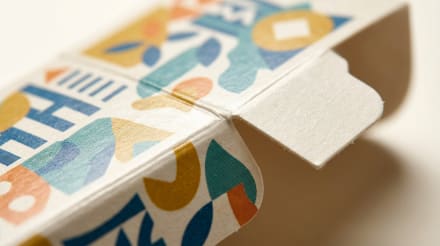 ◷ FINISH
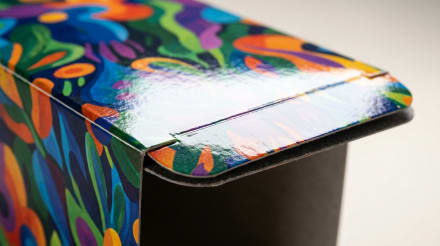 ◷ FINISH
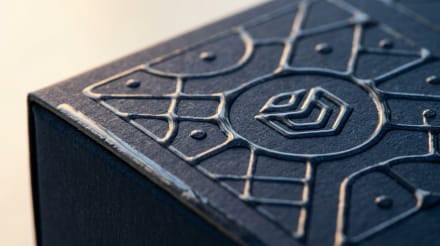 ◷ FINISH
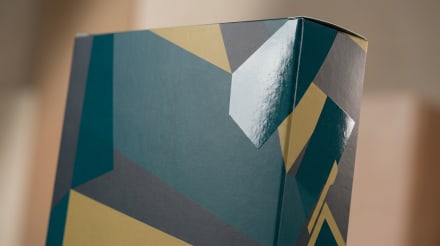 ◷ FINISH
 ◷ FINISH
 ◷ FINISH
 ◷ FINISH
 ◷ FINISH
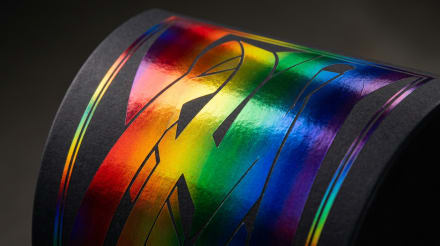 ◷ FINISH
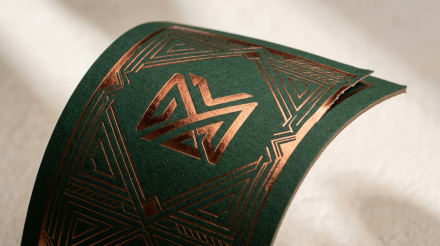 ◷ FINISH
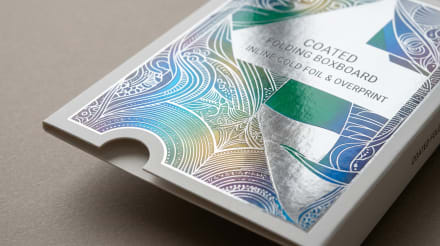 ◷ FINISH
 ◷ FINISH
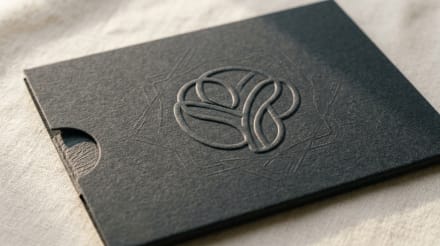 ◷ FINISH
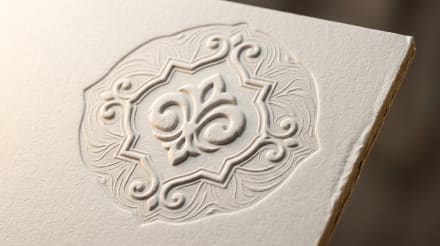 ◷ FINISH
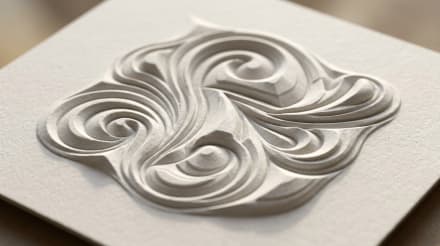 ◷ FINISH
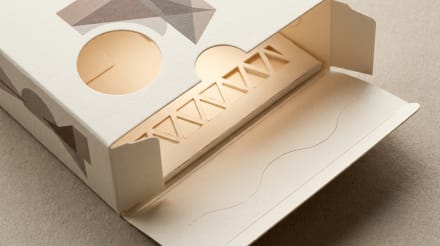 ◷ FINISH
 ◷ FINISH
Add-ons
Closures, linings, and hardware that complete the build.
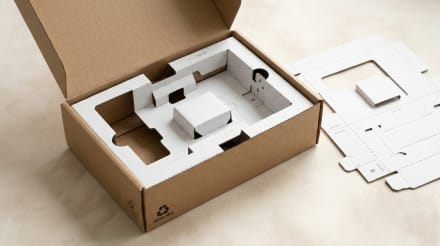 ◷ FINISH
 ◷ FINISH
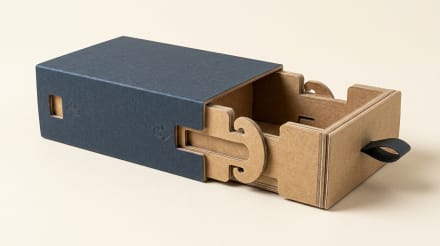 ◷ FINISH
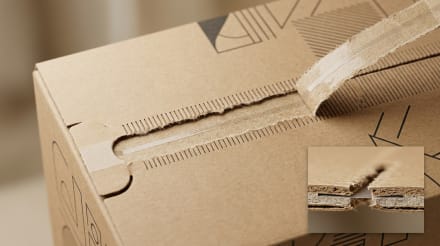 ◷ FINISH
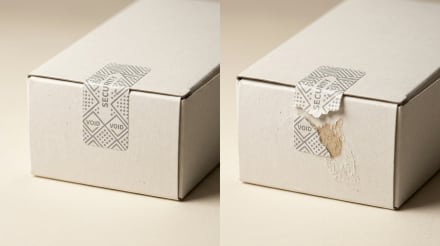 ◷ FINISH
 ◷ FINISH
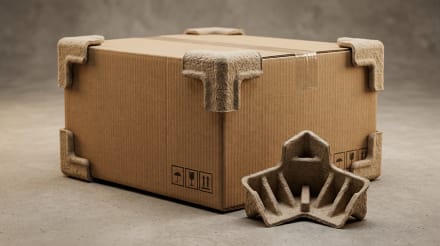 ◷ FINISH
✦ Mix and match across all three and we'll build your exact combination.
The full kit of capabilities.
Structures
- Magnetic flap
- Two-piece lid & base
- Drawer / slide-out
- Hinged with snap
- Book-style spine
- Telescoping shoulder
Closures
- Magnetic (14mm neodymium)
- Ribbon pulls in satin, grosgrain or twill
- Tuck-tab self-locking
- Velcro tabs
- Custom dieline locks
Decoration
- Hot foil in gold, silver, rose, copper or holographic
- Spot UV gloss
- Embossing & debossing
- Litho CMYK + 2 spot
- Pantone Matching System
Inserts
- Foam in EVA, PU, PE or anti-static
- Paperboard, die-cut or layered
- Molded pulp in an eco custom shape
- Velvet & satin pillows
- Marketing card slots
Sizing & dieline.
We cut Diagnostic Kit Boxes to a dieline built around your product instead of pulling a stock size off the shelf. Send us the length, width and height of the item (or the item itself) and we return a measured dieline, free, before you commit to anything.
Length, width and height of the item itself, at its widest points. Measure the product, not the box you happen to use today.
Allow 2–4 mm on each axis for a snug fit, and more if you are adding foam, a pillow insert or tissue.
We quote as Length × Width × Height. Tell us whether you are working in millimetres or inches and we match it.
✦ Not sure of your size? Send us the product and we measure it and build the dieline.
Pricing & minimums.
We price Diagnostic Kit Boxes per specification rather than from a fixed list, because the same build in two different finishes can land at very different numbers. Below is what actually moves the price, so you can shape the spec before you request a quote.
The single biggest lever. Unit cost falls sharply as volume rises, because setup and tooling spread across more pieces.
Board weight and stock choice change both the raw material cost and the shipping weight of the finished run.
Foil, spot UV, embossing and soft-touch each add a pass on press. One or two lift the box; five compound the cost.
Full-bleed print inside and out costs more than a one-sided design on natural stock.
Foam, moulded pulp, velvet pillows, magnets and ribbon are priced per piece on top of the box itself.
Standard production is the base rate. Rush moves you up the production queue and carries a surcharge.
✦ Quotes returned within 24 hours.
Questions, answered.
Everything you need to know about Diagnostic Kit Boxes.
We lay the fitted insert out in assay order, so a technician lifts components out in the sequence the protocol runs. Reagents, calibrators and controls each get a cavity sized to their vial, and the order on the bench matches the order in the tray.
Where a lab moves the whole set to a bench, the insert can be built as a lift-out rack. It comes straight out of the carton and sits beside the analyser without anyone re-sorting vials.
Print the lot number large on the carton and again on every component, so a mixed kit is obvious at a glance. Calibrators are tied to one reagent lot, and a vial borrowed from the next box along can void a run. Good kit design makes substitution feel wrong before anyone tries it.
We leave a variable data zone on the lid and on each vial label area, sized for the lot and expiry your line prints.
Yes, the kit carton ships inside an insulated cold-chain shipper that holds 2 to 8°C, with an irreversible temperature indicator on the outside. The receiving lab reads the indicator before the shipper is opened, and a tripped indicator means the kit is discarded.
For the inner carton we'd go with a laminated face. Board that has sat in a lab fridge picks up condensation when it comes out, and lamination keeps the print and the lot code readable.
Matte or gloss lamination over SBS is our usual pick, with aqueous coating or bare board for kits that never leave the lab. The storage condition belongs on the front in type nobody can miss, and the IVD marking and lot linkage need a fixed spot on the faces a technician sees first.
Brand colour can do real work here. Giving each assay in a range its own band makes the right kit easy to find on a crowded fridge shelf.
Our common professional formats are 8 × 6 × 2 in and 10 × 8 × 3 in, measured inside as length by width by depth. Both are starting points, and every kit is cut to its own insert once the vial count is fixed.
Lab fridge space is scarce, so we keep the outer dimensions tight and the carton square enough to stack. A carton carrying an extra inch on every side takes shelf room the lab would rather give to another kit.
Diagnostic kit boxes start at 500 units per order. That minimum covers the printed carton and its fitted insert together, since the two are cut to match each other.
Kits across several assays often share one dieline with different print on each, which keeps the cutting tooling to a single set while every version carries its own lot and storage panel.
Standard production is 7 to 10 business days after you approve the proof, and rush runs finish in 5 to 7. A physical sample takes 5 to 7 business days, and we'd make one for any reagent kit because the insert has to be tried with real vials.
The sample fee is credited against the production order, so checking the fit first adds nothing to the cost once the run goes ahead.
SBS paperboard suits most reagent kits, and E-flute corrugated earns its place when the kit is heavy or travels by courier without an outer shipper. SBS prints sharply and keeps the carton slim for fridge storage. E-flute adds crush strength at the corners, where kits get stacked and dropped.
The fitted insert can be paperboard or corrugated in either case, and it's the part that stops vials knocking together in transit.
Other products you might love.

Ready to start your Diagnostic Kit Boxes project?
Get a free quote in 24 hours. Our atelier is here to help.