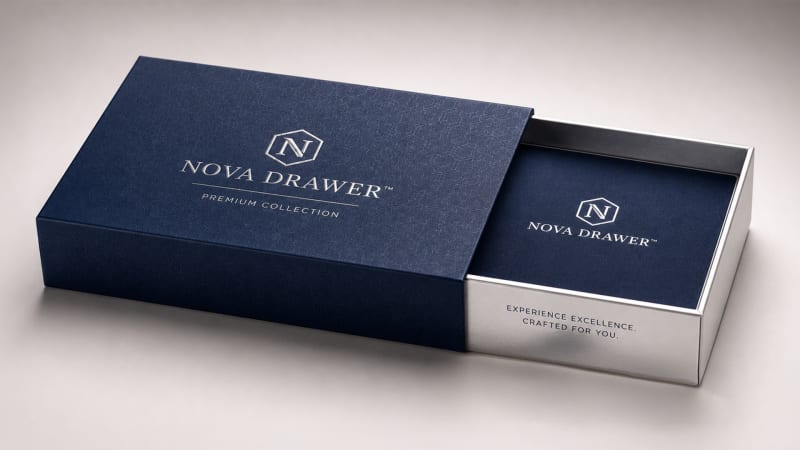
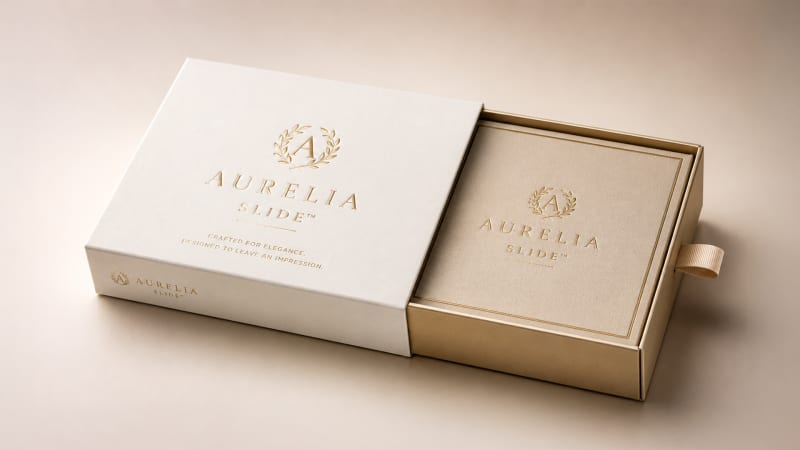
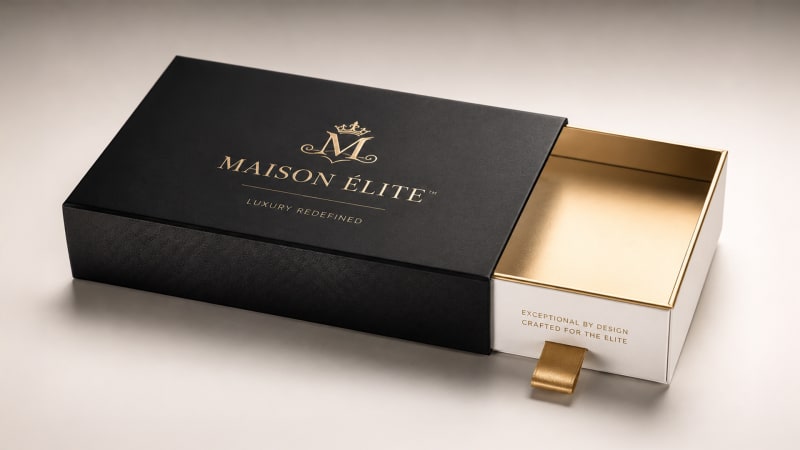
PremiumBespokeArtisanLuxurySleeve & Tray Packaging
Tell us about your boxes
Popular Sleeve & Tray Packaging
our brands keep reordering.
Hand-picked from our sleeve & tray packaging range. 9 styles, each built for a different job.

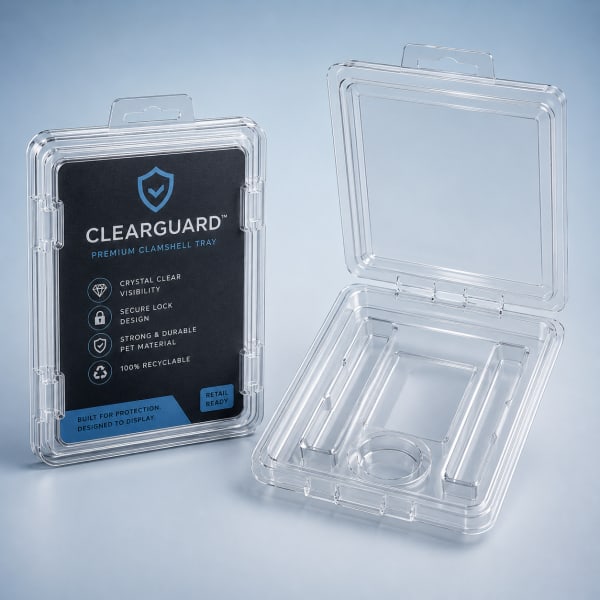


The box is the building.
Inserts are everything else.
Furniture. Bodyguards. Stage crew. The unseen architecture that makes your product feel like it lives somewhere, not like it was just dropped in a box.
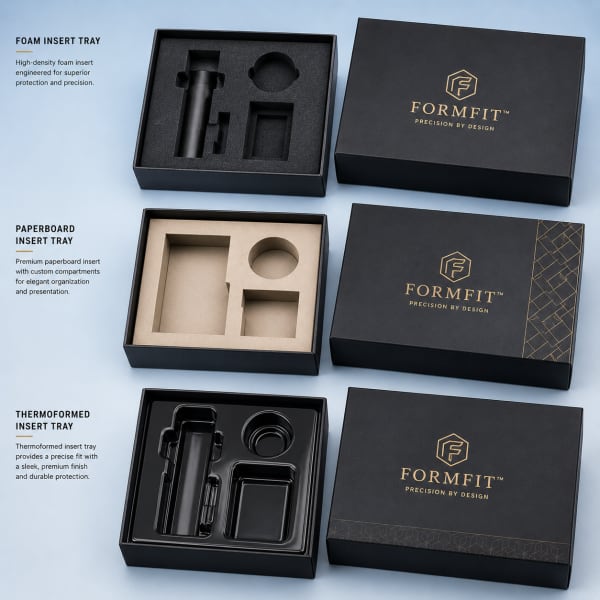
Paperboard Inserts
“Engineered paper architecture. Folds, locks, and reveals.”
Foam Inserts
“Soft armor that fits like a glove. Protection without weight.”
Molded Pulp Inserts
“Custom-shaped cradles for products of any silhouette.”
Velvet & Luxury Inserts
“Touch is the unsung sense. Make every reach into the box feel chosen.”
Bottle & Jar Inserts
“Hold the unholdable. Round things, fragile things, things that mustn't spill.”
Eco Inserts
“Plant-based, plastic-free, planet-positive. Compost-ready protection.”
Flexible Protection Inserts
“The unsung heroes of shipping. Soft cushioning that travels well.”
Marketing & Welcome Inserts
“The story slid in beside the product. Printed conversation starters.”
Every finish we offer on Sleeve & Tray Packaging.
Materials, finishes and add-ons available for this range. Order any of them as a free sample before you commit to a run.
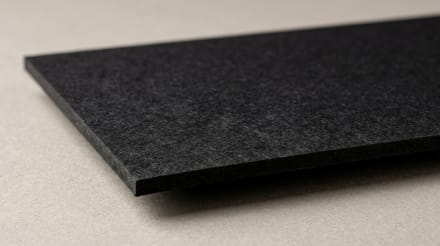
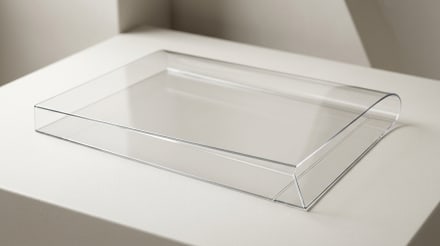
Materials
The board and film we build on
 ◷ ECO
◷ ECO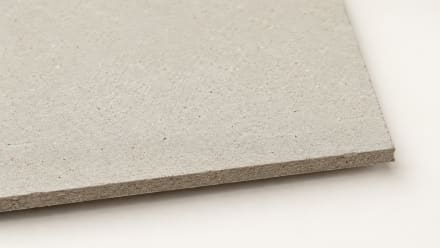


Finishes
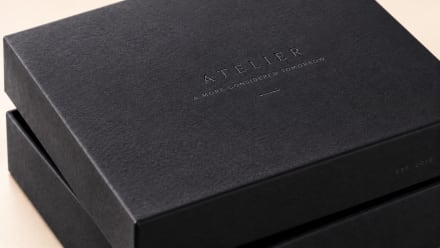
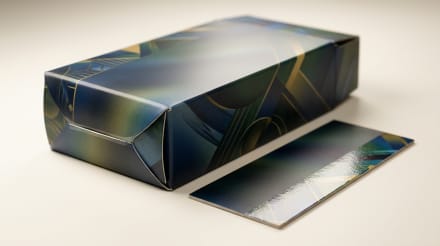
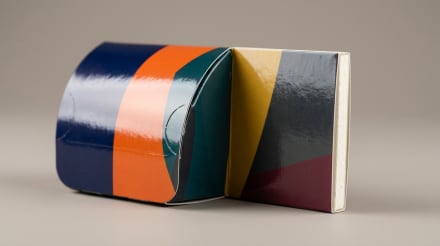
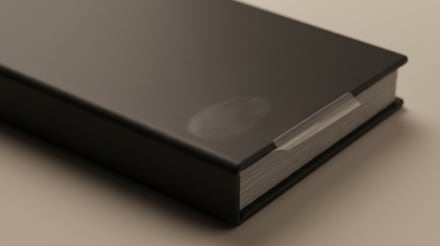
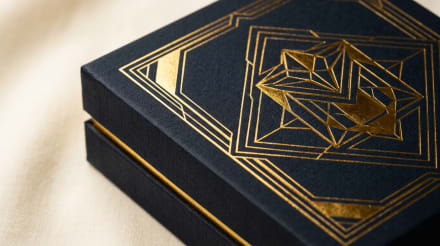
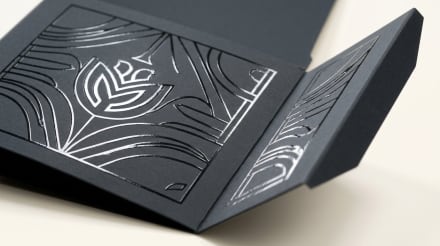
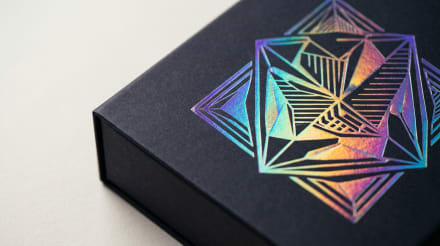
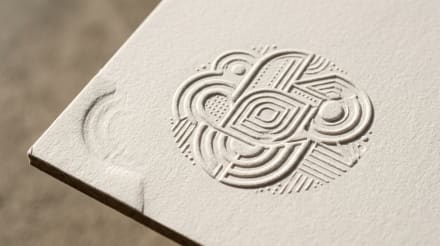
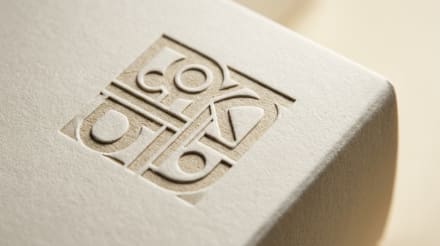
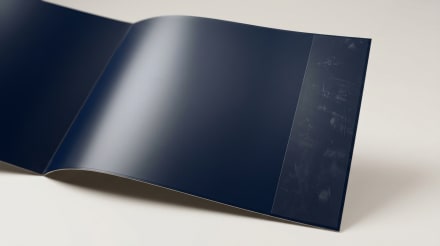
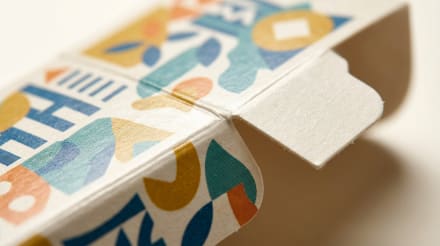
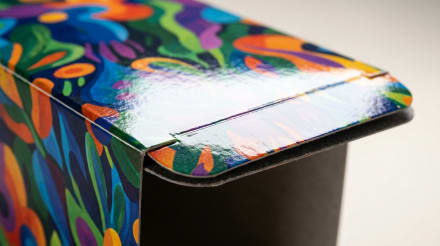
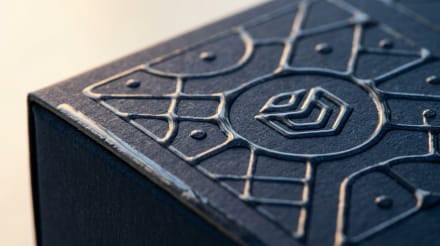
What the surface does in the light


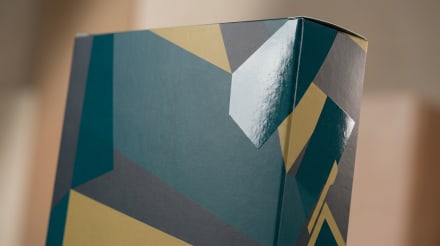
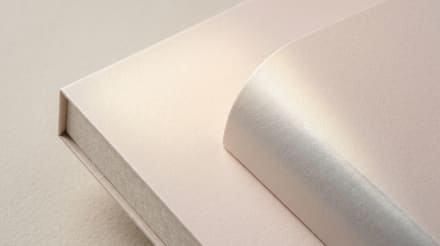
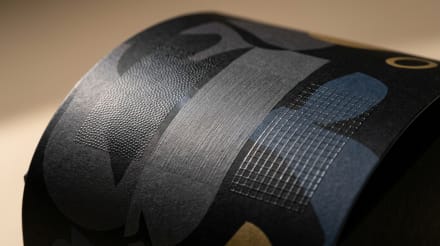
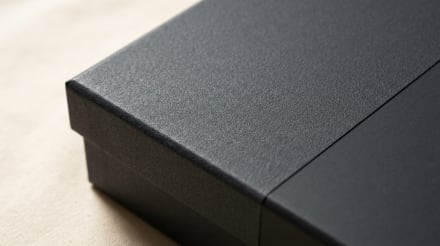
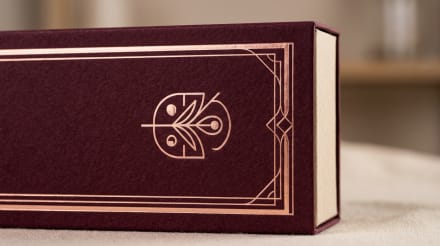
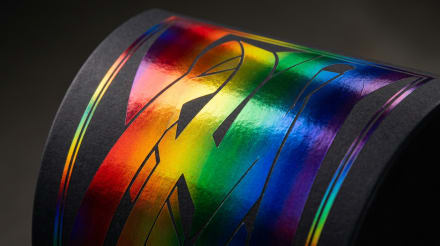
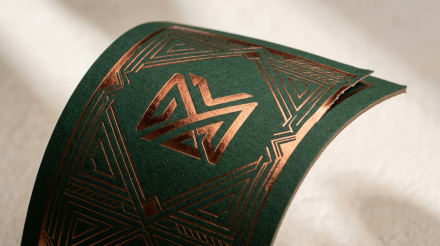
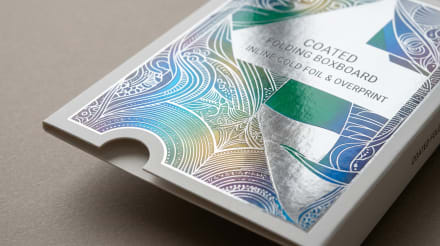

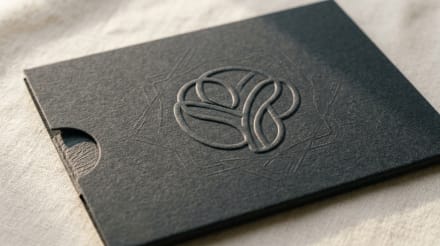
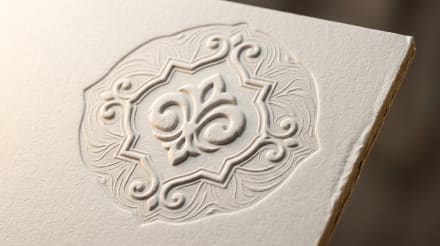



Add-ons
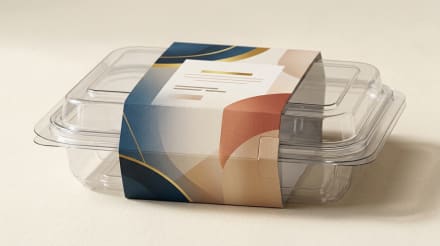
Closures, linings and the extra touches
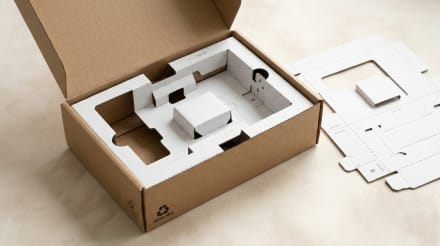
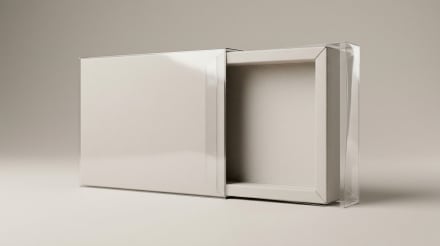
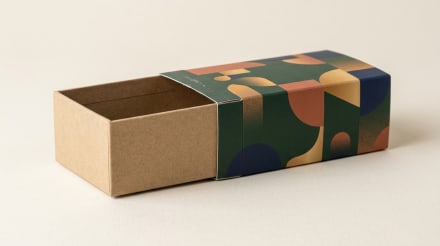
The two-part format for brands that care about the reveal.
Cosmetics & Skincare Packaging
Prestige skincare sets and fragrance gift configurations. A soft-touch sleeve with foil logo, contrast inner tray and velvet or tissue insert signals launch quality at any retail price point.
Two-part packaging. One complete impression.
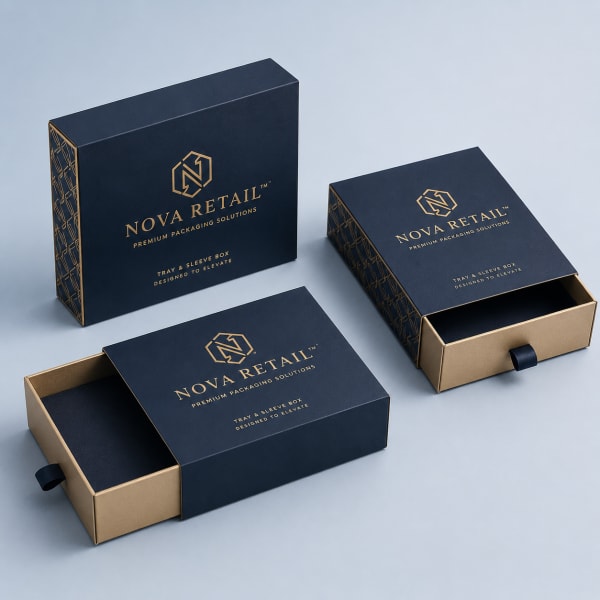
Custom sleeve and tray packaging in the slip-sleeve format, which adds a reveal layer and a premium dimension to every product.
Why the sleeve-and-tray format converts.
The slide out is a moment. The moment is the brand.
The two-stage reveal
Sleeve packaging works in two acts. First comes the branded outer sleeve, which carries the shelf presence and the retail impression. Second comes the tray slide, a deliberate gesture that reveals the product inside. This two-stage reveal adds perceived value that a single-piece box cannot engineer.
Premium positioning at mid-tier cost
Sleeve-and-tray achieves a packaging premium comparable to rigid boxes at significantly lower material cost. The tray can be a simple SBS chipboard structure while the sleeve carries all the brand investment in foil, soft-touch and emboss. The combination looks like it cost more than it did.
Retail and gifting in one format
The sleeve format suits the shelf because the flat outer face maximises print area for retail display. It suits gifting just as well because the slide-out ritual adds ceremony to the moment. Few formats serve both retail and gifting simultaneously.
Sleeve weight, tray board, and lining options.
Each component material carries its own signal.
Sleeve board
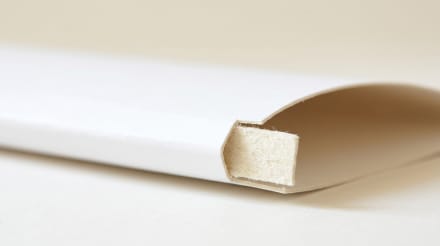
350–450gsm SBS or C1S coated board. The sleeve needs structural rigidity to slide smoothly over the tray without warping, so board selection decides both the slide resistance and the shelf presence. Litho-printed CMYK with soft-touch lamination, hot foil, emboss, or spot UV applied to the sleeve exterior.
Tray construction
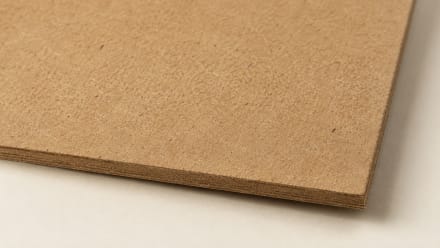
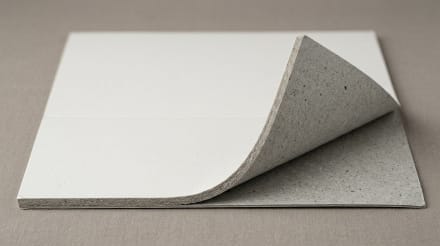
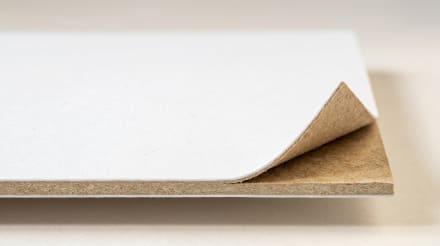
The inner tray can be greyboard wrapped in paper (matching or contrasting the sleeve), natural chipboard for a raw premium feel, or full-print SBS for a coloured interior reveal. The tray material and colour become the reveal moment, the first thing the customer sees as the sleeve slides off.
Interior finishing
Velvet flock tray liner for jewellery and fragrance. EVA foam insert for electronics and tech accessories. Custom-shaped pulp mould for fragile products. Tissue paper for fashion and gifting. The interior is engineered to hold, protect and present the product rather than fill space.
Slide depth, tray height and interior format are all custom.
The structural engineering that makes the reveal feel considered.
Sleeve configurations
Full-coverage sleeve (hides the tray completely) · partial band sleeve (tray reveals at top and bottom) · wraparound band with perforated tear-open strip · two-sided open sleeve (product visible at both ends). Each configuration changes the reveal mechanic and the retail display profile.
Tray structures
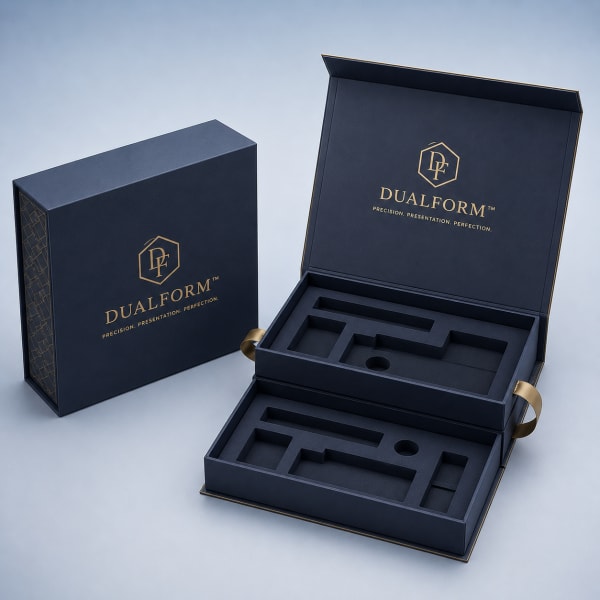
Single-piece tray · two-piece lid-and-tray (the sleeve is the lid) · compartmented tray with dividers · stepped tray for multi-height product sets. Custom foam or pulp insert fit into any tray configuration.
Sizes and tolerances
The fit between sleeve and tray is engineered to a 1mm tolerance. Tight enough to feel secure, loose enough to slide with controlled resistance. This is the structural detail that separates quality sleeve packaging from cheap alternatives, and it comes entirely from precise dieline engineering.
The reveal format for premium categories.
Cosmetics, tech, food, and gifting.
Cosmetics & skincare
The dominant format for prestige skincare launch sets, fragrance ancillaries, and colour cosmetic gift configurations. Soft-touch outer sleeve with foil logo, contrast inner tray, tissue or velvet insert. The format that signals launch-quality in beauty retail.
Electronics & tech accessories
Headphones, charging sets, wearables, and premium tech accessories. The sleeve gives the retail shelf presence; the tray cradles the device in a custom foam insert. The slide-out reveal mirrors the Apple packaging ritual that set the category standard.
Confection & premium food
Luxury chocolate selections, artisan biscuit sets, premium tea collections. The sleeve-and-tray format allows the food product to be displayed in a styled tray while the outer sleeve carries brand, story, and retail compliance information.
Corporate gifting
The format for high-value corporate gifts, with the sleeve branded with the company logo and the tray styled to the gift contents. Pen sets, leather goods, premium stationery. The packaging communicates the investment in the relationship.
Questions, answered.
A two-part system: an open tray holds the product, and a printed sleeve slides over it, the same construction as a matchbox.
The tray does the structural and organising work and the sleeve carries the branding. Because they are separate components, the sleeve can be reprinted on its own, which makes versioning, seasonal editions and market-specific compliance far cheaper than reprinting whole boxes.
About 1 to 2mm clearance over the tray or host box, enough to slide with some resistance but not enough to rotate.
Any looser and sleeves shed or spin in transit. Any tighter and the labour of sleeving each unit by hand balloons. Measure from real erected boxes rather than from a dieline drawing, because assembled dimensions vary from theoretical ones, particularly on corrugated.
Because the sleeve is the cheapest layer to reprint when anything changes.
Seasonal artwork, promotional messaging, language markets, retailer versions and regulatory updates all become sleeve runs instead of box reprints. A brand selling into five states with different compliance requirements runs one box and five sleeves rather than five boxes, and when a rule changes it reprints a sleeve instead of scrapping a pallet.
Around the girth, so the sleeve resists deforming as it is handled.
Grain direction determines which way board folds cleanly and which way it stiffens. A sleeve with grain running the wrong way loses its shape and creases irregularly at the corners. It is a small specification detail with a visible effect on how the finished pack looks after handling.
A narrow sleeve that wraps only part of a box's height rather than covering it fully.
It costs less than a full sleeve and shows more of the box beneath, which suits designs where the box itself carries the identity and the band adds a seasonal or promotional layer. The trade-off is less printable area and a greater chance of sliding off in handling.
Organising multi-item products, with fitted wells that turn a collection into an arrangement.
Chocolate assortments, meal kits, stationery sets and electronics accessories all use trays with die-cut wells positioning each item. That arrangement is what makes the contents read as chosen rather than packed, and the tray floor is a cheap and effective place to print.
Yes. Subscription and direct-to-consumer brands do it routinely, with a caution about transit exposure.
A sleeve on a box shipped bare through a parcel network will scuff, so full-coverage sleeves in heavier stock work better than narrow bands, and a snug fit matters more. Some programmes sleeve the inner box and ship it inside a plain outer, which protects the sleeve entirely.
500 units, with 7–10 business days production.
Because sleeves are simple die-cuts on light board, they are among the cheapest custom packaging components available, and digital printing makes short versioned runs practical. That is precisely why the sleeve-over-constant-box model works economically.
Your brand deserves
better packaging.
Work one to one with a dedicated packaging manager, from first sketch to delivery.