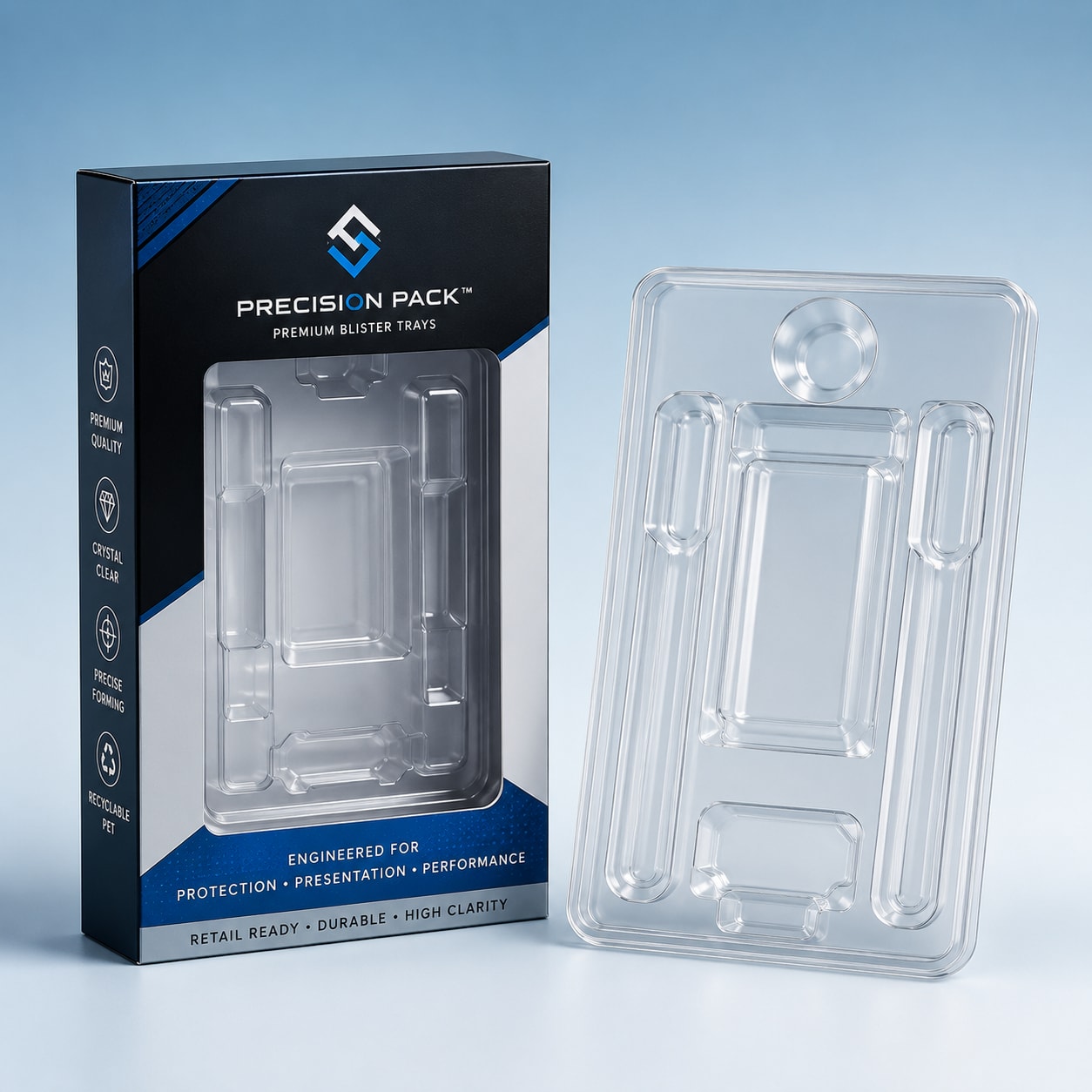
Blister Tray.
Final price depends on size, material, finish and quantity. Your packaging manager confirms it before production.
Your custom box, quoted.
The full specification book.
Six chapters. Six colours. Click a tab to turn the page.
Blister Tray
A formed tray that holds parts in a known position, built for assembly lines rather than shelves.
Thermoformed trays present components in a fixed orientation for automated pick-up or manual assembly. Cavity tolerance is the whole engineering problem.
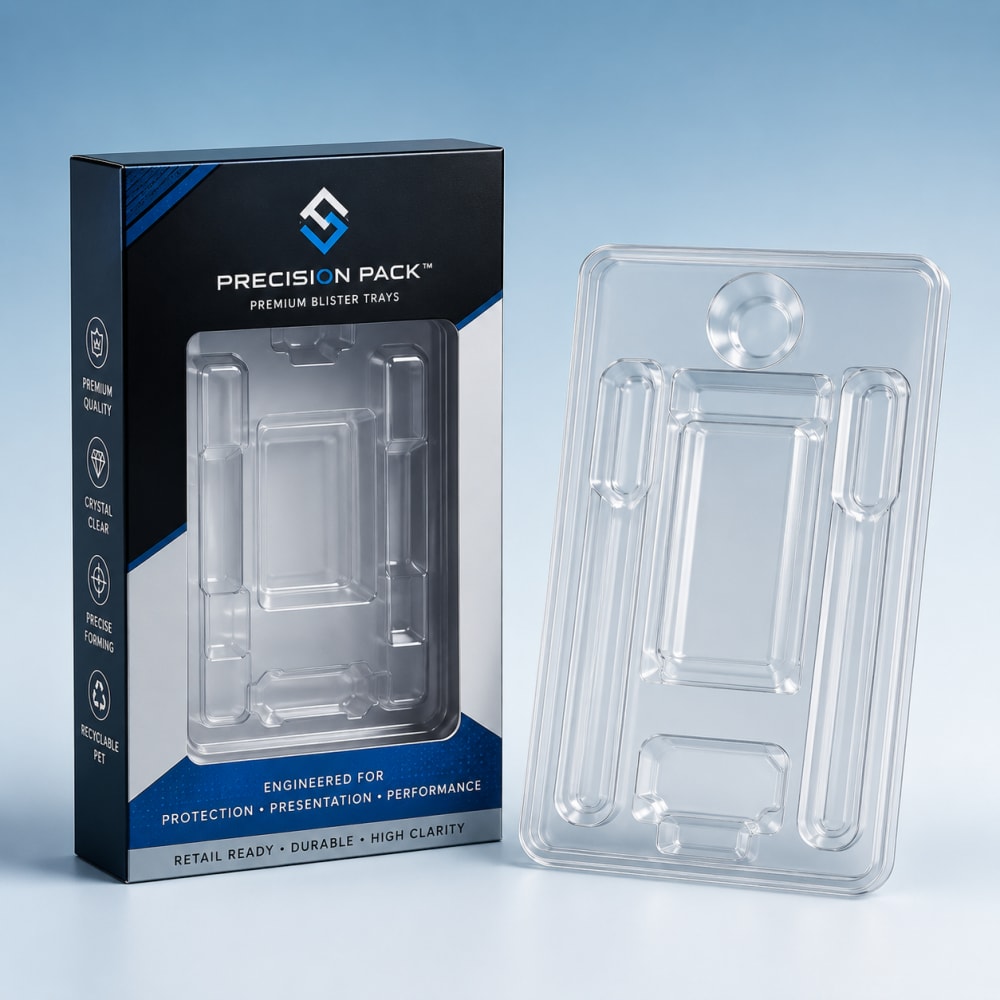
Every detail. Intentional.
Fixed orientation, every time
Robots need predictability.
Cavity tolerance is the spec
Tight enough to hold, loose to lift.
Stacks and nests empty
Return logistics matter.
Material by reuse cycle
Single trip or returnable.
ESD versions where needed
Electronics assembly.
Tray pitch matches the line
Set by the equipment.

Built like architecture.
Every order of Blister Tray is an engineered build, measured, dieline-cut and hand-wrapped to spec. Below is the standard build sheet.
✦ Need a custom spec? Talk to our atelier. Every detail is negotiable.
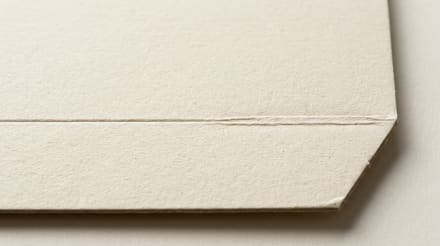
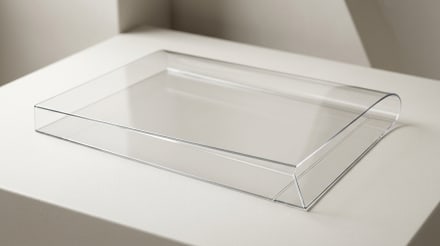
Every surface, hand-selected.
What this product is built from, and the surfaces it takes. Below the build sheet sits the full swatch library. Every option applies across our range, and a physical swatch set is available on request.
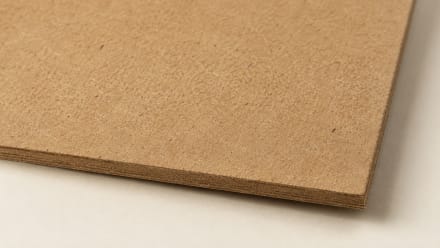
Material
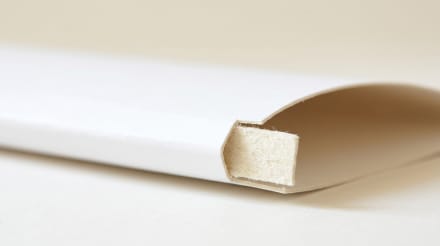
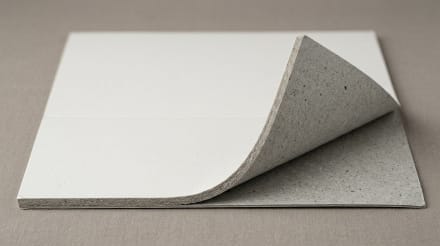
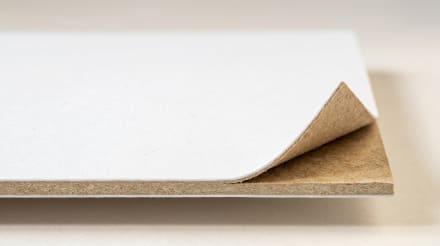
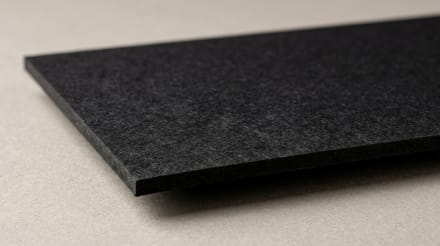
The board and paper your box is built from.
 ◷ ECO
◷ ECO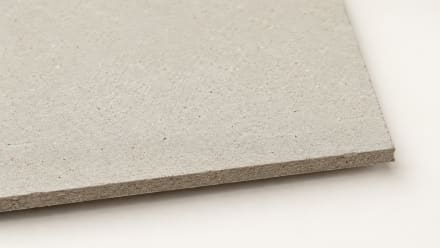 ◷ FINISH
 ◷ FINISH
 ◷ FINISH
 ◷ FINISH
 ◷ FINISH
 ◷ FINISH
 ◷ FINISH
 ◷ FINISH
 ◷ FINISH
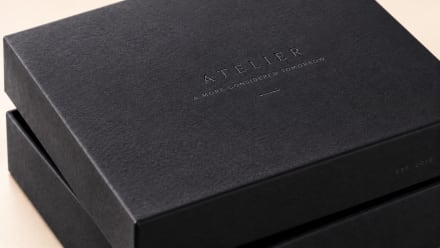
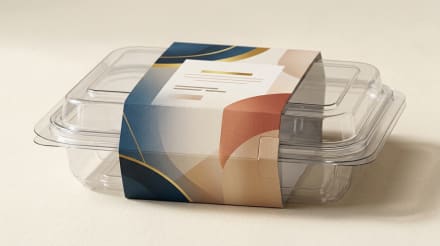
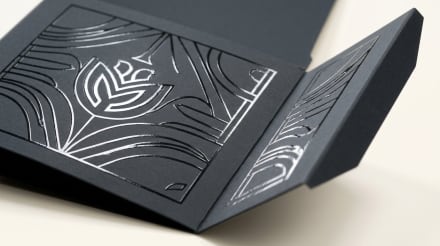
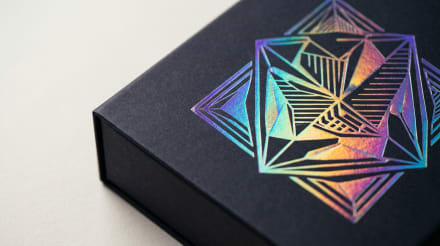
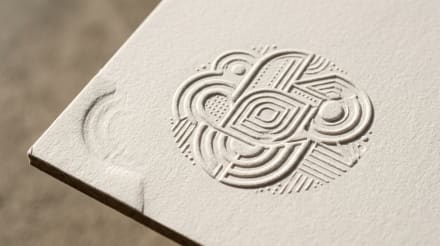
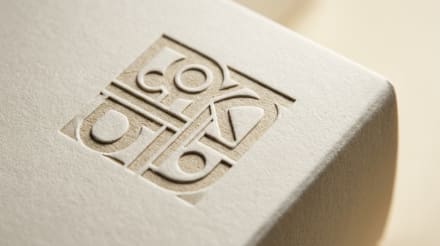
Finishes
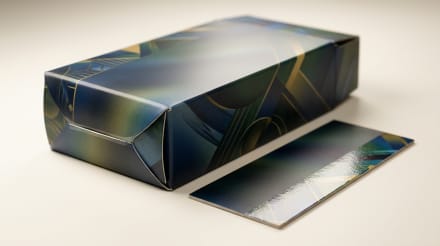
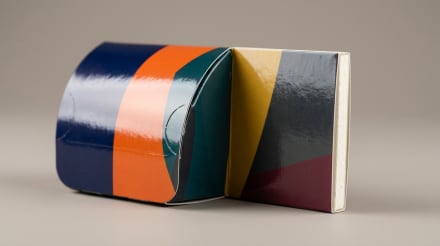
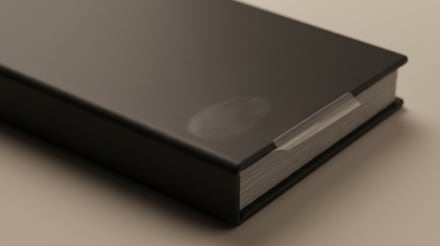
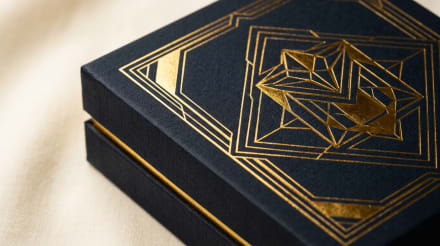
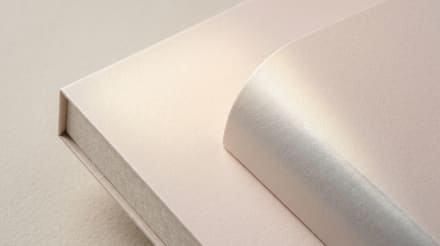
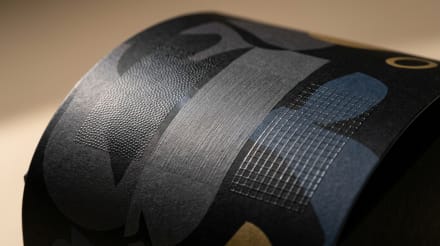
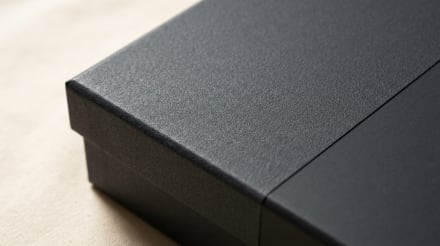
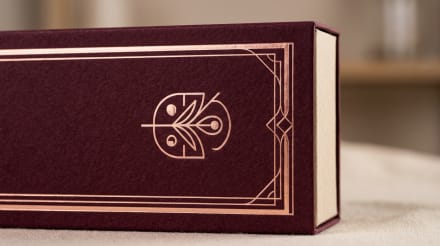
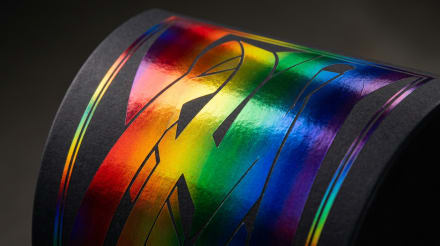
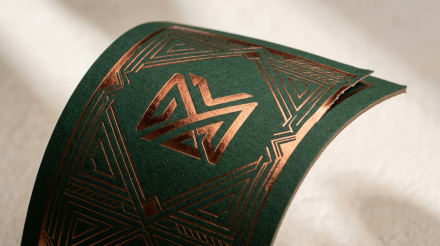
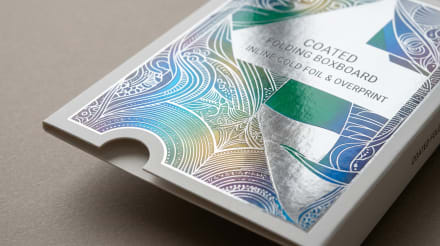
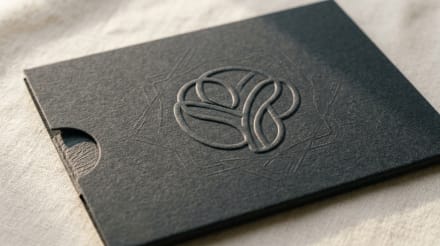
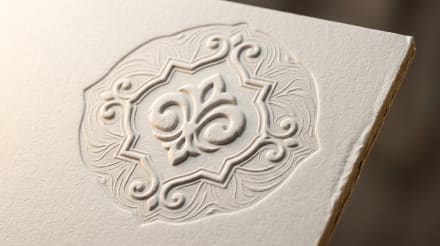
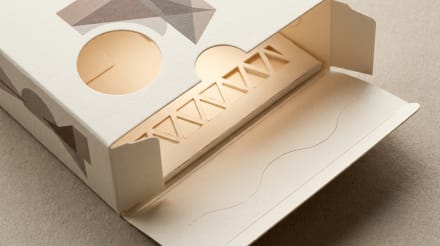
How the outer surface looks, feels, and catches light.
 ◷ FINISH
 ◷ FINISH
 ◷ FINISH
 ◷ FINISH
 ◷ FINISH
 ◷ FINISH
 ◷ FINISH
 ◷ FINISH
 ◷ FINISH
 ◷ FINISH
 ◷ FINISH
 ◷ FINISH
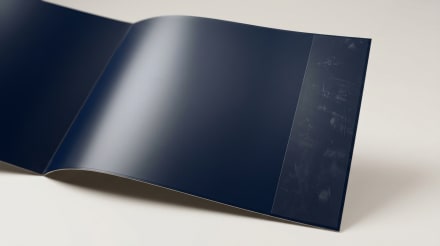 ◷ FINISH
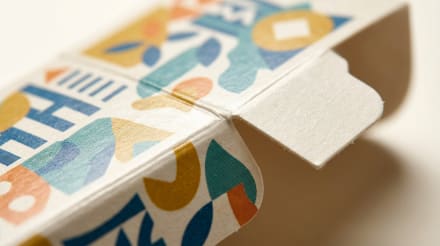 ◷ FINISH
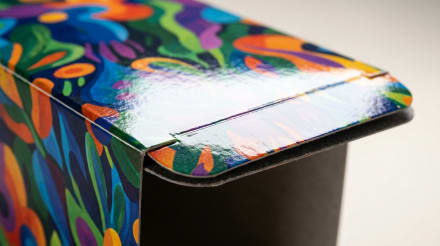 ◷ FINISH
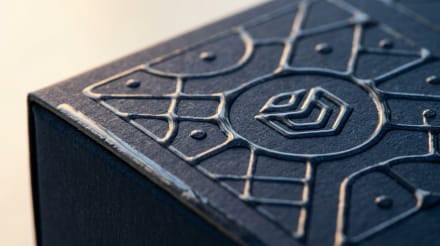 ◷ FINISH
 ◷ FINISH
 ◷ FINISH
 ◷ FINISH
 ◷ FINISH
 ◷ FINISH
 ◷ FINISH
 ◷ FINISH
 ◷ FINISH
 ◷ FINISH
 ◷ FINISH
 ◷ FINISH
 ◷ FINISH
 ◷ FINISH
 ◷ FINISH
Add-ons
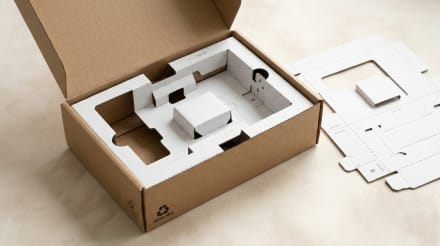
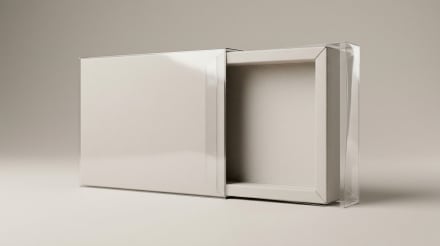
Closures, linings, and hardware that complete the build.
 ◷ FINISH
 ◷ FINISH
 ◷ FINISH
✦ Mix and match across all three and we'll build your exact combination.
The full kit of capabilities.
Sizing & dieline.
We cut Blister Tray to a dieline built around your product instead of pulling a stock size off the shelf. Send us the length, width and height of the item (or the item itself) and we return a measured dieline, free, before you commit to anything.
Length, width and height of the item itself, at its widest points. Measure the product, not the box you happen to use today.
Allow 2–4 mm on each axis for a snug fit, and more if you are adding foam, a pillow insert or tissue.
We quote as Length × Width × Height. Tell us whether you are working in millimetres or inches and we match it.
✦ Not sure of your size? Send us the product and we measure it and build the dieline.
Pricing & minimums.
We price Blister Tray per specification rather than from a fixed list, because the same build in two different finishes can land at very different numbers. Below is what actually moves the price, so you can shape the spec before you request a quote.
The single biggest lever. Unit cost falls sharply as volume rises, because setup and tooling spread across more pieces.
Board weight and stock choice change both the raw material cost and the shipping weight of the finished run.
Foil, spot UV, embossing and soft-touch each add a pass on press. One or two lift the box; five compound the cost.
Full-bleed print inside and out costs more than a one-sided design on natural stock.
Foam, moulded pulp, velvet pillows, magnets and ribbon are priced per piece on top of the box itself.
Standard production is the base rate. Rush moves you up the production queue and carries a surcharge.
✦ Quotes returned within 24 hours.
Questions, answered.
Everything you need to know about Blister Tray.
It's the gap between the part and the cavity wall, and it decides whether the tray holds the part or drops it. Too tight and parts jam, which stops a robot or slows a gloved hand. Too loose and they shift out of orientation in transit.
We add draft angles and radii so the tray releases from the mould without dragging and the part lifts out without catching.
Yes, we form trays from anti-static grades for electronics lines that specify ESD-safe packaging. The material keeps charge from building up on the tray as parts are loaded and picked.
Tell us the handling environment and whether trays are single-trip or returnable, and we'll match the sheet grade to it. Anti-static trays still nest empty for the return trip.
For protection the part sits below the rim, and for display it stands slightly proud. A recessed part is shielded when trays are stacked. A part that rises above the rim shows better but relies on a lid or backing card to hold it.
Presentation trays for confectionery and cosmetics usually stand the item proud. Assembly and medical trays keep it low.
Yes, flocking gives each cavity a soft velvet surface, and coloured sheet sets a backdrop behind the item. Both are used on presentation trays where the arrangement is part of the sale.
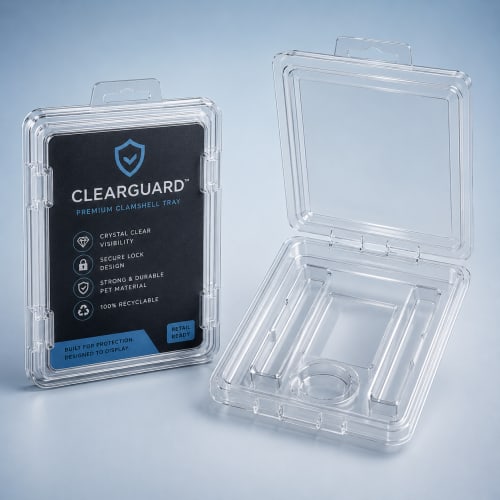
For retail, the tray heat-seals to a CMYK printed backing card with a hang hole, and spot UV on the card adds a gloss highlight. Crystal clear and matte sheet are the standard finishes.
We start from the part, then set the cavity pitch to suit your line. Pitch is the centre-to-centre distance between cavities, and on automated lines it has to match the pick-and-place equipment.
Send a sample part or CAD file, the number of cavities per tray and any footprint limit. There are no stock sizes, so every layout is drawn to order.
We run blister trays from 500 pieces upward. The mould is made for your cavity layout, and that same tool serves every reorder after the first run.
Returnable line trays cycle many times, so a first order near the minimum can last a while. Single-trip retail blisters use stock up faster and usually run well above it.
Once the tray design is approved, the run takes 7 to 10 business days, or 5 to 7 on rush. Sample trays come in 5 to 7 business days, so you can load real parts and try them on your line first.
If the sample goes to production, its fee is applied to the order. Tolerance tweaks after a first sample are normal, so budget time for one adjustment.
RPET trays go into PET recycling where it's collected, and moulded fibre trays are paper-based. Fibre is our plastic-free option and suits parts that don't need to be seen through the tray.
PP holds up best for returnable trays that are washed and reused many times. PVC is available but is the hardest of these to recycle, so we'd only use it when a spec calls for it.
Other products you might love.


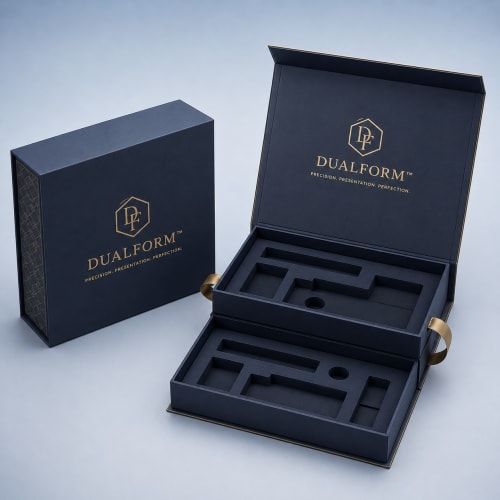
Ready to start your Blister Tray project?
Get a free quote in 24 hours. Our atelier is here to help.