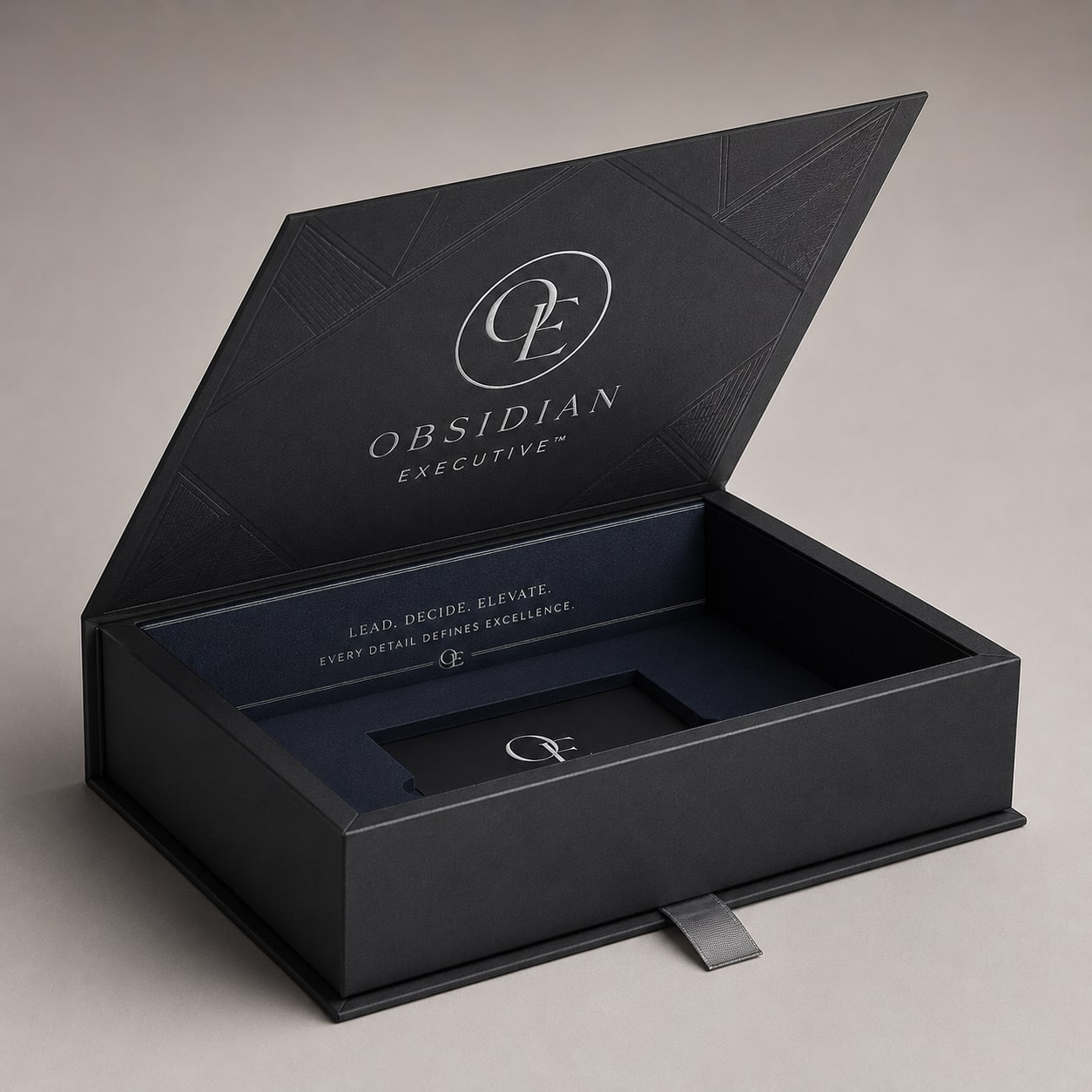
Bookend Style Rigid Boxes.
Final price depends on size, material, finish and quantity. Your packaging manager confirms it before production.
Your custom box, quoted.
The full specification book.
Six chapters. Six colours. Click a tab to turn the page.
Bookend Style Rigid Boxes
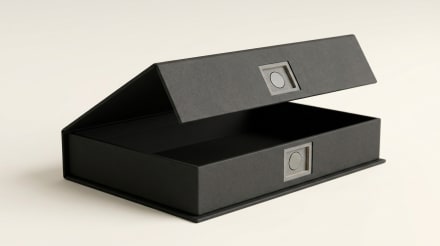
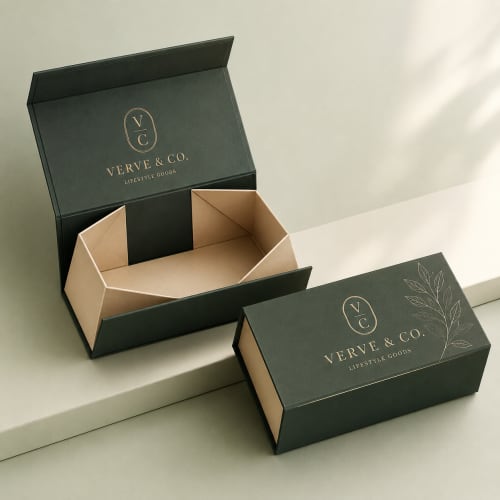
Opens like a book, so the whole contents plane is visible in a single motion.
A hinged rigid cover swings on a wrapped spine to reveal items laid flat on a fitted platform. The association with books gives the format a seriousness a lift-off lid does not carry.
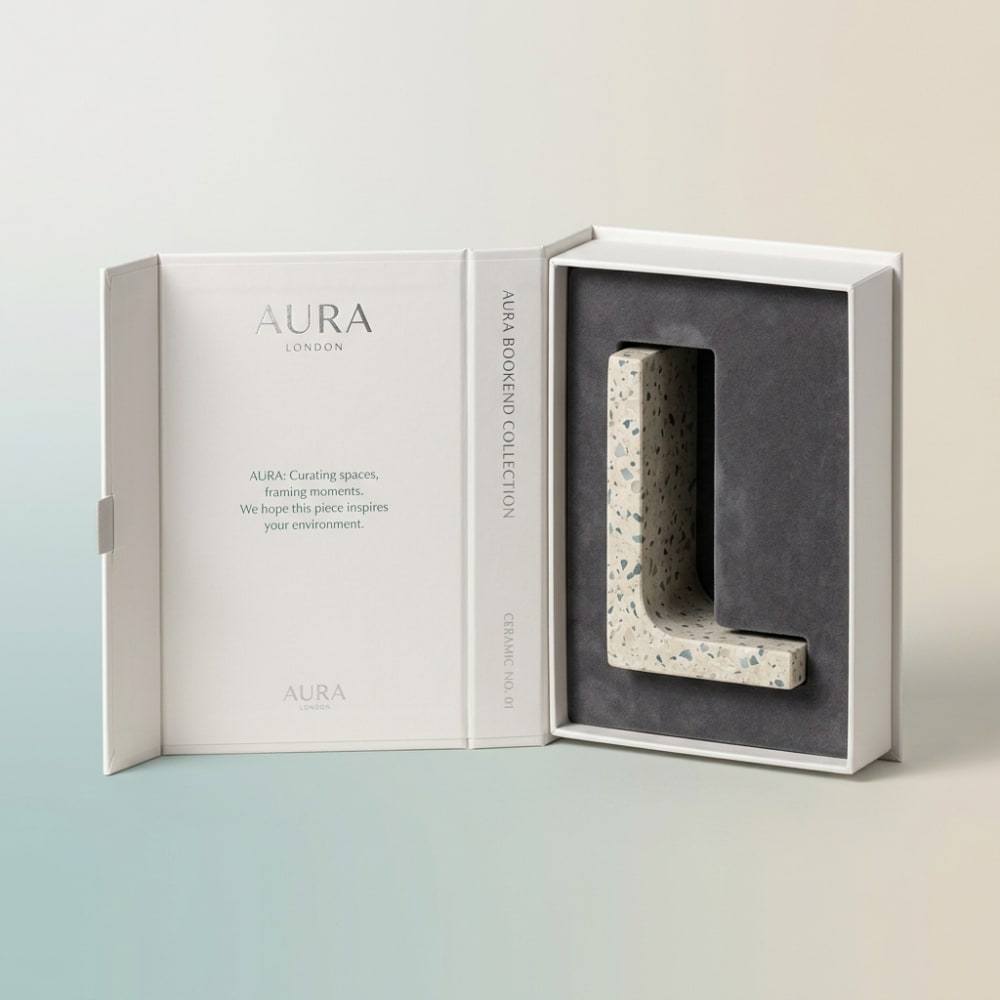
Every detail. Intentional.
The spine is the engineering
It flexes on every open, and cheap builds crack there.
Reinforced hinge material
Under a wrap paper chosen for flex, not just looks.
Magnet at the free edge
The snap that completes the book metaphor.
Everything seen at once
Which suits sets whose arrangement is the presentation.
Print the cover interior
The cheapest high-impact upgrade the format offers.
Specify the cycle count
How often it opens should decide the hinge build.

Built like architecture.
Every order of Bookend Style Rigid Boxes is an engineered build, measured, dieline-cut and hand-wrapped to spec. Below is the standard build sheet.
✦ Need a custom spec? Talk to our atelier. Every detail is negotiable.
Every surface, hand-selected.
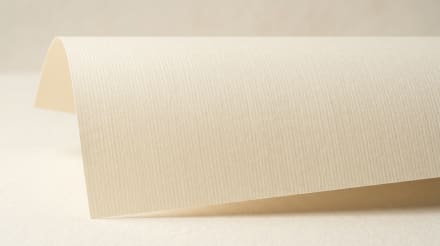
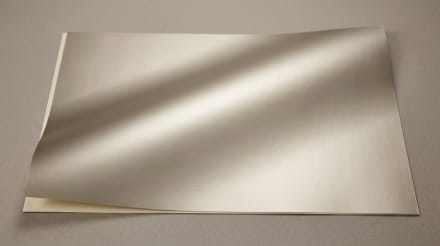
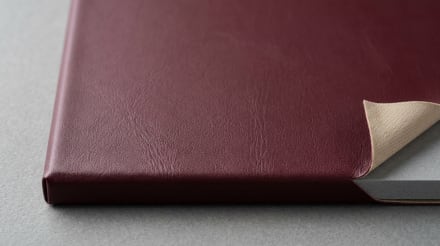
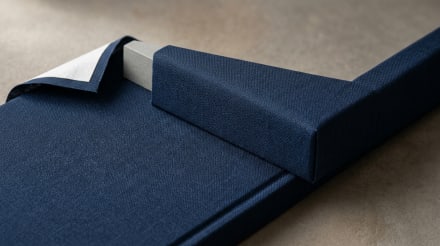
What this product is built from, and the surfaces it takes. Below the build sheet sits the full swatch library. Every option applies across our range, and a physical swatch set is available on request.
Material
The board and paper your box is built from.
 ◷ FINISH
 ◷ FINISH
 ◷ FINISH
 ◷ FINISH
 ◷ FINISH
 ◷ FINISH
 ◷ FINISH
 ◷ FINISH
 ◷ FINISH
Finishes
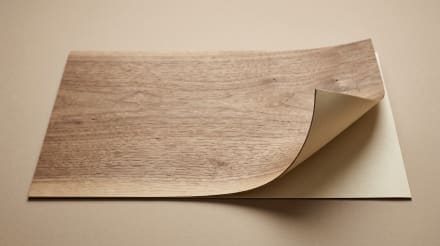
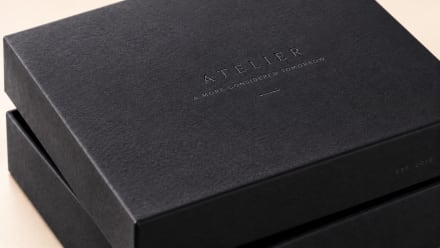
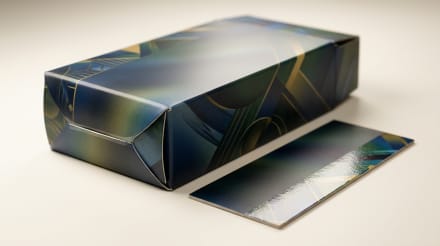
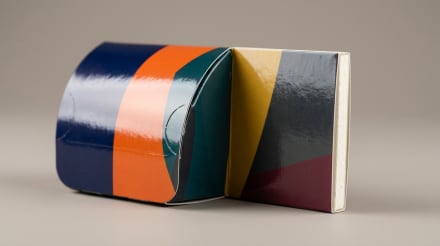
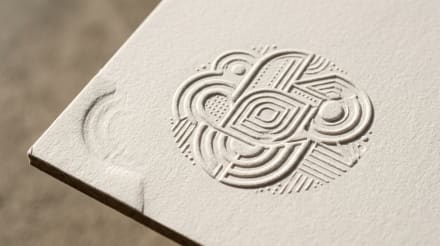
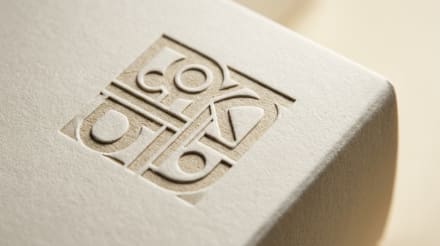
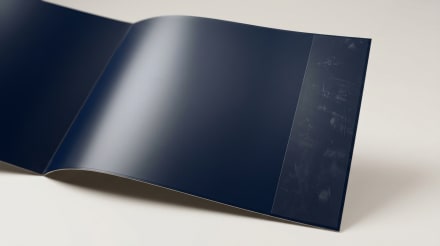
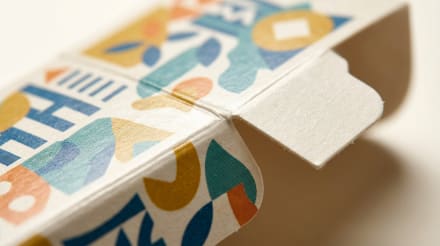
How the outer surface looks, feels, and catches light.
 ◷ FINISH
 ◷ FINISH
 ◷ FINISH
 ◷ FINISH
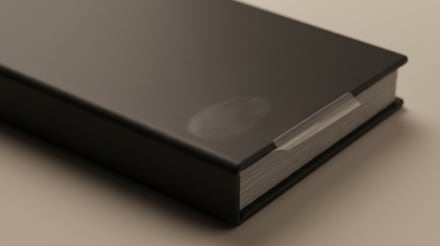 ◷ FINISH
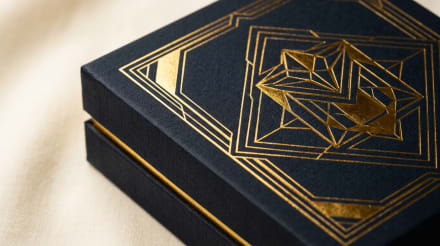 ◷ FINISH
 ◷ FINISH
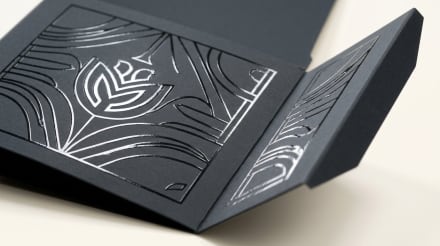 ◷ FINISH
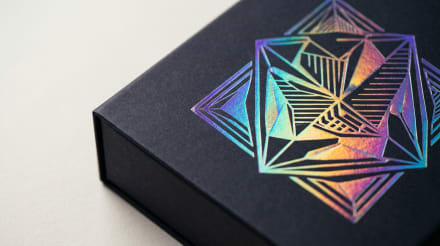 ◷ FINISH
 ◷ FINISH
 ◷ FINISH
 ◷ FINISH
 ◷ FINISH
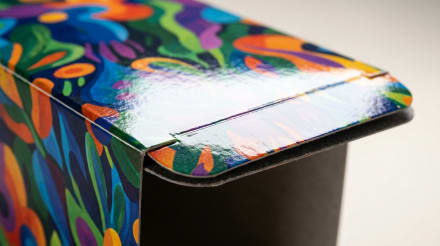 ◷ FINISH
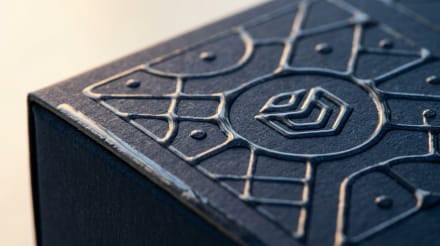 ◷ FINISH
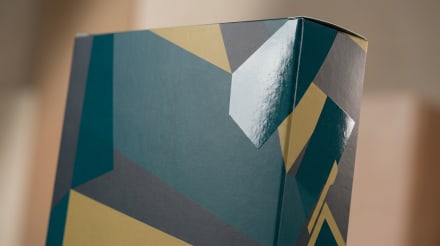 ◷ FINISH
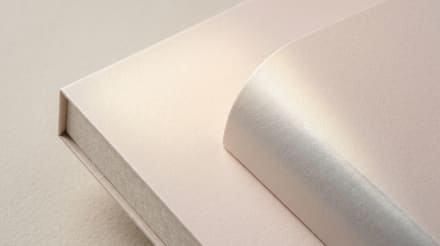 ◷ FINISH
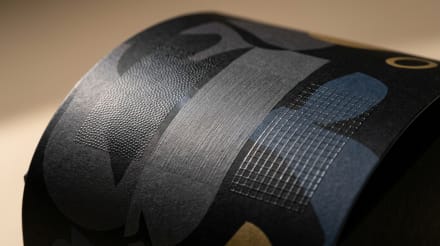 ◷ FINISH
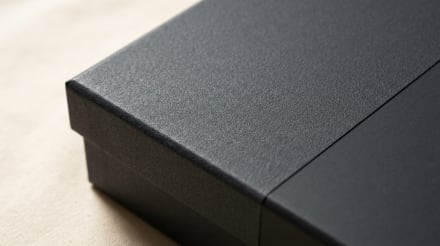 ◷ FINISH
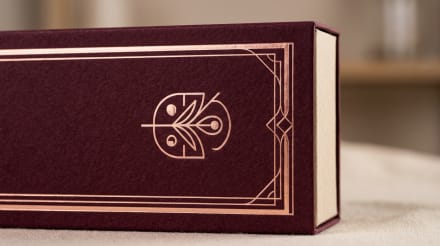 ◷ FINISH
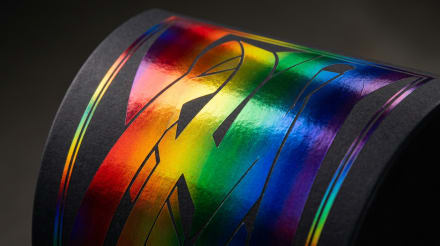 ◷ FINISH
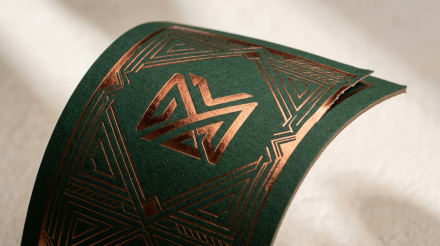 ◷ FINISH
 ◷ FINISH
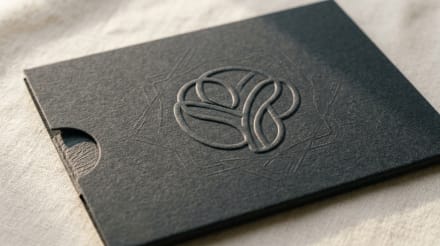 ◷ FINISH
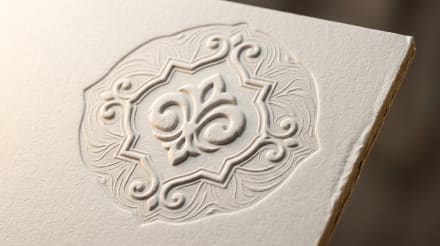 ◷ FINISH
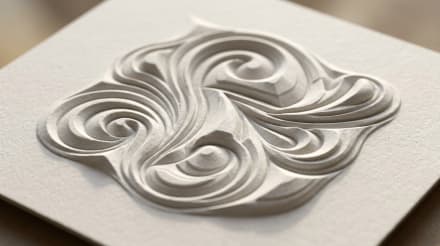 ◷ FINISH
 ◷ FINISH
Add-ons
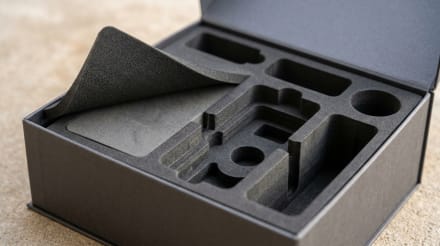
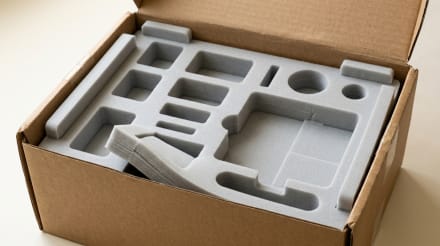
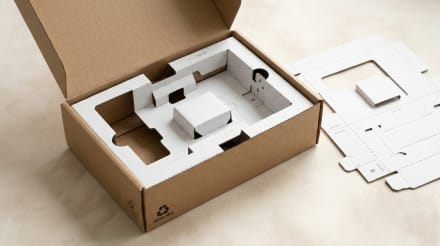
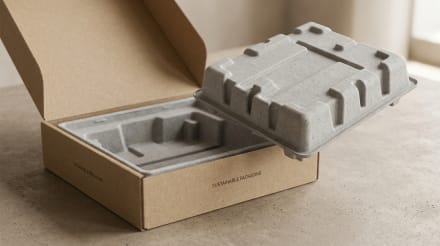
Closures, linings, and hardware that complete the build.
 ◷ FINISH
 ◷ FINISH
 ◷ FINISH
 ◷ FINISH
 ◷ FINISH
 ◷ FINISH
 ◷ FINISH
 ◷ FINISH
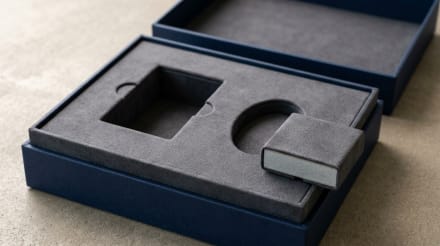 ◷ FINISH
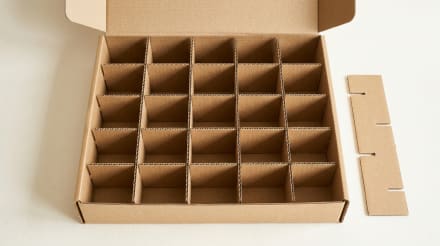 ◷ FINISH
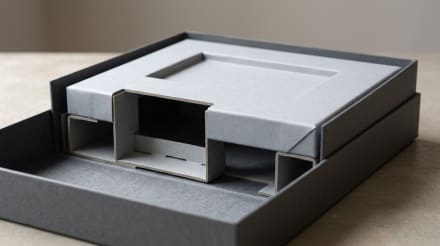 ◷ FINISH
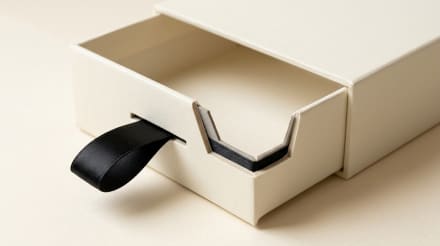 ◷ FINISH
 ◷ FINISH
 ◷ FINISH
 ◷ FINISH
 ◷ FINISH
 ◷ FINISH
 ◷ FINISH
 ◷ FINISH
 ◷ FINISH
 ◷ FINISH
✦ Mix and match across all three and we'll build your exact combination.
The full kit of capabilities.
Sizing & dieline.
We cut Bookend Style Rigid Boxes to a dieline built around your product instead of pulling a stock size off the shelf. Send us the length, width and height of the item (or the item itself) and we return a measured dieline, free, before you commit to anything.
Length, width and height of the item itself, at its widest points. Measure the product, not the box you happen to use today.
Allow 2–4 mm on each axis for a snug fit, and more if you are adding foam, a pillow insert or tissue.
We quote as Length × Width × Height. Tell us whether you are working in millimetres or inches and we match it.
✦ Not sure of your size? Send us the product and we measure it and build the dieline.
Pricing & minimums.
We price Bookend Style Rigid Boxes per specification rather than from a fixed list, because the same build in two different finishes can land at very different numbers. Below is what actually moves the price, so you can shape the spec before you request a quote.
The single biggest lever. Unit cost falls sharply as volume rises, because setup and tooling spread across more pieces.
Board weight and stock choice change both the raw material cost and the shipping weight of the finished run.
Foil, spot UV, embossing and soft-touch each add a pass on press. One or two lift the box; five compound the cost.
Full-bleed print inside and out costs more than a one-sided design on natural stock.
Foam, moulded pulp, velvet pillows, magnets and ribbon are priced per piece on top of the box itself.
Standard production is the base rate. Rush moves you up the production queue and carries a surcharge.
✦ Quotes returned within 24 hours.
Questions, answered.
Everything you need to know about Bookend Style Rigid Boxes.
The cover swings open on a wrapped spine the way a hardback opens, and the contents sit on a fitted platform in the base. Everything in the box is visible in one movement, laid out on a single flat plane. That suits sets where the arrangement matters, such as a pen and pencil, a fragrance duo or a row of samples.
Closed, the box looks like a book, which gives it a more serious feel than a lift-off lid.
The spine flexes every time the cover opens, and plain wrap paper over a board gap fatigues and splits with repeated use. The crack starts as a white line along the fold and then tears through. In our experience it is the most common failure in this format.
We back the spine with a reinforcing hinge material under the wrap and choose a wrap paper that tolerates flexing. Tell us roughly how often the box will be opened and we'll build the hinge to suit.
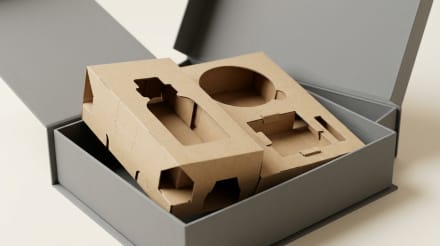
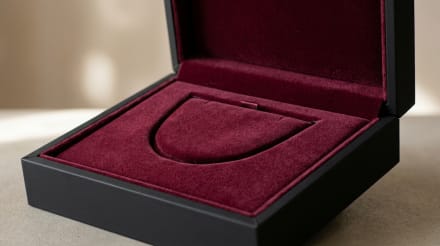
The contents sit in a fitted platform cut to the shape of each item, made from paperboard, foam or flocked board. Because the whole layout is seen at once, the cavities are placed deliberately, with even spacing and the main item centred. Foam suits glass and heavy pieces, and flock suits jewellery or pens where a soft surface matters.
The platform sits level with the base walls so nothing lifts when the cover swings shut.
Yes, the inside of the cover is the cheapest high-impact upgrade on this format. When the box opens, that panel stands upright behind the contents like a backdrop, so a flood colour, a pattern or a short message gets seen every time. It adds a print pass but no extra structure.
Outside, foil on the cover face and a deboss both suit the broad flat panel. Soft-touch lamination gives the cover a hand close to book cloth.
Yes, and a printed spine makes the box readable when it's stored upright on a shelf like a book. A product name or edition number on the spine turns a row of boxes into a set, and retailers sometimes display them spine-out for the same reason.
Spine print is set up as part of the wrap artwork, since the paper runs continuously from the front cover around to the back. We handle that alignment on the dieline so the text sits centred on the spine.
Common sizes are 9 × 7 × 2 in and 11 × 9 × 2.5 in, both shallow because the contents lie flat. Depth is set by the tallest item plus the platform. Length and width come from the layout, so we draw the insert first and size the case around it.
Deeper builds are possible, though the spine gets wider and heavier as the depth goes up, and the hinge has more work to do.
We make bookend boxes from 30 units upward. A 30-piece run suits a launch set, a client gift or a numbered edition where you want the real construction without ordering hundreds. The top end is 100,000.
Spine reinforcement, cover print and a fitted platform all come with small runs too, so a first order looks the same as a repeat one further down the line.
From approval, production runs 7 to 10 business days, and rush brings that down to 5 to 7. We would sample this one first, because hinge action and panel alignment are hard to judge from a flat proof. Samples take 5 to 7 business days and the fee counts toward your production order.
Shipping covers all of the USA, and the boxes travel assembled with the platform already fitted.
Other products you might love.


Ready to start your Bookend Style Rigid Boxes project?
Get a free quote in 24 hours. Our atelier is here to help.