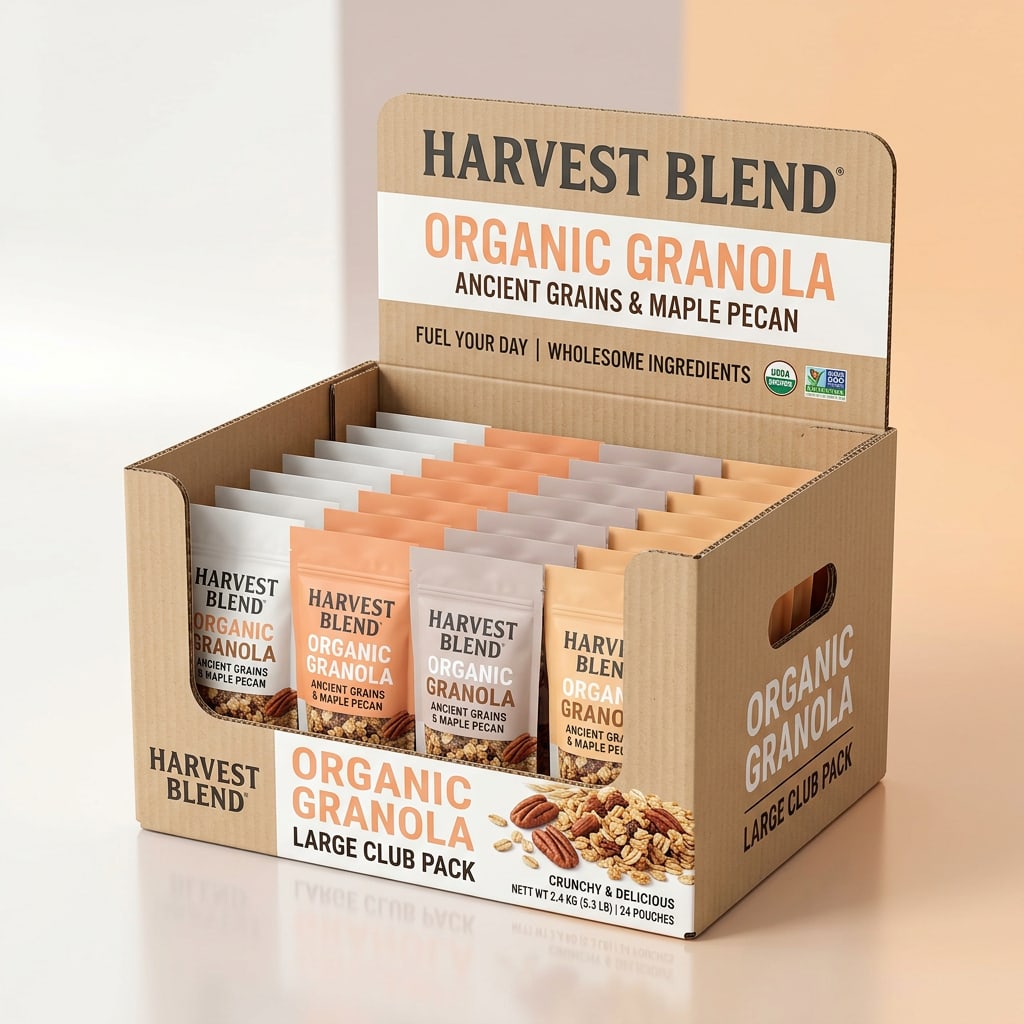
Club Store Packaging.
Final price depends on size, material, finish and quantity. Your packaging manager confirms it before production.
Your custom box, quoted.
The full specification book.
Six chapters. Six colours. Click a tab to turn the page.
Club Store Packaging
Built for warehouse retail, so it arrives pallet-ready as a multi-pack to the retailer's own spec.
Club channels dictate footprint, pallet pattern and case count. The pack has to survive shipping, present on a pallet and open into a display.
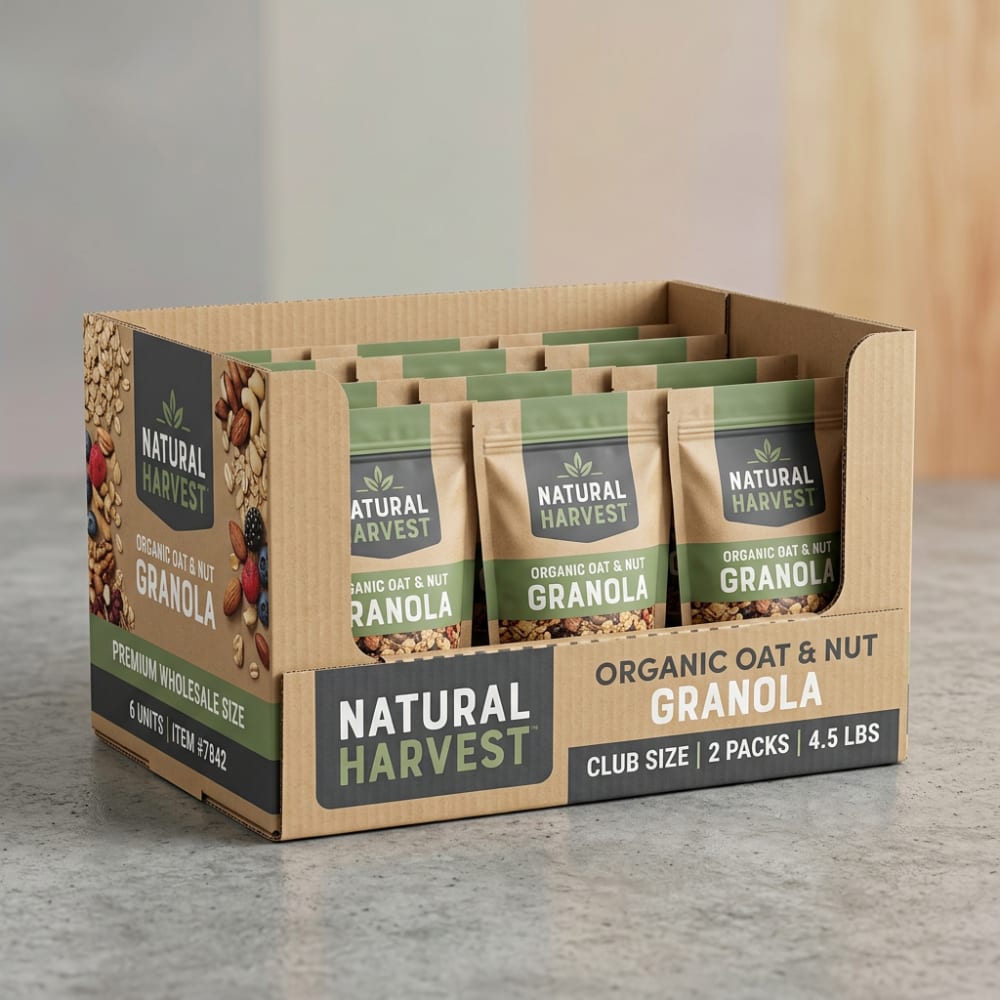
Every detail. Intentional.
The retailer sets the spec
Footprint and pallet pattern.
One unit does both jobs
No secondary handling.
Multi-pack value on front
The channel's whole proposition.
Stacked several high
Compression is unforgiving.
Tear-away display face
Opened in seconds by staff.
Case counts are fixed
Set by the buying office.

Built like architecture.
Every order of Club Store Packaging is an engineered build, measured, dieline-cut and hand-wrapped to spec. Below is the standard build sheet.
✦ Need a custom spec? Talk to our atelier. Every detail is negotiable.
Every surface, hand-selected.
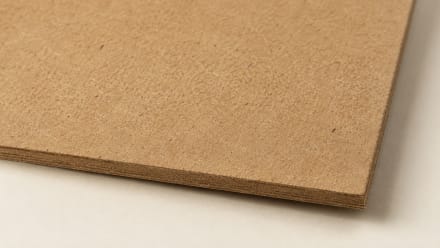
What this product is built from, and the surfaces it takes. Below the build sheet sits the full swatch library. Every option applies across our range, and a physical swatch set is available on request.
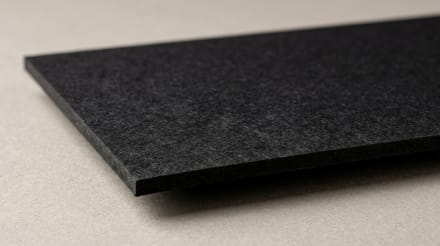
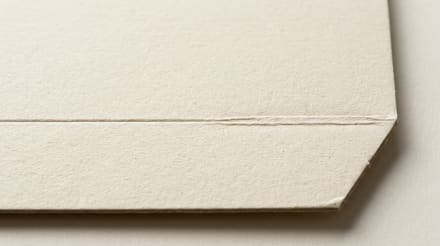
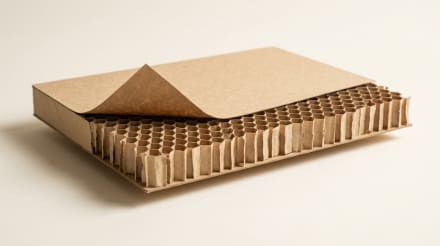
Material
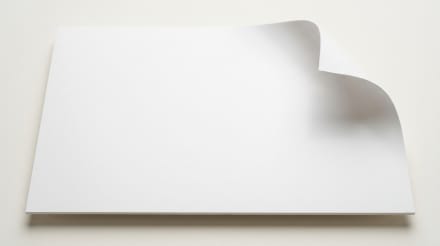
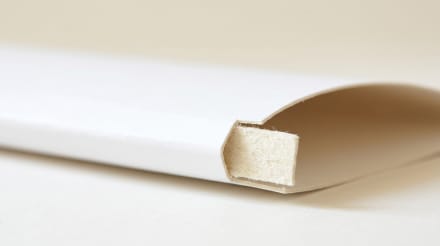
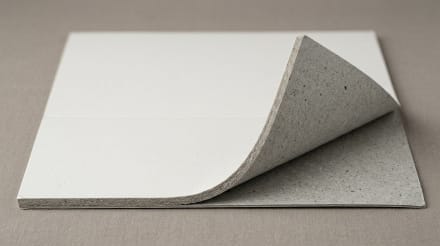
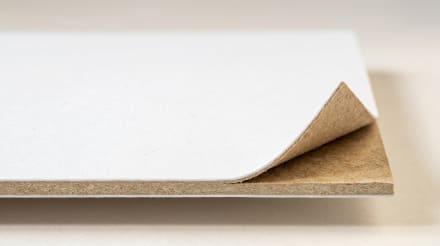
The board and paper your box is built from.
 ◷ ECO
◷ ECO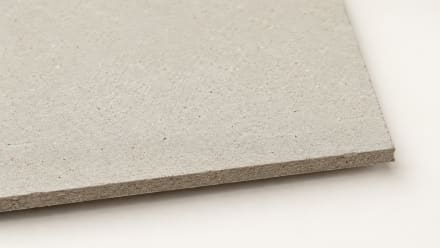 ◷ FINISH
 ◷ FINISH
 ◷ FINISH
 ◷ FINISH
 ◷ FINISH
 ◷ FINISH
 ◷ FINISH
 ◷ FINISH
 ◷ FINISH
 ◷ FINISH
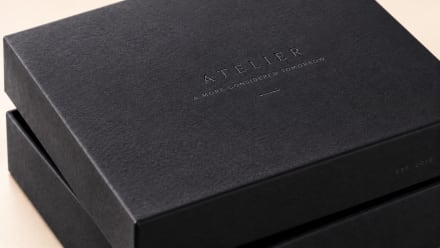
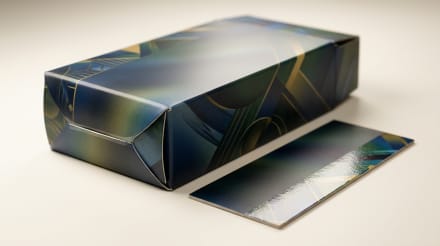
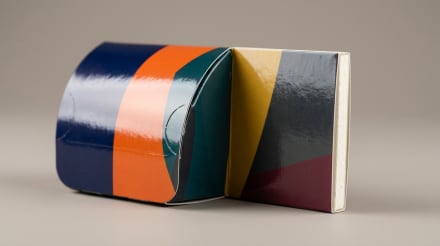
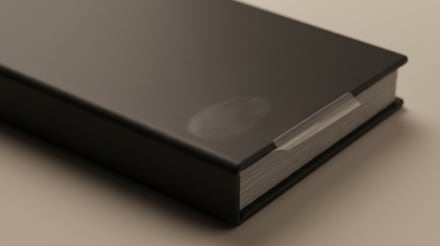
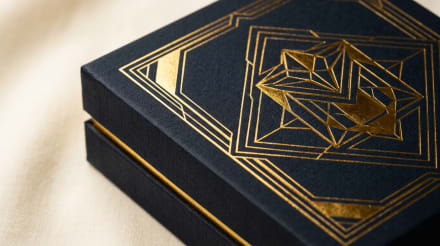
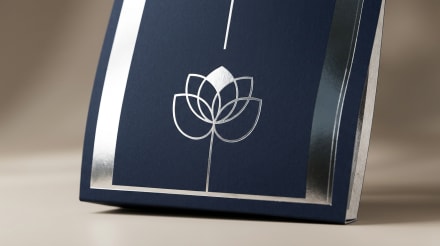
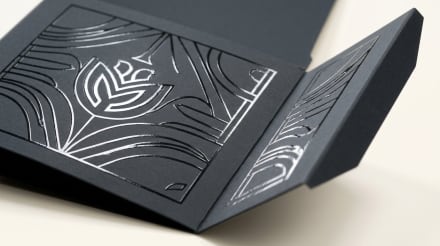
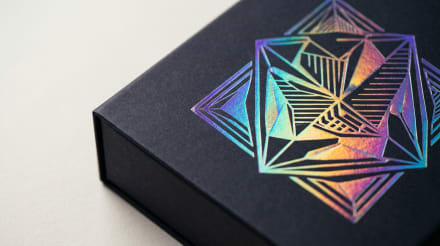
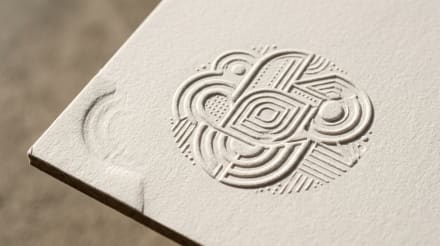
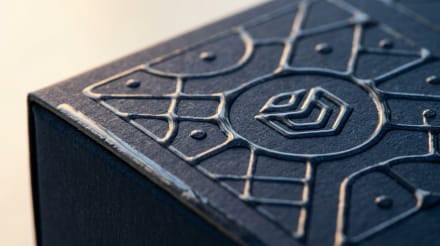
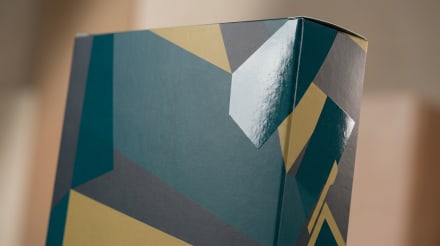
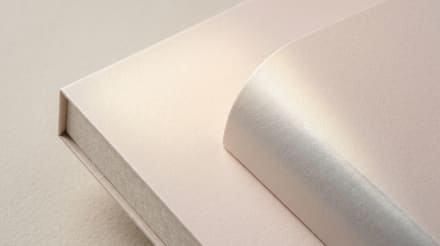
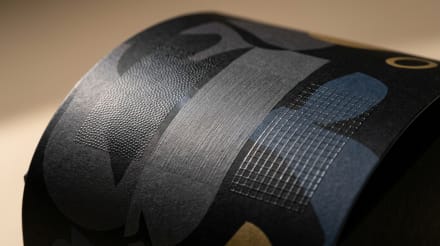
Finishes
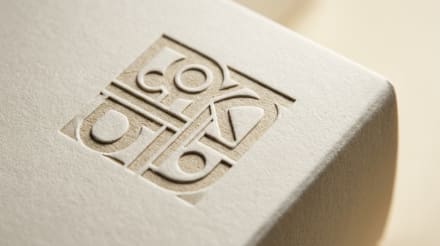
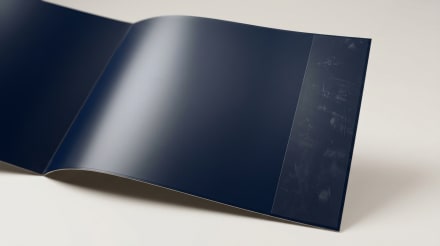
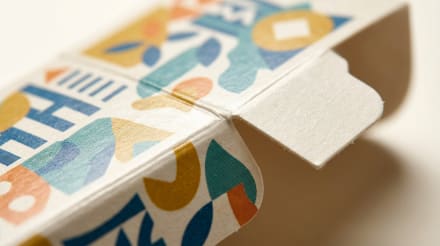
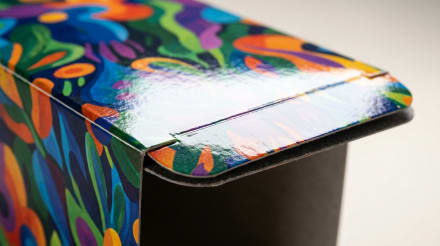
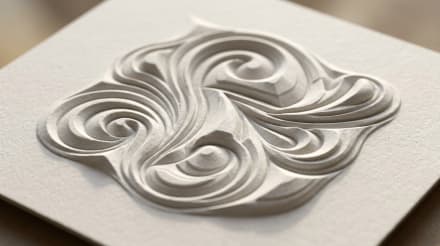
How the outer surface looks, feels, and catches light.
 ◷ FINISH
 ◷ FINISH
 ◷ FINISH
 ◷ FINISH
 ◷ FINISH
 ◷ FINISH
 ◷ FINISH
 ◷ FINISH
 ◷ FINISH
 ◷ FINISH
 ◷ FINISH
 ◷ FINISH
 ◷ FINISH
 ◷ FINISH
 ◷ FINISH
 ◷ FINISH
 ◷ FINISH
 ◷ FINISH
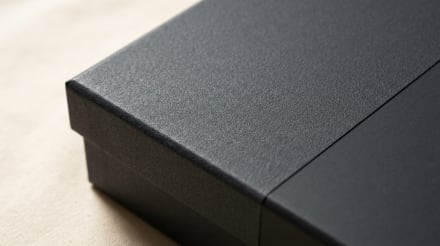 ◷ FINISH
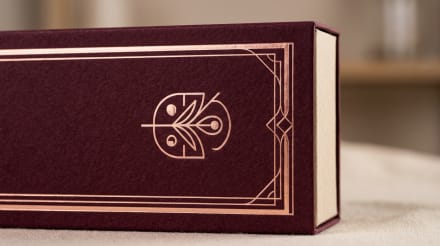 ◷ FINISH
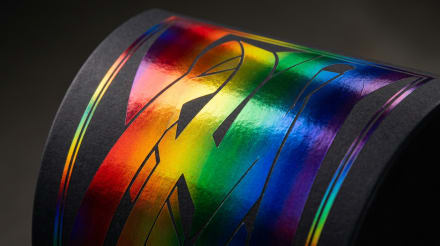 ◷ FINISH
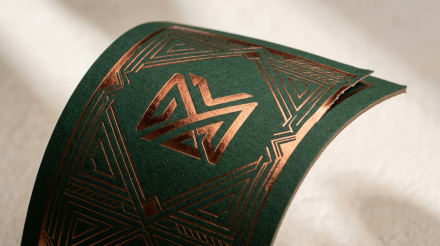 ◷ FINISH
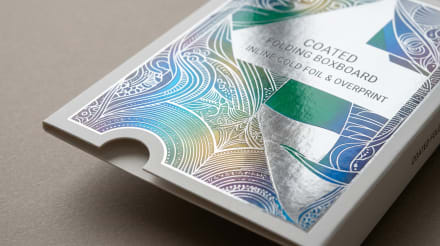 ◷ FINISH
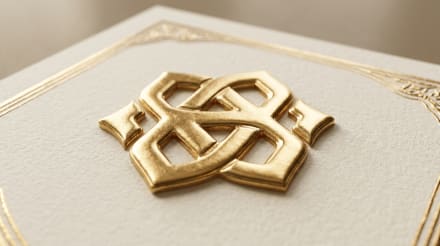 ◷ FINISH
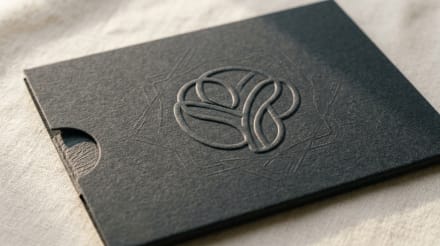 ◷ FINISH
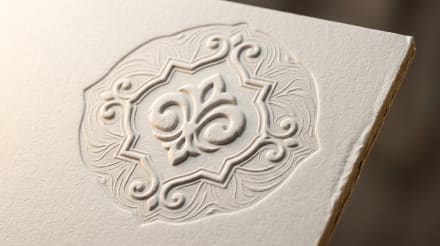 ◷ FINISH
 ◷ FINISH
 ◷ FINISH
 ◷ FINISH
Add-ons
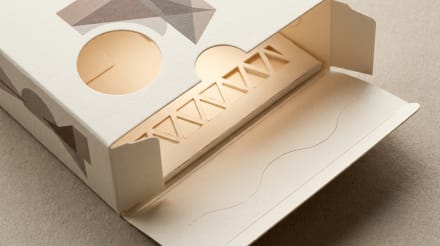
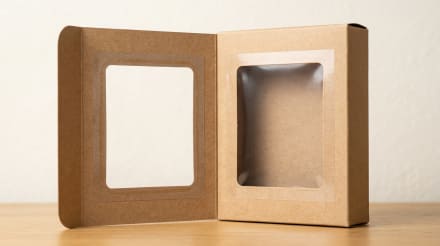
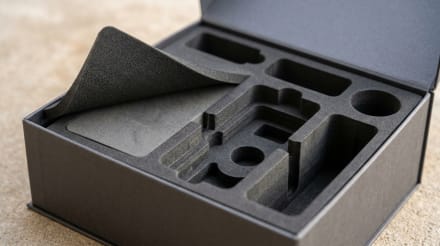
Closures, linings, and hardware that complete the build.
 ◷ FINISH
 ◷ FINISH
 ◷ FINISH
 ◷ FINISH
✦ Mix and match across all three and we'll build your exact combination.
The full kit of capabilities.
Sizing & dieline.
We cut Club Store Packaging to a dieline built around your product instead of pulling a stock size off the shelf. Send us the length, width and height of the item (or the item itself) and we return a measured dieline, free, before you commit to anything.
Length, width and height of the item itself, at its widest points. Measure the product, not the box you happen to use today.
Allow 2–4 mm on each axis for a snug fit, and more if you are adding foam, a pillow insert or tissue.
We quote as Length × Width × Height. Tell us whether you are working in millimetres or inches and we match it.
✦ Not sure of your size? Send us the product and we measure it and build the dieline.
Pricing & minimums.
We price Club Store Packaging per specification rather than from a fixed list, because the same build in two different finishes can land at very different numbers. Below is what actually moves the price, so you can shape the spec before you request a quote.
The single biggest lever. Unit cost falls sharply as volume rises, because setup and tooling spread across more pieces.
Board weight and stock choice change both the raw material cost and the shipping weight of the finished run.
Foil, spot UV, embossing and soft-touch each add a pass on press. One or two lift the box; five compound the cost.
Full-bleed print inside and out costs more than a one-sided design on natural stock.
Foam, moulded pulp, velvet pillows, magnets and ribbon are priced per piece on top of the box itself.
Standard production is the base rate. Rush moves you up the production queue and carries a surcharge.
✦ Quotes returned within 24 hours.
Questions, answered.
Everything you need to know about Club Store Packaging.
It's a corrugated shell around multi-wall corner posts, with rated trays inside and a header on top, all sitting on a pallet-spec base. The posts carry the vertical load of stacked product and the trays hold full weight without bowing. The whole unit goes into the store by forklift and becomes the fixture.
Club stores have no conventional shelving in those aisles, so the pallet does the shelf's job.
The outer layers are perforated so staff can strip them off in seconds and open the pallet into a display as stock sells down. Stepped layers mean the unit still looks full and tidy when half the product has gone. A pallet that empties into a ragged box gets merchandised badly or broken down early.
We design the tear lines to come away cleanly without ripping into the printed faces left behind.
A pallet sits in open floor space and gets approached from every direction, so each face has to sell. We design all four faces with the brand and multi-pack count readable from several feet away. Type and imagery are scaled for that distance rather than for a shelf at arm's length.
Freight-proof coatings keep the print intact through forklift handling and stacking.
Each club chain publishes its own packaging manual, and those are the strictest rules in retail. The manual sets the pallet footprint, the pallet pattern, the case counts and how the display must open, and loads are audited on arrival. Case counts are fixed by the buying office.
Send us the manual or the buyer's spec sheet at the start and we'll engineer the pack to it.
A PDQ tray is a shallow shelf-ready tray that goes out fully loaded, with no unpacking. It bridges the gap between a full pallet display and individual cases. Multi-packs, often shrink-bundled in film, sit in the tray with the count printed where shoppers can see it.
Club economics rest on selling the multi-buy, so the pack count needs to be the clearest thing on the front.
Club displays are pallet-scale, built as half-pallet or full-pallet units, with PDQ trays for smaller placements. The retailer's manual fixes the footprint, so the size decision is really about how many layers and trays fit inside it. We work from your case dimensions and the pallet pattern the buyer has set.
Overall height is set in the same manual, and we'll design to that limit.
Yes, club packs and pallet displays start at 500 units. A club programme usually goes to a whole region's warehouses in one shipment, so orders of that size are routine in this channel.
Programmes can scale to 100,000 units on the same engineering, which keeps the pack identical from the first shipment to the last.
Production needs 7 to 10 business days after artwork approval, and rush can cut that to 5 to 7. Add the retailer's own approval steps, since many club buyers want to see a physical sample. We turn samples around in 5 to 7 business days, and the sample fee is credited against production.
Freight to the distribution centre comes after that, and we ship anywhere in the USA.
Other products you might love.

Ready to start your Club Store Packaging project?
Get a free quote in 24 hours. Our atelier is here to help.