Die-Cut Boxes.
Final price depends on size, material, finish and quantity. Your packaging manager confirms it before production.
Your custom box, quoted.
The full specification book.
Six chapters. Six colours. Click a tab to turn the page.
Die-Cut Boxes
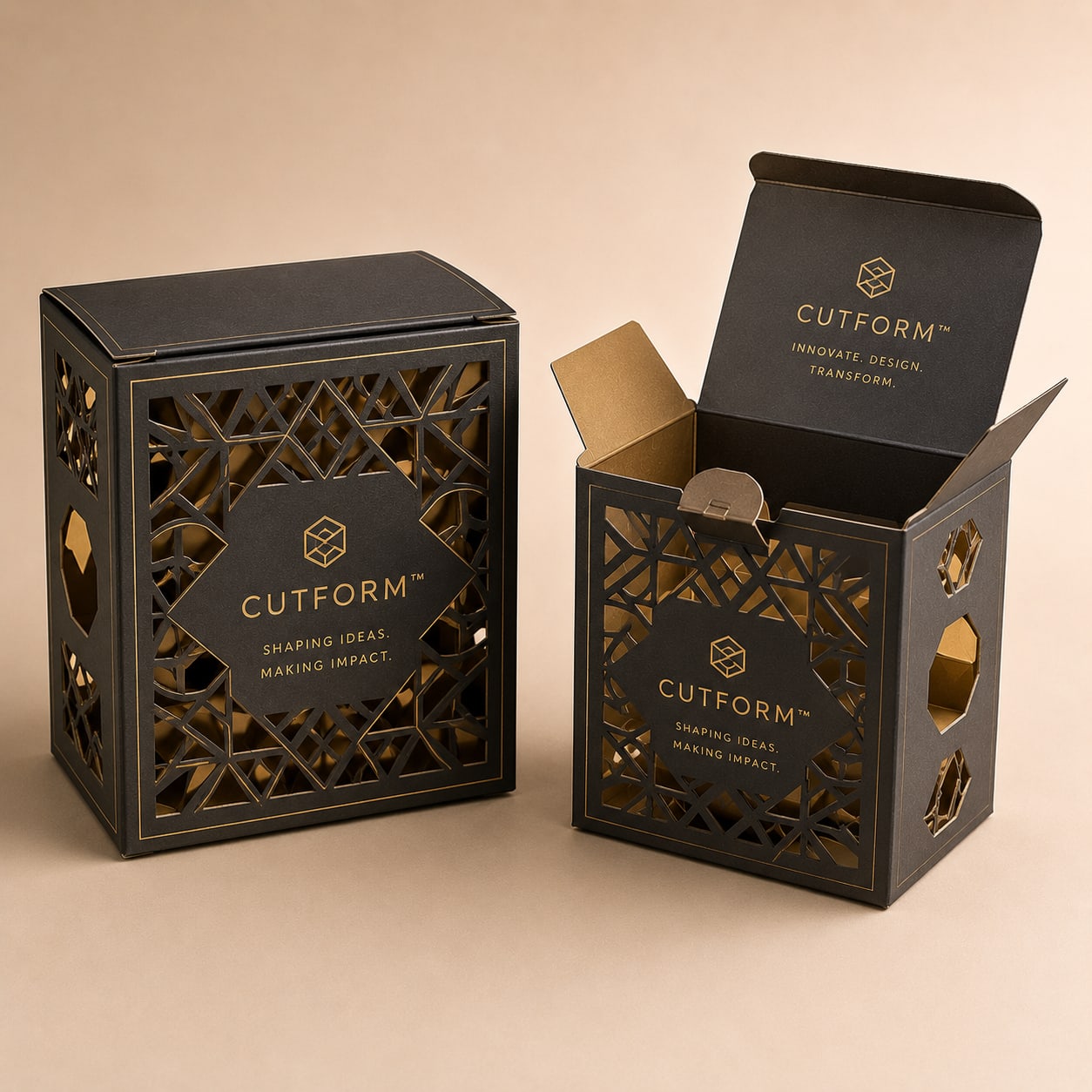
A custom tool cut to your shape, for the point where standard formats stop being enough.
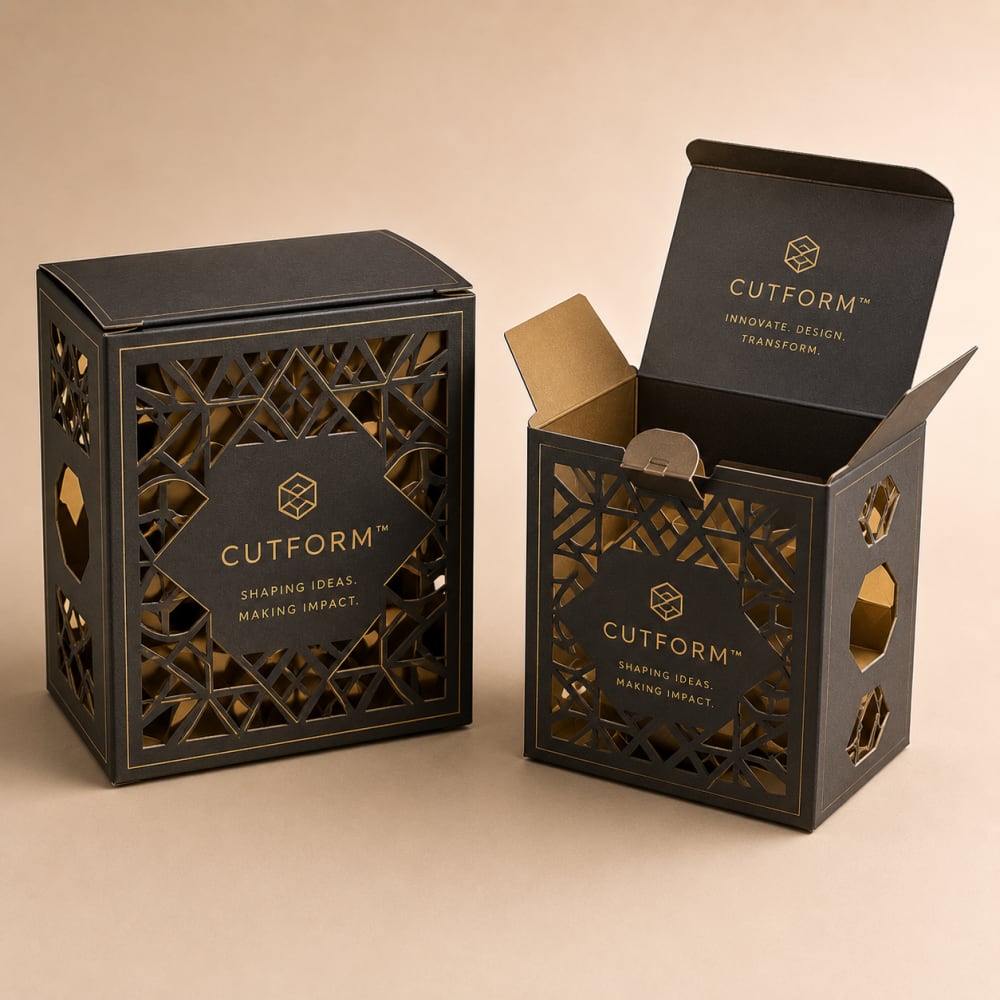
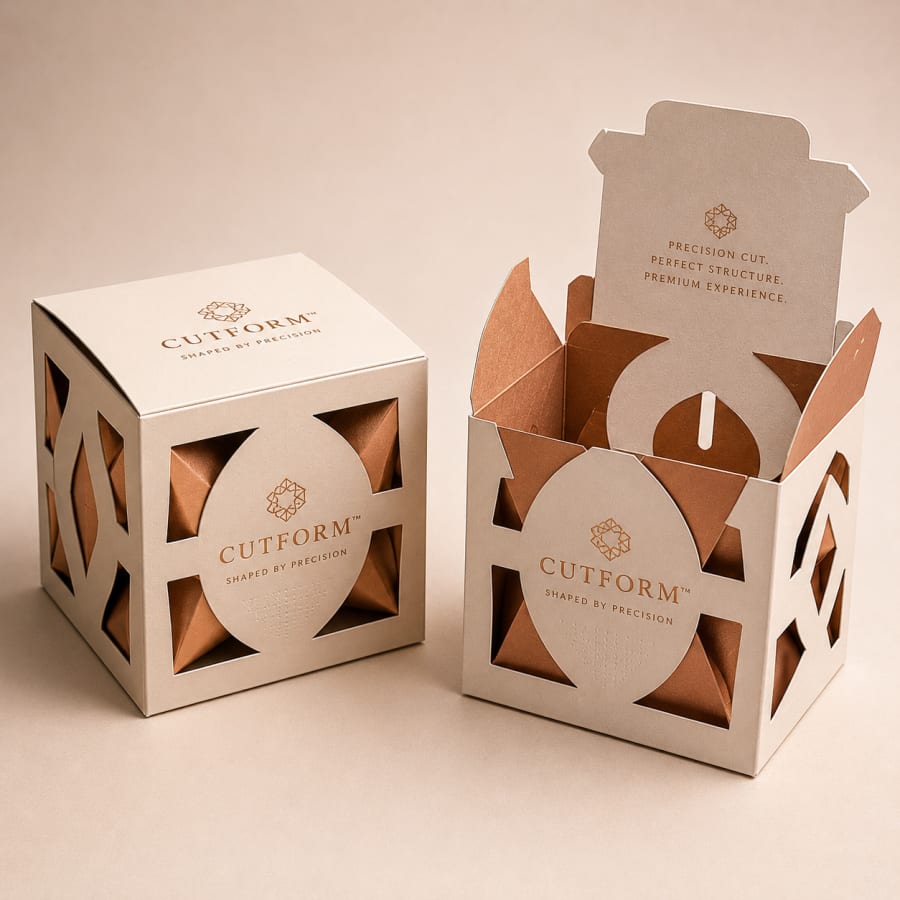
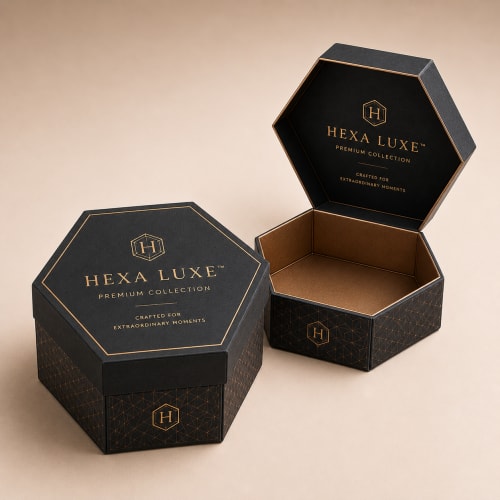
A bespoke die opens up shapes, apertures and locking features no stock carton offers. The tool is a one-time cost that pays back across the run.
Every detail. Intentional.
The tool is one-time
Then every unit is cheap.
Shapes stock cartons cannot
Apertures, curves, locks.
Structural mock-up first
Cut and folded before steel.
Nesting affects unit cost
Efficient layouts save board.
Locking features built in
Assembly without glue or tape.
Tolerance tightens with complexity
More cuts, less forgiveness.
Built like architecture.
Every order of Die-Cut Boxes is an engineered build, measured, dieline-cut and hand-wrapped to spec. Below is the standard build sheet.
✦ Need a custom spec? Talk to our atelier. Every detail is negotiable.
Every surface, hand-selected.
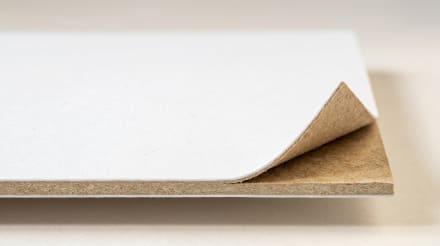
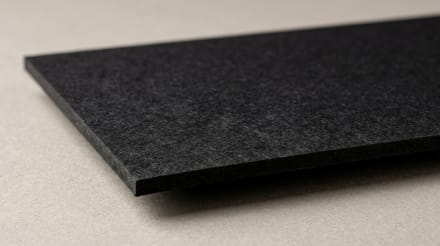
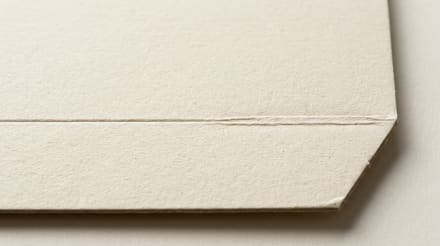
What this product is built from, and the surfaces it takes. Below the build sheet sits the full swatch library. Every option applies across our range, and a physical swatch set is available on request.
Material
The board and paper your box is built from.
 ◷ ECO
◷ ECO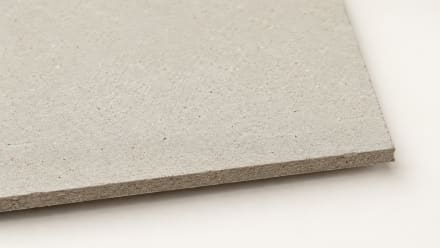 ◷ FINISH
 ◷ FINISH
 ◷ FINISH
 ◷ FINISH
 ◷ FINISH
 ◷ FINISH
 ◷ FINISH
 ◷ FINISH
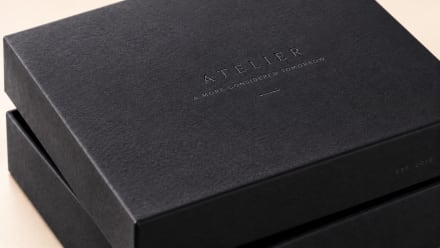
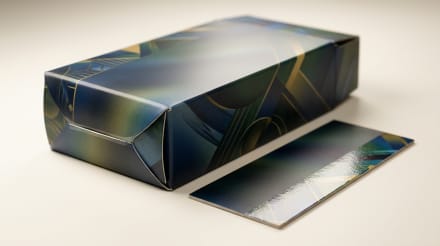
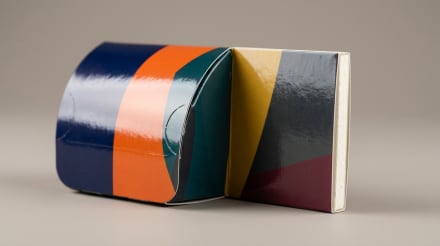
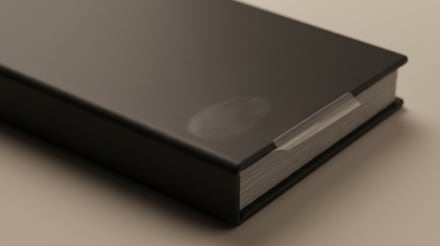
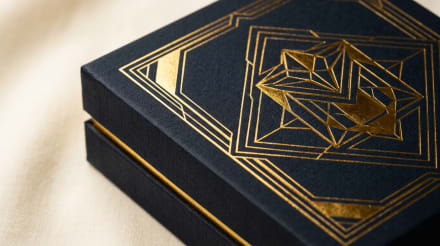
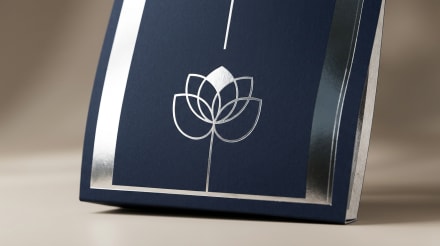
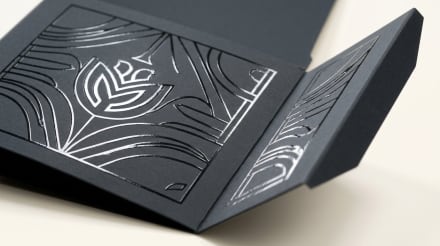
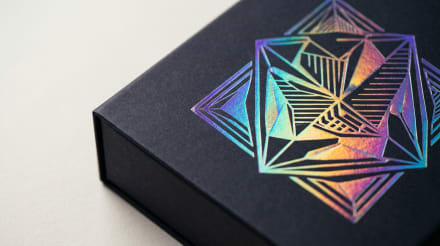
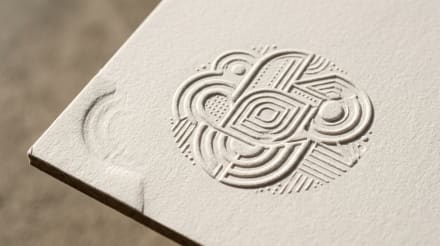
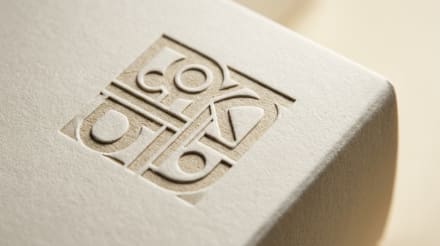
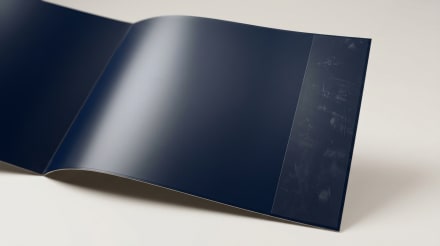
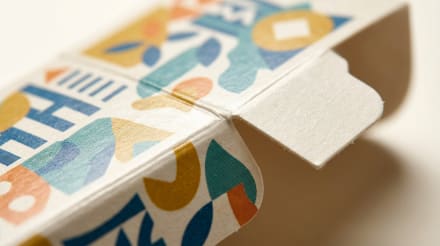
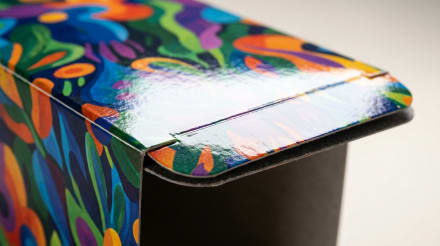
Finishes
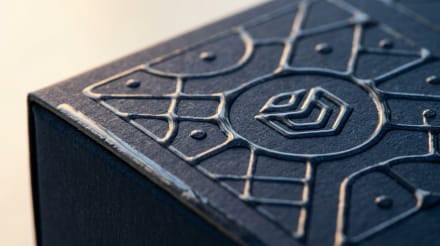
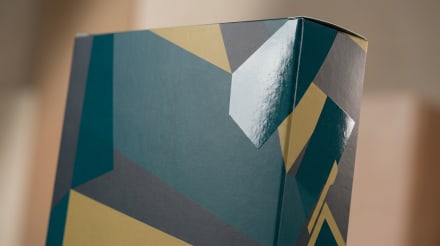
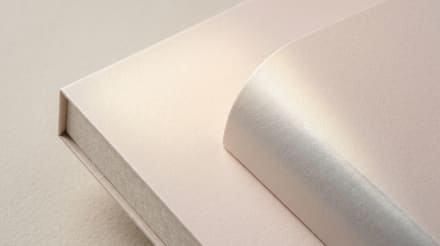
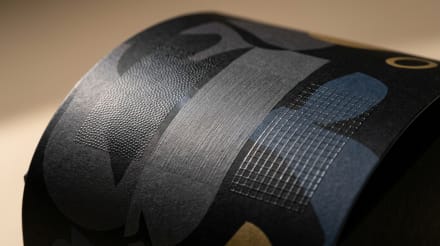
How the outer surface looks, feels, and catches light.
 ◷ FINISH
 ◷ FINISH
 ◷ FINISH
 ◷ FINISH
 ◷ FINISH
 ◷ FINISH
 ◷ FINISH
 ◷ FINISH
 ◷ FINISH
 ◷ FINISH
 ◷ FINISH
 ◷ FINISH
 ◷ FINISH
 ◷ FINISH
 ◷ FINISH
 ◷ FINISH
 ◷ FINISH
 ◷ FINISH
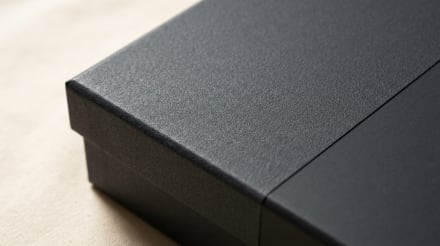 ◷ FINISH
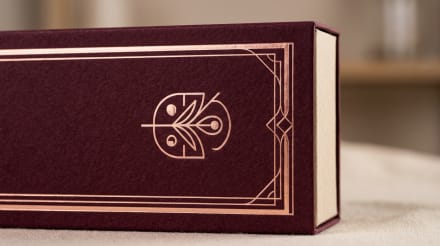 ◷ FINISH
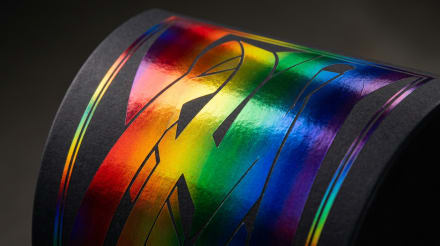 ◷ FINISH
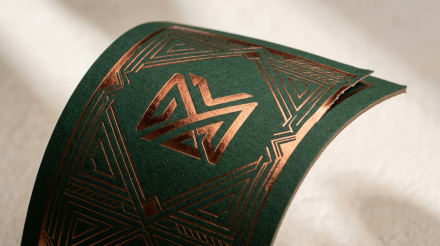 ◷ FINISH
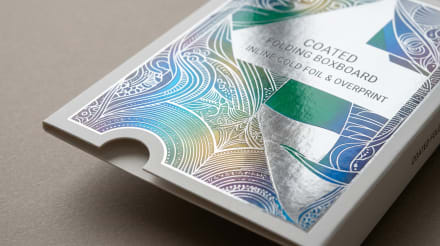 ◷ FINISH
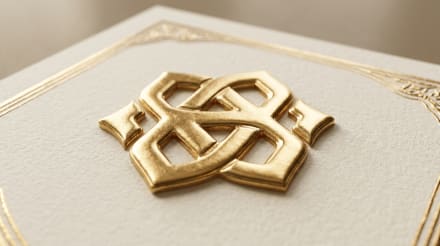 ◷ FINISH
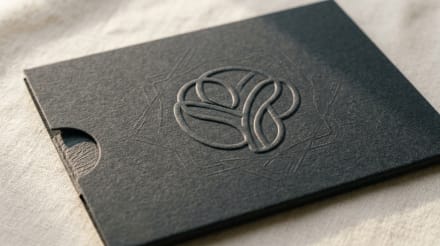 ◷ FINISH
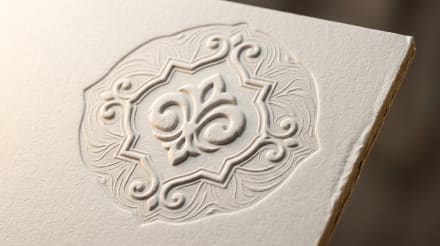 ◷ FINISH
 ◷ FINISH
 ◷ FINISH
 ◷ FINISH
Add-ons
Closures, linings, and hardware that complete the build.
 ◷ FINISH
✦ Mix and match across all three and we'll build your exact combination.
The full kit of capabilities.
Sizing & dieline.
We cut Die-Cut Boxes to a dieline built around your product instead of pulling a stock size off the shelf. Send us the length, width and height of the item (or the item itself) and we return a measured dieline, free, before you commit to anything.
Length, width and height of the item itself, at its widest points. Measure the product, not the box you happen to use today.
Allow 2–4 mm on each axis for a snug fit, and more if you are adding foam, a pillow insert or tissue.
We quote as Length × Width × Height. Tell us whether you are working in millimetres or inches and we match it.
✦ Not sure of your size? Send us the product and we measure it and build the dieline.
Pricing & minimums.
We price Die-Cut Boxes per specification rather than from a fixed list, because the same build in two different finishes can land at very different numbers. Below is what actually moves the price, so you can shape the spec before you request a quote.
The single biggest lever. Unit cost falls sharply as volume rises, because setup and tooling spread across more pieces.
Board weight and stock choice change both the raw material cost and the shipping weight of the finished run.
Foil, spot UV, embossing and soft-touch each add a pass on press. One or two lift the box; five compound the cost.
Full-bleed print inside and out costs more than a one-sided design on natural stock.
Foam, moulded pulp, velvet pillows, magnets and ribbon are priced per piece on top of the box itself.
Standard production is the base rate. Rush moves you up the production queue and carries a surcharge.
✦ Quotes returned within 24 hours.
Questions, answered.
Everything you need to know about Die-Cut Boxes.
It's a plywood base with steel cutting and creasing rules bent to follow your dieline, pressed into the board to cut and score each blank in one stroke. Every die-cut box starts from one. The die is made once for your structure and then reused on every reorder.
That's why the first run carries a tooling charge and later runs at the same size don't.
Yes, we cut prototypes on a digital cutting table, which follows the dieline with a blade and needs no steel. That lets you fold and test the structure before paying for tooling. It's the step where locking features, tuck depth and fit get corrected.
Digital cutting also handles very short runs. For 500 units and up, a steel die is quicker on the press.
Grain direction decides whether each fold helps or fights the carton, so we set it against the major folds when laying out the dieline. Board is stiffer in one direction than the other. Get it right and the panels stay flat and the box stands square on the shelf.
Get it wrong and a well-printed carton bows, gaps at the tuck or leans once it's erected.
Board has thickness, and every fold uses some of it, so the inside of the box ends up smaller than the numbers on a flat drawing. On 24pt board or E-flute the difference is noticeable on a snug fit. We draw the dieline from your internal dimensions and add the caliper allowance at each panel.
Always give us the internal size you need, and label it as such. Mixing up inside and outside measurements is the most common reason a product doesn't fit.
Nesting is how many blanks fit on one press sheet, and the board between them is waste you pay for. An odd shape with long flaps can leave large gaps on the sheet. Small changes to flap length or a tab position often let another blank fit, which lowers the unit cost across the whole run.
We look at the nest before quoting and will suggest a tweak if one saves board without hurting the structure.
It depends on the run and the board, with litho for high-quality carton print, flexo for corrugated and digital for short or variable runs. Hot foil, embossing, spot UV and soft-touch lamination are available on top. CMYK and PMS colours are both supported.
We don't offer holographic finishes or window patching on this product, but perforated tear strips and custom closures can be cut in the same die.
The minimum is 500 cartons per die and design, and one order can run as high as 100,000. A second design on the same structure can share the die, so a range of products in one size keeps tooling to a single set. SBS from 14 to 24pt, kraft and recycled PCW grades all run on it.
Prototype quantities below the minimum are handled on the digital cutter before the steel is ordered.
Samples take 5 to 7 business days, and bulk production follows in 7 to 10 business days once the proof is approved. Rush production shortens the run to 5 to 7 business days if you're working to a launch. The dieline and design help are free throughout.
The sample fee counts toward the production order, so the prototype stage isn't money spent twice.
Other products you might love.
Ready to start your Die-Cut Boxes project?
Get a free quote in 24 hours. Our atelier is here to help.