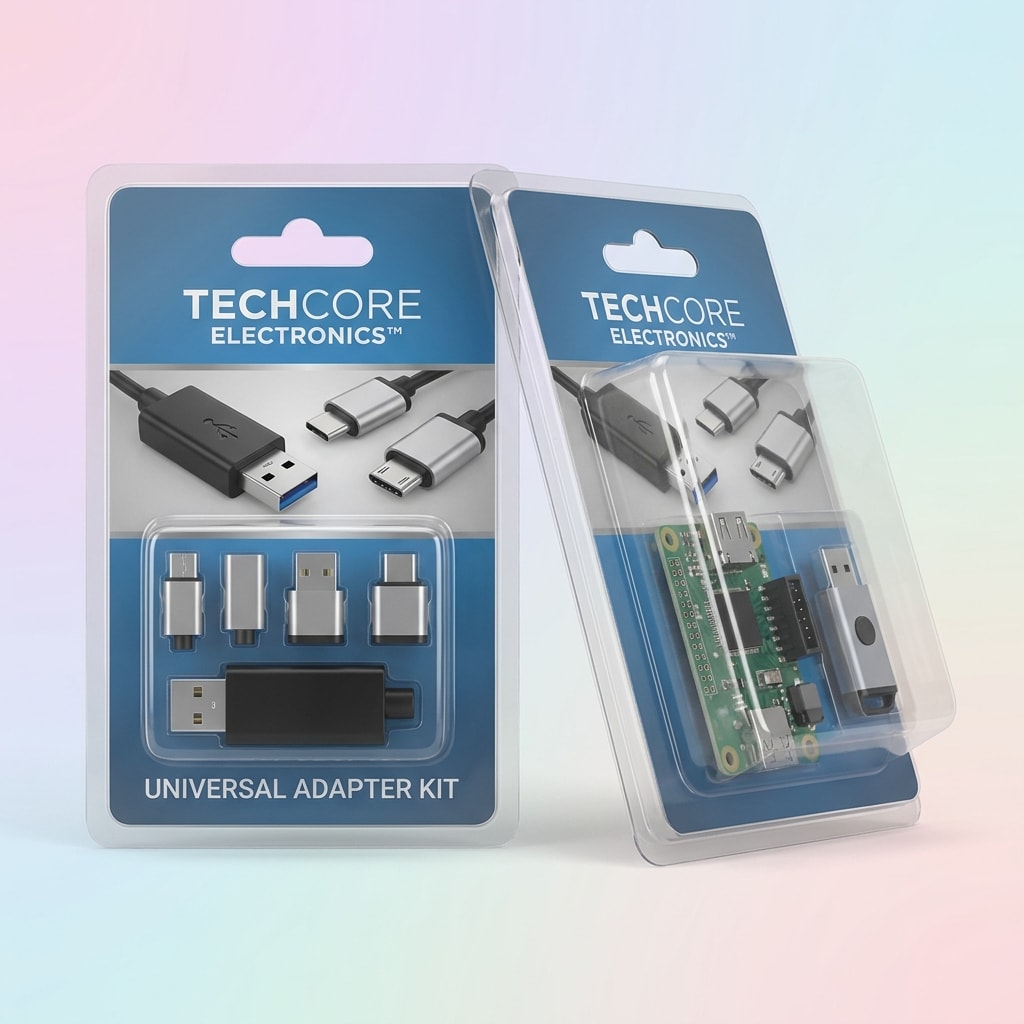
Electronic Component Packaging.
Final price depends on size, material, finish and quantity. Your packaging manager confirms it before production.
Your custom box, quoted.
The full specification book.
Six chapters. Six colours. Click a tab to turn the page.
Electronic Component Packaging
Static is the load here, which makes the packaging part of the electrical system.
Sensitive components need controlled surface resistance and, for moisture-sensitive parts, a barrier bag with desiccant. Print is the least of it.
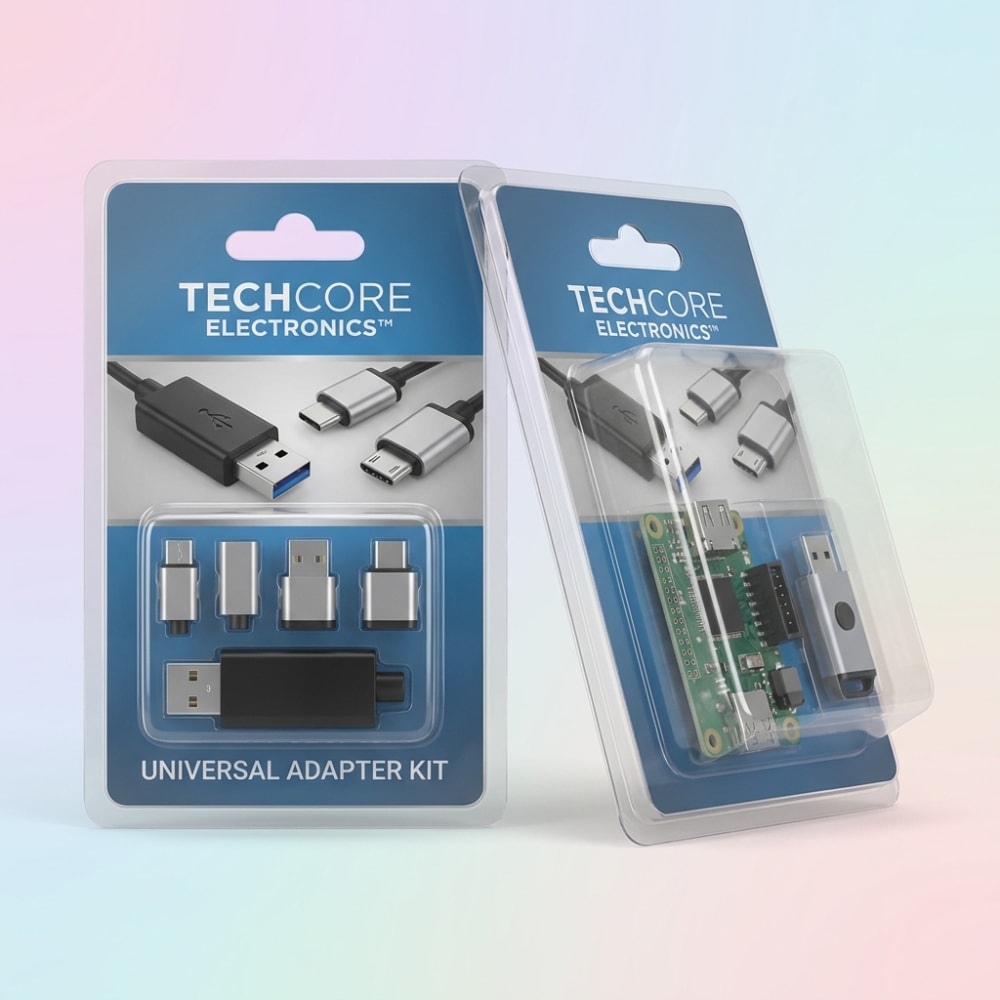
Every detail. Intentional.
Surface resistance is specified
ESD-safe, not merely tough.
Moisture-sensitive levels
Barrier bag and desiccant.
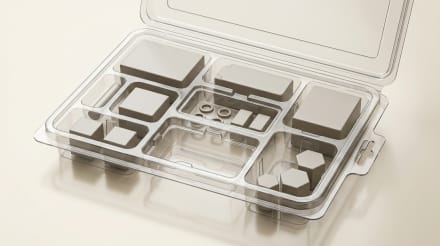
Cavity fit stops movement
Lead damage is invisible.
Antistatic foam and film
Chosen by component class.
Traceability on the panel
Lot and date coding space.
Bulk trays for assembly
Feeding a production line.
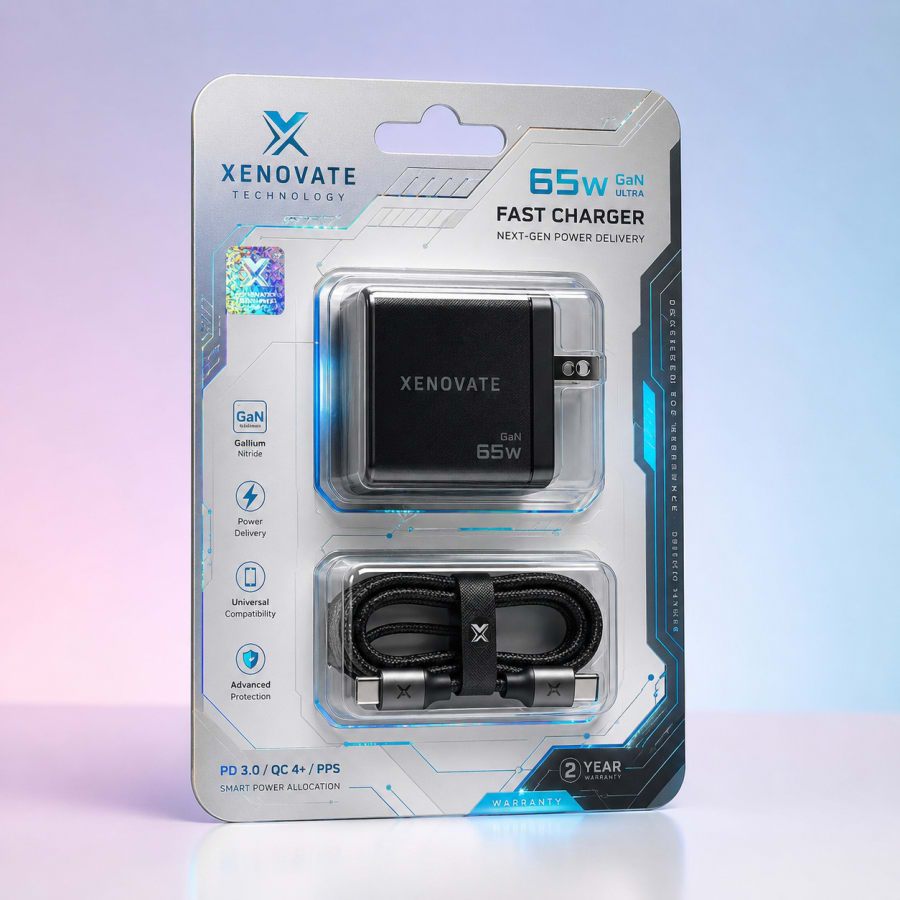
Built like architecture.
Every order of Electronic Component Packaging is an engineered build, measured, dieline-cut and hand-wrapped to spec. Below is the standard build sheet.
✦ Need a custom spec? Talk to our atelier. Every detail is negotiable.
Every surface, hand-selected.
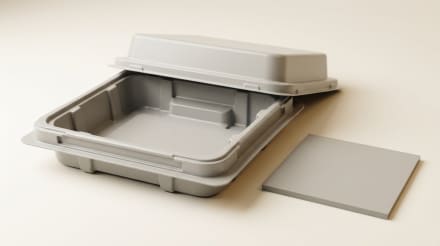
What this product is built from, and the surfaces it takes. Below the build sheet sits the full swatch library. Every option applies across our range, and a physical swatch set is available on request.
Material
The board and paper your box is built from.
 ◷ FINISH
 ◷ FINISH
 ◷ FINISH
 ◷ FINISH
 ◷ FINISH
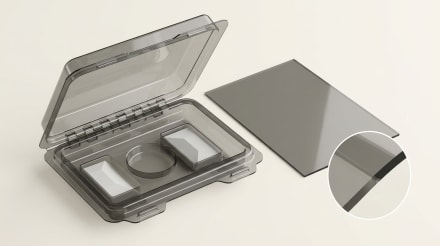 ◷ FINISH
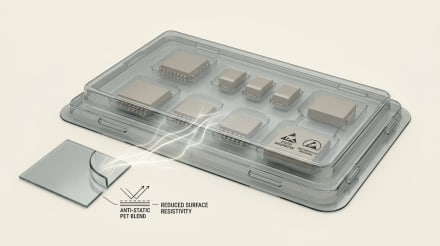 ◷ FINISH
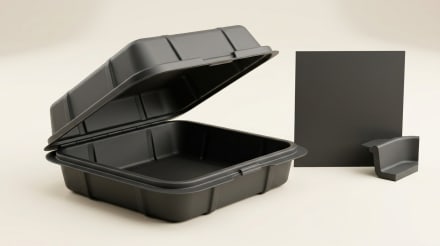 ◷ FINISH
 ◷ FINISH
Finishes
How the outer surface looks, feels, and catches light.
 ◷ FINISH
 ◷ FINISH
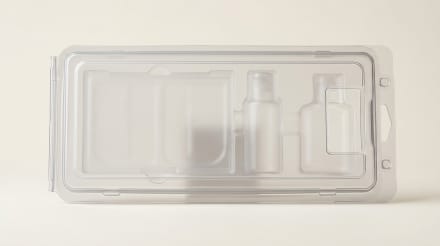 ◷ FINISH
 ◷ FINISH
 ◷ FINISH
 ◷ FINISH
 ◷ FINISH
 ◷ FINISH
 ◷ FINISH
 ◷ FINISH
 ◷ FINISH
 ◷ FINISH
Add-ons
Closures, linings, and hardware that complete the build.
 ◷ FINISH
 ◷ FINISH
 ◷ FINISH
 ◷ FINISH
 ◷ FINISH
 ◷ FINISH
 ◷ FINISH
 ◷ FINISH
 ◷ FINISH
 ◷ FINISH
 ◷ FINISH
 ◷ FINISH
 ◷ FINISH
 ◷ FINISH
 ◷ FINISH
 ◷ FINISH
 ◷ FINISH
✦ Mix and match across all three and we'll build your exact combination.
The full kit of capabilities.
Sizing & dieline.
We cut Electronic Component Packaging to a dieline built around your product instead of pulling a stock size off the shelf. Send us the length, width and height of the item (or the item itself) and we return a measured dieline, free, before you commit to anything.
Length, width and height of the item itself, at its widest points. Measure the product, not the box you happen to use today.
Allow 2–4 mm on each axis for a snug fit, and more if you are adding foam, a pillow insert or tissue.
We quote as Length × Width × Height. Tell us whether you are working in millimetres or inches and we match it.
✦ Not sure of your size? Send us the product and we measure it and build the dieline.
Pricing & minimums.
We price Electronic Component Packaging per specification rather than from a fixed list, because the same build in two different finishes can land at very different numbers. Below is what actually moves the price, so you can shape the spec before you request a quote.
The single biggest lever. Unit cost falls sharply as volume rises, because setup and tooling spread across more pieces.
Board weight and stock choice change both the raw material cost and the shipping weight of the finished run.
Foil, spot UV, embossing and soft-touch each add a pass on press. One or two lift the box; five compound the cost.
Full-bleed print inside and out costs more than a one-sided design on natural stock.
Foam, moulded pulp, velvet pillows, magnets and ribbon are priced per piece on top of the box itself.
Standard production is the base rate. Rush moves you up the production queue and carries a surcharge.
✦ Quotes returned within 24 hours.
Questions, answered.
Everything you need to know about Electronic Component Packaging.
The three families differ in how they handle static charge, and each is specified by surface resistance. Conductive material drains charge fastest and is used for trays and foam that touch sensitive parts. Dissipative material bleeds charge away slowly so it doesn't build into a sudden discharge. Shielding bags add a metallised layer that works like a Faraday cage around the part.
We match the family to the component class, following ANSI/ESD S541 conventions.
Parts with an MSD rating go into a sealed barrier bag with desiccant and a humidity indicator card. The bag slows moisture uptake between packing and the reflow oven, and the indicator shows at a glance whether the parts need baking first.
We print the MSD level and bake details on the label so the operator on the line can read them straight off the bag.
Yes, we build carrier tape on reels for pick-and-place lines, along with matrix trays and tubes for parts that don't suit a reel. Reel dimensions follow the standard sizes the feeders expect, and pocket size comes from the component outline.
Matrix trays stack for ICs, and stick tubes, sometimes called magazines, suit long through-hole packages.
Most of the print is functional: the ESD symbol, the MSD level, the lot number and a barcode or 2D code for the receiving system. Brand print on the bags themselves is usually kept to one or two spot colours on the silver-grey shielding film.
Outer cartons can carry full CMYK with gloss or matte lamination if you want the brand seen at the loading dock.
Bags are sized by inside width and length, while trays and reels follow industry formats built around the component. For a bag, measure the part in its tray or foam and add room for the seal and a fold. Tray pocket pitch and reel width are set to the feeder or handler the parts will meet.
Send a drawing or a few sample parts and we'll work out the dimensions with you.
A custom run of antistatic packaging starts at 500 pieces. From there the quantity can climb to 100,000, which covers most production programs that reorder on a schedule.
Tell us your monthly usage and we can suggest a run size that keeps bag and reel stock from sitting on the shelf too long.
Standard turnaround is 7 to 10 business days, and we can rush it to 5 to 7 when a line is waiting on parts. Samples take 5 to 7 business days, which leaves time to test fit and surface resistance before the bulk order. The sample fee is credited back when production goes ahead.
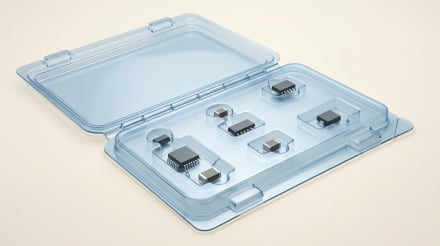
A snug cavity stops the part moving, and movement is what bends leads and damages fine-pitch contacts. That kind of damage is often invisible at goods-in and only shows up later as a failed placement. Antistatic foam or a formed tray pocket holds each part apart from its neighbours.
We cut the cavity from your part drawing so the fit is settled before the first sample.
Other products you might love.





Ready to start your Electronic Component Packaging project?
Get a free quote in 24 hours. Our atelier is here to help.