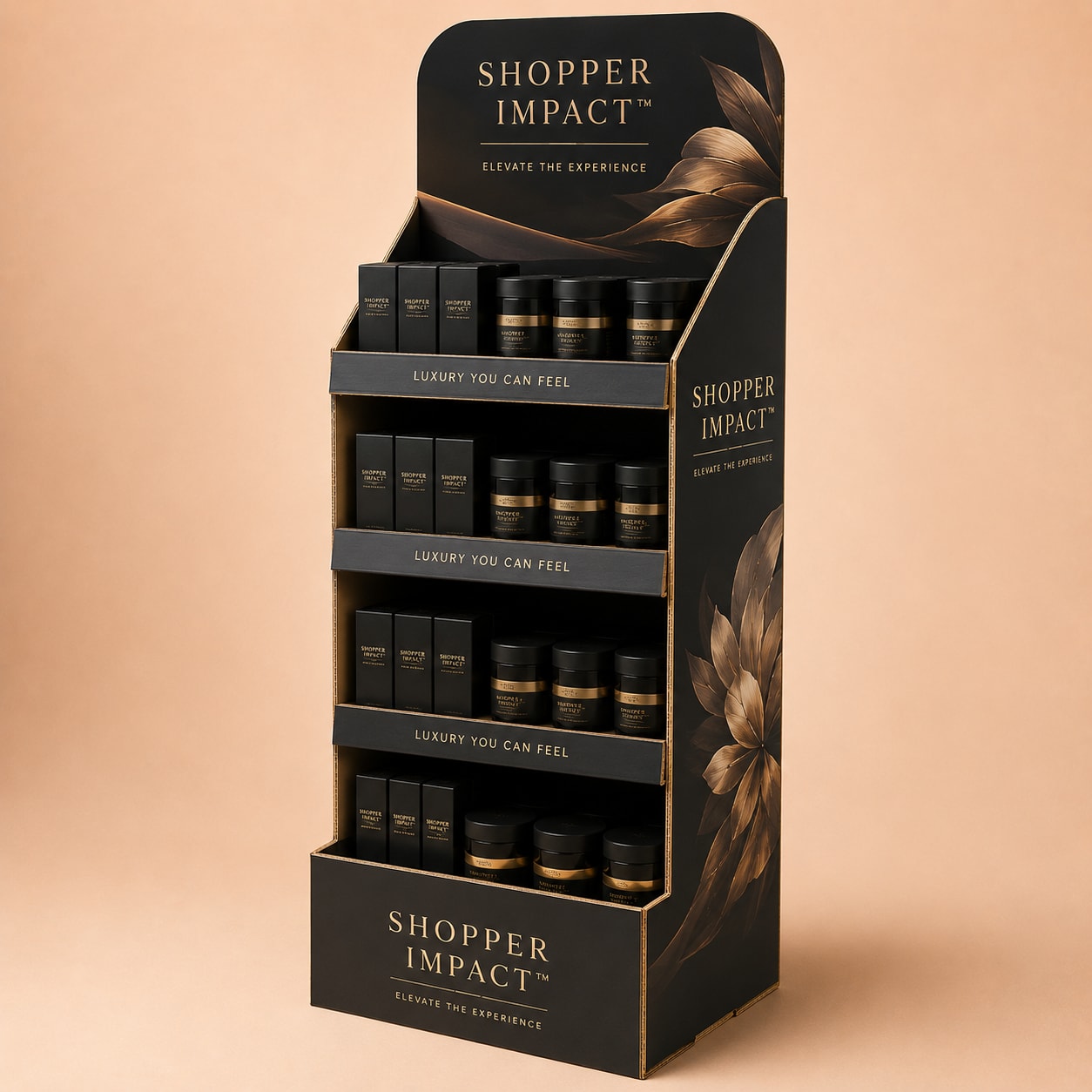
Shelf Ready Packaging.
Final price depends on size, material, finish and quantity. Your packaging manager confirms it before production.
Your custom box, quoted.
The full specification book.
Six chapters. Six colours. Click a tab to turn the page.
Shelf Ready Packaging
One cut and it slides onto the shelf, packaging designed around the stocker's stopwatch.
Retailers measure shelf-replenishment in seconds per facing. SRP is engineered so a case opens along a perforation and goes straight onto the shelf.
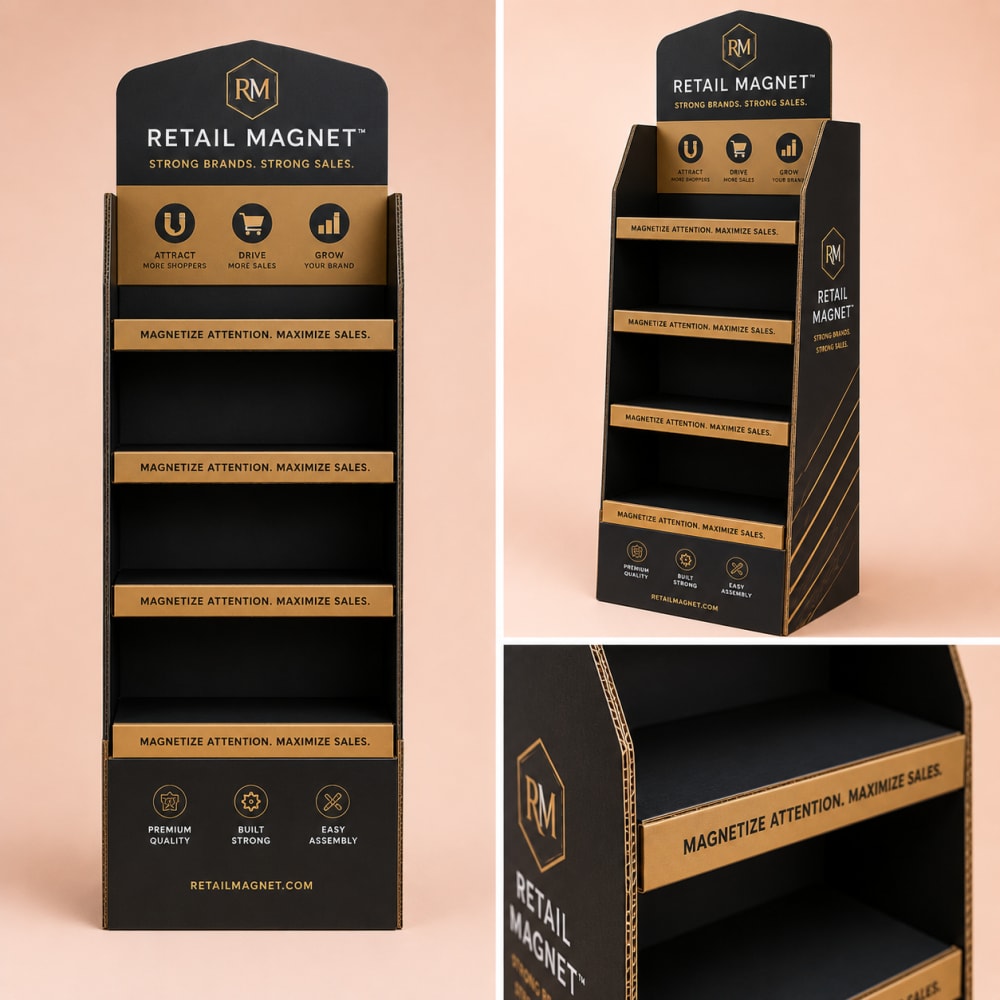
Every detail. Intentional.
Measured in seconds
Retailers time replenishment.
Perforation opens the face
One pull, no knife.
Tray stays, lid leaves
The case becomes the facing.
Front panel is the shelf face
Print planned for it.
Retailer specs are strict
Dimensions are given, not chosen.
Strength after tearing
The tray still has to hold.
Built like architecture.
Every order of Shelf Ready Packaging is an engineered build, measured, dieline-cut and hand-wrapped to spec. Below is the standard build sheet.
✦ Need a custom spec? Talk to our atelier. Every detail is negotiable.
Every surface, hand-selected.
What this product is built from, and the surfaces it takes. Below the build sheet sits the full swatch library. Every option applies across our range, and a physical swatch set is available on request.
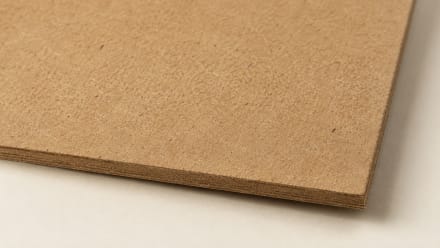
Material
The board and paper your box is built from.
 ◷ ECO
◷ ECO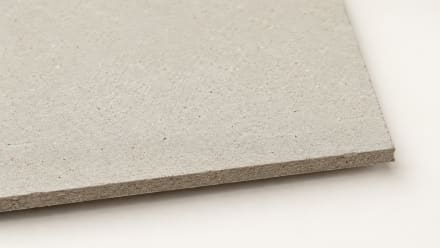 ◷ FINISH
 ◷ FINISH
 ◷ FINISH
 ◷ FINISH
 ◷ FINISH
 ◷ FINISH
 ◷ FINISH
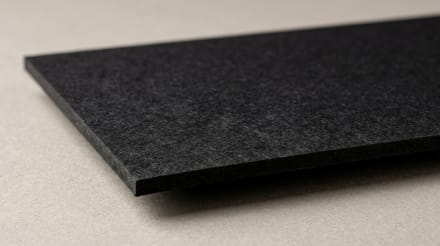 ◷ FINISH
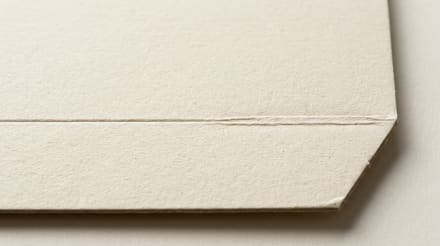 ◷ FINISH
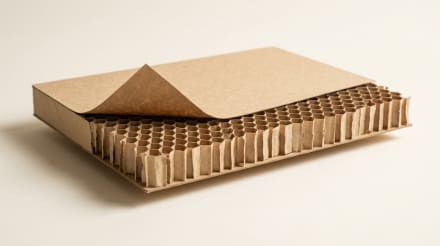 ◷ FINISH
Finishes
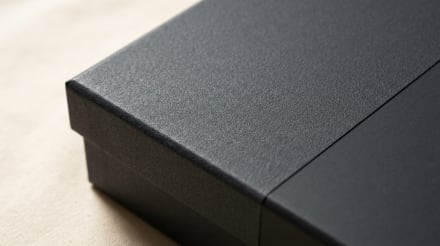
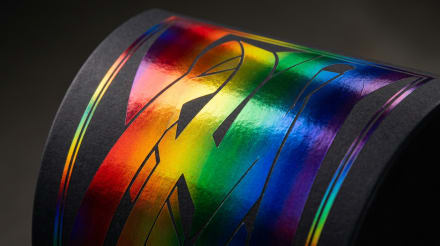
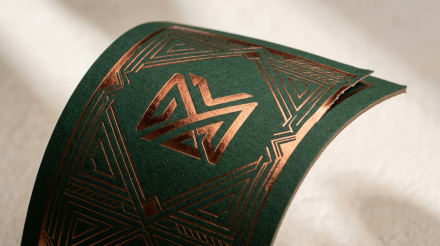
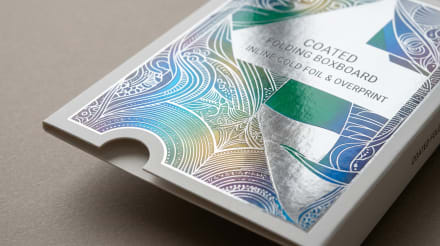
How the outer surface looks, feels, and catches light.
 ◷ FINISH
 ◷ FINISH
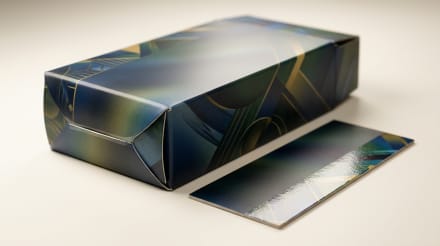 ◷ FINISH
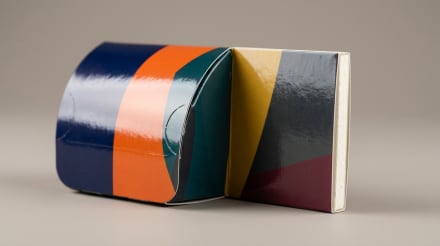 ◷ FINISH
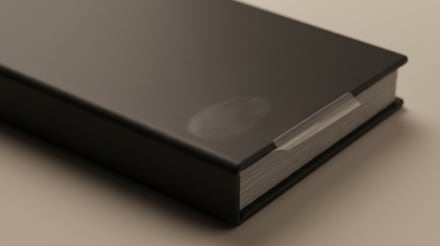 ◷ FINISH
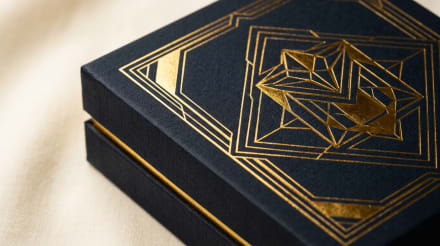 ◷ FINISH
 ◷ FINISH
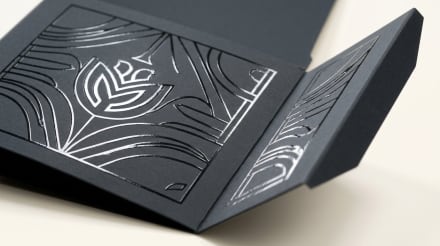 ◷ FINISH
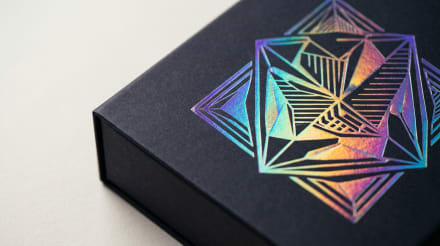 ◷ FINISH
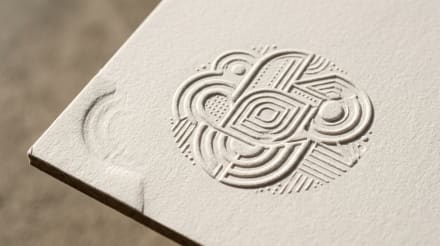 ◷ FINISH
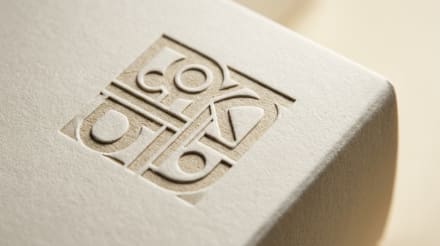 ◷ FINISH
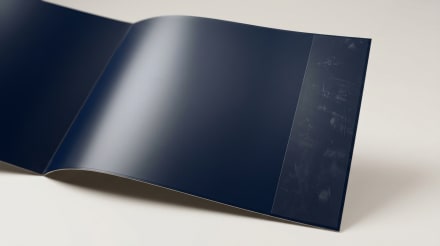 ◷ FINISH
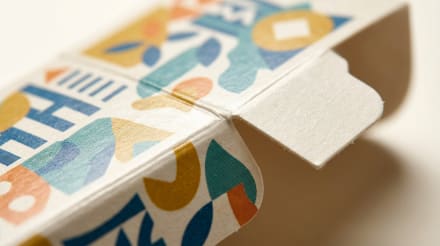 ◷ FINISH
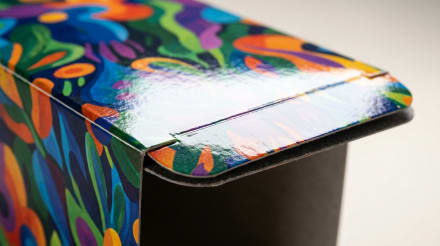 ◷ FINISH
 ◷ FINISH
 ◷ FINISH
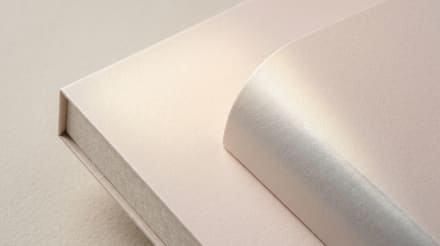 ◷ FINISH
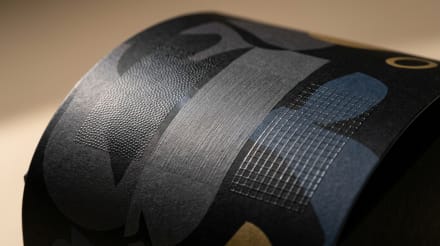 ◷ FINISH
 ◷ FINISH
 ◷ FINISH
 ◷ FINISH
 ◷ FINISH
 ◷ FINISH
 ◷ FINISH
 ◷ FINISH
 ◷ FINISH
 ◷ FINISH
 ◷ FINISH
 ◷ FINISH
Add-ons
Closures, linings, and hardware that complete the build.
 ◷ FINISH
 ◷ FINISH
 ◷ FINISH
 ◷ FINISH
✦ Mix and match across all three and we'll build your exact combination.
The full kit of capabilities.
Sizing & dieline.
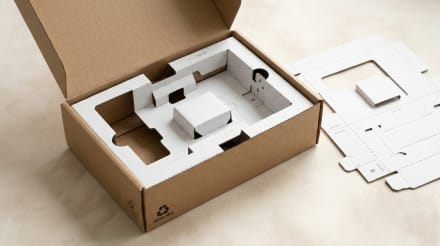
We cut Shelf Ready Packaging to a dieline built around your product instead of pulling a stock size off the shelf. Send us the length, width and height of the item (or the item itself) and we return a measured dieline, free, before you commit to anything.
Length, width and height of the item itself, at its widest points. Measure the product, not the box you happen to use today.
Allow 2–4 mm on each axis for a snug fit, and more if you are adding foam, a pillow insert or tissue.
We quote as Length × Width × Height. Tell us whether you are working in millimetres or inches and we match it.
✦ Not sure of your size? Send us the product and we measure it and build the dieline.
Pricing & minimums.
We price Shelf Ready Packaging per specification rather than from a fixed list, because the same build in two different finishes can land at very different numbers. Below is what actually moves the price, so you can shape the spec before you request a quote.
The single biggest lever. Unit cost falls sharply as volume rises, because setup and tooling spread across more pieces.
Board weight and stock choice change both the raw material cost and the shipping weight of the finished run.
Foil, spot UV, embossing and soft-touch each add a pass on press. One or two lift the box; five compound the cost.
Full-bleed print inside and out costs more than a one-sided design on natural stock.
Foam, moulded pulp, velvet pillows, magnets and ribbon are priced per piece on top of the box itself.
Standard production is the base rate. Rush moves you up the production queue and carries a surcharge.
✦ Quotes returned within 24 hours.
Questions, answered.
Everything you need to know about Shelf Ready Packaging.
A perforation runs around the case, so the stocker pulls a tab and the hood lifts away from the tray in one piece. The tray stays on the shelf as the facing, and the hood goes out with the store's cardboard.
Clean-tearing perforations take careful die work, since a perf that snags leaves ragged edges at the front of the shelf. We sample the tear on the actual board before approving the die.
They do take some strength away, which is why the perforation pattern and the stacking load are designed together. Cases still have to survive a full pallet stack and a distribution centre before anyone tears them open.
We usually build the tray in B-flute and keep the perforations clear of the corners that carry most of the load. The tray also has to hold its shape once the hood is gone, so the front lip and sides are sized for that too.
Most large chains publish an SRP manual, and it is the first document we ask for. It sets case dimensions, how the case is identified, how it opens and how it sits on the shelf.
The dimensions are handed to you, so the tray has to fit the product within millimetres. Too loose and the units fall over, too tight and they jam when shoppers pull one out.
The tray front stays on the shelf for as long as the stock lasts, so we treat it as a permanent brand panel. Litho-laminated fronts give a sharp printed face, and bold brand blocking helps several trays read as one when they sit side by side.
Colour coding by variant lets staff and shoppers tell flavours or sizes apart quickly. A strip of shelf-edge messaging can run along the lip at hand height.
The trays and hoods are corrugated board, and we can run them in recycled grades that go back into the ordinary cardboard stream. Keeping the case to board alone, with no plastic windows, makes it easy for the store to bale the hoods with the rest of its cardboard.
Recycled grades are our volume material for SRP, so choosing them doesn't change the structure or the print options.
We size it to the case count first, then check it against the shelf depth and height in the retailer's planogram. Tell us how many units go in each case and how they should face, and we work the tray and hood around that.
Tray height matters as well. It should be low enough that shoppers can see the product and high enough to keep the front row upright.
Shelf ready cases have a 500-unit minimum with us. Most SRP work runs at far higher volumes once a line is listed, so the first order often serves as a pilot for one retailer or region.
If the chain revises its manual later, we update the dieline to the new rules and carry on from there.
Expect 7 to 10 business days for production, or 5 to 7 if the order is rushed. We'd suggest a sample first, made in 5 to 7 business days, so you can time the open-and-shelve step and send it to the retailer for approval.
The sample fee gets credited to your production order, and we ship to distribution centres and warehouses nationwide.
Other products you might love.

Ready to start your Shelf Ready Packaging project?
Get a free quote in 24 hours. Our atelier is here to help.