PremiumBespokeArtisanLuxuryApparel & Fashion Packaging
Tell us about your boxes
Popular Apparel & Fashion Packaging
our brands keep reordering.
Hand-picked from our apparel & fashion packaging range. 13 styles, each built for a different job.
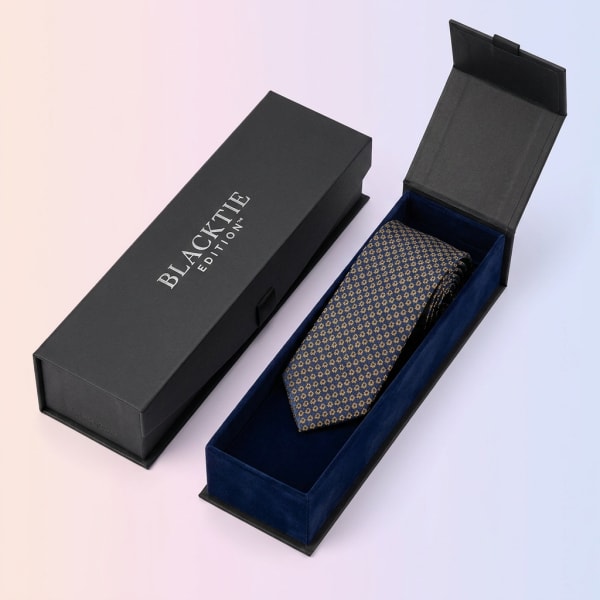
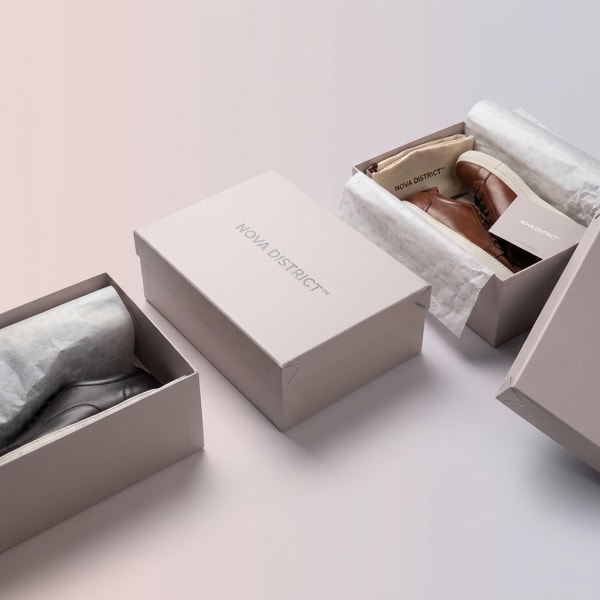
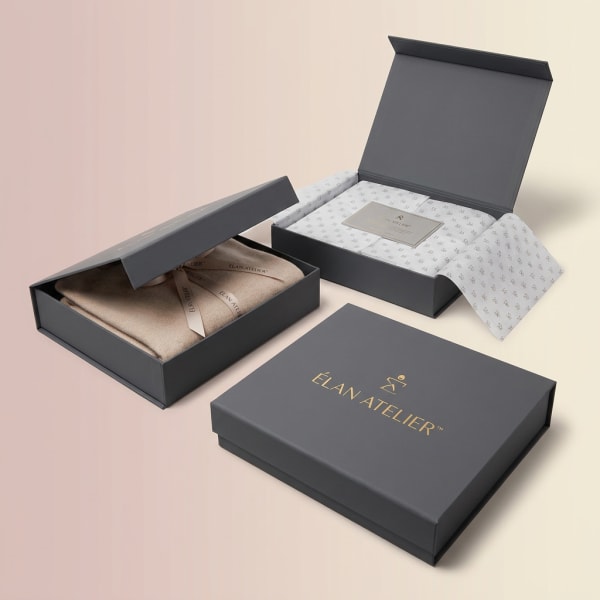
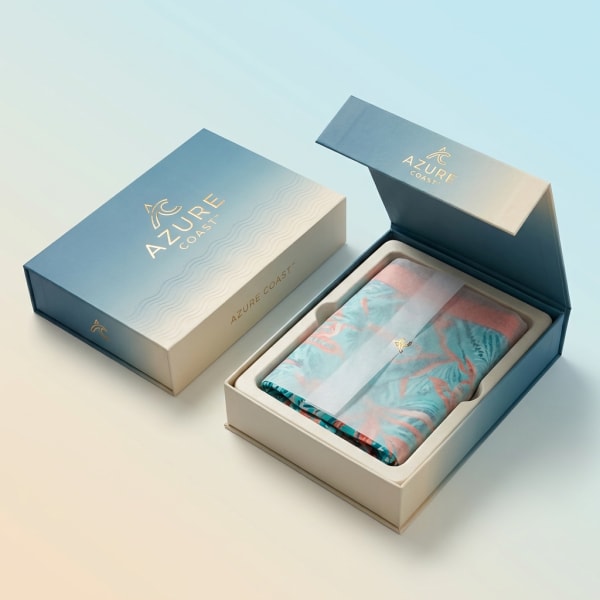
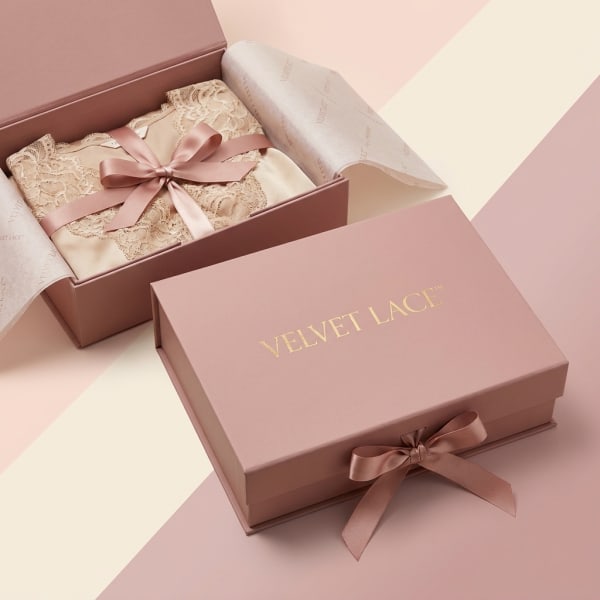
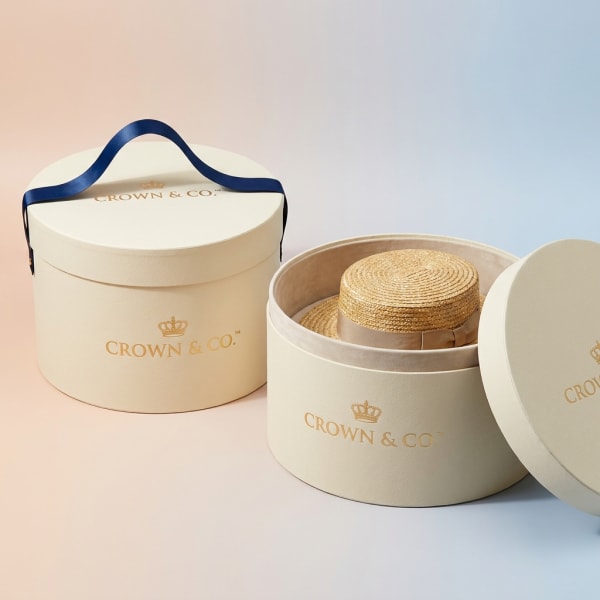
The box is the building.
Inserts are everything else.
Furniture. Bodyguards. Stage crew. The unseen architecture that makes your product feel like it lives somewhere, not like it was just dropped in a box.
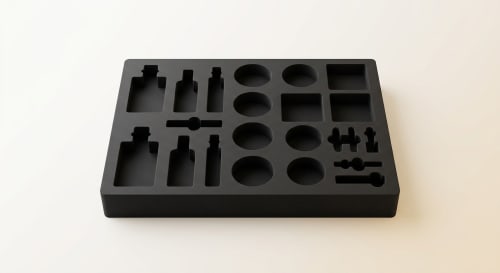
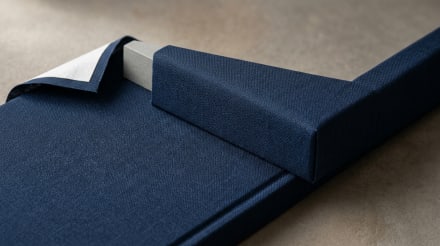
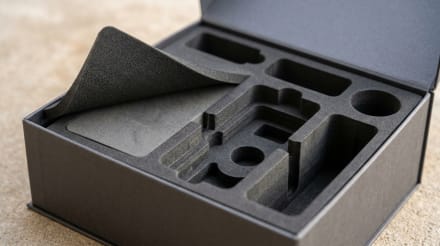
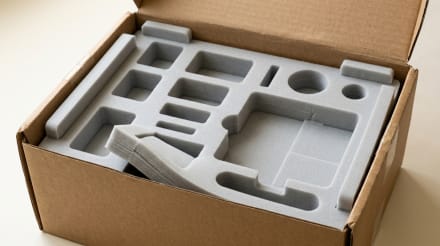
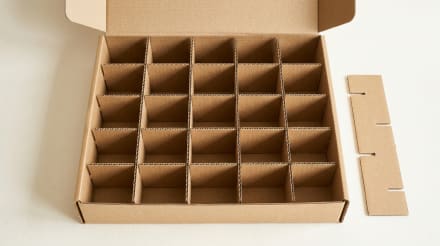
EVA Form Inserts
“Premium foam inserts for”
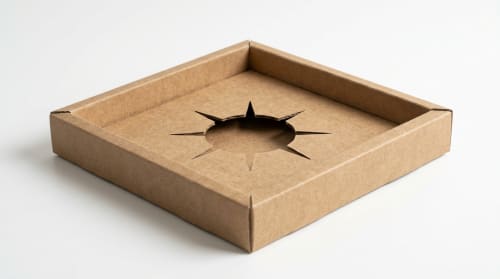
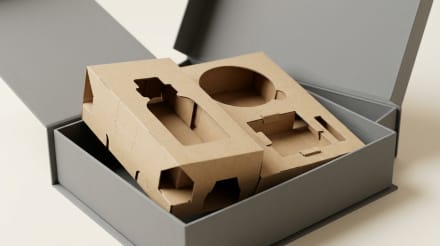
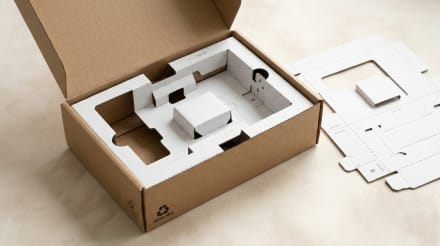
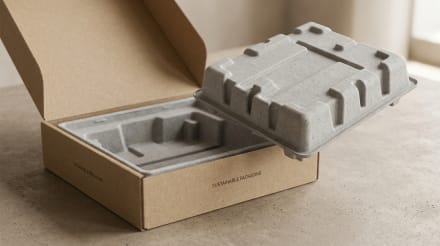
Paperboard Inserts
“Clean recyclable inserts for”
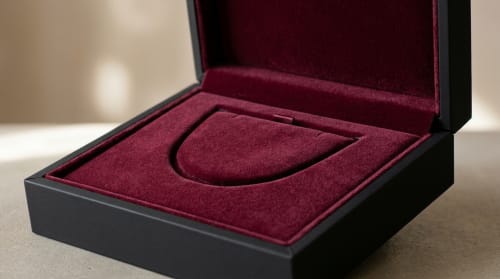
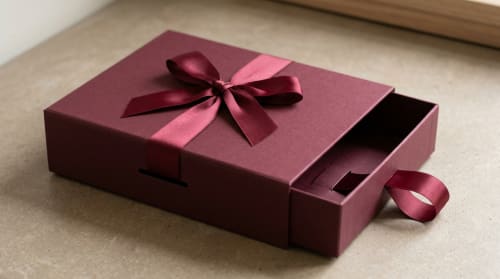
Every finish we offer on Apparel & Fashion Packaging.
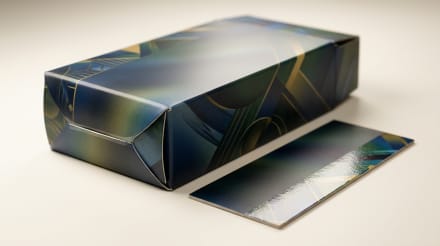
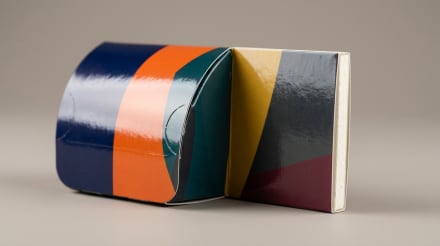
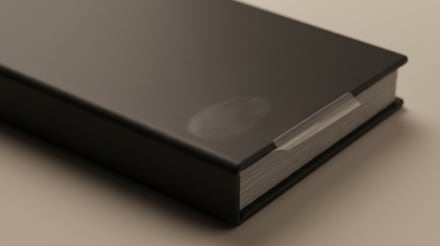
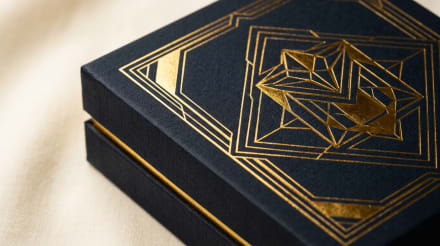
Materials, finishes and add-ons available for this range. Order any of them as a free sample before you commit to a run.
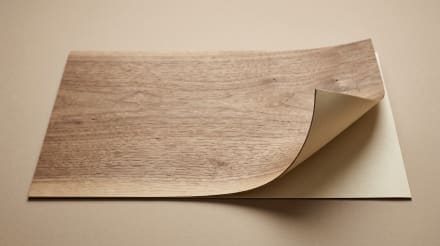
Materials
The board and film we build on


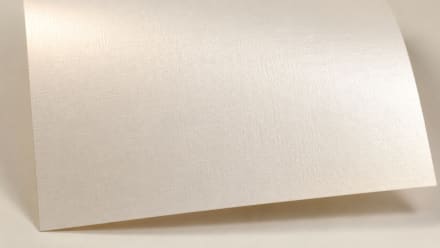
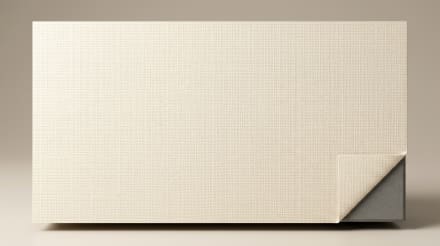
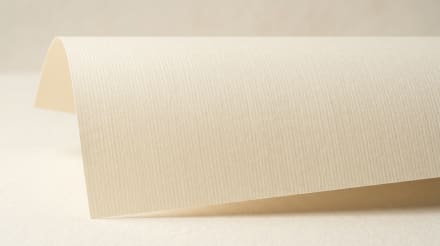
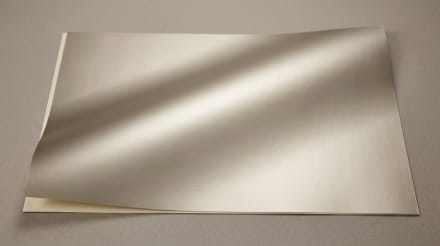
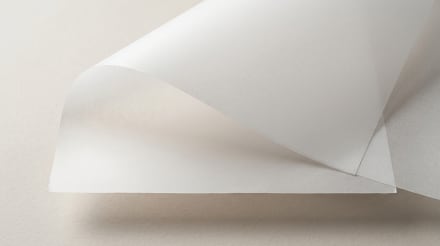
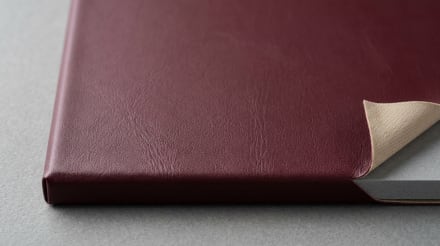
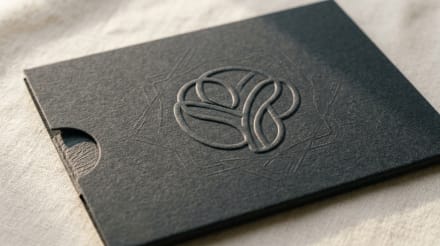
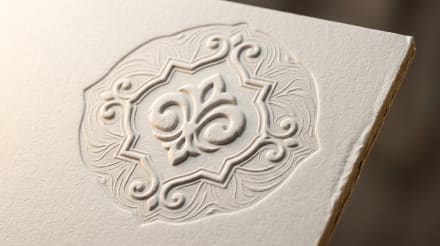
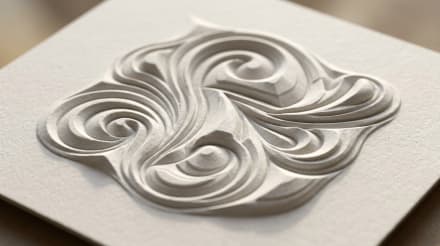
Finishes
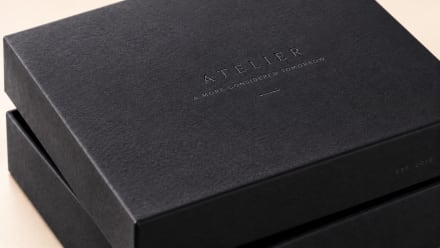
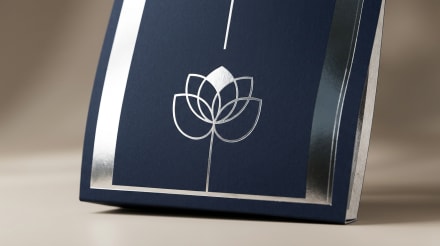
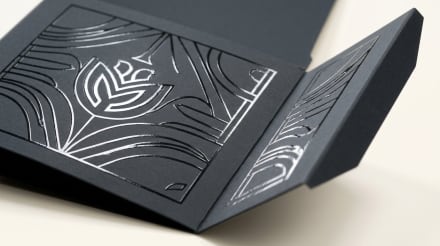
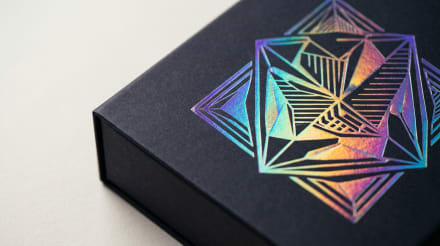
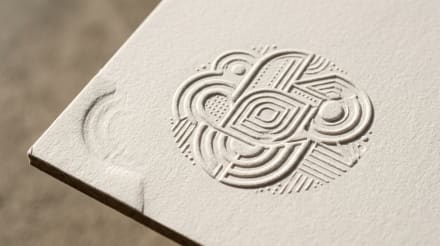
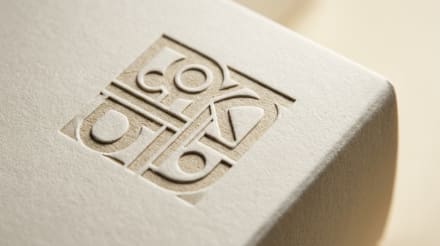
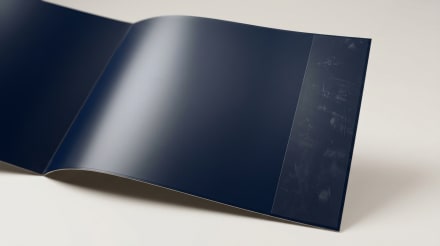
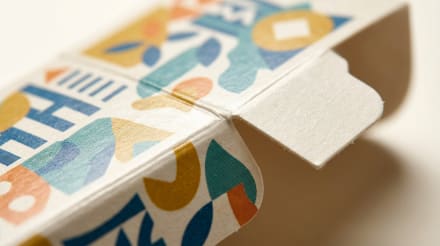
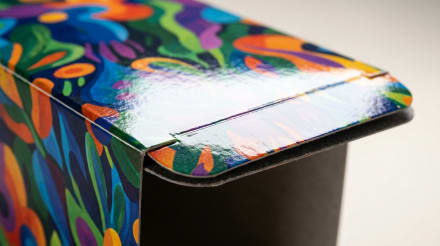
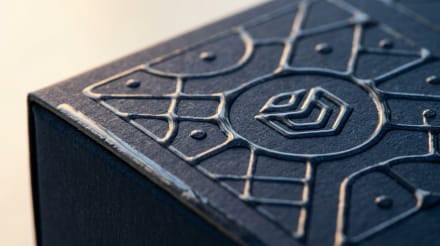
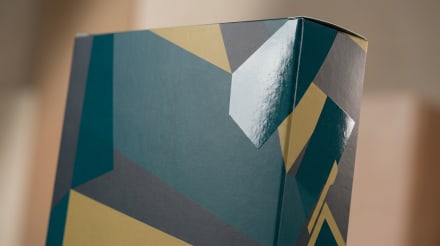
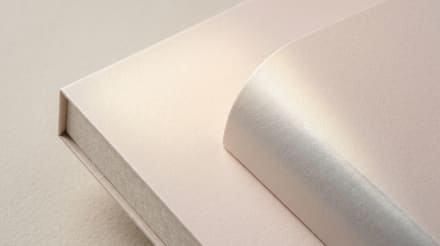
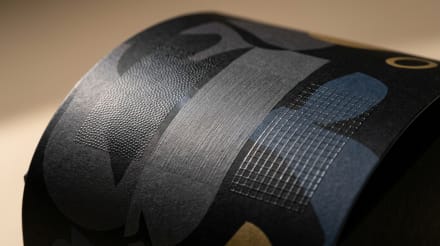
What the surface does in the light

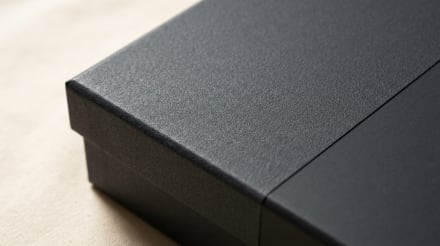
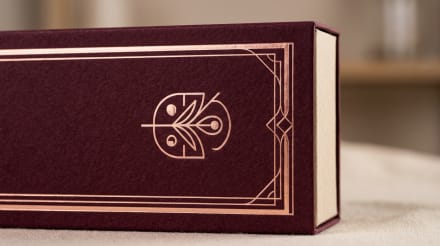
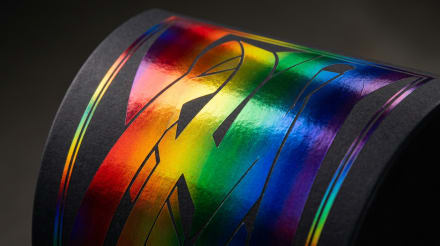
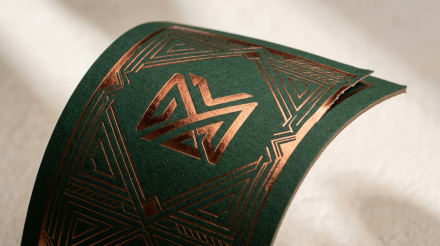

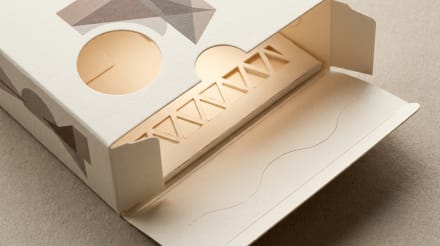
Add-ons
Closures, linings and the extra touches
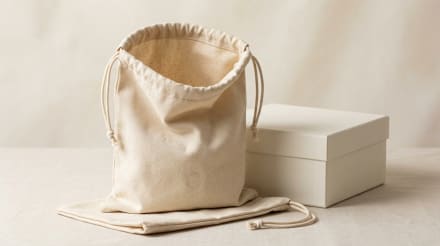
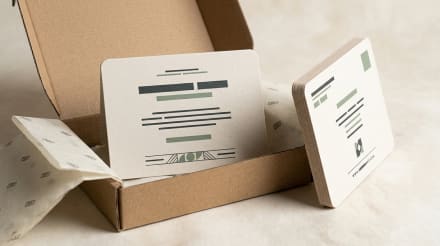
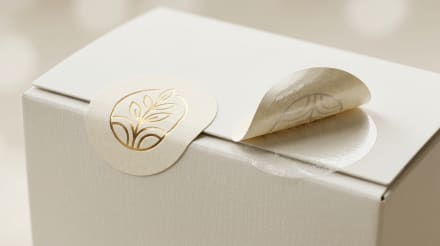
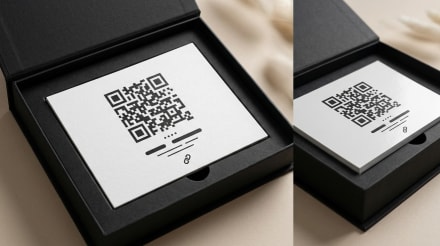

Every fashion brand, perfectly packaged.
DTC & E-commerce Packaging
Custom mailer boxes with full interior print, tissue, and thank-you card slots. The unboxing that gets filmed and shared, with organic reach built into the order.
Packaging that wears the brand.
Apparel packaging, covering every structural decision, finish choice, and brand detail that turns a delivery into a fashion moment.
The box is part of the outfit.
In fashion, the packaging is the first thing the customer touches.
First impression before the garment
A customer opens the box before they wear the clothes. The weight of the lid, the tissue fold and the scent of the interior set the perception of the brand in that first moment. Packaging earns the price point before the product is seen.
Unboxing is content
Fashion unboxing videos generate billions of views annually. A well-packaged order becomes organic marketing, because every customer with a phone is a potential brand ambassador. The packaging that gets filmed is the packaging worth investing in.
Retention starts at the doorstep
Studies show that premium packaging increases repeat purchase rates by up to 40%. In fashion, where repeat purchase is the entire business model, the unboxing experience is a direct retention investment rather than a cost.
The surfaces fashion brands choose.
Every finish signals something about the brand.
Soft-touch lamination
The velvet-feel finish that's become synonymous with contemporary fashion packaging. Matt, smooth, fingerprint-resistant. It photographs well and feels premium at first contact, before a single label is read.
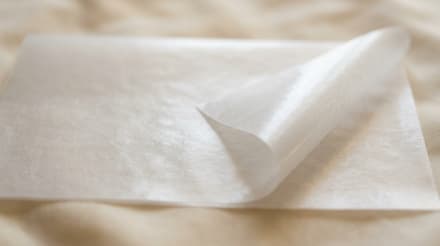
Tissue paper & interior wrap
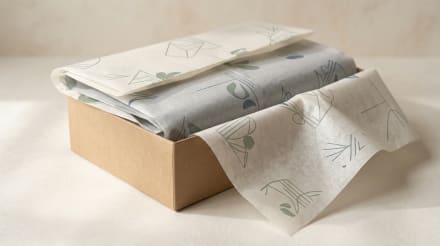
Branded tissue is the reveal layer. The garment appears through tissue in a slow reveal that adds ceremony to every order. Custom colour, custom print, custom fold. The inside of the box is a designed space.
Sustainable materials
Fashion's sustainability moment is real. Recycled board, soy-ink printing, plastic-free construction, and recyclable tissue are now expected of any brand with an environmental position, and increasingly of any brand that sells online.
Every format for every fashion brand.
From garment mailers to luxury presentation boxes.
Custom mailer boxes
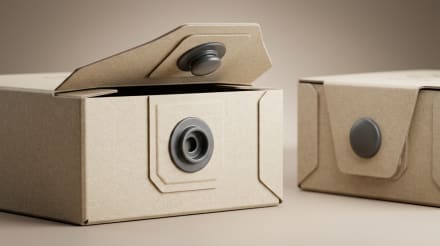
The workhorse of DTC fashion. Corrugated E-flute with full exterior print and interior brand design. No tape is required, because the lock-bottom closure keeps garments safe in transit. Flat-pack storage, 10-second erect.
Rigid presentation boxes
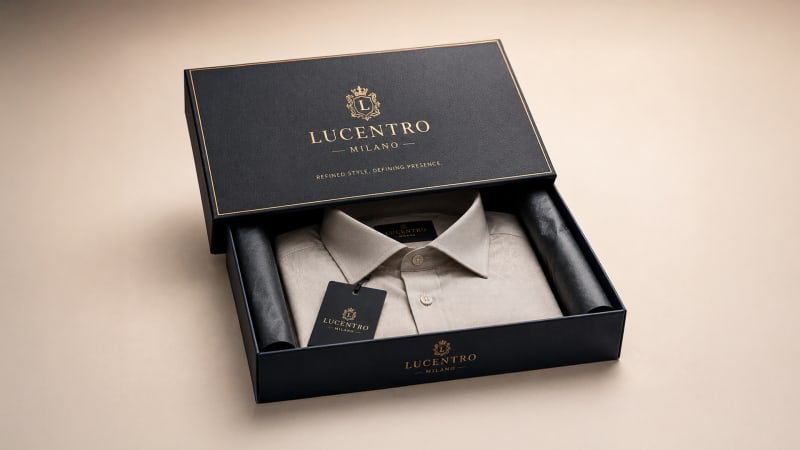
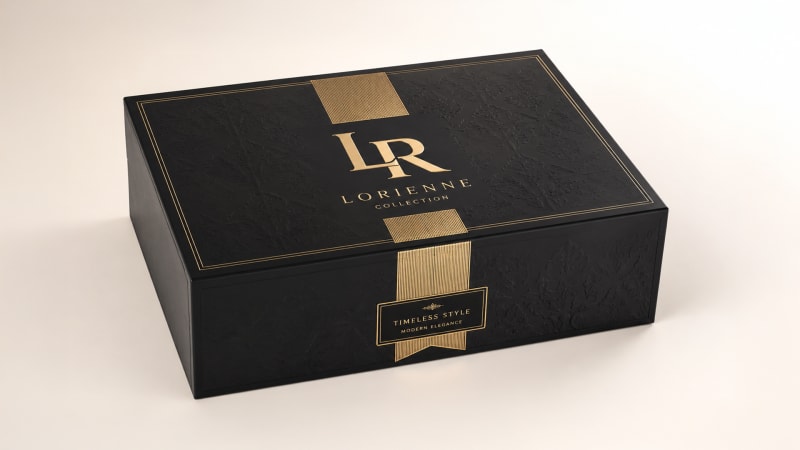
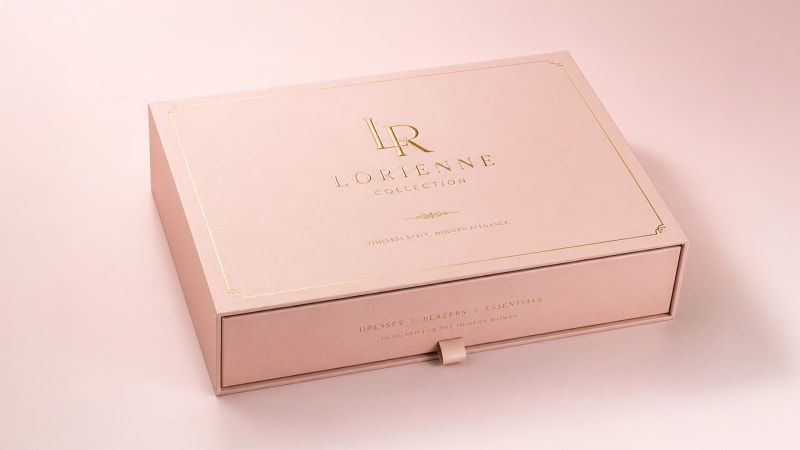
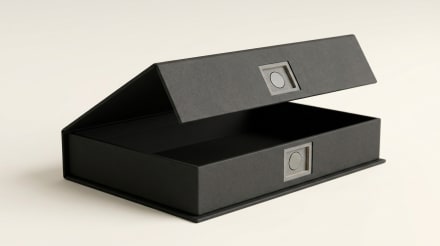
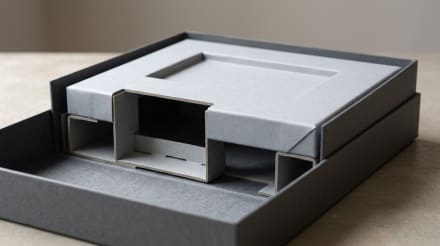
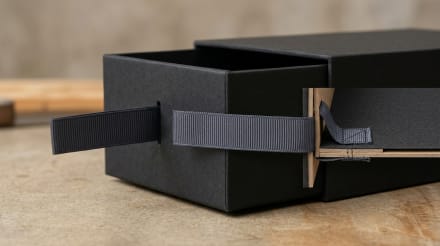
For premium and luxury fashion. Two-piece lid-and-base or magnetic close, wrapped in branded art paper or fabric. The box communicates the price point before the product is lifted. Customers often keep and reuse the box, which keeps the brand in the home long after delivery.
Poly mailers & garment bags
Lightweight, cost-efficient for high-volume basics and accessories. Full-bleed print on both sides. Recyclable PE options available. The format that keeps costs lean without abandoning brand identity.
Every fashion category, one supplier.
From streetwear drops to luxury houses.
DTC & e-commerce fashion
Custom mailer boxes with interior brand print. The delivery that gets unboxed on camera. Tissue, thank-you cards and branded stickers make up the full unboxing experience, built at any volume.
Luxury & premium fashion
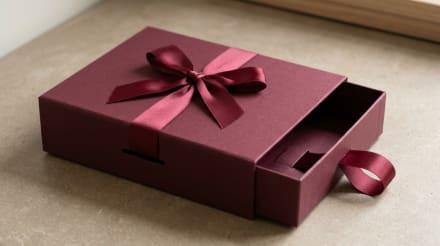
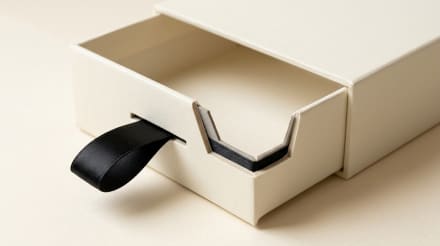
Rigid presentation boxes, fabric wraps, ribbon closures, custom interior lining. Packaging that justifies the price point at every touch. The box that stays in a customer's wardrobe long after the season changes.
Streetwear & limited drops
Bold exterior print, collector-worthy box design. Limited edition packaging that becomes part of the drop and gets resold, displayed, and photographed as its own object.
Corporate & uniform apparel
Consistent, branded mailer boxes for employee welcome kits, uniform deliveries, and corporate gifting. The first impression of a new brand relationship, packaged deliberately.
Questions, answered.
Poly mailers for soft goods that cannot be crushed, and boxes where presentation matters or the contents need structure.
The economics favour poly heavily. A mailer weighs ounces where a comparable box weighs close to a pound, and on parcels priced by weight you pay that difference on every shipment. For a fashion brand where the unboxing is part of what the customer buys, a box or a box inside a mailer earns its cost. For straightforward apparel fulfilment the mailer is usually the right call.
Tissue interleaving at the fold lines, and a box sized so the contents sit under light pressure rather than compressed or loose.
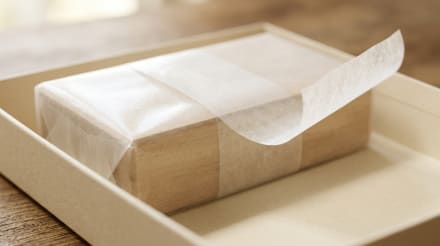
Tissue does two jobs. It prevents crease-set at the folds, and it stops print transfer and friction-shine on delicate or embellished fabrics. Acid-free tissue matters for anything stored long term. On depth, a garment box should hold its contents at a light press. A vacuum-tight fit sets creases in, and a loose one lets the folds shift about in transit.
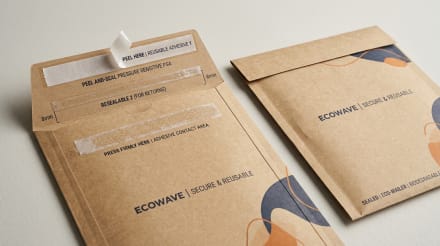
A closure that survives being opened and resealed, which usually means a double adhesive strip.
Apparel has the highest return rates in e-commerce, and a package the customer cannot easily reseal creates friction that costs you conversions before it costs you returns. A second adhesive strip lets the customer close the same mailer to send it back without hunting for tape. For swimwear and fit-sensitive categories it is close to a requirement.
It depends on the category. Fashion generally yes. Intimates, swim and anything personal, often no.
Exterior branding builds recognition on a doorstep and in transit. Where customers may prefer discretion, the pattern that works is a plain outer with the brand delivered inside. A flood-printed interior, tissue and an insert cost little, and they land at the moment of highest attention anyway.
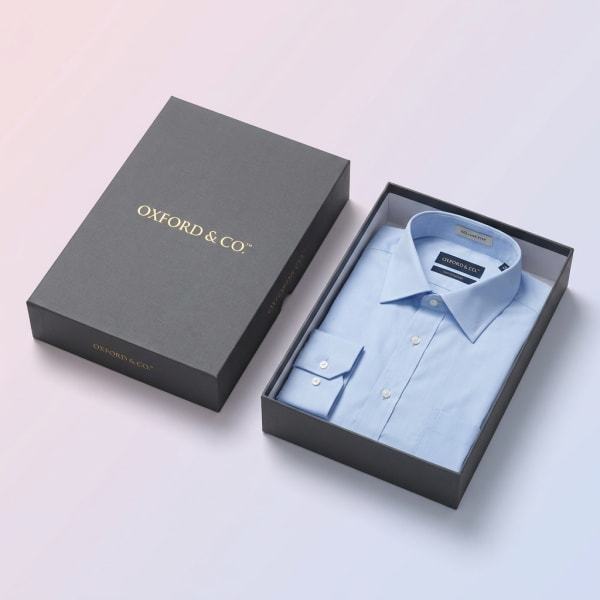
Around 15 × 9.5 × 2 inches, because that is the footprint of a folded dress shirt.
The dimension was set by the garment: a shirt folds to roughly 14 × 9 inches around its collar board, and the box has framed that fold for a century. Larger formats at 17 × 11 × 2.5 inches handle bulkier shirts and knitwear. Depth of two inches suits one presented shirt; three stacked utility-style needs more.
A shoe box inside a shipping mailer, which the trade calls the two-box convention.
Sneaker resale made this close to mandatory. Box damage knocks money off resale value, and buyers on collector marketplaces rate sellers on how the shoes were packed. Ship a shoe box bare and it arrives scuffed with a label stuck to it. The outer takes the courier abuse and the shoe box stays presentation-grade.
Yes. It is the cheapest meaningful upgrade there is, at very little cost per sheet.
It turns the opening from a view of the product into a wrapped reveal that has to be parted, and it does real work preventing creasing and print transfer. Standard weight is 17gsm, and 22–28gsm feels more substantial for a premium tier. One or two colours in a repeating pattern is what prints well on a material that will be crumpled and only partly seen.
Printed boxes and mailers start at 500 units, and production takes 7 to 10 business days.
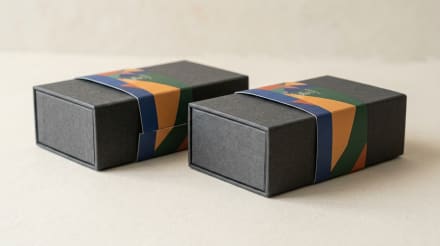
Poly mailers and tissue often have lower practical minimums because no cutting die is involved. For a brand testing a format, a printed sleeve over a plain box is a common way to get branded packaging at lower commitment. The box stays constant and the sleeve carries the season.
Your brand deserves
better packaging.
Work one to one with a dedicated packaging manager, from first sketch to delivery.