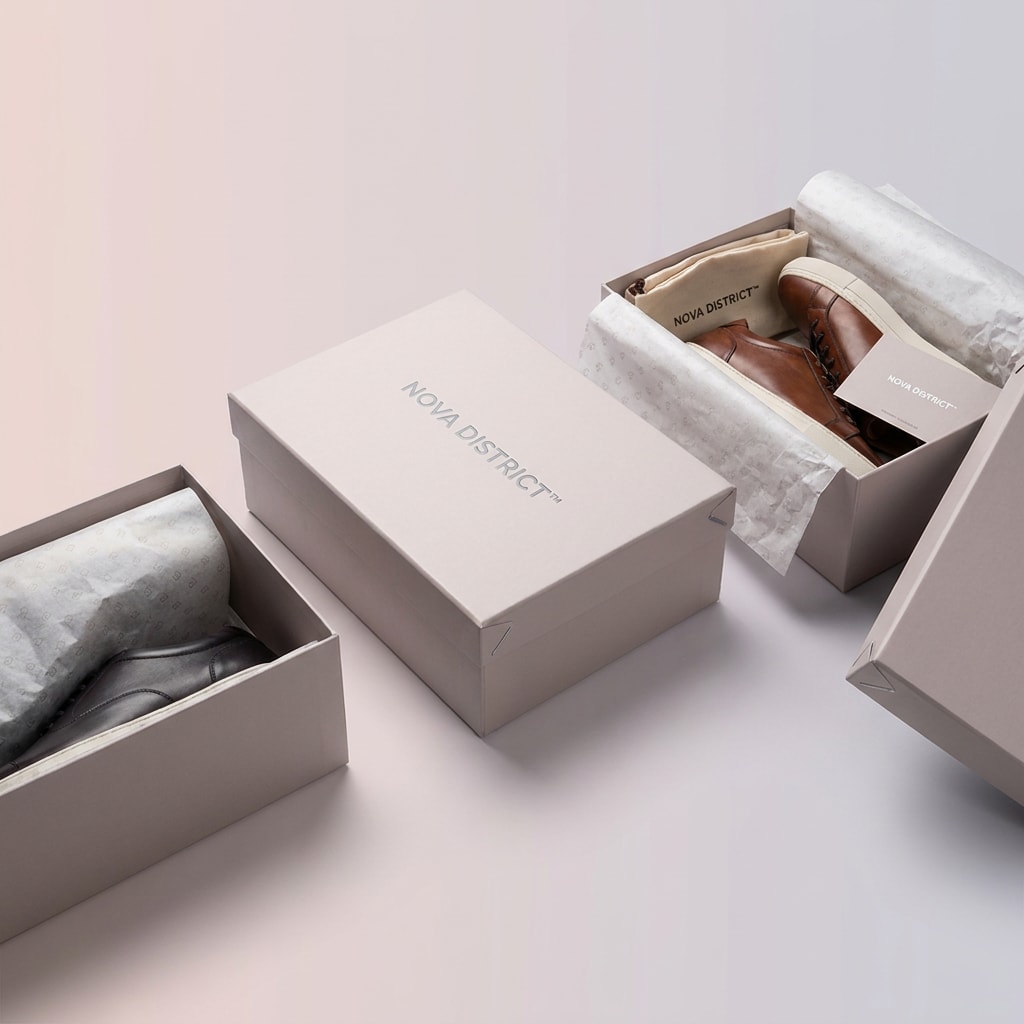
Shoe Boxes.
Final price depends on size, material, finish and quantity. Your packaging manager confirms it before production.
Your custom box, quoted.
The full specification book.
Six chapters. Six colours. Click a tab to turn the page.
Shoe Boxes
Handled more than any other apparel pack, so hinge and lid fatigue are the real specification.
A shoe box is opened in-store, at home and again in storage. Corrugated grade and lid fit matter more than print, because failure looks like a sagging lid.
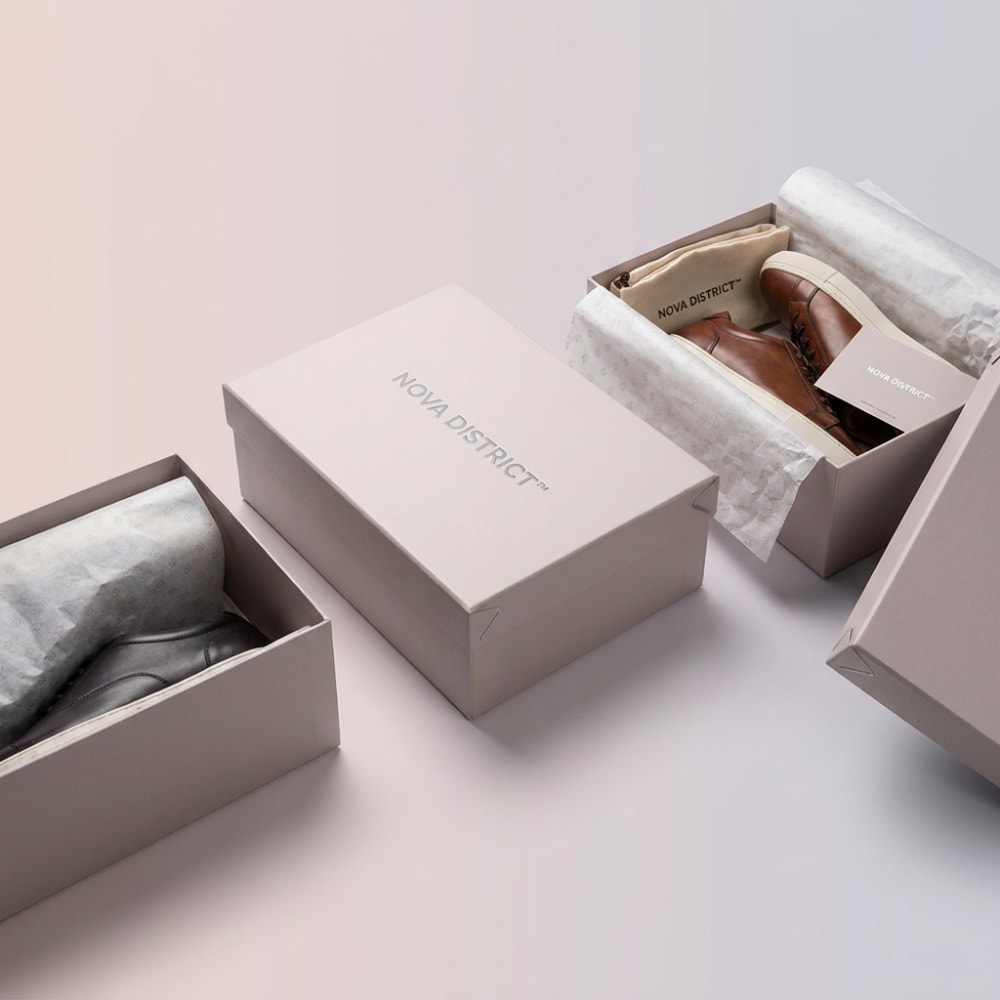
Every detail. Intentional.
Opened dozens of times
Lid fit is the durability test.
E-flute is the standard
Print surface with real strength.
Sized by US shoe run
Mens, womens and childrens.
Ventilation for leather
Sealed boxes trap moisture.
Side print for stacking
Read from the aisle edge.
Kept for storage
So the finish has to last.
Built like architecture.
Every order of Shoe Boxes is an engineered build, measured, dieline-cut and hand-wrapped to spec. Below is the standard build sheet.
✦ Need a custom spec? Talk to our atelier. Every detail is negotiable.
Every surface, hand-selected.
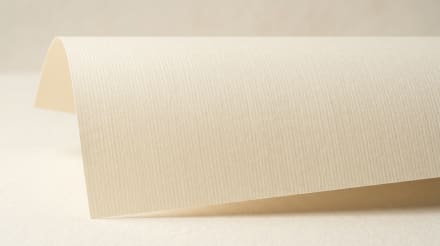
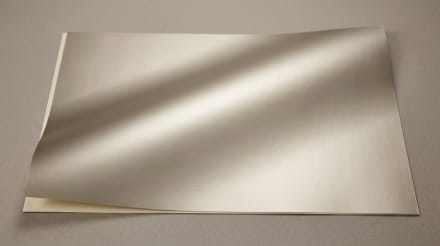
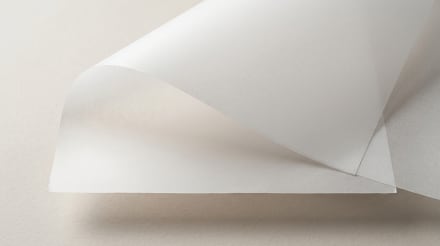
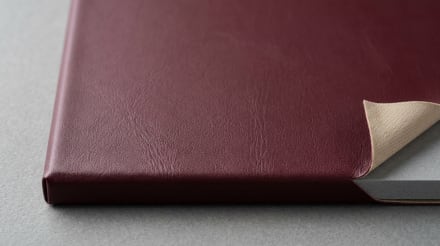
What this product is built from, and the surfaces it takes. Below the build sheet sits the full swatch library. Every option applies across our range, and a physical swatch set is available on request.
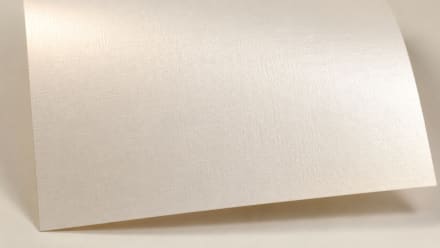
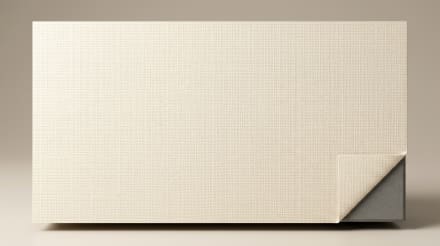
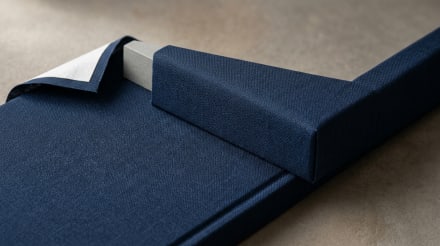
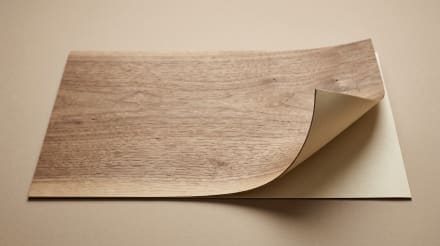
Material
The board and paper your box is built from.
 ◷ FINISH
 ◷ FINISH
 ◷ FINISH
 ◷ FINISH
 ◷ FINISH
 ◷ FINISH
 ◷ FINISH
 ◷ FINISH
 ◷ FINISH
 ◷ FINISH
 ◷ FINISH
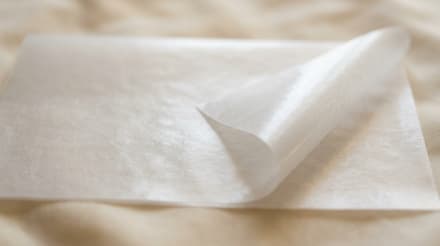
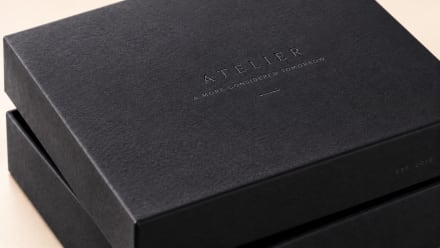
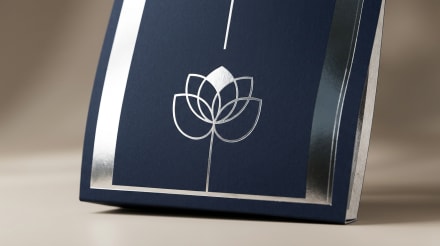
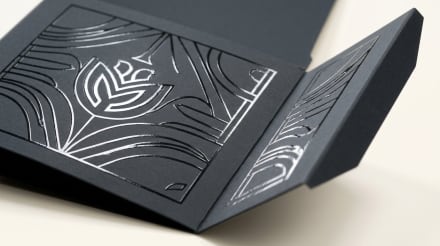
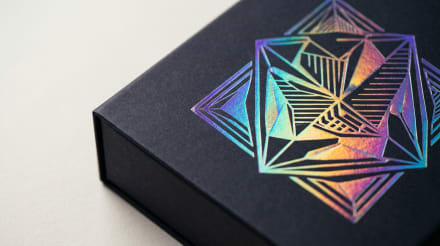
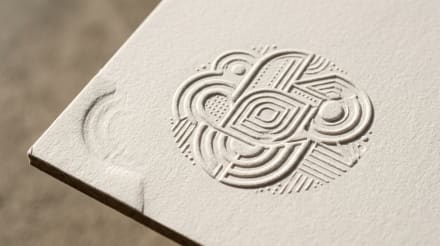
Finishes
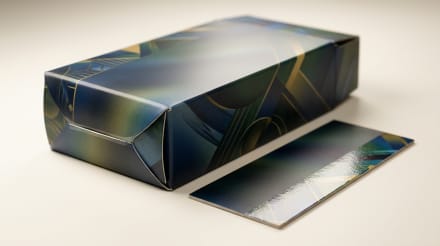
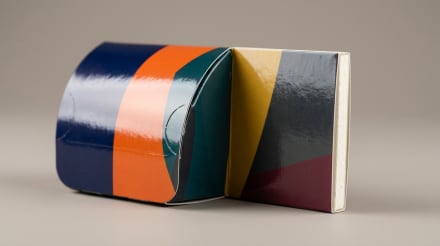
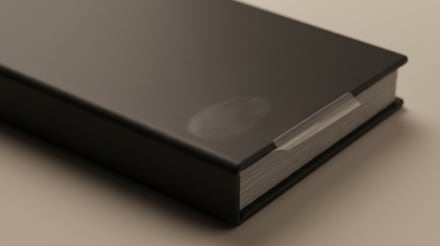
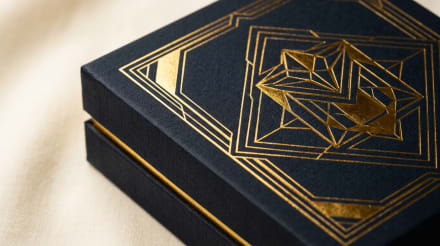
How the outer surface looks, feels, and catches light.
 ◷ FINISH
 ◷ FINISH
 ◷ FINISH
 ◷ FINISH
 ◷ FINISH
 ◷ FINISH
 ◷ FINISH
 ◷ FINISH
 ◷ FINISH
 ◷ FINISH
 ◷ FINISH
 ◷ FINISH
 ◷ FINISH
 ◷ FINISH
 ◷ FINISH
 ◷ FINISH
 ◷ FINISH
 ◷ FINISH
 ◷ FINISH
 ◷ FINISH
 ◷ FINISH
 ◷ FINISH
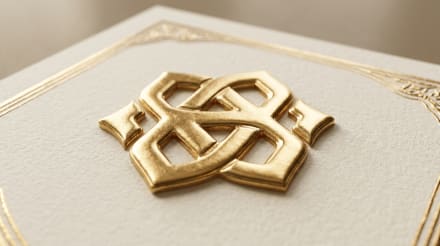 ◷ FINISH
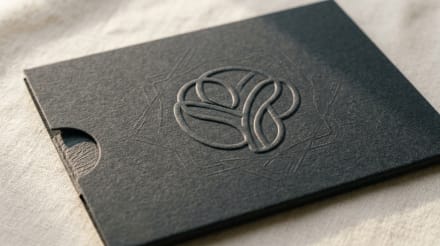 ◷ FINISH
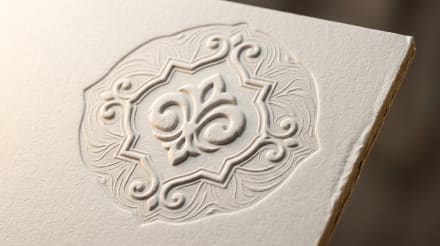 ◷ FINISH
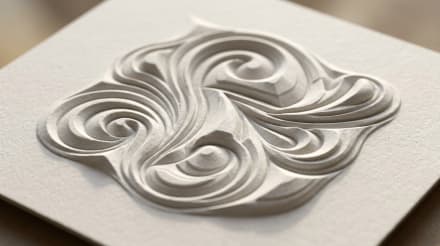 ◷ FINISH
 ◷ FINISH
Add-ons
Closures, linings, and hardware that complete the build.
 ◷ FINISH
 ◷ FINISH
 ◷ FINISH
 ◷ FINISH
 ◷ FINISH
 ◷ FINISH
 ◷ FINISH
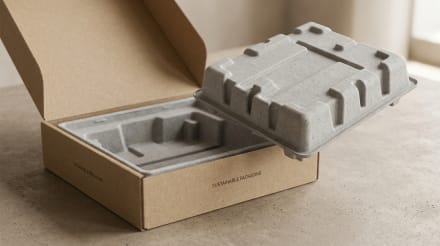 ◷ FINISH
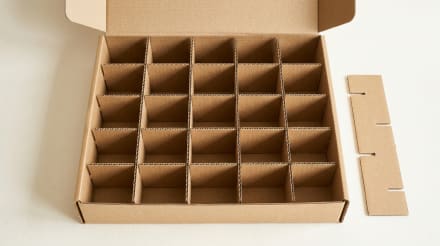 ◷ FINISH
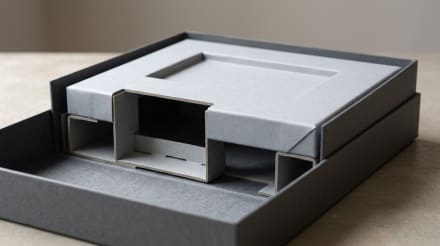 ◷ FINISH
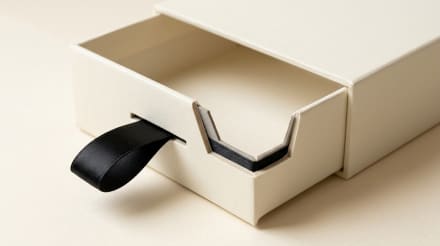 ◷ FINISH
 ◷ FINISH
 ◷ FINISH
 ◷ FINISH
 ◷ FINISH
 ◷ FINISH
 ◷ FINISH
 ◷ FINISH
 ◷ FINISH
 ◷ FINISH
 ◷ FINISH
✦ Mix and match across all three and we'll build your exact combination.
The full kit of capabilities.
Sizing & dieline.
We cut Shoe Boxes to a dieline built around your product instead of pulling a stock size off the shelf. Send us the length, width and height of the item (or the item itself) and we return a measured dieline, free, before you commit to anything.
Length, width and height of the item itself, at its widest points. Measure the product, not the box you happen to use today.
Allow 2–4 mm on each axis for a snug fit, and more if you are adding foam, a pillow insert or tissue.
We quote as Length × Width × Height. Tell us whether you are working in millimetres or inches and we match it.
✦ Not sure of your size? Send us the product and we measure it and build the dieline.
Pricing & minimums.
We price Shoe Boxes per specification rather than from a fixed list, because the same build in two different finishes can land at very different numbers. Below is what actually moves the price, so you can shape the spec before you request a quote.
The single biggest lever. Unit cost falls sharply as volume rises, because setup and tooling spread across more pieces.
Board weight and stock choice change both the raw material cost and the shipping weight of the finished run.
Foil, spot UV, embossing and soft-touch each add a pass on press. One or two lift the box; five compound the cost.
Full-bleed print inside and out costs more than a one-sided design on natural stock.
Foam, moulded pulp, velvet pillows, magnets and ribbon are priced per piece on top of the box itself.
Standard production is the base rate. Rush moves you up the production queue and carries a surcharge.
✦ Quotes returned within 24 hours.
Questions, answered.
Everything you need to know about Shoe Boxes.
Most are two-piece boxes in 40 to 60pt chipboard, or E-flute corrugated when the box has to ship as well as sit on a shelf. Chipboard takes a litho-printed label or wrap well and stacks in stockroom columns. E-flute adds a fluted layer that resists crushing, which matters once boxes go through a carrier network.
For heavier boots we'd lean toward the thicker chipboard or E-flute, since a long box with a heavy pair inside bows in the middle.
A lid sags when the board is too light for the number of times the box is opened and restacked. A shoe box gets handled in the stockroom, on the fitting floor, at home and again in the closet. Each time, the lid corners flex, and thin board loses its shape long before the box stops being used.
The fix is heavier board and a full-depth lid that drops over the whole base, so the lid walls help carry the stack above.
Our common adult size is 13 × 8 × 5 in, with 14 × 10 × 5.5 in for boots and chunky sneakers. Women's styles often fit a slightly smaller box of about 12 × 7 × 4.5 in, and children's shoes go smaller again. Measure the pair heel to toe with tissue in place, then allow for the widest point of the sole.
Most footwear brands settle on two or three box sizes that cover their whole run rather than one per style.
On the end panel, because boxes are stacked with the ends facing out in every stockroom. Staff read size, style and colour from the end without pulling the box out. Leave a clear panel area for a printed or applied label so the same box works across your whole size run.
Printing the brand on the long side as well helps when boxes sit on an open shelf and are read from the aisle.
Sneaker boxes usually get full-colour lid graphics plus a printed interior, because the box gets photographed and kept. Matte full-print on the outside is the common release-day look. A flood colour or pattern inside the lid is the part people see first when they open it.
At the economy end, stock brown board with a one-colour logo does the job for volume ranges. Foil, spot UV and embossing are all available if a limited release wants something extra.
We'd add a few small vent holes in the box ends for leather, because a fully closed box can hold damp air in a humid stockroom. The holes are die-cut at the same time as the box, so they add no extra step. We place them low on the end panels, away from the size label.
For synthetic uppers and most sneakers they are usually left off, which keeps the print area clean.
The minimum is 500 boxes for each box dimension and design, and shoe sizes that share a box share the run. A range from size 7 to 13 that fits one 13 × 8 × 5 in box needs only 500 in total, with the size shown on an applied end label. Separate boot or children's boxes each start their own run.
That is one reason brands keep to two or three box sizes, and orders can go up to 100,000.
Allow 7 to 10 business days for production after you approve the proof, or 5 to 7 on a rush slot. A sample box ahead of the run takes 5 to 7 business days, and whatever you pay for it is credited back when the order goes into production. Check lid fit with a real pair inside before you sign off.
We ship finished orders to any US address, whether that's a warehouse or a store.
Other products you might love.
Ready to start your Shoe Boxes project?
Get a free quote in 24 hours. Our atelier is here to help.