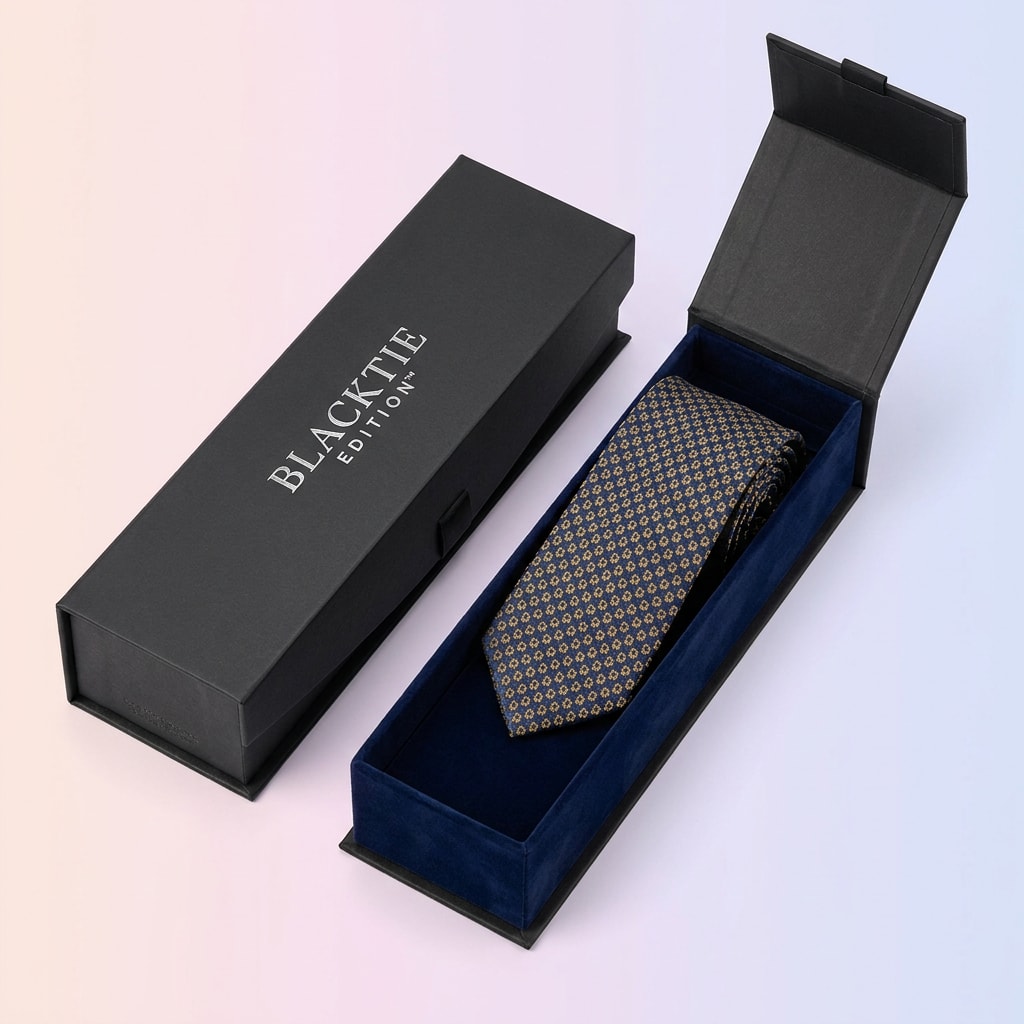
Tie Boxes.
Final price depends on size, material, finish and quantity. Your packaging manager confirms it before production.
Your custom box, quoted.
The full specification book.
Six chapters. Six colours. Click a tab to turn the page.
Tie Boxes
Long, shallow and rolled, in a format that has barely changed in a century.
A rolled or folded tie needs a shallow bed and no lateral movement. Silk marks against rough board, so the interior surface is the specification.
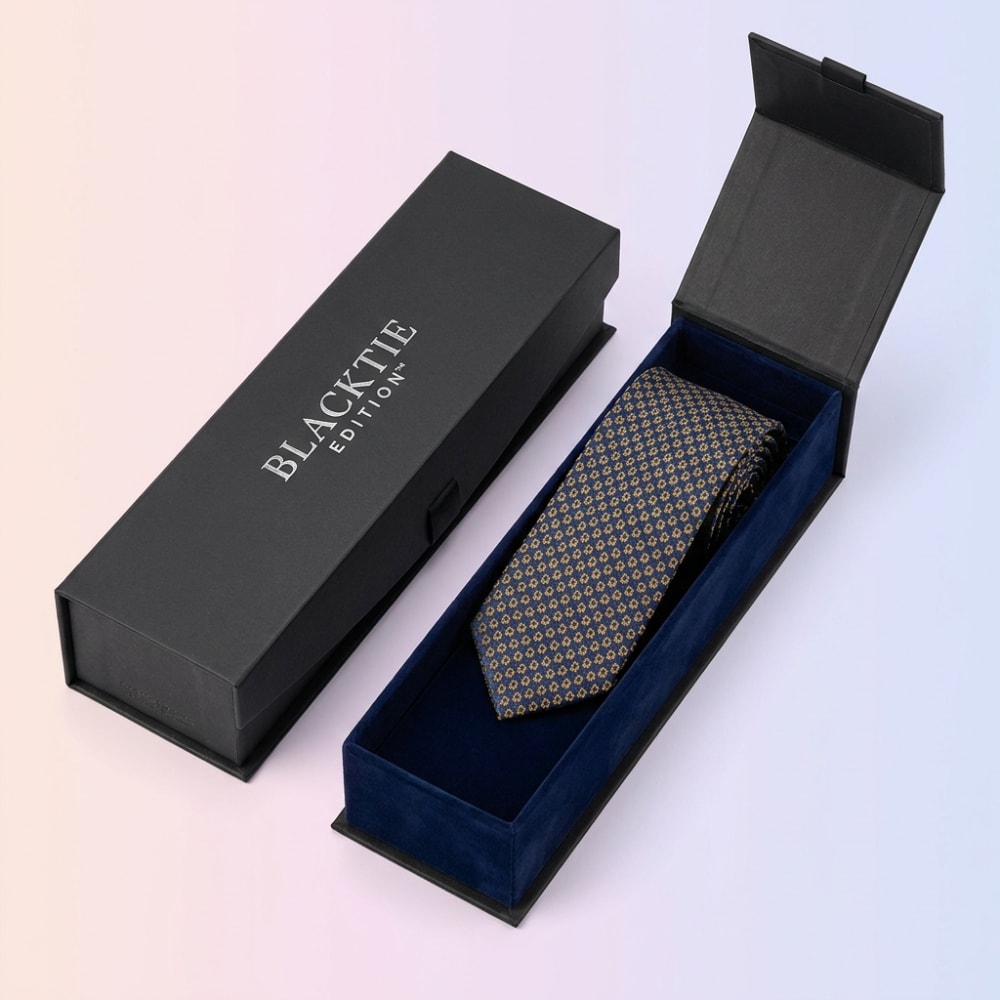
Every detail. Intentional.
Shallow bed, no movement
Silk shifts and creases.
Interior surface matters
Rough board marks silk.
Rolled or single-fold
Two traditions, two depths.
The pattern shows through
Pattern is the purchase.
Gift-first construction
Almost always given, not bought.
Multi-piece sets get partitions
Tie, clip and pocket square.
Built like architecture.
Every order of Tie Boxes is an engineered build, measured, dieline-cut and hand-wrapped to spec. Below is the standard build sheet.
✦ Need a custom spec? Talk to our atelier. Every detail is negotiable.
Every surface, hand-selected.
What this product is built from, and the surfaces it takes. Below the build sheet sits the full swatch library. Every option applies across our range, and a physical swatch set is available on request.
Material
The board and paper your box is built from.
 ◷ FINISH
 ◷ FINISH
 ◷ FINISH
 ◷ FINISH
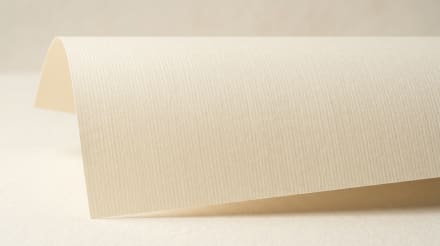 ◷ FINISH
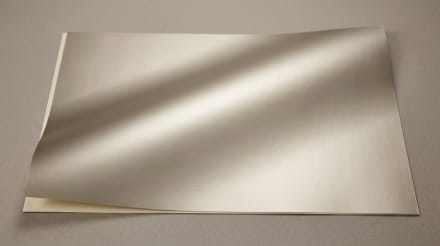 ◷ FINISH
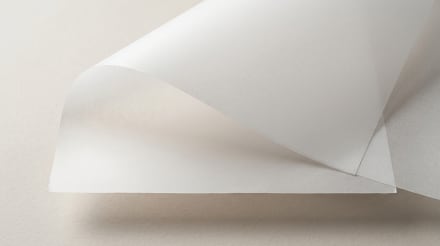 ◷ FINISH
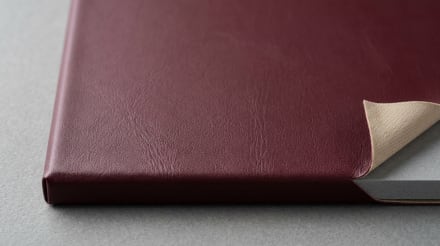 ◷ FINISH
 ◷ FINISH
 ◷ FINISH
 ◷ FINISH
Finishes
How the outer surface looks, feels, and catches light.
 ◷ FINISH
 ◷ FINISH
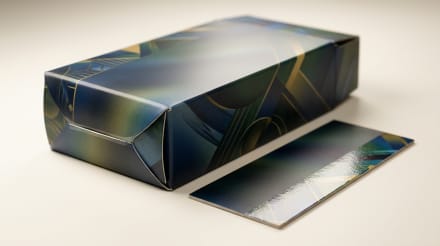 ◷ FINISH
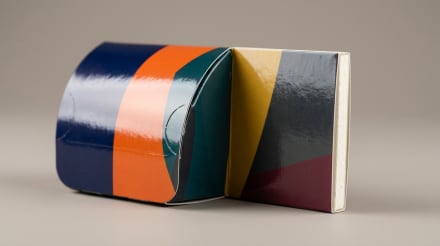 ◷ FINISH
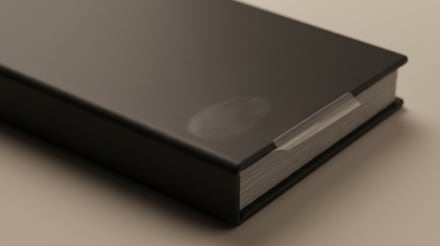 ◷ FINISH
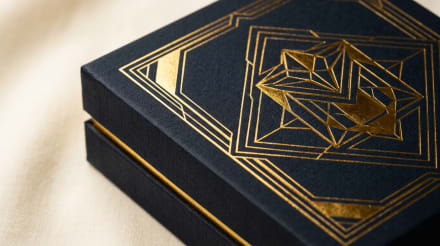 ◷ FINISH
 ◷ FINISH
 ◷ FINISH
 ◷ FINISH
 ◷ FINISH
 ◷ FINISH
 ◷ FINISH
 ◷ FINISH
 ◷ FINISH
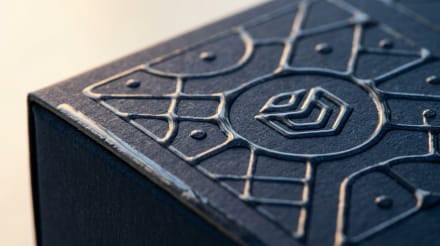 ◷ FINISH
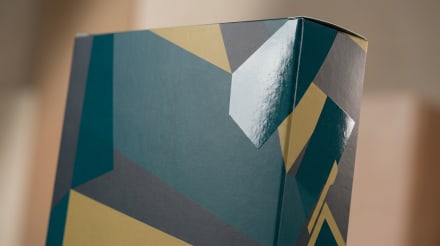 ◷ FINISH
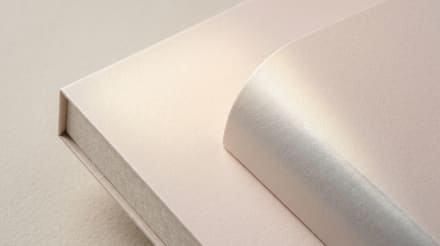 ◷ FINISH
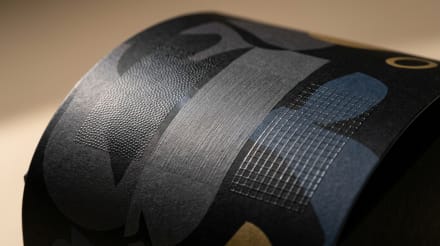 ◷ FINISH
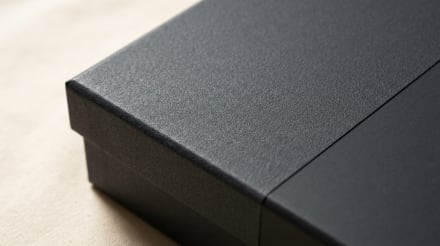 ◷ FINISH
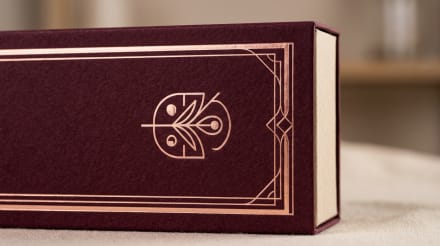 ◷ FINISH
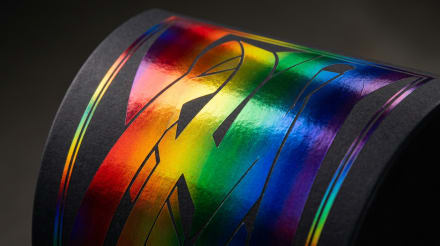 ◷ FINISH
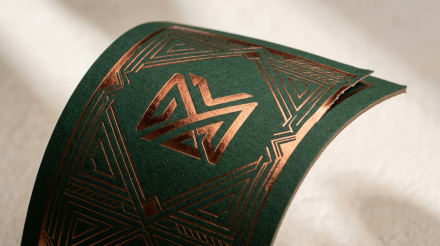 ◷ FINISH
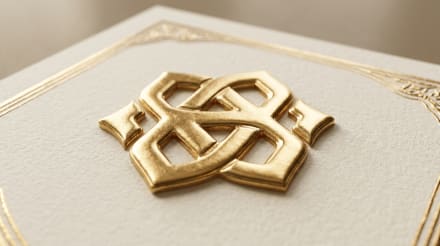 ◷ FINISH
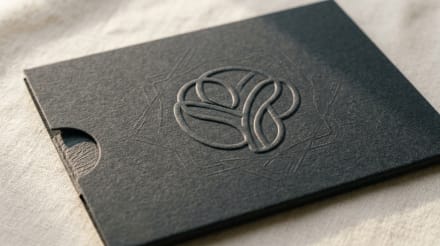 ◷ FINISH
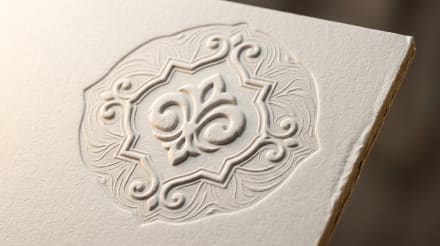 ◷ FINISH
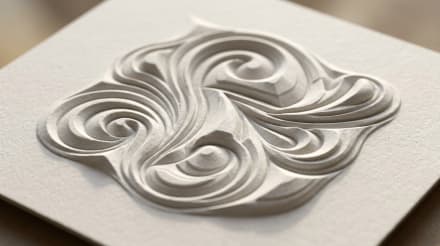 ◷ FINISH
 ◷ FINISH
Add-ons
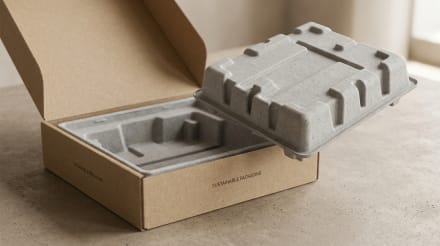
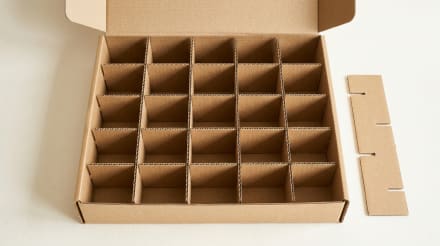
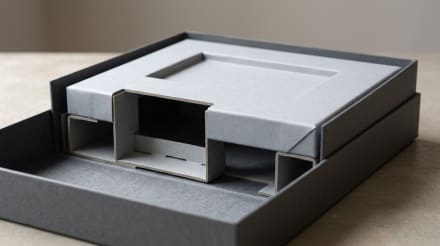
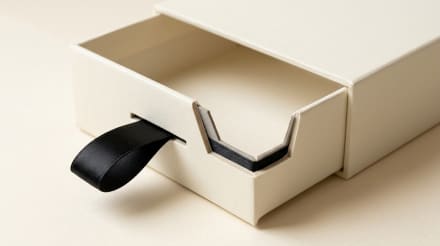
Closures, linings, and hardware that complete the build.
 ◷ FINISH
 ◷ FINISH
 ◷ FINISH
 ◷ FINISH
 ◷ FINISH
 ◷ FINISH
 ◷ FINISH
 ◷ FINISH
 ◷ FINISH
 ◷ FINISH
 ◷ FINISH
 ◷ FINISH
 ◷ FINISH
 ◷ FINISH
 ◷ FINISH
 ◷ FINISH
 ◷ FINISH
 ◷ FINISH
 ◷ FINISH
 ◷ FINISH
 ◷ FINISH
✦ Mix and match across all three and we'll build your exact combination.
The full kit of capabilities.
Sizing & dieline.
We cut Tie Boxes to a dieline built around your product instead of pulling a stock size off the shelf. Send us the length, width and height of the item (or the item itself) and we return a measured dieline, free, before you commit to anything.
Length, width and height of the item itself, at its widest points. Measure the product, not the box you happen to use today.
Allow 2–4 mm on each axis for a snug fit, and more if you are adding foam, a pillow insert or tissue.
We quote as Length × Width × Height. Tell us whether you are working in millimetres or inches and we match it.
✦ Not sure of your size? Send us the product and we measure it and build the dieline.
Pricing & minimums.
We price Tie Boxes per specification rather than from a fixed list, because the same build in two different finishes can land at very different numbers. Below is what actually moves the price, so you can shape the spec before you request a quote.
The single biggest lever. Unit cost falls sharply as volume rises, because setup and tooling spread across more pieces.
Board weight and stock choice change both the raw material cost and the shipping weight of the finished run.
Foil, spot UV, embossing and soft-touch each add a pass on press. One or two lift the box; five compound the cost.
Full-bleed print inside and out costs more than a one-sided design on natural stock.
Foam, moulded pulp, velvet pillows, magnets and ribbon are priced per piece on top of the box itself.
Standard production is the base rate. Rush moves you up the production queue and carries a surcharge.
✦ Quotes returned within 24 hours.
Questions, answered.
Everything you need to know about Tie Boxes.
Both work, and the choice sets the shape of the box. A long flat box around 14.5 × 4 × 1.5 in holds a tie folded once, which is the traditional shirtmaker presentation. A rolled tie coils into a small square box of about 4 × 4 × 2 in and shows the pattern as a spiral, which suits a modern boutique.
The rolled format takes less shelf space, while the flat format shows more of the pattern at once.
Silk picks up marks from rough board, so the interior needs a smooth coated surface or a tissue layer between the tie and the box. Uncoated grey or kraft board can leave a shine or a faint abrasion on silk after a bumpy trip. Glue anywhere the tie touches is a worse problem.
We line the bed with smooth white board, keep adhesive to the outer walls and lay a sheet of tissue over the top.
A shallow bed cut close to the tie's width, plus a board core at the fold, keeps it from moving and holds the bend soft. A tie that slides in a deep box can end up with a sharp crease across the blade, and silk holds creases for a long time. The core is a rounded strip of board the tie folds around, so the bend never goes flat.
For rolled ties, a snug square box keeps the coil from loosening on the way.
A multi-piece set gets a fitted insert with separate slots for each item, so hard pieces never sit on the silk. A tie clip or cufflinks resting on the tie can press a dent into the fabric by the time the box is opened. The insert is die-cut paperboard, lined or printed to match the box.
Multi-tie gift sets use the same idea, with parallel slots in a wider long box.
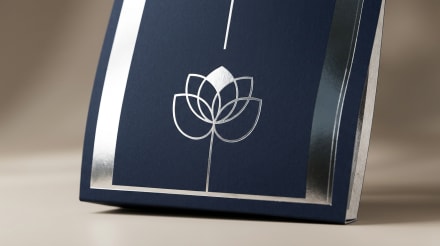
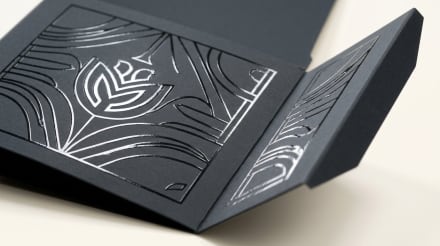
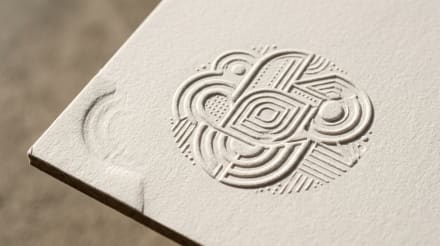
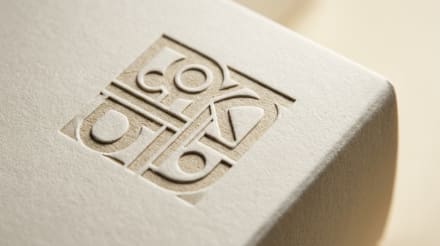
A cream or navy base with a single foil mark on the lid is the classic haberdashery look. Hot foil in gold or silver reads well on both colours, and a foil monogram suits a gift tier. Blind embossing is a quieter alternative that needs no ink at all.
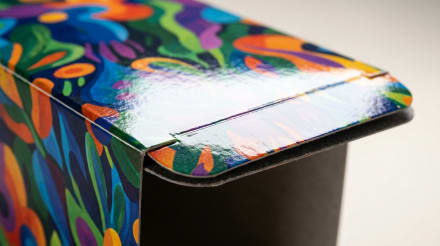
For the rolled format, printing inside the lid gives the coil a backdrop when the box opens. Gloss lamination is available, though most tie brands stay with matte.
The paperboard and kraft versions recycle with ordinary paper once the tissue is taken out. A small foil mark is a very thin layer, and paper mills generally accept it. Kraft board with no lamination is the easiest to recycle and gives a relaxed, natural look that suits wool and linen ties.
Plenty of tie boxes are kept long after the gift for storing ties or cufflinks, which is a kind of reuse in its own right.
Orders begin at 500 boxes for each design and size. A brand stocking both a long flat box and a rolled square box would place two runs of 500. The upper limit is 100,000 boxes.
Because ties sell heavily around Father's Day and the holidays, many brands order one larger run ahead of both dates rather than two small ones, which also keeps the colour identical across the year.
Count on 7 to 10 business days of production after sign-off, shortened to 5 to 7 business days if you choose rush. Before that, a physical sample takes 5 to 7 business days, and its fee is credited against the full order. Laying a real tie in the sample shows whether the bed width and fold core are right.
Build those days into the gifting calendar, since June and December are when production lines fill up.
Other products you might love.
Ready to start your Tie Boxes project?
Get a free quote in 24 hours. Our atelier is here to help.