PremiumBespokeArtisanLuxuryCustom Candle Boxes
Tell us about your boxes
Popular Custom Candle Boxes
our brands keep reordering.
Hand-picked from our custom candle boxes range. 8 styles, each built for a different job.
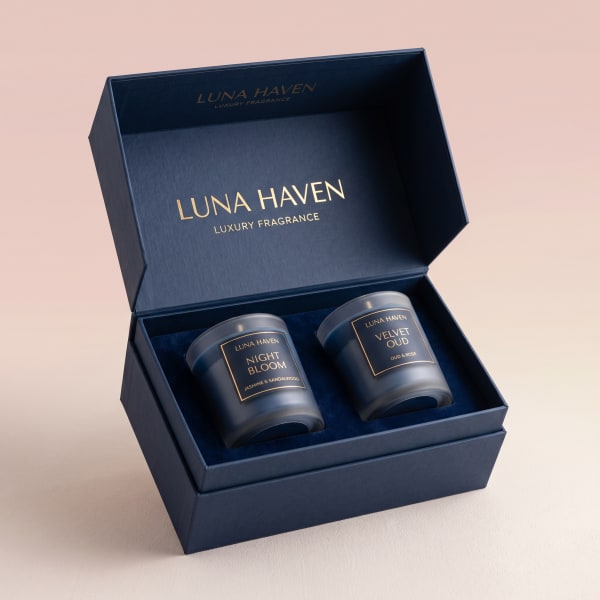
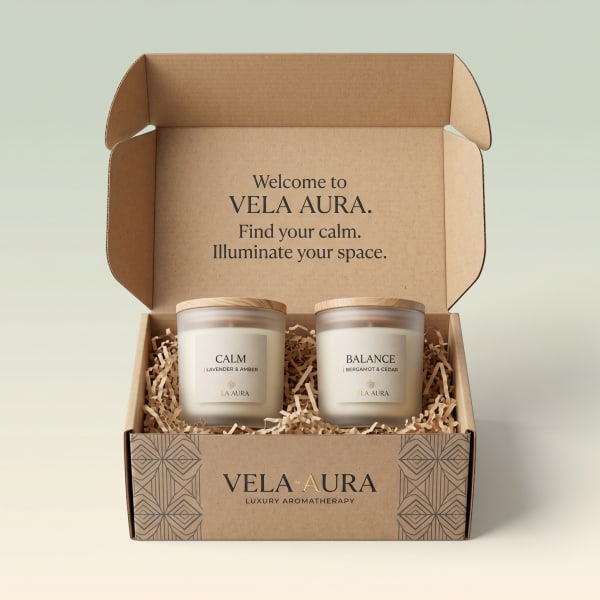
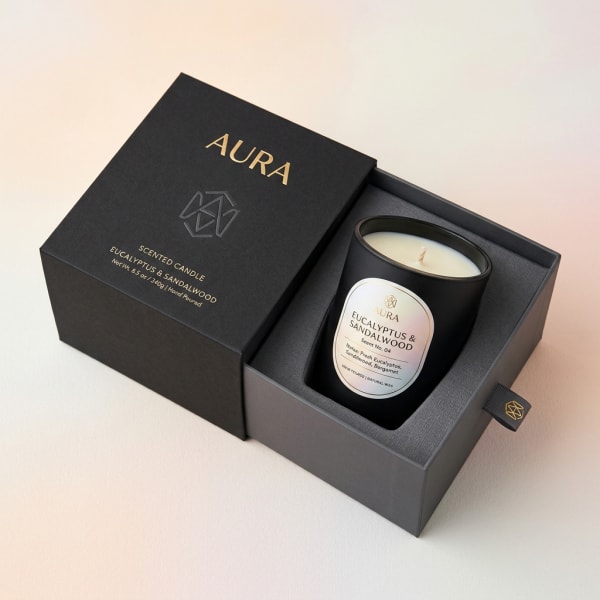
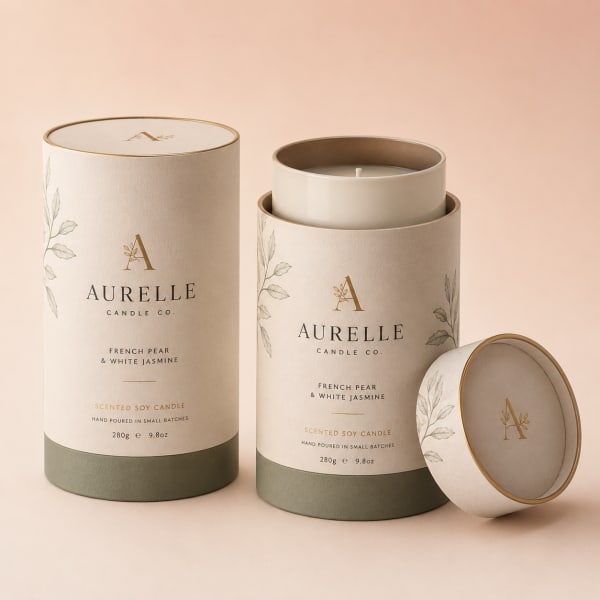
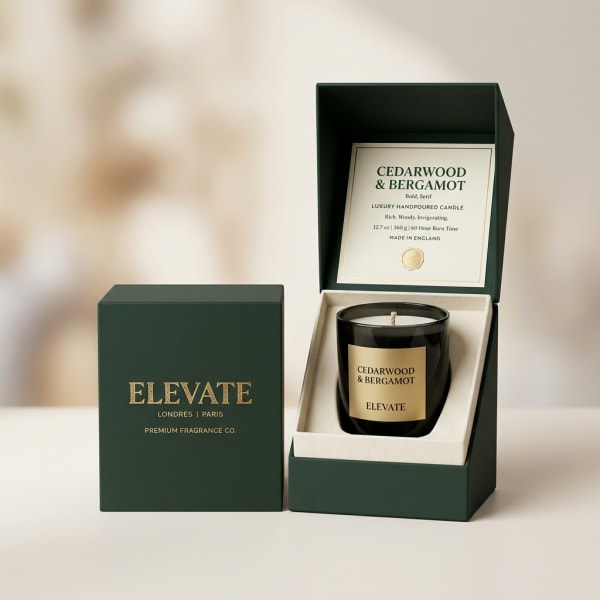
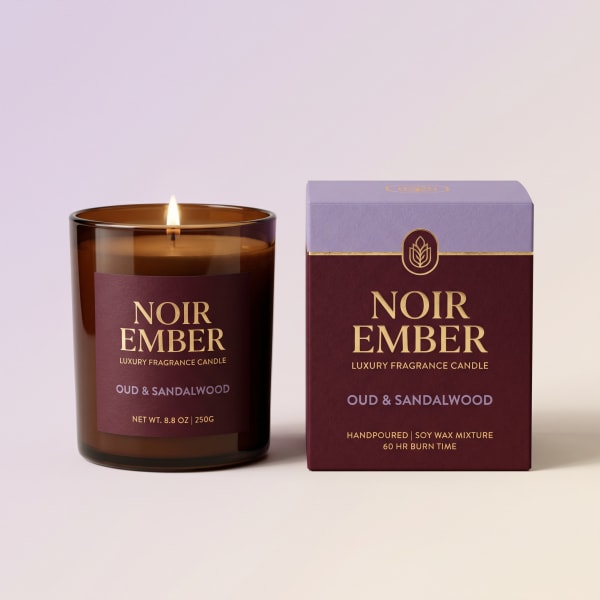
The box is the building.
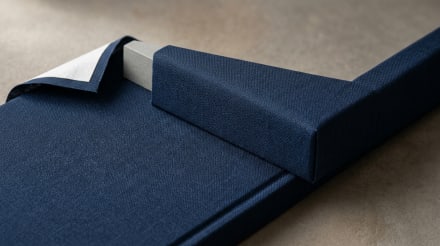
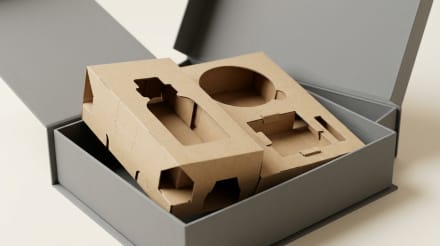
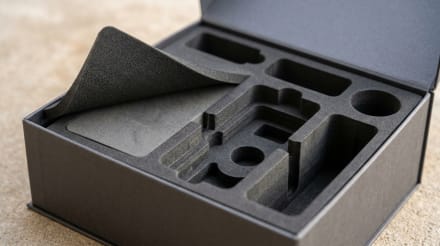
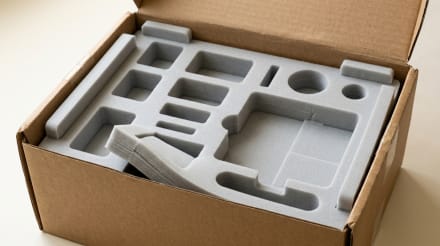
Inserts are everything else.
Furniture. Bodyguards. Stage crew. The unseen architecture that makes your product feel like it lives somewhere, not like it was just dropped in a box.
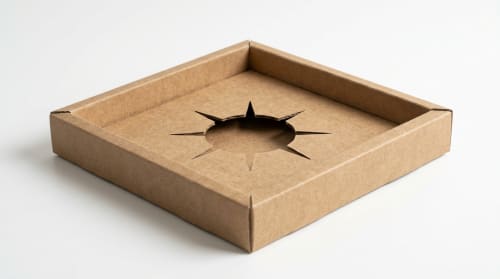
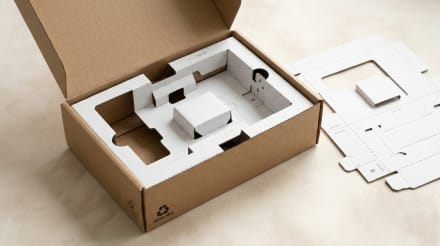
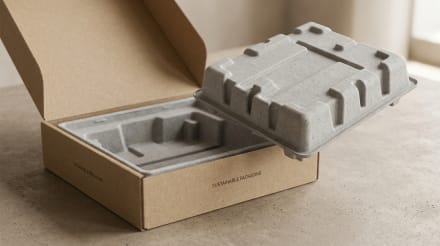
Paperboard Inserts
“Clean recyclable inserts for”
Every finish we offer on Candle Boxes.
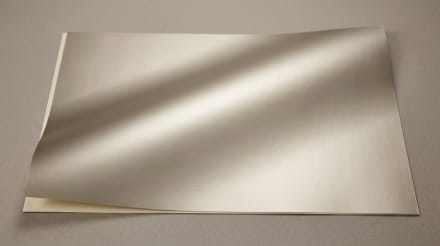
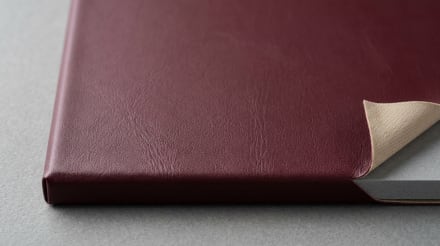
Materials, finishes and add-ons available for this range. Order any of them as a free sample before you commit to a run.
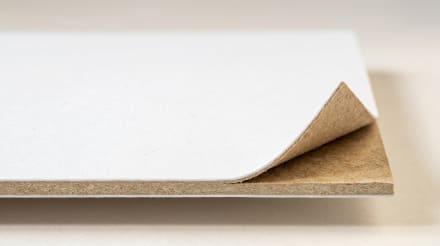
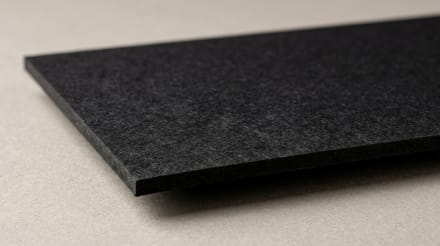
Materials
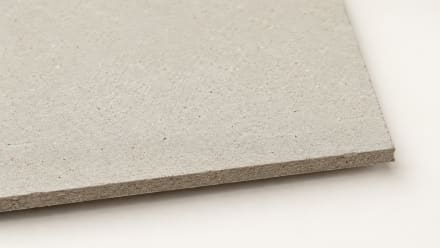
The board and film we build on
 ◷ ECO
◷ ECO

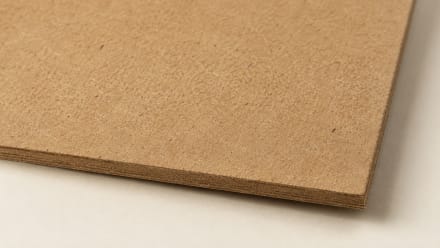
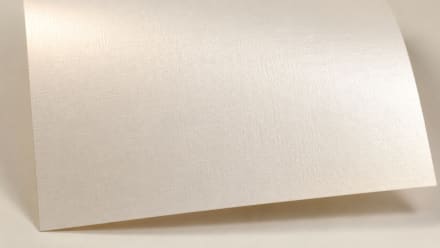

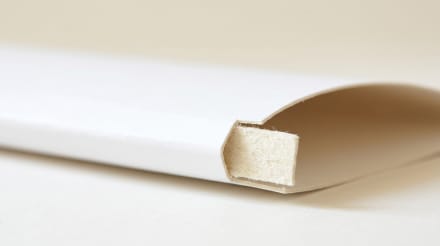
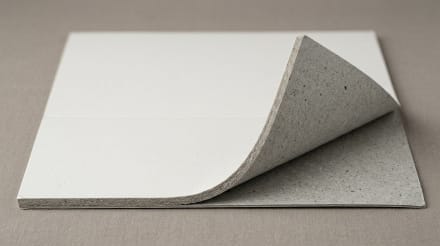


Finishes
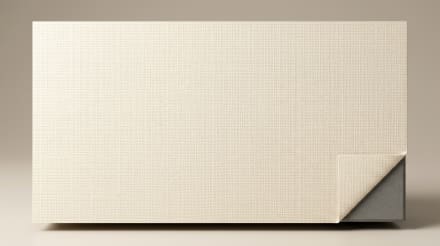
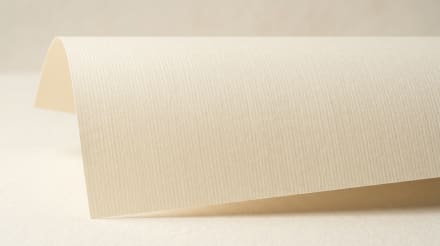
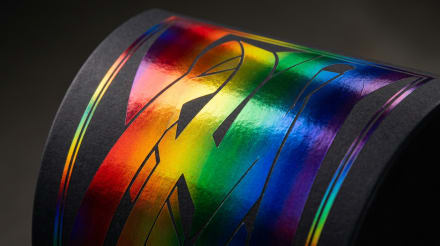
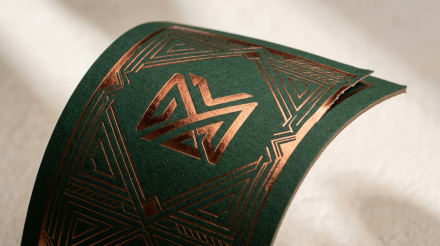
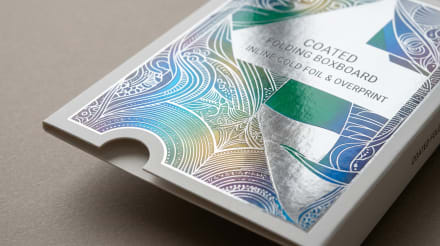
What the surface does in the light

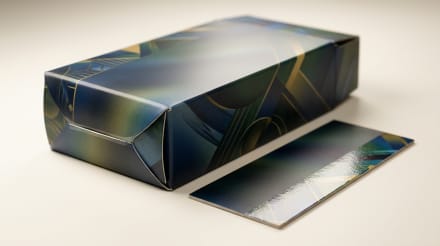
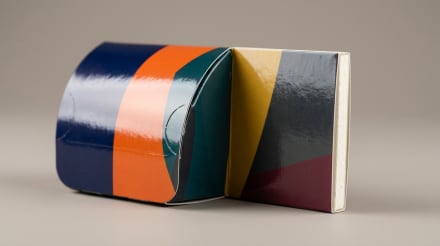

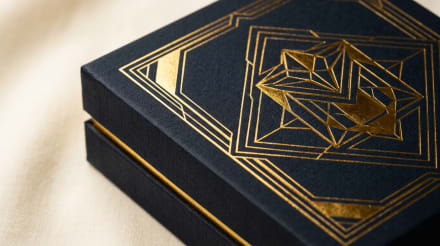
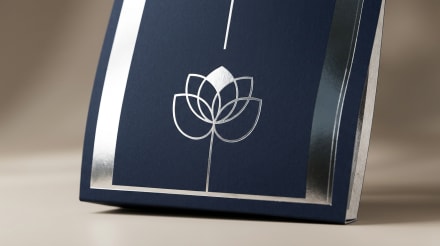
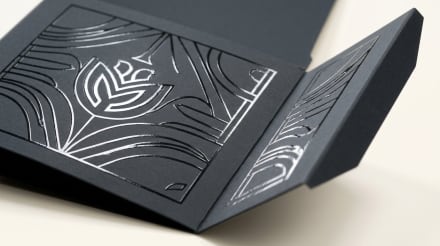
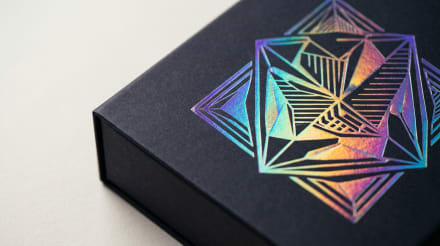


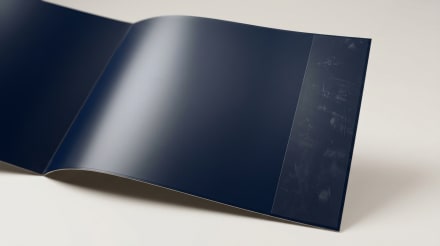
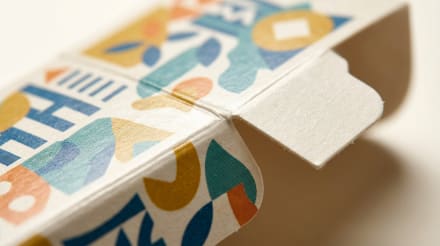
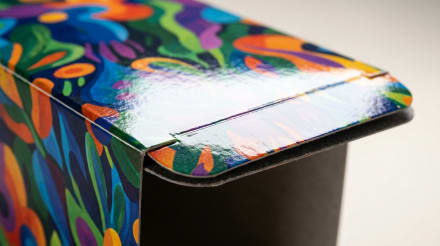


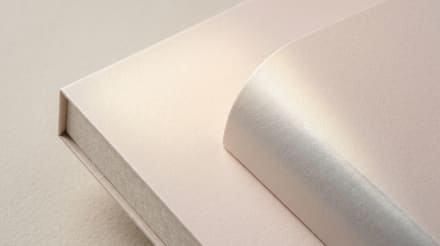
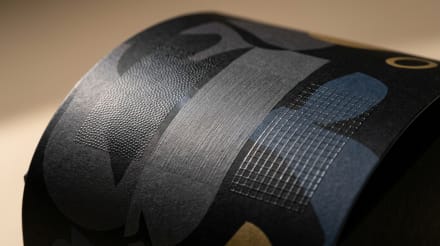
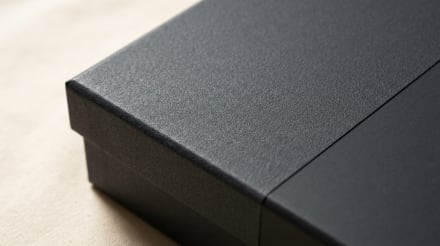





Add-ons
Closures, linings and the extra touches

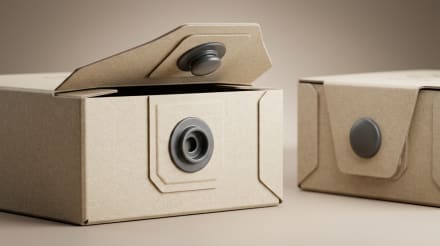
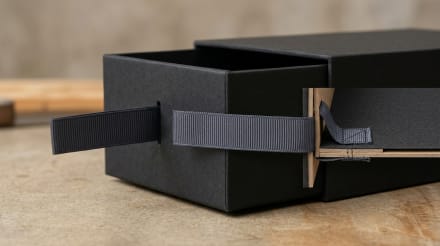
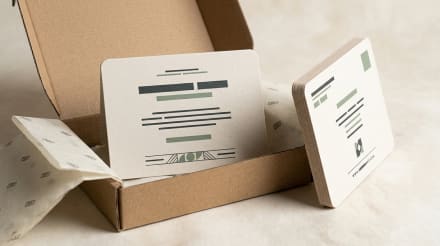

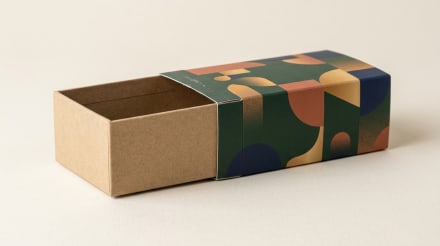
The candle industry runs on the box.
Luxury & Prestige Packaging
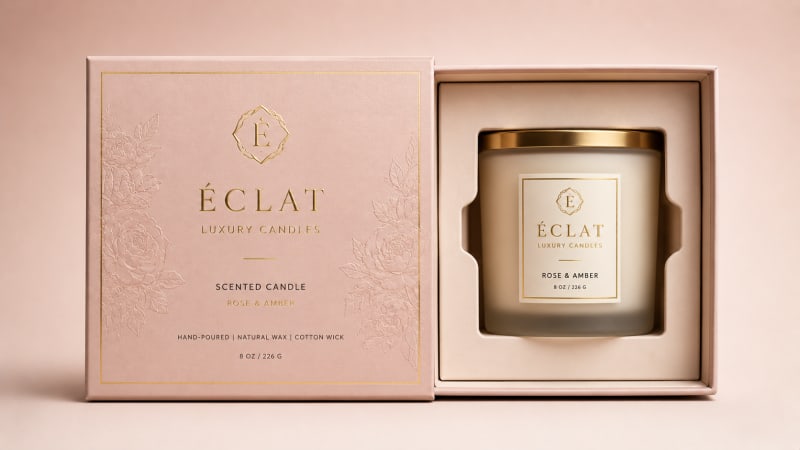
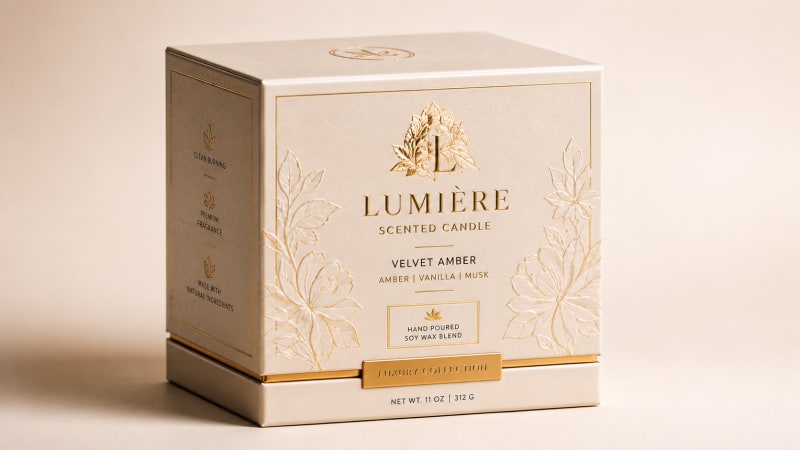
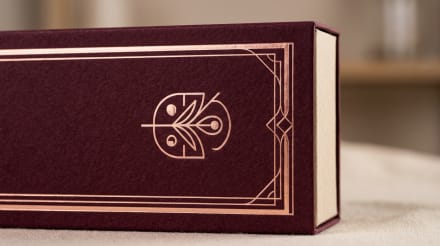
Rigid boxes, hot foil, embossed logos. Packaging that justifies a £60+ price point before the lid lifts.
The box the candle comes home in.
Candle packaging, covering structure, finishes and the sensory details that set the mood before the wick is lit.
Why candle packaging is a brand statement
The box sets the mood. The candle delivers on it.
Atmosphere starts at the package
Candles sell a feeling of warmth, calm, luxury or memory. The packaging has to deliver that feeling before the product is touched. A matt black box with gold foil does more emotional work than any copy.
The gift category standard
Over 70% of candles are purchased as gifts. Gift buyers decide on the box rather than the scent, because they can't smell it in a shop. The packaging is the product at point of purchase.
The kept object
Premium candle vessels get repurposed as storage and display objects. The brand on that box stays in a home long after the wax is gone.
Finishes for mood
The textures and colours that signal ambiance.
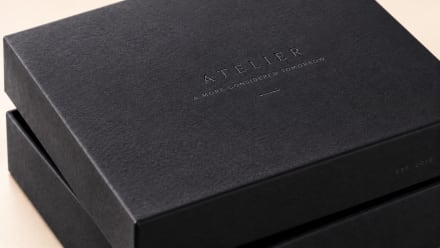
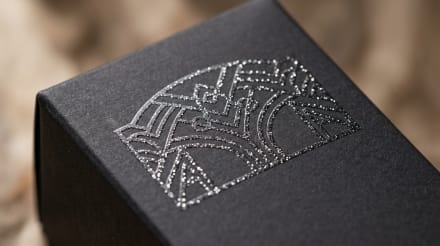
Matt black + gold foil
The canonical luxury candle treatment. Dense matt lamination absorbs light; hot foil reflects it. The contrast is dramatic in retail and photographs beautifully.
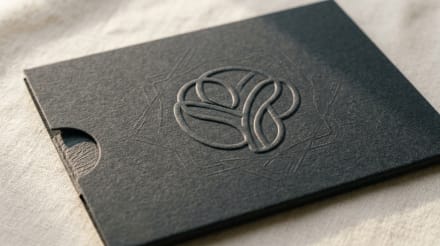
Kraft + letterpress
Natural, earthy, artisanal. Uncoated Kraft board with debossed or letterpress branding. The positioning of sustainable, slow, handmade. Popular with indie candle brands.
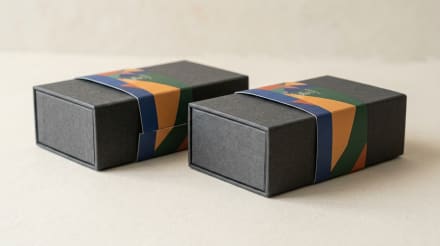
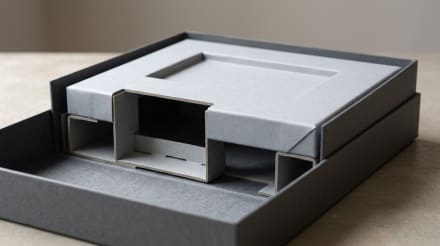
Rigid two-piece with sleeve
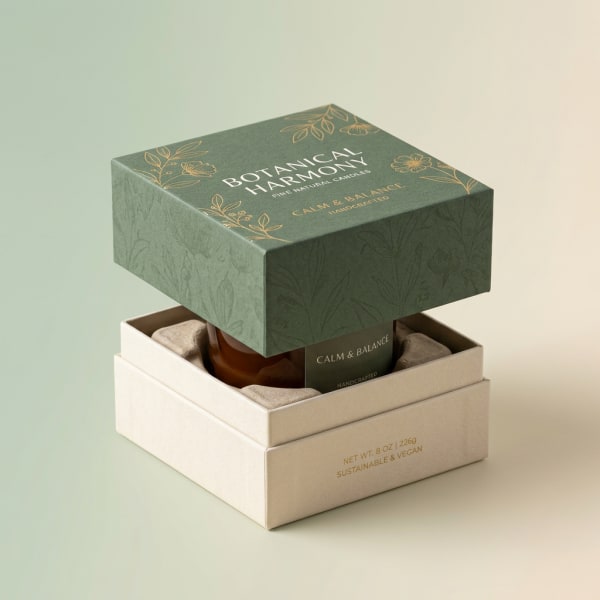
For premium positioning: a rigid base holding the candle vessel, slid into a printed sleeve. The sleeve comes off like a reveal, a slow and ceremonial open.
Structures for every candle format
Votives to pillar candles, tins to glass vessels.
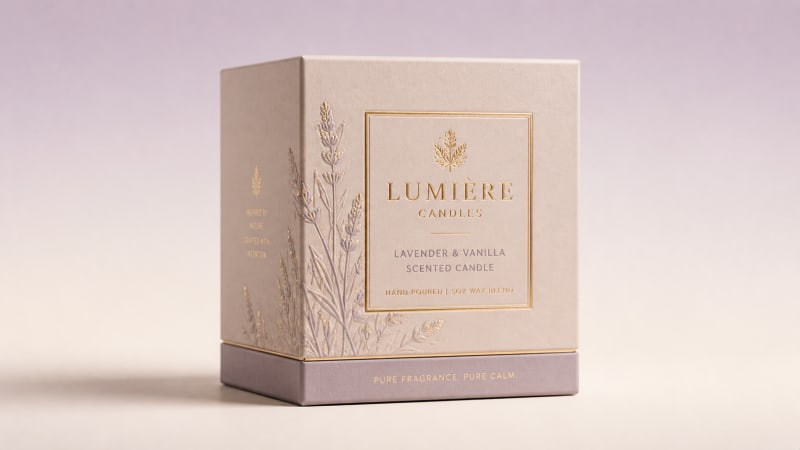
Tuck cartons for jar candles
Standard 300–450gsm tuck carton, custom sized to your candle vessel with 5mm clearance on each side. Tissue paper insert die-cut to hold the jar in place during shipping.
Two-piece rigid boxes
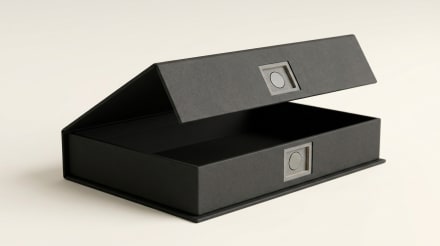
For the top-tier candle collection. Lid lifts off with deliberate weight. Interior print optional. Satin or printed paper wrap inside.
Gift set boxes
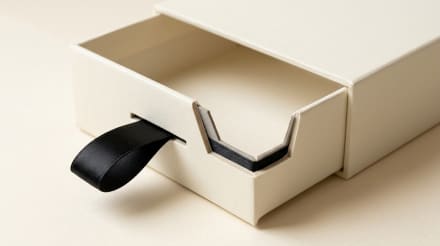
Multi-candle presentation boxes with individual compartments. Magnetic close, ribbon pull, branded tissue. Ready to give without overwrapping.
Every candle vertical
From indie studio to luxury house.
Luxury & prestige
Rigid boxes, hot foil, embossed logos. The candle at a £60+ price point needs packaging that justifies every penny at point of purchase.
Indie & artisan brands
Kraft tuck cartons with letterpress branding. Sustainable positioning, low MOQs, fast turnaround. Beautiful without the prestige price.
Gifting & retail
Gift-set boxes, retail-ready tuck cartons. The candle is the #1 impulse gift purchase, so the packaging does the selling.
E-commerce & subscription
Ship-safe construction, branded interior print, tissue layering. The unboxing ritual is the marketing content.
From concept to candlelit shelf
The candle packaging supply chain.
01. Vessel dimensions
We start with your candle vessel (jar, tin, pillar). The carton is engineered around the filled product weight rather than an approximation.
02. Finish spec
We send a finish option sheet. Foil colour, lamination type and emboss depth can all be sampled physically before you commit to production.
03. Produce & deliver
Flat-pack to your facility or assembled and filled at our fulfilment partners. Standard production is 7–10 business days after proof approval.
Questions, answered.
An 8oz jar typically needs about 3.5 × 3.5 × 4 inches, and a 10–12oz jar about 4 × 4 × 4.5 inches.
Measure the actual vessel including its lid, because candle jars taper and many ship with a lid that adds height. The internal fit should be snug. A filled 12oz jar runs well over a pound, and a jar that can move hammers the carton from inside during transit.
The industry follows ASTM F2058 fire-safety labelling conventions: never leave a burning candle unattended, keep away from children and pets, trim the wick, and observe burn-time limits.
Most retailers require the warning block as a listing condition even where it is not strictly mandated. Wax type, wick material and net weight declarations have also become standard expectations, driven by the clean-candle segment where customers actively compare them.
Auto-bottom or snap-lock base construction, snug internal fit, and an outer shipper. Never ship a candle carton bare.
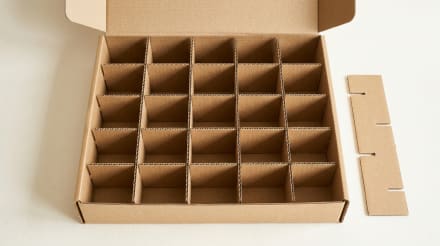
Candle jars are heavy glass, and the base is where cartons fail: a tucked bottom under a pound of filled glass eventually releases. Where jars taper, a collar insert closes the gap so the vessel cannot travel. For direct-to-consumer, a corrugated outer with the carton inside is the standard.
It depends on the channel. Open apertures let scent through, which is how candles actually sell in person.
For counter retail, an unfilmed window is often better than a filmed one, because customers buy candles by smelling them and film blocks exactly that. For shipping tiers, film keeps dust off and protects the vessel. The structural caution is that a window removes board from a box carrying glass weight, so keep corner material intact.
Yes. Soy and blended waxes soften from around the low 100s Fahrenheit, and delivery vehicles routinely exceed that.
Softened candles slump, sweat and fuse to the vessel wall. The workable answers are insulated liners with coolants for direct-to-consumer summer shipping, dispatching early in the week so parcels do not sit in weekend depots, and being straightforward with customers about seasonal risk. An explained delay costs far less than a bloomed arrival.
A tray-and-sleeve or two-piece lidded box with a fitted well per vessel.
The trio set, three vessels in one tray under a single sleeve, became the fragrance-discovery standard. It works because the sleeve carries all the seasonal and scent-specific print while one tray die serves every version. Wells keep the vessels from knocking together, which matters more in a multi-jar box than in a single.
Yes for round vessels. A wound paper tube matches the jar's own geometry, and the all-paper construction supports a plastic-free claim.
The specification to get right is ply count against the vessel's weight, since a 12oz jar in a thin-walled tube crushes its own packaging. Telescoping lids need the fit-depth tolerance any telescope needs, and the wrap prints in the round, so design for rotation rather than for flat faces.
500 units for printed cartons, with 7–10 business days production.
Because scent ranges expand quickly, many candle brands run one carton structure with printed sleeves per fragrance. That way a new scent means a sleeve run rather than a full carton order, and the tray or box tooling amortises across the whole range.
Your brand deserves
better packaging.
Work one to one with a dedicated packaging manager, from first sketch to delivery.