SealedPrintedFilledKeptMylar Bags
Your pouch, quoted.
Popular Custom Mylar Bags
our brands keep reordering.
Hand-picked from our custom mylar bags range. 39 styles, each built for a different job.
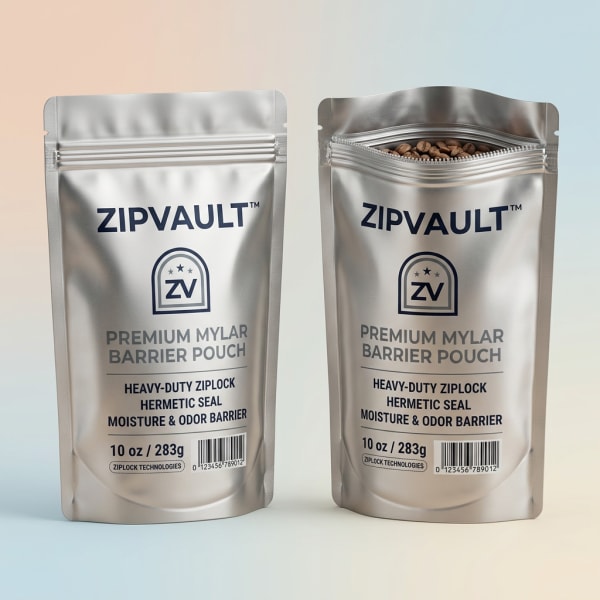

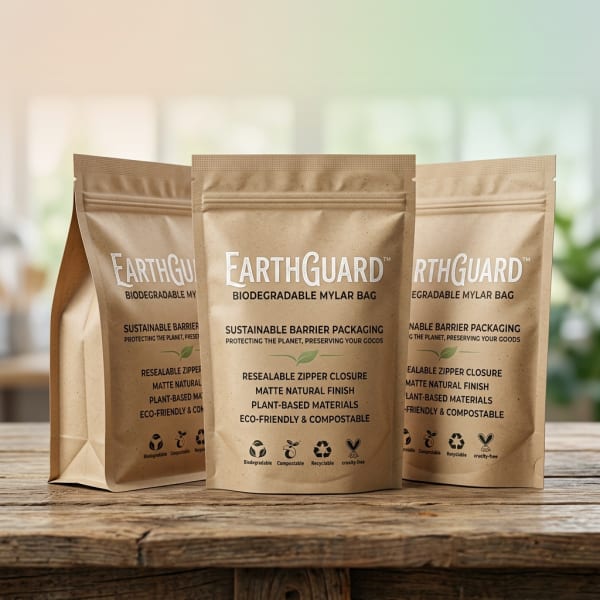
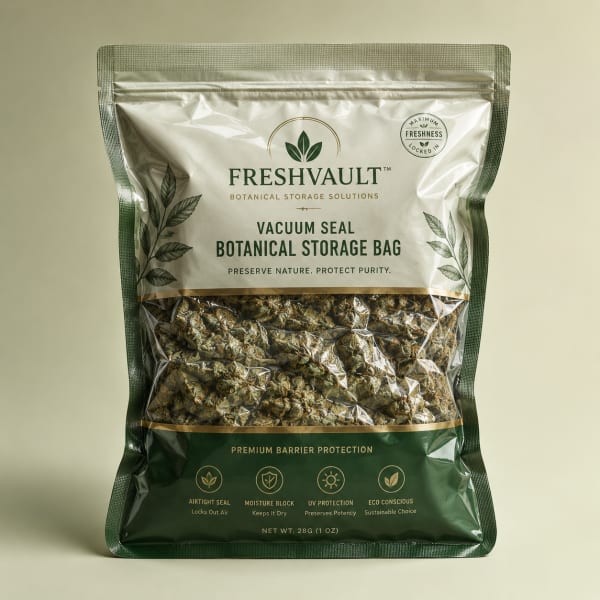
The pouch is the shell.
Fitments are everything else.
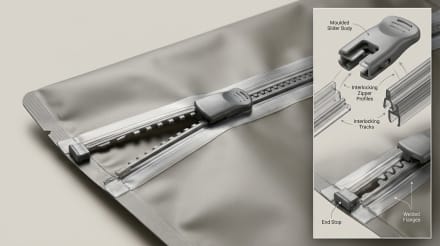
Zippers, valves, spouts and absorbers. The components that decide whether a bag is opened once and binned, or used, resealed and trusted for weeks.
Closures Inserts
“The difference between a bag opened once and a pack used for weeks.”
Valves Inserts
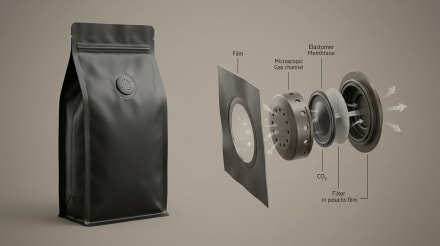
“One-way venting that lets CO2 out of fresh coffee without letting oxygen in.”
Spouts & Fitments Inserts
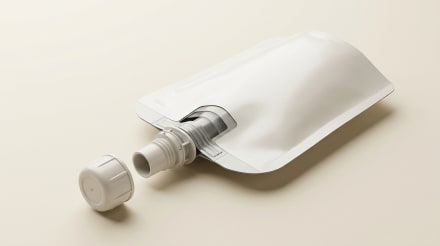
“Sized by what flows through it, from thin liquid to viscous product and powders.”
Opening Features Inserts
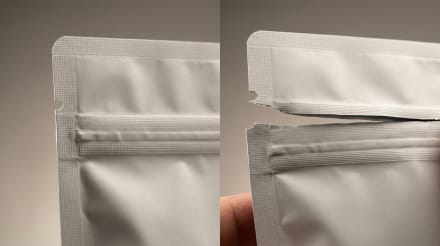
“Opens by hand, cleanly, without scissors and without tearing raggedly.”
Freshness Control Inserts
“The components that go inside the bag, controlling what the barrier alone cannot.”
Windows Inserts
“Product visibility, traded against the barrier you give up to get it.”
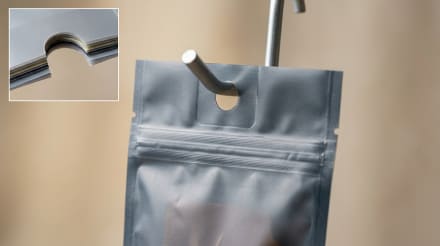
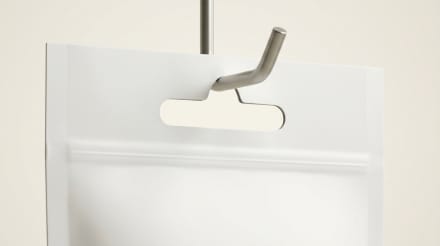
Hang & Display Inserts
“For pouches that sell from a peg rather than standing on a shelf.”
Handles & Carry Inserts
“Once a pack passes about five kilos, somebody has to carry it.”
Every finish we offer on Mylar Bags.
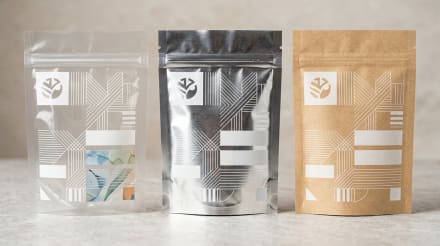
Materials, finishes and add-ons available for this range. Order any of them as a free sample before you commit to a run.
Materials
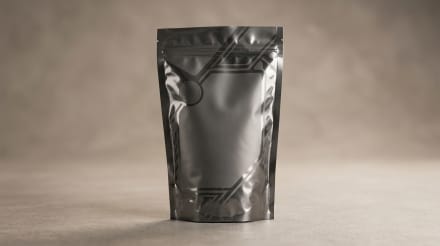
The board and film we build on
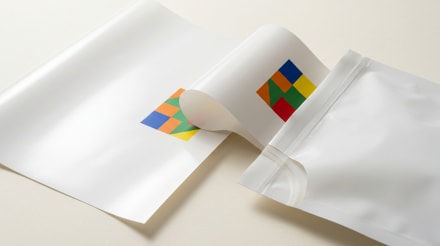
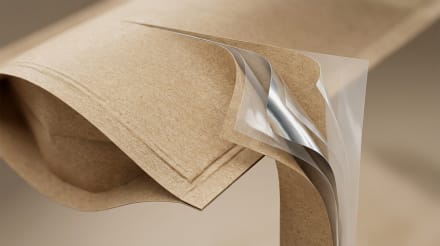
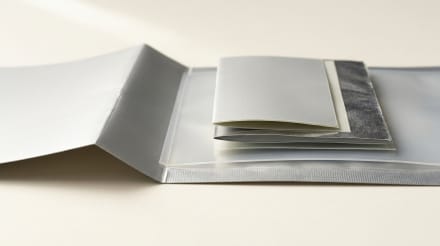

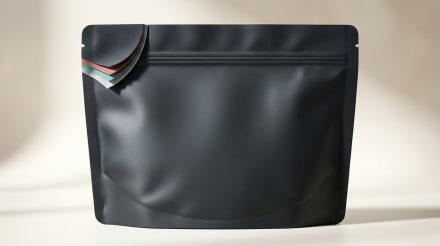
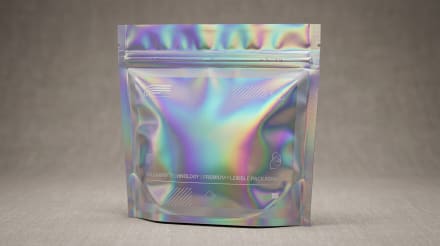
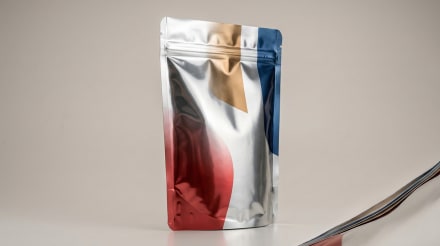
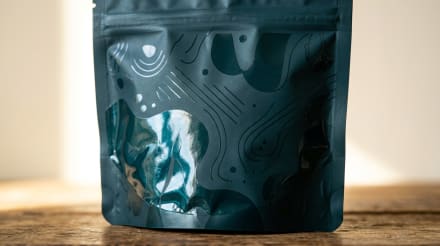
Finishes
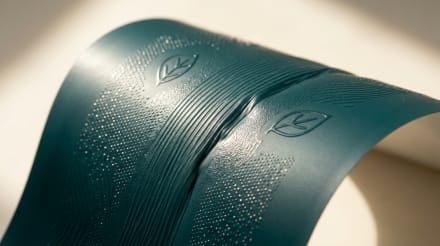
What the surface does in the light
Add-ons
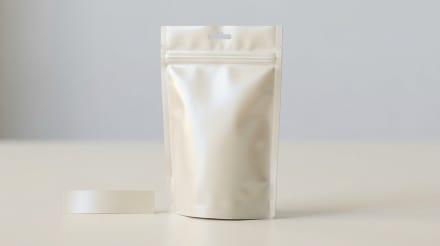
Closures, linings and the extra touches


Fresh product. Strong brand.
Coffee & Tea Packaging
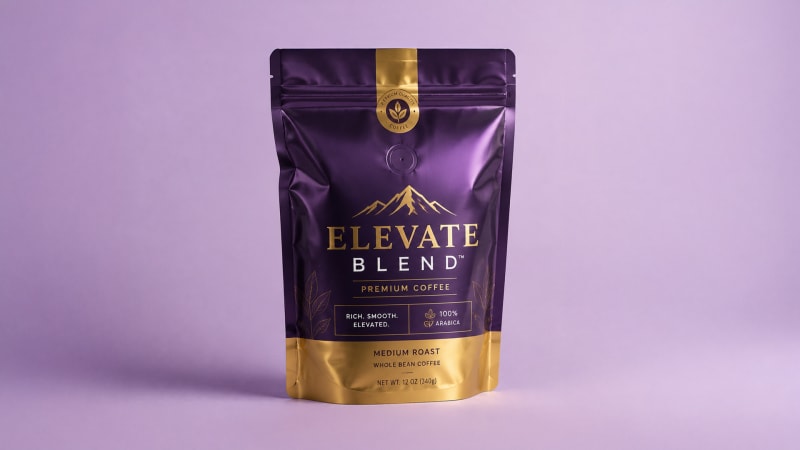
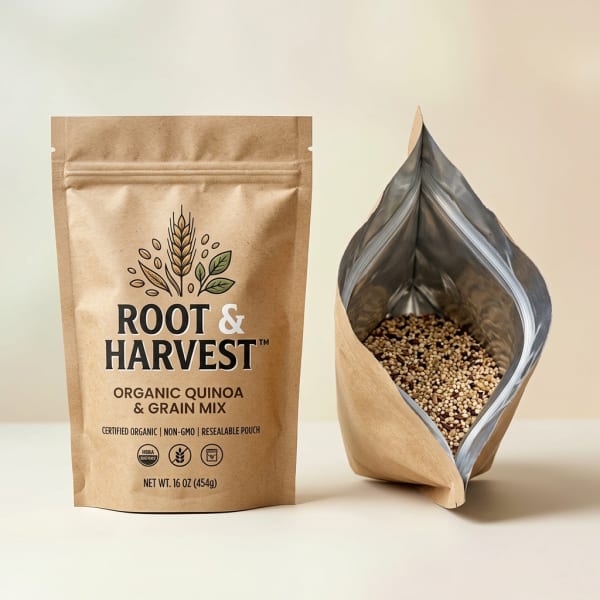
Flat-bottom and stand-up pouches with degassing valve. The specialty coffee format of kraft outer, matte finish and zipper reseal.
Sealed for freshness. Printed for impact.
Custom mylar bags, covering barrier technology, print quality, and the formats that keep products fresh and brands visible.
Why mylar is the premium flexible format
Multi-layer barrier technology meets full-bleed print.
The barrier that protects
Mylar (BoPET) film creates an exceptional barrier against oxygen, moisture, light, and odour. For coffee, snacks, supplements, dried food, and pet food, the shelf life difference versus standard poly bags is measured in months.
Full-bleed print, no compromise
Rotogravure or digital print on mylar produces vibrant, photographic-quality graphics across the entire bag surface. No white border, no muted colours. The shelf impact is immediate.
The resealable difference
A zipper reseal turns a single-use bag into a daily-use product. The bag lives in a customer's kitchen or gym bag for weeks and carries the brand with it every day.
Layers, films, and finishes
The construction that creates the performance.
Laminate structure
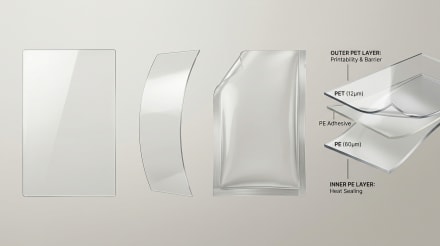
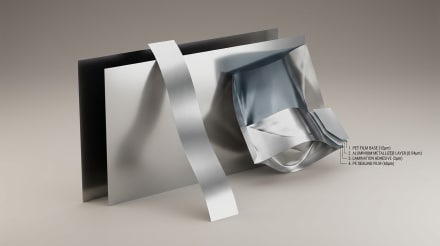
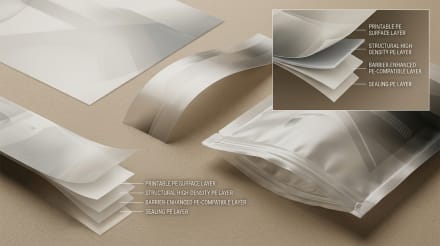
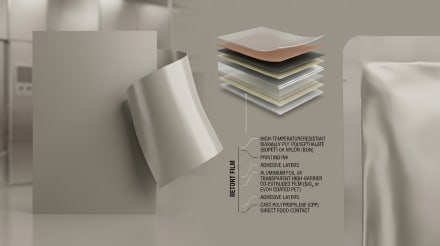
Standard structure: PET outer (print layer) / aluminium foil (barrier layer) / PE inner (heat-seal layer). Variations include matte PET outer, kraft paper outer, and clear windows in the foil layer.
Finish options
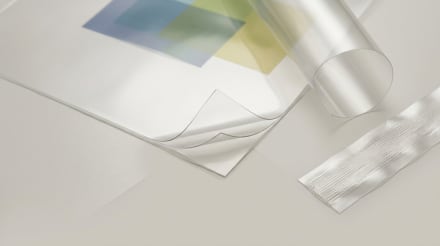
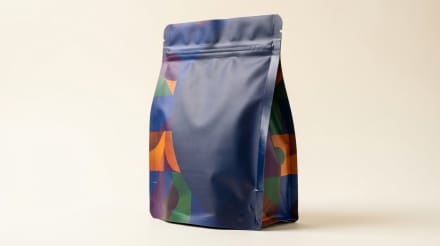
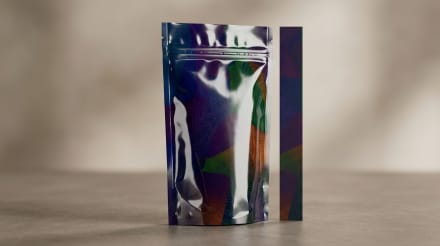
Gloss lamination for vivid colour and sheen. Matte lamination for a premium, tactile feel, which food and supplement brands are asking for more and more. Soft-touch available on outer PET layer.
Sustainable alternatives
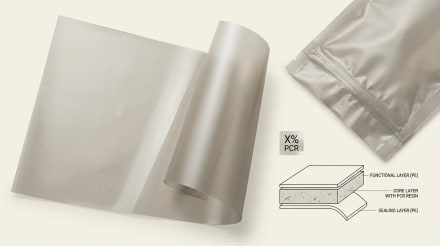
Foil-free high-barrier laminates using metallised EVOH film maintain moisture and oxygen protection without the aluminium layer. Recyclable mono-material pouches available for brands with sustainability commitments.
Every bag format
Stand-up to flat, zipper to heat-seal.
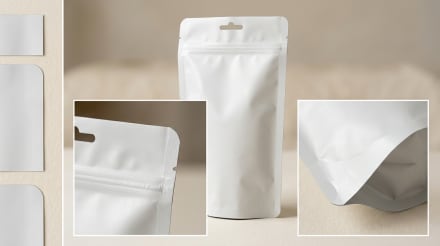
Stand-up pouch (SUP)
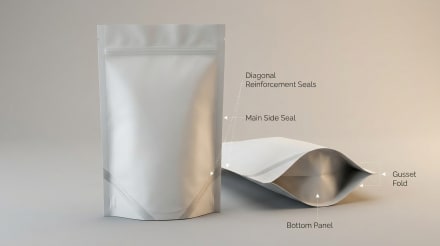
The most popular format. A gusseted base allows the bag to stand on shelf independently. Zipper reseal at top, tear notch on side. Available in any size from 50ml to 5kg.
Flat bottom / block bottom
A wider, flat base for maximum shelf stability. It is the preferred format for premium coffee, tea, and snack brands because it looks architectural on a shelf and stacks cleanly in a fulfilment box.
Flat / 3-seal pouch
Economical format for single-serve sachets, sample packs, and inner pouches within larger boxes. Full print on front and back.
Every product that needs freshness
From kitchen shelf to gym bag.
Coffee & tea
Flat-bottom or stand-up pouches with one-way degassing valve. The format the specialty coffee world standardised on is a kraft outer, matte finish and zipper reseal.
Snacks & dried food
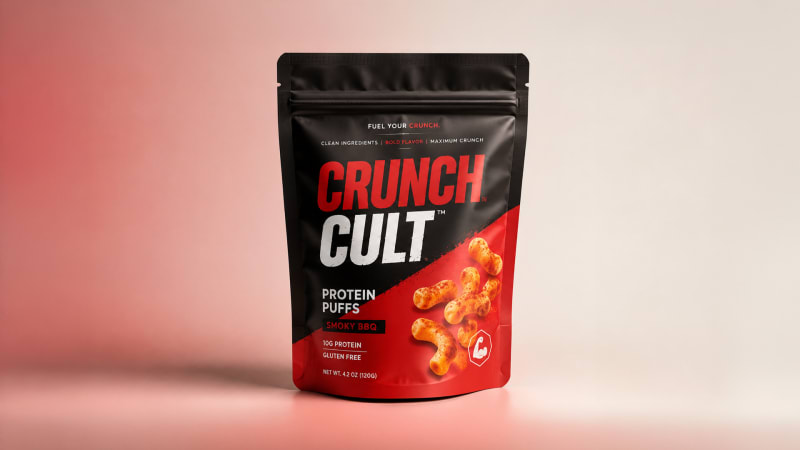
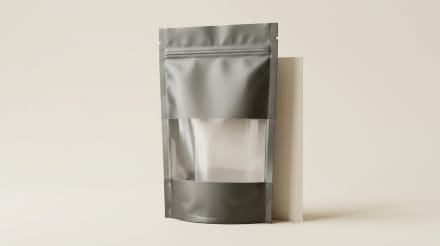
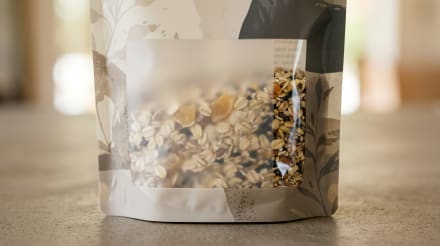
Stand-up pouches with wide mouth opening for easy scooping. Food-safe inner PE layer. Clear window options to show the product. Resealable zipper standard.
Supplements & protein
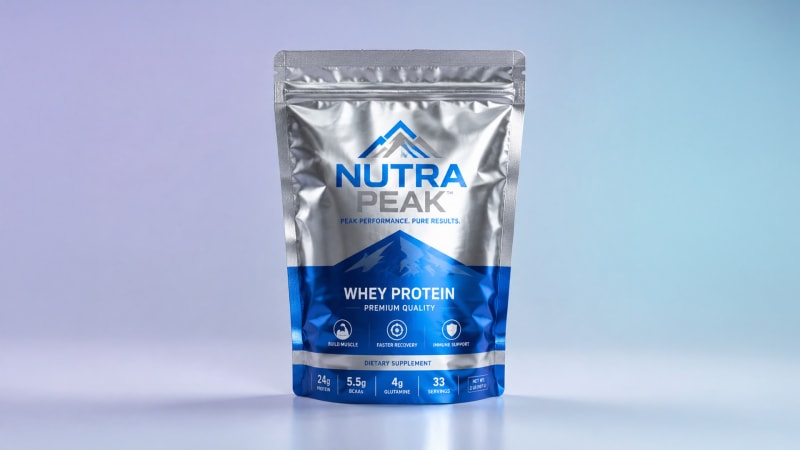
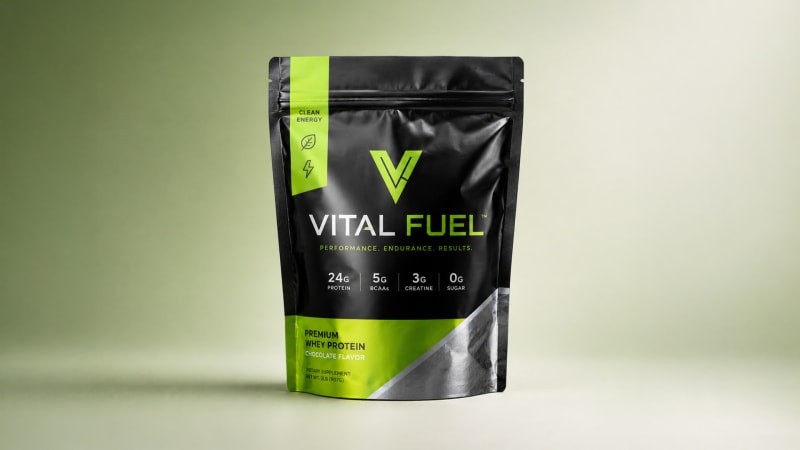
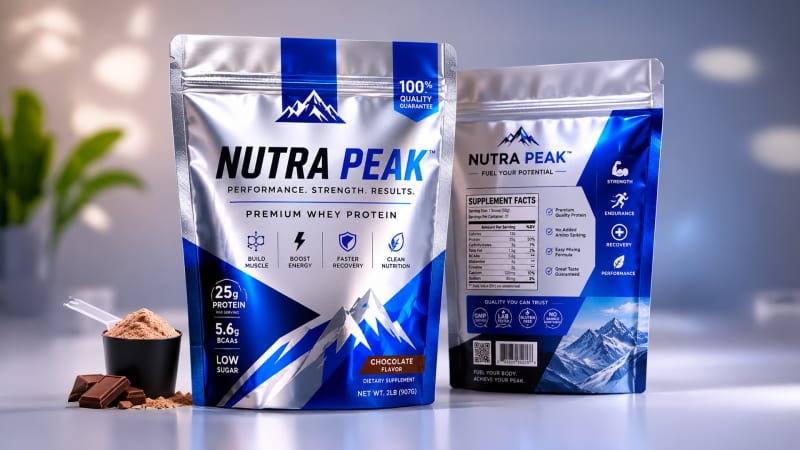
Large-format stand-up pouches for protein powder, vitamins, and superfood blends. Matte or gloss finish. Nutrition panel print area engineered into the dieline.
Pet food
Heavy-duty laminate for kibble and treats. Wide gusset for easy pouring. Resealable zipper. Bold full-bleed print on every panel, because pets can't choose their food but owners do notice packaging.
From film roll to filled shelf
The mylar bag supply chain.
01. Structure spec
We confirm the product (and its freshness requirements), size, and format. The laminate structure is engineered to the barrier specification, so nothing is over-specced and nothing is left under-protected.
02. Print & laminate
Rotogravure or digital print on the outer film layer, then lamination in sequence. All food-contact surfaces use FDA/EU compliant inks and adhesives.
03. Bag conversion & deliver
Cut and sealed into finished bags, zipper bonded, tear notch punched. Delivered flat for filling at your facility or assembled to spec by our fulfilment partners.
Questions, answered.
Width × length, plus the gusset depth if the bag has one. Never length × width × height, because a pouch has no fixed height and takes the shape of whatever is inside it.
Width and length are the flat bag laid down on a table. The gusset is the fold at the base or the sides that opens out when the bag is filled and gives it a footprint to stand on.
So a stand-up pouch quoted as 6" × 9" + 3.5" is six inches across, nine inches tall when flat, with a three-and-a-half inch bottom gusset. That third figure is the one most often left off an enquiry, and it is what decides whether the bag stands up or slumps.
In practice you do not need to work any of this out yourself. Tell us the fill weight and what the product is, because density matters enormously and 500 g of granola needs a far larger bag than 500 g of protein powder. We size the bag and return a dieline free with the quote.
They overlap, but they are not the same thing, and the difference matters when you are specifying.
Mylar describes the film, a laminated structure with a genuine barrier layer, originally named after a DuPont polyester film. It is about what the bag is made of.
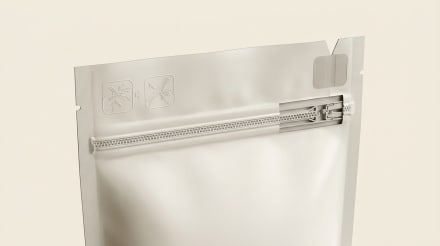
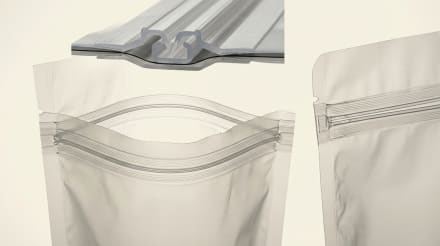
Ziplock describes the closure, the resealable press-to-close track along the top. It is about how the bag opens and shuts.
Most mylar bags sold at retail have a ziplock, which is why the terms get used interchangeably. But you can have a mylar bag with no zipper at all, sealed shut and opened once, which is cheaper and correct for single-use products. And you can have a zipper on a thin single-layer bag with almost no barrier, which is the sandwich bag in a kitchen drawer.
If someone offers you a "ziplock bag" cheaply, the question to ask is what the film structure is. The closure is the visible part, and the barrier is what protects the product.
Work backwards from the shelf life you need rather than from what looks best.
Clear film has a modest barrier, and the product is visible. Right for fast-moving goods sold within weeks: bakery, confectionery, fresh produce, anything where the customer wants to see it and it will not sit long.
Metallised (VMPET) is a microscopically thin layer of aluminium vacuum-deposited onto film. Strong oxygen, moisture and light barrier at a reasonable cost, and it is what most of this category uses. Right for snacks, powders, pet food and most dry goods.
Full aluminium foil is an actual foil layer rather than a deposited one. The highest barrier available in flexible packaging, and effectively total against light. Specified for coffee, oily products, pharmaceuticals, long-term food storage and anything needing many months of shelf life.
The practical rule: if the product oxidises, as coffee, nuts and anything oily do, do not economise on barrier. The saving is small and the failure is the product going rancid on a shelf with your name on it.
Yes, if the coffee is packed fresh. This is the single most important thing to get right on a coffee pouch.
Freshly roasted coffee releases carbon dioxide for several days after roasting. It is called degassing, and it does not stop just because the coffee has been bagged. In a sealed pouch with no vent, that gas has nowhere to go: the bag inflates like a balloon, and if the pressure builds far enough it splits a seal.
A one-way degassing valve solves it. It lets CO₂ escape from inside the bag while preventing oxygen entering from outside, which matters because oxygen is exactly what stales coffee. The valve is heat-welded into the film during manufacture.
You can skip it only if the coffee has been rested for several days before packing, which most speciality roasters do not want to do because it costs them freshness. If you are packing within a day or two of roasting, the valve is not optional.
A valve on the pack also signals freshness to customers who know the category.
These are constructions, and each one is a different answer to how the bag holds weight and how it faces a shopper.
Flat pouch is two sheets sealed on three sides. No gusset, lies flat, cheapest. Right for small fills, sachets and anything sold flat or hanging.
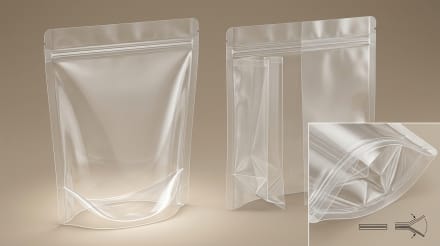
Stand-up (doypack) has a bottom gusset that opens into a footprint so the bag stands. The most common retail format, and the default for anything up to a couple of kilos.
Side gusset folds down both sides instead. Holds more volume for the same footprint, which is why it is traditional for coffee and larger dry goods.
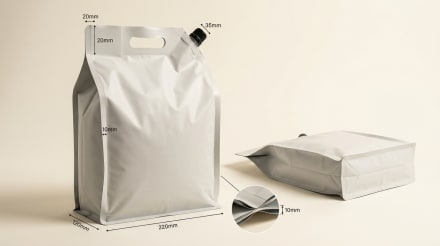
Flat bottom (box pouch) gives five printable panels and a genuine flat base. Stands with real confidence, blocks tidily on a shelf, and reads as premium. It is the most expensive of the four and usually worth it where shelf presence matters.
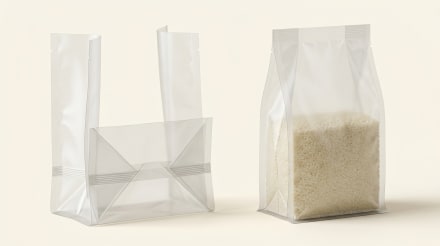
Quad seal has four vertical corner seals. Structurally the strongest, with straight sides that carry dense fills without bulging. Specified for heavier products like rice, grain and pet food.
As a rough guide: light and small, flat pouch. Retail, stand-up. Premium shelf presence, flat bottom. Heavy or dense, quad seal.
500 units for custom printed bags, with tiered pricing above 1,000. Sample orders from 10 units are available if you want to handle the material before committing.
The reason for a minimum at all is gravure printing. Each colour needs an engraved cylinder, and that tooling is a one-off cost regardless of whether the run is five hundred bags or fifty thousand. Below a few hundred units the tooling dominates the unit price to the point where custom printing stops making commercial sense.
This is also why the price per bag drops so sharply with volume, because you are amortising the same cylinder cost across more units. The jump from 500 to 2,000 units usually cuts the unit price substantially, which is worth modelling before you commit to a small first run.
If you need very low quantities, printed labels applied to plain stock bags are the honest alternative. It costs more per unit at volume and looks less finished, but it avoids the tooling entirely.
Mostly not, and it is better to be straight about that than to imply otherwise.
The barrier that makes a mylar bag work is the same thing that makes it hard to recycle. A laminate bonds several different materials, such as polyester, aluminium and polyethylene, into one film, and recycling streams are built to process single polymers. There is no practical way to separate them at kerbside.
There are two real routes if this matters to your brand:
Mono-material structures are built entirely from one polymer family, usually polyethylene or polypropylene, so the pack can enter an existing recycling stream. Barrier is lower than a mixed laminate but much closer than it used to be, and this is where most of the industry is heading.
Certified compostable films use PLA, cellulose or kraft with a compostable liner, certified to EN 13432 or ASTM D6400. They genuinely break down, but barrier is meaningfully lower, so shelf life is shorter.
Both involve a trade-off. Tell us the product and the shelf life you need and we will tell you honestly whether either will hold it.
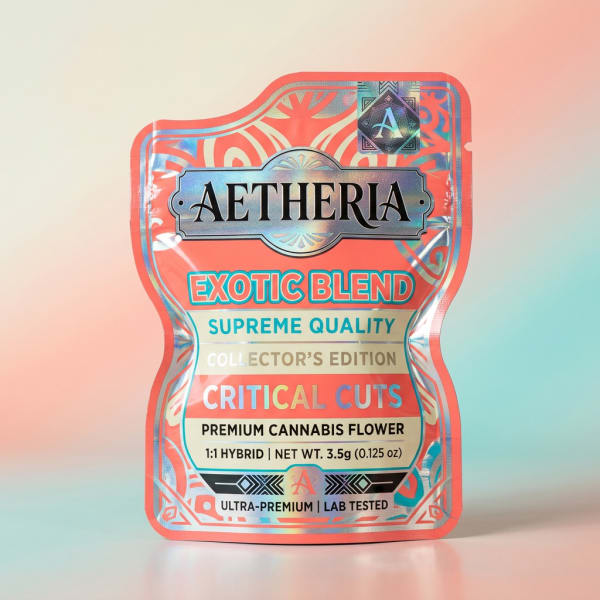
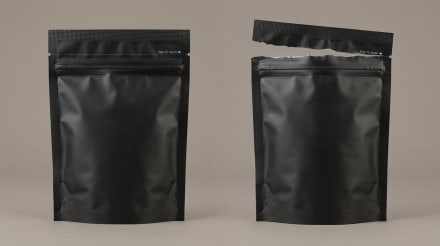
Yes. Child-resistant pouches use a certified closure that requires a deliberate two-step action, typically pressing a slider inward while sliding it across, which small children have not developed the motor coordination to perform reliably.
The certification that matters in the US is 16 CFR 1700.20, tested with panels of children and adults. It is a test of the closure rather than a claim a supplier can simply assert, and if a regulator or a retailer asks you need the documentation to back it up.
Two things to know before you specify it:
Adults have to be able to open it too. The same standard tests senior adults, because a closure nobody can open gets left open on a counter, which defeats the purpose entirely.
It is not the same as tamper evidence. Child resistance stops a child getting in. Tamper evidence proves nobody got in before the customer. Regulated products usually need both, which means a CR zipper with a heat-sealed strip above it.
Most common in cannabis, nicotine and some supplement categories.
7–10 business days from artwork approval to delivery for a standard custom printed run.
The stages are roughly: artwork and dieline confirmation, then cylinder engraving for gravure printing, then printing, then lamination, then bag making and finishing, then quality check and dispatch.
The engraving stage is the one that sets the floor on lead time. Cylinders are physically engraved for each colour, and that cannot be rushed meaningfully.
The stage that actually delays most orders is none of the above. It is artwork. Files supplied at the wrong resolution, in the wrong colour space, or without bleed have to go back and forth, and that round trip is usually longer than any production step. Sending print-ready artwork at the outset is the single biggest thing within your control.
Repeat orders run faster, because the cylinders already exist.
All orders ship nationwide across the USA.
Any size, since we build to the fill rather than to a stock range. But it helps to have starting points, so these are the sizes the category clusters around:
- Sample and single-serve sits around 3" × 5", flat pouch, no gusset
- 4 oz coffee is usually around 4" × 6" + 2.5" gusset
- 12 oz coffee runs around 5.5" × 8.5" + 3.5", usually with a valve
- 1 lb / 500 g dry goods comes in around 6" × 9" + 3.5"
- 2 lb protein powder needs around 7" × 11" + 4", with extra headspace for the scoop
- 5 lb pet food or grain takes around 9" × 14" + 5", often quad seal
- 1 gallon food storage is 10" × 14", flat, heavier gauge
- 5 gallon bucket liner is 20" × 30", flat, 5 mil or heavier
These are common industry sizes, not a fixed list. Density is what actually decides the bag, so send the fill weight and the product and we will size it properly and return a dieline free with the quote.
Your brand deserves
better packaging.
Work one to one with a dedicated packaging manager, from first sketch to delivery.