PremiumBespokeArtisanLuxuryCustom Paper Bags
Tell us about your boxes
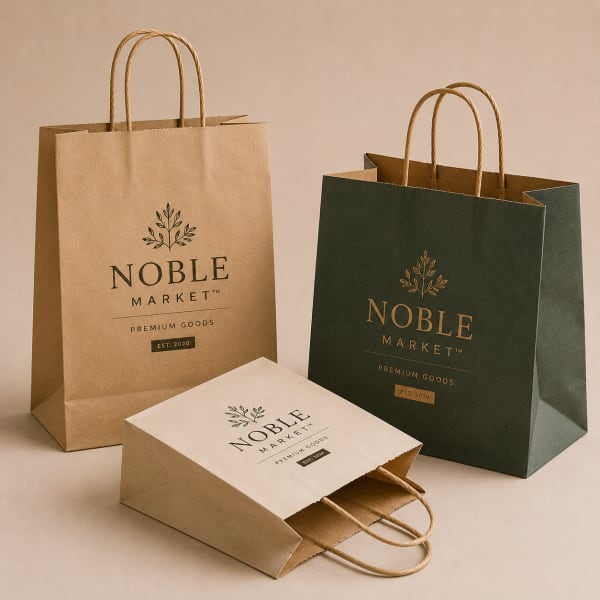
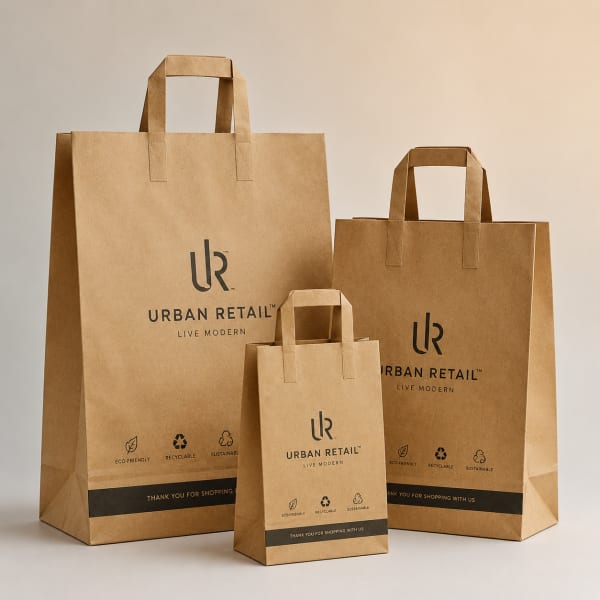
Popular Custom Paper Bags
our brands keep reordering.
Hand-picked from our custom paper bags range. 14 styles, each built for a different job.
The box is the building.
Inserts are everything else.
Furniture. Bodyguards. Stage crew. The unseen architecture that makes your product feel like it lives somewhere, not like it was just dropped in a box.
Paperboard Inserts
“Engineered paper architecture. Folds, locks, and reveals.”
Foam Inserts
“Soft armor that fits like a glove. Protection without weight.”
Molded Pulp Inserts
“Custom-shaped cradles for products of any silhouette.”
Velvet & Luxury Inserts
“Touch is the unsung sense. Make every reach into the box feel chosen.”
Bottle & Jar Inserts
“Hold the unholdable. Round things, fragile things, things that mustn't spill.”
Eco Inserts
“Plant-based, plastic-free, planet-positive. Compost-ready protection.”
Flexible Protection Inserts
“The unsung heroes of shipping. Soft cushioning that travels well.”
Marketing & Welcome Inserts
“The story slid in beside the product. Printed conversation starters.”
Every finish we offer on Paper Bags.
Materials, finishes and add-ons available for this range. Order any of them as a free sample before you commit to a run.
Materials
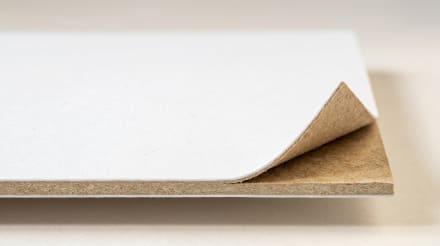
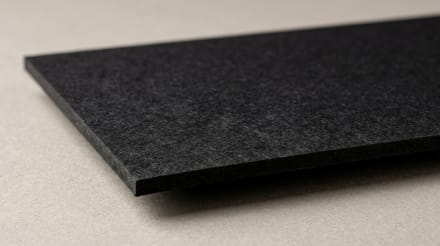
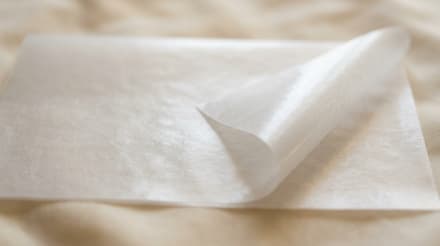
The board and film we build on
 ◷ ECO
◷ ECO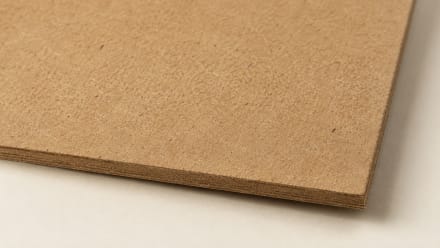
Finishes
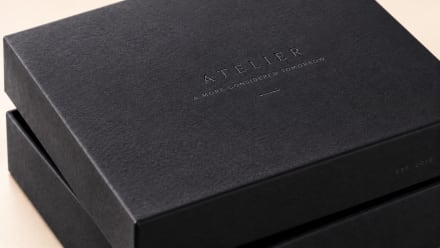
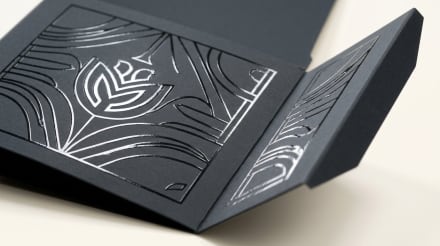
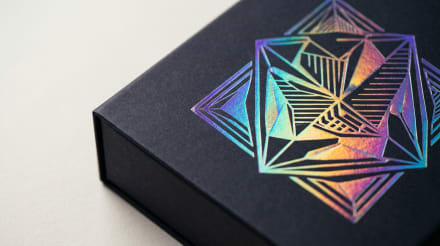
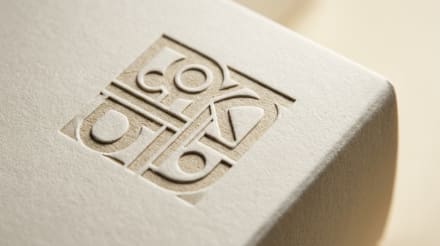
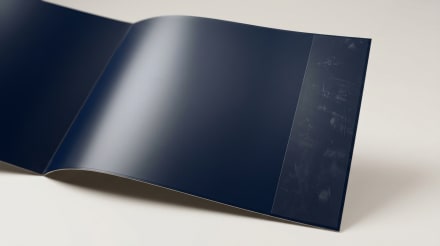
What the surface does in the light


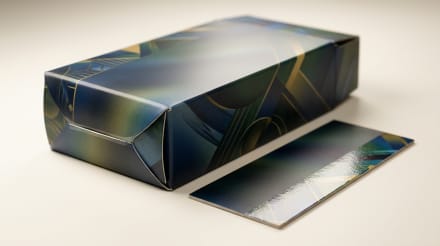
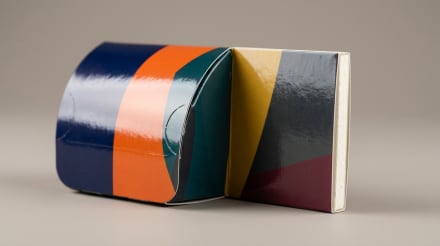

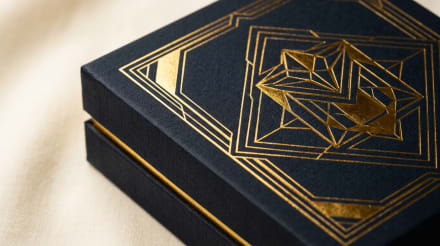
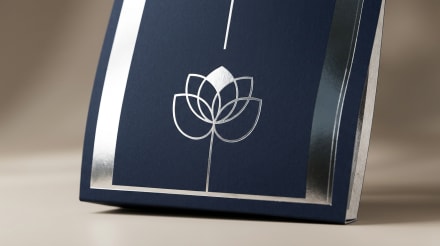

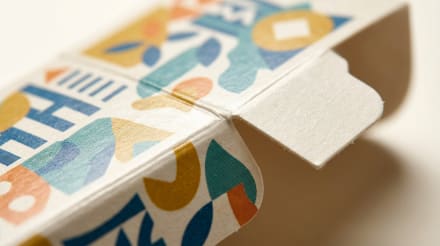
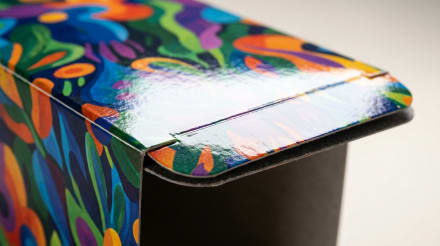
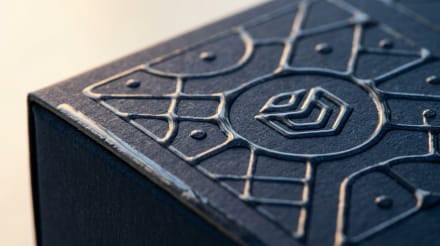
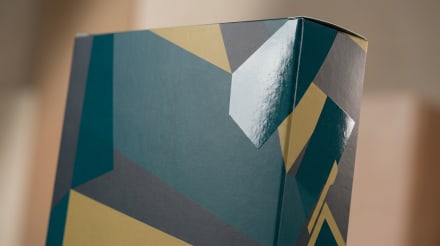
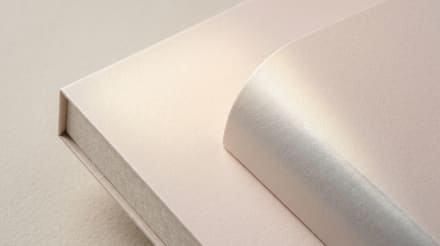
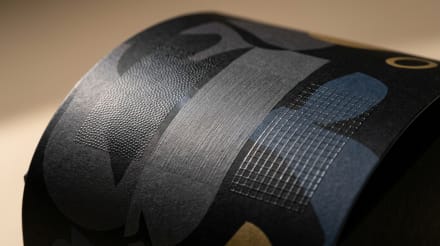
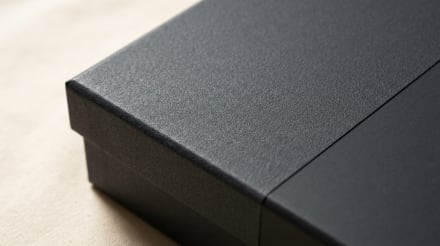
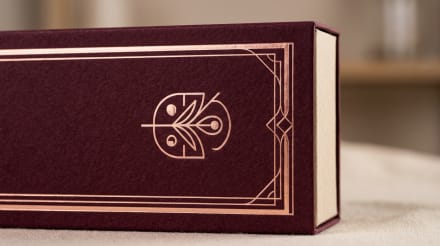
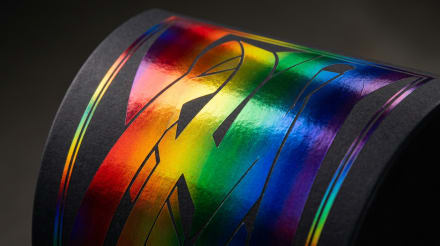
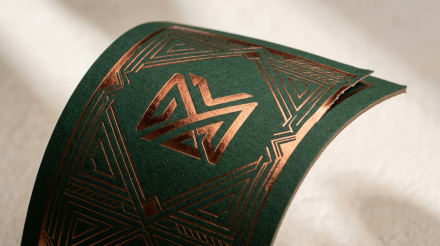

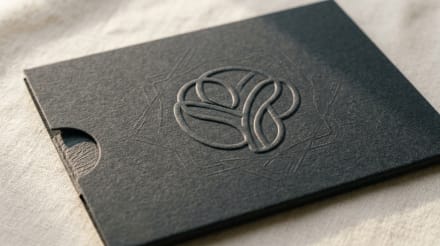



Add-ons
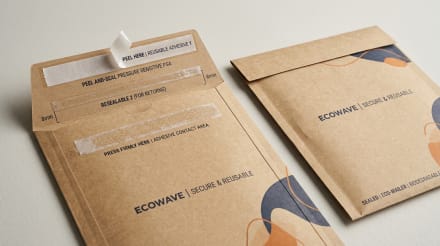
Closures, linings and the extra touches
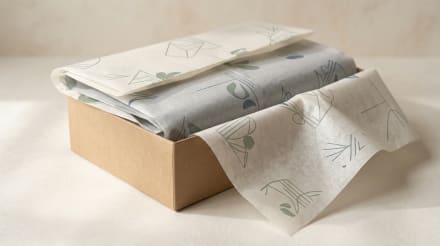
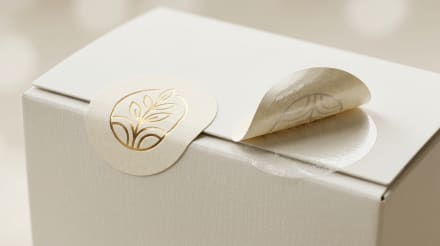
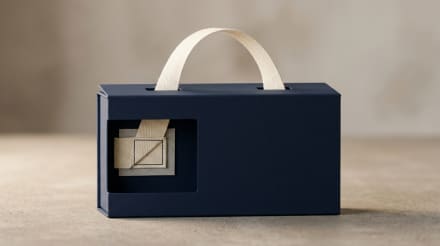
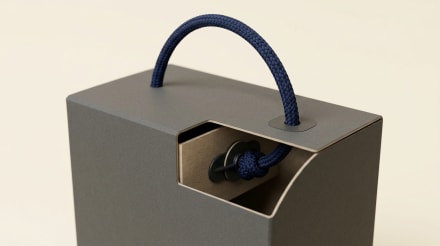
Every brand that sells at retail needs a bag.
Retail & Fashion Packaging
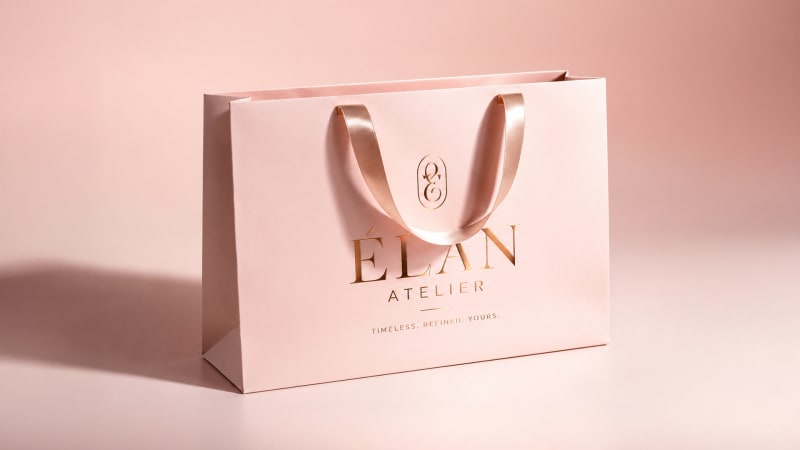
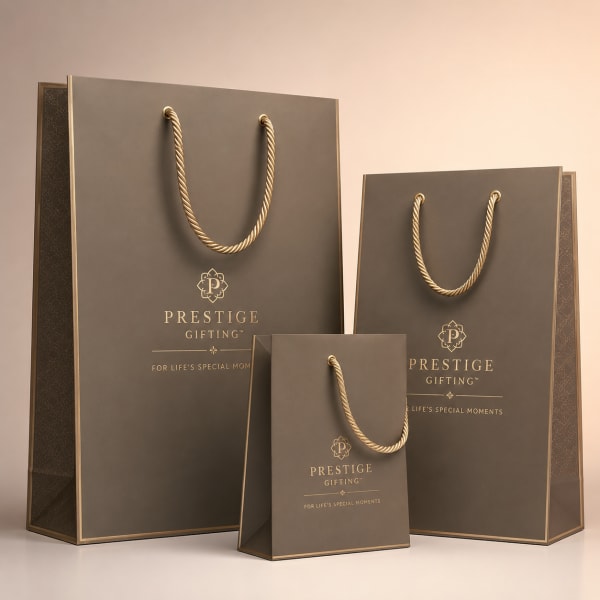
Laminated boutique carriers with cotton rope handles and full interior colour. The bag that signals brand investment at the moment of purchase and keeps advertising on the street.
The bag that carries the brand.
Custom paper bags in every handle style, board weight, and finish that turns a carry bag into a walking advertisement.
Why paper bags still dominate retail.
68% of US shoppers reuse branded paper bags. That's free advertising.
The walking billboard
A custom paper bag exits the store and walks the street, the subway, the office. Every person who sees it reads the brand name. No media buy replicates this. A single bag reaches an average of 976 people over its lifespan, according to PPAI industry data.
Reuse is the ROI
Unlike plastic, paper bags get kept. A study by Two Sides found that 68% of US consumers reuse branded paper bags at least once, as lunch bags, book covers, gift wrap, or storage. The impression window is weeks, not seconds.
Sustainability credentials
100% recyclable stock, recycled options and soy-based inks. The paper bag is the packaging format that answers the sustainability question without greenwashing, because the material itself makes the argument.
Kraft, coated, or laminated?
The material choice defines the brand signal.
Natural kraft
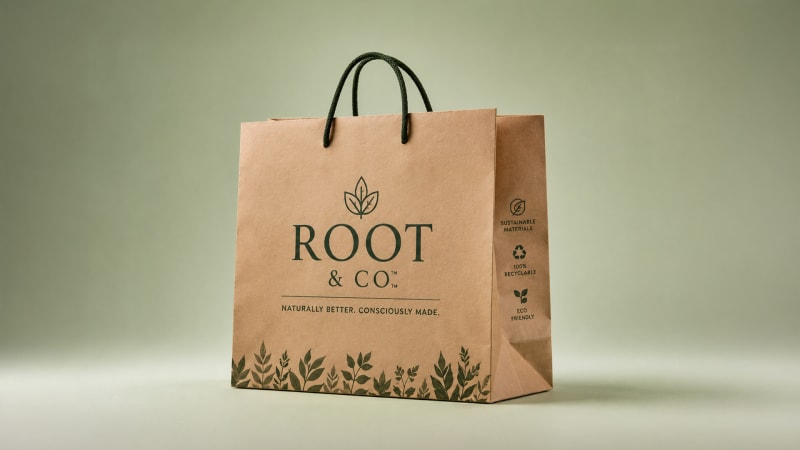
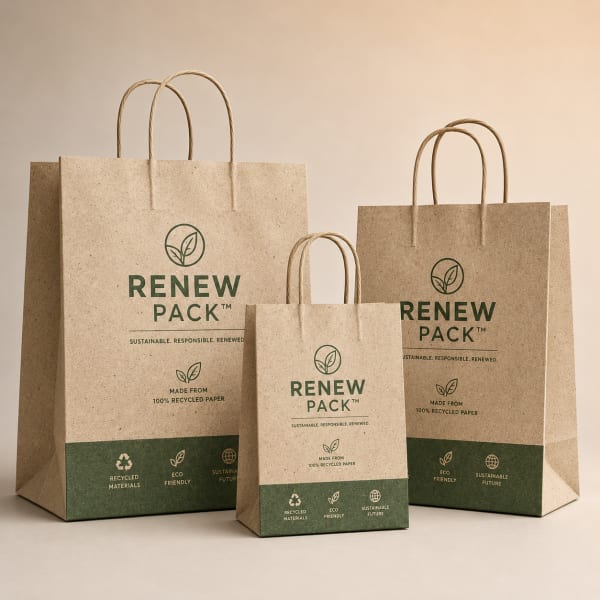
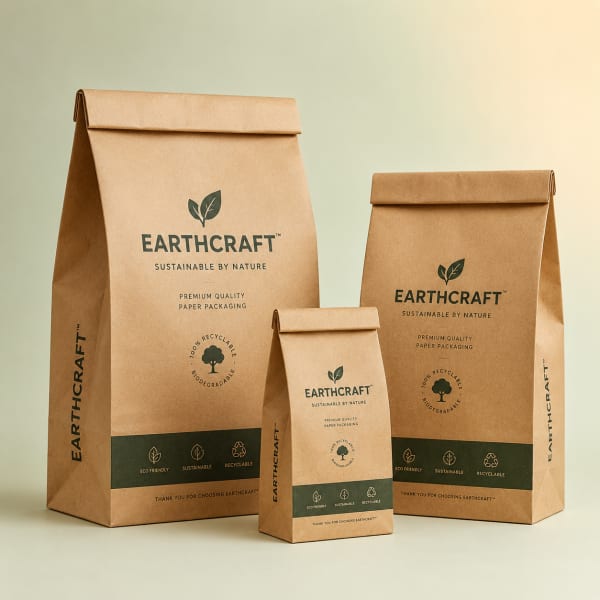
Brown kraft gives an organic, artisan, eco-forward signal. Available in 100–200gsm weights. Unbleached for the rawest sustainability statement; bleached white kraft for a cleaner premium feel. The surface prints beautifully in one to four colours.
Coated white board
Art paper coated stock at 120–170gsm. Full-colour lithographic print with high-gloss or matt lamination. The finish that luxury retail, cosmetic brands, and fashion boutiques default to, for a bag that looks expensive because it is.
Cotton rope & ribbon handles
The handle is a tactile brand touchpoint. Cotton rope gives a luxury retail feel. Paper twist handles are cost-efficient for high volume. Flat ribbon is elegant for gifting. Die-cut handles are budget-smart for grocery and food service. Each signals a different price point.
Every bag format, any volume.
Square bottom, flat bottom or die-cut, made custom to your product.
Bag styles
SOS (square open-top) · flat-bottom gusset · die-cut handle · patch handle · European carrier · wine bag with divider · boutique bag with ribbon tie. Each structure serves a different retail or food-service need.
Print coverage
Full-bleed four-colour CMYK on all exterior panels. Inside print is available for premium retail, and the interior colour reveal when a customer opens the bag top is an underused brand moment. Spot UV logo, hot foil handle accent, and embossed typography are all achievable.
Sizes and weights
From 4"×2"×6" gift bag inserts to 16"×6"×12" large retail carriers. Weight capacity is engineered to the product. A wine bag needs a 10kg floor, while a boutique jewellery bag needs a 500g floor with tissue. Custom gussets for fat or slim products.
Every retail sector, one supplier.
From boutique fashion to food service.
Retail & fashion boutiques
The carrier bag is the last piece of packaging the customer sees, and the final brand impression as they leave. Laminated boutique bags with cotton rope handles, tissue inside, full-colour print. The bag that gets reused and displayed.
Food service & bakery
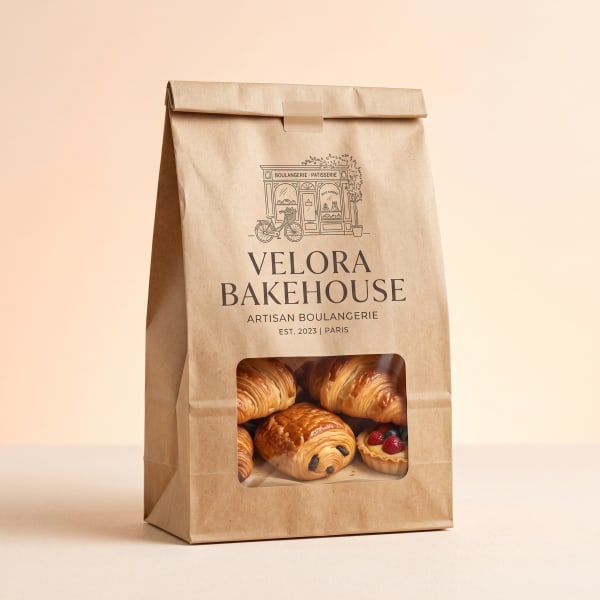
Food-safe kraft with grease-resistant coating. SOS flat-bottom for pastry boxes and deli orders. Printed with branding that works at counter and on the street. Functional, compostable, and brand-forward at once.
Events & gifting
Wedding favour bags, corporate event gift carriers, conference swag bags. Custom size, custom print, ribbon handles. Short-run minimums for events where every detail matters.
Pharmacy & health
Child-safe gusset bags, prescription carriers, supplement and wellness retail bags. Clean print, professional finish, functional closure. The packaging format that communicates trust.
Questions, answered.
A well-made twisted-handle kraft bag carries 10 pounds or more, and grocery sacks in 57–70lb kraft carry considerably more.
The paper is almost never the limit. The handle anchor is. Twisted handles are glued to a patch inside the bag mouth, and that patch is where the bag lets go. Good bags reinforce the patch and fold the top edge over it. A badly patched bag fails on the first bottle of wine no matter how heavy the paper is.
Twisted handles are made inline on the bag machine, making them the cheapest. Flat-folded handles read slightly more premium. Rope and ribbon handles are furnished separately and sit at the top of the range.
The manufacturing difference drives the cost difference. Twisted paper cord is formed and attached as part of the bag's production; rope handles are real cord knotted through punched holes or seated in eyelets, which is more labour. Retail reads that difference immediately, which is why boutiques use rope and takeout uses twisted.
At end of life, yes. Paper is widely recycled and it composts. In production, paper uses more energy and water per bag.
The honest answer depends on what you measure. Paper wins clearly on litter persistence, recyclability and marine impact, which is what most bag legislation is aimed at. Plastic wins on manufacturing footprint per unit. Reuse changes the whole calculation, because a bag carried many times beats a single-use bag of any material. That is the real case for a durable carrier.
SOS stands for self-opening square, a gusseted bag with a rectangular base that pops open and stands on its own for filling.
That mechanism is why it sits under every takeout counter. Staff snap it open and fill it two-handed, and it folds flat for storage. The pasted square base is the real engineering in the format, and it is why the paper food bag has barely changed in a century.
Fried and buttered foods do. Dry goods do not.
The tiers are straightforward. Light foods ride bare kraft, fried and buttered contents need a greaseproof or glassine lining, and sauced or steaming items move up to coated grades. PFAS restrictions now apply in a growing list of states, so ask a supplier which barrier chemistry they use. Compliant options include mechanically refined dense papers, silicone coatings and clay coatings.
80–120gsm kraft for most retail carriers, and 157–210gsm laminated art paper for boutique and gift bags.
The heavier weights are closer to light card than to bag paper, which is why a gift bag feels structural where a shopping bag feels like paper. Grocery sacks are specified in basis pounds instead, usually 57lb to 70lb kraft. That heavier grade plus a pasted square base is what lets them carry cans and glass.
Yes, though brown kraft shifts every colour printed on it and cannot reproduce white without an underprint.
Flexographic printing handles volume work up to full coverage. For accurate brand colours and photography you want white or white-top kraft, and offset-laminated bags serve the fashion tier. On brown stock, one or two colours in bold marks is what reproduces well. That limitation is also what made the kraft look read as a deliberate choice.
500 units for printed bags, with 7–10 business days production.
Bag machines are set up for continuous runs, so the changeover cost is significant and the price per bag falls sharply with volume. Stock bags with printed stickers or stamps are the lower-commitment route for small retailers, and many run that way for years before moving to printed stock.
Your brand deserves
better packaging.
Work one to one with a dedicated packaging manager, from first sketch to delivery.