OVERVIEW
What is Mylar?
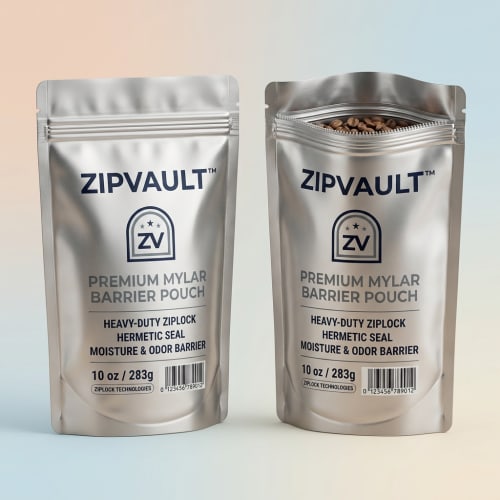
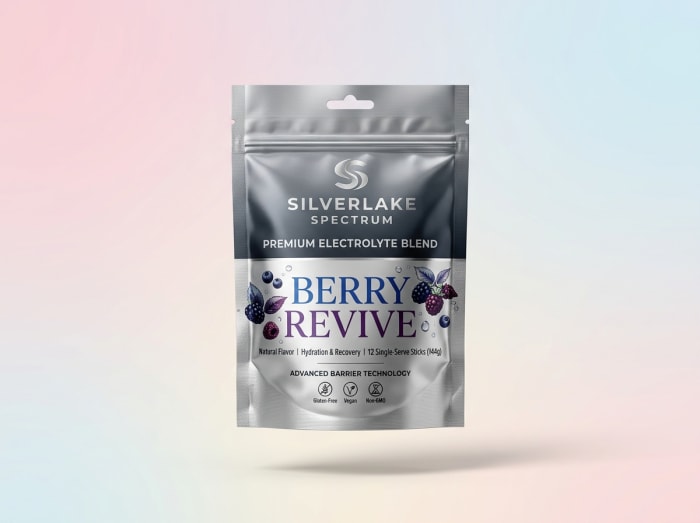
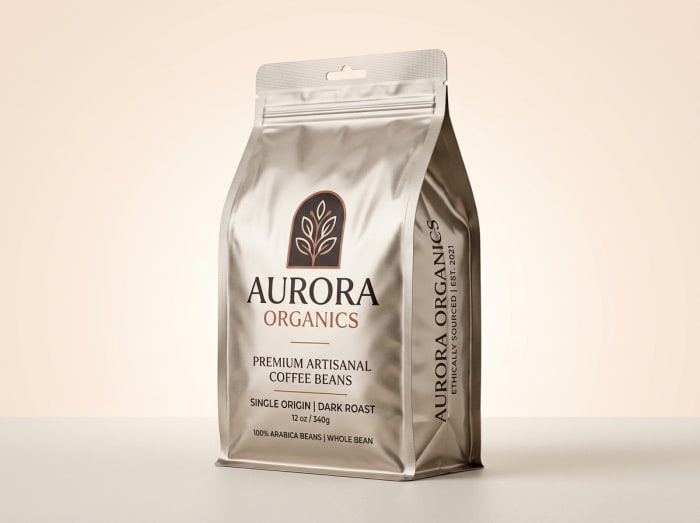
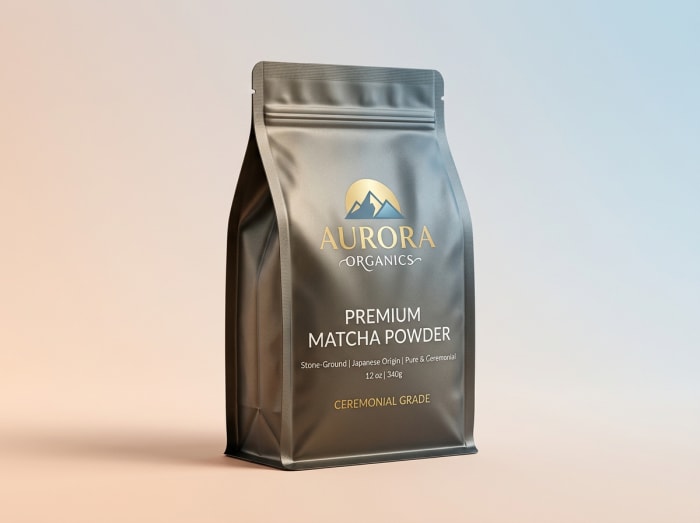
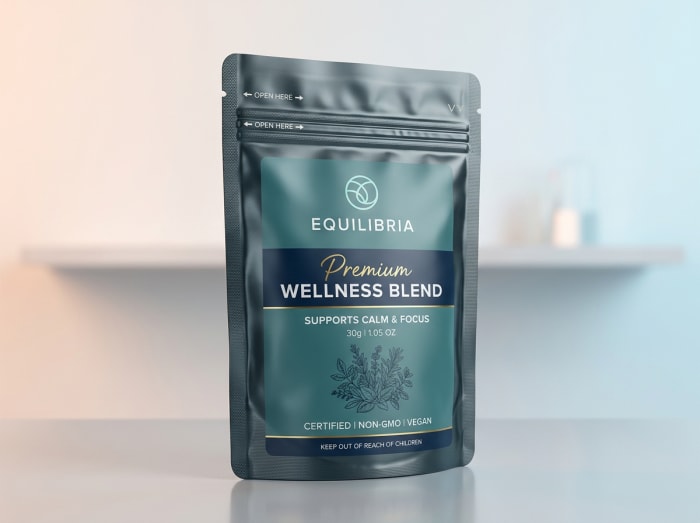
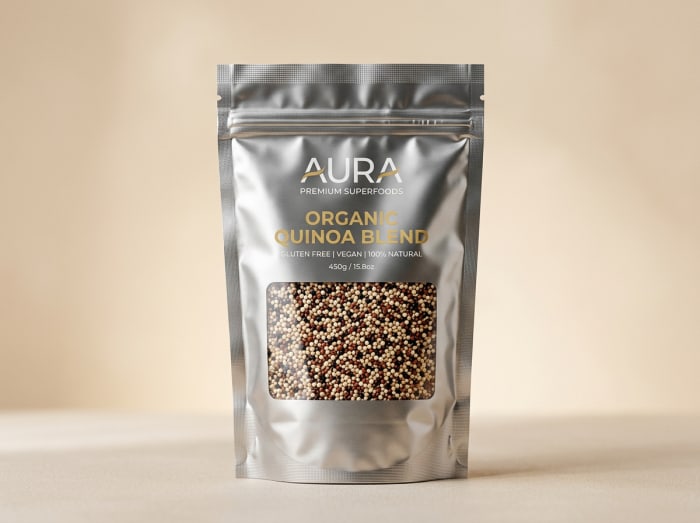
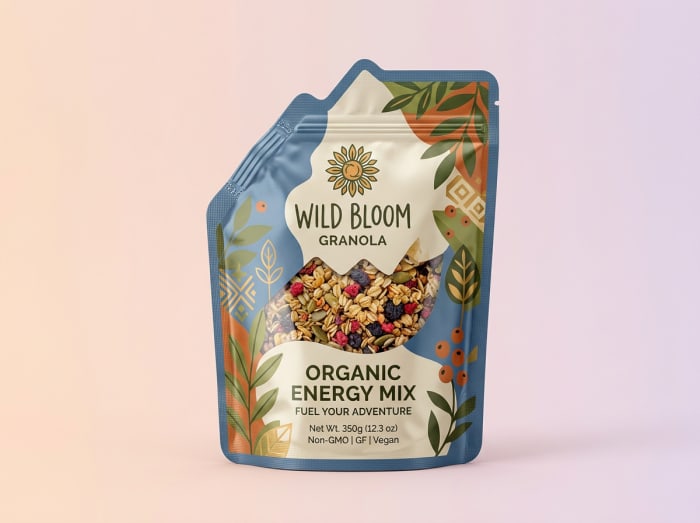
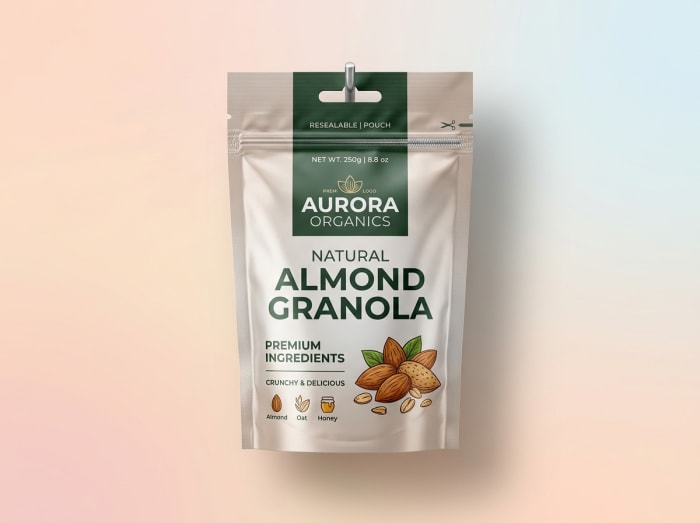
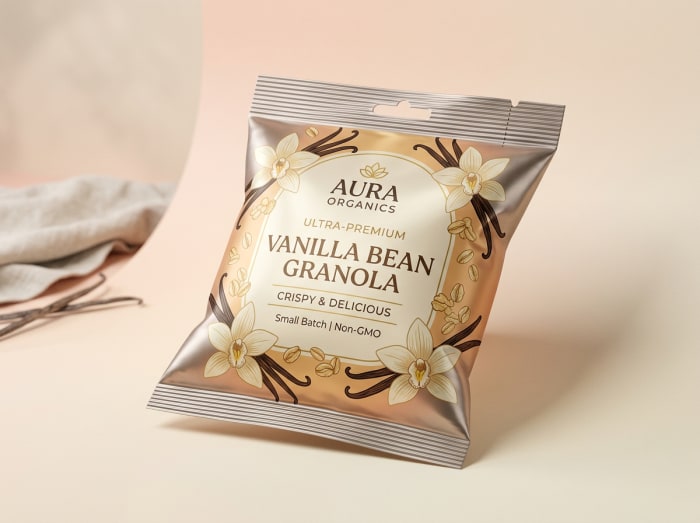
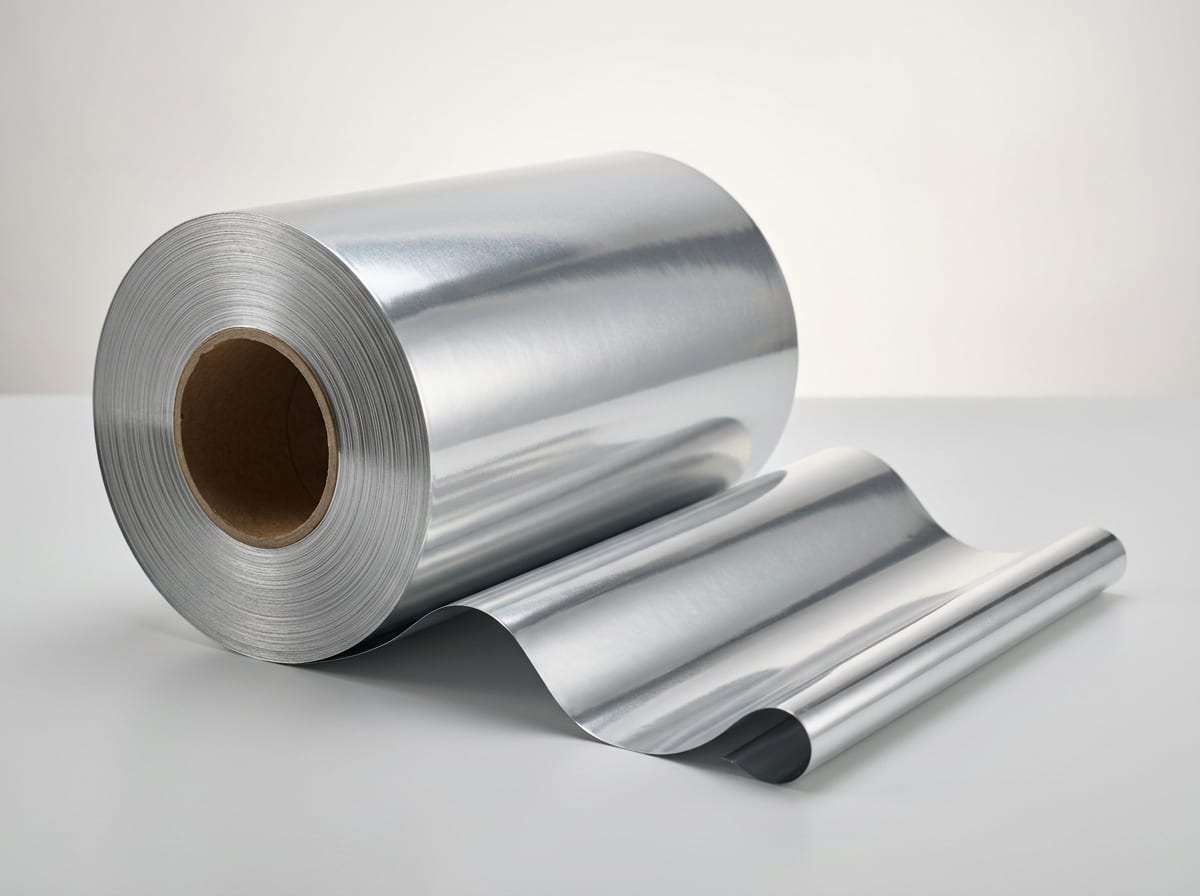
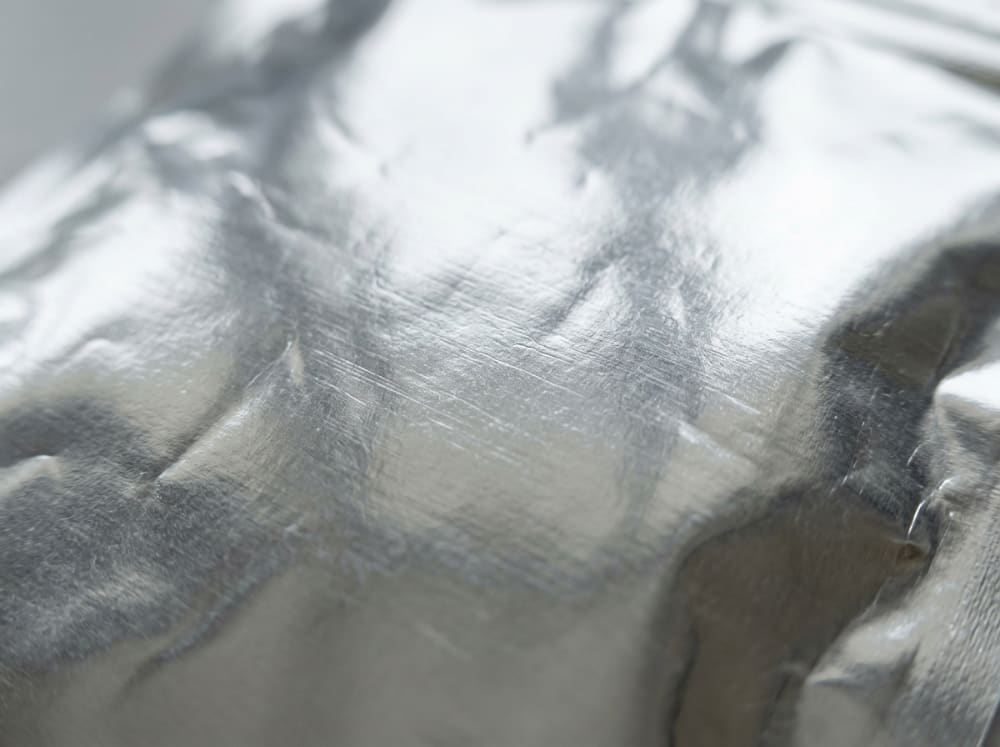
Mylar (BoPET) is a polyester film, often vacuum-metallized with a thin aluminum layer, that creates a near-impermeable barrier to moisture, oxygen and UV light — properties paper and board alone cannot match.
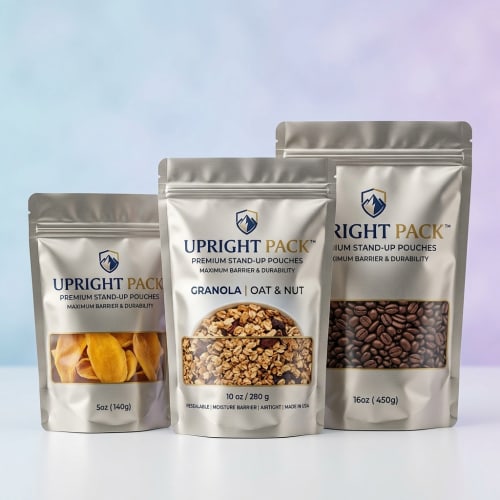
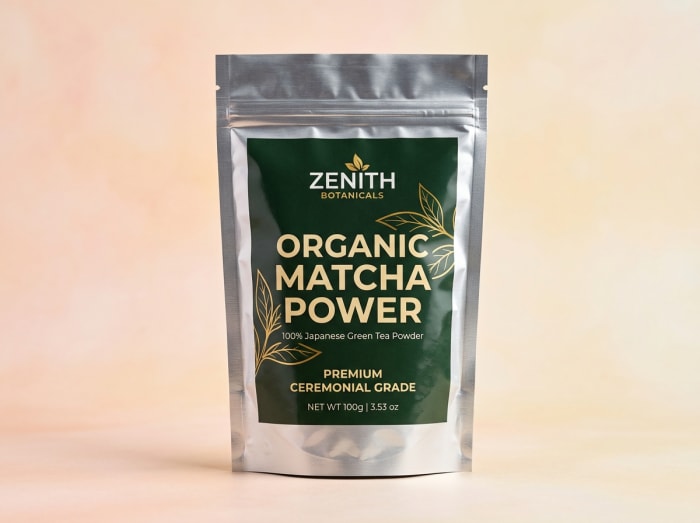
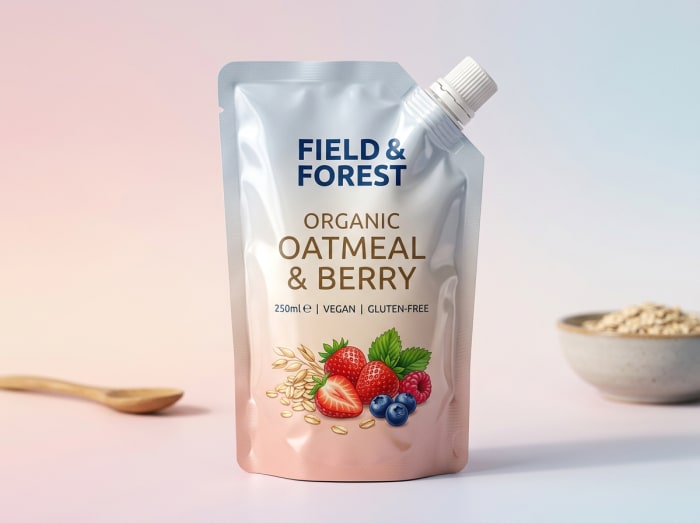
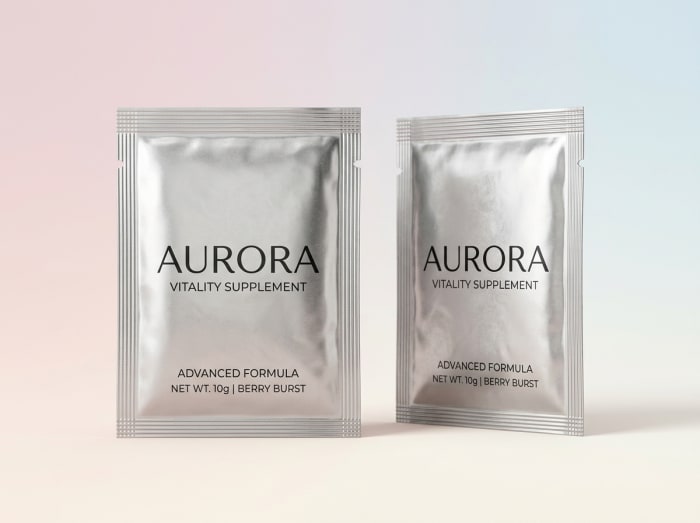
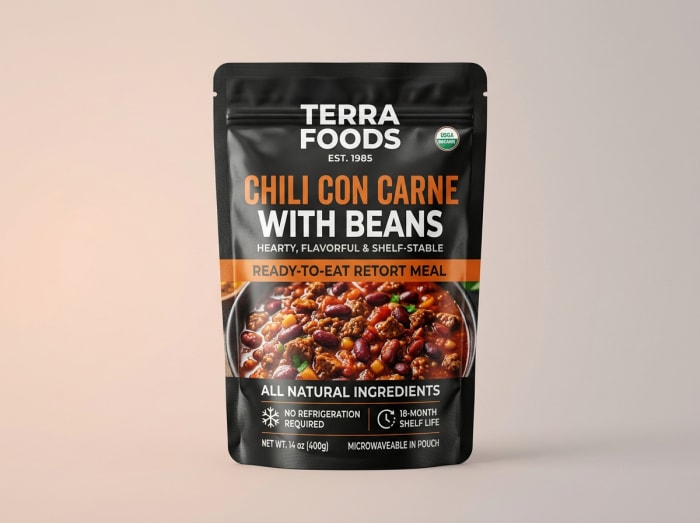
It is typically used as a pouch, liner or laminate rather than a structural box, most often heat-sealed into stand-up pouches or flat bags for products that degrade quickly when exposed to air or light.
SPECIFICATIONS
Technical at a glance
Thickness
12, 25, 48, 100 micron
Format
Stand-up pouch, flat bag, liner laminate
Seal type
Heat-seal, zip-lock, valve
Barrier rating
Near-zero O2 / moisture transmission
Recyclability
Limited — check local programs
Best for
Coffee, snacks, supplements, cannabis & CBD
IN PRODUCTION
Products made with Mylar
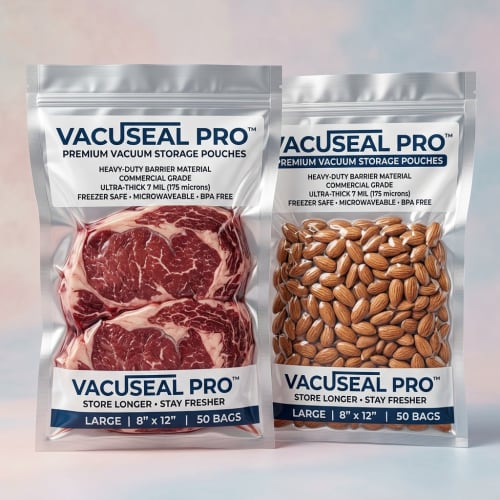
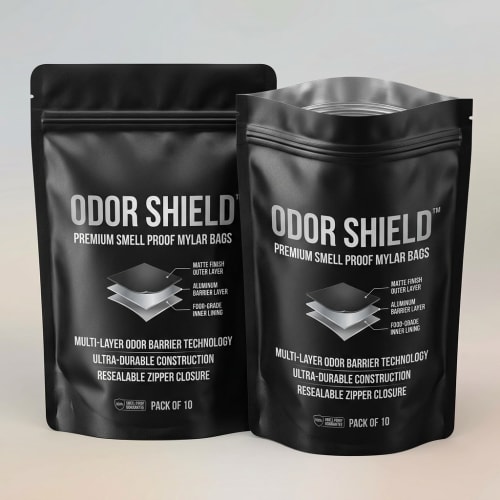
Mylar Vacuum Seal Bags
A metallised barrier under vacuum — oxygen removed and its route back in closed.
Mylar Ziplock Bags
Reseal is the whole proposition — the barrier has to survive daily opening.
Weed Mylar Bags
The eighth is the retail unit — and the bag is drawn around it, not a nominal size.
Biodegradable Mylar Bags
Certification over adjective — compostable means tested, biodegradable often means nothing.
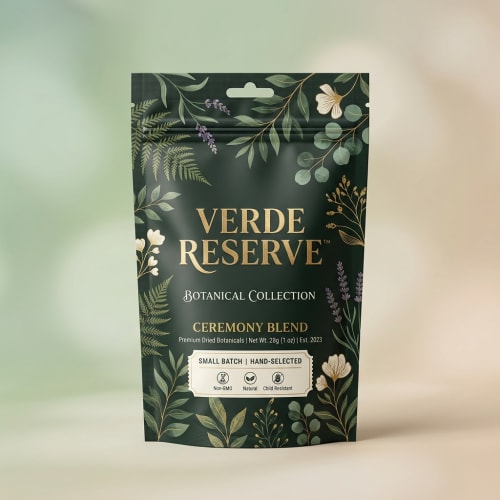
Cannabis Mylar Bags
Certification attaches to the film and the closure together — not the zipper alone.
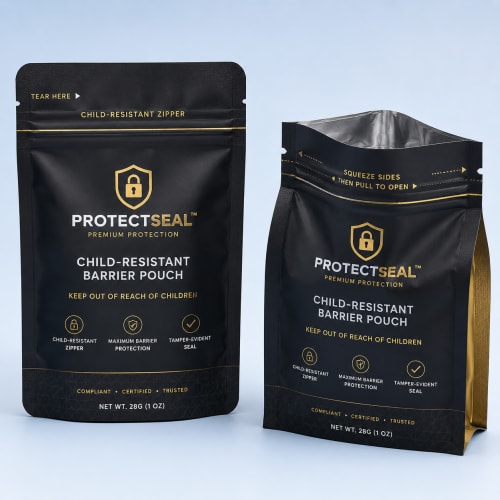
Child-Resistant Mylar Bags
A barrier pouch with a zipper only adults can work — press-to-close plus a slider lock.
Circle Mylar Bags
Measured by diameter alone — a round pouch, not a bag with a width and a length.
Clear Mylar Bags
Full transparency, where the product is more persuasive than any print could be.
WHO USES IT
Industries that rely on Mylar
C
Coffee & Tea
Fresh-seal barrier pouches
S
Snack Food
Moisture & oxygen protection
S
Supplements & Nutraceuticals
Shelf-stable barrier packaging
C
Cannabis & CBD
Compliant barrier pouches
P
Pet Food
Shelf-stable pouches
P
Pharma & Health
Moisture-sensitive product protection
S
Specialty Food
Artisan food barrier bags
O
Outdoor & Survival Goods
Long shelf-life packaging
THE PROCESS
How Mylar is made
01
Film extrusion
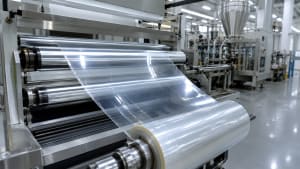
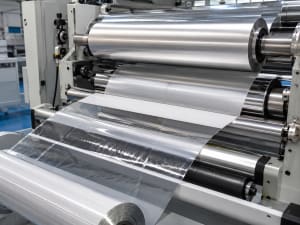
Polyester resin is extruded into a thin base film.
02
Metallization
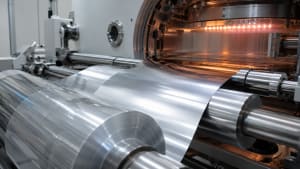
A thin aluminum layer is vacuum-deposited for barrier protection.
03
Lamination
The film is bonded to other layers for strength and printability.
04
Pouch forming & sealing
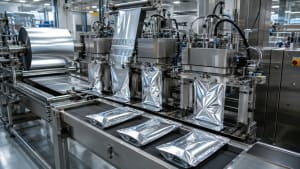
The laminate is cut, formed and heat-sealed into the final pouch.
+
Advantages
✓
Best-in-class barrier — near-total protection from moisture, oxygen and light.
✓
Extends shelf life — significantly slows product degradation.
✓
Lightweight — lower transport weight than rigid barrier alternatives.
✓
Heat-sealable — enables tamper-evident, secure closures.
✓
Blocks light-driven degradation — protects light-sensitive products.
!
Considerations
–
Not curbside recyclable — most municipal programs cannot process metallized film.
–
Weaker sustainability story — less aligned with paper-first eco positioning.
–
Higher relative cost — the most expensive option in the material lineup.
–
Specialized equipment needed — heat-sealing requires dedicated machinery.
SUSTAINABILITY
Eco-friendly level
Mylar trades a weaker recyclability story for shelf-life gains that reduce food waste — mono-material recyclable variants are emerging but not yet widely available.
✓Reduces food waste via shelf life✓Lightweight (lower transport footprint)✓Some recyclable mono-material options exist
ECO RATINGLimited · 2 / 5
LowModerateExcellent
COST COMPARISON
Relative cost per unit
Indexed against Mylar = 2.3× — actual pricing depends on size, finish and volume.
Mylar
2.3×
Kraft
1.0×
Cardboard
1.2×
Recycled White
1.2×
Corrugated
1.5×
Paper Tubes
1.4×
Rigid
3.0×
IF NOT MYLAR
Alternative materials
GALLERY
Ready to package in Mylar?
Get a free dieline, a physical sample and a quote tailored to your product — within 24 hours.