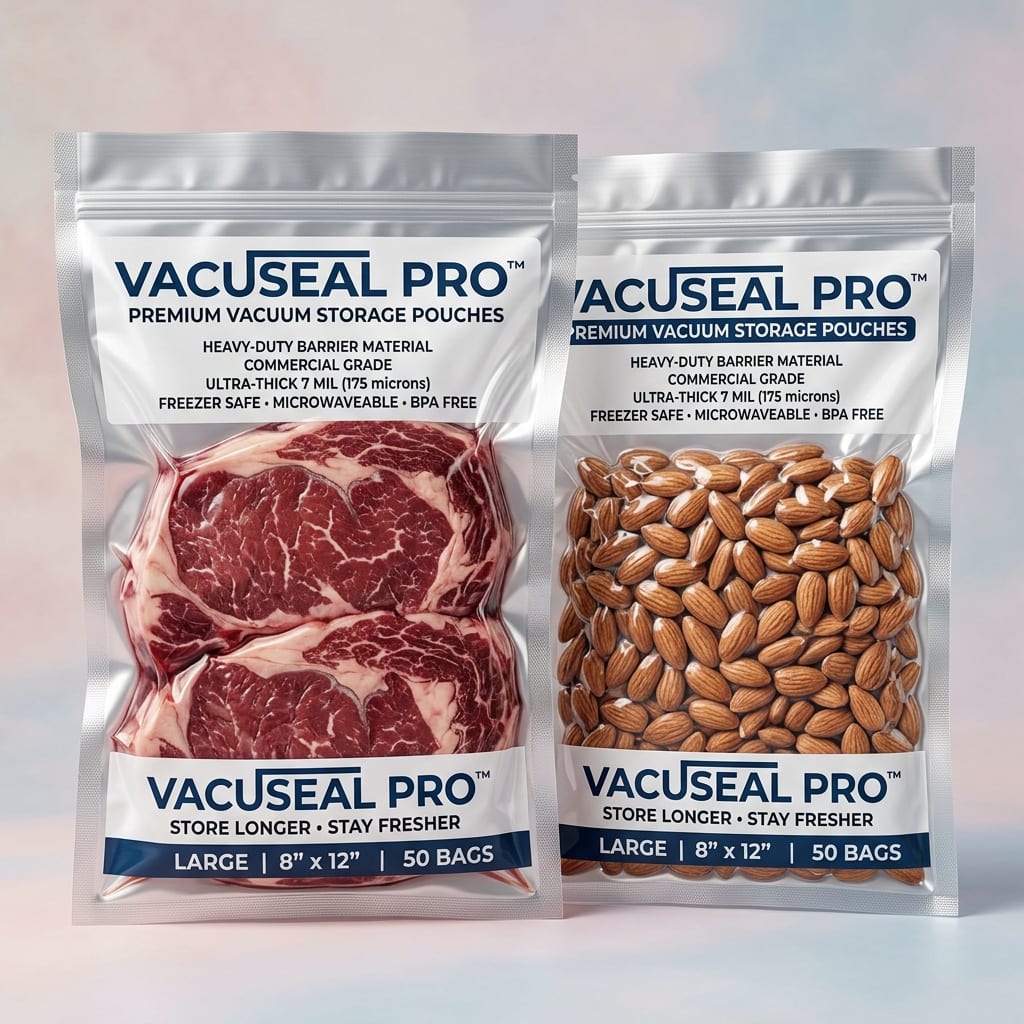
Mylar Vacuum Seal Bags.
Final price depends on size, material, finish and quantity. Your packaging manager confirms it before production.
Your custom box, quoted.
The full specification book.
Six chapters. Six colours. Click a tab to turn the page.
Mylar Vacuum Seal Bags
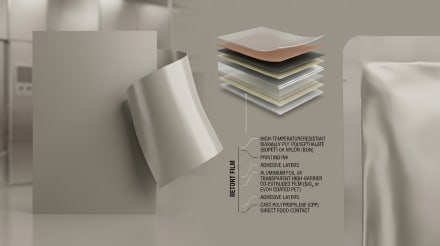
A metallised barrier under vacuum, with the oxygen removed and its route back in closed.
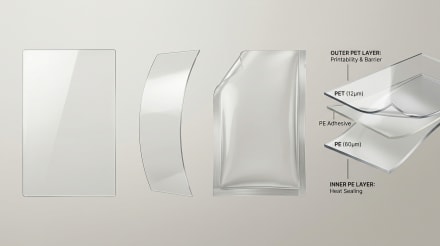
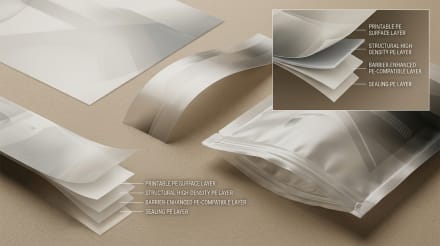
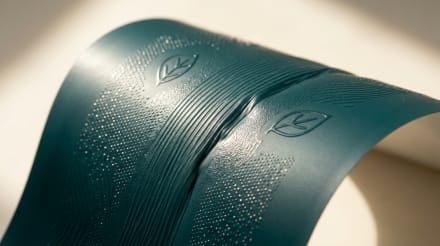
Vacuum takes out the air already inside; the laminate stops more getting in. Textured channels let a domestic sealer draw evenly rather than pinching at the seal.
Every detail. Intentional.
Two mechanisms together
Vacuum plus barrier, not one or the other.
Embossed channels
So a home sealer draws air evenly.
Gauge against puncture
Corners are where vacuum finds weakness.
Sized to the portion
Bulk holding versus staged opening.
Full metallisation blocks light
Which degrades stored contents over months.
Seal tested filled
With the actual contents in the seam area.
Built like architecture.
Every order of Mylar Vacuum Seal Bags is an engineered build, measured, dieline-cut and hand-wrapped to spec. Below is the standard build sheet.
✦ Need a custom spec? Talk to our atelier. Every detail is negotiable.
Every surface, hand-selected.
What this product is built from, and the surfaces it takes. Below the build sheet sits the full swatch library. Every option applies across our range, and a physical swatch set is available on request.
Material
The board and paper your box is built from.
 ◷ FINISH
 ◷ FINISH
 ◷ FINISH
 ◷ FINISH
 ◷ FINISH
 ◷ FINISH
 ◷ FINISH
 ◷ FINISH
 ◷ FINISH
 ◷ FINISH
 ◷ FINISH
 ◷ FINISH
Finishes
How the outer surface looks, feels, and catches light.
 ◷ FINISH
 ◷ FINISH
 ◷ FINISH
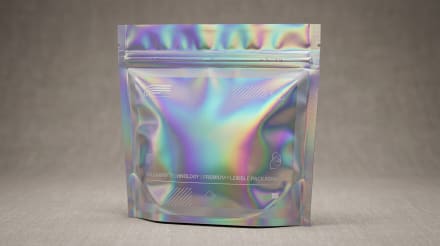 ◷ FINISH
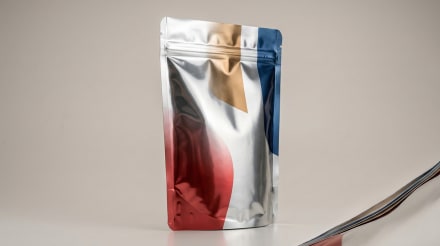 ◷ FINISH
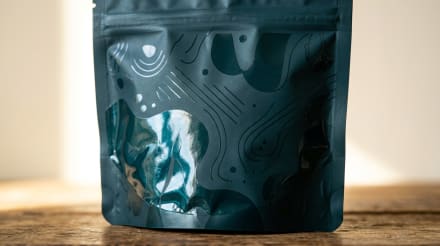 ◷ FINISH
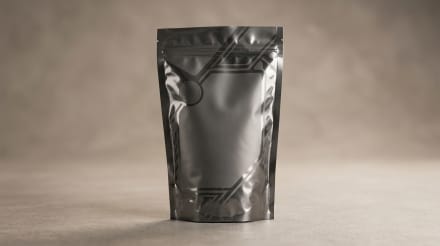 ◷ FINISH
 ◷ FINISH
 ◷ FINISH
 ◷ FINISH
 ◷ FINISH
 ◷ FINISH
Add-ons
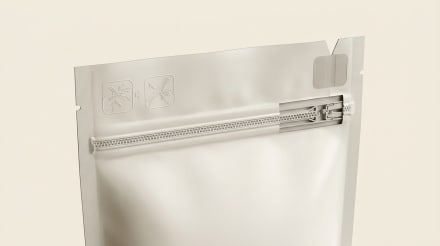
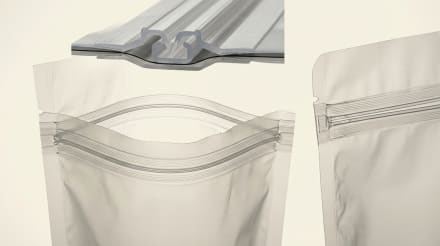
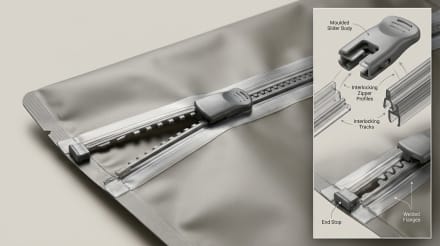
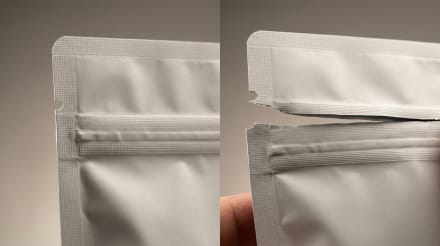
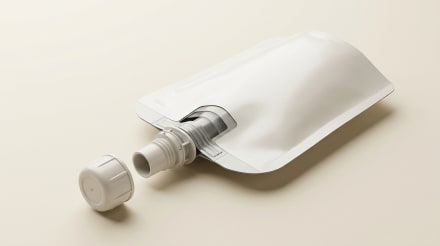
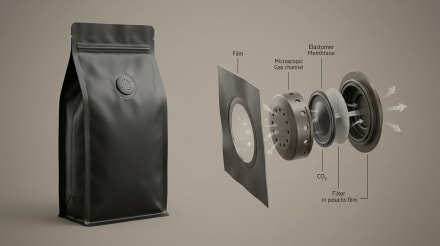
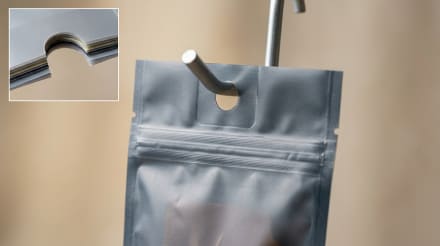
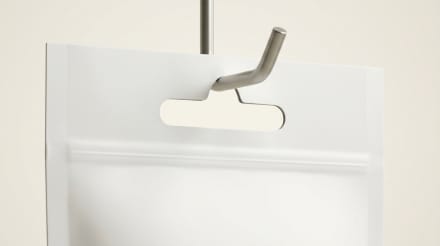
Closures, linings, and hardware that complete the build.
 ◷ FINISH
 ◷ FINISH
 ◷ FINISH
 ◷ FINISH
 ◷ FINISH
 ◷ FINISH
 ◷ FINISH
 ◷ FINISH
 ◷ FINISH
 ◷ FINISH
 ◷ FINISH
 ◷ FINISH
 ◷ FINISH
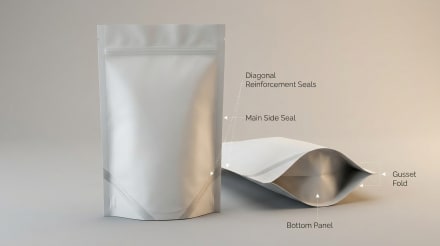 ◷ FINISH
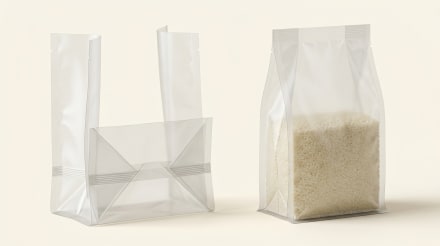 ◷ FINISH
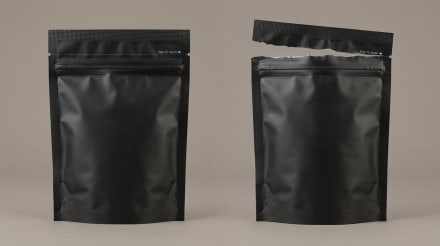 ◷ FINISH
✦ Mix and match across all three and we'll build your exact combination.
The full kit of capabilities.
Sizing & dieline.
Every Mylar Vacuum Seal Bags is made to your fill, not pulled off a shelf. A pouch is quoted width × length. Tell us what goes inside and how much of it, and we return a measured spec, free, before you commit to anything.
A pouch is sized by what goes in it, not by outside dimensions. Give us the fill weight and, if you can, the bulk, since 500 g of granola needs far more bag than 500 g of powder.
We quote width × length. Flat pouches need no gusset figure, because the bag lies flat when empty.
Zipper or heat seal only, valve or no valve, window or full barrier. These change the film and the bag height, so they belong in the spec rather than added afterwards.
✦ Not sure of your size? Send us the product and we measure it and build the dieline.
Pricing & minimums.
We price Mylar Vacuum Seal Bags per specification rather than from a fixed list, because the same build in two different finishes can land at very different numbers. Below is what actually moves the price, so you can shape the spec before you request a quote.
The single biggest lever. Unit cost falls sharply as volume rises, because setup and tooling spread across more pieces.
Board weight and stock choice change both the raw material cost and the shipping weight of the finished run.
Foil, spot UV, embossing and soft-touch each add a pass on press. One or two lift the box; five compound the cost.
Full-bleed print inside and out costs more than a one-sided design on natural stock.
Foam, moulded pulp, velvet pillows, magnets and ribbon are priced per piece on top of the box itself.
Standard production is the base rate. Rush moves you up the production queue and carries a surcharge.
✦ Quotes returned within 24 hours.
Questions, answered.
Everything you need to know about Mylar Vacuum Seal Bags.
Embossed bags have a textured inner face that keeps an air path open for a countertop suction sealer, while smooth bags only work in a chamber machine. A suction sealer pulls air out through the open mouth of the bag, and without the channels the film pinches flat and traps pockets behind the seal.
A chamber sealer evacuates the whole cavity at once, so it does not need channels and can use the cheaper smooth co-extruded film. Tell us which machine you run and we'll quote the right one.
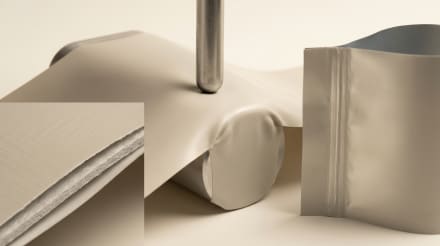
Under vacuum the film is pulled tight against every hard edge inside, so a bone, a shell or a frozen corner becomes a puncture point. A slack pouch lets the contents float. A vacuum bag is under constant tension from the moment it is sealed, and the corners are where it fails first.
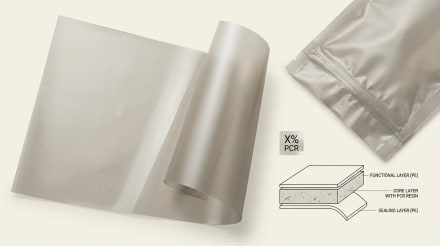
We spec a heavy-gauge nylon and PE structure as the default for that reason. It costs a little more per bag than standard film and it stops the one failure that wastes the whole pack.
Yes, we have film structures rated for sustained cooking temperatures, but they need to be specified at quote stage. A standard storage film softens and its seal creeps when held in hot water for hours. The sous-vide-rated version uses a different sealant layer that holds at temperature.
Confirm the bath temperature and hold time you run and we'll match the film to it. The bag looks identical to the storage grade, so we mark the roll or carton so they are not mixed on the line.
Clear is the default, because a bag in a freezer needs its contents recognised without being opened. If you want branding, a printed panel on one face leaves the other clear. A write-on patch is the cheapest addition and the one commercial kitchens use most, since a matte area takes a marker for date and contents.
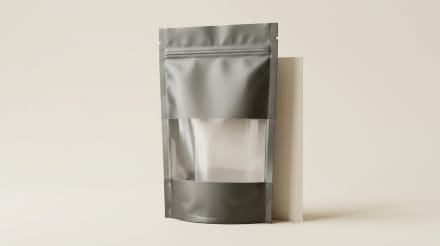
Matte film cuts glare and grips better in wet hands. Where light matters more than visibility, we can run one foil face against one clear face, or full foil on both sides.
We measure them flat, width by length, and 6 x 9, 8 x 12 and 10 x 14 inches cover most portion and bulk needs. The right size leaves at least three inches of free film above the contents so the sealer has clean material to work with. Product in the seal area is the usual reason a vacuum bag leaks.
Roll stock is available too, so you can cut each bag to the length of what goes in it rather than stocking several sizes.
We run vacuum bags from 500 pieces. That covers a plain embossed or smooth bag as well as a printed panel version, and the unit price tiers down above 1,000. Roll stock is quoted by the roll rather than the bag, so ask if you cut to length on site.
Orders scale to 100,000 pieces without changing the film, which matters if you are qualifying a bag on one machine before rolling it out across a kitchen group.
Vacuum bags take 7 to 10 business days on the standard schedule, or 5 to 7 business days if we rush them. Samples are with you in 5 to 7 business days, and whatever you pay for them is deducted from the production order.
We would always send a sample through your own sealer before committing. Seal it with the real contents in place, since a bag that seals empty and fails filled tells you nothing useful.
Vacuum pulls the film into contact with the contents, so there is no air pocket for ice crystals to form in. That contact is what prevents freezer burn, and it holds only as long as the seal does. The bag is freezer rated, meaning the film stays flexible at low temperature instead of going brittle and cracking at the folds.
Where light is a concern over a long store, the full-foil or clear-and-foil option blocks it completely. Nothing about a vacuum removes every last trace of oxygen, so absorbers still go in where that matters.
Other products you might love.


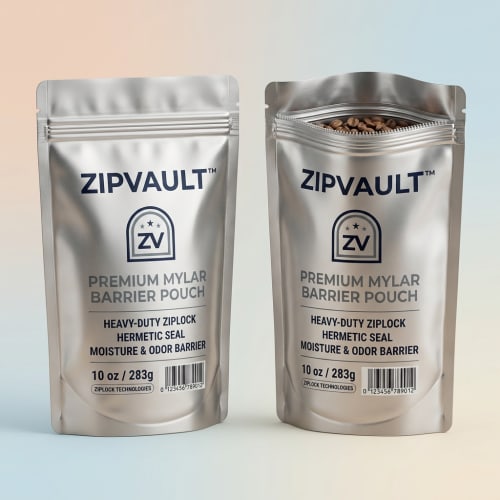

Ready to start your Mylar Vacuum Seal Bags project?
Get a free quote in 24 hours. Our atelier is here to help.