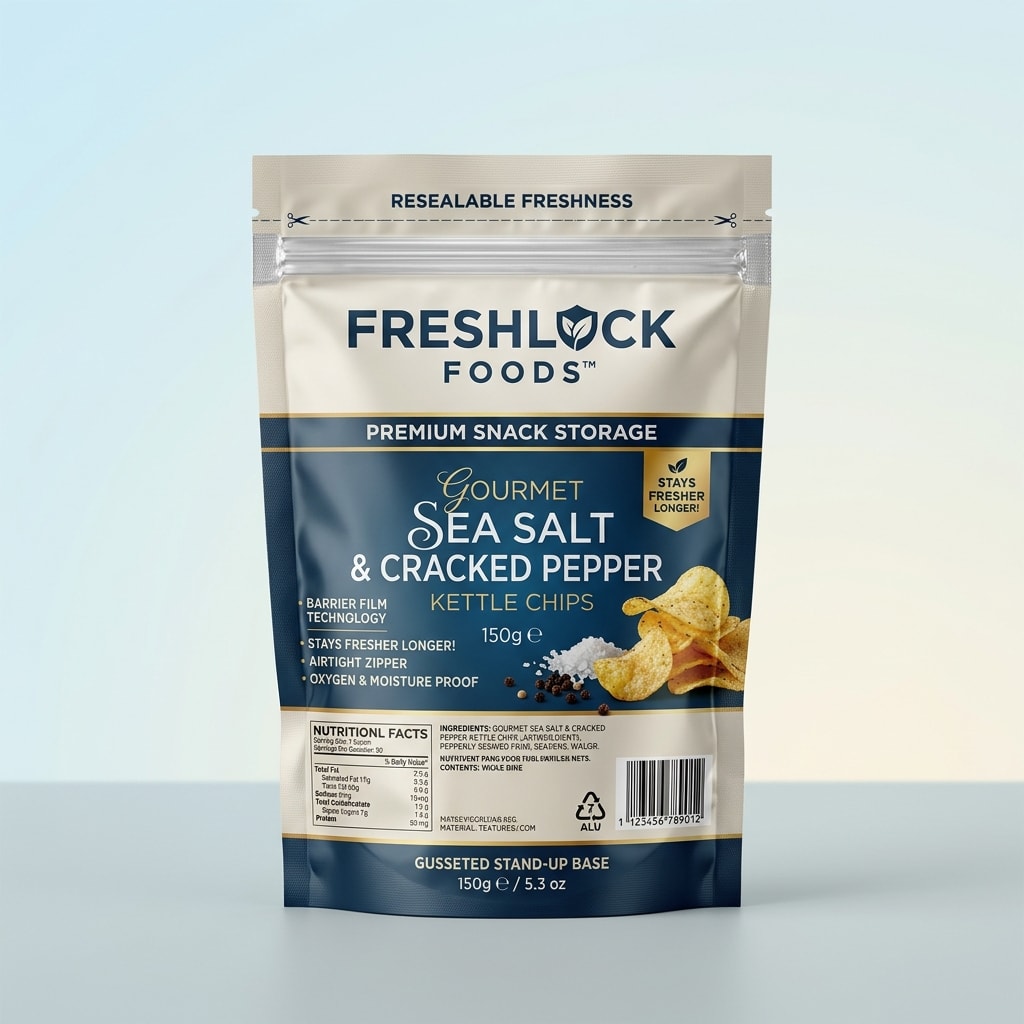
Back Seal Bags.
Final price depends on size, material, finish and quantity. Your packaging manager confirms it before production.
Your custom box, quoted.
The full specification book.
Six chapters. Six colours. Click a tab to turn the page.
Back Seal Bags
The seam runs down the back, leaving the whole front face clean for print.
A pillow bag closing on a single rear fin. It uses less film per unit than any gusseted format, which is why high-volume snack and powder lines favour it.
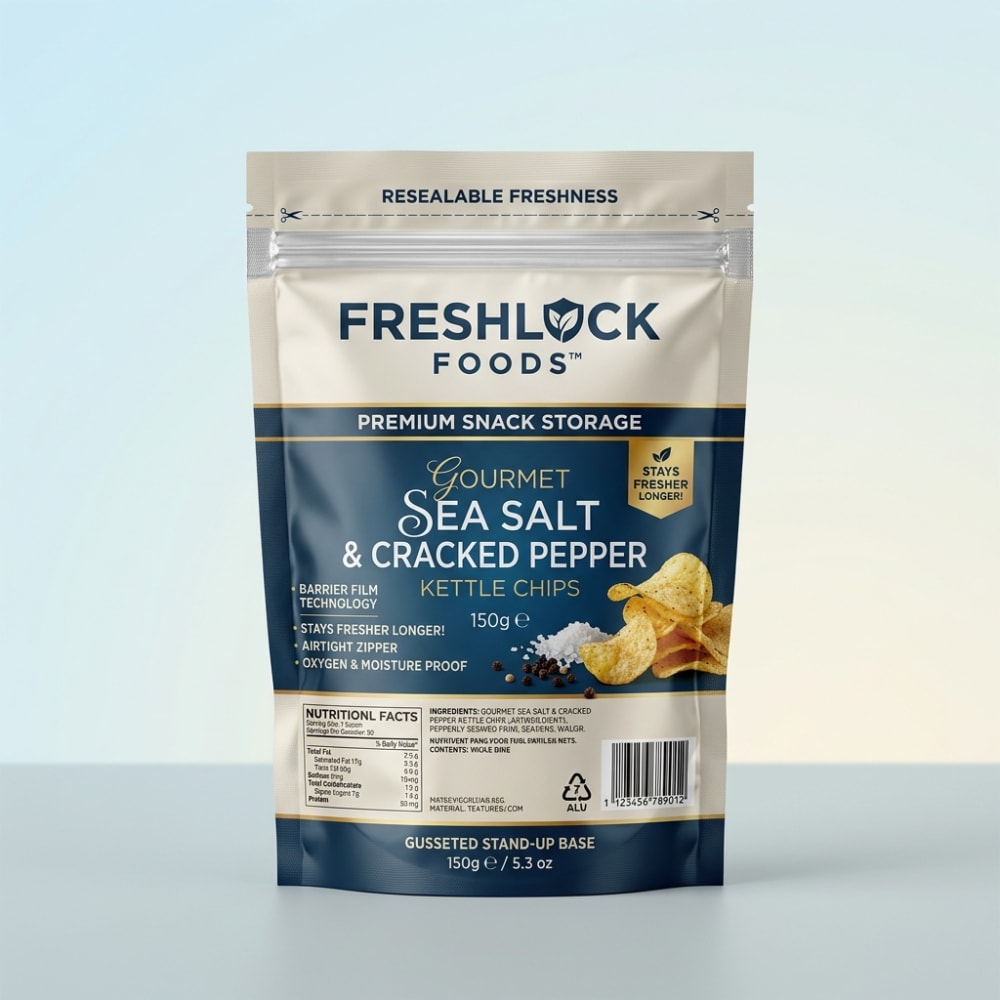
Every detail. Intentional.
Seam hidden at the rear
The front stays an uninterrupted panel.
Least film per unit
Material economy at volume.
Built for form-fill lines
Formed around product straight off a reel.
No standing base
It lies or hangs rather than facing forward.
Barrier by contents
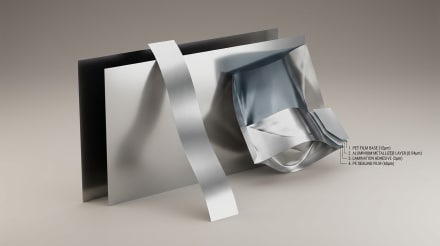
Clear, metallised or foil as required.
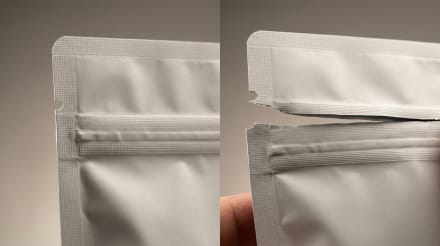
Notches control the tear
So it opens where intended.
Built like architecture.
Every order of Back Seal Bags is an engineered build, measured, dieline-cut and hand-wrapped to spec. Below is the standard build sheet.
✦ Need a custom spec? Talk to our atelier. Every detail is negotiable.
Every surface, hand-selected.
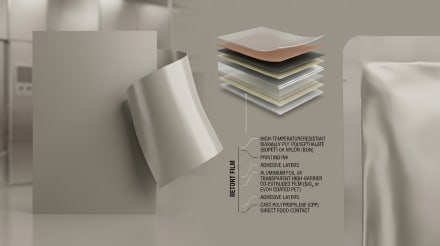
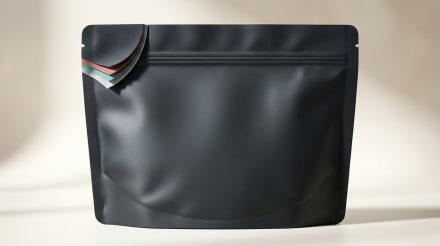
What this product is built from, and the surfaces it takes. Below the build sheet sits the full swatch library. Every option applies across our range, and a physical swatch set is available on request.
Material
The board and paper your box is built from.
 ◷ FINISH
 ◷ FINISH
 ◷ FINISH
 ◷ FINISH
 ◷ FINISH
 ◷ FINISH
 ◷ FINISH
 ◷ FINISH
 ◷ FINISH
 ◷ FINISH
 ◷ FINISH
 ◷ FINISH
Finishes
How the outer surface looks, feels, and catches light.
 ◷ FINISH
 ◷ FINISH
 ◷ FINISH
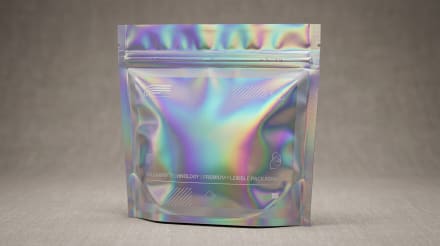 ◷ FINISH
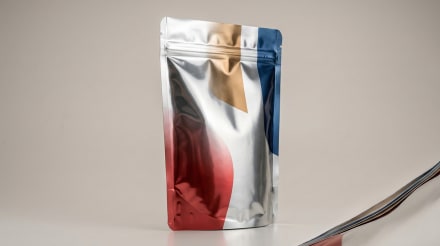 ◷ FINISH
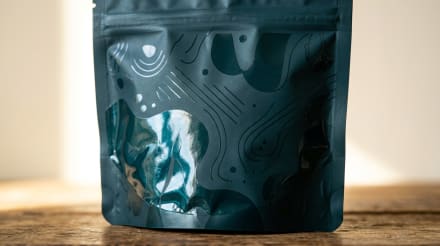 ◷ FINISH
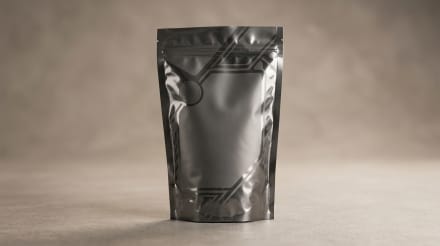 ◷ FINISH
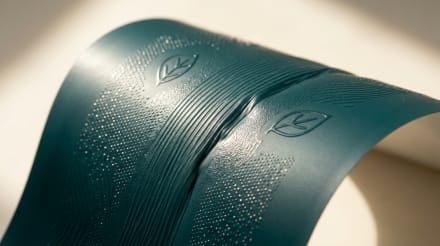 ◷ FINISH
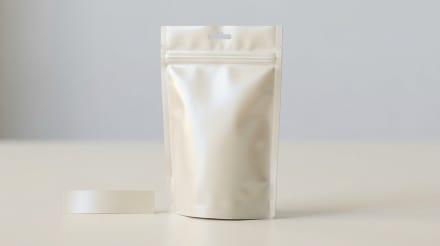 ◷ FINISH
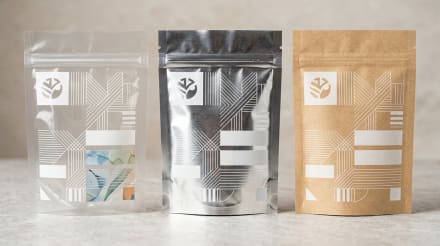 ◷ FINISH
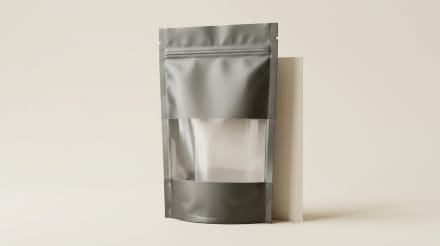 ◷ FINISH
 ◷ FINISH
Add-ons
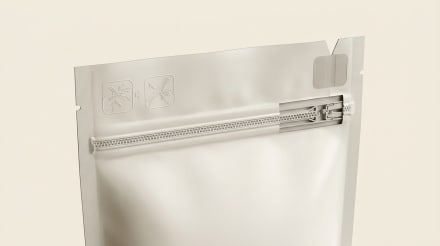
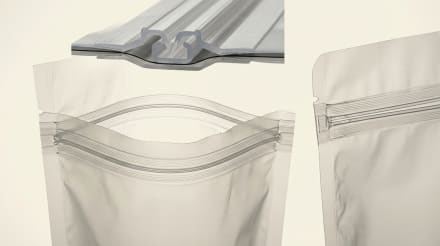
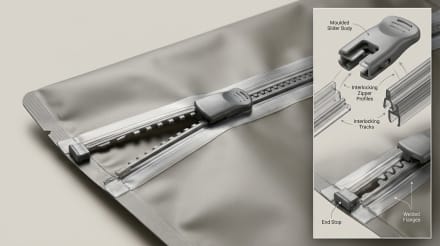
Closures, linings, and hardware that complete the build.
 ◷ FINISH
 ◷ FINISH
 ◷ FINISH
 ◷ FINISH
 ◷ FINISH
 ◷ FINISH
 ◷ FINISH
 ◷ FINISH
 ◷ FINISH
 ◷ FINISH
 ◷ FINISH
 ◷ FINISH
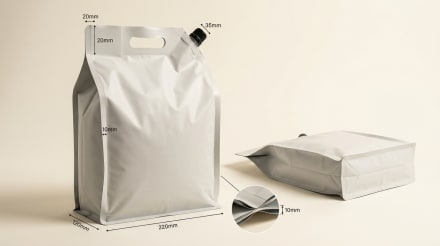 ◷ FINISH
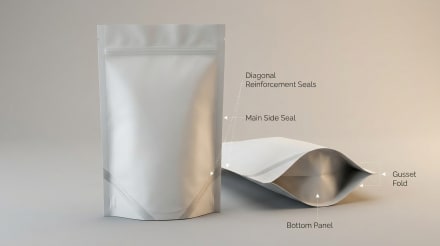 ◷ FINISH
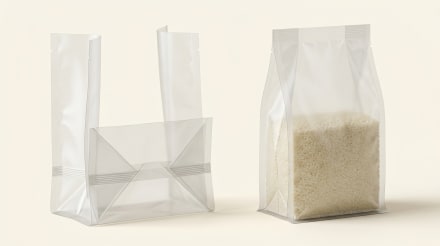 ◷ FINISH
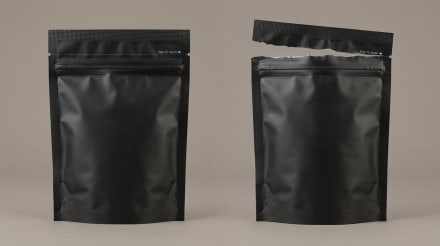 ◷ FINISH
✦ Mix and match across all three and we'll build your exact combination.
The full kit of capabilities.
Sizing & dieline.
Every Back Seal Bags is made to your fill, not pulled off a shelf. A pouch is quoted width × length. Tell us what goes inside and how much of it, and we return a measured spec, free, before you commit to anything.
A pouch is sized by what goes in it, not by outside dimensions. Give us the fill weight and, if you can, the bulk, since 500 g of granola needs far more bag than 500 g of powder.
We quote width × length. Flat pouches need no gusset figure, because the bag lies flat when empty.
Zipper or heat seal only, valve or no valve, window or full barrier. These change the film and the bag height, so they belong in the spec rather than added afterwards.
✦ Not sure of your size? Send us the product and we measure it and build the dieline.
Pricing & minimums.
We price Back Seal Bags per specification rather than from a fixed list, because the same build in two different finishes can land at very different numbers. Below is what actually moves the price, so you can shape the spec before you request a quote.
The single biggest lever. Unit cost falls sharply as volume rises, because setup and tooling spread across more pieces.
Board weight and stock choice change both the raw material cost and the shipping weight of the finished run.
Foil, spot UV, embossing and soft-touch each add a pass on press. One or two lift the box; five compound the cost.
Full-bleed print inside and out costs more than a one-sided design on natural stock.
Foam, moulded pulp, velvet pillows, magnets and ribbon are priced per piece on top of the box itself.
Standard production is the base rate. Rush moves you up the production queue and carries a surcharge.
✦ Quotes returned within 24 hours.
Questions, answered.
Everything you need to know about Back Seal Bags.
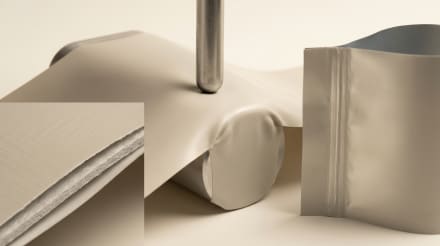
A pillow bag formed from one sheet of film, sealed down the rear and closed top and bottom. The same format is called a fin seal, lap seal or pillow pack depending on who is quoting it. Because the seam sits on the back, the front face is one uninterrupted panel.
It uses less film per unit than any gusseted pouch, which is why high-volume snack and powder lines run on it.
A fin seal joins the inner layer to itself and stands proud of the back. A lap seal overlaps the film and seals outer to inner. Fin is the more forgiving and the more common, since the sealant layer only ever meets itself. Lap lies flatter and uses a touch less film but needs a film that seals on both faces.
Both leave the front clean. We default to fin unless the line is set up for lap.
Both, and the choice follows how you fill. Vertical form-fill-seal lines take printed roll stock and form the bag around the product straight off the reel. Hand-fill operations take pre-made bags with the back and bottom sealed, leaving the top open.
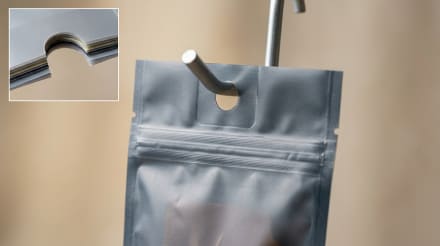
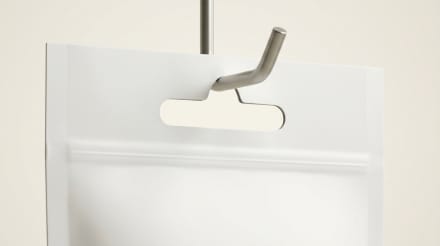
The bag does not stand on its own, so plan for it to lie in a tray or hang from a euro slot at the fixture.
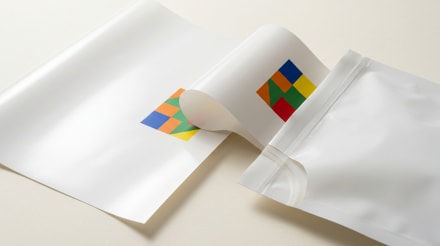
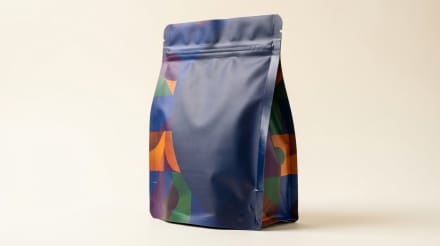
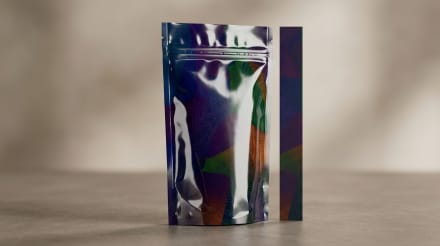
Photographic artwork runs edge to edge across the front, because no seam crosses the face. Metallised BOPP is the snack standard and prints exceptionally well under gloss lamination. A matte laminate suits better-for-you ranges, and unprinted areas can be left to show the metallised layer as mirror silver, which is a crisp-bag convention.
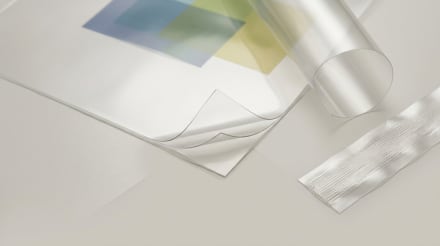
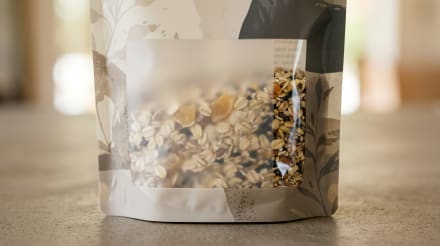
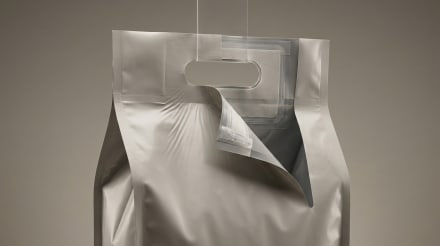
A clear panel on clear BOPP shows confectionery or produce, and a tear notch sets where the pack opens.
Width by length, flat, with no gusset figure to add. The common sizes are 3 by 5 inches, 4 by 7 inches and 6 by 10 inches. Because the bag is a flat pillow, the fill volume depends on how much the film bellies out, so we size from the product weight and bulk density rather than the flat dimension alone.
Roll stock is specified by web width and repeat length instead.
Pre-made bags begin at 500 units. Rates improve past 1,000 and the format runs to 100,000, which suits it, since material economy is the whole argument for a pillow pack. Roll stock is quoted by the reel and the equivalent bag count.
A clear and a metallised version are two separate runs against that minimum.
Standard production takes 7 to 10 business days after the artwork is approved. The rush lane at 5 to 7 business days is used for promotional flavours and seasonal packs. A sample reel or a handful of pre-made bags arrives in 5 to 7 business days for a line trial.
Sample charges are refunded against the bulk order, and we ship across the USA.
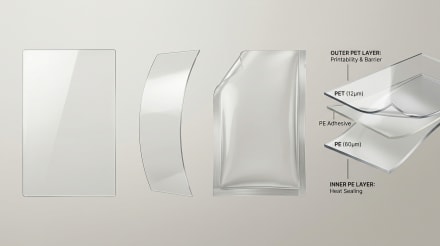
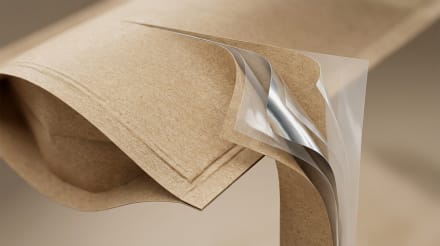
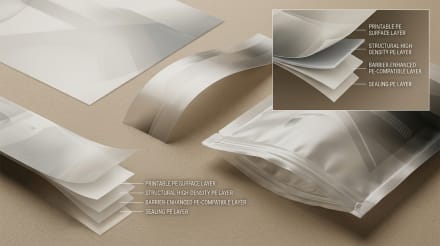
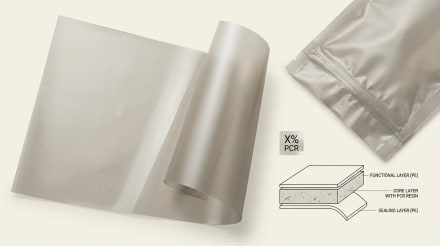
Metallised BOPP unless the product needs to show or the shelf life needs more. It gives a good moisture and light barrier, runs fast on FFS lines and takes print well. A BOPP, VMPET and LLDPE laminate adds oxygen barrier for longer-dated goods. Clear BOPP shows the product and kraft over PE gives a natural face, though kraft runs slower on high-speed lines.
This format is neither free-standing nor resealable, so if a zipper is needed a stand-up pouch is the better route.
Other products you might love.
Ready to start your Back Seal Bags project?
Get a free quote in 24 hours. Our atelier is here to help.