
PremiumBespokeArtisanLuxuryCustom Cardboard Boxes

Tell us about your boxes
Popular Custom Cardboard Boxes
our brands keep reordering.
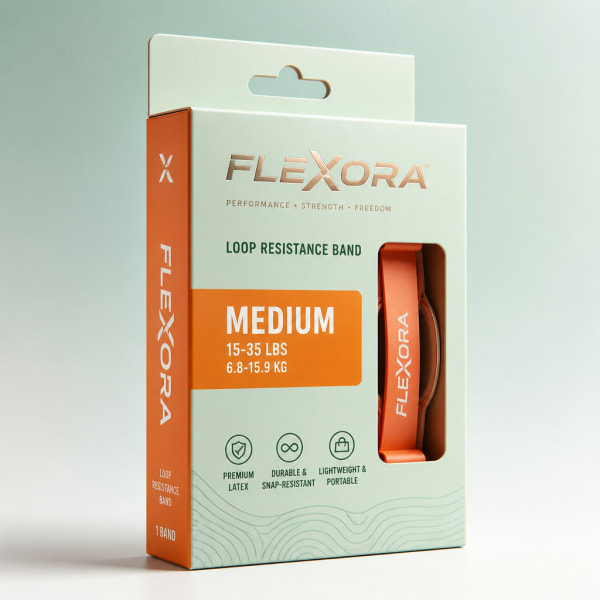
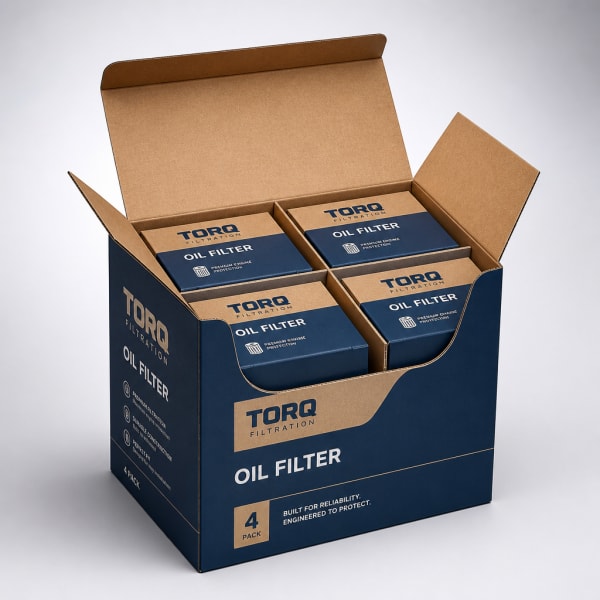
Hand-picked from our custom cardboard boxes range. 54 styles, each built for a different job.

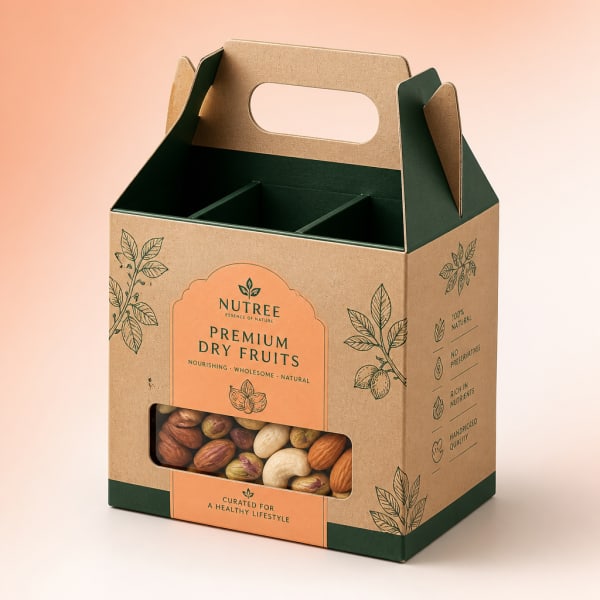
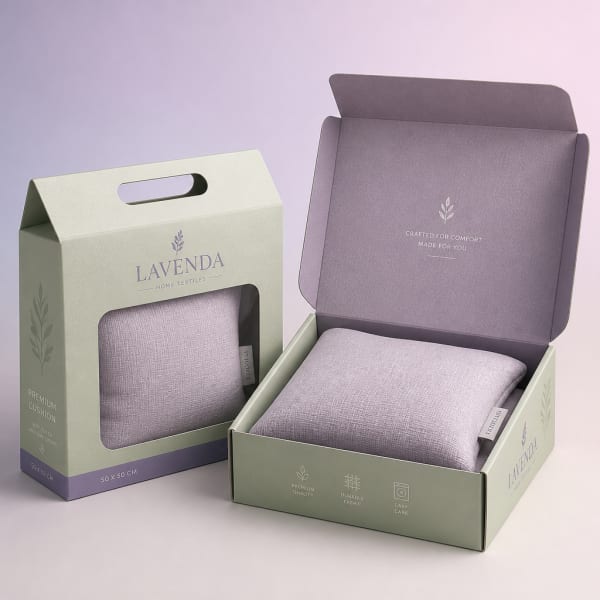

The box is the building.
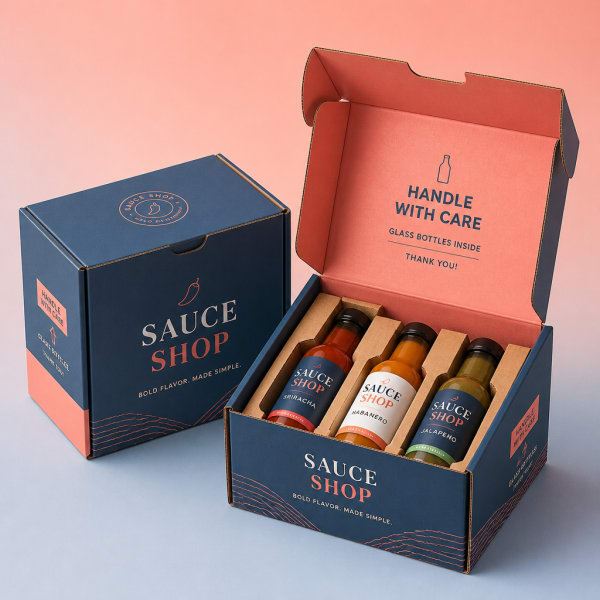
Inserts are everything else.
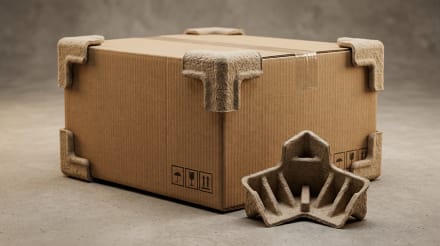
Furniture. Bodyguards. Stage crew. The unseen architecture that makes your product feel like it lives somewhere, not like it was just dropped in a box.
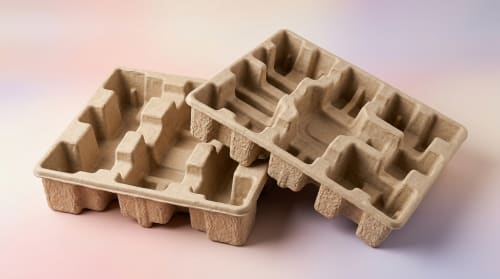
Molded Pulp Inserts
“Eco-friendly molded inserts for ”
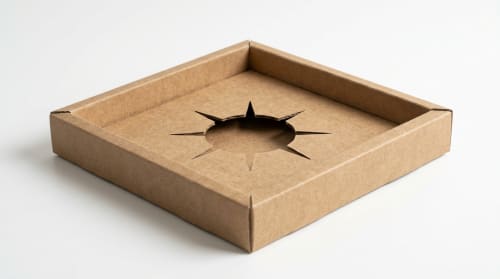
Paperboard Inserts
“Clean recyclable inserts for”
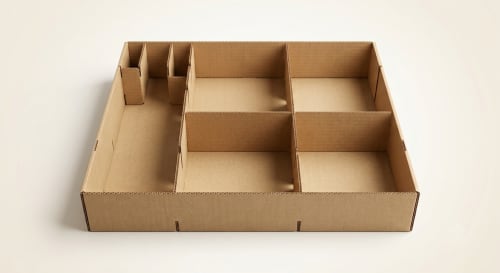
Corrugated Inserts
“Strong inserts for”
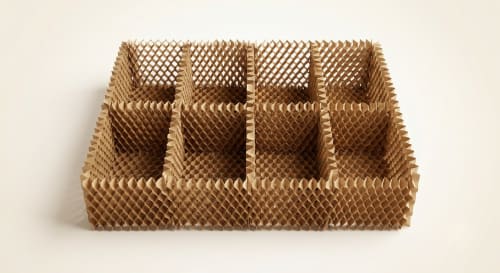
Honeycomb Paper Inserts
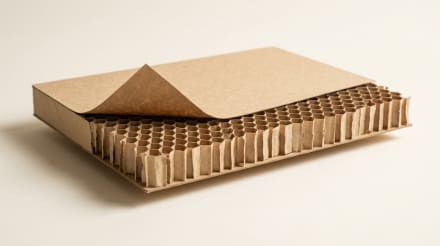
“Eco-friendly cushioning inserts for”
Every finish we offer on Cardboard Boxes.
Materials, finishes and add-ons available for this range. Order any of them as a free sample before you commit to a run.
Materials
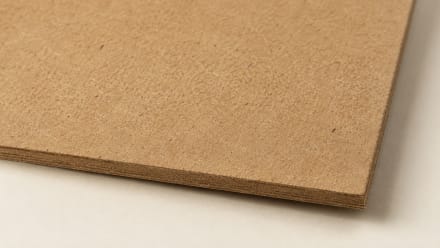
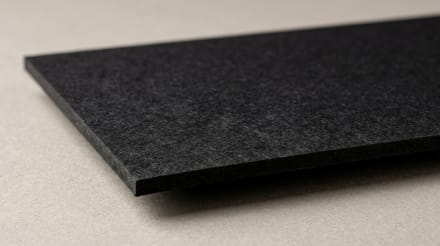
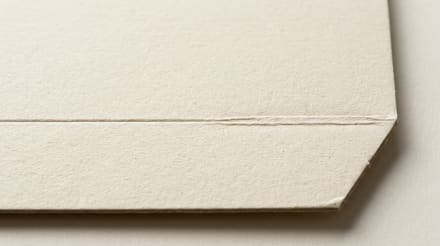
The board and film we build on
 ◷ ECO
◷ ECO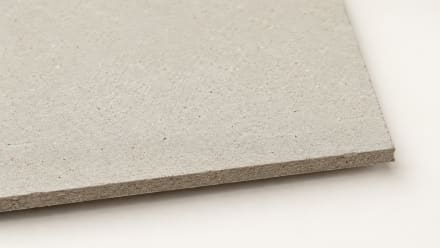

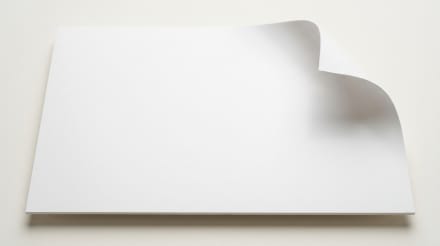
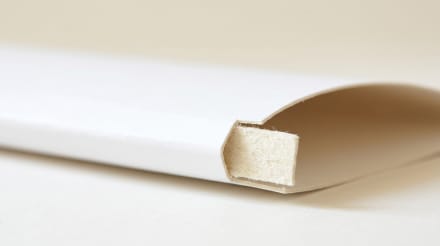
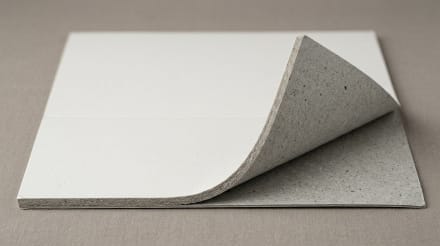
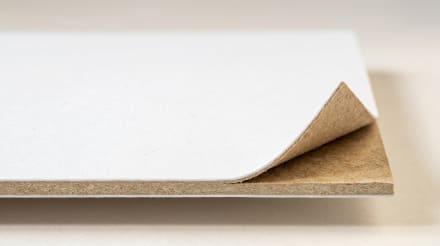
Finishes
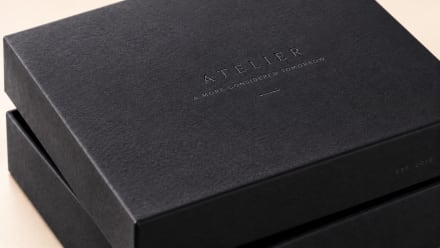
What the surface does in the light



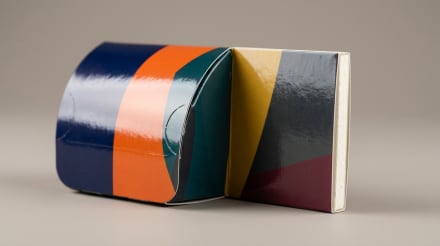

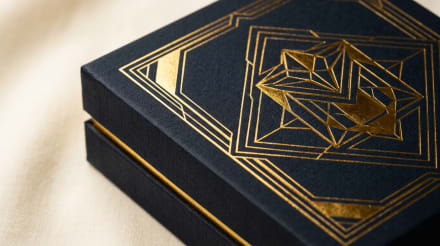

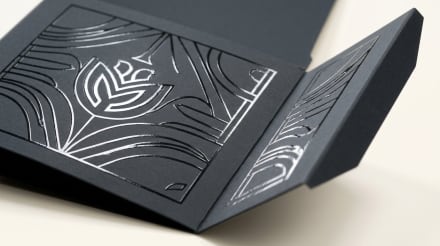


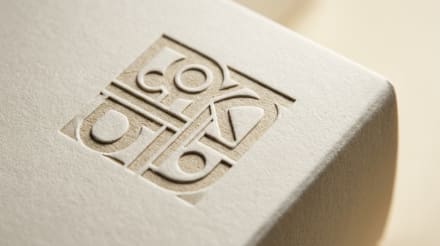
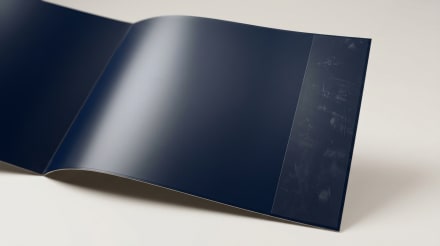
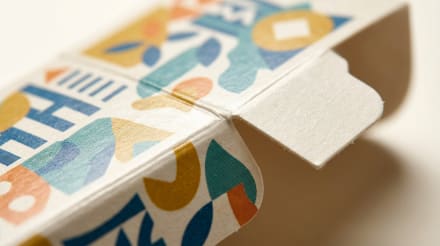
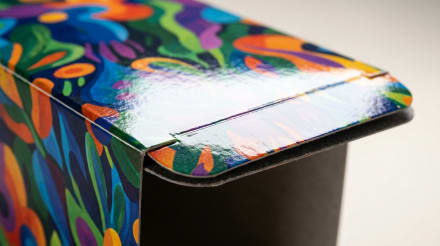


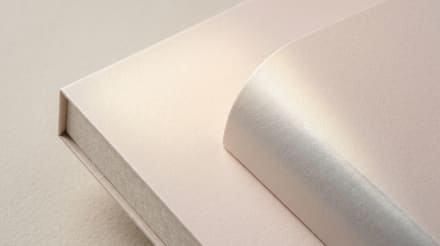
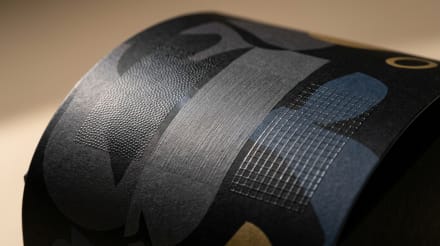
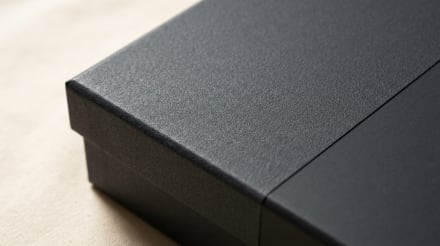

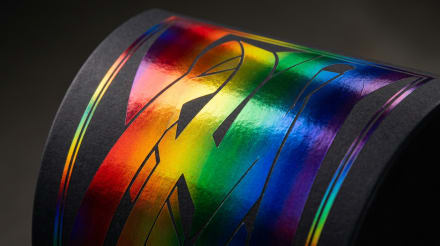
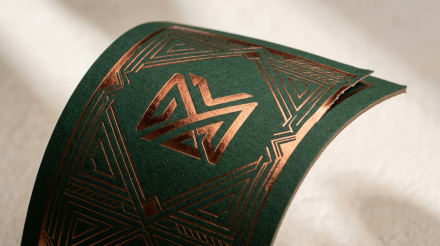
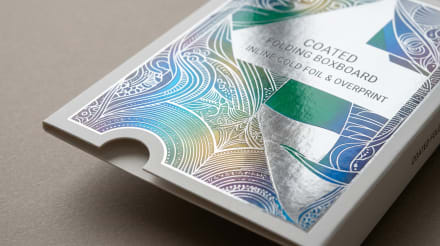

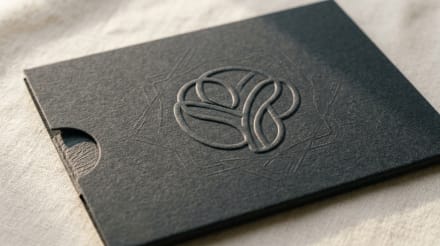




Add-ons
Closures, linings and the extra touches
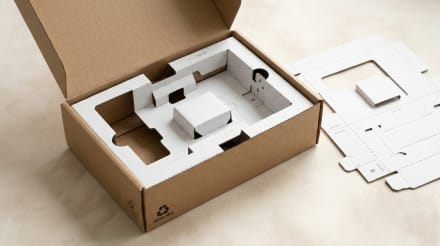

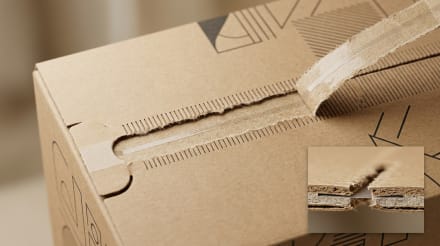
For everything that has to arrive intact.
Ecommerce & DTC Packaging
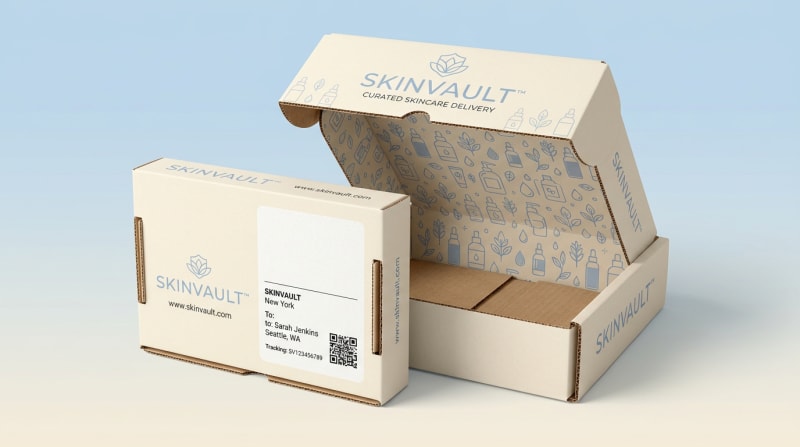
Die-cut mailers right-sized to the product to control dimensional weight, with optional interior print. The cheapest brand moment an online business has.
The most ordinary box, engineered properly.
Custom cardboard boxes with flute, grade and dimension chosen for what you ship and how far it travels.
“Cardboard” covers two different materials.
Knowing which one you mean is the first specification decision.
Corrugated is the one with the wave
Two flat liners with a fluted wave glued between them. The wave is the engineering. It creates air gaps that absorb impact and columns that carry stacking weight. This is shipping cardboard, and it is far stronger than its weight suggests.
Paperboard is the thin one
Single-layer board with no flute, used for cereal boxes and retail cartons. Prints beautifully, folds flat, carries almost nothing. If someone says cardboard and means a retail carton, this is what they mean.
Most cost problems are sizing problems
Carriers bill on dimensional weight, so an oversized box costs money on every single shipment for the life of the product. Sizing the box properly is a larger saving than negotiating the board grade, and almost nobody looks at it.
Flutes, grades and what they are for.
Flute size decides cushioning and print quality. Grade decides strength.
The common flutes
C-flute is the general-purpose shipping standard, with good stacking strength and cushioning. B-flute is thinner and more rigid, better for print and for boxes that need to resist crushing rather than impact. E and F flutes are finer still, used for retail-quality print on a corrugated base.
Double wall for weight and distance
Two fluted layers, usually BC, for heavy contents, long journeys and anything stacked high in a warehouse. Roughly double the material cost and considerably more than double the strength.
How strength is actually specified
Edge Crush Test measures stacking strength, which is what matters for palletised goods. Burst strength measures resistance to puncture, which matters for parcels handled individually. Ask which one your application needs, because they are not interchangeable.
Styles, print and the things that get forgotten.
A shipping box has more options than it appears to.
Box styles
Regular slotted container is the default and the cheapest. Die-cut mailers erect without tape and present far better on opening. Full overlap gives extra strength at the base for heavy contents. Telescoping and tray styles suit oversized or awkward products.
Print on kraft or white
Flexographic print in one to three colours on kraft is the cost-effective standard for shipping. Litho-lamination puts full-colour photographic print on a corrugated base where the box is also the retail pack.
Inside print and the unboxing
Printing the interior costs very little on a die-cut mailer and changes the opening entirely. For direct-to-consumer brands it is the cheapest brand moment available, and most still leave the inside blank.
Where the ordinary box does the work.
Almost everything ships in one of these.
Ecommerce and direct-to-consumer
Die-cut mailers sized tightly to the product to control dimensional weight, often with interior print. The box is the only physical touchpoint most online brands have with a customer.
Warehousing and distribution
Palletised goods where edge crush strength and consistent dimensions matter more than appearance. Stacking performance is the specification that gets checked.
Food service and grocery supply
Produce trays, bulk cases and transit packaging, frequently with wax-free moisture-resistant coatings so the case can still be recycled.
Getting a shipping box right.
Measure the product, not the box you are using now.
01. Product dimensions and weight
Measured at the widest points, plus the weight and how far it ships. These three decide the flute and grade between them.
02. Right-size the box
We size to the product with the minimum practical clearance, because every extra inch is billed by the carrier on every shipment.
03. Dieline and sample
Free dieline with the quote, and a physical sample for anything shipping in volume.
04. Print and convert
Flexo or litho-laminated, then die-cut, folded and glued.
05. Delivered flat
Shipped flat-packed nationwide across the USA, ready to erect.
Questions, answered.
Corrugated has a fluted layer sandwiched between liners. Cardboard usually means solid paperboard with no flute.
The distinction is structural. Corrugated's fluting creates air columns that give it compression strength and cushioning, which is why shipping boxes use it. Paperboard, the material of a cereal box or a cosmetics carton, is a single solid sheet, thinner, smoother and better for printing, but with a fraction of the crush resistance. In everyday speech both get called cardboard, so when specifying, name the material precisely.
They describe the thickness and profile of the corrugated fluting, from thinnest to thickest.
E-flute is roughly 1.5mm and is the retail and e-commerce standard, giving a good print surface with adequate protection. B-flute at about 3mm steps up puncture and crush resistance. C-flute at about 4mm is the classic shipping carton grade. Double-wall combinations such as BC pair two flute layers for heavy or export use, roughly doubling edge crush resistance over single wall.
E-flute for light retail goods, B-flute for heavier or fragile items, and double wall for anything heavy, export-bound or stacked on pallets.
The property that matters is edge crush resistance, because most shipping damage comes from compression rather than impact. Boxes at the bottom of a stack carry the column above them for days. Specifying up out of caution has a real cost, though. Thicker board means a larger external box for the same contents, and dimensional weight pricing charges you for that on every parcel.
Dimensional weight is a shipping charge based on a parcel's volume rather than its actual mass, which means every unnecessary inch of box is paid for on every shipment.
Carriers multiply length, width and height, divide by a divisor, and charge on whichever is greater, that figure or the real weight. For light goods in oversized boxes, dimensional weight almost always wins. Right-sizing a box to its contents is the single most reliable packaging cost saving there is, and it usually pays back the redesign within weeks at any real volume.
Yes. Old corrugated containers are among the most successfully recycled materials in the waste stream, with recovery rates well above most packaging.
What breaks that is contamination and lamination. Grease-soaked board is rejected by paper mills because oil cannot be separated from fibre during repulping, and plastic-laminated board is a mixed-material item that many streams will not take. Keeping board unlaminated, using aqueous rather than plastic coatings, and using water-based inks all preserve recyclability.
Typically five to seven times before the fibres become too short to form strong paper.
Each repulping cycle shortens the cellulose fibres, which is why recycled board is slightly less stiff than virgin board at the same caliper. That matters when specifying, and the usual answer is to step up one caliper grade. Virgin fibre is added into the stream to maintain strength, which is why recycled content percentages rather than 100% recycled are the norm in structural grades.
500 units for most custom printed boxes, with 7–10 business days production.
The floor exists because a custom box needs a cutting die and a print setup, both fixed costs regardless of quantity. Digital printing and digital die-cutting have lowered the practical entry point for prototypes and very short runs, which is worth using to test a structure before committing to steel-rule tooling for production.
Custom, if you ship any real volume, because the freight saving from right-sizing usually covers the tooling cost quickly.
Stock sizes are cheaper per box and available immediately, which suits low volumes and mixed product ranges. But a stock box is by definition not sized to your product, which means void fill, more dimensional weight, and more movement in transit. At a few thousand units a year, a custom die that removes two inches of void typically pays for itself in freight alone.
Your brand deserves
better packaging.
Work one to one with a dedicated packaging manager, from first sketch to delivery.