PremiumBespokeArtisanLuxuryCustom CBD Boxes
Tell us about your boxes
Popular Custom CBD Boxes
our brands keep reordering.
Hand-picked from our custom cbd boxes range. 19 styles, each built for a different job.
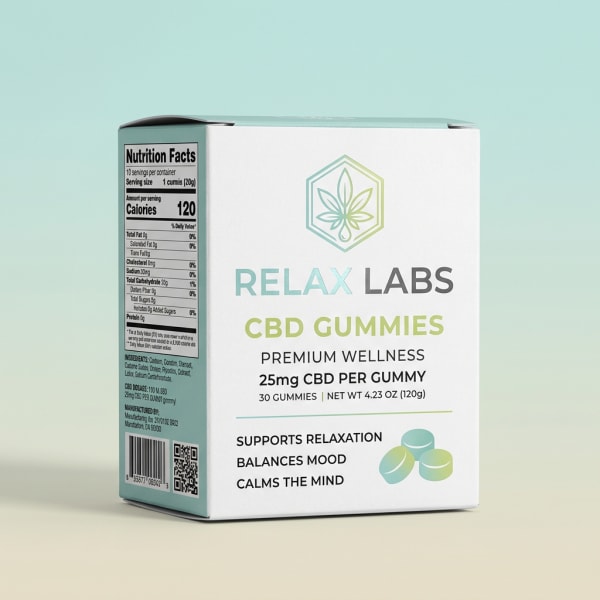
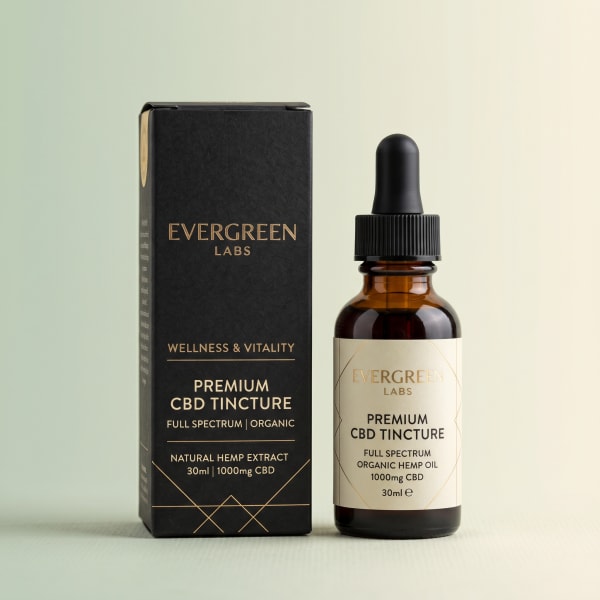
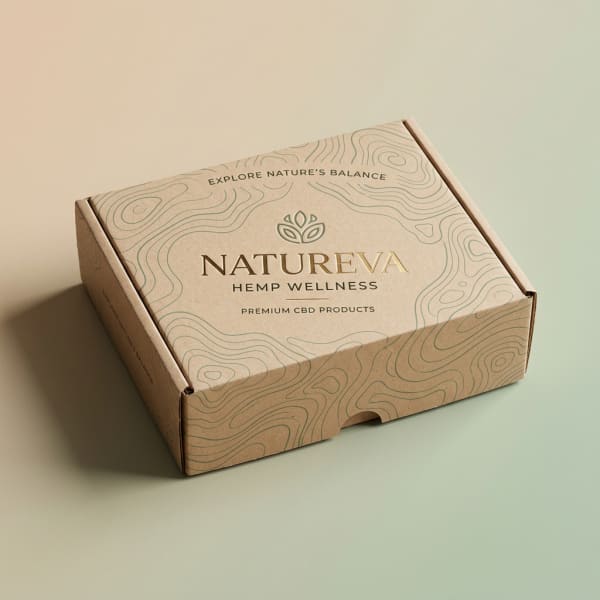
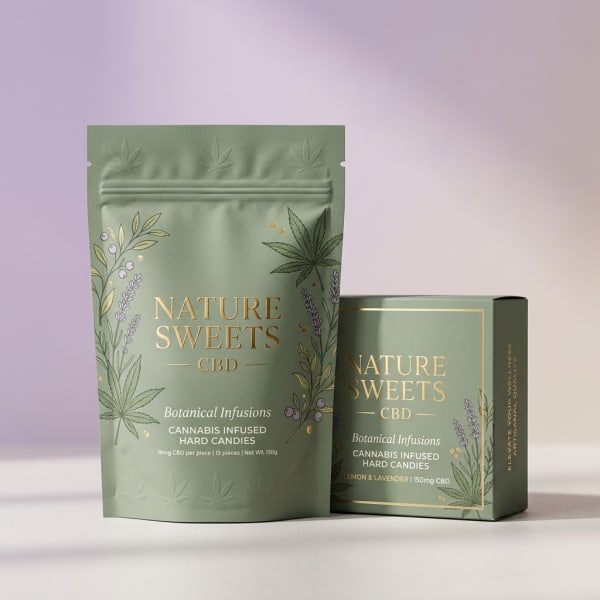
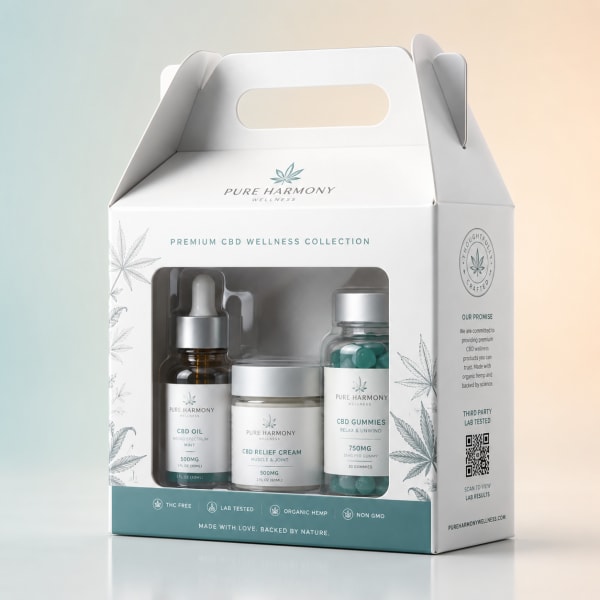
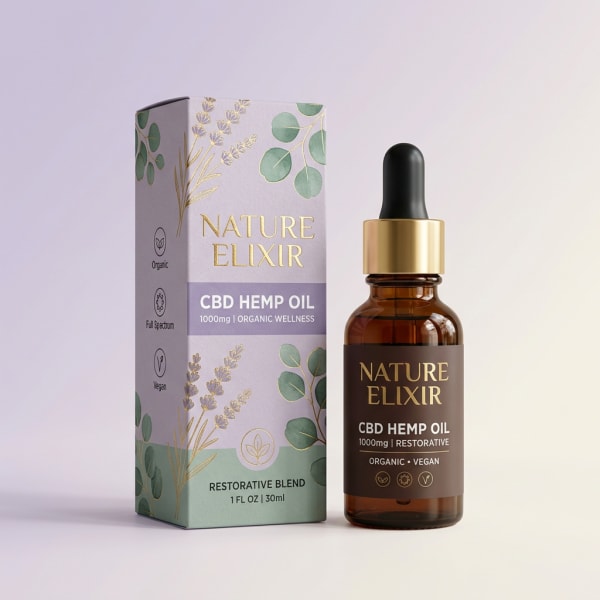
The box is the building.
Inserts are everything else.
Furniture. Bodyguards. Stage crew. The unseen architecture that makes your product feel like it lives somewhere, not like it was just dropped in a box.
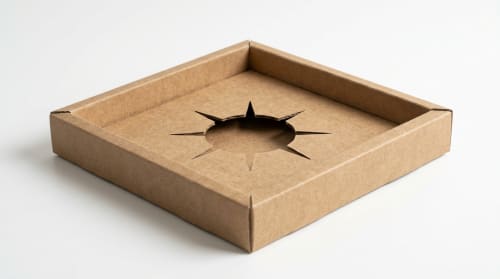
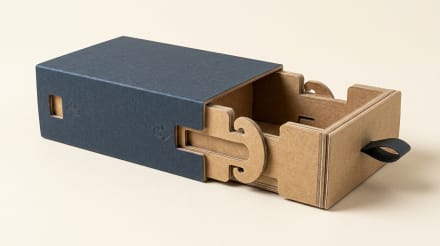
Paperboard Inserts
“Clean recyclable inserts for”
Every finish we offer on CBD Boxes.
Materials, finishes and add-ons available for this range. Order any of them as a free sample before you commit to a run.
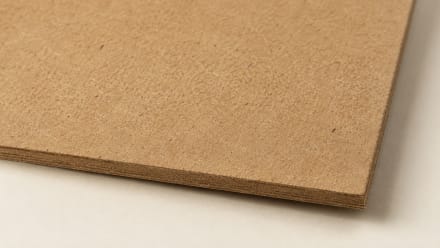
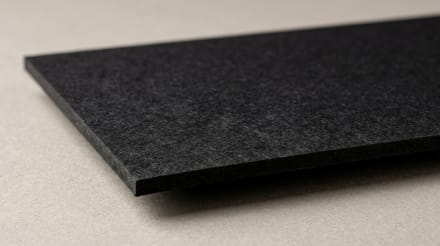
Materials
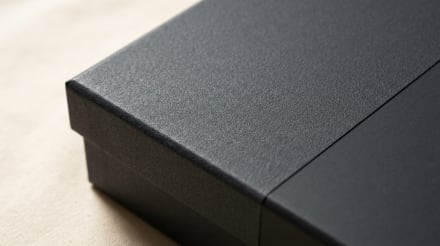
The board and film we build on
 ◷ ECO
◷ ECO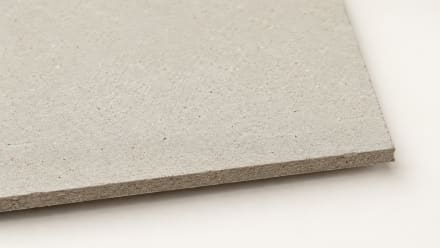





Finishes
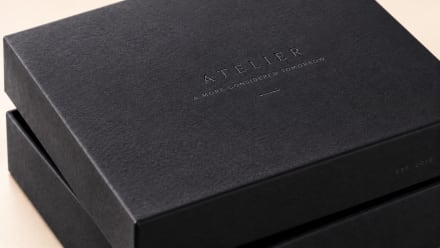
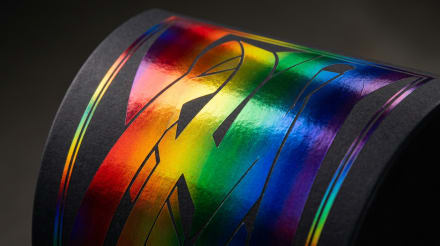
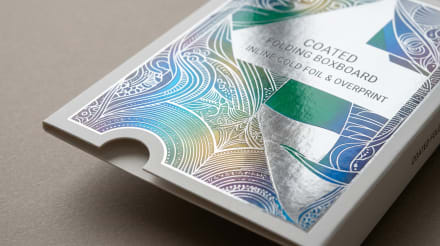
What the surface does in the light





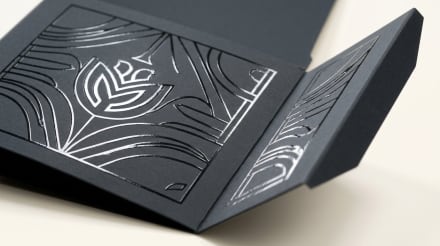




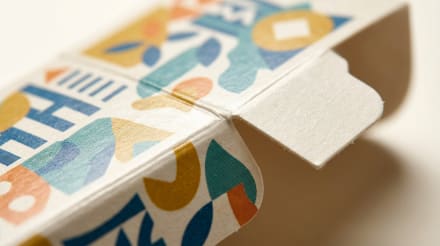
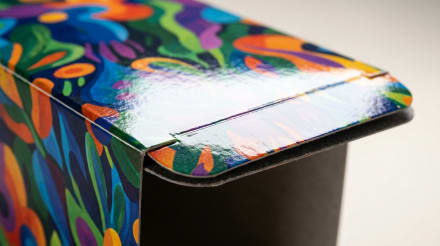



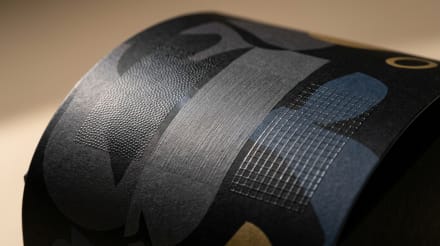








Add-ons
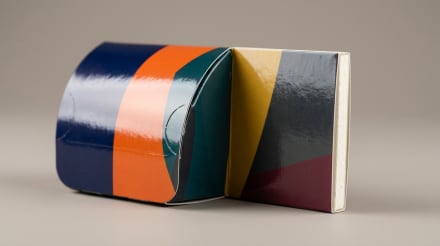
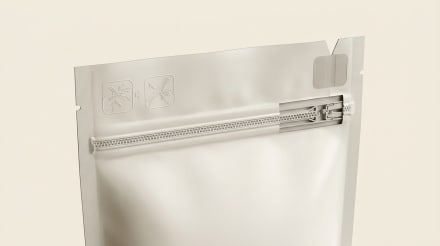
Closures, linings and the extra touches


For a category where the packaging is part of the compliance.
Tinctures & Oils Packaging
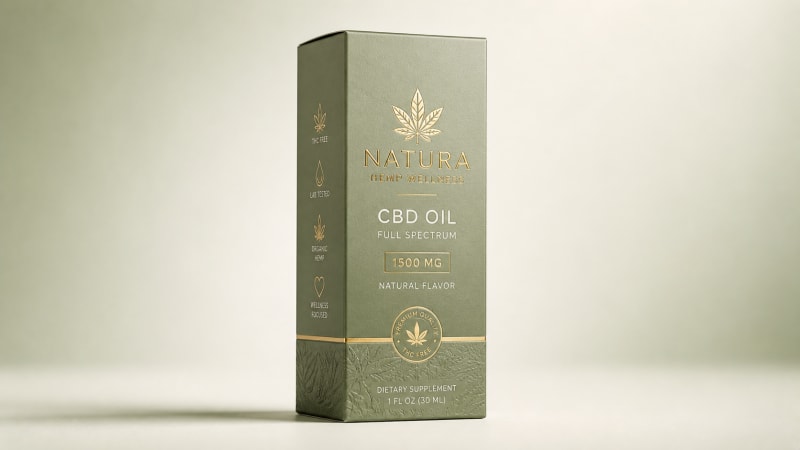
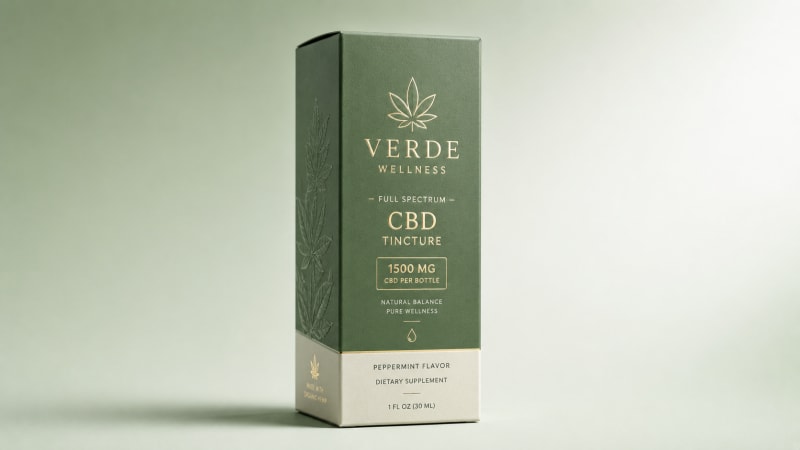
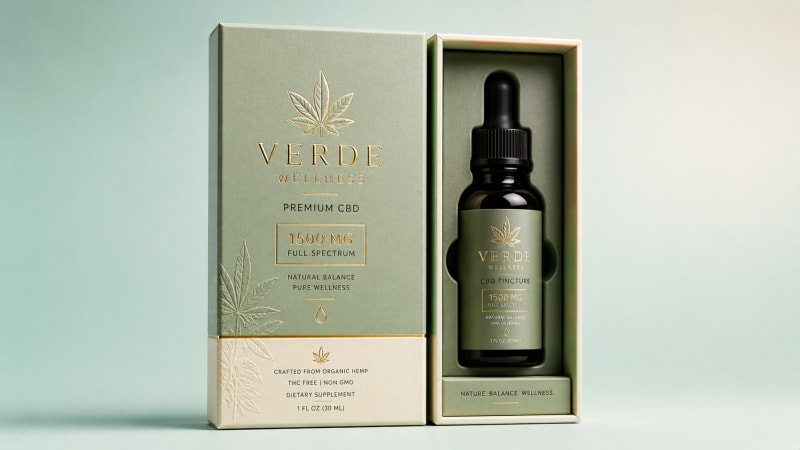
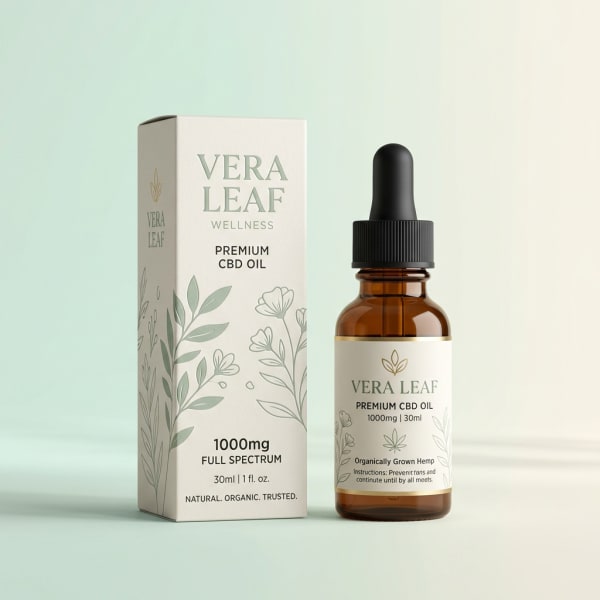
Light-blocking cartons around glass dropper bottles, carrying the mandatory labelling a small bottle cannot. The most common format in the category.
Compliance first. Everything else after.
Custom CBD boxes built around labelling rules, light protection and a regulatory picture that varies by state.
CBD packaging is a regulated design problem.
The rules constrain the artwork before the brand does.
The label carries a lot
Cannabinoid content, batch or lot number, net weight, manufacturer details, and typically a QR code linking to a certificate of analysis. That is a meaningful amount of mandatory content, and planning the panel around it is easier than squeezing it in at proof stage.
Claims are where brands get into trouble
Health and medical claims attract regulatory attention faster than anything else in this category. Packaging that implies treatment of a condition is a genuine risk, and it is worth having artwork reviewed by someone who knows the current position.
The rules are not uniform
Requirements differ between states, and they change. Child-resistance is mandatory for some product types in some places and not others. We build to the specification you give us, so confirm the rules for where you sell before tooling rather than after.
Light is the enemy of a cannabinoid.
Barrier choices here are about potency, not just presentation.
Why light matters
Cannabinoids degrade on exposure to UV and visible light. A secondary carton around a clear bottle is doing real protective work as well as brand work. It is one of the few cases where an outer box has a measurable effect on the product inside.
Board and print substrates
Folding boxboard from 300gsm for cartons, or rigid board for premium and gift-tier products. Kraft and uncoated stocks are heavily used because the natural look aligns with how most of the category positions itself.
Barrier films for flexible formats
Where the product is packed in a pouch rather than a carton, foil and metallised laminates give full light exclusion along with the oxygen and moisture barrier. This is the standard for flower, edibles and anything with a long shelf life.
Child-resistant, tamper-evident, or both.
Two different protections that are routinely confused.
Child-resistant closures
Certified to 16 CFR 1700.20, which tests both that children cannot open the pack and that adults can. It is a tested certification, not a claim a supplier can simply assert, and you need the documentation if you are asked for it.
Tamper evidence
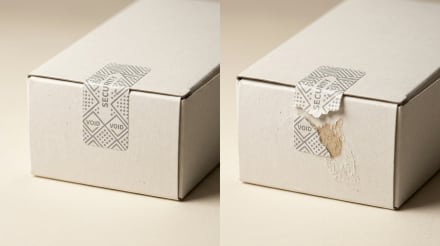
A separate protection entirely. Child resistance stops a child getting in; tamper evidence proves nobody got in before the customer. Shrink bands, sealed strips and breakaway closures all achieve it. Many products need both.
Serialisation and batch marking
Variable data printing for batch numbers, QR codes and unique identifiers, applied at production rather than by hand afterwards. Essential for traceability and far more reliable than a sticker applied in your own warehouse.
The product formats in this category.
Each has a different packaging problem.
Tinctures and oils
Cartons around glass dropper bottles, where the box provides light protection and carries the mandatory labelling that will not fit on a small bottle. The most common format in the category.
Topicals and cosmetics
Creams, balms and salves in cartons or jars, presented closer to beauty packaging than to supplements. Higher finish expectations and a more competitive shelf.
Edibles and ingestibles
Gummies, capsules and drinks, requiring food-grade materials alongside the cannabinoid labelling. Child-resistant packaging is most often mandatory in this group.
Building a compliant pack.
Confirm the rules, then design inside them.
01. Tell us where you sell
The states you ship to determine child-resistance, labelling and warning requirements. This comes before the design conversation.
02. Plan the mandatory panel first
Cannabinoid content, batch, net weight, manufacturer, QR. Laying these out first means the brand design works around them rather than fighting them.
03. Structure and dieline
Carton, rigid box or pouch, with child-resistant and tamper-evident features specified in at this point rather than added later.
04. Proof, with a compliance read
Digital proof for approval. We strongly recommend a regulatory review of artwork before production.
05. Production and delivery
Printed with variable data where required, and shipped nationwide across the USA.
Questions, answered.
Yes. Hemp-derived CBD is federally legal under the 2018 Farm Bill at or below 0.3% delta-9 THC, while marijuana remains federally controlled and state-regulated.
That means CBD packaging does not carry the state cannabis symbol, seed-to-sale batch tracking or dispensary compliance stack that marijuana packaging requires. What it does carry is FDA claims exposure, because the FDA has not approved CBD as a dietary supplement or food additive. The labelling constraints are therefore about what you may say rather than what marks you must display.
Structure-function claims only. Disease claims, meaning anything stating or implying the product treats, cures, prevents or mitigates a condition, draw FDA warning letters.
The line is narrower than it looks. Supports calm is a structure-function claim, and treats anxiety is a disease claim. The FDA has issued many warning letters in this category, and they are public. Have claims language reviewed by someone who knows the distinction before anything goes to print, because a compliant redesign after a warning letter costs far more than the review.
Not federally for most hemp products, but several states now require it for hemp edibles, and it is the responsible baseline regardless.
Certification means passing the 16 CFR 1700.20 protocol: at least 80% of children aged 42–51 months fail to open it within five minutes, while at least 90% of adults aged 50–70 can open and properly reclose it. That second half matters, because a package seniors cannot open has failed the test rather than passed it.
A COA is a Certificate of Analysis, the third-party lab results showing cannabinoid content and contaminant screening for a specific batch.
In a category with no FDA pre-approval, independent verification is the main trust signal available, and a QR code linking to the batch's COA has become the expected convention rather than a differentiator. Brands that make it prominent rather than burying it consistently perform better with informed buyers, who do check it.
Full spectrum contains the plant's full cannabinoid profile including trace THC. Broad spectrum removes the THC. Isolate is pure CBD only.
Informed customers treat this as fundamental, so it belongs in the visual hierarchy rather than the small print. The practical packaging consequence is that full spectrum products contain THC, in trace amounts but present, and that should be stated plainly, because a customer consuming several servings is consuming several times that trace.
Because potency and batch numbers change with every production run, while printed cartons do not.
The standard solution is a two-layer system: a pre-printed branded carton with a designated blank area, over-printed in-house on a thermal printer with batch-specific data. Designing that zone properly, with the right size, the right position and a thermal-compatible facestock, is what separates workable CBD packaging from cartons that get written off when a batch changes.
Generally no, and it is better to state that on your site than to discover it at customs.
Even where hemp-derived CBD is federally legal domestically, most countries treat cannabinoid products under their own controlled-substance frameworks, and carrier policies vary independently of the law. Domestic shipping is not universal either, since some states restrict specific product types, so checking the destination against your product list should be part of fulfilment rather than an assumption.
500 units for most printed cartons, with 7–10 business days production.
Because the category changes formulations and compliance requirements frequently, many brands run smaller carton quantities than they otherwise would and use printed sleeves over plain cartons for versioning. That way a state rule change means reprinting a sleeve rather than writing off a pallet of cartons.
Your brand deserves
better packaging.
Work one to one with a dedicated packaging manager, from first sketch to delivery.