PremiumBespokeArtisanLuxuryFood & Restaurant Packaging
Tell us about your boxes
Popular Food & Restaurant Packaging
our brands keep reordering.
Hand-picked from our food & restaurant packaging range. 66 styles, each built for a different job.
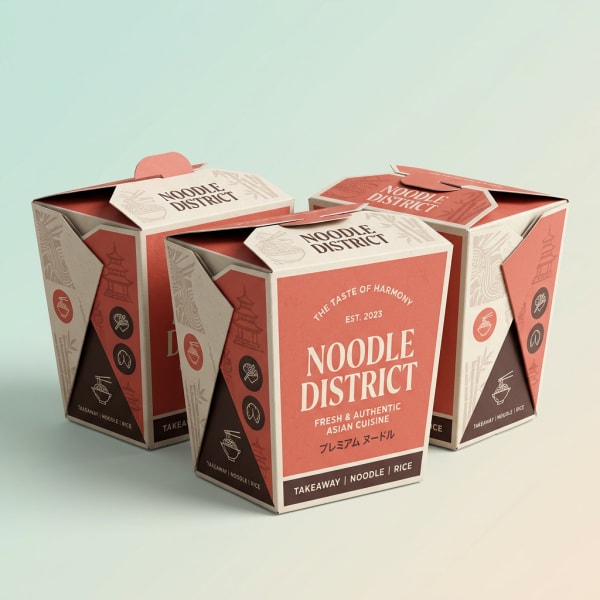
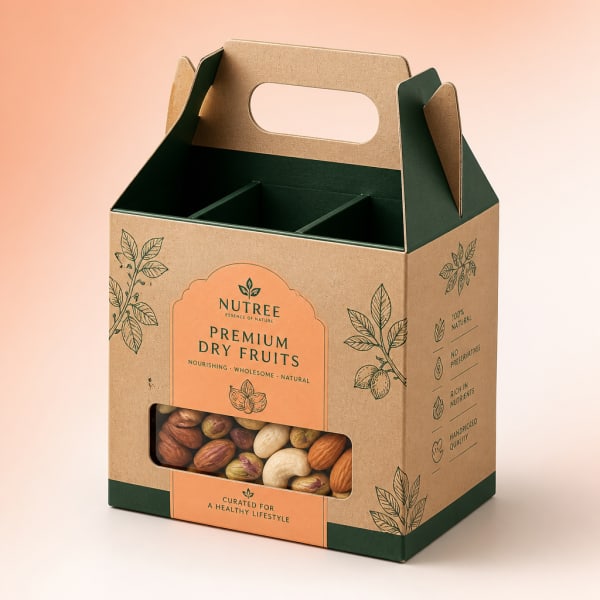
The box is the building.
Inserts are everything else.
Furniture. Bodyguards. Stage crew. The unseen architecture that makes your product feel like it lives somewhere, not like it was just dropped in a box.
Paperboard Inserts
“Engineered paper architecture. Folds, locks, and reveals.”
Foam Inserts
“Soft armor that fits like a glove. Protection without weight.”
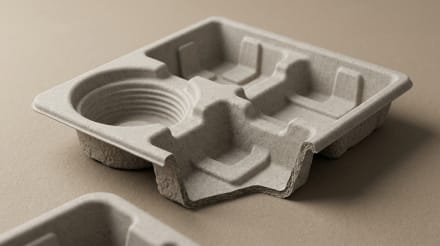
Molded Pulp Inserts
“Custom-shaped cradles for products of any silhouette.”
Velvet & Luxury Inserts
“Touch is the unsung sense. Make every reach into the box feel chosen.”
Bottle & Jar Inserts
“Hold the unholdable. Round things, fragile things, things that mustn't spill.”
Eco Inserts
“Plant-based, plastic-free, planet-positive. Compost-ready protection.”
Flexible Protection Inserts
“The unsung heroes of shipping. Soft cushioning that travels well.”
Marketing & Welcome Inserts
“The story slid in beside the product. Printed conversation starters.”
Every finish we offer on Food & Restaurant Packaging.
Materials, finishes and add-ons available for this range. Order any of them as a free sample before you commit to a run.
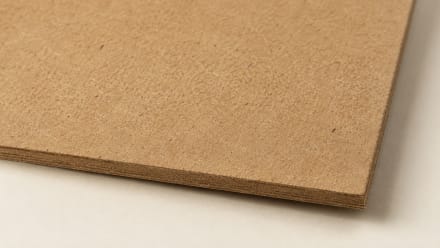
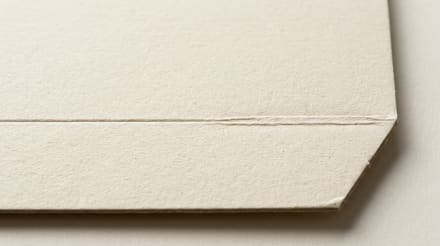
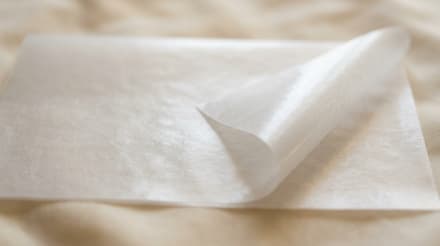
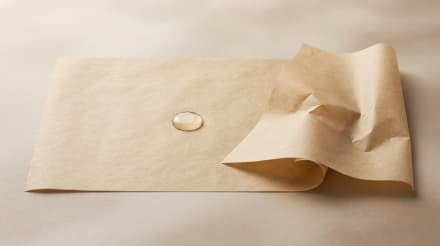
Materials
The board and film we build on
 ◷ ECO
◷ ECO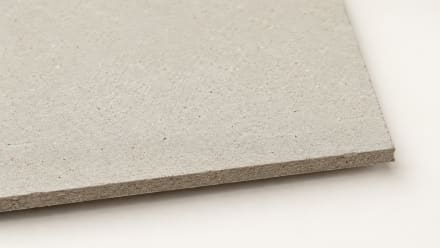

Finishes
What the surface does in the light

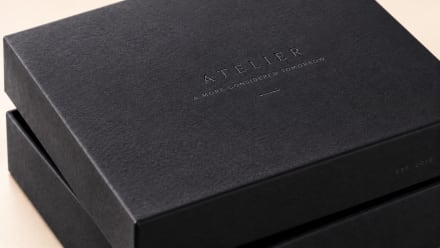

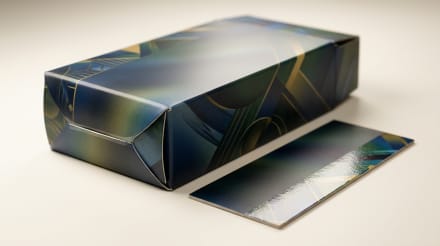
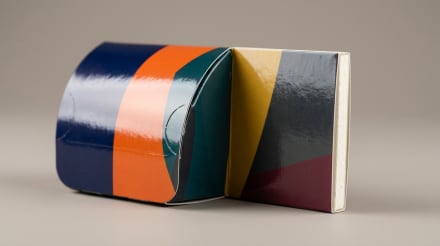

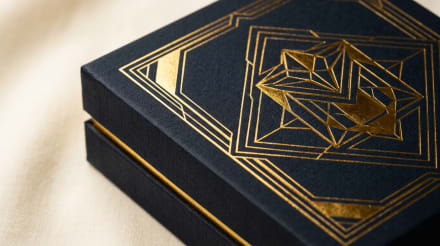

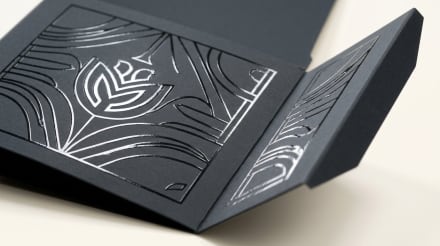
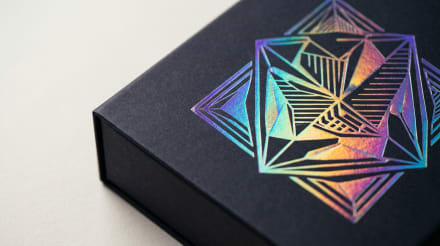

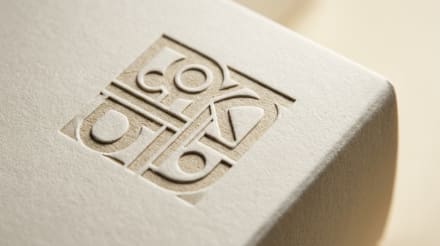
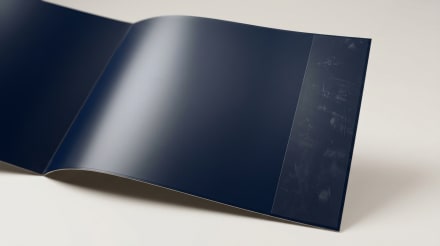
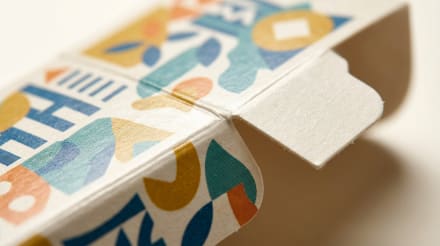
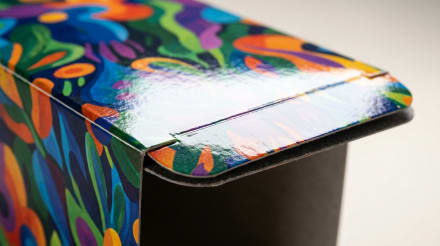


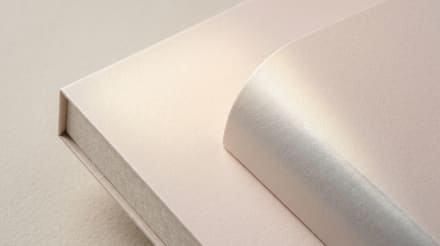
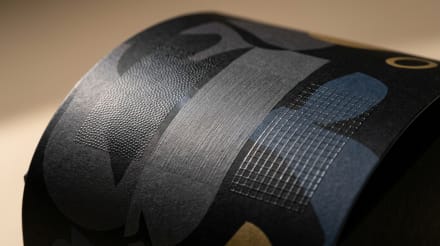
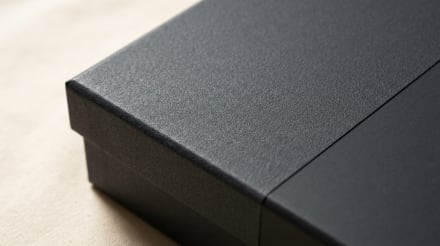

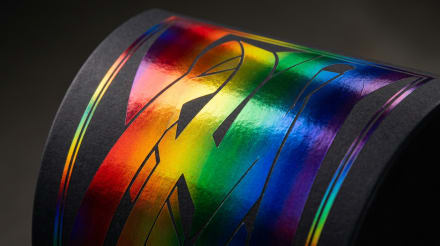
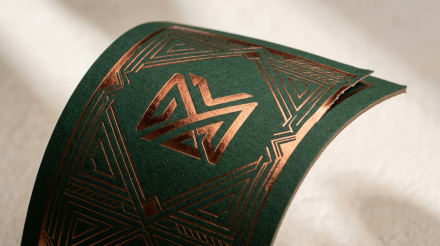
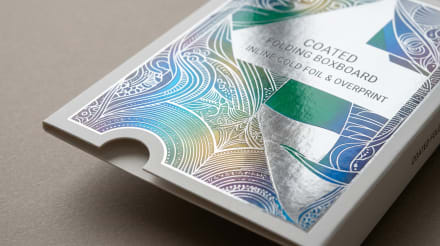





Add-ons
Closures, linings and the extra touches
Every food brand, beautifully packaged.
Bakery & Patisserie Packaging
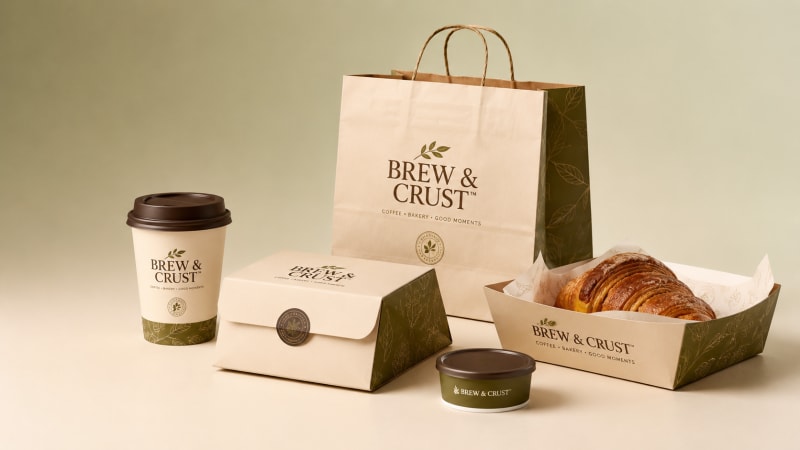
Window boxes, grease-resistant board, tissue and macaron inserts. Gift-ready from the counter, every time.
Packaging food deserves to be in.
Food-safe board and accurate print, with a spec for every application on the menu.
Why food packaging is the brand
In food service, the box is the first impression every time.
The table and the takeaway
A patisserie box on a marble counter and a pizza box on a doorstep do the same job. The packaging is the brand touchpoint, and in food service that touchpoint happens at every transaction.
Instagram ate first
Food photography drives purchase decisions. A good-looking box creates organic content, because every customer with a phone will share packaging that is worth photographing.
Food-safe is non-negotiable
Every board we use for food packaging is food-grade certified. Inks are FDA/EU food-contact compliant. Grease-resistant coatings available for fried food, pastries, and baked goods.
Food-grade materials
Safe for food. Beautiful on a table.
Food-contact boards
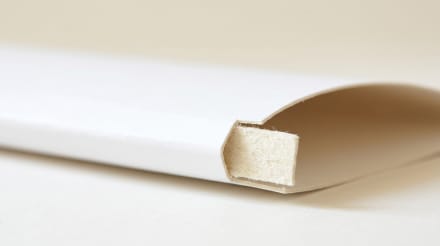
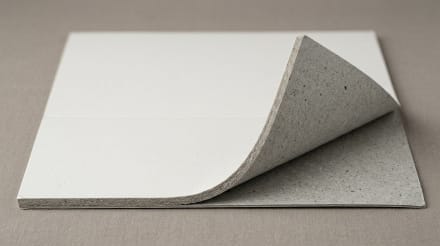
White SBS (solid bleached sulphate) or Kraft for uncoated applications. Both are food-grade certified. PE coating available for moisture/grease resistance without compromising recyclability.
We print with water-based and UV-cured inks, and both are FDA and EU food-contact compliant. Full-bleed print on all exterior panels. Interior print with food-safe ink on selected configurations.
Finishes
Matte lamination for on-table and retail. Gloss for high-contrast visual impact. Soft-touch for premium bakery and patisserie. No solvent-based finishes on food-contact surfaces.
Every food packaging format
From bakery to banquet.
Tuck cartons
For retail grocery, supplement bars, packaged snacks. Full four-colour print, nutritional label panels, barcode and batch-code areas engineered into the dieline.
Bakery & patisserie boxes
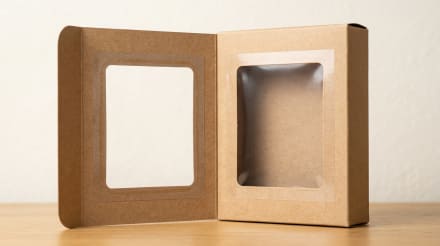
Window die-cuts for pastry display. Grease-resistant coated interior. Cake and macaron inserts. From counter gifting to wholesale supply.
Carry bags & gable boxes
Custom printed paper bags and gable-top carry boxes. The brand travels with the customer, and every commuter carrying a branded bag becomes a mobile billboard.
Every food category, covered
Restaurant to retail.
Bakery & patisserie
Window boxes for product preview, grease-resistant board, tissue and insert options. Gifting-ready at point of purchase.
Restaurant & takeaway
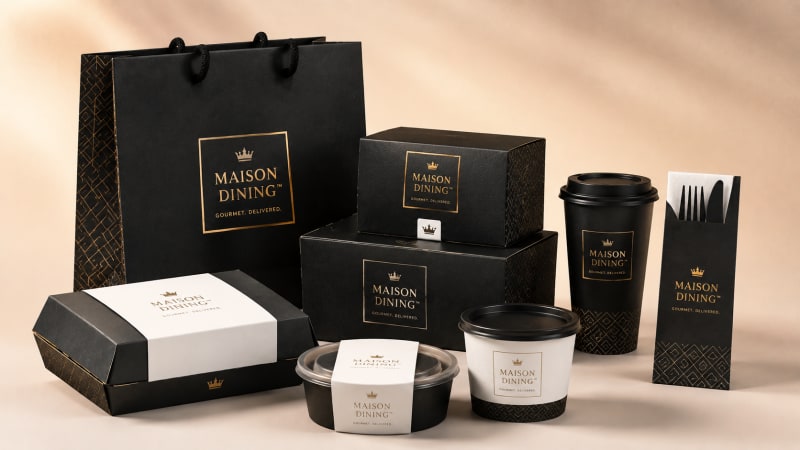
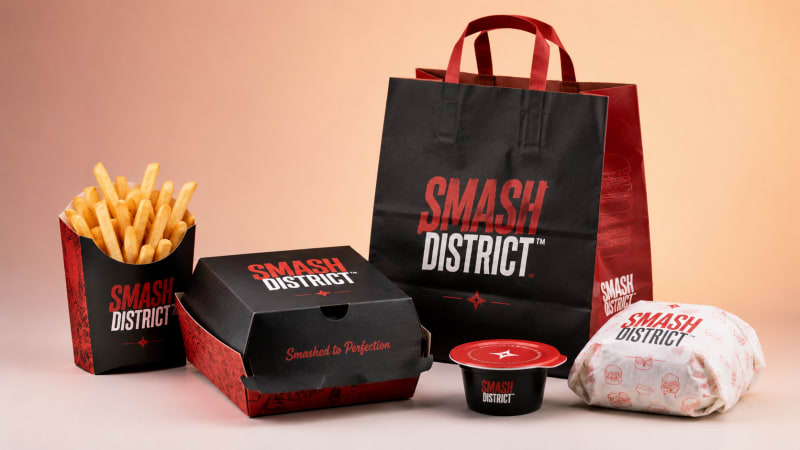
Printed carry bags, branded boxes, napkin sleeves. Consistent visual identity across every table and every delivery.
Retail & grocery
Tuck cartons with full nutrition labelling panels, barcodes, batch codes. Meets grocery retailer packaging standards globally.
Premium gifting
Rigid presentation boxes for hampers, confectionery, and premium food gifts. Custom inserts, ribbon pulls, gift-ready assembly.
From kitchen to customer
The food packaging supply chain.
01. Compliance brief
We confirm food contact status, grease levels, and any regulatory requirements before speccing board or print method.
02. Dieline & artwork
Food packaging dielines include every mandatory label area for nutrition, allergen, batch and barcode information. Artwork supplied or created in-house.
03. Print & deliver
Flat-pack to your facility. Food packaging runs on tight reorder cycles, so we hold your dieline and can reprint within 5 working days.
Questions, answered.
No. Only materials specifically certified as food-contact safe are. Board, coatings, inks and adhesives each need approval for the type of contact involved.
The distinctions matter in practice. Dry contact (a cookie in a box) is less demanding than wet or fatty contact (a burger in a clamshell), and hot contact is more demanding again because heat speeds up migration from packaging into food. A material cleared for one is not automatically cleared for the others. Specify the actual condition, whether dry, wet, fatty, hot or microwave, rather than asking for food-safe in general.
PFAS are per- and polyfluoroalkyl substances, the fluorochemicals long used to make paper grease-resistant, and they are now banned or restricted in food packaging across a growing list of US states.
California, New York, Washington, Minnesota, Colorado and others have enacted restrictions, typically targeting intentionally added PFAS with a total organic fluorine threshold around 100 ppm. Compliant grease barriers exist and they work: mechanically refined dense papers that resist grease through fibre density, silicone-based coatings, and clay-coated grades. Ask any supplier to name their grease barrier method outright. A supplier who cannot answer that plainly is not one we would buy from.
Ventilation. Hot food releases steam, and in a sealed container that steam condenses back onto the food.
Vent holes or slots placed high in the container, where the steam collects, let moisture out while keeping most of the heat in. That is why fried-food boxes are perforated and why a burger in a sealed clamshell arrives with a damp bun. The balance can be tuned. More venting keeps food crisper but loses heat faster, and the right setting depends on your average delivery time. Test at realistic delivery durations rather than at counter service times.
Compostable means certified to a standard such as ASTM D6400 or EN 13432. Biodegradable, without a standard behind it, means very little.
The follow-up question that matters is where it composts. Industrially compostable requires a commercial facility that reaches sustained high temperatures, and most consumers have no access to one. Home compostable is a separate and stricter certification. Packaging labelled compostable without saying which is not giving customers usable information, and in several jurisdictions that is now a labelling problem rather than just a clarity one.
Most takeout cartons run 18pt to 24pt clay-coated board, with corrugated E-flute for anything heavy or hot.
Load decides it rather than food type. A pizza box at 16 inches spans too far for folding board and moves to corrugated, while a burger clamshell at 5 inches is fine at 18pt. Anything carrying liquid weight, such as a soup bowl or a sauced dish, needs both the caliper and a base construction that spreads the load, because a tucked bottom under a full container eventually lets go.
Yes. Food-contact-approved inks are standard on any surface that touches food or could migrate into it.
The practical rule is that inks on the outside of a carton are lower risk than inks on an inner surface, but migration through board is possible, which is why low-migration ink systems are specified for direct and near-direct contact. Water-based and soy-based inks are common choices, and they also sit well with recyclability claims since they do not interfere with repulping.
Most custom food packaging starts at 500 units, with lead times of 7–10 business days.
The minimum exists because setting up a print run and a cutting die carries fixed costs that need spreading across enough units to make sense. Below that, digital printing can produce shorter runs at a higher unit price, which suits new products testing demand. Above roughly 10,000 units, offset or flexographic printing takes over and the per-unit cost falls substantially.
Yes, provided the grease barrier is not a plastic laminate.
Plastic-laminated board resists grease well but is a mixed-material item that most paper recycling streams reject. The recyclable routes are mechanically refined dense papers, clay coatings and aqueous coatings, all of which keep the item in the paper stream. There is an honest trade-off: these barriers generally perform less aggressively than a laminate, so for heavily fried or long-hold foods you may need to choose between the barrier performance and the recyclability claim.
Your brand deserves
better packaging.
Work one to one with a dedicated packaging manager, from first sketch to delivery.