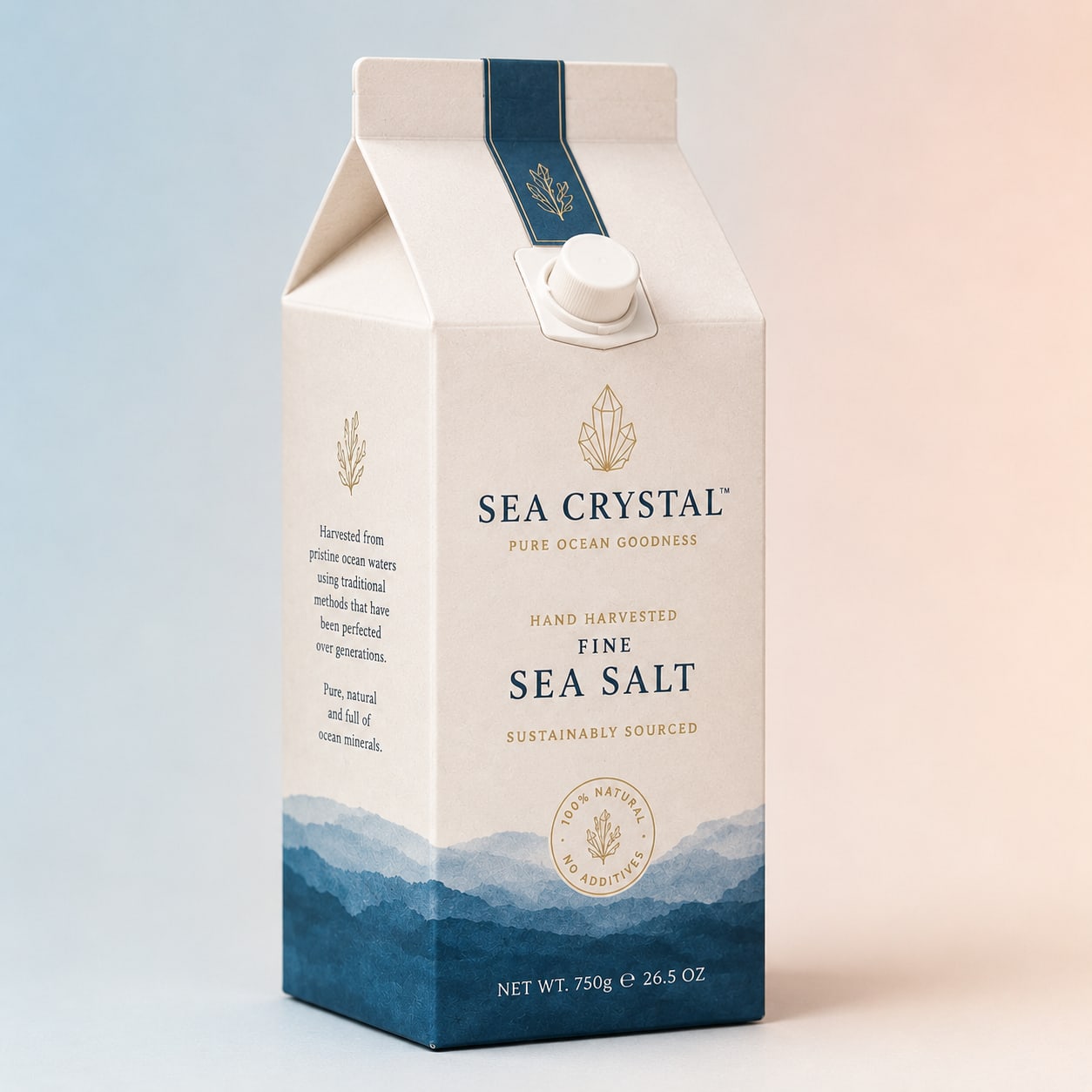
Custom Printed Salt Packaging.
Final price depends on size, material, finish and quantity. Your packaging manager confirms it before production.
Your custom box, quoted.
The full specification book.
Six chapters. Six colours. Click a tab to turn the page.
Printed Salt Packaging
Corrosive, hygroscopic and heavy for its size, three packaging problems in one low-cost product.
Salt draws moisture, cakes solid and attacks unsuitable materials. The pack has to stay dry inside and hold real weight in a small footprint.
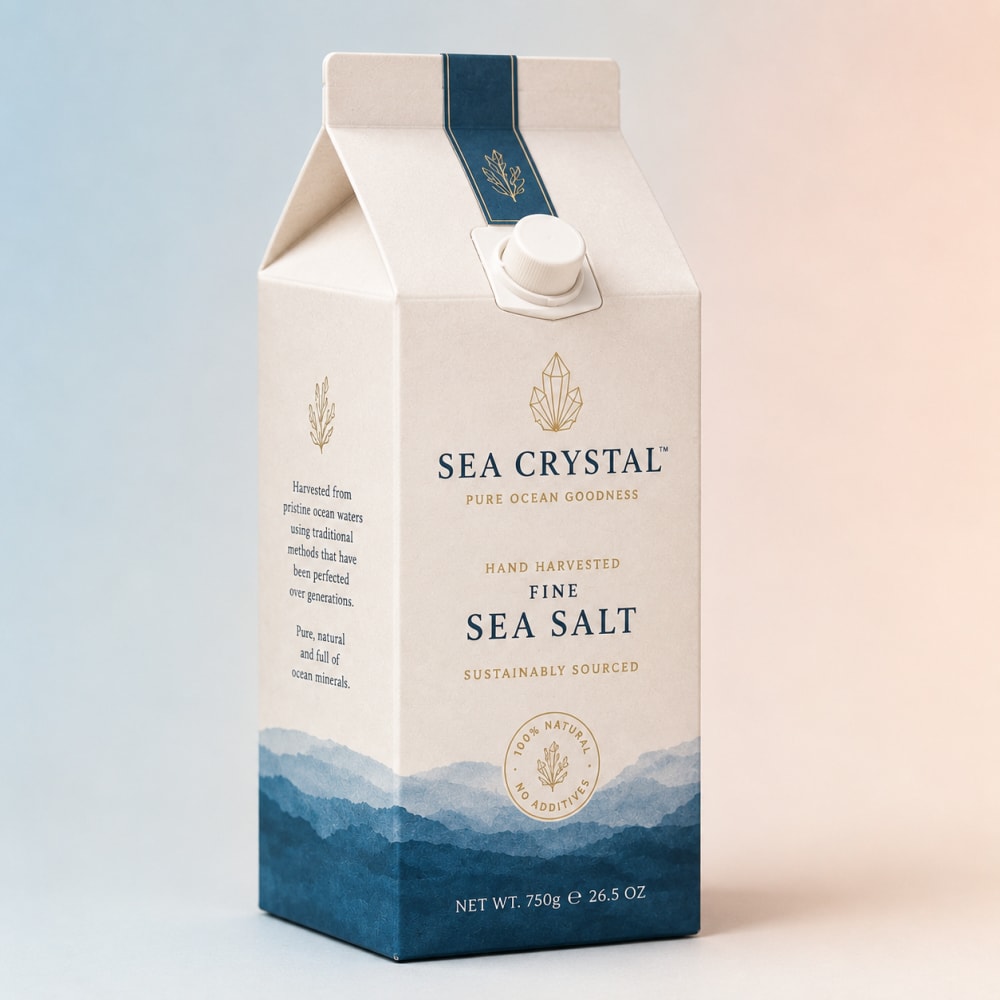
Every detail. Intentional.
It draws moisture
Which is what makes it cake.
Weight concentrated in a small pack
Base and seams carry real load.
Corrosive to some materials
Liner chosen against the contents.
Pour or shake dispensing
Designed rather than assumed.
Reseal for the cupboard
Opened over months.
Barrier both directions
Moisture in is the failure.
Built like architecture.
Every order of Custom Printed Salt Packaging is an engineered build, measured, dieline-cut and hand-wrapped to spec. Below is the standard build sheet.
✦ Need a custom spec? Talk to our atelier. Every detail is negotiable.
Every surface, hand-selected.
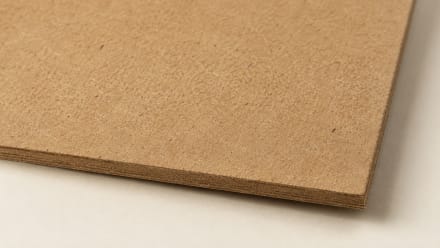
What this product is built from, and the surfaces it takes. Below the build sheet sits the full swatch library. Every option applies across our range, and a physical swatch set is available on request.
Material
The board and paper your box is built from.
 ◷ ECO
◷ ECO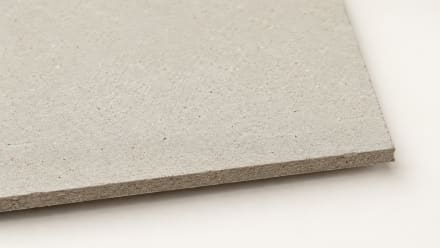 ◷ FINISH
 ◷ FINISH
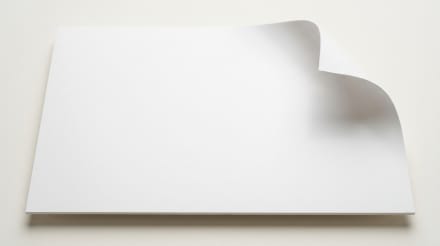 ◷ FINISH
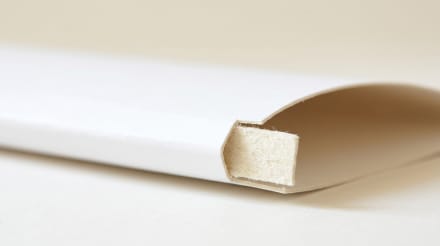 ◷ FINISH
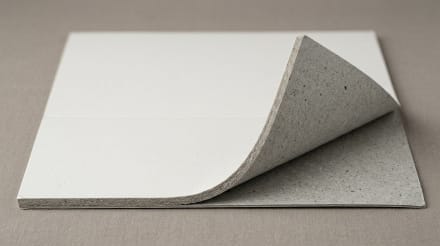 ◷ FINISH
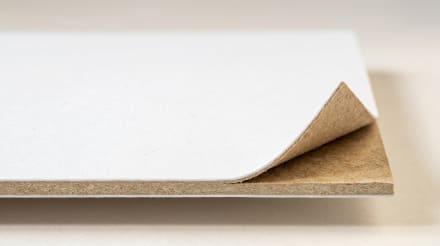 ◷ FINISH
 ◷ FINISH
 ◷ FINISH
 ◷ FINISH
 ◷ FINISH
 ◷ FINISH
Finishes
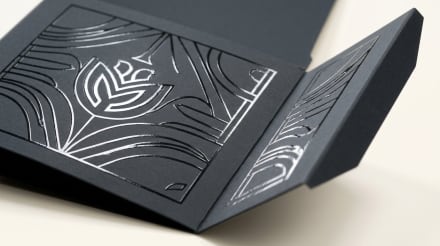
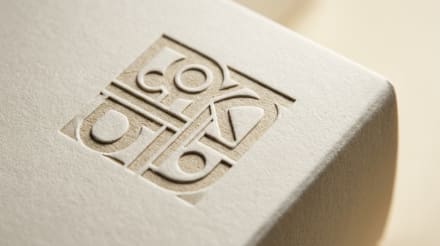
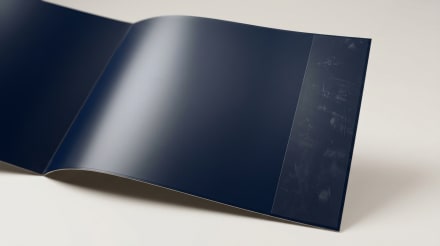
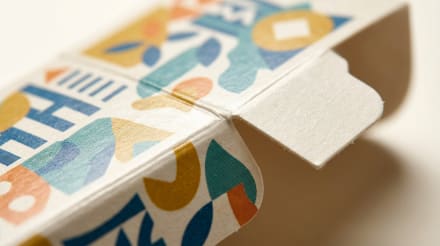
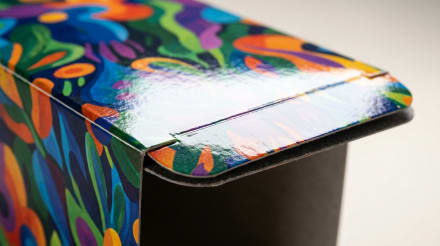
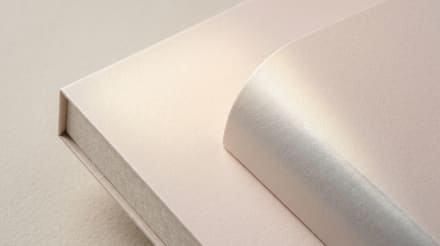
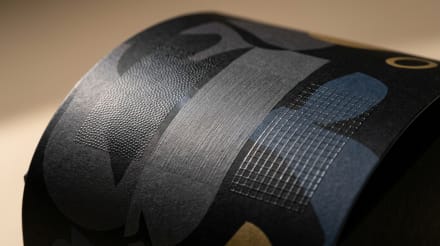
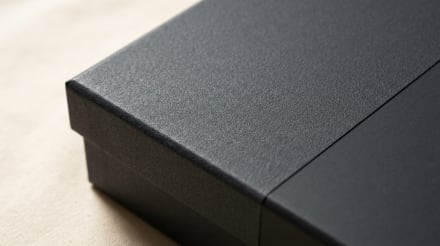
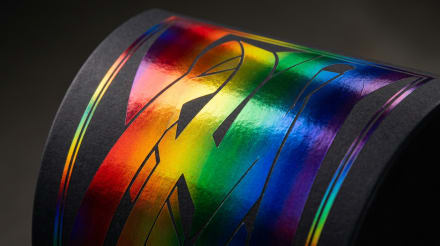
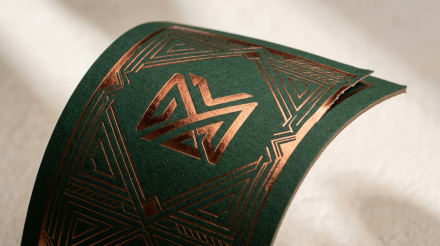
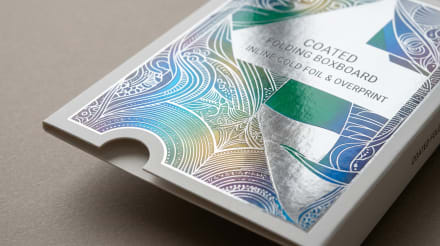
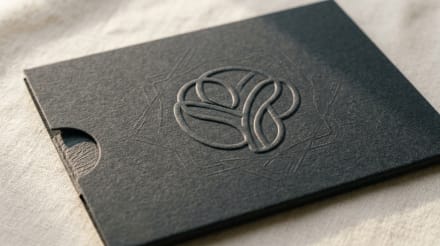
How the outer surface looks, feels, and catches light.
 ◷ FINISH
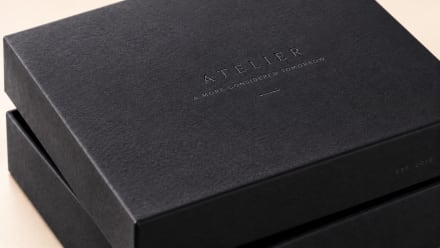 ◷ FINISH
 ◷ FINISH
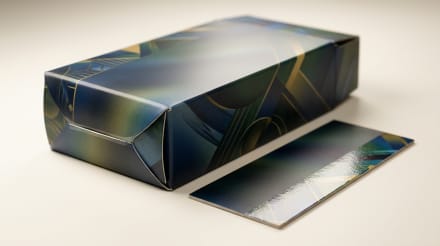 ◷ FINISH
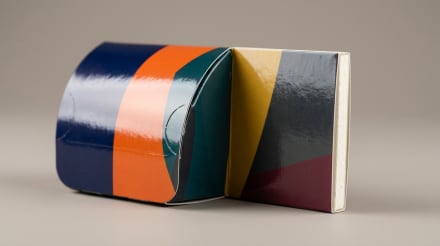 ◷ FINISH
 ◷ FINISH
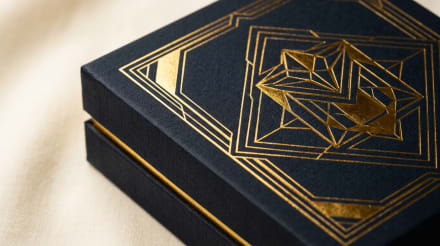 ◷ FINISH
 ◷ FINISH
 ◷ FINISH
 ◷ FINISH
 ◷ FINISH
 ◷ FINISH
 ◷ FINISH
 ◷ FINISH
 ◷ FINISH
 ◷ FINISH
 ◷ FINISH
 ◷ FINISH
 ◷ FINISH
 ◷ FINISH
 ◷ FINISH
 ◷ FINISH
 ◷ FINISH
 ◷ FINISH
 ◷ FINISH
 ◷ FINISH
 ◷ FINISH
 ◷ FINISH
 ◷ FINISH
 ◷ FINISH
Add-ons
Closures, linings, and hardware that complete the build.
 ◷ FINISH
 ◷ FINISH
 ◷ FINISH
 ◷ FINISH
 ◷ FINISH
 ◷ FINISH
✦ Mix and match across all three and we'll build your exact combination.
The full kit of capabilities.
Sizing & dieline.
Every Custom Printed Salt Packaging is made to your fill, not pulled off a shelf. A pouch is quoted width × length. Tell us what goes inside and how much of it, and we return a measured spec, free, before you commit to anything.
A pouch is sized by what goes in it, not by outside dimensions. Give us the fill weight and, if you can, the bulk, since 500 g of granola needs far more bag than 500 g of powder.
We quote width × length. Flat pouches need no gusset figure, because the bag lies flat when empty.
Zipper or heat seal only, valve or no valve, window or full barrier. These change the film and the bag height, so they belong in the spec rather than added afterwards.
✦ Not sure of your size? Send us the product and we measure it and build the dieline.
Pricing & minimums.
We price Custom Printed Salt Packaging per specification rather than from a fixed list, because the same build in two different finishes can land at very different numbers. Below is what actually moves the price, so you can shape the spec before you request a quote.
The single biggest lever. Unit cost falls sharply as volume rises, because setup and tooling spread across more pieces.
Board weight and stock choice change both the raw material cost and the shipping weight of the finished run.
Foil, spot UV, embossing and soft-touch each add a pass on press. One or two lift the box; five compound the cost.
Full-bleed print inside and out costs more than a one-sided design on natural stock.
Foam, moulded pulp, velvet pillows, magnets and ribbon are priced per piece on top of the box itself.
Standard production is the base rate. Rush moves you up the production queue and carries a surcharge.
✦ Quotes returned within 24 hours.
Questions, answered.
Everything you need to know about Custom Printed Salt Packaging.
Salt needs a moisture barrier, because plain paper lets water vapour straight through. Salt draws water from the air and sets into a lump that will not pour, so the barrier works against moisture coming in rather than anything getting out. The classic structure is paper for the print, foil for the barrier and PE to seal.
Uncoated paper is the one thing we will not run for this product, since the sachet stops doing its job in the first humid week.
Salt is corrosive to some materials, so the inner layer that touches it has to be one it does not attack. A PE sealant layer is inert against salt and is what makes the seal, with the foil sitting behind it out of contact. Getting the liner wrong shows up as pinholes and a pack that stops being a barrier.
The pack is also heavy for its size. Base seals and side seams carry real load, so the seal width is set for weight rather than the minimum the film allows.
An easy-tear sealant layer lets the sachet open cleanly across the top from a notch. Standard sealant films stretch and resist, which is how a diner ends up with salt across the table. The easy-tear grade fractures in a straight line, and the printed tear-notch marking shows where to start.
Resealing is not part of this format. Portion sachets are single-use, and a reclosable salt pack is a different structure.
Flexo in one or two colours is the standard, with full CMYK where the sachet is a branded piece. High-volume condiment sachets carry a logo and the mandatory text and nothing more. Speciality and sea salt brands go for a kraft outer with a natural look, or a metallic reveal that leaves areas unprinted so the foil shows through.
Unprinted stock is available for bulk and white-label supply.
Sachets are sized by fill weight in grams, and the outside dimensions follow from that. A portion-control sachet is specified to the gram, and the sachet dimensions come from the fill and the sealing machine. Typical flat pouches run around 4 by 6 inches and cartons around 3 by 2 by 5 inches.
Roll stock for a form-fill-seal line is supplied on a reel cut to your machine's web width and repeat length.
Pre-made sachets and pouches are quoted from 500 units. Salt is a high-volume product and the economics improve sharply past 1,000, which is where the tiered pricing begins. A production order can run to 100,000 sachets.
Roll stock for a form-fill-seal line is quoted by reel length instead, and the equivalent minimum works out similar.
Production takes 7 to 10 business days once the artwork is approved. Rush production is 5 to 7 business days for a launch that cannot wait. Printed samples of the laminate take 5 to 7 business days, and if you go ahead with the bulk order the sample fee is credited against it.
Roll stock needs the machine specification up front, so send web width and repeat with the artwork.
Foil laminate is the full barrier, and metallised film costs less and is enough for normal storage. A true aluminium foil layer stops moisture completely, which suits a sachet that may sit in a warm kitchen for months. Metallised film carries a thin deposited metal layer and holds well in a dry store with steady turnover.
Neither is plain paper, and neither can be recycled as paper. The paper outer gives print quality and feel, and the metal layer gives the barrier.
Other products you might love.
Ready to start your Custom Printed Salt Packaging project?
Get a free quote in 24 hours. Our atelier is here to help.