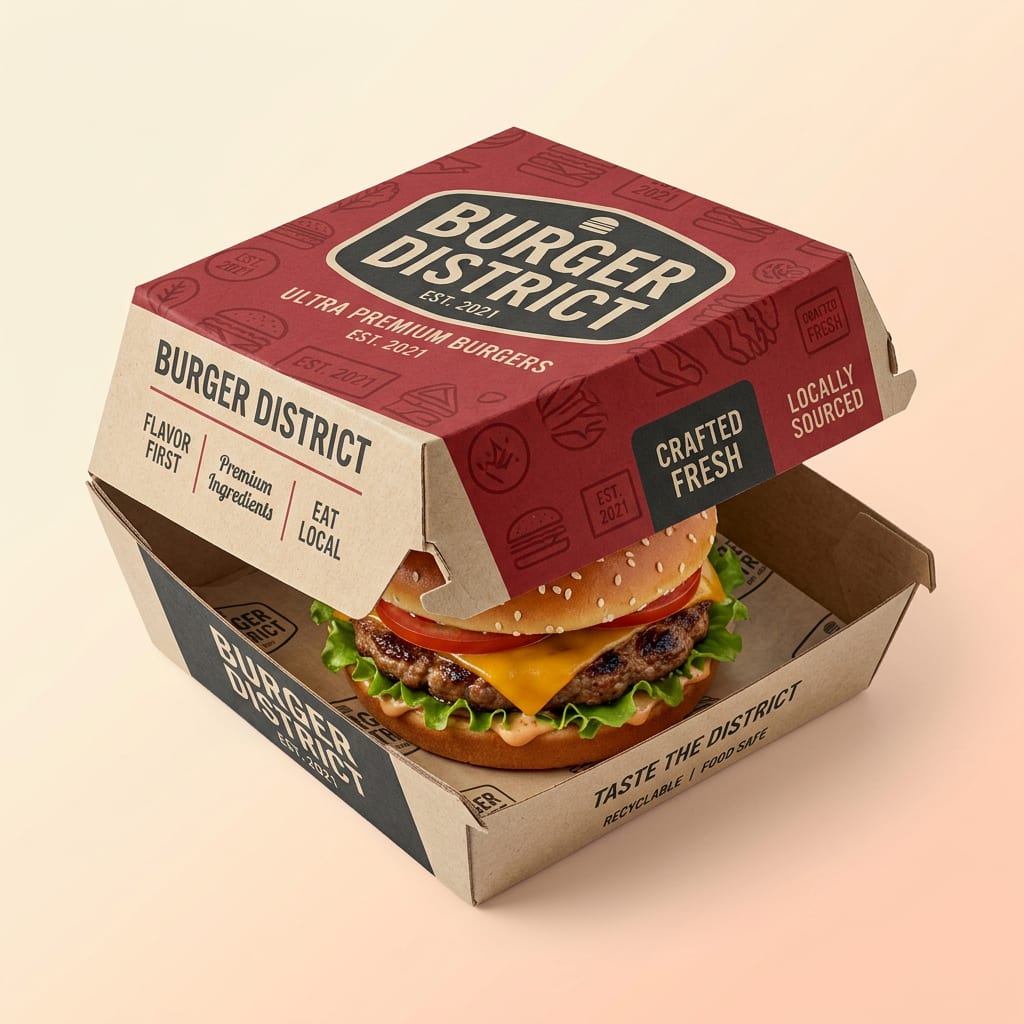
Burger Boxes.
Final price depends on size, material, finish and quantity. Your packaging manager confirms it before production.
Your custom box, quoted.
The full specification book.
Six chapters. Six colours. Click a tab to turn the page.
Burger Boxes
A clamshell that vents while it holds heat, which is the balance every hot-food box negotiates.
Hot fillings release steam that softens a bun inside a sealed container. Vent ports positioned high bleed it off while the board's coating handles grease from below.
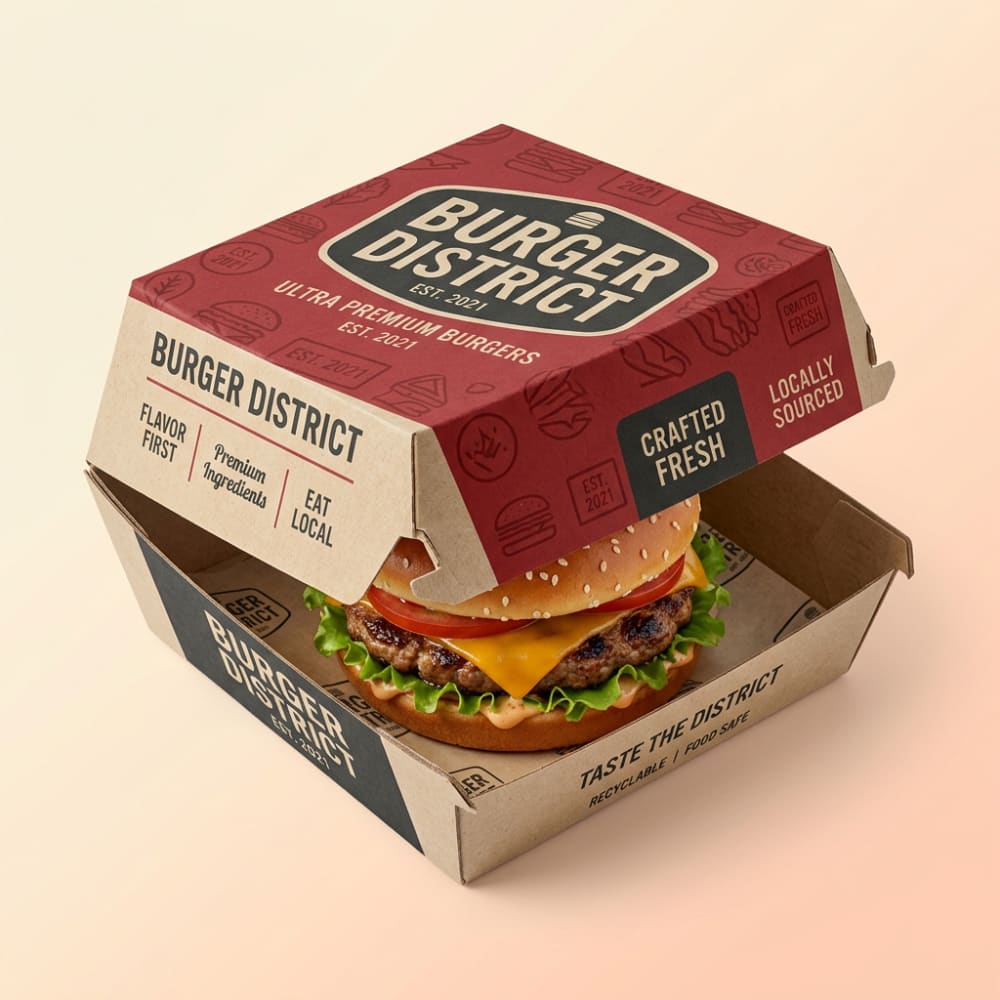
Every detail. Intentional.
Vent high, where steam gathers
Which is what keeps a bun intact.
Grease-coated interior
Butter and fat mark bare board fast.
One-piece hinge
No separate lid to align or lose.
Front tab holds it closed
Through a delivery bag's handling.
Flat tops for delivery bags
Square footprints for delivery.
Every surface is food-safe
Board, coating and inks alike.
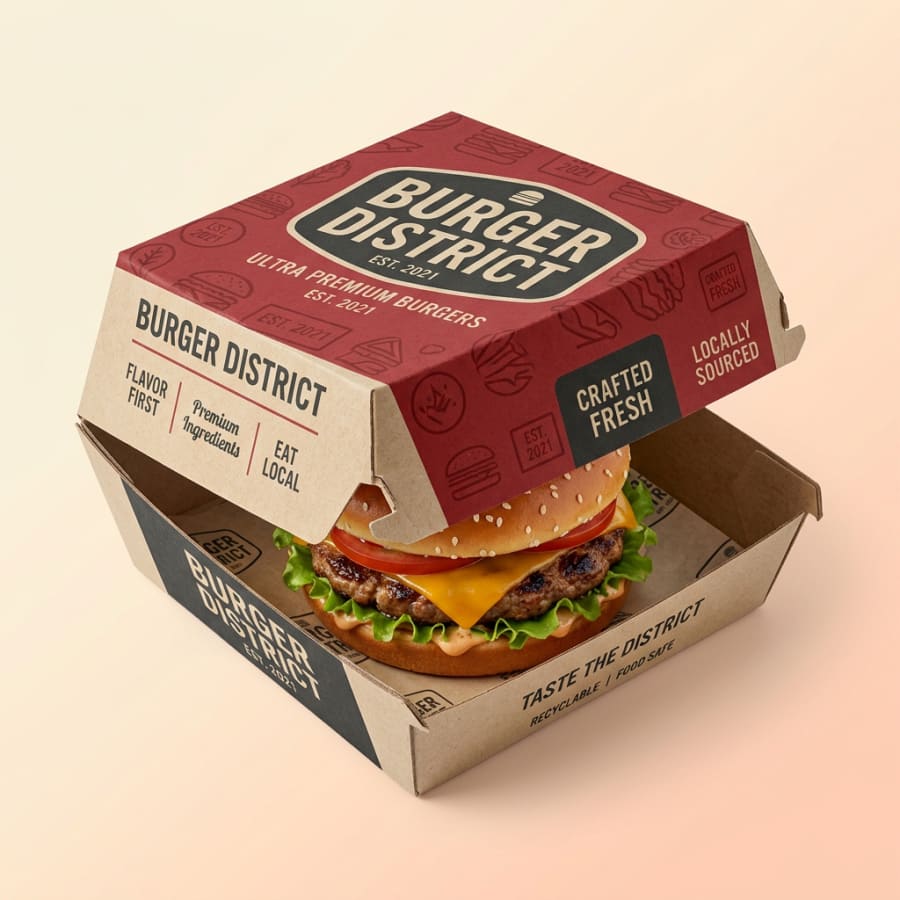
Built like architecture.
Every order of Burger Boxes is an engineered build, measured, dieline-cut and hand-wrapped to spec. Below is the standard build sheet.
✦ Need a custom spec? Talk to our atelier. Every detail is negotiable.
Every surface, hand-selected.
What this product is built from, and the surfaces it takes. Below the build sheet sits the full swatch library. Every option applies across our range, and a physical swatch set is available on request.
Material
The board and paper your box is built from.
 ◷ ECO
◷ ECO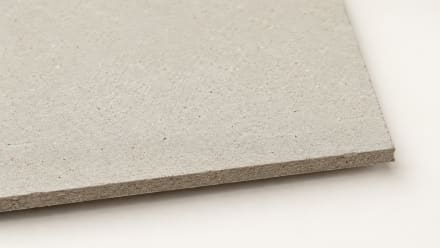 ◷ FINISH
 ◷ FINISH
 ◷ FINISH
 ◷ FINISH
 ◷ FINISH
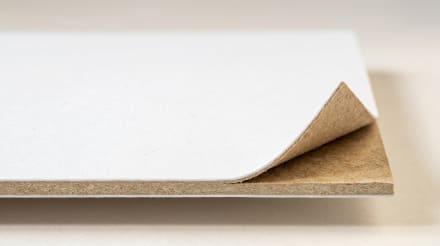 ◷ FINISH
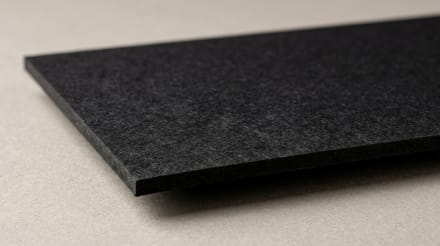 ◷ FINISH
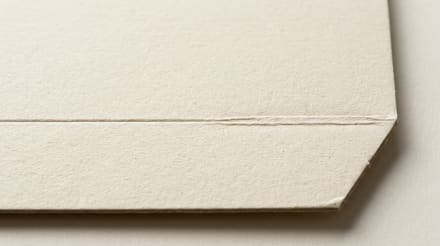 ◷ FINISH
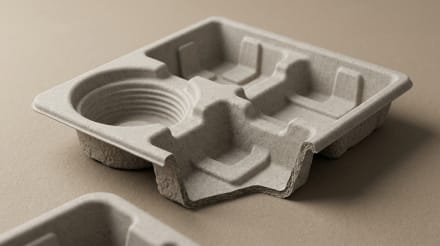 ◷ FINISH
 ◷ FINISH
 ◷ FINISH
Finishes
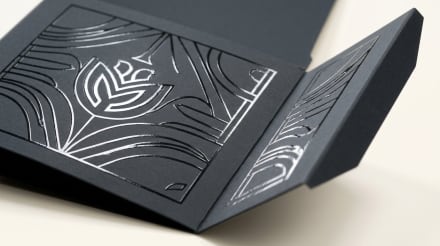
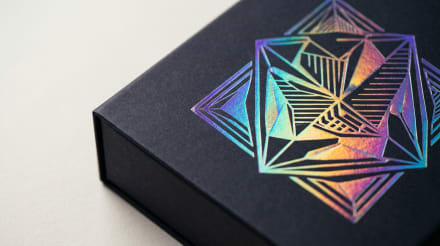
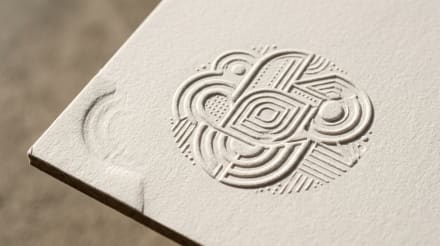
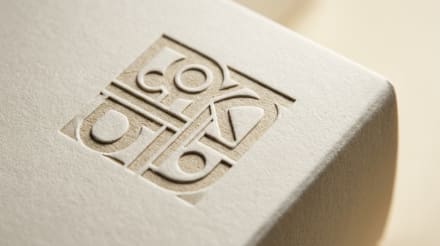
How the outer surface looks, feels, and catches light.
 ◷ FINISH
 ◷ FINISH
 ◷ FINISH
 ◷ FINISH
 ◷ FINISH
 ◷ FINISH
 ◷ FINISH
 ◷ FINISH
 ◷ FINISH
 ◷ FINISH
 ◷ FINISH
 ◷ FINISH
 ◷ FINISH
 ◷ FINISH
 ◷ FINISH
 ◷ FINISH
 ◷ FINISH
 ◷ FINISH
 ◷ FINISH
 ◷ FINISH
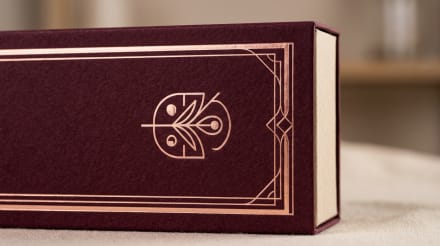 ◷ FINISH
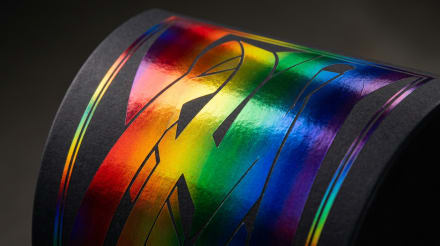 ◷ FINISH
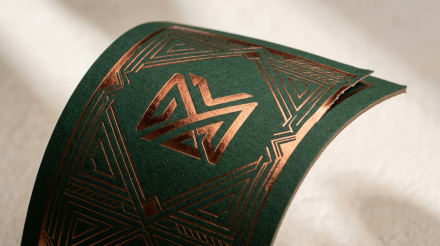 ◷ FINISH
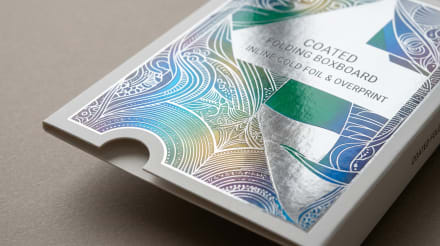 ◷ FINISH
 ◷ FINISH
 ◷ FINISH
 ◷ FINISH
 ◷ FINISH
 ◷ FINISH
 ◷ FINISH
Add-ons
Closures, linings, and hardware that complete the build.
 ◷ FINISH
 ◷ FINISH
 ◷ FINISH
 ◷ FINISH
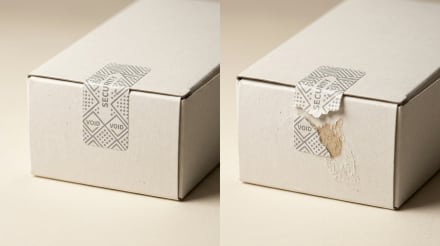 ◷ FINISH
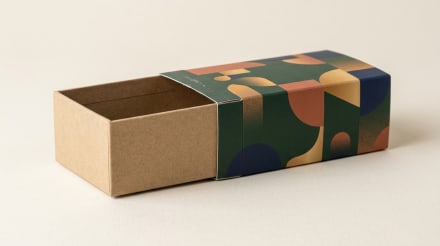 ◷ FINISH
✦ Mix and match across all three and we'll build your exact combination.
The full kit of capabilities.
Sizing & dieline.
We cut Burger Boxes to a dieline built around your product instead of pulling a stock size off the shelf. Send us the length, width and height of the item (or the item itself) and we return a measured dieline, free, before you commit to anything.
Length, width and height of the item itself, at its widest points. Measure the product, not the box you happen to use today.
Allow 2–4 mm on each axis for a snug fit, and more if you are adding foam, a pillow insert or tissue.
We quote as Length × Width × Height. Tell us whether you are working in millimetres or inches and we match it.
✦ Not sure of your size? Send us the product and we measure it and build the dieline.
Pricing & minimums.
We price Burger Boxes per specification rather than from a fixed list, because the same build in two different finishes can land at very different numbers. Below is what actually moves the price, so you can shape the spec before you request a quote.
The single biggest lever. Unit cost falls sharply as volume rises, because setup and tooling spread across more pieces.
Board weight and stock choice change both the raw material cost and the shipping weight of the finished run.
Foil, spot UV, embossing and soft-touch each add a pass on press. One or two lift the box; five compound the cost.
Full-bleed print inside and out costs more than a one-sided design on natural stock.
Foam, moulded pulp, velvet pillows, magnets and ribbon are priced per piece on top of the box itself.
Standard production is the base rate. Rush moves you up the production queue and carries a surcharge.
✦ Quotes returned within 24 hours.
Questions, answered.
Everything you need to know about Burger Boxes.
Steam from a hot patty collects at the top of a closed box and drops straight back onto the bun. Perforations in the lid or the upper wall bleed that steam off before it condenses. A sealed, unvented lid is the quickest way to deliver a soggy bun, which is why we do not offer one.
The vent positions are set high because that is where the steam gathers.
A front tuck tab locks into the base and holds the lid shut through the handling a courier bag gives it. The hinge is part of the one-piece blank, so there is no separate lid to align or lose during a rush. Flat tops and square footprints let boxes stack in a tote without sliding.
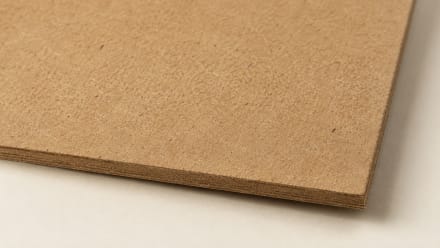
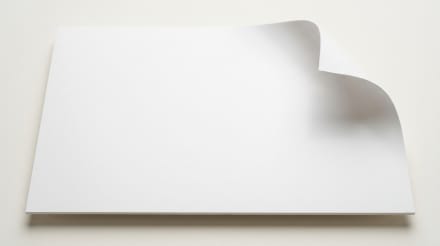
Clay-coated board for print, kraft for the artisan look, and E-flute corrugated for delivery-heavy operations. Clay-coated gives a smooth sealed surface that prints cleanly and resists grease well. Kraft hides oil marks and is the smash-burger default. E-flute adds crush resistance when boxes are stacked under other orders in a bag.
Every option carries a PFAS-free grease barrier, which matters most when fries share the box.
Kraft with a single-colour flexo logo is the dominant look, and full CMYK on white clay-coated board is the print-led alternative. Matte lamination suits chef-led brands. Spot colour matching to a Pantone reference keeps your brand colour steady between reprints, and grease-tolerant ink stays legible as the board takes oil.
The inside of the lid is the first surface the customer sees and is usually left blank. We print it.
Internal height is the critical measurement, and we size it to your build rather than to a catalogue. A smash burger sits around 70 mm tall, a double stack nearer 130 mm. Common footprints are 4.5 by 4.5 by 3 inches and 5.5 by 5.5 by 3 inches. One box does not fit every burger on the menu, so send us the tallest and the shortest build.
We start at 500 boxes per size and design. Price breaks begin once an order passes 1,000. Operators running two footprints usually order each at the minimum first, then consolidate at the higher tier once they know which size moves, which keeps the first invoice small while the menu settles.
Allow 7 to 10 business days for standard production. The rush option brings that down to 5 to 7 business days. A sample takes 5 to 7 business days, and we would put a real burger in it and leave it 20 minutes to see how the venting behaves. Whatever the sample costs is credited against the production order.
Kraft and clay-coated burger boxes are paper-based and recyclable where the grease load is modest. The PFAS-free barrier means the grease resistance is not coming from a fluorochemical, which is a state-level requirement in several markets now. Where an operator has commercial composting in place, PLA-lined board gives a compostable route instead.
Heavily soiled boxes belong in food waste or compost rather than the paper stream.
Other products you might love.
Ready to start your Burger Boxes project?
Get a free quote in 24 hours. Our atelier is here to help.