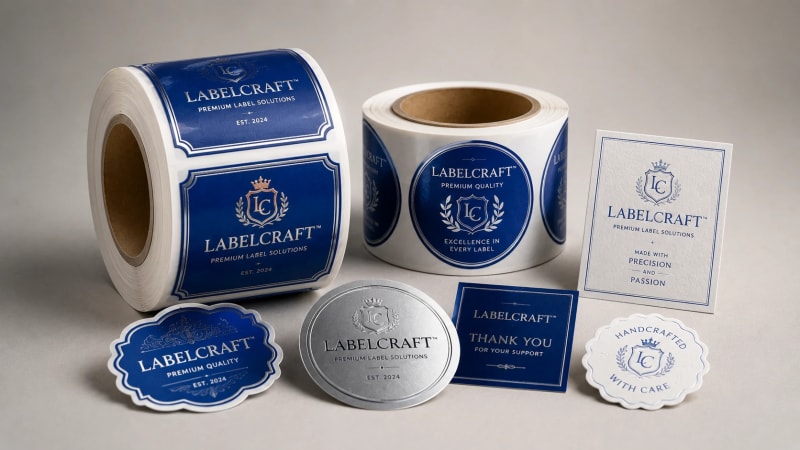
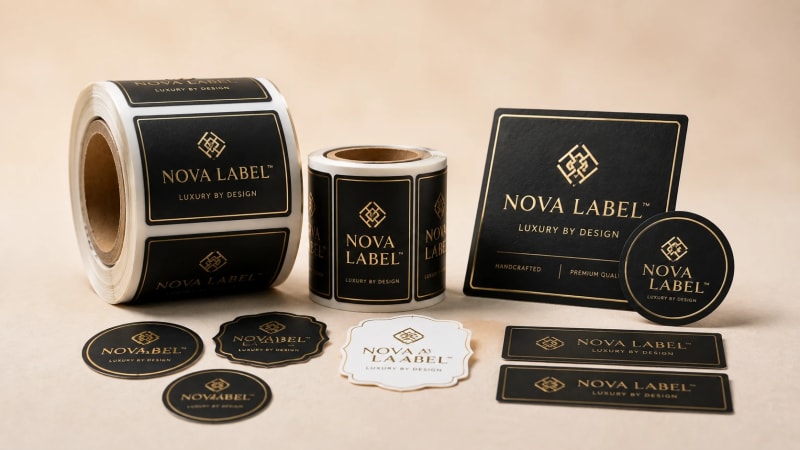
PremiumBespokeArtisanLuxuryLabels Stickers
Tell us about your boxes
Popular Labels Stickers
our brands keep reordering.
Hand-picked from our labels stickers range. 19 styles, each built for a different job.
The box is the building.
Inserts are everything else.
Furniture. Bodyguards. Stage crew. The unseen architecture that makes your product feel like it lives somewhere, not like it was just dropped in a box.
Paperboard Inserts
“Engineered paper architecture. Folds, locks, and reveals.”
Foam Inserts
“Soft armor that fits like a glove. Protection without weight.”
Molded Pulp Inserts
“Custom-shaped cradles for products of any silhouette.”
Velvet & Luxury Inserts
“Touch is the unsung sense. Make every reach into the box feel chosen.”
Bottle & Jar Inserts
“Hold the unholdable. Round things, fragile things, things that mustn't spill.”
Eco Inserts
“Plant-based, plastic-free, planet-positive. Compost-ready protection.”
Flexible Protection Inserts
“The unsung heroes of shipping. Soft cushioning that travels well.”
Marketing & Welcome Inserts
“The story slid in beside the product. Printed conversation starters.”
Every finish we offer on Labels Stickers.
Materials, finishes and add-ons available for this range. Order any of them as a free sample before you commit to a run.
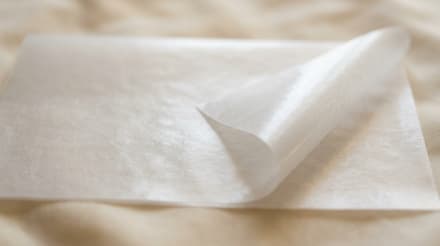
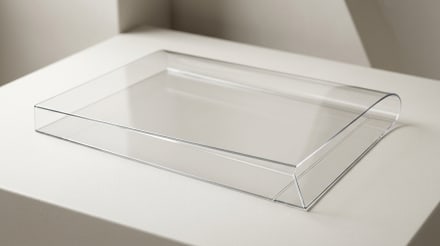
Materials
The board and film we build on

Finishes
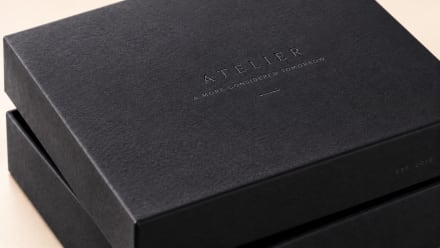
What the surface does in the light



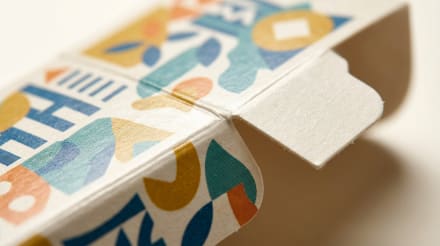
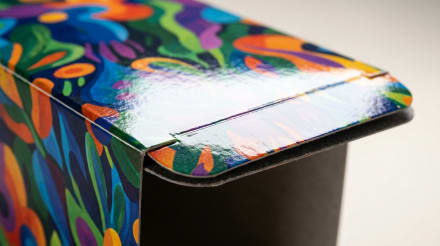

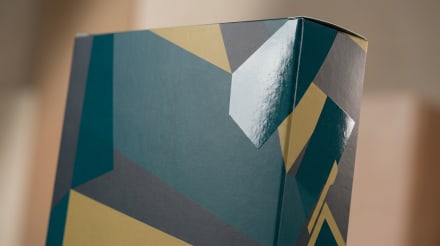
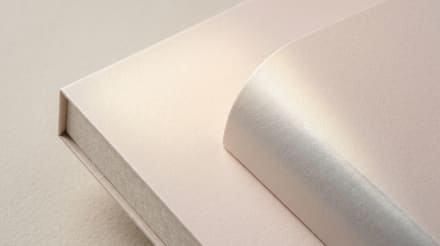





Add-ons
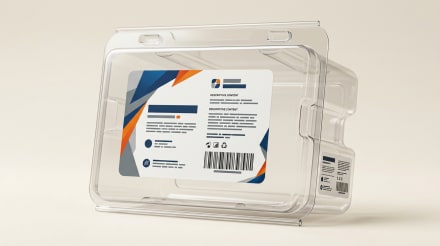
Closures, linings and the extra touches
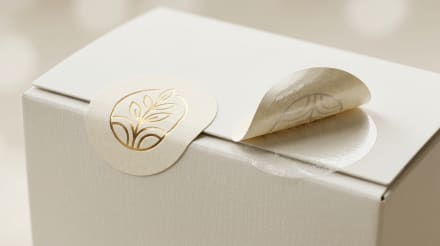
Every surface that carries a product carries a label.
Food & Beverage Packaging
FDA-compliant labels for refrigerated, frozen, and shelf-stable products. BOPP substrate for condensation resistance, full-colour CMYK, barcode-ready design that meets retailer spec.
The small surface that carries everything.
Custom labels and stickers in every substrate, adhesive, and finish that turns a small print area into a brand statement.
Why labels are the highest-ROI print.
A 4"×3" label communicates brand, compliance, and product story simultaneously.
The most-touched print surface
A consumer interacts with a product label an average of 7 times before purchase. They pick it up, read it, set it down, compare, come back, re-read and decide. No other packaging surface gets that repetition. The label that performs well in those 7 interactions converts.
Compliance and brand in one layer
Labels carry FDA requirements, ingredient lists, barcodes, and brand identity in the same 4 square inches. Fitting all four in without the label looking cramped or regulated is the skill. Our design team builds label artwork that passes regulatory review and wins shelf battle simultaneously.
Stickers as marketing collateral
Brand stickers have escaped the craft market and entered mainstream brand strategy. A die-cut sticker on a shipping box, a thank-you card, or a product becomes an earned placement, because customers apply them voluntarily to laptops, water bottles, and phone cases. Each placement is a brand impression that costs fractions of a cent.
Vinyl, BOPP, paper, or kraft?
The substrate determines durability, feel, and category signal.
BOPP (biaxially oriented polypropylene)
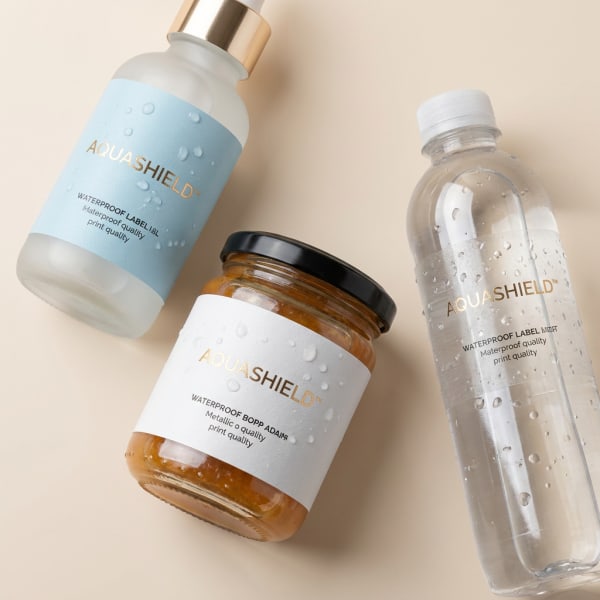
Waterproof, oil-resistant, tear-resistant. The substrate for food and beverage labels that encounter refrigeration, condensation, and handling. White or clear base available. Clear BOPP on a glass bottle creates a no-label look where the product shows through and the print appears to float.
White and kraft paper
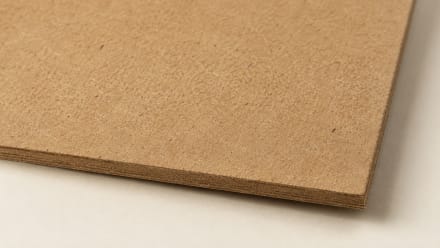
Coated white for crisp full-colour CMYK. Natural kraft for artisan, organic, and small-batch positioning. Paper labels have an authenticity signal that synthetic substrates cannot replicate, in the slight texture and slight give of a material that started as a forest.
Vinyl & specialty films
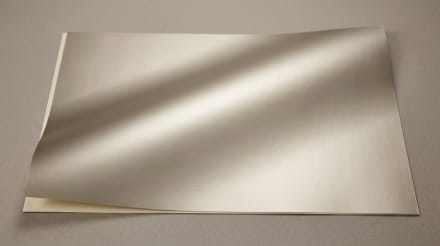
Holographic, metallic silver, metallic gold, ultra-destructible (anti-tamper), chrome. Vinyl labels are dimensionally stable and permanently adhesive, which suits outdoor equipment, industrial use, cannabis containers, and anywhere permanence matters more than recyclability.
Any shape, any finish, any quantity.
Die-cut to silhouette, finished to premium.
Die-cut shapes
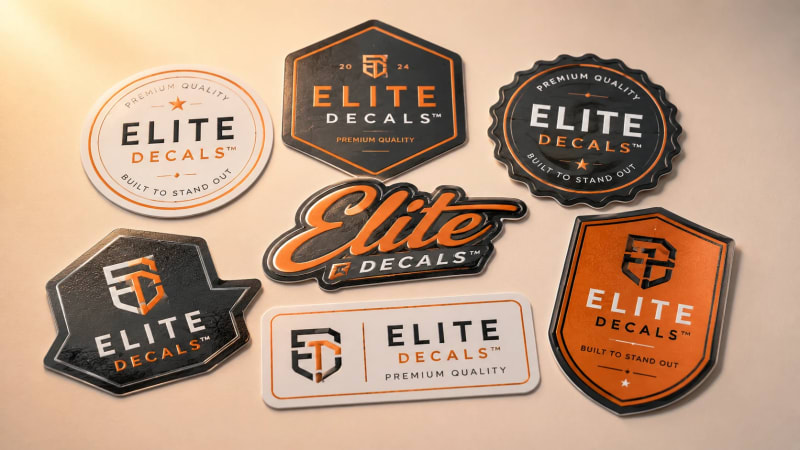
Rectangle, oval, and circle are the standard shapes. Custom die-cut to any silhouette, whether product shape, logo shape or abstract geometry. A label die-cut to the exact outline of your brand mark creates a shelf presence that rectangular labels cannot achieve.
Finishing that adds depth
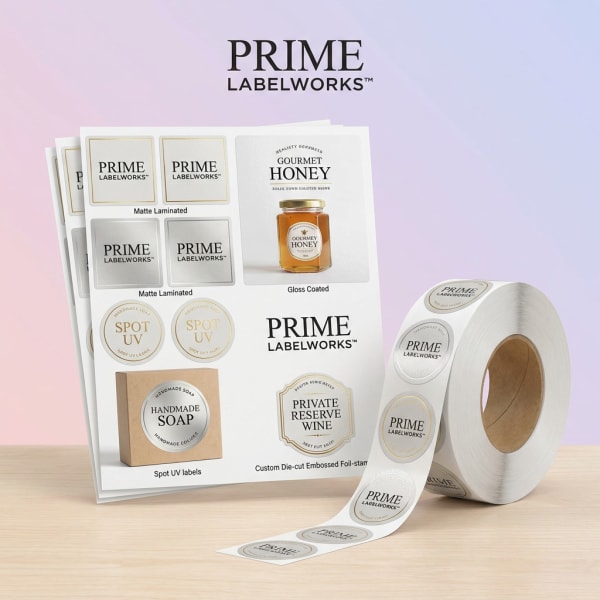
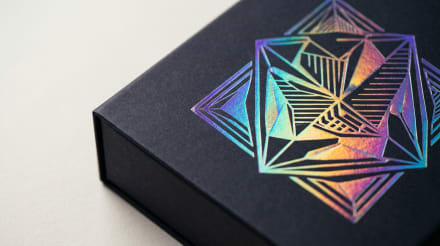
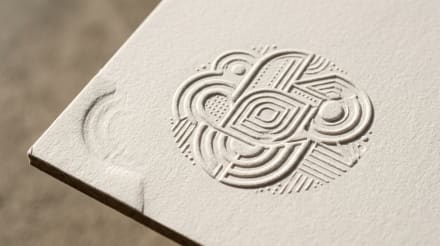
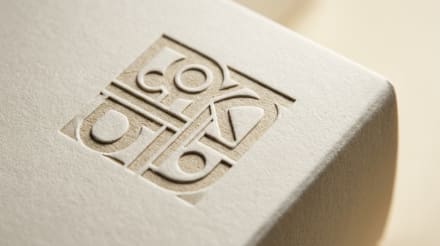
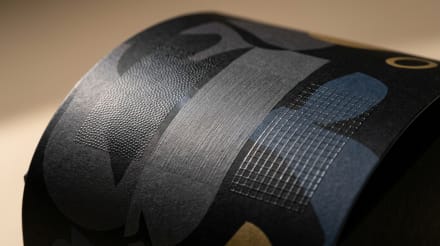
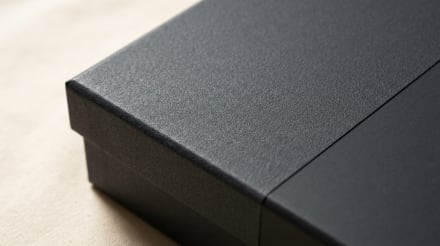
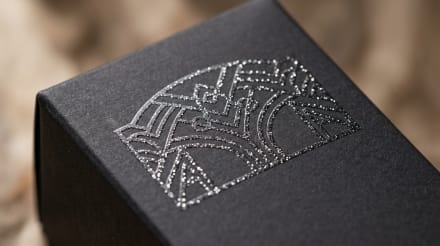
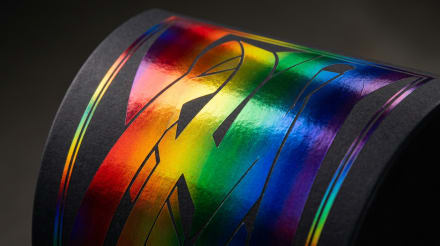
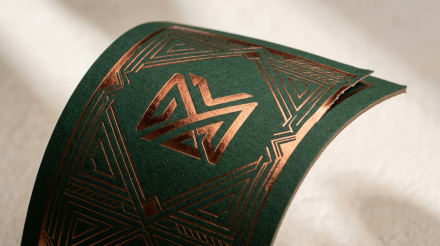
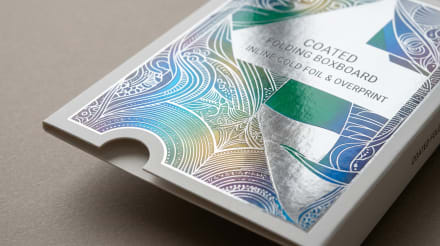
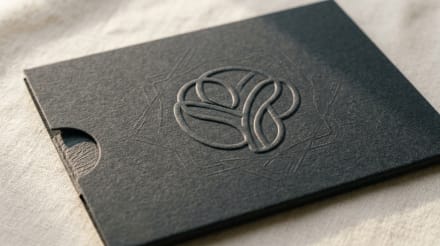
Cold foil stamping (gold, silver, copper, holographic) · spot UV gloss on matt base · soft-touch lamination · emboss and deboss · flood coat + spot clear. These finishes work individually or layered. A spot UV logo on a matt laminated kraft background is one of the most popular premium label finishes in the US market.
Adhesive selection
Permanent · removable (repositionable for retail products with price stickers) · high-tack for frozen and refrigerated applications · freezer-grade for below-zero storage · all-temperature for outdoor and industrial use. Adhesive selection is as important as the substrate, because the wrong adhesive fails at the wrong moment.
Every product sold on a shelf needs a label.
From food & bev to pharma to brand stickers.
Food & beverage
FDA-compliant ingredient panels, nutritional info, barcodes, and brand artwork in a single label. BOPP for refrigerated products, kraft for artisan goods, clear for premium spirits. The label that passes regulatory review and wins shelf appeal simultaneously.
Cosmetics & beauty
Skincare, haircare, fragrance, and wellness labels. BOPP for moisture-prone environments, soft-touch lamination for luxury positioning, hot foil logo for brand mark elevation. The label system that scales from unit sticker to full-body wrap.
Cannabis & regulated products
State-compliant cannabis labels with required panels, track-and-trace barcodes, and child-safety warnings, all without abandoning brand identity. Ultra-destructible vinyl for tamper evidence. Full design review against current state regulations.
Brand stickers & marketing
Die-cut brand stickers for packaging, events, and merchandise. Holographic vinyl for collectible appeal. Removable paper stickers for seasonal promotions. The format that turns customers into brand distributors, since every sticker applied is a voluntary billboard.
Questions, answered.
Functionally none, since both are printed adhesive-backed material. The difference is how they are used and supplied.
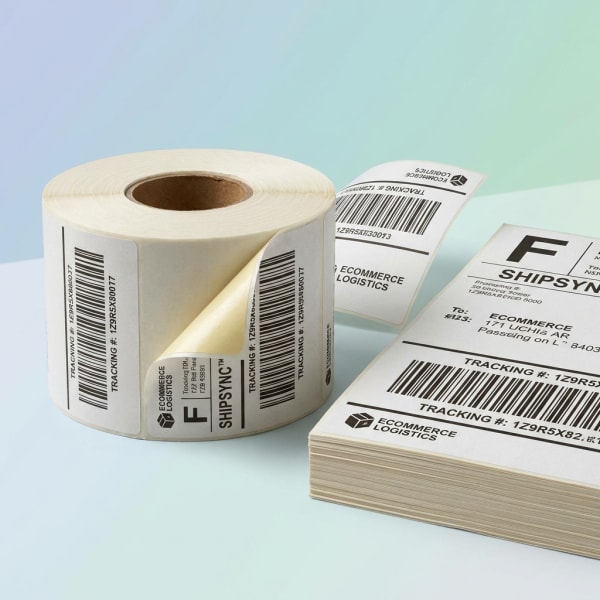
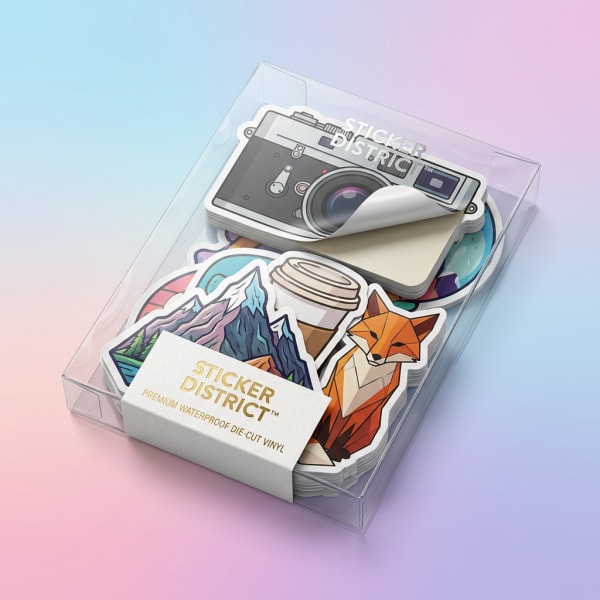
Labels are typically supplied on rolls for machine application and carry product information such as ingredients, barcodes, batch codes and regulatory content. Stickers usually come in sheets or as individual die-cut pieces, are applied by hand, and do promotional or decorative work. The specification conversation is the same for both: facestock, adhesive, and how it will be applied.
Die size, facestock, adhesive, core diameter, outer diameter, unwind position and gap distance.
The last four are machine requirements rather than design choices. Unwind position describes which way the label faces coming off the roll. There are eight standard positions, and an applicator built for one will jam on another. Core size is usually 3 inches for industrial applicators and 1 inch for desktop printers. Get these wrong and you have a correct-looking roll that cannot be run.
Film facestocks such as BOPP, polypropylene, vinyl and polyester are waterproof by nature. Paper labels are not, whatever the coating.
Waterproofing is a system, though, and the facestock is only one part of it. The ink must be water-stable, a laminate has to protect it from abrasion, and the adhesive must hold on a wet or chilled surface. Standard permanent adhesives lose their grip on a container running with condensation, which is what freezer-grade and wet-apply adhesives exist for. The weakest of those four layers decides the result.
Almost always a surface-energy problem. HDPE, polypropylene and recycled kraft are low-energy or textured surfaces that standard adhesives struggle to bond to.
The fix is a high-tack adhesive formulated for those substrates. The failure is often delayed. A label that looks fine leaving the line lifts at the edges days later in a customer's cupboard, which is why the only reliable test is the real container, filled, at a realistic temperature, left alone for a week.
Kiss-cut cuts through the sticker but not the backing. Die-cut cuts through both, so the sticker and its backing share the same shape.
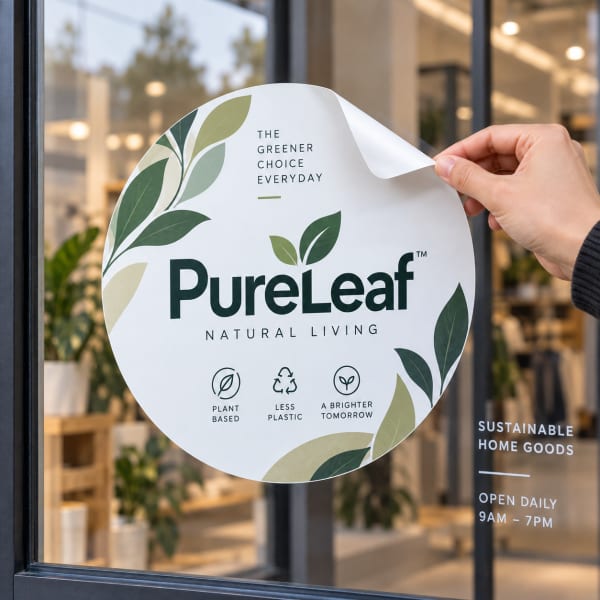
Kiss-cut leaves a border of backing around the design, which makes peeling easy and sheeting simple, and it is the standard for merchandise and pack-in stickers. Die-cut has no surrounding border and looks better as a standalone object, at a slightly higher handling cost. Kiss-cut on a die-cut backing is the premium retail format, a shaped backing with a shaped sticker sitting inside it.
Cast vinyl with a UV laminate typically lasts five or more years outdoors. Calendered vinyl without lamination may fade within a season.
Two things drive this. Cast vinyl is poured rather than rolled, so it carries almost no internal stress, conforms to curves and does not shrink. Calendered vinyl does all three and lifts at the edges on curved surfaces. The UV laminate is what stops the fading. Unlaminated vinyl in direct sun goes chalky far sooner than buyers expect.
Product identity, net contents, ingredient declaration in INCI names, and a responsible person's US contact details.
Under 21 CFR 701.3 the ingredient list must be at least 1/16 inch in height, reducible to 1/32 inch only where the total labeling surface is under 12 square inches. Since December 2024, MoCRA has required a US address, phone number or electronic contact for adverse event reports. A PAO symbol appears where shelf life exceeds 30 months.
Digital label printing has no meaningful minimum, and runs of a few hundred are routine. Flexographic printing generally starts around 5,000.
The difference is plate cost. Digital has no plates, so a hundred labels and a thousand cost roughly in proportion. Flexo pays plate setup per colour per version, which is expensive at low volumes and negligible at high ones. Because labels are cheap per unit, the price break arrives earlier and harder than in most packaging.
Your brand deserves
better packaging.
Work one to one with a dedicated packaging manager, from first sketch to delivery.